2027 Marine Science Skills Gap Analysis: What Employers Want vs What Degree Programs Teach

Co-Founder and Chief Data Scientist
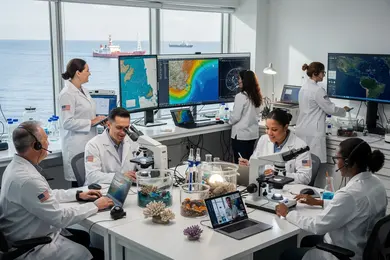
Entering the job market after completing a marine science degree often reveals unexpected challenges. Many recent graduates find that their academic training does not fully match employer demands, leaving gaps in critical skills needed for practical work. This mismatch can hinder their ability to secure positions or advance in competitive roles within the field. Employers frequently highlight a need for applied experience and specialized competencies that go beyond traditional coursework.
Prospective and current students may struggle to identify which skills to prioritize during their studies to enhance employability. Understanding the specific expectations of hiring managers is essential for making informed educational and career decisions. This article analyzes the disparity between what marine science degree programs teach and the skills employers seek, offering insights to help readers bridge this gap effectively.
Key Things to Know About Marine Science Skills Gap
- Degree programs often emphasize theoretical knowledge, yet 68% of 2024 marine science employers prioritize applied data analysis skills, indicating a gap that can delay graduate contributions to research projects.
- Proficiency in GIS, programming, and remote sensing is increasingly expected beyond core curricula, requiring students to seek supplemental training to meet evolving multidisciplinary field demands.
- Engaging in internships and collaborative fieldwork before graduation statistically improves job placement rates by 40%, demonstrating practical experience's critical role in bridging academic-employer skill mismatches.
- Key Things to Know About Marine Science Skills Gap Key Things to Know About Marine Science Skills Gap
- What Skills Do Employers Expect From Marine Science Graduates? Employer Expectations
- What Do Marine Science Degree Programs Typically Teach? Program Curriculum
- Where Is the Biggest Skills Gap Between Marine Science Programs and Employers? Biggest Skills Gap
- Which Technical Skills Are Most Important for Marine Science Careers? Technical Skills
- Which Workplace Skills Matter Beyond Technical Knowledge? Workplace Skills
- How Do Internships and Real-World Experience Improve Career Readiness? Career Experience
- How Can Students Close the Marine Science Skills Gap Before Graduating? Closing Skills Gap
- How Is the Marine Science Job Market Changing Employer Skill Requirements? How Is the Marine Science Job Market Changing Employer Skill Requirements?
- How Do Different Marine Science Programs Compare in Career Preparation? How Do Different Marine Science Programs Compare in Career Preparation?
- How Should Students Choose a Marine Science Program That Builds Career-Ready Skills? Choosing a Program
What Skills Do Employers Expect From Marine Science Graduates?
Employers recruiting marine science graduates increasingly demand a blend of specialized technical capabilities and versatile professional skills to thrive in evolving research and environmental management roles. Recent 2024 data from LinkedIn and the World Economic Forum indicates that roughly 70% of hiring managers prioritize a core set of digital competencies alongside strong communication and leadership abilities.
Navigating a typical research project often requires handling complex datasets, collaborating across disciplines, and communicating nuanced findings to diverse audiences-skills that graduates must demonstrate to gain an edge.
The following are the key capabilities that marine science graduate employer expectations consistently highlight:
- Advanced data analysis: Employers expect graduates to proficiently manipulate and interpret large environmental datasets. This skill is typically developed through coursework in statistics and programming languages like Python or R, enabling graduates to model oceanographic trends efficiently and support climate science initiatives.
- Geographic Information Systems (GIS): Mastery of GIS tools is essential for spatial data visualization and mapping marine environments. Hands-on experience through labs or internships equips students to produce actionable insights critical for coastal management and conservation projects.
- Communication skills: Conveying complex scientific information in accessible language is vital since marine scientists frequently engage with policymakers, stakeholders, and the public. Internship roles or research presentations often build this competency, improving impact and funding prospects.
- Project management: Effective coordination of interdisciplinary teams and timelines is a hallmark of successful marine research. Graduates strengthen these skills by leading field studies or managing collaborative assignments, supporting organized and timely project delivery.
- Leadership abilities: As careers develop, leading fieldwork teams and stakeholder engagement becomes critical. Recognized labor market trends from Lightcast show employers increasingly seek graduates who can motivate teams and navigate complex scientific collaborations.
- Adaptability and continuous learning: Rapid advances in marine technology and shifting environmental policies require graduates to update skills regularly. Active involvement in emerging research methods or certifications prepares students to remain relevant and innovative in their roles.
- Foundation in environmental sciences: Solid grounding in oceanography, marine biology, and chemistry forms the basis for specialized technical expertise. Graduates who complement this foundation with targeted coursework increase their chances of meeting essential marine science skills for jobs in dynamic settings.
Prospective and current students should consider integrating technical training with professional skill development, such as seeking internships that emphasize communication and project management. Those evaluating program options might also explore 1 year online masters programs as a streamlined path to advance workforce readiness aligned with marine science graduate employer expectations.
What Do Marine Science Degree Programs Typically Teach?
Marine science degree programs equip students with a blend of foundational and applied knowledge essential for understanding and managing marine ecosystems. While program structures vary, they consistently emphasize core scientific principles alongside practical skills that foster adaptability in diverse professional contexts.
A strong grasp of ecological processes is critical, but real-world effectiveness increasingly depends on interdisciplinary and technological competencies. For example, a graduate applying GIS tools to map coastal habitats combines core science with data proficiency, improving resource management decisions.
Below are key learning areas commonly emphasized in university marine science program learning outcomes:
- Core ecological principles: Students gain an understanding of marine biodiversity, ecosystem dynamics, and species interactions, forming the scientific base required to analyze environmental challenges and conservation strategies.
- Oceanographic processes: This area covers chemical, physical, and geological aspects of the ocean, helping students interpret marine phenomena and their broader environmental implications.
- Research methods and data analysis: Competency in field sampling, laboratory techniques, and quantitative analysis prepares students for evidence-based decision-making and strengthens their ability to contribute to scientific studies.
- Technological applications: Introduction to tools such as geographic information systems (GIS), remote sensing, and statistical software reflects a growing curricular trend, with over 85% of programs including these elements to enhance technical readiness.
- Interdisciplinary integration: Incorporation of policy, resource management, and climate change topics reflects evolving career demands, ensuring students appreciate the socioeconomic and governance contexts of marine science.
- Practical experience: Internships, capstone projects, and field courses foster hands-on skills and professional exposure, though variability in these components means students should assess program offerings carefully.
- Soft skills and professional development: Despite recognized gaps, programs are beginning to emphasize communication, leadership, and teamwork, which are vital for collaborative marine science roles but often require supplemental training.
Prospective students should consider how well a marine science program's curriculum aligns with employer expectations and personal career objectives, especially given that undergraduate degrees alone may not fully address technical and managerial skills.
Selecting programs that offer robust experiential learning and access to specialized training opportunities can mitigate common readiness gaps. Those aiming for comprehensive preparation might also explore additional certification or continuing education options to better navigate the complex marine workforce landscape.
For insights on broader educational pathways, interested individuals could explore related fields such as marriage and family therapy programs, which highlight structured approaches to balancing theoretical knowledge and applied competencies.
Where Is the Biggest Skills Gap Between Marine Science Programs and Employers?
The most significant disconnect between Marine Science programs and what employers demand revolves around the practical and interdisciplinary skills graduates bring to the table. According to the 2024 National Science Foundation report, over 60% of employers reported that new hires lack sufficient data analysis, GIS, and programming skills, which are increasingly integral to modern marine research and management.
Traditional curricula heavily emphasize field methods and biological theory, often sidelining digital and computational competencies that today's roles require. Below are the main areas where this gap is evident and how students can proactively address them:
- Technical Tool Proficiency: Graduates frequently lack hands-on experience with software such as Python, R, and GIS platforms. This limits their capacity to analyze complex datasets or create predictive models that underpin resource management decisions. Engaging in certifications, coding workshops, or internships focused on applied data skills can bridge this divide.
- Communication and Collaboration: Many entry-level professionals struggle to effectively convey scientific results to policymakers or community stakeholders. This communication shortfall hampers the translation of research into actionable strategy. Participating in interdisciplinary projects, science communication courses, or leadership roles in student organizations can cultivate these vital soft skills.
- Applied Environmental Economics and Policy: Employers increasingly expect familiarity with sustainable practices, regulatory frameworks, and economic impact assessments, areas typically underrepresented in core curricula. Pursuing electives or certificate programs related to environmental policy or economics, combined with real-world project experience, strengthens readiness for integrated management roles.
While educational programs aim to build foundational knowledge for long-term growth rather than immediate job training, recognizing these gaps allows students to customize their learning paths accordingly.
A recent graduate recounted navigating an entry-level position at a coastal conservation agency and quickly realized the disjunction between academic preparation and daily responsibilities. Though well-versed in marine ecology, she initially grappled with the agency's reliance on spatial data analysis and regulatory reporting.
She hesitated to request further training due to workload pressures but eventually sought out an online GIS certification and volunteered for cross-department initiatives. This strategic effort not only improved her confidence but also earned her recognition for contributing more effectively to policy assessments, demonstrating how targeted skill-building can mitigate the common chasm between theory and practice in marine science careers.
Which Technical Skills Are Most Important for Marine Science Careers?
Technical skills serve as the bridge between academic theory and practical application in marine science careers, ensuring graduates can contribute effectively in real-world contexts. As workplace technologies advance rapidly and industry requirements shift, the most valuable competencies continuously evolve.
Employers in marine science increasingly favor candidates with abilities that extend beyond traditional laboratory tasks to include data analysis, field operations, and software proficiency. Understanding key technical skills helps students tailor their learning toward roles with meaningful impact and adaptability.
The following highlights essential competencies frequently emphasized by employers as of 2024:
- Data Analysis and Programming: Mastery of tools like R and Python is critical as they facilitate processing complex environmental datasets and modeling marine ecosystems. Students build these skills through hands-on coursework in statistics and coding, enabling them to generate insights that inform research and policy decisions. Proficiency in programming supports long-term adaptability given the continual growth of big data in marine science.
- Geographic Information Systems (GIS): GIS expertise allows professionals to visualize and interpret spatial data vital for habitat mapping and resource management. Academic training combined with practical projects using GIS software makes graduates more competitive, since many marine roles depend on accurate spatial analyses for conservation and planning efforts.
- Remote Sensing Technologies: Familiarity with sonar, satellite imagery, and other remote sensing methods is increasingly required to monitor ocean conditions and biodiversity. These skills, often gained through specialized lab and fieldwork, enable scientists to assess environments without intrusive sampling, aligning with modern sustainability practices.
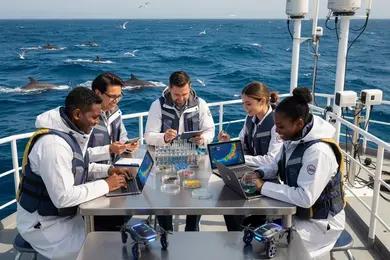
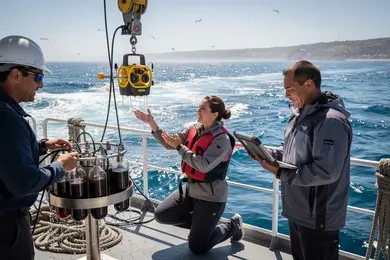
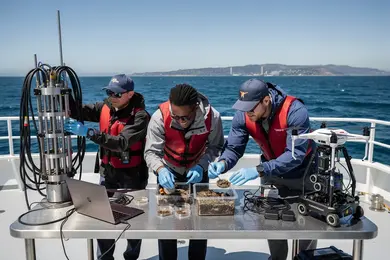
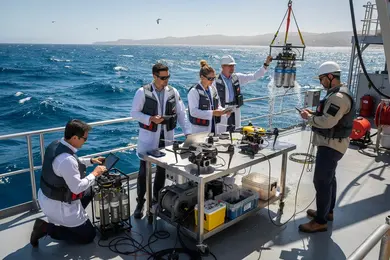
- Field Equipment Operation: Competence in handling autonomous underwater vehicles (AUVs), data loggers, and other marine instruments is highly valued. Students who engage in internships or practicums gain direct experience operating these technologies, making them indispensable for in-situ data collection across diverse marine habitats.
- Data Management Systems: Knowledge of SQL databases and cloud computing platforms supports efficient organization and sharing of large datasets. Training in these areas prepares graduates for collaborative projects and regulatory compliance, critical for managing complex marine research and resource data.
- Understanding of Marine Regulations: Technical expertise paired with familiarity with environmental policies ensures that marine scientists can apply their skills within legal frameworks. Integrating regulatory knowledge during academic programs enhances employability, especially in roles focused on ecosystem protection and resource management.
According to the 2024 Marine Technology Society Workforce Survey, over 70% of employers rate advanced programming and data handling skills as essential for entry-level marine science professionals, underscoring a marked shift toward technology-driven competencies. While specific requirements vary by sector, these skills consistently provide a robust foundation for navigating the evolving marine science landscape.
Which Workplace Skills Matter Beyond Technical Knowledge?
Success in marine science careers relies on more than just technical knowledge. Employers increasingly emphasize professional workplace competencies that enable graduates to apply scientific expertise effectively across diverse and dynamic contexts.
Recent findings from the 2024 National Oceanic and Atmospheric Administration workforce report highlight that over 70% of marine science employers prioritize durable skills alongside technical abilities. These competencies are critical for translating complex data into actionable decisions and for navigating interdisciplinary collaboration.
The following are the key workplace skills that significantly impact employability and long-term career outcomes:
- Effective Communication: Employers value the ability to clearly articulate scientific findings, both in writing and orally, to audiences without technical backgrounds. Enhancing scientific writing and presentation skills through coursework and internships helps bridge the gap between research and policy or resource management, a common challenge noted by hiring managers.
- Critical Thinking: The capacity to synthesize data, anticipate potential obstacles, and generate innovative solutions is essential for addressing real-world marine ecosystem complexities. Coursework involving problem-based learning and exposure to case studies can sharpen these skills.
- Team Collaboration: Marine science projects often require interdisciplinary teamwork. Developing the ability to work effectively with professionals from biology, chemistry, engineering, and other fields is essential. Group projects and cooperative research experiences cultivate this competence.
- Adaptability: Rapid environmental changes and evolving marine technologies demand professionals who can learn quickly and adjust strategies in real time. Experiential learning opportunities, such as internships in dynamic field settings, prepare students for these conditions.
- Project Management: Managing resources, timelines, and stakeholder expectations is a valuable skill that ensures scientific efforts lead to impactful results. Students can build this competency by leading research projects or participating in collaborative initiatives.
- Cultural Competence: Engaging responsibly with diverse communities and stakeholders is increasingly emphasized. Marine science students benefit from coursework and field experiences that enhance cross-cultural communication and ethical judgment.
Prospective students interested in advancing these skills may also explore options like 6-week online courses with certificates designed to complement marine science degree programs and strengthen workplace competencies.
Incorporating these professional competencies alongside technical training enhances career resilience and better aligns graduates with employer expectations across the marine science sector.
How Do Internships and Real-World Experience Improve Career Readiness?
Classroom instruction in marine science often falls short of fully preparing students for professional roles, as it primarily focuses on theoretical knowledge without immersing learners in the complexities of real-world problem-solving.
Experiential learning, such as internships or cooperative education, bridges this gap by allowing students to contextualize academic concepts within practical settings, thereby enhancing confidence and cultivating sound professional judgment. For example, a student working on a coastal habitat restoration project gains firsthand insight into data accuracy challenges, regulatory compliance, and environmental impacts-skills rarely mastered in lecture halls alone.
Internships and similar experiences also foster the development of critical technical abilities alongside soft skills like communication, teamwork, and understanding workplace norms essential for sustained career success. They provide valuable networking opportunities and clarify career pathways by exposing students to diverse roles and organizational cultures.
However, access to these experiences varies widely depending on program infrastructure and industry connections, making it crucial for students to proactively seek quality placements rather than relying solely on program offerings.
To maximize the benefits of experiential learning, prospective marine science students should pursue internships early, engage deeply in applied projects, and consistently reflect on these experiences to connect them with their evolving career aims. Cultivating professional relationships during placements can open doors to future opportunities and mentorship, while combining these experiences with strong academic performance and purposeful skill-building creates a more robust foundation for employment.
Recent data from the National Oceanic and Atmospheric Administration shows that over 75% of marine science graduates who completed internships found relevant jobs within six months post-graduation, compared to only half of those without such experience, underscoring the tangible impact of hands-on learning on workforce readiness.
How Can Students Close the Marine Science Skills Gap Before Graduating?
Students pursuing a marine science degree don't have to wait until graduation to build job-ready skills. Developing practical workplace competencies alongside academic studies significantly enhances employability. Employers increasingly seek graduates who can navigate real-world challenges with technical proficiency and independent problem-solving ability.
Proactive engagement in experiential learning establishes this foundation early and positions students ahead of peers relying solely on theoretical knowledge.
Below are key strategies proven to narrow the marine science skills gap before completing a degree:
- Structured Internships: Internships give direct exposure to marine science workplaces, allowing students to apply classroom concepts in practical settings. Engaging in roles with meaningful responsibilities rather than passive observation fosters critical skill development and professional networking. According to a 2024 NOAA report, students completing internships exhibit significantly higher employment rates six months after graduation.
- Undergraduate Research: Leading or contributing substantially to research projects sharpens analytical skills and technical expertise sought by employers. The Journal of Marine Education highlights that research involvement cultivates independent scientific inquiry, a marker of career readiness.
- Certification Programs: Earning credentials in GIS, programming languages like Python or R, or scuba safety adds tangible qualifications beyond coursework. The Marine Technology Society's 2024 report identifies certifications as valuable differentiators in competitive job markets.
- Project-Based Learning: Participating in or initiating projects enhances teamwork and practical problem-solving abilities. These experiences simulate workplace demands and deepen understanding of marine ecosystem complexities.
- Employer-Aligned Skill Focus: Tailoring learning efforts towards skills explicitly sought by marine science employers ensures relevance. Students can research job postings and industry trends to prioritize competencies such as data analysis, field techniques, and interdisciplinary collaboration.
- Networking and Professional Engagement: Active involvement in marine science organizations, conferences, or seminars expands connections and exposes students to emerging industry needs. This engagement often leads to opportunities and mentorship.
A recent graduate reflected on her final year decision to turn down a comfortable assistantship and instead pursue an unpaid internship with a regional oceanographic lab. Faced with uncertainty about the immediate payoff, she recognized that the role offered involvement in data collection and analysis-skills her professors emphasized but she had only practiced theoretically.
The hands-on experience and relationships formed during the internship proved critical when job applications post-graduation began returning responses. Although uneasy at first about the financial strain, she found the deliberate choice to prioritize skill-building over convenience was instrumental in closing the gap between academic preparation and employer expectations.
How Is the Marine Science Job Market Changing Employer Skill Requirements?
Technological innovation and regulatory shifts are reshaping the marine science job market skill trends, compelling employers to seek graduates with broader, interdisciplinary capabilities. The integration of automation and artificial intelligence in environmental monitoring, alongside increasingly complex global ecosystem challenges, means that foundational scientific knowledge alone no longer suffices.
According to Lightcast labor market data, demand is rising for professionals who combine traditional expertise with advanced data analytics, GIS proficiency, and ecosystem modeling skills. For example, a graduate working on climate impact assessments must navigate both scientific rigor and sophisticated digital tools to deliver actionable insights to stakeholders.
These evolving expectations extend beyond technical skills to include strong communication, project management, and policy navigation abilities. Employer expectations for marine science graduates now emphasize adaptability and continuous learning, as changing environmental regulations and collaborative cross-sector work become commonplace.
Practical experience gained through internships or applied projects often distinguishes candidates ready to meet workforce demands. Prospective students are advised to complement their degree with data science coursework and certifications, while actively engaging in professional networking and real-world problem-solving.
Integrating these approaches can significantly enhance long-term employability, as suggested by LinkedIn's 2024 workforce reports highlighting the importance of versatile skill sets in marine science roles.
For those considering further specialization, exploring pathways such as a masters in clinical psychology online may also broaden interdisciplinary perspectives useful in environmental and human dimensions of marine science. Balancing core academic study with practical, continuously updated skills equips students and career changers alike to navigate the widening gap between traditional curricula and current employer demands in this evolving field.
How Do Different Marine Science Programs Compare in Career Preparation?
Career preparation in marine science depends on more than the degree title alone. The practical alignment between program content, learning experiences, and employer expectations plays a decisive role in graduate employability.
A 2024 report by the National Oceanic and Atmospheric Administration found that students engaged in hands-on research and internships have a notably higher chance of securing jobs within their first year after graduation. Still, prospective students must assess how well a program fits their specific career goals and whether it offers access to applied learning outside traditional lecture settings.
Below are key considerations when comparing marine science degree programs for workforce readiness:
- Experiential Learning Opportunities: Programs differ widely in providing internships, research projects, and fieldwork. Institutions with strong ties to industry or government agencies enable students to apply classroom theory to real-world problems, enhancing practical skills valued by employers. Prospective students should prioritize degree programs that embed such opportunities to improve early career placement.
- Curricular Balance: Career readiness requires more than broad scientific knowledge; it requires integration of laboratory expertise, fieldwork, and computational skills. Some programs focus heavily on theory or lab work but may underprepare those targeting ecological assessments or marine data science, so students should analyze whether the curriculum matches their career ambitions.
- Skill Development Focus: Employers increasingly seek data analysis, project management, and field proficiency. Programs that emphasize these applied competencies tend to yield graduates with stronger workforce readiness. When evaluating programs, consider how the degree cultivates these skills beyond foundational science.
- Faculty and Industry Connections: Faculty engaged in active research or industry collaborations often provide mentorship and networking vital for career entry. Reviewing faculty backgrounds and partnership opportunities can reveal how effectively a program prepares students for employment challenges.
A nuanced comparative analysis of marine science degree programs reveals that no single path guarantees success; instead, career readiness depends on how well a program's strengths align with a student's professional goals and their willingness to pursue experiential learning.
For those interested in advanced education pathways, consulting resources like the best EdS to EdD programs may offer insight into further specialization. This strategic approach is essential to bridging the marine science skills gap and improving long-term career outcomes.
How Should Students Choose a Marine Science Program That Builds Career-Ready Skills?
Choosing between online, hybrid, and campus marine science programs involves weighing distinct long-term advantages and trade-offs that affect career readiness and workforce success. Recent 2024 analyses emphasize that while all formats can foster essential skills, their impact varies based on hands-on opportunities, networking, and skill development.
Here are key factors to consider when evaluating these formats for lasting career benefits.
- Experiential Learning Access: Campus programs typically offer richer fieldwork and laboratory experiences critical for applied skills, while hybrid formats blend some in-person labs with online theory. Fully online programs might limit direct field engagement but often incorporate virtual simulations, favoring self-directed learners comfortable with remote platforms.
- Networking Opportunities: Campus formats provide more frequent face-to-face interaction with peers, faculty, and local industry, enhancing ongoing career connections. Hybrid options enable occasional in-person networking, whereas online students rely heavily on digital forums, potentially limiting spontaneous professional exposure.
- Flexibility Versus Structure: Online programs offer maximum scheduling flexibility, beneficial for working adults, contrasting with campus programs' rigid timelines that encourage disciplined study habits. Hybrid approaches balance these factors, aiding students needing both structure and adaptability.
- Technical Skill Building: Programs emphasizing data analysis, GIS, and programming tend to embed these strengths differently across formats. Campus and hybrid students often gain more guided practice, while online learners must proactively seek supplementary resources to attain comparable proficiency.
- Career Transition Support: Strong industry partnerships often correlate with campus and hybrid programs providing internships and practicums that ease workforce entry; purely online curricula may struggle to match this unless explicitly designed with employer collaborations.
- Graduation Completion Rates: Studies show campus students generally have higher graduation rates due to immersive engagement, with hybrid students close behind; online formats face challenges with attrition, underscoring the importance of self-motivation for distance learners.
- Cost and Accessibility: While online degrees can be more affordable and accessible geographically, campus programs may offer enhanced financial aid and richer campus resources, which can impact long-term academic success and satisfaction.
References
- Marine Scientist https://environmentaljobs.com.au/environmental-career-profiles/marine-scientist
- 7 Classes That All Aspiring Marine Biologists Should Take https://www.seamester.com/blog/7-high-school-classes-that-all-aspiring-marine-biologists-should-take/
- Study Marine Science - Experience, Job Opportunities, Salary + Survey https://jobtensor.com/uk/Studies/Marine-Science
- Marine Biology https://www.imarest.org/education-and-training/marine-careers/biology.html
- How to become a marine biologist? | Conservation Careers https://www.conservation-careers.com/how-to-become-a-marine-biologist/
- Addressing the Skills Gap in the Maritime Industry through Advanced Training Solutions https://www.kilo-solutions.com/post/addressing-the-skills-gap-in-the-maritime-industry-through-advanced-training-solutions
- Social skills in marine scientists: Empathy as a resource to work together with stakeholders https://marineboard.eu/social-skills-marine-scientists-empathy-resource-work-together-stakeholders
- Exploring New Skills and Careers in the Ocean Industry https://www.oceanologyinternational.com/london/en-gb/blog/articles/skills-and-careers-in-the-ocean-industry.html
- Undergraduate Marine Biology Programs Compared https://www.road2college.com/best-marine-biology-colleges/
Other Things You Should Know About Marine Science
While employers value specialized technical skills, an overly narrow focus can limit adaptability in a field that evolves rapidly. Degree programs emphasizing foundational science alongside applied techniques better prepare graduates for diverse roles. Prioritizing a balanced curriculum that fosters both depth and breadth helps students remain versatile, especially in unpredictable job markets.
Research-intensive programs deepen theoretical understanding but often lack sufficient exposure to real-world tools and workflows that employers demand. Hands-on training, including fieldwork and data analysis using industry-standard software, directly strengthens workforce readiness. Opting for programs that integrate practical experiences with research ensures graduates are not only knowledgeable but also immediately effective in professional settings.
Marine science degrees typically have fixed credit requirements which limit opportunities for supplementary skill development. Students must strategically select electives, internships, or certificate courses that align with employer needs without overloading themselves. Recognizing workload limits, prioritizing experiences that offer the highest employability return is essential to avoid burnout and ensure meaningful skill acquisition.
Supplementing a traditional marine science degree with credentials in data science, GIS, or programming can significantly enhance job prospects. However, employers prioritize demonstrable applied skills over credentials alone. Effective credential stacking involves combining certifications with practical projects or internships that prove competence, rather than accumulating disconnected qualifications without clear, integrated outcomes.