2027 Online vs Campus Marine Science Outcomes Report: Graduation Rates, Cost, and Career Trade-Offs

Co-Founder and Chief Data Scientist
Key Things to Know About Online vs Campus Marine Science Outcomes
- Graduation rates for campus marine science programs average 65%, notably higher than the 48% observed in online formats, reflecting greater hands-on engagement demands and support access impacting persistence.
- Online marine science graduates face a 15% lower likelihood of securing fieldwork-intensive roles within two years, indicating employer preference for demonstrated in-person practical experience.
- Total costs including opportunity costs tend to be 20-30% lower for online students, improving access timing but potentially delaying career entry in specialized marine sectors requiring on-site credentials.
- Key Things to Know About Online vs Campus Marine Science Outcomes Key Things to Know About Online vs Campus Marine Science Outcomes
- What Are the Biggest Differences Between Online and Campus Marine Science Program Outcomes? Online vs Campus Outcomes
- How Do Graduation Rates Compare Between Online and Campus Marine Science Programs? Comparing Graduation Rates
- Why Do Online and Campus Marine Science Students Have Different Completion Rates? Why Completion Rates Differ
- How Do Online and Campus Marine Science Programs Compare on Total Cost? Total Cost Comparison
- What Hidden Costs Should Students Expect in Online vs Campus Marine Science Programs? Hidden Program Costs
- How Does Financial Aid Affect the Cost of Online and Campus Marine Science Programs? Financial Aid Impact
- Do Online and Campus Marine Science Graduates Have Different Career Outcomes? Comparing Career Outcomes
- How Do Employers View Online vs Campus Marine Science Degrees? How Do Employers View Online vs Campus Marine Science Degrees?
- Which Marine Science Degree Format Offers Better Flexibility for Working Adults? Which Marine Science Degree Format Offers Better Flexibility for Working Adults?
- How Should Students Choose Between an Online and Campus Marine Science Program? Choosing Your Program Format
What Are the Biggest Differences Between Online and Campus Marine Science Program Outcomes?
Graduation rates reveal a significant divergence between online and campus marine science programs, with campus students typically surpassing 60% completion within six years, while online cohorts often fall near or below 40%. This disparity reflects practical challenges for many online learners who juggle part-time study alongside work and family obligations, often extending their timelines and increasing exposure to debt due to repeated enrollment periods or limited financial aid access. For example, a working adult pursuing an online marine science degree may postpone entering the workforce compared to a full-time campus student, which can delay career progression despite similar long-term earning potential.
Cost comparisons between formats are nuanced; while online tuition appears more affordable upfront, total expenses differ when factoring in campus students' housing and commuting costs versus online learners' technology needs and potential isolation from academic advising. This affects retention and persistence, where campus students benefit from hands-on labs, field internships, and robust faculty engagement-elements valued by employers requiring practical marine science skills and licensure readiness. The trade-offs in selecting between local campus immersion and the flexibility of online delivery should be framed by how each format aligns with career goals, resource access, and willingness to navigate varied completion timelines. Prospective students can explore associate degree online programs as part of evaluating pathways that balance these factors within marine science education.
Employment outcomes further complicate decision-making, as many employers still favor campus credentials for roles emphasizing experiential training, though a growing number of online program graduates enter relevant sectors. Delays in graduation for online students, often resulting from part-time attendance, can lead to postponed workforce entry but do not inherently limit long-term career mobility if supplemented by practical internships or certifications. Ultimately, weighing the graduation rate differentials alongside cost, student engagement, and employer expectations forms a critical foundation for informed choices about marine science program format and timing that best suit individual circumstances.
How Do Graduation Rates Compare Between Online and Campus Marine Science Programs?
Graduation rates for marine science programs highlight significant operational differences in student success tied closely to enrollment format and learner profile. Campus-based programs, reporting near 60% six-year completion for full-time students according to 2024 data from the National Center for Education Statistics, often benefit from immersive field components, structured cohort models, and accessible advising that collectively support sustained momentum. In contrast, online formats tend to see rates between 35% and 45%, a gap influenced less by academic rigor and more by student circumstances such as part-time status, work and family commitments, and the resulting flexibility demands. These factors compound when transfer students enter with varied credit backgrounds or when programs lack synchronous engagement and hands-on experiences critical to marine science expertise.
Direct comparison of graduation rates without contextualizing program design and student demographics can be misleading. Online learners often juggle multiple obligations and may face "stop-out" risks, making completion timelines more variable. Further, the selectivity of campus programs and their cohort-based accountability create environments where attrition is lower and steady progress is encouraged. Prospective students should weigh whether online structures provide sufficient advising, pacing, and interactive elements-key retention drivers in marine science disciplines requiring technical and practical competencies-especially for those balancing employment or caregiving roles.
An early-career marine science student recalled researching both formats before enrollment. She was drawn to an online program's flexibility but worried about balancing coursework and a part-time job without a tight cohort schedule or frequent faculty contact. Campus visits revealed the advantage of direct access to faculty and lab time, though commuting demands and tuition left her weighing costs heavily. Her decision-making process illuminated how those practical dynamics, beyond just graduation percentages, shape the real-world durability and completion risks associated with each path.
Why Do Online and Campus Marine Science Students Have Different Completion Rates?
Lower completion rates in online marine science programs often reflect the realities of student demographics and program structuring rather than a strict measure of academic quality. Many online learners juggle part-time enrollment alongside full work and family commitments, which extends time to degree and raises the likelihood of temporary withdrawal. For example, a student balancing a night job and online coursework might face obstacles completing lab-intensive requirements or scheduling real-world fieldwork, which are integral to marine science and more seamlessly integrated into campus-based formats. According to National Center for Education Statistics data from 2024, campus students graduate at a rate of about 55% within six years, compared to roughly 38% for online cohorts in similar STEM fields, underscoring how enrollment status and access to consistent academic advising influence persistence.
Academic support differences further shape these outcomes. Campus-based marine science students benefit from direct faculty interaction, hands-on labs, and peer cohort structures that foster engagement and accountability essential for completing complex scientific training. In contrast, online students rely heavily on virtual resources and digital advising, which may not fully replicate the collaborative, experiential elements required for critical competencies in marine science. Additionally, financial challenges and technology costs disproportionately burden online learners, while transfer credit policies might delay progression more frequently than for traditional students. These factors combine to reveal that the gap in graduation rates involves intertwined issues of student life stability, program design, and support availability rather than simply the mode of delivery.
How Do Online and Campus Marine Science Programs Compare on Total Cost?
Tuition costs alone do not capture the total expenses involved in comparing online versus campus marine science degrees. While public campus programs average about $9,500 annually for in-state tuition, online alternatives tend to hover closer to $7,000 per year. However, campus students routinely face additional mandatory fees for labs and student activities, adding upwards of 10-25% to their tuition bills, whereas online learners often pay technology or distance learning fees ranging from $300 to $800 each term. These differences become especially relevant when factoring in housing and commuting costs, which can add $10,000 to $15,000 annually for campus-based students but are essentially avoided by those enrolled remotely.
The total expenses and hidden costs in marine science online and campus programs extend beyond tuition and fees to include fieldwork and material requirements. Campus students usually gain direct access to labs and equipment, reducing out-of-pocket expenses, while online learners may incur travel or specialized equipment costs, particularly when programs require on-campus residencies or intensive field sessions. Financial aid profiles also diverge; campus enrollees often have greater access to institutional scholarships, while online students might leverage employer tuition assistance but tend to experience slightly higher average student debt due to extended timelines balancing work and study. Those weighing program choices should consider how these factors influence not only up-front affordability but long-term debt planning and career progression, with a growing number of institutions offering flexible options like CACREP-accredited online counseling programs that blend practical relevance and scheduling accommodation.
What Hidden Costs Should Students Expect in Online vs Campus Marine Science Programs?
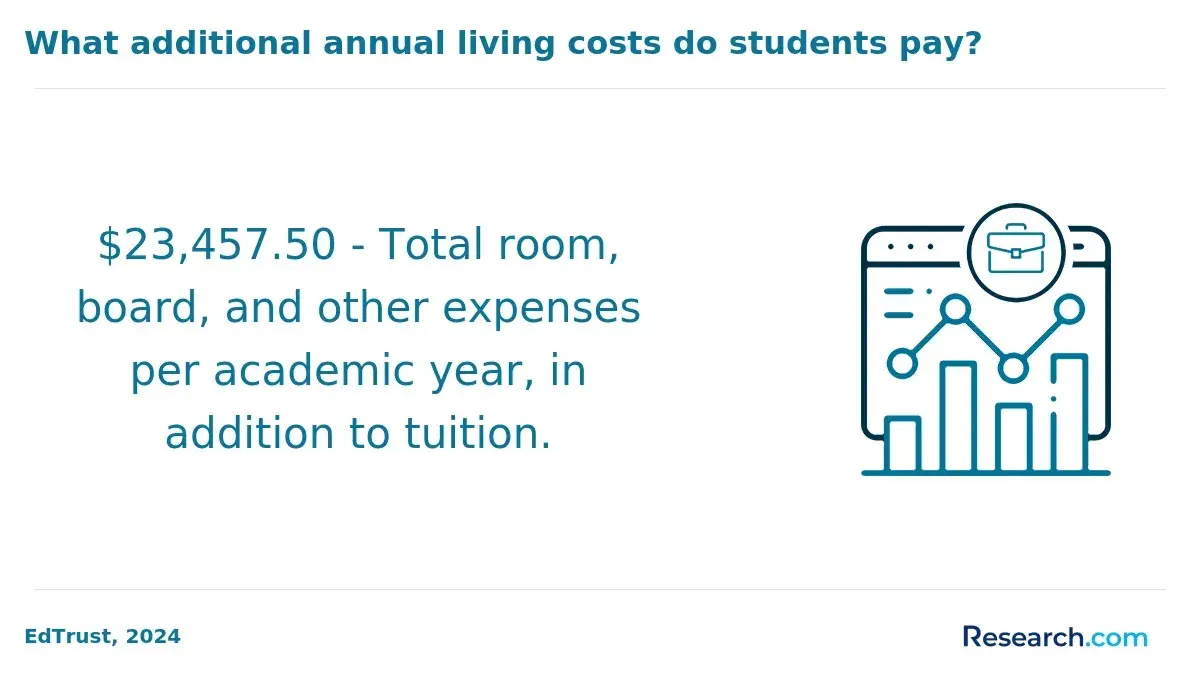
True cost comparisons between online and campus Marine Science programs require examining often overlooked expenses that influence both affordability and student success. Online students encounter technology fees that can total several hundred dollars per term to cover specialized software, remote exam proctoring, and IT services-costs that campus learners often avoid by accessing resources on-site. Conversely, campus students face substantial living costs, with recent data from the National Center for Education Statistics showing annual room and board expenses frequently surpassing $12,000, alongside commuting and parking fees that vary widely based on location. Both groups must budget for in-person fieldwork essential to Marine Science training, but online learners may need to arrange costly travel and lodging independently, complicating scheduling and increasing total program cost beyond tuition alone.
These financial factors affect not only budget planning but also time management and employment decisions. Flexibility benefits often cited for online formats can be constrained by synchronous sessions and mandatory field visits, while campus students might reduce work hours or take unpaid leave to meet fixed class schedules. These trade-offs impact long-term career timelines, as lost income and travel time can lengthen education completion or delay workforce entry. Awareness of these nuances is critical; ignoring hidden fees and logistical challenges risks underestimating total investment and may influence program choice in ways that affect graduation success and early career stability.
One Marine Science student recalled weighing a local campus program's high housing costs against an online program's technology fees and required visits to field sites several states away. She hesitated as proctoring fees and software costs for the online option crept higher than advertised tuition suggested, while the campus option demanded costly daily commuting and limited job opportunities. Eventually, she selected the online program but remained cautious, budgeting carefully for travel expenses and balancing part-time work to offset income loss during mandatory field activities, reflecting the complex calculus students face when deciphering true program affordability.
How Does Financial Aid Affect the Cost of Online and Campus Marine Science Programs?
Financial aid shapes the net cost of marine science programs in ways that directly impact enrollment choices between online and campus study. Campus students often benefit from a wider range of scholarships and assistantships tied to on-site participation, but this access can be offset by additional costs like housing and meal plans. Online students, who frequently enroll part-time and reside out-of-state, may see fewer campus-restricted funding options but gain from employer tuition reimbursement and significantly higher access to military or veterans' education benefits. For example, an active-duty service member balancing work with study might reduce their out-of-pocket expenses online, leveraging these benefits more effectively than by attending campus-based programs.
Comparing financial aid offers requires careful attention to tuition structures, fees, and enrollment intensity, which vary notably by format. Online marine science students often face technology and distance learning fees that can diminish aid impact, while campus-based programs may require borrowing larger loans due to living expenses. With average federal loan debt around $29,800 for campus graduates compared to lower borrowing levels among online students, the choice influences not only immediate affordability but also long-term financial obligations. This interplay between aid availability and total costs means that prospective students must analyze how scholarships, grants, and federal support align with their status and goals, weighing the cost against program pacing and career timing benefits.
As students assess their options, it is important to consider that some online programs offer tailored schedules, including popular 6 week courses, which can facilitate faster completion and potential employer support. The financial aid impact on online marine science tuition is thus inseparable from practical enrollment decisions-residency status, eligibility for specific grants, and employer benefits all define the real net price and debt exposure, guiding informed choices for diverse learner profiles.
Do Online and Campus Marine Science Graduates Have Different Career Outcomes?
Differences in career outcomes between online and campus marine science graduates largely hinge on factors beyond mere employment rates, which are notably similar within six months of graduation according to recent federal data. Campus programs typically provide structured internships and field experiences essential for certifications and licensure, a critical advantage as nearly 70% of employers prioritize candidates with hands-on exposure tied directly to their degree. This experiential access, coupled with stronger alumni networks and mentorship, often translates into more robust job placement and local professional connections, which can directly affect upward mobility and recognition in specialized regulatory roles.
Online marine science programs offer substantial flexibility that benefits working adults and geographically dispersed students, but they may face lingering skepticism from about one-fifth of employers uncertain about the equivalency of online credentials, especially when institutional accreditation is ambiguous or regional. Unlike campus graduates, online learners often need to proactively seek out field opportunities and professional contacts outside their program, potentially limiting immediate access to network-driven job leads and salary growth linked to reputation and on-site engagement. For students weighing these pathways, the decision influences not only early career trajectories but also long-term advancement in a discipline where licensing boards and employers maintain clear expectations for documented applied skills and recognized experiential learning environments.
How Do Employers View Online vs Campus Marine Science Degrees?
Employer confidence in marine science degrees increasingly hinges on program reputation, accreditation, and tangible applied experience rather than delivery format alone. The National Association of Colleges and Employers 2024 survey reveals that nearly 68% of employers view online degrees from regionally accredited institutions as equally credible to traditional campus degrees if they demonstrate comparable academic rigor and experiential learning. However, hiring managers frequently differentiate candidates based on whether their credentials signal direct fieldwork, internships, or collaborative projects-elements that remain more transparently integrated with campus degree programs.
For instance, a field technician role in coastal research may favor graduates whose transcripts or diplomas explicitly indicate specialized marine science nomenclature and documented practical placements. In contrast, employers familiar with leading online programs affiliated with respected institutions report similar trust when those digital credentials include structured internships or local hands-on experiences. Yet, career outcomes can diverge depending on industry norms: campus-based graduates often gain from alumni networks and in-person faculty mentorship, enhancing access to competitive project roles, while online students must proactively cultivate equivalent applied skills to mitigate perceived gaps.
Deciding between online and campus marine science pathways requires careful alignment with specific career goals, local internship availability, and employer expectations for experiential learning. While flexibility in online programs appeals to working adults, the lack of seamless access to labs and field activities can influence employability in advanced research or technician positions. Ultimately, employers prioritize proof of skills and relevant applied experience when accreditation and curriculum quality are equivalent, making deliberate choices about program components crucial for long-term career viability.
Which Marine Science Degree Format Offers Better Flexibility for Working Adults?
Flexibility for working adults pursuing marine science degrees hinges less on format labels like "online" or "campus" and more on how each accommodates real-world constraints such as commute, synchronous requirements, and course sequencing. Campus-based programs typically require regular in-person attendance for labs and fieldwork, constraining students with rigid schedules and limiting flexibility for those balancing jobs or caregiving. In contrast, online programs often offer asynchronous coursework, allowing engagement outside traditional work hours, but still demand periodic on-campus residencies or intensive sessions that may disrupt work and family commitments, highlighting the trade-offs inherent in "flexible marine science degree options for working professionals."
Students navigating these formats must weigh how part-time policies, stop-outs, and transfer credit acceptance affect persistence and graduation timing, with online learners generally benefiting from more accommodating institutional policies. Yet, the relative lack of face-to-face mentorship in online settings can impact engagement, potentially prolonging time to degree and increasing cost exposure. Moreover, employer support for flexible, digital education pathways aligns with online learning advantages, reinforcing workforce continuity for employed adults reluctant to sacrifice job stability. Those considering marine science pathways should critically assess whether hybrid or evening campus options provide a meaningful balance or whether an exclusively campus route's scheduling inflexibility outweighs the value of hands-on access.
Realistically, the best decision depends on individual work schedules and employer expectations, as well as how well a program's design matches personal constraints and long-term goals. For example, a shift worker reliant on flexible study hours might find an online marine science degree more viable despite intermittent campus visits, whereas professionals seeking concentrated lab access may accept commuting trade-offs. For prospective students comparing degrees, including parallel fields like computer science, it can be instructive to examine comparative success and flexibility in related options such as an online cs degree, informing strategic planning across STEM disciplines.
How Should Students Choose Between an Online and Campus Marine Science Program?
Graduation rates and access to hands-on resources remain critical in deciding between online and campus marine science programs. According to data from the National Center for Education Statistics in 2024, campus-based bachelor's programs graduate around 62% of students within six years, notably higher than the 45% rate for fully online counterparts. This gap underscores challenges in student persistence and sequencing of complex coursework often necessary for marine science. For example, a working adult balancing caregiving may find online flexibility essential, but the tradeoff includes fewer opportunities for lab access and in-person mentoring, which many employers in marine fields highly value.
Cost assessments must consider more than just tuition differences. Campus programs average about $31,000 annually when factoring in living expenses, but online options may offset these costs with reduced commuting and housing needs while sometimes carrying hidden expenses like technology fees. Evaluations of how these financial variables affect total program affordability should incorporate potential limitations in financial aid for online studies and the impact on long-term career mobility and job placement. Students weighing these factors can explore resources like online general studies degree affordable alternatives to complement their marine science pursuits.
Employer expectations also influence program choice. While some institutions deliver well-regarded virtual labs and internships, many marine science employers continue to prioritize network connections made through campus attendance as a pathway to internships and job placement. Scheduling flexibility from online formats helps nontraditional students complete degrees without relocating, but campus environments typically provide richer faculty interaction and collaborative research essential for mentoring and career growth. Prospective students should weigh these elements alongside graduation rates, costs, and personal circumstances to select the most practical approach to a marine science degree.
References
- What's the Difference Between Marine Science and Marine Biology? https://oztrekk.com/news/difference-between-marine-science-and-marine-biology/
- Studying Marine Science vs Marine Biology - SAMS UHI Student Blog https://blog.sams.ac.uk/studying-marine-science-vs-marine-biology/
- How Employers View Online Degrees: Interviews with Nine Hiring Executives https://www.onlineeducation.com/features/how-employers-view-online-degrees
- A Guide To Picking A College – The Marine Sciences https://www.taylorkseadiving.com/post/a-guide-to-picking-a-college-the-marine
- Undergraduate Marine Biology Programs Compared https://www.road2college.com/best-marine-biology-colleges/
- Online vs in-person study: which one is right for you? https://www.ube.ac.uk/whats-happening/articles/online-vs-in-person-learning/
- Cost and Funding https://www.uvi.edu/academics/science-math/departments/bio-sciences/marine-envir-science/masters-marine-envir/Awards.html
- Research showing that virtual learning is less effective than classroom teaching – right? | Tony Bates https://www.tonybates.ca/2021/08/26/research-showing-that-virtual-learning-is-less-effective-than-classroom-teaching-right/
- Costs & Financial Aid https://www.vims.edu/academics/graduate/funding/
- What's The Difference Between Marine Science and Marine Biology? https://www.seamester.com/blog/whats-the-difference-between-marine-science-and-marine-biology/
Other Things You Should Know About Marine Science
Campus programs typically integrate direct access to labs, fieldwork, and real-time collaboration with faculty, enabling students to develop practical skills in sample collection, marine organism observation, and use of specialized equipment. Online marine science programs often rely on virtual simulations or require arranging off-site experiences, which can limit the depth and immediacy of hands-on learning. This difference can impact students' readiness for field-driven roles and their ability to demonstrate applied competencies to employers, making campus options more favorable for those targeting research-intensive careers.
Online marine science students must often juggle self-paced content while coordinating independent field projects that may not align neatly with their schedules, imposing heavy time management demands. Unlike campus students who attend structured classes and have scheduled lab sessions, online learners bear greater responsibility for arranging fieldwork logistics and meeting deadlines without immediate faculty oversight. Students less adept at independent organization might encounter delays or reduced learning effectiveness, which can affect progression speed and final outcomes.
Campus students benefit from routine in-person interaction with peers, faculty, and visiting experts, facilitating mentorships and professional networks critical for internships and research opportunities. Online students may face challenges accessing these networks, relying heavily on virtual events and asynchronous communication, which can be less effective for forming robust, trust-based connections. For those prioritizing careers in academia or marine policy, campus environments generally offer stronger pathways to meaningful professional relationships.
Government and environmental agencies often emphasize documented practical experience and endorsements, which campus programs are better positioned to provide through established internship pipelines and supervised fieldwork. While online degrees can convey theoretical knowledge adequately, the lack of embedded real-world training opportunities can place graduates at a disadvantage when competing for these roles. Prospective students targeting such sectors should prioritize campus programs or carefully verify that online options include accredited practical components.