2027 Marine Science Tuition Inflation Report: How Fast Are Program Costs Rising?

Co-Founder and Chief Data Scientist
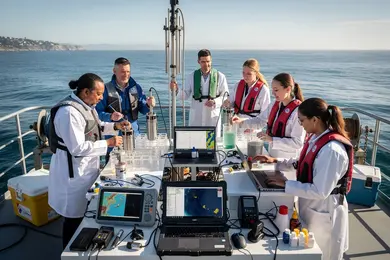
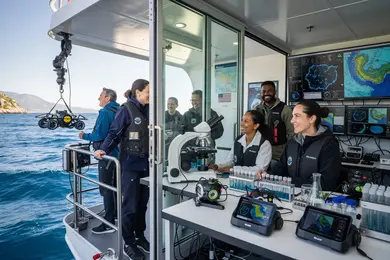
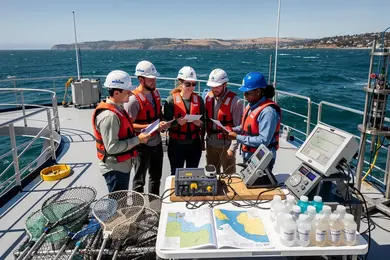
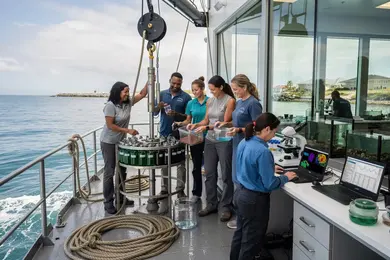
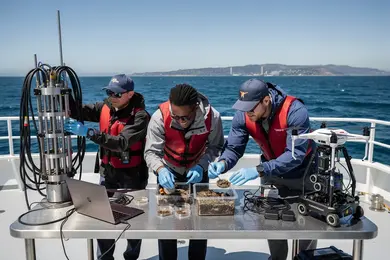
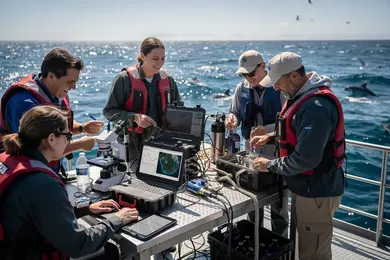
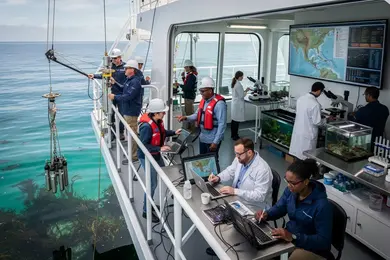
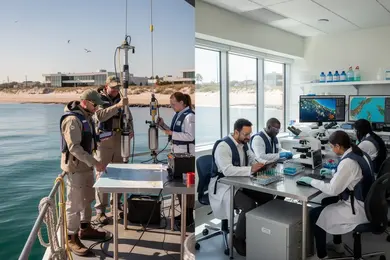
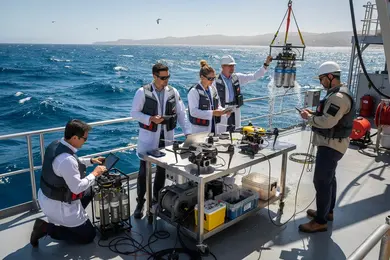
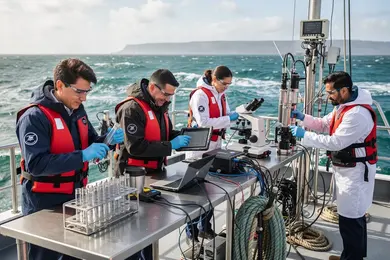
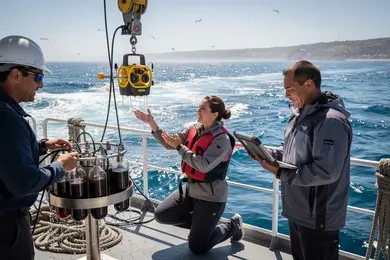
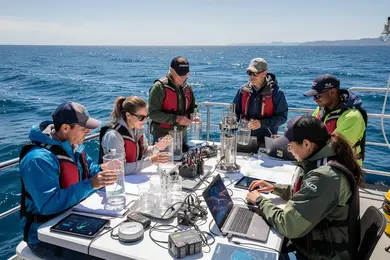
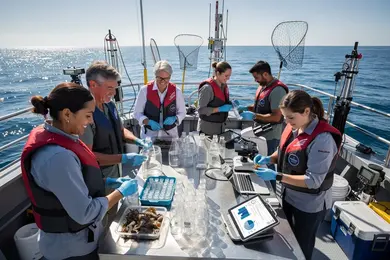
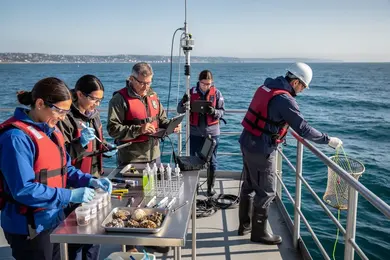
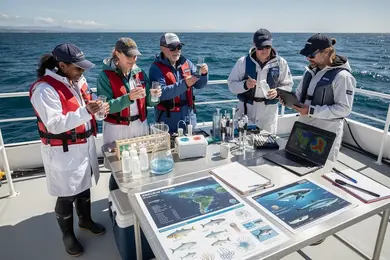
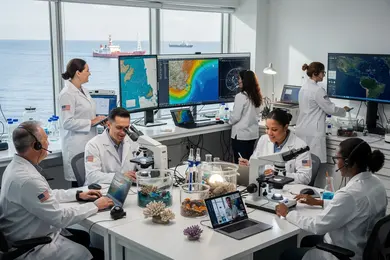
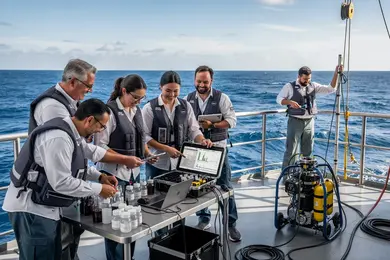
The rising costs of marine science tuition reflect more than general higher-education inflation. This discipline demands extensive investment in specialized laboratory facilities, advanced underwater technology, and field-based research vessels. Accreditation bodies increasingly require updated equipment and rigorous hands-on training, pushing institutions to allocate substantial resources. Additionally, the need for faculty with niche expertise and compliance with environmental regulations influences program expenses.
According to the National Oceanic and Atmospheric Administration's 2024 report, enrollment in marine science programs has grown by 7%, intensifying demand for limited resources. The age profile of students, often including mid-career professionals, points to evolving workforce requirements and economic pressures shaping tuition trends.
Key Things to Know About Marine Science Tuition Inflation
- Tuition for marine science programs has increased by over 8% annually since 2022, limiting access for lower-income students and pushing many to prioritize cost over program specialization.
- Rising costs are prompting employers to favor candidates with practical experience and certifications over those with solely academic credentials, affecting graduate employability and career trajectories.
- Accelerated tuition inflation compresses timeframes for degree completion investments, forcing students to weigh longer programs' financial risk against the labor market value of advanced marine science training.
- Key Things to Know About Marine Science Tuition Inflation Key Things to Know About Marine Science Tuition Inflation
- How Much Has Marine Science Tuition Increased Over the Past Decade? How Much Has Marine Science Tuition Increased Over the Past Decade?
- How Does Marine Science Tuition Inflation Compare to Overall Inflation? How Does Marine Science Tuition Inflation Compare to Overall Inflation?
- Which Types of Schools Have Experienced the Fastest Marine Science Tuition Growth? Tuition Growth by School Type
- What Factors Are Driving Rising Costs in Marine Science Degree Programs? Tuition Cost Drivers
- How Does Marine Science Tuition Growth Vary by State and Region? Tuition Growth by State
- Are Online Marine Science Programs Becoming More Affordable Than Campus-Based Programs? Online Program Affordability
- How Have Financial Aid and Scholarships Changed as Marine Science Tuition Has Increased? Impact on Financial Aid and Scholarships
- How Does Rising Marine Science Tuition Affect Student Debt After Graduation? Impact on Student Debt
- Do Higher-Cost Marine Science Programs Deliver Better Career Outcomes or Earnings? Impact on Career Outcomes
- What Do Current Tuition Trends Suggest About the Future Cost of a Marine Science Degree? What Do Current Tuition Trends Suggest About the Future Cost of a Marine Science Degree?
How Much Has Marine Science Tuition Increased Over the Past Decade?
Tuition for marine science degree programs has risen substantially over the past ten years, with data from the National Center for Education Statistics and the U.S. Department of Education's College Scorecard showing an increase of approximately 35% to 45% at public four-year universities. Private colleges offering these programs have experienced even sharper tuition growth, often exceeding 50%. These trends reflect broader higher education pricing pressures, but regional trends in marine science program cost growth reveal variability tied to institution type and geographic location, influencing affordability for prospective students depending on where they study.
Rising tuition is driven by multiple factors beyond general inflation. State funding cuts to public universities have shifted more financial responsibility onto students, particularly as marine science requires costly resources like research vessels and specialized field equipment. Academic programs have also expanded in complexity, integrating advanced technology and emphasizing experiential learning, which increase operating costs. These institutional investments, paired with evolving enrollment patterns and labor market demands, collectively contribute to pricing disparities across regions and schools.
The persistent escalation in tuition raises important considerations for affordability and return on investment. Higher upfront costs may deter certain applicants or compel greater reliance on borrowing, impacting long-term financial stability. Given marine science's competitive job market and salary growth that often lags behind other STEM fields, potential students should carefully evaluate the balance between educational expense and career prospects, including transferable skills and alternative educational pathways like one year doctoral programs that might offer more time-efficient credentialing options within scientific disciplines.
How Does Marine Science Tuition Inflation Compare to Overall Inflation?
Tuition inflation in marine science degree programs has consistently outpaced general consumer price inflation, with recent data from the U.S. Bureau of Labor Statistics showing average annual inflation near 3.4%, while tuition increases in these specialized fields often approach 5% to 6%, according to National Center for Education Statistics and College Board reports. This gap reflects distinct economic pressures peculiar to marine science education, which demand resources not typical of broader consumer goods or services. Such trends in marine science tuition inflation compared to national inflation rates highlight enduring cost escalations that directly impact student affordability beyond the typical household budget fluctuations.
The widening divergence between tuition inflation and overall inflation stems largely from shifts in higher education funding models and cost structures. Reductions in state subsidies pressure institutions, especially public universities, to shift more operational costs onto tuition payers, while administrative overhead and expanded student services continue to grow. Investments in advanced technology, laboratory equipment, and infrastructure necessary for marine science fieldwork further amplify these cost increases. This combination contributes to rising tuition that far outstrips general inflation and traditional educational cost factors.
As marine science tuition rises faster than general inflation, students face mounting affordability challenges that often translate into greater borrowing or longer times to repay debt. Regional trends in marine science program cost increases mean that prospective students must carefully assess program value, especially as inflated tuition pressures can alter educational choices and long-term return on investment. Navigating these dynamics is crucial for informed decision-making, and some learners consider alternative options such as exploring an affordable online masters in clinical psychology or other fields where program costs and career outcomes might better align with personal financial circumstances.
Which Types of Schools Have Experienced the Fastest Marine Science Tuition Growth?
Tuition increases for marine science programs vary widely across institutional categories, shaped by funding structures, market demand, and program resource requirements. Understanding these differences provides critical insight into cost trends and the practical value of degrees within diverse educational settings. Institutions balancing public support and enrollment pressures often show distinct pricing trajectories compared to private or specialized entities, reflecting deeper economic and operational drivers behind tuition growth.
- Private Nonprofit Universities: These schools have experienced some of the fastest tuition growth, averaging about 6.1% annually. Limited reliance on public funding, combined with investments in research facilities and specialized faculty, drives up operational costs. Their selective admissions and reputation-based pricing strategies also contribute to higher and rapidly rising tuition.
- Public Universities: Typically benefiting from state appropriations, public institutions show more moderate tuition growth near 3.2% per year. Budgetary constraints and state policy exert downward pressure on tuition hikes, although increased demand for marine science programs can prompt incremental cost increases over time. They balance affordability goals with maintaining quality and scale.
- Community Colleges and Regional Colleges: These institutions, often offering associate degrees or certificates, report the slowest tuition inflation-commonly below 2%. Their missions emphasize accessibility and affordability, supported by local funding and lower program delivery costs, which limit the pace of tuition increases.
- Research-Intensive Universities: High operational expenses related to cutting-edge marine science research drive tuition premiums and faster cost growth. Heavy investment in lab infrastructure, fieldwork opportunities, and faculty expertise results in resource-intensive programs, often passed indirectly onto student tuition alongside grant and endowment fluctuations.
- For-Profit Institutions and Online Universities: Tuition trends here reflect market competition and flexible delivery models. While online programs can offer cost efficiencies, for-profit institutions may set higher tuition rates to sustain profit margins, resulting in variable growth depending on program demand and regulatory factors.
These patterns underscore that rising costs in marine science education are not uniform but reflect broader financial and strategic considerations. Prospective adult learners weighing return on investment must consider how institutional type influences both tuition trajectory and access to hands-on training essential for workforce readiness.
What Factors Are Driving Rising Costs in Marine Science Degree Programs?
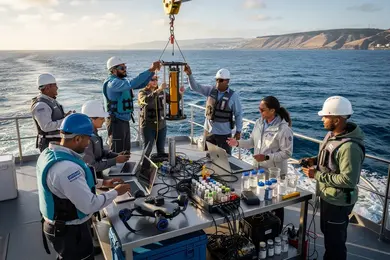
Rising costs in marine science degree programs stem from a complex interplay of institutional and economic factors rather than a singular source. These programs demand significant investment in specialized resources such as research vessels, laboratory technology, and field equipment, driving capital expenses upward. At the same time, universities face increasing operational burdens, including enhanced student support services and compliance with stringent environmental and safety regulations. These elements combine with broader higher education cost pressures, creating a layered structure where fixed and variable expenses amplify tuition and fees over time.
Several systemic trends intensify financial strain on marine science programs, particularly among public institutions. Declining state appropriations have reduced per-student funding by approximately 4% in the past year, according to the State Higher Education Finance 2024 report, compelling colleges to rely more heavily on tuition revenue. Concurrently, competitive faculty salaries-especially for STEM experts-have outpaced inflation, pushing compensation costs higher. The expansion of administrative roles and investment in digital learning platforms further elevate overhead, while the demand for cutting-edge research infrastructure necessitates ongoing capital infusion rather than one-time purchases. Collectively, these factors create persistent upward pressure on the cost structure that institutions must manage, influencing both program affordability and the return on educational investment.
One marine science graduate described the admissions process as a challenging balance between urgency and careful planning. Waiting on an offer from a program renowned for extensive research facilities, they hesitated to commit too early due to fluctuating tuition estimates and unclear financial aid packages. The rolling admissions timeline added complexity; while the applicant wanted to secure a spot promptly to lock in current pricing, the lack of immediate clarity around total costs caused frustration. Ultimately, they decided to engage with the university's financial advisors directly, gaining insight into upcoming budget adjustments that influenced their enrollment decision and helped frame expectations for the real-world financial commitment involved.
How Does Marine Science Tuition Growth Vary by State and Region?
Tuition growth for marine science degree programs in the United States exhibits significant variation across states and regions, driven by divergent state funding levels, institutional types, and local economic conditions. This variation stems less from geography alone and more from how public university systems are financed, the presence of research-intensive institutions, and regional cost of living differences. For instance, states with sprawling public university networks often see more moderated tuition increases compared to states where private or specialized research universities dominate pricing strategies. Understanding these factors helps clarify why routine tuition inflation is uneven, impacting affordability and program accessibility in nuanced ways.
Key drivers of regional differences include fluctuating state appropriations and the degree to which public universities rely on tuition revenues to cover operational costs. Coastal states like Massachusetts and California, with numerous well-funded research universities and private institutions, experience annual marine science tuition growth rates between 4% and 6%, often reflecting high costs associated with advanced laboratory, fieldwork infrastructure, and climate impact research. Conversely, southern and Midwestern states typically report slower growth-generally under 4%-due to heavier reliance on state funding and less concentration of specialized marine programs. These disparities correlate with regional labor market demands for marine science expertise and broader economic pressures such as housing costs, which influence institutional pricing decisions and student living expenses. The growth in tuition costs is thus intertwined with how states prioritize educational investment relative to workforce development in environmental and marine sciences.
These regional tuition trends hold practical implications for student mobility and affordability, especially for those comparing marine science program costs against expected career returns. Higher tuition growth in certain states can create barriers to enrollment for students without substantial financial resources or those unwilling to assume elevated debt burdens. This dynamic affects program selection, pushing some students toward more affordable public universities or online options, similar to trends seen in other fields where flexible paths such as online MBA programs no GMAT have gained traction. Ultimately, the uneven regional increases highlight the critical need for prospective students and families to evaluate tuition trajectories alongside funding models and regional economic contexts when considering marine science educational investments.
Are Online Marine Science Programs Becoming More Affordable Than Campus-Based Programs?
Recent trends reveal that online marine science programs are generally expanding their affordability advantage over traditional campus-based degrees, though this varies by institution and program format. Data from the National Center for Education Statistics in early 2024 indicates that tuition for campus-based marine science programs increased at an average annual rate of 5.3% over the past three years, outpacing inflation in higher education overall. Conversely, tuition growth for online degrees in this field averaged a more modest 2.1% annually. This divergence reflects differing pricing strategies shaped by the delivery format, where campus programs often bear costs linked to maintaining physical facilities and hands-on experiential learning environments, whereas online programs leverage scalable digital infrastructures that can mitigate rapid cost increases.
Key drivers behind these affordability shifts include reduced physical infrastructure expenses for online offerings-such as the absence of dedicated lab spaces and on-campus facilities-which traditionally constitute a large portion of campus-based cost structures. However, these savings are counterbalanced to some extent by significant investments in digital learning platforms, sophisticated instructional design tailored to virtual formats, and augmented student support services that ensure engagement and skill acquisition remotely. Faculty roles also differ, as online education often requires additional time for content creation and personalized interaction through technological channels, influencing operating costs. While online formats can streamline resource delivery and benefit from economies of scale, their need for hybrid or supplemental in-person components in marine science complicates pure cost comparisons. These structural factors suggest affordability differences are more than temporary fluctuations and reflect evolving institutional strategies in adapting to both technological capabilities and discipline-specific training requirements.
A graduate of an online marine science program described a nuanced admissions experience reflecting these dynamics. Having applied during a rolling admissions cycle, the applicant faced an extended waiting period that introduced uncertainty while simultaneously balancing decisions about continuing education funding and potential employment. The candidate ultimately leveraged the more flexible application timelines common to online programs but had to delay final enrollment to coordinate access to local facilities required for fieldwork components. This necessitated strategic timing and persistent communication with admissions counselors, highlighting the tradeoffs between cost savings and logistical challenges inherent in the online Marine Science pathway.
How Have Financial Aid and Scholarships Changed as Marine Science Tuition Has Increased?
Despite rising tuition expenses in Marine Science degree programs, increases in financial aid have not uniformly matched these cost escalations. Federal and state funding allocated to STEM-related fields, including Marine Science, has grown only modestly according to 2024 datasets from the National Center for Education Statistics. Meanwhile, universities have shifted toward enlarging merit-based scholarships aimed at drawing academically strong candidates, a tactic that compensates partially for tuition hikes but often overlooks students needing need-based assistance. Overall, need-based institutional aid has remained relatively static, exacerbating affordability concerns for emerging scholars who do not meet merit award criteria but still face intensifying financial pressure.
This evolution in aid allocation reflects several underlying pressures and market dynamics. Heightened competition among institutions to attract top-performing students has intensified reliance on merit scholarships as a recruitment strategy, effectively prioritizing those with robust academic records or prior research credentials. Concurrently, traditional sources such as Pell Grants, while still vital, have diminished in relative value amid tuition inflation. State and federal grant expansions have not proportionally kept pace, requiring many programs to depend more heavily on specialized fellowships and private partnerships tied to marine industries. These shifts also align with pricing strategies emphasizing tuition discounting through targeted awards rather than broad-based aid expansion.
The result is a complex affordability landscape where nominal increases in aid do not necessarily translate into meaningful reductions in net price for many students. This scenario contributes to sustained or rising student debt burdens and may influence enrollment patterns, with some learners delaying degree completion or opting for part-time attendance. For prospective Marine Science students, early navigation of competitive scholarship opportunities and alternative funding aligned with workforce demands becomes critical to mitigate the gap between sticker price and actual education cost, especially as institutional need-based support remains insufficient relative to rising tuition trajectories.
How Does Rising Marine Science Tuition Affect Student Debt After Graduation?
Rising tuition costs in marine science programs have significantly increased student borrowing levels, intensifying reliance on loans to finance education. As tuition inflates faster than wage growth in entry-level marine science roles, many students face larger debt balances upon graduation. This trend reflects a broader pattern of tuition inflation outpacing available financial aid, compelling students to borrow more and often accept higher interest rates. These challenges are particularly pronounced in marine science fields where initial salaries are modest, creating a gap between educational costs and early earning potential. Recent government education data from 2024 reveal that student debt trends for marine science graduates in the US have outpaced those in comparable STEM disciplines, highlighting a growing affordability concern within this specialized area.
Several factors contribute to this growing debt burden. The widening disparity between tuition fees and financial aid limits means students at both public and private institutions face higher upfront costs, with private programs often charging premiums not always matched by proportional increases in aid. Meanwhile, interest accumulates during extended study periods, particularly for those pursuing internships or fieldwork essential to employment eligibility, thereby increasing total repayment amounts. Post-graduation income variations further complicate repayment; marine science graduates often confront salary levels insufficient to comfortably manage loan repayments without resorting to extended repayment terms or income-driven plans. This dynamic underscores the importance of understanding not only tuition costs but also the longer-term financial obligations that rising tuition imposes.
Higher debt levels from rising marine science tuition intensify repayment stress, affecting creditworthiness and limiting financial flexibility for other life investments. Although loan forgiveness and income-driven repayment programs offer relief to some, their availability and long-term impact remain uneven, potentially influencing program selection decisions based on perceived value versus cost. Prospective students should weigh these considerations carefully, aligning educational investments with realistic earning projections and repayment capabilities. For those seeking efficient options amid these pressures, exploring pathways such as the quickest cheapest masters degree programs may offer pragmatic alternatives to mitigate debt accumulation while advancing marine science career objectives.
Do Higher-Cost Marine Science Programs Deliver Better Career Outcomes or Earnings?
Higher-cost marine science programs frequently prompt questions about whether their steep tuition correlates with stronger career outcomes or higher earnings. Data from the 2024 National Center for Education Statistics reveal that graduates of more expensive programs see only marginally higher starting salaries-typically around 5-8% more-than those from more affordable public or mid-tier institutions. Employment rates within six months post-graduation remain closely aligned, generally between 85-90%, suggesting that program cost alone is an unreliable predictor of initial job placement or earnings in marine science. This underscores a broader complexity in evaluating higher-cost marine science programs career outcomes beyond simple price-to-outcome assumptions.
Several factors influence earnings and employability that surpass program sticker price, including institutional reputation, depth of specialization, and access to well-established internship and employer pipelines. Programs with robust partnerships offer practical experience opportunities that many employers value more than brand prestige. Geographic location and sector-specific job market demand also play critical roles, often outweighing differences in program cost. Additionally, alumni networks can provide ongoing career support that impacts long-term earning potential more effectively than upfront tuition expenses. Graduate-level certifications or focused specializations within marine science tend to improve return on investment more substantially than the initial program cost or prestige.
Prospective marine science students should consider practical tradeoffs when assessing program affordability and ROI. Emphasizing hands-on training, employer recognition, and alignment with career goals frequently provides better decision-making anchors than tuition figures alone. Evaluating online animal science bachelor degree data and labor market outcomes helps clarify that rising program costs do not uniformly guarantee enhanced earnings or employment advantages. Ultimately, a nuanced approach that weighs program features and local job market realities offers the most reliable guide to maximizing returns on marine science degrees.
What Do Current Tuition Trends Suggest About the Future Cost of a Marine Science Degree?
Recent tuition trends for marine science degree programs indicate a consistent upward trajectory in costs, outpacing general inflation. Data from the National Center for Education Statistics (NCES) 2024 shows a 4.8% annual increase in science-related undergraduate tuition, signaling that the future cost of marine science degrees will likely continue to rise beyond historic averages. This growth reflects persistent institutional reliance on tuition revenue amid fluctuating public funding and growing operational demands, making affordability a mounting concern for prospective students.
Several factors drive this sustained increase. The specialized nature of marine science requires significant investment in advanced laboratories, fieldwork infrastructure, and experiential learning, which elevate expenses beyond typical academic programs. Meanwhile, rising demand for interdisciplinary skills compels institutions to expand technology-enhanced offerings, including hybrid and online courses, which may moderate costs for adult learners but rarely reduce base tuition prices for on-campus full-time students. These dynamics reflect evolving institutional cost structures balancing innovation, student services, and resource intensity.
For students, these trends suggest more pronounced affordability challenges ahead, especially impacting traditional college-age enrollees facing faster tuition inflation. Increased borrowing and a greater need for scholarships or employer support can influence enrollment decisions and career trajectories within marine science fields. Understanding these nuanced pricing pressures is critical when evaluating educational pathways, as tuition forecasts are not merely numeric projections but indicators of shifting institutional priorities and labor market demands that directly affect long-term accessibility and value.
References
- Tracking College Tuition Growth https://www.richmondfed.org/publications/research/economic_brief/2024/eb_24-23
- Average Cost of College [2025]: Yearly Tuition + Expenses https://educationdata.org/average-cost-of-college
- SEA Summer Programs for High School Students: Cost & Application Guide https://pioneeracademics.com/news/sea-summer-programs-for-high-school-students-how-to-apply-cost-and-is-it-worth-it/
- Top 15 Highest Paying Marine Biology Jobs in 2025 (UK & US Salaries Guide) https://apexlearning.org.uk/highest-paying-marine-biology-jobs-2026/
- How the Pandemic Could Affect the Rise in Student Debt https://www.pew.org/en/research-and-analysis/issue-briefs/2021/12/how-the-pandemic-could-affect-the-rise-in-student-debt
- Yes, Aid Fuels Tuition Inflation | Cato at Liberty Blog https://www.cato.org/blog/yes-aid-fuels-tuition-inflation
- Talents for marine research https://www.meere-online.de/en/topics/marine-sciences/translate-to-english-einblick-aus-und-weiterbildung
- So you want to become a Marine Biologist? | National Marine Aquarium https://www.national-aquarium.co.uk/learning-at-the-aquarium/marine-biologist/
- More than a Hobby: Marine Science Career Development through the Lens of Social Cognitive Career Theory | Current: The Journal of Marine Education https://current-journal.com/articles/10.5334/cjme.83
- Reasons to Major in Marine Biology https://www.seamester.com/blog/8-reasons-to-major-in-marine-biology/
Other Things You Should Know About Marine Science
Longer marine science programs often come with higher cumulative tuition costs, but they may provide more comprehensive fieldwork and research opportunities. Students must evaluate if extended program durations translate into meaningful experiences valued by employers or if accelerated paths with lower total costs might better serve their career timelines. Prioritizing programs that balance cost with hands-on, market-relevant skills can improve return on investment despite inflationary tuition pressures.
Higher tuition does not automatically ensure superior access to research infrastructure or internships critical for marine science careers. Some programs with moderate or lower costs may maintain strong industry ties or university partnerships that support practical training. Prospective students should investigate the actual opportunities for experiential learning rather than assuming more expensive programs deliver proportionally better outcomes.
Part-time and modular formats can reduce immediate financial burdens and allow students to work concurrently, mitigating debt accumulation. However, these options might extend time to degree completion and reduce immersion in intensive lab or fieldwork, potentially impacting learning depth and networking. Those prioritizing steady income or balancing other responsibilities should weigh these tradeoffs carefully against possible longer-term career acceleration from full-time study.
As marine science tuition inflates, students must consider whether deep specialization offers sufficient return relative to the higher price or if broader environmental science programs with lower tuition could enhance employability across multiple sectors. Choosing specialization makes sense if aligned with specific career goals that depend on niche expertise, but a flexible, less costly degree may better suit those uncertain about narrow specialization due to evolving job markets.