2027 Marine Science Salary Trends Report: Are Wages Keeping Up With Tuition and Inflation?

Co-Founder and Chief Data Scientist
A prospective marine science student weighing the cost of tuition against potential earnings might hesitate before committing to a degree path. As tuition fees steadily rise and inflation erodes purchasing power, determining if marine science salaries keep pace becomes crucial.
This financial calculus extends beyond comparing salary figures alone; students must consider how education expenses, wage trends, and inflation interact over time. Salary growth, tuition increases, and inflation rarely advance uniformly, complicating the assessment of a degree's true value.
Evaluating long-term earning potential requires accounting for these divergent rates rather than focusing on immediate salary levels. This article examines marine science salary trends alongside tuition costs and inflation to provide insight into the return on investment, affordability, and factors shaping the degree's financial worth over time.
Key Things to Know About Marine Science Salary Trends
- Graduate wages in marine science have grown slower than average tuition inflation; with a 2024 study showing a 12% real-terms decline over five years, financial returns may lag upfront costs.
- Long-term salary trajectories are strongly influenced by specialization—fields like marine biotechnology yield higher pay, highlighting the importance of targeted expertise for career planning.
- Geographic job markets significantly affect earnings; coastal regions with concentrated research hubs offer premiums, emphasizing location as a critical factor for maximizing income post-graduation.
- Key Things to Know About Marine Science Salary Trends Key Things to Know
- What Is the Current Salary Outlook for Marine Science Graduates? Salary Outlook
- Are Marine Science Salaries Keeping Up With Inflation? Inflation Impact
- How Do Tuition Costs Compare With Marine Science Salary Growth? Tuition vs Salary
- Does a Marine Science Degree Deliver a Positive Return on Investment? Degree ROI
- Which Industries Offer the Highest Salaries for Marine Science Graduates? Highest-Paying Industries
- Which States and Cities Offer the Highest Pay for Marine Science Professionals? Highest-Paying Locations
- How Do Marine Science Salaries Grow Throughout a Career? Career Growth
- How Do Marine Science Salaries Compare With Similar Degrees? Salary Comparison
- How Is Employer Demand Affecting Marine Science Salary Trends? Employer Demand
- How Can Students Maximize Their Lifetime Earnings With a Marine Science Degree? Maximizing Earnings
What Is the Current Salary Outlook for Marine Science Graduates?
The 2024 outlook for marine science graduate salary trends shows modest income gains that vary considerably depending on specialization, location, and career trajectory. Entry-level positions such as marine biologists and oceanographers typically report median salaries between $50,000 and $65,000, reflecting data from authoritative sources like the U.S. Bureau of Labor Statistics.
However, these figures don't capture the full story as two graduates with identical degrees may diverge drastically—one pursuing research roles in federal agencies or specialized consultancies can earn $85,000 or more, while another in less technical or regional roles might earn significantly less. This salary variation underscores the importance of targeted career planning beyond initial job placement.
A practical scenario illustrates this contrast: consider two marine science graduates starting in coastal metropolitan centers versus inland regions. Although metropolitan areas generally offer higher wages, the elevated living expenses often counteract salary benefits, diminishing net financial advantage.
Additionally, wage increases in marine science have struggled to outpace tuition growth and inflation, both rising steadily over 4% annually, calling for strategic investment in supplementary credentials or advanced degrees. For prospective students and career changers, evaluating marine science degree outcomes requires integrating short-term earnings with longer-term progression, job market demand, and regional economic factors rather than solely focusing on entry-level pay to understand realistic financial prospects fully.
Those assessing the current earnings outlook for marine science degrees should also consider avenues for growth and diversification within the field. Advancing qualifications and specialization in research-intensive or agency-based roles significantly enhance salary potential.
Practical career development often involves supplemental certifications or graduate studies, with some exploring alternatives such as the easiest EdD programs for additional credentials that leverage their scientific background into education or policy sectors. Ultimately, salary trajectories in marine science are shaped by a blend of educational investment, geographic choice, and evolving industry demands.
Are Marine Science Salaries Keeping Up With Inflation?
Nominal wage increases in marine science-related fields often conceal a more troubling reality: after accounting for inflation, real earnings frequently decline. For example, the U.S. Bureau of Labor Statistics reported a 3.2% nominal wage growth for environmental scientists and geoscientists in 2023, but this gain falls short against a 5.0% inflation rate, effectively reducing purchasing power.
Consider a recent graduate relying on an entry-level marine science salary. Even if their paycheck grows slightly year over year, rising living costs, especially in housing and transportation, can feel like a net loss. This dynamic signals caution for those evaluating marine science salary trends and inflation impact, as apparent pay raises may not translate into improved financial stability.
Several factors shape whether marine science wages keep pace with inflation. Specialized roles and advanced degrees tend to command better salary growth, but many new entrants experience stagnant or diminishing real wages while managing significant tuition debt and daily expenses. Tuition inflation has outpaced general costs by a wide margin, intensifying the challenge of balancing education investment against future income.
Prospective students might explore alternatives like nationally accredited online colleges to mitigate costs, though the core economic trade-off remains: wage progression in marine science does not uniformly match the rising cost of living or education, requiring careful financial consideration beyond surface-level salary figures.
How Do Tuition Costs Compare With Marine Science Salary Growth?
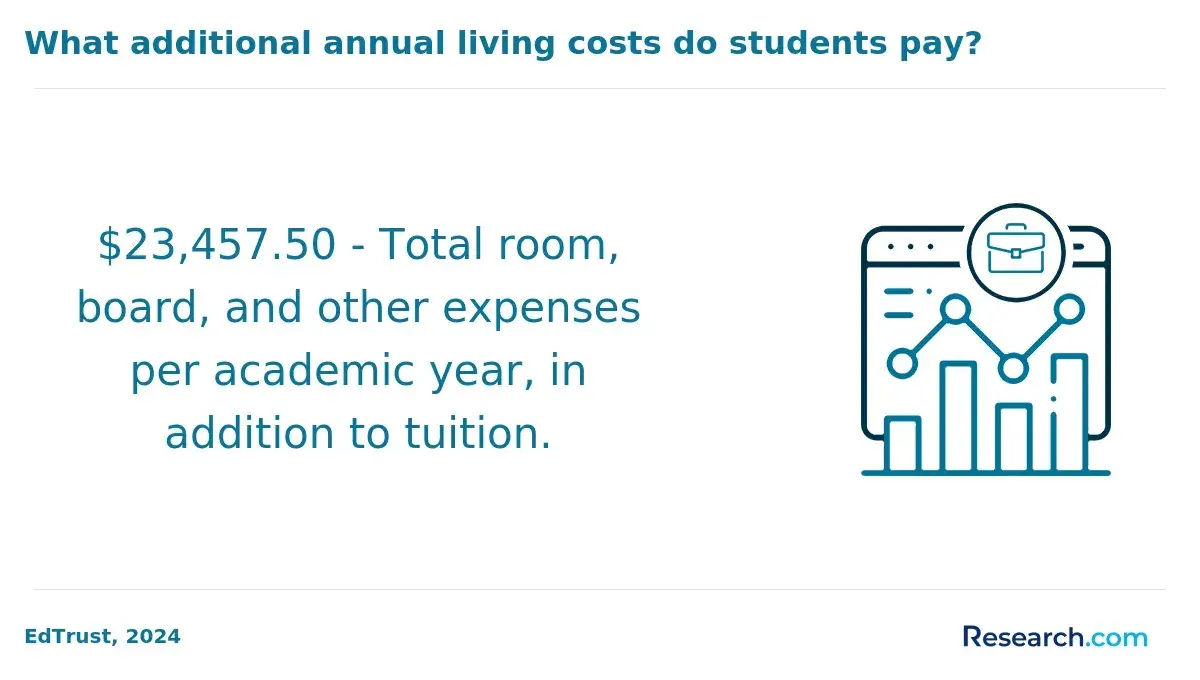
Evaluating tuition costs alongside salary growth offers a clearer insight into the true financial value of a Marine Science degree than considering either metric in isolation. According to recent data from the National Center for Education Statistics and the U.S. Bureau of Labor Statistics, tuition for marine science-related undergraduate programs at public universities now averages between $10,000 and $15,000 annually for in-state students, while private institutions often exceed $35,000 per year.
In contrast, entry-level marine science salaries generally range from $40,000 to $55,000, with mid-career professionals earning between $60,000 and $75,000. Because tuition expenses have increased at roughly twice the inflation rate, while salaries have lagged behind inflation, the ability to recoup education costs within a reasonable timeframe is becoming more challenging, especially for those pursuing public sector or research roles where salaries tend to be lower.
Consider two students: one attending a public university with moderate costs who secures a government research position, and another enrolling in a private program financed largely through loans but moving into a private-sector environmental consulting firm. The first may struggle longer to break even due to stagnant wages and higher cumulative tuition inflation, while the second might offset higher educational debt through comparatively faster salary growth.
This disparity highlights how factors like sector choice, geographic location, and funding sources deeply influence the balance between cost and earning potential for marine science graduates. Understanding these nuanced dynamics is essential for applicants weighing whether the rising price of a marine science degree aligns with their long-term financial goals.
A recent graduate shared that choosing a state university initially felt financially cautious, but prolonged salary stagnation in their government job created ongoing concerns about paying off student loans. They often wondered if attending a pricier private school and accepting more debt to enter the consulting industry might have offered faster income growth, even if the upfront cost was higher.
Their reflections reveal the complex tradeoffs students face today, where tuition hikes and modest salary advances demand careful consideration beyond straightforward cost or income figures alone.
Does a Marine Science Degree Deliver a Positive Return on Investment?
Return on investment (ROI) for a marine science degree hinges on weighing the total costs of education against the lifetime earnings and career advancements it enables, rather than focusing solely on initial salaries. Though entry-level wages for marine science graduates often hover between $50,000 and $70,000, these figures alone don't capture the potential for salary growth or the additional value brought by specialized skills, certifications, and graduate education.
For instance, a graduate who pursues advanced studies and gains experience in niches such as marine policy or environmental technology may steadily surpass inflation-adjusted tuition costs over a decade, especially when considering benefits and job stability in government research or conservation roles.
Consider a recent graduate starting at $55,000 annually with a bachelor's degree facing $40,000 in student debt from increasing tuition rates. Without career development, modest salary increases may struggle to outpace rising living costs, leading to a lengthy debt repayment period.
However, professionals who invest in targeted certifications or pursue a master's degree often experience median salaries climbing beyond $80,000 within 10 years, according to data from the National Science Foundation. This trajectory suggests a positive ROI over time, assuming strategic career planning and employment within sectors valuing those credentials.
Major factors influencing ROI include the cost of education, chosen career path, geographic location, and opportunities for specialization or advancement. Since marine science roles frequently intersect with public agencies and nonprofit organizations, where wages may be moderate but benefits and job security are robust, evaluating overall compensation packages is critical.
Ultimately, the financial return varies widely, and prospective students should account for inflation, tuition trends, and personal career goals to determine if a marine science degree offers worthwhile economic and professional dividends in their circumstances.
Which Industries Offer the Highest Salaries for Marine Science Graduates?
Salaries for marine science graduates can vary widely depending on the industry they enter, making sector choice crucial for those prioritizing earning potential. According to 2024 data from the U.S. Bureau of Labor Statistics, marine science graduate salaries by industry in the US show distinct disparities, with some sectors maintaining consistently higher compensation than others.
Industries with substantial financial backing and regulatory complexity tend to offer the most lucrative roles, combining technical expertise with high responsibilities. Real-world experience illustrates this: a marine biologist transitioning from academia to environmental consulting noted a salary increase exceeding 40%, primarily due to project-based opportunities and client diversity.
Below is an overview of the industries typically offering the highest salaries for marine science graduates.
- Oil and Gas Sector: The oil and gas industry delivers top compensation by leveraging marine science expertise in offshore exploration and environmental compliance. Roles often require deep knowledge of marine ecosystems and geology, with high stakes attached to regulatory adherence and risk mitigation, driving demand for specialists and commanding premium salaries.
- Environmental Consulting: Consulting firms reward marine science graduates with competitive pay, especially for expertise in environmental impact assessments and restoration projects. The potential to work across multiple clients, including private and governmental organizations, allows for project-based earnings that can exceed standard salary ranges.
- Federal Government Agencies: Positions at agencies like NOAA and EPA come with strong salary packages coupled with benefits and job security. These roles generally involve specialized research, conservation enforcement, and policy development, making marine science knowledge highly valuable.
- Blue Economy Innovations: Emerging sectors such as renewable marine energy and marine biotechnology are increasingly lucrative, reflecting their growing role in sustainable development. Marine science graduates with skills in these technologies can expect future-oriented salary prospects as these markets expand.
- Academic and Research Institutions: While salaries here tend to be lower compared to commercial and federal sectors, academia offers advancement through specialization and tenure. Graduates focusing on long-term research projects may prioritize these roles despite more modest pay.
- Marine Technology Firms: Companies developing marine sensors, autonomous underwater vehicles, and data analytics tools offer competitive compensation for marine science professionals who combine field expertise with technical skills in instrumentation and software.
- Maritime Policy and Regulation: Agencies and consultancies involved in maritime law, marine spatial planning, and international agreements provide well-compensated roles that emphasize strategic understanding of marine science and policy integration.
With tuition rising and inflation pressures impacting job markets, prospective students and career changers should weigh these industry trends carefully. Understanding the highest paying industries for marine science graduates helps align career goals with financial realities.
Additionally, those considering credentialing options might explore bookkeeper certification programs for supplementary skills that can complement environmental consulting roles or administrative positions within marine science organizations.
Which States and Cities Offer the Highest Pay for Marine Science Professionals?
Geographical location significantly shapes the earning potential for marine science professionals, influenced by regional industry concentration and living costs. Coastal states with established research institutions and active maritime sectors generally offer top compensation.
However, high salaries often coincide with steep housing prices and inflation, reducing net financial gain for early-career workers. Prospective students should carefully weigh these factors alongside career prospects to determine if the salary premium justifies the higher expenses.
Below are key states and cities known for offering some of the highest wages in marine science sectors as of 2024, based on U.S. Bureau of Labor Statistics data and industry trends.
- California: Median salaries exceed $85,000 thanks to its leading universities and government oceanographic agencies. High wages in metro areas like San Diego come with significant living costs and rising tuition fees, which can offset financial benefits for graduates early in their careers.
- Massachusetts: Hosts renowned research centers such as the Woods Hole Oceanographic Institution, offering salaries often in the low to mid-$80,000 range. The strong biotech and marine research industries create demanding opportunities but also elevate housing costs, making affordability a critical consideration.
- Washington: Proximity to federal bodies like NOAA and a robust aquaculture sector drive median wages near Massachusetts levels. Seattle's tech-influenced economy pushes compensation higher, but urban living expenses require professionals to balance income against substantial costs.
- Boston, Massachusetts: As a marine science hub, it provides lucrative roles linked to biotech and research sectors. However, the city's expensive housing market and cost of living can substantially reduce disposable income despite higher salaries.
- Seattle, Washington: Combines a growing technology industry with marine science demand, offering wage incentives to retain talent. Nonetheless, rapid urban inflation can diminish long-term earnings gains for those entering the field.
- San Diego, California: Naval facilities and oceanographic institutions anchor the local economy, delivering premium pay. Inflation and educational costs remain challenges that marine science graduates must consider when assessing overall financial outcomes.
How Do Marine Science Salaries Grow Throughout a Career?
Initial earnings for marine science graduates typically range from $50,000 to $65,000 annually, reflecting common entry-level roles such as research assistants or field technicians. Salary growth strongly depends on further education and experience; those advancing to master's or doctoral degrees with five to ten years in the field often see median salaries between $75,000 and $95,000.
As professionals move into mid-career or senior positions like lead researchers or faculty, compensation can rise to $100,000 or more, particularly in private industry where bonuses and incentives supplement pay. Yet, salary increases generally remain gradual and may barely keep up with inflation and rising education costs, highlighting the importance of strategic career choices beyond just degree attainment.
Consider two individuals with identical marine science degrees: one pursues advanced qualifications and government research roles, while the other enters private sector consulting early. The former may see steady but moderate salary increases closely tied to federally funded project budgets, while the latter could achieve higher earnings faster through management roles and private contracts.
Key factors shaping long-term salary trajectories include educational level, sector, specialization, and geographic location, as well as networking and leadership opportunities. The landscape suggests that maximizing earnings in marine science often requires deliberate professional development and adaptation rather than relying solely on initial credentials.
A marine science graduate recalled hesitating after completing a master's degree, uncertain whether to accept a stable but modest academic research position or to pivot toward private environmental consulting. Choosing the consulting path meant quickly gaining leadership responsibilities and higher pay, though it came with increased pressure and less job security.
Reflecting on this decision, they noted, "The salary growth wasn't just about more years or degrees. It was about navigating career moves that aligned with industry demand and my own willingness to take risks." This experience underscores how nuanced salary progression can be, depending equally on personal choices as on formal qualifications.
How Do Marine Science Salaries Compare With Similar Degrees?
Marine science salaries tend to lag behind some related STEM fields, but this difference is nuanced by factors like job satisfaction and career trajectory.
According to the U.S. Bureau of Labor Statistics and National Center for Education Statistics, the median salary for marine science graduates is about $58,000 annually, which is lower than some comparable degrees. Yet, graduates often pursue roles rich in fieldwork and environmental impact, which may outweigh initial salary drawbacks.
Below is a comparison of how marine science salary outcomes measure up against similar degree programs.
- Environmental Science: Graduates typically earn a median annual salary near $65,000. Their opportunities often span government agencies, consulting, and conservation, with a focus on broader environmental issues. The higher starting pay reflects market demand and diverse applications, but may come with less hands-on field experience than marine science roles.
- Geology and Biology: These degrees offer median salaries ranging from $60,000 to $68,000. Careers often include research and applied science jobs in both academia and the private sector. Their coursework and lab work overlap with marine science, but more diverse industry applications can lead to stronger compensation early on.
- Environmental Engineering and Data Science: Fields with broader industrial integration show higher starting salaries and faster wage escalation. Graduates benefit from larger technological markets, but marine science graduates who acquire interdisciplinary skills like GIS and climate modeling might compete in these areas, softening the salary gap.
The choice to study marine science should also consider non-monetary values such as fieldwork and environmental stewardship, especially as long-term earnings within government research or specialized roles can grow to $75,000 to $85,000.
For those evaluating tuition against salary, understanding these tradeoffs alongside opportunities in allied sectors including options related to online masters in human services can offer a broader perspective on career and financial outcomes.
How Is Employer Demand Affecting Marine Science Salary Trends?
Employer demand directly shapes marine science salary trends by influencing competition among qualified candidates and dictating hiring patterns. Despite moderate projected growth of about 5% for life, physical, and social science occupations through 2024, entry-level salaries remain relatively stagnant.
This gap is especially evident as rising tuition and inflation outpace wage increases, suppressing earning potential for many recent graduates. For example, a university graduate with general marine science training may face intense competition and limited salary growth unless they possess specialized skills, such as data analysis or remote sensing, which employers prioritize and reward.
Strong employer demand typically leads to faster wage growth, but salaries in marine science also depend heavily on factors like experience, niche expertise, economic conditions, and organizational budgets. Research from the National Oceanic and Atmospheric Administration highlights increasing needs in marine conservation and climate research, yet this demand largely benefits professionals with certain skill sets, reflecting the nuanced relationship between employer demand impact on marine science salaries and broader job market conditions.
Prospective students must balance these realities against the high costs of education, including assessing programs carefully such as online MLIS programs accredited ALA for cross-disciplinary skills that may enhance employability.
Ultimately, marine science salary trends influenced by job market dynamics require strategic specialization to stand out amid growing numbers of graduates. The market saturation in this field suppresses broad wage gains, underscoring the importance of applied skill development and realistic career planning to navigate the tradeoffs between education expenses and attainable earnings.
How Can Students Maximize Their Lifetime Earnings With a Marine Science Degree?
Maximizing lifetime earnings with a marine science degree requires focusing on targeted career moves supported by recent authoritative data. The U.S. Bureau of Labor Statistics and 2024 industry reports highlight that specialization, advanced education, and practical experience are critical factors for boosting income in this field.
For example, a graduate combining a marine science background with data analysis skills may secure higher-paying roles in environmental consulting or offshore energy.
Below are key strategies to enhance long-term earning potential based on solid evidence and real-world applicability.
- Specialize in High-Demand Sectors: Focusing on fields like offshore energy, environmental consulting, or marine technology taps into growing markets where salaries are notably higher due to specialized skill shortages and robust industry investment.
- Obtain Advanced Degrees: Pursuing a master's or PhD opens doors to senior research, management, and policy positions that command premium salaries, outperforming bachelor-level roles in both responsibility and pay scale.
- Gain Practical Experience Early: Internships and cooperative education provide applied skills valued by employers and increase chances of landing high-paying positions in competitive niches such as maritime security or underwater robotics.
- Leverage Professional Networks: Active membership in organizations like the Marine Technology Society grants access to exclusive job postings and career mentorship, which can accelerate promotion and salary growth.
- Develop Geographic Flexibility: Willingness to work in coastal or research-intensive regions aligns with higher wage opportunities driven by local demand in marine industries.
- Pursue Complementary Certifications: Skills in GIS, data analysis, or environmental impact assessment enhance employability and enable transition into well-compensated resource management roles.
- Combine Disciplines Strategically: Integrating marine science expertise with business, policy, or communication skills leads to interdisciplinary positions with increased responsibility and better compensation trajectories.
References
- Career Outlook https://www.marinecareers.net/resources/career-outlook
- The price of college is rising faster than wages for people with degrees | USAFacts https://usafacts.org/articles/is-college-worth-it-the-price-of-college-is-rising-faster-than-wages-for-people-with-degrees/
- Top 10 Best Paying Marine Biology Jobs 2026 (Inc Salaries) https://www.nexford.edu/insights/highest-paying-marine-biology-jobs
- Is College Worth it? | Return on Investment Analysis of College Degree https://educationdata.org/college-degree-roi
- Top 15 Highest Paying Marine Biology Jobs in 2025 (UK & US Salaries Guide) https://apexlearning.org.uk/highest-paying-marine-biology-jobs-2026/
- Top 16 Best Paying Marine Biology Jobs in 2026: Complete Career Guide for UK Professionals https://nextgenlearning.org.uk/highest-paying-marine-biology-jobs-2026/
- Reasons to Major in Marine Biology https://www.seamester.com/blog/8-reasons-to-major-in-marine-biology/
- Does College Pay Off? A Comprehensive Return On Investment Analysis - FREOPP https://freopp.org/whitepapers/does-college-pay-off-a-comprehensive-return-on-investment-analysis/
- Career Profile: Marine Biology https://www.clinlabsolutionsgroup.com/career-profile-marine-biology
Other Things You Should Know About Marine Science Salary Trends
The marine science field includes diverse specialties like oceanography, marine biology, and fisheries science, each with different funding levels and employer expectations. Salaries tend to be higher in subfields tied to government or private sector research projects, while pure academic roles often offer lower pay. This uneven distribution means students should carefully evaluate program focus and networking opportunities within their specialization to better align their training with higher-paying career paths. Prioritizing subfields linked to applied, industry-funded research can improve earning potential despite general salary stagnation.
While graduate degrees-particularly at the master's and PhD levels-can open doors to higher salaries and leadership roles, the additional years of study increase tuition costs and defer income, which may not be fully recouped given current salary trends. Students should weigh the potential earnings boost against the opportunity cost of lost wages and accumulated debt. For many, entering the workforce earlier with a strong bachelor's and gaining experience or certifications may offer better financial outcomes than extended schooling, especially if the goal is stable employment rather than academic research.
Location and employer type significantly impact wage levels, with coastal states generally offering more marine science jobs but also higher costs of living that can erode real income gains. Graduates from prestigious, well-funded institutions may access better internships and networking channels, translating into stronger negotiating power. However, prioritizing program reputation without considering geographic cost and lifestyle tradeoffs can result in net financial disadvantage. Prospective students should factor in local employment markets, cost of living, and institutional industry ties to maximize salary growth relative to education expenses.
Choosing roles at well-funded agencies or corporations often means higher salaries and more stable benefits but may involve less hands-on fieldwork or more bureaucratic responsibilities. Conversely, smaller nonprofits or research groups aligned with personal passion typically pay less and offer fewer resources. Graduates must balance financial security with job satisfaction; for many, prioritizing compensation early in their career helps repay tuition and build savings, while transitioning to passion projects later may be a more sustainable approach. Understanding this dynamic helps in making pragmatic career decisions without sacrificing long-term fulfillment.