2027 Top Industries Hiring Marine Science Graduates: Demand, Pay, and Growth Trends

Co-Founder and Chief Data Scientist
Salary variations across industries further complicate the decision, as compensation can influence both immediate financial security and career satisfaction. Equally important is recognizing which sectors are expanding rapidly, indicating stronger future demand. This article examines the industries that hire the most marine science graduates, compares salary levels, highlights growth trends, details evolving employer expectations, and offers insights on aligning skills with the best career opportunities available.
Key Things to Know About the Top Industries Hiring Marine Science Graduates
- Over 40% of marine science graduates find employment in environmental consulting and government agencies, sectors that prioritize regulatory compliance, affecting job stability but limiting rapid innovation roles.
- Salaries peak in offshore energy and aquaculture sectors, reflecting increasing investment; a 2024 report shows 12% salary growth, indicating strong financial upside where technical expertise meets industrial demand.
- Employer demand is shifting toward data analytics and remote sensing skills; this trend suggests graduates focusing on tech integration gain competitive advantage amid evolving marine resource management needs.
- Key Things to Know About the Top Industries Hiring Marine Science Graduates Key Things to Know About the Top Industries Hiring Marine Science Graduates
- Which Industries Hire the Most Marine Science Graduates? Top Industries
- Which Industries Offer the Highest Salaries for Marine Science Graduates? Highest Salaries
- Which Industries Have the Fastest Growth for Marine Science Careers? Growth Trends
- Which Employers Commonly Recruit Marine Science Graduates? Top Employers
- Which Skills Are Most In Demand Across Marine Science Industries? In-Demand Skills
- How Do Career Paths Differ Across Industries for Marine Science Graduates? Career Paths
- How Do Industry Trends Affect Future Opportunities for Marine Science Graduates? Industry Trends
- How Can Students Prepare for High-Demand Marine Science Industries? Career Preparation
- How Do Different Marine Science Degree Programs Prepare Students for Industry Careers? How Do Different Marine Science Degree Programs Prepare Students for Industry Careers?
- Which Industry Is the Best Fit for Your Marine Science Career Goals? Which Industry Is the Best Fit for Your Marine Science Career Goals?
Which Industries Hire the Most Marine Science Graduates?
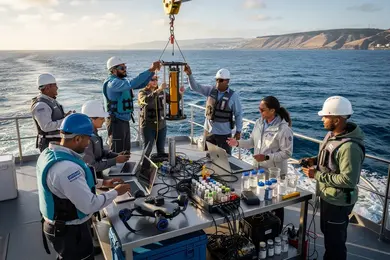
Employment opportunities for marine science graduates are concentrated in industries where environmental challenges and technological innovation intersect. Shifts in regulatory frameworks and funding priorities have made certain sectors particularly receptive to hiring, reflecting broader societal interests in sustainable ocean management and climate impact mitigation. According to the U.S. Bureau of Labor Statistics and National Oceanic and Atmospheric Administration data from 2024, nearly 60% of marine science professionals find roles within five key industries. These sectors offer diverse roles but differ in stability, salary ranges, and growth potential.
The top industries hiring marine science graduates include:
- Environmental Consulting and Research Firms: Driven by increasing coastal development and stricter environmental regulations, this industry hires marine scientists to perform ecosystem assessments, impact analyses, and mitigation planning. Graduates working here often contribute directly to policy compliance and conservation efforts, making it an attractive sector for those seeking applied science roles with tangible ecological benefits.
- Government Agencies: Federal and state entities-including NOAA and environmental protection departments-employ marine scientists to develop and enforce policies, manage marine resources, and conduct climate-related research. These roles typically offer competitive pay, institutional stability, and benefits, appealing to those prioritizing long-term security.
- Higher Education and Academic Research: Universities and research centers recruit graduates to engage in teaching, experimental studies, and fieldwork, often collaborating with public and private organizations. Though competitive and sometimes reliant on grant funding, academia remains a vital employer, especially for those pursuing advanced degrees or specialized research careers.
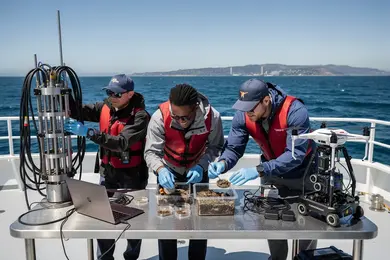
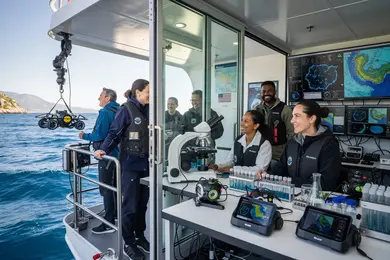
- Marine Technology and Engineering Companies: This sector encompasses firms innovating in underwater robotics, data analytics, and oceanographic instrumentation. The growing integration of technology in marine sciences drives demand for graduates skilled in both scientific principles and technological applications, offering dynamic career paths beyond traditional research.
- Nonprofit and Conservation Organizations: Dedicated to marine ecosystem protection and sustainable practices, these groups employ marine scientists to design programs, implement advocacy campaigns, and educate the public. While salaries may be lower compared to government positions, mission-driven work attracts graduates seeking social impact.
For those weighing career options, recognizing these industry patterns-and understanding the inherent tradeoffs in salary, job security, and personal values-is crucial. For example, a graduate might choose environmental consulting for steady demand and moderate pay or prioritize nonprofit work to contribute to conservation despite lower compensation. Further education can also shift opportunities; prospective students exploring graduate studies may investigate relevant masters in social work online programs that sometimes intersect with community and environmental health roles tied to marine science outcomes.
Which Industries Offer the Highest Salaries for Marine Science Graduates?
- Energy Extraction: This sector includes oil, gas, and offshore drilling companies where marine science experts conduct environmental assessments and oversee risk management. High salaries-often with median annual earnings above $95,000, according to the U.S. Bureau of Labor Statistics-reflect the critical nature of safeguarding expensive infrastructure and regulatory compliance. Roles may involve offshore environmental monitoring, impact analysis, and resource optimization, combining scientific expertise with operational risk considerations.
- Environmental Consulting: Firms specializing in environmental impact and coastal management hire marine scientists to navigate increasingly stringent regulations on pollution and development. Median salaries typically range from $75,000 to $85,000. Compensation here benefits from blending technical aptitude with client-driven project delivery, rewarding professionals skilled in regulatory interpretation and adaptive solutions in dynamic natural settings.
- Government and Academia: Although these sectors tend to offer lower median salaries-around $55,000 to $70,000-they provide more predictable employment and intrinsic rewards. Positions focus on research, monitoring, and policy advice, supporting public resource management and scientific advancement. Candidates may accept tradeoffs in pay for job security and broader societal impact.
- Emerging Renewable Ocean Energy: As the push for sustainable energy grows, this nascent industry offers competitive yet variable compensation. Marine scientists contribute to the design and environmental integration of tidal, wave, and offshore wind projects. While initial salaries may lag more established sectors, long-term prospects hinge on innovation and scaling opportunities.
For students weighing career paths, balancing earning potential against personal values and job stability is crucial. Those prioritizing salary might focus on energy extraction, while candidates seeking meaningful environmental impact may explore consulting or public-sector roles. Prospective marine scientists may also benefit from exploring programs offering an affordable psychology degree online to complement their understanding of human dimensions in environmental contexts.
Which Industries Have the Fastest Growth for Marine Science Careers?
Evaluating which industries are poised for sustained expansion is crucial for marine science graduates seeking stable, rewarding careers. Industries with strong projected growth tend to offer better job security, more competitive salaries, and diverse advancement pathways. However, growth is rarely uniform; it varies by region, regulatory environment, and specialization within marine science. Graduates who understand these nuances can strategically target sectors aligned with their skills and long-term goals. The following industries currently show the most robust employment increases for marine science professionals.
- Environmental Consulting: Rising environmental regulations and corporate sustainability commitments fuel demand for experts who assess marine ecosystem impacts related to coastal developments and offshore projects. Employment in this sector is expected to grow about 10-15% through 2030, driven by the need to mitigate ecological risks amid ongoing industrial expansion.
- Renewable Marine Energy: Offshore wind farms and tidal power installations are expanding rapidly as governments tighten carbon reduction targets. Marine scientists skilled in oceanography and ecological monitoring are essential for site selection, impact assessments, and operational oversight. Growth rates in this industry often exceed 12% annually, reflecting significant investment in clean energy infrastructures worldwide.
- Aquaculture Industry: As seafood demand rises globally, sustainable fish farming methods are under scrutiny for environmental and economic viability. Marine science graduates contribute to optimizing production systems, managing water quality, and controlling diseases, with role growth projected between 8 and 13% depending on specialization.
- Marine Technology and Data Science: Innovations such as autonomous underwater vehicles, remote sensing, and big data analytics are reshaping marine research roles. Professionals blending technical and ecological expertise can expect annual growth exceeding 15%, reflecting the increasing reliance on technological integration for oceanographic data collection and analysis.
One recent graduate who entered the marine technology field recalls hesitation before committing to the role. Initially concerned about balancing deep ecological knowledge with emerging data science skills, they found that embracing this interdisciplinary skill set opened unexpected opportunities. Their employer valued proficiency with AUVs and environmental data modeling more than traditional lab experience. This pivot not only aligned with industry trends but also allowed them to lead projects critical to offshore habitat monitoring, demonstrating how adaptability to sector growth dynamics can dramatically influence career trajectory.
Which Employers Commonly Recruit Marine Science Graduates?
Recognizing which types of employers typically recruit marine science graduates can guide students in tailoring their academic focus, gaining relevant internship experiences, and mapping realistic career pathways. Hiring trends differ notably depending on an individual's specialization, the geographic region, and evolving industry demands, so grasping these nuances helps clarify where opportunities are most accessible. For instance, a student interested in marine policy might prioritize internships with government agencies, whereas one aiming at aquaculture could find private companies more suitable. Below is an overview of the most common employer categories actively hiring marine science professionals as of 2024.
- Government Agencies: Public sector employers such as the National Oceanic and Atmospheric Administration (NOAA) and state environmental departments remain dominant recruiters. They offer roles focused on ocean conservation, climate monitoring, and regulatory compliance. These positions often come with structured career advancement, stable funding, and competitive pay reflective of their critical role in managing natural resources.
- Academic and Research Institutions: Universities and marine research centers consistently absorb marine science graduates to support scientific investigations into coastal ecosystems, marine biodiversity, and technological innovation. Employment here involves a blend of fieldwork, data analysis, and publication efforts, appealing to those who pursue long-term research careers with opportunities to secure grant funding.
- Private Industry: Environmental consultancies, aquaculture firms, and energy companies all recruit marine science specialists to address ecological impact assessments, sustainable seafood production, and environmental risk management, particularly in offshore energy projects. Employment prospects in this sector can be highly variable based on economic cycles but often offer diverse, applied work environments and potential for entrepreneurial endeavors.
- Non-Governmental Organizations (NGOs): NGOs dedicated to marine conservation frequently hire marine scientists to lead advocacy campaigns, conduct public education, and implement ecosystem restoration initiatives worldwide. These roles are mission-driven and may present lower financial rewards compared to government or industry but provide meaningful engagement in global environmental challenges.
Which Skills Are Most In Demand Across Marine Science Industries?
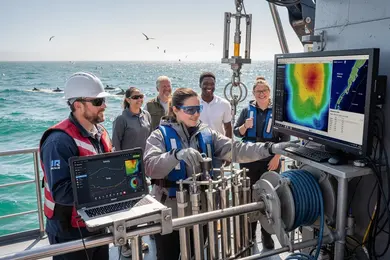
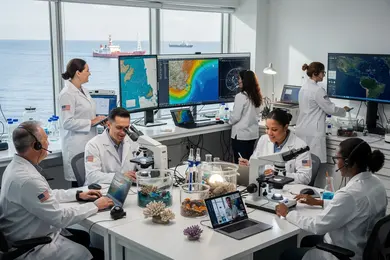
- Advanced Data Analysis: Employers across marine science sectors prioritize proficiency in statistical software and programming languages such as R, Python, and MATLAB. These tools enable professionals to model complex ecosystems and interpret large datasets generated by remote sensing technology. Students often gain these skills through coursework and hands-on projects analyzing real-world oceanographic data, which enhances their versatility across research and applied domains.
- Geographic Information Systems (GIS): GIS expertise supports spatial analysis critical to environmental monitoring, resource management, and policy development. Developing GIS proficiency during academic programs or internships allows graduates to contribute to mapping coastal changes, habitat distributions, or pollution sources, making this skill highly transferable between conservation, government, and industry roles.
- Effective Communication: Strong communication skills are essential for translating complex scientific findings into accessible language for policymakers, community stakeholders, and multidisciplinary teams. Practicing public speaking, report writing, and interdisciplinary collaboration during training prepares marine science graduates for roles that require bridging technical knowledge with broader audiences.
- Project Management: Coordinating research timelines, budgets, and fieldwork logistics is frequently a vital responsibility. Many employers value demonstrated leadership in managing projects in challenging marine environments, which signals reliability and organizational competence. These skills can be honed through managing academic research projects or engaging in collaborative environmental initiatives.
- Sustainability and Regulatory Knowledge: As environmental regulations tighten internationally, expertise in environmental impact assessments and familiarity with marine policy frameworks provide a competitive edge. This knowledge is especially relevant in industries such as offshore energy and fisheries management, where compliance is critical to operational success.
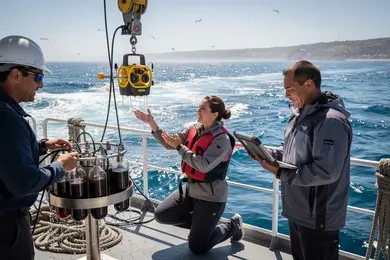
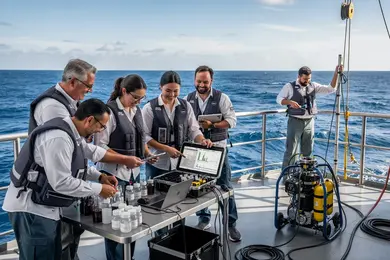
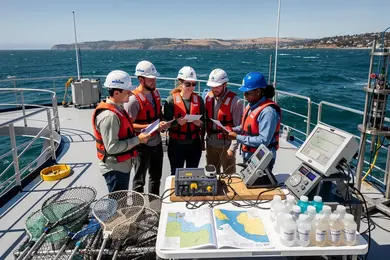
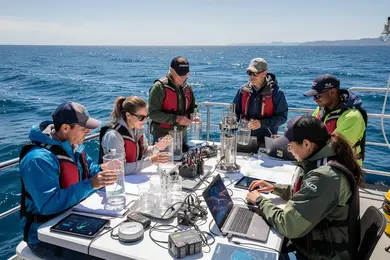
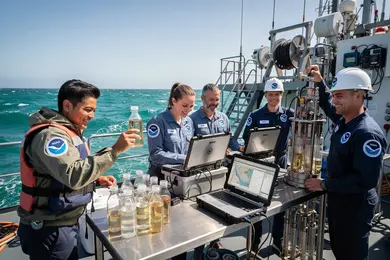
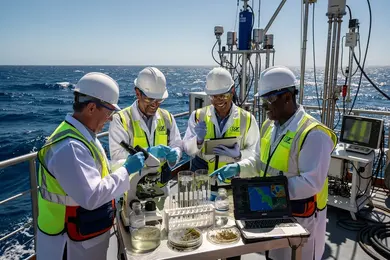
- Fieldwork and Technical Sampling: Practical experience collecting and analyzing field data remains a cornerstone skill in many marine science careers. It builds methodological rigor and adaptability to varied marine settings, from coastal ecosystems to aquaculture operations, strengthening employability in both research and applied sectors.
- Interdisciplinary Collaboration: The ability to work effectively within multidisciplinary teams combining biology, technology, policy, and social science skills is increasingly important. This competence expands career flexibility and aligns with employers' needs to tackle complex marine challenges.
Graduates who cultivate this blend of technical and soft skills will find broader opportunities across diverse marine science industries. For those considering further specialization, resources such as the human resources online masters guide can provide insight into advanced educational paths that complement these career skills.
How Do Career Paths Differ Across Industries for Marine Science Graduates?
Choosing an industry can shape career growth as significantly as selecting a degree because each sector emphasizes different skills, experiences, and long-term objectives. Marine science graduates face varied expectations and rewards depending on whether they enter government, consulting, or academia. Assessment of these industry-specific dynamics enables students to align their career strategies with realistic outcomes in job stability, salary prospects, and professional development. The following points illustrate key distinctions in how career paths unfold across industries for marine science graduates.
- Career Structure: Government roles typically follow a clear, hierarchical progression with defined steps from entry-level to supervisory positions, providing predictable advancement. In contrast, consulting careers advance more fluidly, often tied to project wins and client relationships, making progress potentially faster but less certain.
- Salary Trajectory: Consulting jobs generally offer around 20% higher median salaries than government roles early on, rewarding technical skill and business development. However, government positions provide steadier income increases over time, albeit at a more moderate pace.
- Job Security: Government employment is marked by stability and benefits, appealing to those seeking predictable work environments. Consulting work, dependent on market demand and firm performance, carries more risk but can deliver higher short-term rewards for entrepreneurial graduates.
- Research Opportunities: Academia prioritizes deep research engagement and intellectual freedom but requires perseverance due to competitive tenure-track availability-only about 30% of doctoral graduates secure such roles within ten years. This path suits those driven by scholarly contributions over financial gain.
- Skill Specialization: Government agencies value broad marine science expertise combined with regulatory knowledge, whereas consulting firms seek adaptable professionals with strong project management and client-facing skills. Academic careers demand focused mastery in narrow research areas.
- Advancement Timing: Promotions in government may take 7-10 years to reach mid-management, while consulting professionals often ascend to leadership roles within 5-8 years based on performance and networking. Academia's advancement is slower and less predictable, centered on publication and funding success.
- Work Environment: Public sector jobs often involve collaborative, interdisciplinary teams focused on policy and conservation. Consulting environments are fast-paced and client-driven, requiring adaptability under pressure. Academia offers autonomy but with pressures from grant writing and publishing demands.
How Do Industry Trends Affect Future Opportunities for Marine Science Graduates?
Industry shifts are fundamental in defining the career landscape for marine science graduates. As environmental concerns intensify globally, the sectors demanding marine science experts are evolving, requiring adaptability beyond traditional research roles. The diversity of opportunities now hinges not only on scientific knowledge but also on an ability to integrate technical skills and understand policy frameworks. Graduates equipped with interdisciplinary capabilities stand to gain an advantage in dynamic job markets shaped by technological progress, legislative changes, and economic investment in sustainable ocean use. Here are key trends reshaping the employment outlook for marine science professionals.
- Expanding Blue Economy: The blue economy, which includes aquaculture, offshore renewable energy, and maritime tech, is rapidly growing. This trend fuels demand for professionals who can blend marine science with innovation, offering roles that pay competitively and require ongoing learning in emerging technologies.
- Government and NGO Funding Surges: Increased investment in coastal restoration and biodiversity protection by public agencies and nonprofits is creating more jobs focused on ecosystem management and policy advising. Understanding regulatory frameworks and project implementation enhances employability in these sectors.
- Advanced Data Integration: The rise of GIS, remote sensing, and big data analytics in monitoring marine environments emphasizes the need for technical proficiency alongside traditional scientific expertise. Graduates who master these tools are better positioned to support sustainable fisheries, habitat conservation, and spatial planning.
- Global Ocean Governance: International efforts to safeguard marine protected areas and enforce sustainable ocean policies expand opportunities beyond local contexts, from environmental consulting to climate resilience strategy development, often requiring cross-cultural communication and interdisciplinary collaboration.
According to 2024 data from the U.S. Bureau of Labor Statistics and NOAA, employment growth in marine-related environmental consulting and renewable ocean energy sectors is expected to exceed the national average for all professions, underlining strong future demand for graduates who adapt their skills accordingly.
One recent marine science graduate shared how shifting industry demands influenced their early career decisions. After initially pursuing a traditional research role, they encountered limited openings and quickly pivoted toward a position with an environmental consulting firm specializing in offshore wind projects. This shift required them to rapidly acquire GIS and project management skills, blending scientific analysis with client-focused reporting. Despite initial hesitation about moving beyond pure research, the graduate now values the broader impact and diversity of challenges their role provides, underscoring how responsiveness to industry trends can open unexpected yet rewarding pathways.
How Can Students Prepare for High-Demand Marine Science Industries?
Becoming a competitive candidate in high-demand marine science industries requires more than academic success; it demands a strategic combination of practical experiences, technical skills, and professional networking. Employers increasingly expect graduates to demonstrate applied capabilities alongside theoretical knowledge. For example, a student interning with a governmental marine research program may encounter real-world challenges such as habitat restoration or species monitoring, making their resume distinctly stronger. A 2024 report from NOAA reveals that students engaging in internships or hands-on projects improve their employability by over 40%. Below are key strategies that effectively prepare students for marine science careers in high-demand industries.
- Practical Internships: Gaining field experience through internships with government agencies, nonprofits, or private firms exposes students to real-world marine issues. This direct involvement enhances technical skills like GIS mapping and species identification, strengthening hireability in sectors like environmental consulting and fisheries.
- Technical Skill Development: Mastering data analysis and programming languages such as Python and R addresses the growing need for quantitative expertise. Students can build these skills via coursework or coding boot camps, positioning themselves for roles involving remote sensing and oceanographic research.
- Networking and Professional Engagement: Active participation in marine science conferences and professional societies connects students with mentors and employers. The American Geophysical Union's 2024 outlook notes a 35% higher employment rate among those engaged in these activities within six months post-graduation.
- Interdisciplinary Coursework: Combining marine science with environmental policy, conservation biology, or maritime law equips students to navigate emerging fields like marine policy advising and sustainable fisheries management.
- Research Participation: Involvement in hands-on research projects provides practical problem-solving experience that enhances critical thinking and familiarity with current challenges, making candidates more attractive to innovative employers.
- Continuous Learning Focus: Remaining adaptable and pursuing ongoing education-in areas such as regulatory changes or technological advances-ensures relevance in evolving industries.
- Exploring Accelerated Programs: Considering options like the shortest masters program can allow motivated students to quickly deepen expertise and enter the workforce faster, balancing education length with career trajectory.
How Do Different Marine Science Degree Programs Prepare Students for Industry Careers?
Marine science degree programs vary significantly in how they prepare students for diverse industry careers, reflecting differences in curriculum focus, practical opportunities, and technical training. Graduates aiming to enter fields like environmental consulting, marine technology, or policy development benefit most from programs that balance interdisciplinary knowledge with hands-on experience. According to a 2024 report from the National Oceanic and Atmospheric Administration (NOAA), programs emphasizing applied research opportunities correspond with higher employment rates and better starting salaries. Here are key factors students should weigh when evaluating marine science degree industry preparation:
- Interdisciplinary Curriculum: The integration of biology, chemistry, oceanography, and data analysis equips students with a broad skillset. Programs that foster cross-disciplinary learning enable smoother transitions into technical and policy roles, but students focused on niche fields may prefer specialized tracks.
- Hands-On Research Experience: Opportunities for internships, fieldwork, or collaborations with government and private sectors significantly enhance career readiness. NOAA data links such experiences to higher initial salaries and employment stability.
- Computational Skills Training: Proficiency with GIS mapping, statistical software, and modeling tools is increasingly demanded, especially in coastal engineering and marine spatial planning sectors. Candidates should assess whether programs teach these skills deeply or superficially.
- Industry Partnerships: Programs connected to accredited research centers and firms provide practical exposure and networking benefits that vary widely by institution and region.
- Applied Learning Focus: Curricula emphasizing real-world problem-solving and policy engagement prepare students for roles in conservation and renewable ocean energy, which are growth areas with robust demand.
- Career Services and Advising: Support for job placement and career planning influences outcomes but varies in quality; personalized advising often marks stronger programs.
- Alignment with Career Goals: No program perfectly fits all industries. Prospective students should clarify their targeted sectors and evaluate programs accordingly, including willingness to pursue supplemental experiences beyond coursework.
Those seeking to work in fields related to jobs with animals also benefit from identifying programs offering relevant research or internships aligned with wildlife and marine ecology. Comparing these factors ensures students make informed decisions about their career readiness through marine science programs.
Which Industry Is the Best Fit for Your Marine Science Career Goals?
The best industry fit for a marine science career varies significantly based on each student's priorities rather than a universal ranking. Factors such as preferred work environment, long-term advancement potential, specialization interests, earning goals, lifestyle preferences, and the desire to effect specific types of environmental impact are critical. For instance, one graduate focused on immediate salary and technical innovation may pursue renewable ocean energy, attracted by projected industry growth above 10% annually and competitive pay for specialized skills. Meanwhile, another graduate seeking stability and public service could choose government agencies like NOAA, valuing steady salary growth and benefits over rapid expansion.
Students can make informed decisions by researching employer expectations, projected sector growth, required skills, internship availability, and career trajectories while honestly assessing their strengths and interests. Studies from the National Science Foundation in 2024 highlight that graduates prioritize meaningful environmental contributions and advancement opportunities when selecting employers. The strongest career decisions align personal goals with sector opportunities rather than focusing solely on the highest-paying or fastest-growing fields. Successful marine science careers form across diverse industries depending on individual preparation and aspirations.
References
- How to become a marine biologist? | Conservation Careers https://www.conservation-careers.com/how-to-become-a-marine-biologist/
- Study Marine Science - Experience, Job Opportunities, Salary + Survey https://jobtensor.com/uk/Studies/Marine-Science
- Careers | Blue Marine Foundation https://www.bluemarinefoundation.com/careers/
- Here’s what I teach my students about finding jobs in marine biology and conservation https://www.southernfriedscience.com/heres-what-i-teach-my-students-about-finding-jobs-in-marine-biology-and-conservation/
- Top 15 Highest Paying Marine Biology Jobs in 2026–2027 (With Salary Insights) https://trainingexpress.org.uk/highest-paying-marine-biology-jobs/
- Marine Biology Degree Programs in the U.S. | MarineBio Conservation Society https://www.marinebio.org/careers/us-schools/
- Finding the right career in marine science https://marine.ie/site-area/news-events/news/finding-right-career-marine-science
- Career Outlook https://www.marinecareers.net/resources/career-outlook
- Home | Marine Science Recruitment Agency | Ocean Talent - MSRA https://marinesciencerecruitment.com/
- 10 Jobs You Can Get With a Marine Biology Degree https://www.seamester.com/blog/10-jobs-you-can-get-with-a-marine-biology-degree/
Other Things You Should Know About Marine Science
Choosing between fieldwork-intensive and office-based roles requires understanding how each setting aligns with long-term career goals and lifestyle preferences. Fieldwork roles often demand physical endurance, extended travel, and unpredictable hours but provide direct data collection experience critical in environmental monitoring. Conversely, office-based positions may offer more predictable schedules and focus on data analysis or policy development, which suit graduates aiming for stability or interdisciplinary collaboration. Prioritizing one over the other early in your career can shape opportunities, so graduates should honestly assess their adaptability to demanding environments versus analytical strengths.
Many industries employing marine science graduates, such as government agencies and nonprofits, depend heavily on fluctuating budgets and grant cycles, which can lead to employment volatility. Graduates entering these sectors should anticipate potential periods of funding shortfalls that might affect contract duration, project security, and advancement opportunities. In contrast, private sector roles, though sometimes fewer, may offer more consistent funding but can also be more sensitive to market shifts. Being proactive by diversifying skills and building networks across sectors can mitigate these risks.
Graduates must balance immediate financial needs against long-term career stability. Industries offering higher salaries may have limited hiring scales or slower growth, potentially restricting future upward mobility. On the other hand, sectors exhibiting stronger growth often provide broader entry-level opportunities and room for advancement but may start with modest compensation. For most graduates, prioritizing industries with steady growth ensures more sustained employment prospects, while those with pressing financial demands might lean toward higher-pay opportunities, accepting tradeoffs in job competition or progression speed.
Industries like climate research or marine conservation frequently experience shifts in priorities due to emerging environmental data or policy changes, increasing urgency and workload unpredictability. Graduates should develop flexible project management skills and resilience to navigate shifting deadlines and evolving project scopes. Proactively communicating with supervisors and staying current with relevant regulations and scientific advances helps set realistic expectations. Mastering this adaptability reduces burnout risk and positions individuals as valuable contributors in dynamic settings.