2027 Marine Science Affordability by State: Where Students Pay the Most and Least

Co-Founder and Chief Data Scientist
Choosing between a state university with $5,000 annual in-state tuition and a nearby private college charging $28,000 presents a financial crossroads for many marine science students. Out-of-state fees frequently double public tuition, and living costs in coastal areas can eclipse advertised savings, complicating budget estimates.
The 2024 National Center for Education Statistics report shows a 12% average increase in in-state public tuition over two years, intensifying disparities among states. This influences not only borrowing needs but also access to internships and fieldwork crucial for career readiness.
This article examines Marine Science affordability by state to highlight where degrees are most and least attainable financially.
Key Things to Know About Marine Science Affordability by State
- States with the lowest published in-state tuition often have higher indirect costs like housing and transportation, meaning affordability assessments must factor in total attendance expenses beyond just sticker price.
- Out-of-state tuition premiums vary widely, prompting many marine science students to weigh the long-term impact of potential employer location preferences and regional workforce demands when selecting programs.
- Growing availability of reputable online marine science programs reduces relocation costs but may limit fieldwork opportunities, which employers prioritized in a 2024 workforce skills report, influencing graduate competitiveness.
- Key Things to Know About Marine Science Affordability by State Key Things to Know About Marine Science Affordability by State
- Which States Have the Most Affordable Marine Science Degree Programs? Most Affordable State Programs
- Which States Have the Highest Marine Science Degree Costs? Highest State Tuition Costs
- How Much Does a Marine Science Degree Cost by State? Degree Costs by State
- Why Does Marine Science Affordability Vary So Much Between States? State Affordability Variations
- How Do In-State and Out-of-State Tuition Rates Affect Marine Science Affordability? In-State vs. Out-of-State Rates
- How Does the Cost of Living Impact Overall Marine Science Affordability by State? Living Costs and Affordability
- Which States Offer the Best Value for a Marine Science Degree? Best Value State Degrees
- What Financial Aid and Scholarship Opportunities Can Reduce Marine Science Costs? What Financial Aid and Scholarship Opportunities Can Reduce Marine Science Costs?
- Are Online Marine Science Degree Programs More Affordable Than On-Campus Options? Are Online Marine Science Degree Programs More Affordable Than On-Campus Options?
- Is a Marine Science Degree Worth the Cost Based on Career Outcomes and ROI? Degree ROI and Outcomes
Which States Have the Most Affordable Marine Science Degree Programs?
State-level differences in public higher education funding, tuition policies, and local economic conditions significantly shape where students find the most affordable marine science degree programs by state. For example, California's broad public university system leverages resident tuition rates averaging around $7,100 annually, which contrasts sharply with out-of-state fees near $25,000.
This often influences whether students opt to establish residency or pay a premium, with in-state tuition advantages driving more sustainable budgets and reducing long-term debt burden for those prioritizing cost efficiency over institutional prestige or location. The tradeoff here is clear: students committed to coastal states with strong public investment may gain access to comprehensive research environments at lower costs, but limited scholarships or higher living expenses in some regions—like California—can offset tuition savings.
Moreover, affordability extends beyond tuition rates alone and heavily depends on residency policies and the availability of state-specific financial aid that targets STEM disciplines such as marine science. Florida and North Carolina exemplify how aggressive state funding and scholarships effectively lower net costs for residents, with Florida's abundant coastline making regional universities attractive despite modestly higher tuition than some peers.
These can drive enrollment decisions and degree planning, particularly for budget-conscious learners evaluating where to maximize educational value alongside employability and graduation success. In some cases, students might explore flexible program formats or even the shortest PhD programs online to manage costs related to housing and travel, a critical consideration often overshadowed by tuition-focused analyses.
Which States Have the Highest Marine Science Degree Costs?
Higher marine science degree costs in certain states primarily reflect a combination of limited public funding, elevated local living expenses, and concentrated institutional prestige. For example, states with renowned research programs incur inflated tuition partly due to steep demand and the need to sustain specialized facilities and expert faculty through out-of-state and private tuition revenues.
Budget cuts to public universities further shift costs onto students, while residency rules restrict access to lower in-state rates, complicating affordability for non-resident learners. According to 2024 IPEDS data, in-state tuition in top-tier coastal programs can exceed $15,000 annually, but total attendance costs often surpass $40,000 when factoring in housing and fees, placing tangible limits on who can realistically pursue degrees there.
These geographic cost disparities create tangible tradeoffs in enrollment decisions. Students from lower-income backgrounds may opt for less expensive states or community college pathways to avoid prohibitive debt, while others may gamble on higher costs to access cutting-edge research and career networks with longer-term payoff potential. The scarcity of public marine science offerings in some states adds pressure toward private institutions with higher sticker prices and fewer financial aid options. Moreover, residential choices—whether to relocate, study online, or commute—play a critical role in managing expenses, as urban coastal living often inflates budgets beyond tuition alone.
One recent graduate divulged how they wrestled with the decision to enroll out-of-state in a coastal university known for marine science research. Initially drawn by the program's reputation, the student grew concerned about residency restrictions and the lack of affordable housing near campus. Despite several online alternatives with lower tuition, they hesitated over potential sacrifices in lab access and local networking. After comparing financial aid packages and living costs in conflicting states, they ultimately chose an in-state institution offering a more manageable price point, noting how these practical considerations outweighed prestige during a time of tight personal finances.
How Much Does a Marine Science Degree Cost by State?
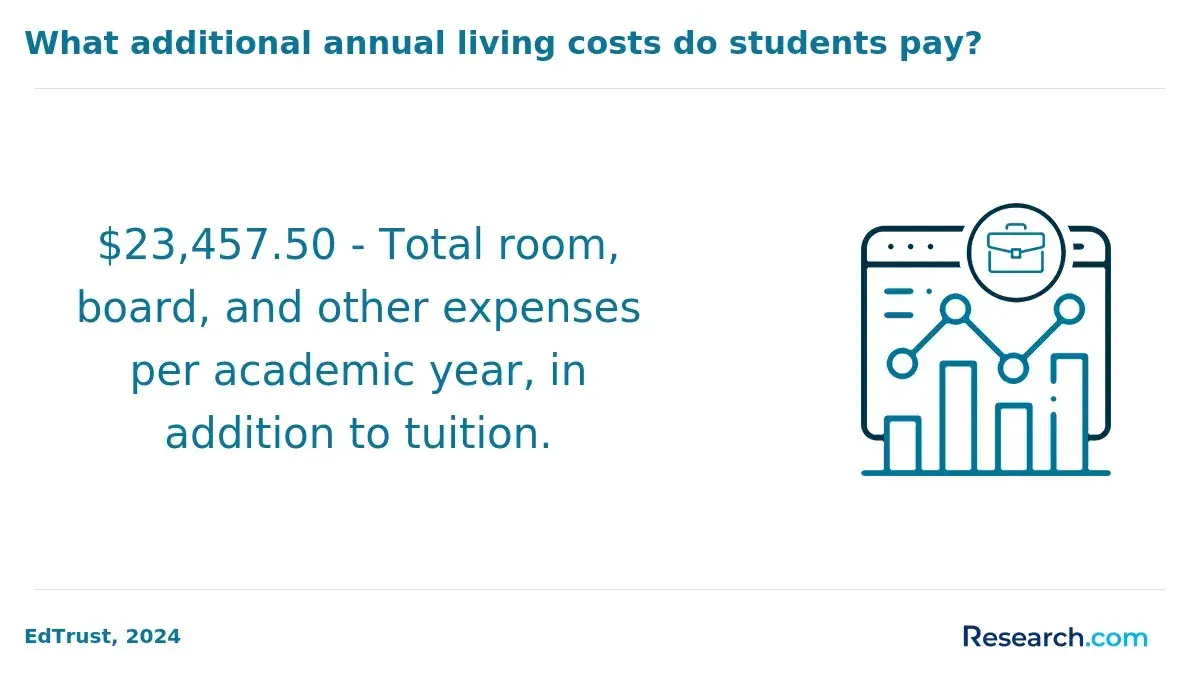
Variations in the cost of a marine science degree across U.S. states reflect deeper structural factors that directly affect student decision-making and financial planning. For instance, in-state tuition rates at public universities in states like Florida and North Carolina typically range from $7,000 to $10,000 annually, offering more accessible options for residents compared to states such as California or Massachusetts, where in-state tuition and overall attendance costs often exceed $20,000 per year. This influences whether students might borrow more, relocate for affordability, or pursue online programs, as private institutions frequently charge upwards of $30,000 regardless of residency, raising the stakes for budget-conscious learners.
Cost-of-living plays an equally important role in shaping total expenses, with coastal urban centers driving up housing and daily costs, thereby amplifying the real price of attendance beyond tuition alone. Policy factors like state funding allocations and residency tuition subsidies further shape these regional differences, often creating economically strategic pathways for students attending well-supported public universities. For example, states with robust public university funding and targeted scholarship availability can lower net costs substantially, which has practical implications for enrollment patterns and the feasibility of completing degrees without excessive debt.
Understanding these state-level nuances is critical for students comparing marine science programs, especially since variation in tuition and living expenses corresponds to differences in program funding, research opportunities, and employer networks tied to regional marine industries. According to 2024 data from the National Center for Education Statistics, the gap between lowest and highest in-state tuition rates in marine science-related fields can exceed $13,000 annually, underscoring the importance of aligning financial strategy with long-term career objectives instead of considering tuition in isolation.
Why Does Marine Science Affordability Vary So Much Between States?
State funding strategies significantly shape the affordability of marine science degree programs, with public investment levels directly influencing in-state tuition rates. For instance, California and Florida maintain lower tuition costs through robust higher education subsidies, offsetting operational expenses that would otherwise burden students. Conversely, in states where budget constraints or political priorities limit university funding, universities compensate by raising tuition, which disproportionately affects students pursuing marine science degrees in regions with higher living costs.
According to the National Center for Education Statistics 2024 data, these funding disparities create a wide variance in tuition, compelling budget-conscious students to weigh residency status, potential transfer credits, and even online program options when planning their education.
Regional economic conditions and institutional mixes further complicate these cost differences. Areas with a dense concentration of private marine science institutions tend to report higher average tuition due to fewer public subsidy mechanisms. Meanwhile, states with strong financial aid frameworks and resident tuition policies can reduce net student expenses, which is critical in high-demand coastal states.
Students researching marine science degree cost differences by state must consider how institutional pricing intersects with local cost-of-living and aid availability, as these factors affect not only upfront affordability but also long-term financial stability after graduation. Those interested in non-traditional pathways might explore alternatives like online doctoral programs in leadership as part of broader educational strategies that blend cost efficiency with career relevance.
How Do In-State and Out-of-State Tuition Rates Affect Marine Science Affordability?
Tuition differences between in-state and out-of-state students sharply influence the financial calculus for those pursuing marine science degrees, often dictating not only which program students can realistically afford but also their geographic and career mobility. Public universities commonly charge out-of-state students nearly twice the tuition of residents, according to 2024 data from the National Center for Education Statistics, which can add several thousand dollars annually to a student's budget.
This complicates decision-making, especially for students balancing tight budgets against the prestige or specialization of coastal state programs where marine science expertise is strongest. Interstate reciprocity agreements like the New England Regional Student Program can ease this burden for residents of participating states, but such arrangements remain patchy and largely absent in the South, underscoring the importance of students understanding regional policy nuances before committing.
Beyond tuition sticker prices, residency status affects access to financial aid patterns and online program options that some public schools offer at in-state rates regardless of physical location. Because private institutions typically maintain uniform tuition irrespective of residency, their potentially larger financial aid pools may offset higher initial costs for some students, although this tradeoff involves less predictable out-of-pocket expenses.
Moreover, students who can establish residency through reclassification may achieve substantial savings but must weigh the time and legal criteria involved against immediate cost pressures. Ultimately, these tuition variances extend into broader cost considerations—fees, housing, and travel—cementing residency status as a pivotal factor in both selecting a marine science path and managing its total economic footprint.
One marine science student faced uncertainty after moving to a coastal state for school, assuming residency would reduce tuition immediately. They found out that qualifying for in-state tuition required a full year of documented residency with financial independence, forcing them to pay out-of-state rates their first year. This unexpected cost inflated their loan burden and complicated budgeting, prompting them to seek part-time work and reassess living expenses.
Though relieved to secure residency status eventually, the interim financial strain planted caution about assuming residency benefits without thorough verification, highlighting how residency policies can critically affect not just the price tag but also stress and educational focus in marine science training.
How Does the Cost of Living Impact Overall Marine Science Affordability by State?
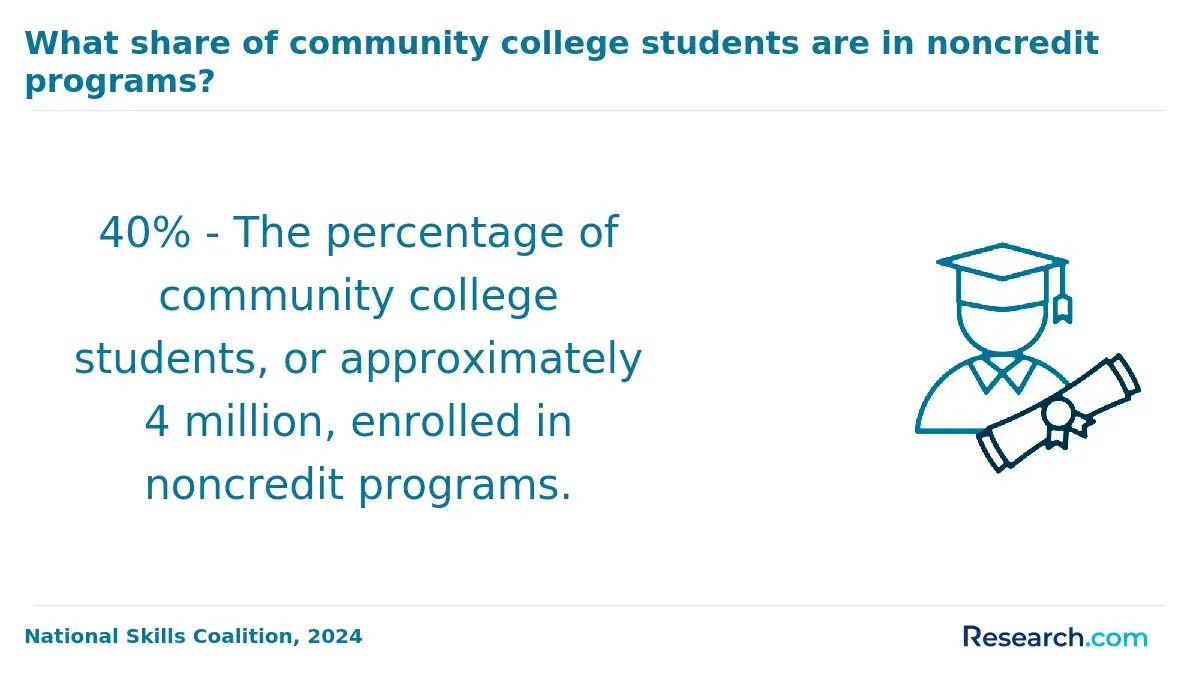
Cost-of-living differences by state for marine science students significantly alter the financial landscape beyond stated tuition, often dictating whether a degree path is feasible in practice. Even when tuition rates are comparable, students in high-cost states like California or New York face substantial tradeoffs due to housing expenses, transportation, food costs, and healthcare that can collectively inflate their total outlay by 20% or more. This disparity means a student pursuing marine science in these urban hubs may incur higher debt or require greater financial aid, forcing difficult decisions about living arrangements or supplemental work hours that could impact academic performance and practical training opportunities.
Conversely, states with lower living expenses, particularly in the Midwest and South, offer marine science students a more manageable economic environment, where affordable housing and everyday costs reduce the overall financial burden. This dynamic influences enrollment choices and degree-completion strategies as students weigh the value of local research infrastructure against regional affordability. The urban-rural divide further complicates these decisions since rural areas may lower living costs but limit access to facilities and industry networking. Integrating cost-of-living differences into educational planning is essential for budget-conscious learners to realistically assess their prospects and debt exposure, especially when exploring options like online programs or commuting.
Understanding the impact of regional living expenses on marine science affordability encourages prospective students to look beyond tuition and consider full financial implications, including non-tuition costs that shape long-term feasibility. For those balancing these factors, resources such as the top MBA programs that don t require GMAT or GRE illustrate alternative pathways where financial barriers may differ or lessen depending on program delivery. Ultimately, thorough analysis of these cost variables informs better financial planning and decision-making in selecting where and how to pursue a marine science degree.
Which States Offer the Best Value for a Marine Science Degree?
Choosing where to pursue a marine science degree requires weighing more than just tuition costs; states vary significantly in how tuition policies, financial aid availability, and regional economic conditions combine to shape real affordability and postgraduate prospects. For example, Florida's low in-state tuition near $6,500 and strong local marine industry partnerships create a scenario where students can minimize debt while accessing internships and job opportunities linked directly to coastal research hubs.
However, even with affordable tuition, students should consider graduation rates and median salaries—in Florida, public universities show a completion rate close to 60% and median earnings around $50,000, reflecting a balance between cost and career outcomes.
In contrast, California's marine science programs come with higher tuition—approximately $14,500 for residents—alongside a costly living environment, yet offer access to deeply funded research initiatives and salaries exceeding $60,000 for some graduates. This represents a tradeoff between upfront expenses and longer-term earnings potential, which may not suit all students, particularly those sensitive to debt or relocation costs.
North Carolina occupies a middle ground with moderately priced public education near $8,000 in tuition and strong public-sector marine research employers like NOAA, while also benefiting from a lower overall cost of living. Deciding whether to qualify for in-state rates, study online, or relocate must account for these factors since cheaper tuition in states like Louisiana or Texas often accompanies weaker local job markets and fewer internship placements, potentially limiting sustainable returns from a marine science degree.
What Financial Aid and Scholarship Opportunities Can Reduce Marine Science Costs?
Financial aid significantly shapes the true cost of pursuing a marine science degree, but its impact varies dramatically depending on where and how students qualify. Federal Pell Grants provide crucial need-based funding, yet with only about 38% of undergraduates benefiting nationally, reliance on these grants alone rarely covers full expenses—especially in high-tuition states.
For example, a student in California may gain targeted state scholarships and tuition waivers that substantially reduce out-of-pocket costs, whereas an out-of-state peer without access to these localized programs faces much steeper financial barriers. Eligibility factors such as residency, GPA, and timely application submissions strongly influence aid outcomes, meaning strategic planning and early engagement are essential for maximizing support.
Institutional merit scholarships and faculty-endorsed awards often favor students with stronger academic profiles, which can inadvertently skew access toward those from more advantaged backgrounds, limiting affordability for others despite availability. Meanwhile, tuition reciprocity agreements offer some cost relief for students crossing state lines but are inconsistent and frequently hinge on regional policy rather than universal applicability.
Employer tuition benefits and student loans add flexibility but introduce future financial obligations that warrant cautious consideration given the variable stability of careers in marine science research and applied fields. Ultimately, comparing aid landscapes requires analyzing complex eligibility rules and renewal conditions to realistically assess long-term affordability and avoid unforeseen debt burdens.
Are Online Marine Science Degree Programs More Affordable Than On-Campus Options?
Online marine science degree affordability comparison reveals that lower advertised tuition for online programs often masks additional costs and situational factors that influence true expense. While tuition for environmental science-related fields online can be 15-20% cheaper on average than on-campus equivalents, housing and transportation savings—most significant for out-of-state or urban campus attendees—make up a large portion of this difference. Yet, expenses like mandatory campus visits for labs, software fees, and reliable internet access may reduce or offset these savings, especially in programs with extensive hands-on requirements.
Moreover, disparities in financial aid between online and on-campus students complicate affordability evaluations. Data shows online learners frequently receive less institutional grant support and rely more on federal aid, potentially increasing net costs despite sticker price advantages. For students weighing cost differences between online and on-campus marine science programs, part-time study often pursued online can extend degree timelines and bring opportunity costs that undercut upfront savings. Employers' emphasis on practical lab experience also means program design influences not just price but career-readiness, urging prospective students to assess tradeoffs and real-world implications carefully.
State residency policies and institution-specific pricing also play critical roles in accessibility, affecting out-of-state tuition premiums for on-campus programs and sometimes online tuition rates. Budget-conscious learners, especially those balancing work and study, should evaluate how program structure aligns with both their financial realities and career goals. For those exploring practical affordability across disciplines, resources like the best value online interdisciplinary studies degrees may offer insights into effective degree planning beyond marine science alone.
Is a Marine Science Degree Worth the Cost Based on Career Outcomes and ROI?
The value of a marine science degree is highly dependent on the interplay between tuition costs, regional job markets, and individual career paths, making blanket ROI assessments inadequate. For example, students who attend programs in states like Florida or North Carolina benefit from lower in-state tuition and higher graduation rates, which translate into less debt and improved financial outcomes compared to peers in higher-cost states with weaker completion statistics.
Beyond tuition, students should weigh opportunity costs like time to degree and potential earnings losses during study, while also considering institutional support such as internship availability, which strongly influences career outcomes and earnings after marine science degree completion.
Moreover, geographic mobility and specialization often factor into returns on investment, as many marine science graduates pursue advanced degrees to qualify for niches with higher demand or pay, which can offset upfront costs but require longer-term commitment.
According to recent data, median earnings five years after graduation range from $45,000 to $65,000, highlighting the influence of local industry presence on job prospects. Since employment growth is expected to slightly outpace the national average, aligning educational decisions with evolving marine workforce needs increases practical value in a competitive field.
Students comparing different undergraduate pathways might also explore alternate disciplines with related applications, such as a bachelor's degree in project management, which can complement marine science expertise or offer broader career flexibility. Ultimately, analyzing marine science degree return on investment by state means critically balancing tuition affordability, debt levels, program quality, and regional employment dynamics to make informed, context-sensitive educational decisions.
References
- Top Conservation Scholarships | Conservation Training & Experiences https://www.conservation-careers.com/top-conservation-scholarships/
- Marine biology-- where else should I apply? https://talk.collegeconfidential.com/t/marine-biology-where-else-should-i-apply/1740969
- Advancing Marine Connectivity Science for the Ocean We Want - COST https://www.cost.eu/advancing-marine-connectivity-science-for-the-ocean-we-want/
- What Are the Best Schools to Study Marine Biology? https://www.scubadiving.com/best-schools-study-marine-biology
- Undergraduate Marine Biology Programs Compared https://www.road2college.com/best-marine-biology-colleges/
- Stockton University https://stockton.edu/sciences-math/marine-science.html
- Does College Pay Off? A Comprehensive Return On Investment Analysis - FREOPP https://freopp.org/whitepapers/does-college-pay-off-a-comprehensive-return-on-investment-analysis/
- Marine Sciences - Savannah State University https://savannahstate.edu/programs/marine-sciences/
- Marine Biology Degree Programs in the U.S. | MarineBio Conservation Society https://www.marinebio.org/careers/us-schools/
- Importance of Cost of Living | Goldwater Institute https://www.goldwaterinstitute.org/cost-of-living/
Other Things You Should Know About Marine Science
States with lower tuition costs often rely on substantial state funding, which can help maintain quality facilities and faculty compensation. However, reduced funding in some low-cost states may limit research opportunities, specialized courses, or updated lab equipment. Students should weigh affordability against the potential for hands-on learning and cutting-edge resources that enhance employability in this field. Prioritizing programs balancing cost with strong research infrastructure is essential for career-readiness in marine science.
In states with limited marine science programs, students might find more affordable tuition but must consider that fewer options often correlate with less specialized curriculum and networking opportunities. This scarcity can affect access to internships, industry connections, and mentorship, which are critical for job placement. Students should assess if the lower cost compensates for potentially narrower program content and fewer career pathway supports, especially in specialized research or marine policy areas.
While affordability is a significant concern, marine science is a competitive field where reputation and industry ties often influence hiring. Programs in states with strong coastal research hubs or marine industries may cost more but offer better practical exposure and job placement services. Budget-conscious students should prioritize programs with proven outcomes and employer engagement over the lowest tuition rates, as this can substantially affect long-term career progression and salary potential.
Some states offer accelerated or combined degree pathways that reduce time to completion, effectively lowering overall costs despite higher per-credit tuition. Others require longer on-campus residency or additional fieldwork with associated travel expenses, which can increase the financial burden. Prospective students should analyze total degree length, on-site requirements, and hidden costs to choose a program that aligns with their financial situation and ability to manage workload intensity without compromising educational quality.