2027 Entry-Level Hiring Trends for Marine Science Graduates: Where New Grads Have the Best Odds

Co-Founder and Chief Data Scientist
Choosing which job titles, industries, employers, or geographic regions to target poses a major challenge for marine science graduates entering the workforce. Many entry-level postings paradoxically demand prior experience, which limits options and funnels graduates into highly competitive or overserved niches. A 2024 labor market report shows that environmental monitoring and aquaculture sectors are growing fastest, yet 60% of openings still expect internships or related fieldwork.
This gap forces graduates to prioritize sectors and locations where skills-based hiring and trainee programs are more common. This article reveals the entry-level roles, industries, locations, skills, and hiring conditions that maximize new marine science graduates' chances of landing their first positions.
Key Things to Know About Entry-Level Hiring for Marine Science Graduates
- Entry-level demand focuses heavily on coastal environmental monitoring and aquaculture roles, reflecting industry-wide shifts toward sustainable resource management, which narrows job titles but increases skill specificity requirements.
- Employers prioritize candidates with hands-on tech skills in remote sensing and GIS, shown by a 2024 survey where 68% of hiring managers preferred applied technical experience over purely academic credentials, indicating workforce shifts toward practical expertise.
- The geographic concentration of jobs in the Gulf Coast and Pacific Northwest regions creates timing and access challenges, pressuring graduates to weigh relocation costs against employment probabilities in these high-demand clusters.
- What Is the Entry-Level Hiring Outlook for Marine Science Graduates? Entry-Level Hiring Outlook
- What Are the Best Entry-Level Jobs for Marine Science Graduates? Best Entry-Level Jobs
- Which Industries Hire the Most Entry-Level Marine Science Graduates? Top Hiring Industries
- Where Do Marine Science Graduates Have the Best Hiring Odds? Best Entry-Level Markets
- What Starting Salaries Can Entry-Level Marine Science Graduates Expect? Entry-Level Salaries
- Which Skills and Certifications Help Marine Science Graduates Get Hired? Top Skills and Certifications
- How Much Experience Do Entry-Level Marine Science Jobs Require? Entry-Level Experience Requirements
- What Do Employers Look for in New Marine Science Graduates? What Do Employers Look for in New Marine Science Graduates?
- How is AI Affecting Entry-Level Hiring for Marine Science Graduates? How is AI Affecting Entry-Level Hiring for Marine Science Graduates?
- How Can Marine Science Graduates Improve Their Job Search Results? Job Search Strategies
What Is the Entry-Level Hiring Outlook for Marine Science Graduates?
Entry-level demand for marine science graduates remains uneven, heavily influenced by geographic and industry-specific factors rather than by broad market expansion. While the U.S. Bureau of Labor Statistics projects a 7% growth in environmental science and protection technician roles-which overlap with many marine science occupations-competition remains intense as the number of roles explicitly labeled for marine science is limited.
Graduates targeting oversaturated hub regions may find strong openings concentrated in coastal areas like the Pacific Northwest, Gulf Coast, and Northeast, where federal agencies, universities, and environmental nonprofits generate the bulk of entry-level job prospects. However, those without internship experience or applied field skills face extended job searches and must often weigh the option of related environmental science roles if marine-specific opportunities are scarce.
For graduates focused on entry-level job prospects for marine science graduates in key regions, the practical realities extend beyond geographic considerations. Employers increasingly value technical versatility including proficiency in programming languages such as Python and familiarity with remote sensing technologies, favoring candidates with interdisciplinary skill sets.
Additionally, budget cuts in certain government and private sectors temper hiring, though expanding sectors like marine renewable energy and aquaculture offer emerging niches that reward specialized expertise. Navigating these conditions requires a nuanced approach; for example, a recent graduate might pivot toward developing applied data analysis skills to stand out or consider temporary roles in broader environmental science while maintaining ties to marine-focused projects.
Those weighing extended education paths may explore options including accelerated doctoral programs in education online to strengthen their qualifications or pivot strategically within related disciplines.
What Are the Best Entry-Level Jobs for Marine Science Graduates?
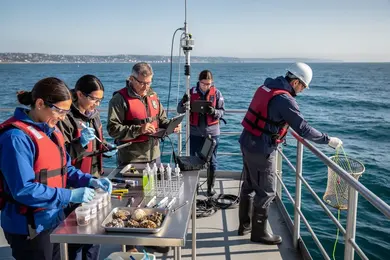
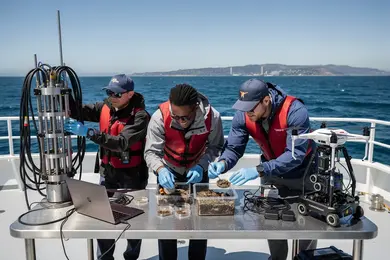
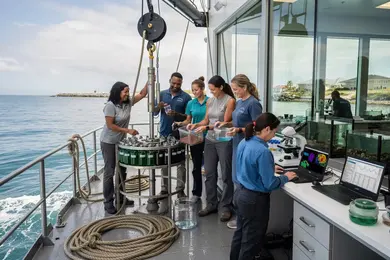
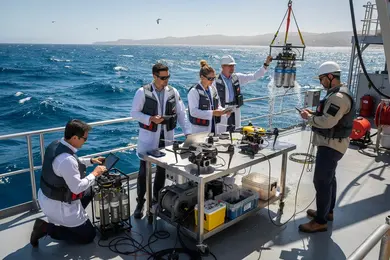
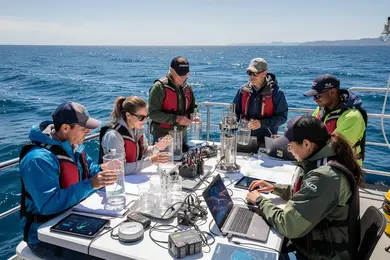
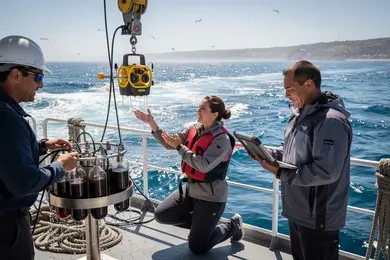
Entry-level roles offering the strongest prospects for marine science graduates balance accessibility with skill development and hiring demand within relevant sectors. Positions such as marine technicians and environmental scientist assistants stand out because they require less prior work experience while providing hands-on exposure to field data collection, equipment calibration, and regulatory compliance.
Employers in government agencies, environmental consultancies, and research labs frequently seek candidates with these competencies, making them practical starting points that also enable graduates to build transferable technical and analytical skills.
Importantly, roles like fisheries observers or coastal resource specialists provide niche opportunities but often demand physical stamina or policy familiarity, which may limit their appeal as initial placements despite offering solid career progression within resource management.
Hiring data from the U.S. Bureau of Labor Statistics in 2024 underscores that environmental scientist assistant positions are projected to grow around 8% through 2030, highlighting sector stability that benefits recent graduates. Conversely, aquaculture technician roles have surged due to rising industry demand, reflecting a 12% increase in job postings reported by Handshake, signaling robust openings for graduates with applied biology and water quality expertise.
Graduates should weigh job accessibility and geographic constraints carefully, as some positions require flexibility in coastal or offshore locations and may involve short-term contracts, potentially complicating continuity early in a career. Selecting roles aligned closely with technical strengths and local industry growth often reduces the risk of stagnation or frequent job transitions common when chasing less accessible or poorly defined entry-level roles.
A recent marine science graduate shared how she evaluated two entry-level offers: one as an environmental scientist assistant with a state agency, providing structured training and long-term career clarity, and another as a fisheries observer with a nonprofit, promising travel but less job security. After reviewing the physical demands and seasonal contract nature of the latter, she opted for the assistant role, valuing stability and skill-building over immediate excitement.
This decision reflected a calculated tradeoff frequently faced by new graduates navigating job titles that can blur experience requirements and career outcomes, emphasizing the importance of clear role understanding beyond initial appeal.
Which Industries Hire the Most Entry-Level Marine Science Graduates?
Entry-level hiring for marine science graduates is most concentrated in government agencies, environmental consulting firms, and academic research institutions, each shaped by distinct demand drivers and workforce dynamics. Federal and state environmental departments, including entities like NOAA, maintain steady hiring fueled by expanding mandates in coastal protection and fisheries management, offering relatively stable roles such as marine technicians or field research assistants.
These positions often require demonstrated prior experience through internships or practicums, and their geographic focus frequently aligns with coastal regions experiencing workforce turnover, like the Pacific Northwest or Gulf Coast, where mid-career retirements open pathways for new entrants.
Environmental consulting firms represent a high-volume but more competitive hiring arena, emphasizing skills in emerging technologies such as remote sensing and GIS to meet stringent regulatory compliance and pollution control needs. While these private-sector roles may offer more openings, advancement often depends on continual certification and technical upskilling, presenting a tradeoff between quantity of opportunities and the intensity of qualification demands.
Academic and nonprofit research roles, though fewer and typically offering lower initial compensation, provide critical hands-on research experience that can be pivotal for graduates aiming to develop specialized expertise despite less job security.
According to the U.S. Bureau of Labor Statistics (2024), government agencies still lead in entry-level hiring volume, underscoring the importance of aligning applications with sector-specific expectations and regional hiring clusters rather than focusing solely on the largest industry presence.
Where Do Marine Science Graduates Have the Best Hiring Odds?
Hiring odds for entry-level marine science graduates hinge largely on employer concentration and industry presence rather than location alone. Coastal metropolitan areas with strong marine research institutions, government agencies, and environmental consulting firms tend to dominate demand, especially regions like the Pacific Northwest and New England.
For instance, a recent graduate targeting offshore energy development firms in California may find higher employer demand but face stiff competition and elevated living costs. Balancing job volume against applicant saturation, graduates must consider credentialing requirements and local networks that influence entry-level marine science jobs with highest employer demand.
Public sector roles with agencies such as NOAA or state environmental departments often provide structured pathways through internships and fellowships, though clearance timelines can delay hiring. Private sector growth, particularly in environmental consulting and marine technology, favors candidates with versatile, practical experience but generally limits remote work options due to hands-on field requirements.
Smaller coastal communities may offer fewer openings but benefit from less applicant competition, presenting a tradeoff between immediate hiring odds and long-term geographic flexibility. Those exploring online education alternatives should evaluate whether a fully online engineering degree or related credential complements marine science career goals and regional job market realities.
What Starting Salaries Can Entry-Level Marine Science Graduates Expect?
Starting salaries for entry-level marine science graduates hinge on more than academic credentials alone. Offers vary considerably based on sector, location, technical abilities, and total compensation packages, including benefits that can outweigh raw salary figures.
For example, a recent graduate with GIS certification and internship experience in a government agency might receive a lower base salary than an environmental consultant but benefit from superior job security and clearer promotion pathways.
Recognizing how these variables interplay helps clarify realistic pay expectations. Key factors shaping entry-level marine science salaries include:
- Sector Differences: Government positions often offer starting pay between $50,000 and $60,000 with stable benefits and defined progression tracks; private consulting jobs may exceed $60,000 initially but come with variable stability and perks.
- Geographic Location: Coastal metropolitan areas such as Seattle and Boston command higher wages reflecting cost of living and market demand, while rural regions typically pay less but provide essential field experience.
- Specialized Technical Skills: Proficiency in GIS, remote sensing, or data analytics tends to increase starting offers by 5-15% as these competencies align with evolving employer needs.
- Experience and Certifications: Internships and certifications like scuba diving licenses bolster marketability and can justify better initial compensation.
- Benefits and Job Security: Higher salaries in the private sector may trade off against lower benefits and less predictable job tenure than public sector roles.
- Advancement Potential: Positions offering training and project management opportunities may start lower but facilitate faster wage growth long term.
- Regional Industry Strength: Robust local marine science industries influence salary scales, affecting employment odds as well as pay levels.
One recent graduate shared that their government job offer in a mid-sized coastal city was notably lower than a consulting firm's bid in a larger market. Although tempted by the higher salary, they considered the government role's more comprehensive benefits and clearer career ladder crucial for early stability given their limited practical experience.
Ultimately, weighing immediate pay against long-term growth and security shaped their choice more than starting salary alone, highlighting the nuanced decision-making marine science graduates face.
Which Skills and Certifications Help Marine Science Graduates Get Hired?
Employers hiring entry-level marine science graduates increasingly emphasize applied skills, digital fluency, and demonstrable job readiness alongside academic credentials. This shift reflects the practical demands of roles requiring not only domain knowledge but the capacity to analyze large datasets, perform spatial analysis, and communicate results effectively.
For example, a recent graduate targeting a government environmental monitoring position benefits from hands-on experience with GIS software combined with safety certifications to meet field compliance standards. Employers weigh these competencies differently depending on sector and specialization, making strategic skill development crucial.
Below are the key skills and certifications boosting marine science graduate employability in current job markets.
- Data Analysis Tools: Proficiency in R, Python, and GIS software supports roles in environmental modeling, spatial data interpretation, and ecosystem monitoring. Demonstrable project work or internships using these tools significantly strengthens candidacy, while certifications are less critical than proven ability.
- Technical Certifications: Industry-recognized credentials such as OSHA 40-hour HAZWOPER and marine safety certifications enhance prospects for field roles requiring regulatory compliance and safety adherence, especially in environmental compliance and offshore settings.
- GIS Professional Certification: The Geographic Information Systems Professional (GISP) credential helps differentiate candidates in mapping and spatial data roles but should be backed by relevant experience to maximize impact.
- Digital Fluency and AI Literacy: Familiarity with data visualization software and basic AI applications aligns with emerging job requirements, reflecting a 30% growth in demand for AI-related skills alongside traditional scientific know-how.
- Communication Skills: Strong written and oral communication abilities are indispensable for report writing, stakeholder engagement, and interdisciplinary collaboration. Candidates benefit from internships or research projects involving public outreach or client interaction.
- Transferable Soft Skills: Analytical thinking, problem-solving, and project management capabilities are highly valued across sectors. Practical demonstration through teamwork or leadership during internships often compensates when advanced certifications are lacking.
- Role-Specific Focus: Graduates should tailor additional certifications and skill development to their career targets-for instance, oceanographic research roles favor advanced software and statistics, whereas environmental compliance jobs prioritize safety credentials and regulatory knowledge.
Those exploring further educational paths may also consider options like accelerated psychology master's programs to complement marine science backgrounds in interdisciplinary environmental or social research fields.
How Much Experience Do Entry-Level Marine Science Jobs Require?
Entry-level marine science positions rarely demand extensive paid employment experience, yet most employers expect candidates to show some relevant applied involvement through internships, volunteer work, or academic projects. Approximately 60% of job postings mention experience as a factor, but fewer than 15% insist on full-time paid roles, reflecting a preference for demonstrated competencies over strict employment histories.
For example, a graduate with robust internship and research project exposure often meets or exceeds requirements that formally request one to three years of experience, given that many employers value practical skills validated through hands-on training and portfolio evidence.
Experience expectations fluctuate significantly across sectors and employer types. Regulatory or specialized technology roles tend to impose higher thresholds due to legal precision and technical complexity, whereas smaller nonprofits or local agencies may emphasize enthusiasm and transferable skills instead. Labor-market conditions, such as geographic proximity to coastal research hubs offering abundant internships, also influence the hiring bar.
Applicants should scrutinize job descriptions to distinguish between required experience-often non-negotiable-and preferred qualifications that can be mitigated by strong academic performance or certifications in relevant marine science competencies.
Employers frequently use experience criteria as flexible filters rather than strict cutoffs, allowing room for contextual evaluation of portfolio work, certifications, and practical course-based activities. Thus, marine science graduates should critically assess their exposure to fieldwork, data analysis, and ecological modeling when deciding to apply.
This nuanced understanding helps applicants target opportunities where their precise blend of skills and experiences align best with employer priorities. For instance, meaningful participation in capstone projects or cohort-based initiatives often weighs more than a chronological tally of paid jobs.
What Do Employers Look for in New Marine Science Graduates?
Employers evaluating entry-level marine science graduates prioritize practical skills and demonstrated job readiness over academic credentials alone. Recruiters focus sharply on applicants' applied abilities, including data analysis and fieldwork, combined with communication and adaptability to evolving regulatory or environmental challenges.
Real-world experience such as internships or applied research projects often weighs more heavily than coursework, as employers seek candidates who can quickly contribute to problem solving in diverse settings.
Technical proficiency in tools like GIS and statistical software remains foundational but insufficient by itself. Effective communication with stakeholders and remote collaboration skills further differentiate candidates, particularly in agencies or consultancies adapting to virtual teamwork.
The 2024 National Association of Colleges and Employers survey noted that over 70% of hiring managers rank internships or direct field experience as key screening criteria, underscoring the premium on workplace readiness in this field. Below are core employer priorities shaping entry-level hires in marine science.
- Applied Technical Skills: Employers expect fluency in environmental data tools such as R, Python, and GIS, evaluating candidates through project samples or software competency demonstrated during internships or collaborative research.
- Relevant Field Experience: Hands-on internships, independent field studies, or applied research projects serve as primary evidence that a candidate can adapt scientific theory to real-world challenges, often outweighing academic accolades.
- Communication Abilities: Strong written and oral communication is critical for translating complex findings to regulatory bodies, local communities, or multidisciplinary teams, supported by presentations or portfolio documentation.
- Digital Fluency: Demonstrated capability with remote collaboration platforms and digital workflows reflects growing demand for virtual teamwork in environmental consulting and research.
- Problem-Solving Acumen: Employers, especially in government and environmental firms, prioritize candidates who can quickly interpret regulatory shifts and ecological data to propose adaptive solutions with minimal supervision.
- Safety Certifications: Credentials such as OSHA training or diving certifications provide tangible assurances of workplace safety awareness, improving hireability in roles that require compliance with strict protocols.
- Adaptability and Industry Awareness: Graduates who show understanding of evolving environmental policy and emerging marine science technologies are viewed as more likely to succeed where regulatory contexts and field conditions change rapidly.
How is AI Affecting Entry-Level Hiring for Marine Science Graduates?
Entry-level hiring for marine science graduates is increasingly shaped by AI's role in screening and reshaping job functions rather than by outright job loss. Employers rely on AI-driven applicant tracking systems to prioritize candidates skilled in programming languages like R or Python, as well as GIS software, creating a competitive edge for those integrating these capabilities with traditional marine expertise.
In practice, a new graduate applying for a coastal management role without demonstrable digital fluency faces higher barriers despite relevant fieldwork experience, as AI tools filter resumes for hybrid competencies-a clear shift in recruitment dynamics that demands strategic alignment of skills and applications.
The impact of AI-driven recruitment on marine science graduate job prospects is uneven across sectors. While routine tasks like data cleaning and sample processing become automated, the emphasis shifts toward roles requiring adaptability in AI-assisted research, such as climate adaptation and oceanographic data analytics.
This evolution favors graduates who build portfolios showcasing both ecological knowledge and technical agility, particularly in data-intensive environments where human judgment complements automated processes. Internships and assistantships reflecting these hybrid demands serve as practical stepping stones, helping candidates navigate a job market where AI functions as a collaborator rather than a replacement.
Given these trends, marine science students and recent graduates should carefully prioritize skill development aligned with employer expectations shaped by AI integration. Decisions about which roles to pursue or how to present qualifications materially affect employability, as those capable of blending AI literacy with foundational marine science are best positioned to meet evolving demand.
For broader career advancement insights, exploring programs like the easiest online MBA may complement technical skills with essential management competencies valued in interdisciplinary environmental sectors.
How Can Marine Science Graduates Improve Their Job Search Results?
Marine science graduates improve job search outcomes by concentrating on targeted roles rather than submitting numerous unfocused applications. Positions titled "marine technician" or "environmental field analyst" receive more employer attention because applicant tracking systems prioritize keyword accuracy and skill alignment.
For example, a graduate who applies broadly to every marine-related job risks being filtered out early, whereas one who prioritizes specific titles and shores up their resume with certifications in GIS or data analysis increases interview likelihood.
Strategic focus on best regions to find marine science entry-level jobs, such as coastal states with dense research institutions, also capitalizes on higher local demand, boosting response rates significantly.
Employers often expect practical experience, so showcasing internships, project portfolios, or certifications signals readiness more than generic qualifications alone. Networking remains a vital channel; connections forged during internships or professional events can double interview chances. Timing applications early in recruitment cycles is crucial since early candidates receive noticeably more invitations.
Balancing effort on tailored applications with realistic role matches, while maintaining focus on proven skills and regional job hubs, helps graduates stand out amid competition. Additionally, exploring complementary fields such as forensic science through programs like a forensic science online degree can broaden career options while building relevant analytical capabilities.
References
- Will AI Replace Marine Biologist Jobs? | JobZone Risk https://jobzonerisk.com/roles/marine-biologist
- Here’s what I teach my students about finding jobs in marine biology and conservation https://www.southernfriedscience.com/heres-what-i-teach-my-students-about-finding-jobs-in-marine-biology-and-conservation/
- AI's Impact on Graduate Jobs: A 2025 Data Analysis | IntuitionLabs https://intuitionlabs.ai/articles/ai-impact-graduate-jobs-2025
- 10 Jobs You Can Get With a Marine Biology Degree https://www.seamester.com/blog/10-jobs-you-can-get-with-a-marine-biology-degree/
- How to become a marine biologist? | Conservation Careers https://www.conservation-careers.com/how-to-become-a-marine-biologist/
- Home • Blue-Jobs • The online platform to find a job in marine sciences https://blue-jobs.com/
- Career Outlook https://www.marinecareers.net/resources/career-outlook
- So You Think You Want to be a Marine Biologist? - WiseOceans https://wiseoceans.com/so-you-think-you-want-to-be-a-marine-biologist/
- Is AI responsible for the rise in entry-level unemployment? | Revelio Labs https://www.reveliolabs.com/news/macro/is-ai-responsible-for-the-rise-in-entry-level-unemployment/
- Study Marine Science - Experience, Job Opportunities, Salary + Survey https://jobtensor.com/uk/Studies/Marine-Science
Other Things You Should Know About Marine Science
Graduates often face tradeoffs between taking specialized marine science courses and gaining practical field experience. While deep content knowledge is valuable, employers hiring at the entry level typically prioritize hands-on abilities like data collection, GPS navigation, and sample processing. Prioritizing internships, cooperative education, or volunteer opportunities that simulate real-world marine research can increase competitiveness more than an additional elective course.
Prospective students should evaluate programs offering integrated applied fieldwork to enhance job readiness.
Jumping directly into a master's or PhD can delay workforce entry and may be unnecessary for many entry-level environmental monitoring or technician positions. Often, work experience gathered from entry-level roles provides clearer insight into specialization paths and employer needs.
For those unclear on their long-term focus, gaining at least one to two years of relevant professional experience before considering graduate studies is advisable. This approach improves practical understanding and informs more strategic academic decisions.
Marine science employment opportunities vary significantly by region, with coastal and port cities typically offering more roles in research, conservation, and industry applications. Graduates in inland areas might face limited direct hiring and may need to be flexible on relocation or consider related environmental roles.
Evaluating potential employer density and regional funding for marine projects should shape job search strategies. Prioritizing geographic mobility can markedly improve hiring odds and access to growth sectors in marine science.
Entry-level jobs in marine science frequently combine fieldwork, data management, and report writing, demanding both physical stamina and technical precision. Workloads can be seasonal with intensified demands during survey periods, requiring adaptability and time management skills. Graduates should prepare for multitasking between outdoor data collection and laboratory or office analysis tasks.
Understanding that work-life balance might fluctuate early on helps set realistic expectations and guides selection toward roles aligned with personal resilience and career goals.