2027 Marine Science ROI by Institution Type: Public vs Private vs Nonprofit Online Programs

Co-Founder and Chief Data Scientist
A prospective marine science student faces a complex choice when comparing public, private, and nonprofit online programs that appear similar, yet diverge sharply in critical outcomes. A 2024 report from the National Center for Education Statistics reveals that private institution graduates carry nearly 40% more average student debt than their public counterparts, significantly influencing post-graduation financial stability. Meanwhile, nonprofit programs often show stronger graduation rates and institutional support but vary in career network value.
These discrepancies affect not just upfront costs but long-term employability and debt repayment trajectories. This article examines these factors to clarify marine science ROI across institution types, enabling evidence-based enrollment decisions.
Key Things to Know About Marine Science ROI by Institution Type
- Public institutions often offer significantly lower tuition, reducing upfront costs but may have longer completion times, impacting total debt and delaying workforce entry for career changers balancing work commitments.
- Private programs typically provide stronger alumni networks and employer recognition, increasing career advancement potential; however, higher average student debt must be weighed against long-term employability gains in specialized marine science roles.
- Nonprofit online programs emphasize learner support and flexible pacing, enhancing graduation rates for working adults; emerging 2024 data shows this flexibility correlates with improved ROI despite somewhat variable institutional reputations.
- Key Things to Know About Marine Science ROI by Institution Type Key Things to Know About Marine Science ROI by Institution Type
- What Does ROI Mean for a Marine Science Program and How Is It Measured? Understanding Marine Science Program ROI
- How Do Public, Private, and Nonprofit Online Marine Science Programs Differ in Overall Value? Value by Institution Type
- How Do Tuition Costs Affect the ROI of a Marine Science Program Across Institution Types? Tuition Costs and ROI
- How Do Graduation Rates Influence Marine Science Program ROI? Graduation Rates Impact ROI
- What Role Do Career Outcomes Play in the ROI of a Marine Science Degree? Career Outcomes and ROI
- How Does Student Debt Impact the Long-Term ROI of a Marine Science Program? Debt vs. Long-Term ROI
- How Do Flexibility and Adult Learner Support Affect Marine Science Program Value? Flexibility and Program Value
- How Do Accreditation and Institutional Reputation Influence Marine Science ROI? How Do Accreditation and Institutional Reputation Influence Marine Science ROI?
- How Does Time-to-Degree Affect the ROI of Public, Private, and Nonprofit Marine Science Programs? How Does Time-to-Degree Affect the ROI of Public, Private, and Nonprofit Marine Science Programs?
- How Can You Choose the Best Marine Science Program Based on Your ROI Goals? Choosing Programs by ROI
What Does ROI Mean for a Marine Science Program and How Is It Measured?
Return on investment in a marine science program requires a nuanced approach that goes beyond tuition costs to include factors like graduation rates, time-to-degree, and the long-term career trajectory a degree facilitates. For example, a public university might offer lower tuition and higher graduation rates, potentially reducing direct costs and student debt, but may lack the specialized industry connections or flexible pacing found in nonprofit online programs. This tradeoff means that students seeking to balance immediate affordability with enhanced employability should assess the entire financial and academic commitment, including opportunity costs such as lost income during longer degree completion times, to achieve an accurate picture of educational ROI.
Measuring educational ROI in marine science degrees also demands attention to career outcomes and economic realities in the field. According to recent data, median salaries for marine scientists vary significantly by region and employer type, making institutional reputation and alumni networks critical to maximizing post-graduation returns. Debt burden combined with limited internship or research opportunities can weaken ROI, especially when a higher-cost private option doesn't deliver substantially better employment prospects. Decision-making around enrollment must therefore weigh cost against program quality and duration, recognizing that a lower-cost option does not always produce the strongest long-term value.
Because individual goals and circumstances differ, what constitutes a favorable ROI varies widely across prospective students. For working professionals or career changers, flexibility and time-to-degree may outweigh a marginal price difference, whereas cost-conscious learners might prioritize minimizing debt even if it extends completion time. Considering these factors alongside non-monetary benefits such as skill acquisition and professional growth creates a more comprehensive understanding of marine science program return on investment metrics. Those interested in cost-effective pathways might also explore options like a cheap MBA online programs to complement or diversify their qualifications in related fields.
How Do Public, Private, and Nonprofit Online Marine Science Programs Differ in Overall Value?
The practical value of public, private, and nonprofit online marine science programs hinges on more than tuition costs, affecting affordability, debt, and career outcomes in nuanced ways. Public programs stand out for typically lower tuition and reduced student debt, easing financial barriers for many learners. However, private institutions often justify higher costs with expanded support services like career counseling and networking, which in specialized marine science sectors can improve graduation rates and employability. Nonprofit programs tend to balance competitive pricing with mission-driven flexibility, offering tailored curricular options that appeal particularly to professionals managing work alongside study.
Graduates from public institutions generally avoid heavy debt loads, which can be critical for those entering marine science roles with modest starting salaries; conversely, private school alumni may carry greater debt but sometimes benefit from higher early-career wages that could offset borrowing over time. Institutional accreditation and hands-on learning opportunities also shape long-term value, as employers weigh both reputation and practical experience; public schools with field research options can provide unique advantages here. A 2024 National Center for Education Statistics report highlights that while affordability draws many to public programs, the differential in support and career prep services across types influences ultimate return on investment.
One adult learner faced a choice between enrolling in a low-cost public online marine science program and a pricier private alternative promising stronger career services. Balancing financial caution with professional ambition, they hesitated over incurring larger debt without guaranteed job outcomes. Ultimately, they chose a nonprofit program offering flexible schedules and practical coursework aligned with their work commitments, finding this a better compromise between cost, support, and real-world applicability. This decision reflected the complex tradeoffs many must navigate beyond sticker price when assessing overall educational value.
How Do Tuition Costs Affect the ROI of a Marine Science Program Across Institution Types?
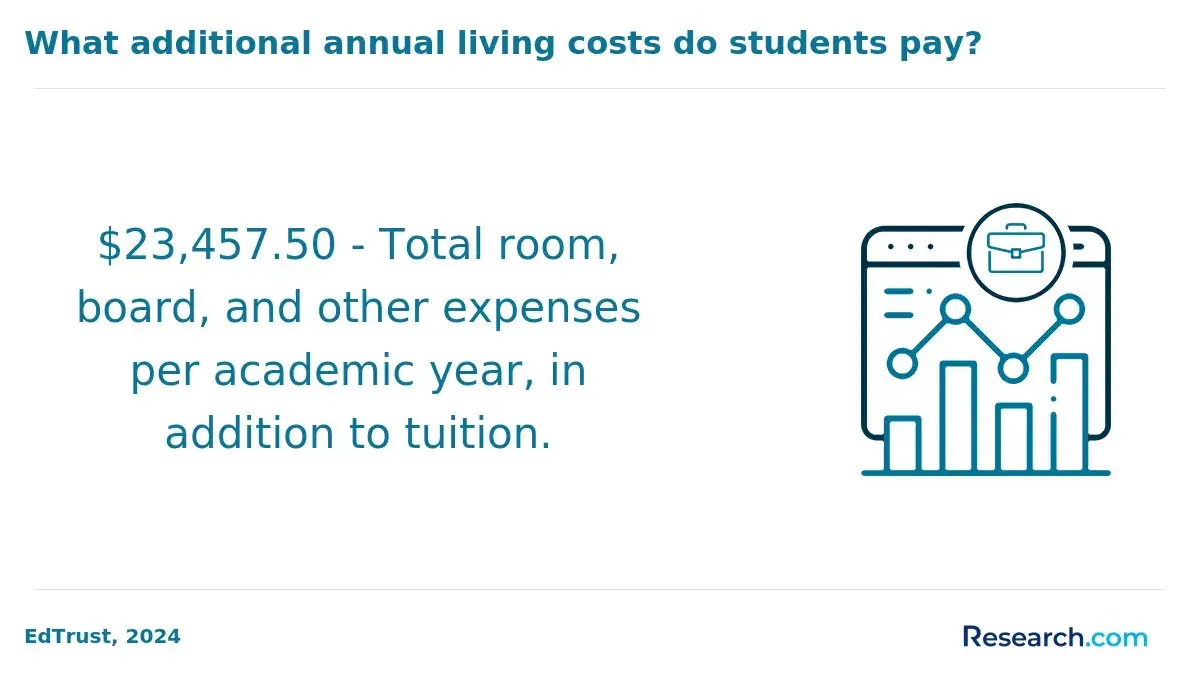
Tuition costs heavily influence the return on investment for marine science programs, but lower sticker prices do not necessarily mean better financial outcomes. Public online programs often charge between $7,000 and $15,000 annually-according to the National Center for Education Statistics in 2024-which can reduce debt risk but may coincide with longer degree completion times due to work commitments or limited academic support. In contrast, private institutions may exceed $20,000 per year but tend to show higher graduation rates and more robust career services, potentially accelerating employment and increasing starting salaries. For example, a working professional balancing employment might find a moderately priced nonprofit program more practical for maintaining income while studying, as these programs often offer flexible pacing and targeted support without the steep debt burden associated with some private options.
However, the value proposition of higher tuition depends on an individual's circumstances and career goals; a private program with extensive research opportunities could offer meaningful advantages for certain trajectories despite its cost. Conversely, some public programs, especially those accommodating transfer students or military-affiliated learners with effective credit transfer policies, can deliver strong ROI by minimizing total expenses and debt while maintaining acceptable completion rates. Beyond tuition, factors like acceptance of transfer credits, program reputation in marine science employment sectors, and the availability of career services directly affect employability and long-term debt-to-income ratios. A nuanced comparison must weigh these operational and financial tradeoffs rather than relying solely on sticker price as an indicator of value.
How Do Graduation Rates Influence Marine Science Program ROI?
Graduation rates are a critical yet complex indicator of how different online marine science programs deliver value, especially when comparing public, private, and nonprofit institutions. According to a 2024 National Student Clearinghouse report, public online programs see graduation completion rates around 45-50%, while private nonprofit programs often perform closer to 55-60%. These disparities affect ROI by influencing how long students remain enrolled, their cumulative tuition costs, and the timing of their workforce entry. However, public institutions often enroll more adult learners, part-time students, and transfers who may extend time-to-degree for pragmatic reasons, making raw completion rates a limited standalone metric.
Students who complete their degrees efficiently not only reduce debt but also start earning sooner, which amplifies program ROI in marine science online contexts. Robust academic support and flexible scheduling frequently found in higher-performing programs bolster persistence but must be factored alongside real-world challenges facing diverse learners. It's also important to assess how well a program integrates internships, certifications, and practical experience since employers increasingly prioritize these credentials beyond degree completion. Prospective students weighing affordability and educational quality in marine science should consider how completion rates intersect with program structure and their own circumstances rather than relying solely on statistics. For those exploring options, examining paths such as masters psychology online programs can provide comparative insights on balancing cost, timeline, and support services for optimal ROI.
What Role Do Career Outcomes Play in the ROI of a Marine Science Degree?
Employment outcomes significantly shape the return on investment for online marine science degrees, with public institutions typically showing higher graduate employment rates within six months-78% versus 71% and 74% for private and nonprofit programs respectively, according to 2024 NCES data. This discrepancy often stems from public schools' stronger ties to governmental bodies and research partnerships, which facilitate direct job placements in stable public-sector roles. In contrast, private and nonprofit programs may provide more specialized skill development valued in niche sectors, but often at higher tuition costs that weigh on net ROI for budget-conscious students. The tradeoff involves evaluating whether accelerated access to employment outweighs the potential long-term benefits tied to professional networks and industry recognition offered by nonpublic institutions.
Career outcomes intertwine materially with factors like program tuition, time-to-degree, and debt burden, particularly for working adults weighing opportunity costs and financial risk. Students targeting federal or state agencies might prefer public programs for their proven employment funnels, while those aiming for advanced credentials or research roles may accept higher expenses from private or nonprofit providers to leverage better alignment with academic or industry trends. Geographic variability also plays a role, as job market fluctuations can intensify the impact of career mobility and networking opportunities-key factors that online degree programs address unevenly depending on their institutional focus and employer connections.
An online marine science graduate recounted weighing choices between a lower-cost public program and a pricier nonprofit option offering targeted skill certificates. Initially skeptical about the degree's career value beyond immediate job placement, they found the nonprofit's emphasis on industry-relevant projects and employer engagement opened unexpected avenues for internal promotion within their firm. While early ROI calculations focused on tuition and time, the growing recognition of their credential by management and the expanded responsibilities afforded by the degree shifted their perspective, illustrating how nuanced and dynamic career outcomes critically influence the educational investment's ultimate payoff.
How Does Student Debt Impact the Long-Term ROI of a Marine Science Program?
Debt levels acquired during a marine science program profoundly affect long-term return on investment, especially when comparing public, private, and nonprofit online institutions. Graduates from private programs often face nearly 40% higher debt, increasing the financial pressure during repayment and reducing flexibility for significant life investments like home ownership or retirement savings. For example, an adult learner juggling work and study may find high borrowing a deterrent to completing their degree or pursuing advanced qualifications needed for marine science roles, thereby compromising career growth despite the program's educational value. Managing student loan repayment after marine science graduation requires factoring in not just tuition costs but also completion rates and realistic salary expectations tailored to marine science sectors.
Lower tuition at public institutions typically translates into reduced borrowing, but this advantage can be offset by varied graduation rates, which influence default risks and net ROI. Nonprofit programs often fall somewhere between public and private options, with debt outcomes shaped by financial aid availability and student demographics. Data from the Federal Reserve Bank highlight that defaults and delinquencies are highest among graduates from private, for-profit, and some nonprofit online programs, underscoring the importance of timely repayment plans aligned with steady employment in marine science fields. Prospective students should weigh debt burdens against practical considerations such as how quickly they can complete the program and secure employment, as well as the quality of education and relevant skill acquisition. For those seeking alternative pacing, reviewing 5 week college courses online may offer flexibility that balances workload and financial strain more effectively.
How Do Flexibility and Adult Learner Support Affect Marine Science Program Value?
Programs offering significant asynchronous learning and adaptable scheduling demonstrate a measurable advantage in retention and degree completion for working adults navigating competing responsibilities. Data from the National Center for Education Statistics in 2024 confirms that flexible course formats can boost adult learner persistence by up to 22%, a vital consideration for those balancing employment, family, and education. Public institutions and larger nonprofit providers commonly integrate these flexible structures alongside veteran support and transfer credit policies that reduce both time-to-degree and overall cost, directly enhancing ROI for students managing complex life demands.
Conversely, private institutions often emphasize smaller class sizes and more personalized faculty interaction, which can improve student engagement but typically increase tuition and associated debt, thus impacting value negatively when weighed against long-term financial outcomes. Nonprofit online programs frequently prioritize mission-driven accessibility with specialized career services and post-graduation networking that improve employment prospects, though their smaller scale may limit resources. Tradeoffs also arise between offering maximum flexibility that may reduce synchronous collaboration valued by some employers and the higher institutional costs linked to intensive advising and career support that drive early student success but elevate tuition burdens.
How Do Accreditation and Institutional Reputation Influence Marine Science ROI?
The return on investment in marine science degrees hinges heavily on institutional accreditation and reputation, as these factors directly affect employability, credit transfer, and eligibility for advanced study. For example, a student earning a degree from a program with regional accreditation-recognized as the benchmark of institutional quality-can access federal financial aid and transfer credits more easily. A 2024 report from the Council for Higher Education Accreditation highlights that graduates from regionally accredited institutions experience 25% higher employment rates within their fields than those without such credentials, underscoring the practical importance of accreditation beyond academic recognition.
Institutional reputation influences how employers perceive degrees, shaping hiring decisions and salary potential. Although many employers continue to favor well-established public universities, growing recognition of reputable private and nonprofit online programs has begun to shift this dynamic, provided graduates demonstrate relevant skills and strong academic outcomes. However, cost and completion rates also intersect with these factors; some public schools may offer lower tuition but have lower graduation rates, which can prolong student debt and delay income generation, ultimately diminishing long-term ROI.
Programmatic accreditation in marine science, while less common, signals specialized rigor and can enhance career pathways linked to licensure or graduate study. Yet its limited availability requires students to weigh whether this added recognition justifies potential tradeoffs in cost and access. In this context, evaluating student support services, transfer policies, and employer connections becomes critical for working professionals and transfer students seeking to balance affordability with outcomes rather than relying solely on institutional prestige.
How Does Time-to-Degree Affect the ROI of Public, Private, and Nonprofit Marine Science Programs?
Time-to-degree exerts a critical influence on the return on investment for public, private, and nonprofit online marine science programs by shaping both direct educational costs and the timing of workforce entry. Public institutions often enable faster completion through structured program pathways and credit transfer agreements, resulting in median completion times around 4.2 years compared to 4.8 years at nonprofit private schools. This difference can markedly increase tuition liabilities and delay earnings, especially for adult learners balancing work and family, underscoring the practical implications for debt accumulation and long-term career progression.
While private and nonprofit programs tend to offer more flexibility with part-time enrollment and accelerated pathways that cater to working professionals, these options can extend time-to-degree and inflate opportunity costs. However, longer timelines may be offset by higher graduation rates among part-time students, supporting persistence and degree attainment where rigid pacing might lead to dropout. Factors such as variable transfer credit acceptance and intensive workloads in competency-based formats introduce further complexity in estimating completion time and overall value, requiring students to weigh speed against educational depth and realistic scheduling constraints when evaluating online marine science degree completion time comparison.
For cost-conscious learners, assessing how time-to-degree impacts affordability and employability involves balancing speed with reliable graduation likelihood and support structures. Flexible pacing tailored to diverse life demands can improve degree completion, but extended timelines increase indirect costs and delay professional advancement. Those prioritizing rapid workforce entry might explore pathways like the shortest masters degree options in marine science to optimize this tradeoff and align educational investments with career objectives.
How Can You Choose the Best Marine Science Program Based on Your ROI Goals?
The highest ROI in marine science programs stems from aligning educational choices with individual priorities rather than solely focusing on institution type. Public online programs often present lower tuition and reduced student loan debt-as much as 20-30% less than private programs according to the National Center for Education Statistics 2024-making them attractive for those prioritizing affordability. However, private and nonprofit institutions may offer benefits like stronger alumni networks, specialized certifications, and career support that can enhance employability in competitive fields despite higher costs.
Graduation rates also influence ROI; some nonprofit schools report rates 10-15% above public averages, reducing time-to-degree and associated expenses. Flexibility in program delivery-such as part-time or accelerated tracks-is crucial for working adults with family obligations, helping to maximize earning potential sooner. Prospective students should carefully assess accreditation, program reputation in marine science research, and whether the curriculum aligns with their specific career goals when choosing the right online marine science program for maximum return on investment.
Career outcomes, including median salaries and employer preferences for practical experience versus institutional prestige, vary widely across sectors like fisheries and environmental consulting. These factors, combined with personal circumstances such as current employment and financial constraints, necessitate nuanced decision-making. For those exploring advanced paths, resources like online EdD programs without dissertation offer additional flexible options in related fields, underscoring the importance of comprehensive evaluation beyond sticker price.
References
- How to Become a Marine Biologist: A Step-by-Step Guide https://www.seamester.com/blog/how-to-become-a-marine-biologist/
- How Student Loan Debt Impacts Your College ROI https://www.lendkey.com/blog/student-loans/how-student-loan-debt-impacts-your-college-roi/
- Does College Pay Off? A Comprehensive Return On Investment Analysis - FREOPP https://freopp.org/whitepapers/does-college-pay-off-a-comprehensive-return-on-investment-analysis/
- Seattle Public and Private K-12 and College Admissions Coach https://www.schoolingdoula.com/blog/financial-matters-understanding-college-roi
- Challenges and Opportunities for Marine Science Education Delivery in Matemwe, Zanzibar’s Primary Schools: Fostering Ocean Stewardship and Professional Development | Glocality https://glocality.eu/articles/10.5334/glo.116
- Subjects you should consider at school to become a marine biologist https://wiseoceans.com/subjects-you-should-consider/
- Home https://www.husson.edu/online/online-degrees/bachelor-of-science-in-marine-biology-and-conservation
- Career Profile: Marine Biology https://www.clinlabsolutionsgroup.com/career-profile-marine-biology
- Is College Worth it? | Return on Investment Analysis of College Degree https://educationdata.org/college-degree-roi
- More than a Hobby: Marine Science Career Development through the Lens of Social Cognitive Career Theory | Current: The Journal of Marine Education https://current-journal.com/articles/10.5334/cjme.83
Other Things You Should Know About Marine Science
Yes, it does. Public institutions often leverage state-funded research facilities and partnerships, providing access to fieldwork or lab experiences that supplement online coursework. Private programs might offer smaller cohorts with more personalized mentorship, but hands-on opportunities can be limited unless supplemented by local internships. Nonprofit online programs vary widely; some rely heavily on virtual simulations rather than direct fieldwork, which may impact practical skills development important to employers.
Employer recognition tends to favor public institutions due to their established research roles and broader alumni networks in marine science sectors. Private programs may be respected in niche industries or specific regions but sometimes lack widespread recognition, especially for online-only credentials. Nonprofit providers can offer quality education, but employer familiarity often depends on the program's reputation within scientific communities rather than institutional type alone. Prioritize programs with tangible connections to marine science employers when ROI matters most.
Yes, workload and pacing often vary. Public university programs typically follow a traditional semester structure with defined deadlines, which can benefit self-disciplined students looking for clear timelines. Private institutions might provide accelerated or flexible pacing, appealing to career changers needing speed but possibly increasing stress. Nonprofit programs can range from highly structured to self-paced models-prospective students should carefully assess their own discipline and time availability to avoid mismatched expectations that could affect completion and ROI.
Public institutions often provide stronger academic advising and established support networks tailored to adult learners, which improves completion rates and long-term ROI. While private and nonprofit programs sometimes market flexibility, this can come at the cost of less robust student services or fewer opportunities for mentoring, which are critical in a demanding field like marine science. For career professionals, prioritizing programs that combine flexible learning with substantive support usually leads to better outcomes and return on investment.