2027 Marine Science Degree Completion Time Report: How Long Students Actually Take to Graduate

Co-Founder and Chief Data Scientist
Delays in completing a marine science degree often stem from factors beyond course requirements. Transfer credits, part-time enrollment, fieldwork commitments, and internships shape students' timelines more than planned curricula. For example, data from the National Student Clearinghouse Research Center (2024) highlight that nearly 40% of science undergraduates extend beyond six years to graduate, reflecting complex progression patterns.
These trends reveal how real-world obligations and institutional policies interplay to affect degree duration. Understanding these variables helps anticipate the time investment needed for a marine science degree, offering a clearer picture of academic trajectories and their implications for career readiness and workforce entry.
Key Things to Know About Marine Science Degree Completion Time
- Most students take longer than the advertised program length. Only about 45% of first-time, full-time bachelor's students graduate within four years, while roughly 64% finish within six years, making the actual completion time longer for many learners.
- The average college graduate is often older than expected. The median age of bachelor's degree recipients is around 23 years, while master's degree recipients are typically in their early 30s, reflecting the growing number of adult and returning students.
- Completing a degree can significantly increase lifetime earnings. Workers with a bachelor's degree earn roughly 65% more per week than those with only a high school diploma, and graduate degree holders typically earn even higher median wages over their careers.
- What Is the Average Graduation Time for Marine Science Students? Average Graduation Timeline
- What Factors Have the Biggest Impact on Graduation Speed? Graduation Timeline Factors
- How Does Full-Time Versus Part-Time Enrollment Affect Graduation Timelines? Full-Time vs. Part-Time Graduation Timeline
- Do Online Marine Science Students Graduate Faster Than Campus-Based Students? Online vs. On-Campus Graduation Timeline
- How Many Months or Years Can Transfer Credits Save? Transfer Credits
- Do Accelerated Marine Science Programs Significantly Reduce Completion Time? Accelerated Program Timeline
- Which Marine Science Program Requirements Most Often Extend Graduation Timelines? Factors Extending Graduation Timeline
- Does Taking Longer to Graduate Increase the Cost of a Marine Science Degree? Impact on Program Cost
- Does Graduating Faster Improve Career Prospects? Impact on Career Prospects
- Which Scheduling Mistakes Commonly Delay Graduation? Mistakes to Avoid
What Is the Average Graduation Time for Marine Science Students?
Completing a marine science degree typically spans four to five years for most full-time students, aligning with the typical degree completion timeline for marine science programs nationwide. Full-time enrollment with a standard course load allows students to progress steadily toward graduation within this period. However, part-time students, often balancing employment or family obligations, can expect extended timelines that add semesters or years beyond the average. These timelines reflect the broader patterns seen in STEM undergraduate programs, where rigorous coursework, labs, and field experiences define the academic journey.
Graduation timelines in marine science vary largely due to factors such as course availability, credit transfer challenges, and practical requirements like internships or thesis research. Transfer students moving from community colleges or other institutions often face delays caused by non-transferable credits or missing prerequisites, complicating their path.
Additionally, the increasing incorporation of immersive experiences such as co-op placements and capstone projects, while beneficial for career readiness, frequently add to the time before degree completion. Online and accelerated formats, including 1 year MSW programs online, offer alternatives but remain less common in marine science, imposing different pacing and structural demands that influence graduation timing.
These variations underscore critical tradeoffs between efficient degree completion and the depth of experiential learning valued by employers. While some graduates extend their studies to gain hands-on skills that enhance post-graduate employment prospects, prolonged timelines increase financial burdens and delay workforce entry. Recognizing these dynamics helps students and education planners set realistic expectations and strategic plans aligned with both academic structures and career objectives, balancing thorough preparation with timely progression.
What Factors Have the Biggest Impact on Graduation Speed?
Graduation speed in marine science degree programs depends on a complex interplay of factors rather than a single determinant. Academic structure, enrollment status, institutional policies, and personal circumstances collectively shape how quickly students progress. Recognizing these influences allows students to make informed decisions regarding course load, enrollment strategy, and program format, ultimately impacting their time to degree completion.
This nuanced understanding is critical given the diverse profiles of students, including working adults and transfer candidates.
- Enrollment Status and Course Load: Full-time enrollment tends to accelerate degree completion because students can maintain a steady rhythm through required courses. Data from the National Center for Education Statistics reveals that about 65% of full-time STEM students graduate within six years, while only 40% of part-time students reach that milestone, reflecting the tradeoff part-time students face between balancing work or personal commitments and academic progress.
- Transfer Credits and Institutional Policies: Transfer students from community colleges or compatible institutions may reduce time to degree by up to two years if credit articulation policies are clear and lenient. However, inconsistent acceptance of marine science prerequisites or specialized courses can introduce delays, forcing course repetition or extended enrollment to meet program requirements.
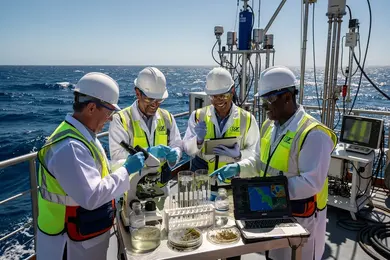
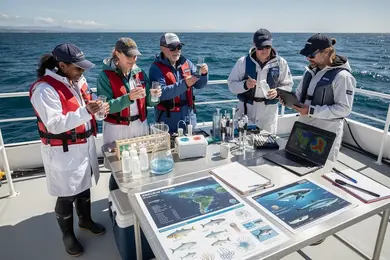
- Program Design and Curriculum Structure: Marine science programs often impose a paced timeline due to intensive lab, fieldwork, and research components that cannot be accelerated. The sequencing of experiential learning requirements, such as internships and thesis projects, inherently limits simultaneous course-taking options, creating a structural bottleneck that extends the overall duration regardless of student motivation.
- Financial and Work Constraints: Economic pressures frequently lead students-especially nontraditional or working adults-to reduce their course loads to manage tuition and living expenses. These decisions extend graduation timelines as steady income is prioritized over enrollment intensity, often lengthening the time to complete rigorous degree requirements.
- Academic Preparedness and Course Retention: Foundational courses in chemistry and mathematics are critical gatekeepers within marine science curricula. Students struggling in these areas may need to retake classes, which directly delays progression. Retention challenges in gateway science courses remain a persistent barrier to timely graduation, demanding careful academic planning and support.
Program planners and students alike benefit from understanding how enrollment status impact on marine science master's degree completion time interacts with variables like program design and delivery format on graduation speed. This awareness supports strategic decisions that balance academic pacing, personal circumstances, and institutional frameworks.
For those managing these tradeoffs, consulting resources such as the list of CACREP accredited programs may offer additional practical insights relevant to structured credentialing pathways.
How Does Full-Time Versus Part-Time Enrollment Affect Graduation Timelines?
Graduation timelines in marine science programs diverge sharply between full-time and part-time enrollment due to differences in course load and academic pacing. Full-time students, typically taking 12 to 15 credit hours per term, often complete their degrees within the standard four-year framework because they progress through required courses steadily and consistently. By contrast, part-time students usually enroll in fewer than 12 credit hours each semester, which frequently extends their time to degree completion-sometimes doubling the duration.
According to the 2024 National Center for Education Statistics, part-time undergraduates can take twice as long to graduate, reflecting the compounded impact of reduced course loads combined with scheduling constraints and prerequisite sequencing common in marine science curricula.
Several structural and personal factors contribute to these differing timelines. Marine science programs often adopt cohort or sequenced course models that reduce flexibility but promote on-time completion for full-time students by aligning course availability with progressive prerequisites. Part-time students face challenges in this structure because fewer courses per term can delay access to critical classes, interrupt continuity, and jeopardize engagement with complex interdisciplinary content.
Outside responsibilities-such as employment, caregiving, or transfer credits-further complicate part-time enrollment, requiring students to navigate limited course offerings and reconcile academic demands with personal obligations. These realities necessitate strategic planning and can affect motivation, making it harder to maintain momentum toward degree completion.
Enrollment status also influences long-term outcomes beyond the classroom, including financial pressures and workforce entry timing. Full-time students benefit from accelerated graduation, which can reduce educational costs and expedite entry into marine science careers or graduate programs, aligning more favorably with employer expectations for timely credentials. Part-time students, while gaining flexibility vital for balancing life commitments, must prepare for a prolonged academic path that may require explaining extended timelines to employers.
This tradeoff affects not only tuition accumulation but also the timing of professional advancement opportunities, emphasizing the importance of aligning enrollment choices with realistic career planning and academic progression goals.
Do Online Marine Science Students Graduate Faster Than Campus-Based Students?
Online marine science students are often assumed to finish their degrees more quickly due to the flexibility of remote learning; however, evidence shows that this is not consistently the case. Data from the National Center for Education Statistics and the Online Learning Consortium indicates that the average duration for online students to complete a bachelor's degree in marine science is about 5.6 years, compared to 4.8 years for their campus-based peers.
This gap reflects the diverse realities faced by online learners, who may encounter slower progress despite the potential to accelerate through self-paced options. Completion speed varies widely depending on individual circumstances and institutional design rather than modality alone.
Graduation timelines are influenced by factors such as course enrollment intensity, access to practical components like labs and research, and the balance of academic and non-academic obligations. Online marine science programs typically offer enrollment flexibility, enabling students to adjust their course load according to personal or professional demands; yet many online learners juggle full-time work or family commitments that extend degree duration.
Conversely, campus programs often present more consistent scheduling and direct interaction with faculty, which can help maintain steady momentum. Requirements for in-person internships or lab experiences affect both cohorts, but geographic constraints and availability of these opportunities can notably impact timing for online students.
Choosing between online and campus formats also shapes one's approach to time management and entry into marine science careers. While asynchronous learning suits self-directed students who can sustain motivation over a longer horizon, campus settings foster structured environments that often accelerate progression. Institutional support services tailored to remote learners help mitigate some challenges but may not fully offset the extra time many online students require.
Ultimately, the modality impacts how students navigate the complexities of degree completion within their broader life context and workforce readiness.
How Many Months or Years Can Transfer Credits Save?
Transfer credits can reduce the total time needed to complete a marine science degree by anywhere from a few months to over a year, depending largely on the volume of credits transferred and how well these credits align with program requirements. Data from the National Center for Education Statistics indicates students transferring credit typically shorten their degree timeline by roughly 20%-30%, which for a standard four-year program means saving about eight to twelve months.
However, this broad range reflects significant variability rooted in institutional policies, course equivalency, and program structure, all of which influence the actual degree acceleration realized. Effective use of transfer credits depends on their applicability to core or elective marine science curriculum components, rather than general education courses alone, to yield meaningful time savings in specialized study areas.
Key factors determine how much time transfer credits ultimately save, including the compatibility of prior institution accreditation and how rigorously the receiving program assesses credit equivalency. Many marine science degrees enforce residency requirements mandating hands-on labs, internships, or capstone projects be completed in person, limiting the portion of credits transferable toward graduation. Institutions also set caps on the maximum number of transferable credits, which vary widely, impacting how much previous coursework can reduce program length.
Furthermore, students often face sequencing constraints in coursework, where certain advanced marine science classes must be taken after foundational ones, reducing flexibility in applying transferred credits to accelerate progression. These structural realities underscore why the impact of transfer credits on marine science degree timelines is seldom uniform across students.
Transfer credits influence academic planning by potentially lowering tuition costs and allowing earlier focus on marine science specialization, but they require careful navigation of institutional rules and degree pathways. Variability in credit acceptance means some students might still spend multiple semesters completing program prerequisites in residence despite transferring coursework. A practical understanding of how transfer credits affect course sequencing and degree milestones is essential for managing expectations and graduation timelines.
For students exploring flexible options that expedite their education without sacrificing depth, programs including experiential learning components must be weighed alongside credits. Those interested in comparable flexible graduate pathways might consider online clinical mental health counseling programs, where transfer credit policies similarly shape degree duration and outcomes.
Do Accelerated Marine Science Programs Significantly Reduce Completion Time?
Accelerated marine science programs are structured to condense the conventional timeline for degree completion by increasing course loads, offering continuous year-round classes, and rearranging curricular sequences. These programs aim to provide a pathway for students to graduate faster than the typical four- to five-year span common in traditional marine science degrees. However, the design challenges lie in maintaining academic rigor while condensing content, particularly given marine science's reliance on sequential lab work, field studies, and research projects that often cannot be fast-tracked without compromising learning outcomes.
The actual time saved through acceleration depends heavily on factors such as the intensity of term schedules, the number of credits taken per session, and the flexibility of prerequisite chains. Many accelerated programs require students to carry heavier workloads each term and participate in off-cycle semesters, yet key experiential components like internships, capstone projects, or seasonal fieldwork typically remain fixed in their timing. These immovable elements act as natural bottlenecks, often limiting how much the overall degree timeline can be truncated despite increased course density.
Choosing an accelerated path often involves trade-offs in workload stress, reduced scheduling flexibility, and potentially less time for deep immersion in hands-on opportunities crucial for marine science. While finishing sooner may benefit certain students-particularly those with prior credits or strong time-management skills-it can also increase the risk of burnout or diminished practical exposure, which employers tend to prioritize alongside degree completion.
Understanding these structural and pacing constraints is vital for students weighing accelerated options.
Which Marine Science Program Requirements Most Often Extend Graduation Timelines?
Graduation timelines in marine science programs often extend beyond baseline credit requirements due to embedded curriculum components designed to ensure practical competence and professional readiness. These mandatory elements typically involve experiential learning and academic sequencing that impose scheduling complexities and workload intensities.
While these requirements uphold program rigor and industry alignment, they frequently create bottlenecks that delay student progression. Understanding these dynamics helps clarify why many students take longer than four years to complete their degrees.
- Internship or Field Experience Hours: Obligatory practical training through internships or fieldwork provides essential hands-on exposure but often falls outside standard academic calendars. Coordination with external agencies and environmental variables can lead to unpredictable timing that extends degree completion, especially when unpaid or part-time arrangements require balancing alongside coursework or employment.
- Capstone Projects or Senior Thesis: Extensive research and original scholarship components necessitate close collaboration with faculty and access to specialized labs or equipment. These projects demand flexible timelines for data collection and analysis, frequently resulting in delays as students navigate resource constraints and academic mentorship availability.
- STEM Prerequisite Sequencing: Completion of foundational courses in chemistry, physics, and calculus is crucial yet can slow advancement when students retake classes or transfer without aligned credits. This sequencing mismatch delays entrance into core marine science coursework, pushing back overall graduation timelines.
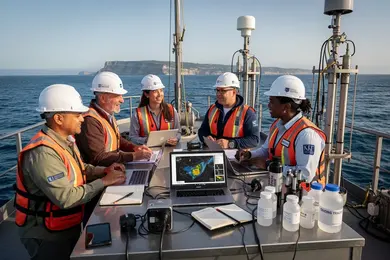
- Limited Access to Specialized Resources: Bottlenecks caused by the finite availability of instructors, laboratory facilities, and research vessels affect student scheduling. Such resource constraints necessitate careful planning and may force students to defer certain requirements until slots open up, extending their academic journey.
- Credit Transfer and Articulation Gaps: Transfer students often encounter mismatched credits or additional course requirements to fulfill marine science prerequisites. Reconciliation between institutions varies, which can impose unanticipated course loads and lengthen time-to-degree compared to students who start at one institution.
Data from the National Center for Education Statistics indicates that roughly 42% of marine science students attribute extended completion times to research project demands, highlighting the systemic impact of experiential requirements across programs. These factors collectively influence graduation pacing by layering academic and logistical complexities beyond simple credit accumulation.
Does Taking Longer to Graduate Increase the Cost of a Marine Science Degree?
Extending the time to complete a marine science degree typically increases total tuition and related expenses, especially when institutions charge tuition per term or credit hour. Each additional semester generates new tuition fees and likely added costs such as activity fees, lab fees, or technology surcharges. Moreover, prolonged enrollment can lead to the loss or reduction of certain financial aid opportunities that are contingent on full-time status or a standard degree timeline, contributing to higher out-of-pocket expenses.
This cost impact of extended marine science degree completion time is amplified when students transition to part-time enrollment, which can disrupt flat tuition models and cause per-credit pricing to increase overall. According to the National Center for Education Statistics, students taking longer to graduate spend significantly more on direct educational costs than those finishing within four years, underscoring the financial consequences of delayed graduation in marine science programs.
However, some program structures and individual circumstances moderate these increased costs. A growing share of institutions offer flat-rate tuition or per-semester pricing that does not escalate with modest course load reductions, allowing flexible pacing without steep financial penalties. Employer tuition assistance or financial aid packaging tailored to extended timelines may also offset longer enrollment costs.
Importantly, enrollment behavior-such as scheduling internships or balancing coursework with work-indirectly influences total expenses as students can strategically spread out payments or maintain eligibility for benefits. Those considering non-traditional pathways, including working adults or transfer students, might explore options like online military colleges that provide structured, cost-effective pacing to manage these tradeoffs.
Given the estimated salary ranges reported by workforce data aggregators, timely degree completion offers earlier access to marine science roles with competitive compensation, enhancing long-term financial outcomes for graduates.
Does Graduating Faster Improve Career Prospects?
Graduating faster from a marine science degree program can provide earlier access to the job market, potentially allowing graduates to begin their careers sooner than peers who follow the traditional 4.5 to 5-year timeline reported by the National Center for Education Statistics (NCES). This accelerated entry may be particularly valuable in positions where demand is high or technological shifts require fresh, adaptable talent. However, employers rarely evaluate candidates based solely on the speed of degree completion, focusing more on comprehensive qualifications developed throughout their academic tenure rather than just finishing early.
The impact of accelerated marine science graduation benefits in the US depends significantly on critical factors such as relevant internship experience, hands-on research, and the depth of subject mastery demonstrated in a candidate's portfolio. Hiring managers emphasize practical skills and professional networking over simple academic acceleration, with 68% of employers valuing internships and lab experience higher than the number of semesters completed. Aligning graduation timing with industry needs and ensuring robust experiential learning often outweighs any advantage of early degree completion in competitive marine science roles.
Trade-offs exist between graduating quickly and cultivating in-depth skills or cross-disciplinary insights essential for fields like marine biology or environmental consulting. For working adults, transfer students, and others managing external obligations, a realistic program duration may facilitate stronger learning outcomes and more meaningful career readiness.
Those considering accelerated pathways should carefully balance speed with opportunities to develop professional competencies that influence long-term employability and career progression, such as those highlighted in accelerated degree programs for working adults.
Which Scheduling Mistakes Commonly Delay Graduation?
Graduation delays in marine science programs often stem less from academic difficulty and more from avoidable scheduling and planning mistakes during enrollment and course selection. These missteps affect students across degree levels and formats by undermining consistent academic progress and prolonging time to degree. Understanding how these errors disrupt structured course sequencing clarifies why timely completion remains a challenge despite steady academic performance.
- Incorrect Prerequisite Sequencing: Failing to complete prerequisite courses in the correct order hinders access to advanced marine science classes, forcing students to postpone essential upper-division coursework. This issue arises due to complex prerequisite chains that many programs enforce rigidly, requiring strategic early planning to avoid cascading delays.
- Missing Limited-Offering Electives: Electives critical to specialization are often offered only once per year, so missing registration or dropping these classes can add an entire academic cycle. Many marine science departments schedule field or lab courses narrowly, creating bottlenecks that demand proactive enrollment monitoring.
- Transfer Credit Misalignment: Transfer students frequently encounter delays due to non-equivalent credits and incompatible lab or fieldwork requirements, complicating progression. Institutions' inconsistent articulation agreements compound planning difficulty, necessitating careful credit evaluation before enrollment.
- Part-Time Enrollment Without Strategic Planning: While necessary for working adults, insufficiently managed part-time study extends degree timelines. Neglecting to integrate summer or intersession courses reduces enrollment intensity, slowing prerequisite fulfillment and progression through sequenced coursework.
- Underestimating Institutional Enrollment Policies: Limited course capacity and registration timing rules often conflict with student availability, especially in intensive marine science programs. Misjudging these constraints leads to delayed course completion and disrupts graduation timelines.
According to the 2024 National Center for Education Statistics, about 43% of STEM bachelor's students take more than six years to graduate, a pattern reflective of the interactive effects of these scheduling missteps and institutional structures. Recognizing and anticipating these bottlenecks is vital for maintaining steady progress toward graduation.
Other Things You Should Know About Marine Science
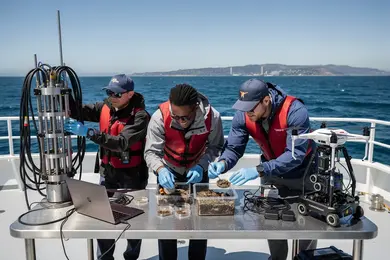
In marine science programs, extensive fieldwork and lab research are often mandatory and can significantly extend graduation timelines. These activities require scheduling around seasonal conditions, access to vessels or specialized equipment, and sometimes collaborative team projects that cannot be rushed. Students should anticipate these practical components adding weeks or months beyond standard course requirements, and factor this into their timelines rather than assuming classroom credits alone determine graduation timing.
In 2027, many marine science programs have integrated internships to provide practical experience, which may extend the graduation timeline slightly. However, the hands-on skills gained often outweigh the longer study period, enhancing employability and career readiness.
Limited course offerings and strict sequencing in marine science curricula can create bottlenecks, forcing students to wait for required classes that may only be available once per academic year. Programs with rigid structures often lengthen completion times due to these scheduling constraints, especially for key upper-level or capstone courses. When selecting programs, students should assess how flexible the scheduling options are and whether there are sufficient sections each term to prevent unnecessary delays.
For working adults, extending the degree timeline often results in better learning retention and manageable stress, which outweighs the appeal of rapid completion. Marine science involves complex interdisciplinary knowledge and practical skills that require steady progress; rushing can compromise mastery and research quality. Prioritizing steady pacing allows students to maintain income stability and apply learning incrementally, resulting in more durable career outcomes despite a longer timeline.