2027 Environmental Science Job Market Report: Open Roles, Salary Bands, and Hiring Momentum

Co-Founder and Chief Data Scientist
Shifts in regulatory frameworks and increasing integration of advanced data analytics are reshaping the labor landscape within environmental science, influencing how employers prioritize skills and allocate resources. Open roles and salary bands reflect this recalibration, revealing underlying shifts in employer demand for expertise in areas such as climate modeling and environmental compliance. Hiring momentum often fluctuates with policy cycles and evolving technology adoption, emphasizing niche competencies over broad experience. Geographic clustering and workforce demographics further complicate the labor market, with mid-career professionals and specialized credentials gaining prominence.
This report examines these dynamics, offering insight into how employment indicators expose broader structural changes in the field's workforce and strategic focus.
Key Things to Know About the Environmental Science Job Market
- Open roles in environmental science increasingly require interdisciplinary skills, reflecting a shift toward integrated climate resilience projects; this narrows candidate pools, urging targeted skill acquisition over broad academic coverage.
- Recent 2024 studies show employer preference for field experience alongside formal education, impacting graduates without internships and signaling that practical placements enhance job market competitiveness.
- Hiring momentum remains strong in public agencies but slower in private sectors, highlighting a timing tradeoff where early-career professionals might prioritize government roles for stable entry rather than riskier corporate positions.
- Key Things to Know About the Environmental Science Job Market Key Things to Know About Environmental Science Job Market
- How Strong Is the Demand for Environmental Science Graduates in Today's Job Market? Demand for Graduates
- Which Environmental Science Careers Have the Most Open Job Opportunities? In-Demand Careers
- What Salary Bands Are Employers Offering Across Environmental Science Careers? Offered Salary Bands
- Which Industries Are Hiring the Most Environmental Science Graduates? Top-Hiring Industries
- How Does Hiring Demand Vary by State, Region, and City? Hiring Demand by Location
- What Skills Are Employers Prioritizing in Environmental Science Job Postings? In-Demand Skills
- Which Certifications Increase Employability and Salary Potential? High-Value Certifications
- How Do Remote and Hybrid Opportunities Affect the Environmental Science Job Market? How Do Remote and Hybrid Opportunities Affect the Environmental Science Job Market?
- Which Environmental Science Careers Show the Strongest Long-Term Hiring Momentum? Strongest Careers
- How Can Students Use Job Market Data to Make Better Career Decisions? How Can Students Use Job Market Data to Make Better Career Decisions?
How Strong Is the Demand for Environmental Science Graduates in Today's Job Market?
Employment prospects for environmental science graduates in the United States remain cautiously optimistic according to updated 2024 data from the U.S. Bureau of Labor Statistics, which anticipates an 8% growth in related occupations over the next decade—outpacing the average for all jobs. Yet, actual hiring momentum varies considerably by region and sector, influenced by fluctuating public funding and evolving regulatory frameworks.
Analysis of recent LinkedIn Workforce Reports highlights increased demand for expertise in environmental compliance, GIS, and data analytics, marking a shift toward tech-driven roles that require candidates to possess interdisciplinary skills beyond traditional environmental knowledge. These dynamics reflect a labor market where supply constraints and employer preferences shape the availability and quality of opportunities within this field.
Demand drivers include advancing environmental regulations, rising corporate sustainability initiatives, and technological innovations in data management and renewable energy sectors, creating more specialized roles. While public agencies grapple with budget limitations and slower hiring cycles, private consulting firms and energy companies often seek graduates who combine field experience with certifications and technical proficiency, underscoring a growing skills gap. Regional economic shifts also matter, as metropolitan areas with strong green infrastructure programs or energy industry presence tend to offer more diverse and better-compensated positions.
Job seekers need to navigate these complexities by aligning their skills with market needs, especially as automation and project-based contract work increasingly influence workforce structures.
The long-term viability of careers in environmental science hinges on adaptability to sector-specific expectations and evolving job formats that often emphasize temporary or project-based roles. Understanding these employment patterns can aid prospective students in making informed decisions regarding their educational paths, including considering supplemental training or certifications that enhance employability.
Incorporating such strategic planning helps interpret demand signals more effectively, positioning graduates to engage meaningfully in a labor market shaped by sustainability priorities and technological progress. For those weighing course options, exploring degrees in AI online may augment environmental data analysis capabilities, meeting the rising threshold for technical expertise.
Which Environmental Science Careers Have the Most Open Job Opportunities?
Job opportunity distribution within environmental science careers reflects broader industry expansion, skills shortages, and shifting employer priorities rather than isolated spikes in hiring. As regulatory frameworks tighten and sustainability initiatives grow more complex, employers increasingly seek professionals equipped not only with technical expertise but also adaptability to cross-disciplinary challenges.
This dynamic fuels heightened demand across several roles, with availability often concentrated where practical implementation of green policies meets evolving environmental risk management. Understanding these labor market shifts is critical for those assessing environmental science career opportunities in the United States.
- Environmental Scientists and Specialists: These roles lead in job openings due to their central function in data collection, impact assessment, and regulatory compliance across public and private sectors. Growing emphasis on climate change mitigation and environmental quality monitoring drives demand, with employers prioritizing skills in data analysis, geographic information systems (GIS), and knowledge of environmental law.
- Environmental Engineers: Infrastructure renewal and sustainable development initiatives underpin the increasing vacancies for environmental engineers. Their expertise in designing systems for waste management, pollution control, and remediation aligns with industry investment trends and regulatory mandates, where proficiency in project management and applied engineering solutions is highly valued.
- Conservation Scientists: Federal and state commitments to biodiversity preservation and natural resource management propel openings in conservation science. Agencies overseeing land use and forestry favor candidates skilled in ecosystem analysis, policy advisory capabilities, and stakeholder engagement, reflecting a blend of scientific and communicative competencies.
- Environmental Compliance Analysts: As regulatory complexity deepens, compliance analysts are key to helping organizations navigate environmental standards and avoid penalties. Demand centers on expertise in environmental regulations, risk assessment, and audit processes, often within industrial, manufacturing, and energy sectors.
- Sustainability Coordinators: Corporate and governmental sustainability programs have expanded, increasing the need for coordinators who can align operational practices with environmental goals. Employers seek candidates adept at reporting metrics, coordinating cross-departmental initiatives, and driving continuous improvement in sustainability performance.
- Renewable Energy Consultants: The uptake of renewable technologies fuels growth in consultant roles advising on energy projects, financing, and policy compliance. This sector requires a combination of technical knowledge in renewable systems, market analysis, and regulatory frameworks to support transition strategies.
Numerous reports from the U.S. Bureau of Labor Statistics and the Environmental Protection Agency underscore how the highest-demand environmental science jobs nationwide are those bridging technical rigor with regulatory and policy responsiveness. For those exploring sustainable career paths, scrutinizing shifts in employer requirements alongside labor market trajectories offers the clearest view of real-world opportunities and tradeoffs.
Prospective professionals seeking to enhance their prospects might consider upskilling in emerging competencies aligned with these evolving roles or leveraging flexible educational options such as an online doctorate organizational leadership to better navigate complex environmental challenges within leadership contexts.
What Salary Bands Are Employers Offering Across Environmental Science Careers?
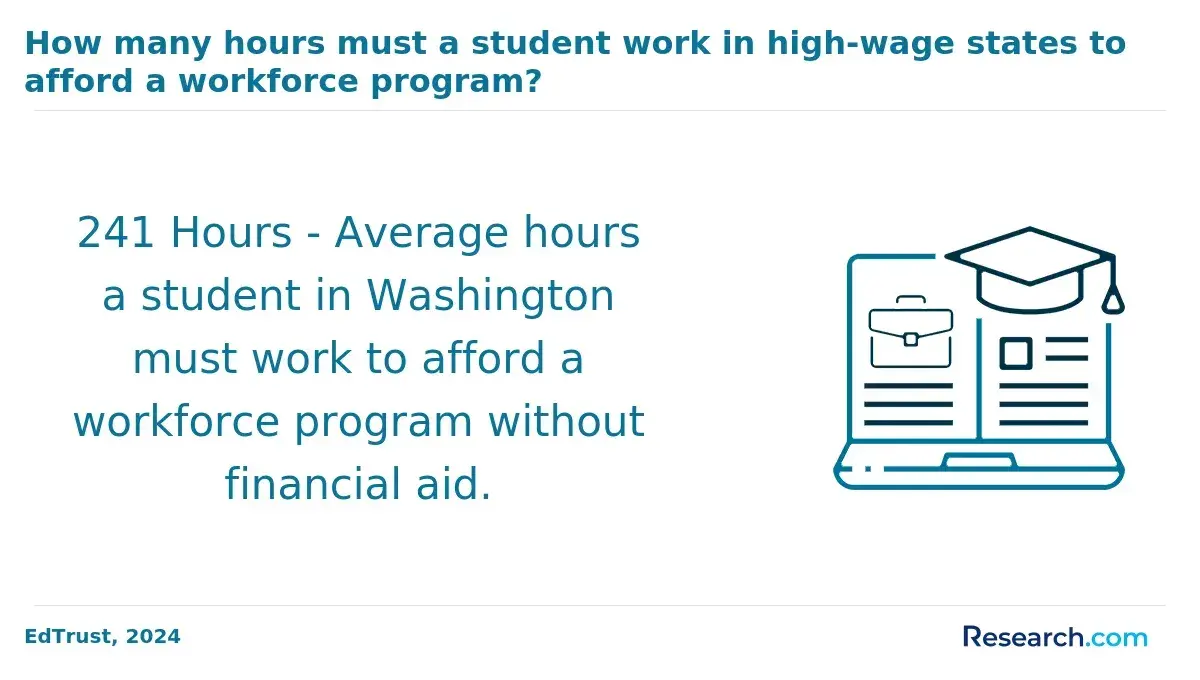
Salary bands within environmental science careers in 2024 reflect considerable stratification based on experience and job responsibilities. Entry-level roles such as environmental technicians or field researchers typically earn between $40,000 and $55,000 annually, aligning with foundational skill sets like data collection and basic compliance tasks. Professionals with three to seven years of experience, including environmental consultants and project managers, see compensation increase to a range of approximately $60,000 to $85,000, which correlates to the integration of technical expertise with stakeholder engagement and regulatory navigation.
Senior roles commanding leadership or specialized technical knowledge, such as sustainability directors or climate impact researchers, reach salaries spanning $95,000 to upwards of $130,000, reflecting not only advanced degrees but also the weight of sector-specific expertise and management responsibilities according to labor market data from the U.S. Bureau of Labor Statistics and industry reports.
Variations in pay across environmental science roles stem largely from factors like the level of specialization, sector demand, and regional economic conditions. Positions focused on renewable energy or environmental policy innovation tend to offer higher salaries due to scarce expertise and strong private sector competition. Geographic differentiation is significant; states such as California, Washington, and New York consistently exhibit elevated salary bands, influenced by a higher cost of living and concentration of environmental firms.
Additionally, employers emphasize skills in GIS, environmental modeling, and legal frameworks, which can widen pay gaps between generalists and highly technical professionals. Company size and sector also shape compensation, with private consulting firms typically offering more competitive wages than public agencies, even if the latter provides broader benefits packages.
One environmental science graduate recalled navigating a prolonged rolling admissions cycle that left them uncertain about timing and program fit. Initially hesitant to commit without clarity on start dates and financial planning, they finally applied after weighing the cost of delayed entry against mounting job market pressure.
Their experience underscored how uncertainty during admissions can affect readiness and career planning, especially when balancing applications to programs with differing notification timelines and prerequisite requirements. The delay in acceptance letters added stress but ultimately informed a more strategic approach to selecting a program aligned with their targeted salary band and specialization.
Which Industries Are Hiring the Most Environmental Science Graduates?
Demand for environmental science graduates is largely concentrated in sectors experiencing rapid transformation, regulatory tightening, or clear skill shortages linked to sustainability challenges. Hiring patterns reflect how industries adapt to technological advances, evolving policies, and market pressures to meet environmental standards efficiently. These dynamics create opportunities where specialized expertise in impact assessment, compliance, and resource management is critical.
- Environmental Consulting: As regulatory environments become more complex, consulting firms increasingly seek environmental science graduates proficient in conducting comprehensive assessments and guiding compliance strategies. Experience with data analysis, environmental impact modeling, and stakeholder communication is especially valued as clients navigate stringent sustainability mandates.
- Renewable Energy: Growth in solar, wind, and other renewable sectors fuels demand for professionals skilled in site evaluation and environmental permitting. The ability to assess biodiversity impacts and integrate mitigation plans is pivotal, with the National Renewable Energy Laboratory noting a 12% rise in related job openings in early 2024.
- Government Agencies: Federal and state bodies maintain steady recruitment to support natural resource management and pollution control, responding to heightened climate action commitments. Expertise in regulatory frameworks and environmental monitoring is essential, illustrated by over 2,500 EPA positions posted in the past year.
- Manufacturing: Environmental science roles in this sector focus on overseeing waste treatment, emissions tracking, and aligning operations with circular economy principles. Employers prioritize candidates who combine technical knowledge with process optimization skills to enhance sustainability within production chains.
Environmental science graduates who want to strengthen their qualifications for these growing sectors without incurring significant career downtime may also want to explore online programs that pay well, which can offer targeted training in areas like sustainability compliance or resource management while supporting a strong return on educational investment.
How Does Hiring Demand Vary by State, Region, and City?
Hiring demand for environmental science jobs shows marked variation by state and region, shaped largely by local industry composition, regulatory frameworks, and resource endowments. States such as California, Washington, and New York exhibit higher demand due to their extensive government agencies, private consultancies, and nonprofit sectors focused on sustainability, reflecting stronger environmental science job demand by state. Coastal regions like the Pacific Northwest and Northeast benefit from challenges tied to climate adaptation, water management, and renewable energy, which concentrate roles in environmental health and resource planning.
In contrast, the Midwest's agriculture-driven economy aligns more with soil science and land management specialties but generally reports fewer openings overall. These hiring patterns align with labor market data reported by the U.S. Bureau of Labor Statistics and regional economic analyses, indicating that local economic structures and workforce policy strongly influence where environmental science career opportunities emerge most robustly.
At the city level, metropolitan hubs such as Seattle, Boston, and San Francisco drive elevated hiring intensity and salary premiums due to dense innovation ecosystems, diverse employer bases, and advanced research infrastructure. Tech companies embedding sustainability in their operations, alongside government labs and environmental consultancies, create concentrated demand within these urban centers.
However, higher costs of living and more intense competition can offset the advantages of larger job pools. Smaller cities and rural areas often offer different tradeoffs, with less frequent openings but potential leadership opportunities tied to regional projects and community-level environmental programs. Talent pipelines, infrastructure, and local labor supply significantly affect city-specific demand scales, making metropolitan variation critical for understanding localized environmental science hiring dynamics. Those exploring pathways in this field may also find value in interdisciplinary credentials such as an MBA operations management, which can enhance adaptability within diverse labor markets across regions and cities.
What Skills Are Employers Prioritizing in Environmental Science Job Postings?
Employer demands in environmental science roles continue to evolve in response to technological advancements, automation, and the growing complexity of environmental challenges. Rather than remaining fixed, the skill sets prioritized by hiring managers reflect an increasing emphasis on interdisciplinary approaches and digital proficiency. These shifts underscore the need for candidates to blend technical aptitude with strategic thinking to address multifaceted environmental issues effectively.
- Geographic Information Systems (GIS) Proficiency: Over 65% of recent environmental science positions specify GIS expertise, underscoring its role as a fundamental tool for spatial data analysis and environmental modeling. Mastery of GIS supports critical decision-making in land use planning, resource management, and policy assessment, making it a key differentiator in competitiveness and career mobility.
- Statistical and Computational Data Analysis: The rise of large environmental datasets demands fluency in statistical programming languages like R and Python. These skills enable practitioners to perform advanced modeling and interpret complex trends, reflecting the field's broader pivot toward quantitative methodologies and evidence-based environmental management.
- Regulatory and Compliance Knowledge: Deep understanding of EPA standards and international environmental protocols is increasingly indispensable, given the stringent legal landscape governing environmental practice. Competence in this area not only ensures regulatory adherence but also informs risk mitigation strategies critical for project approval and stakeholder trust.
- Effective Communication Skills: Conveying technical findings clearly to diverse audiences, including policymakers and community stakeholders, remains a central competency. Employers value candidates who can translate data-driven insights into actionable recommendations, facilitating interdisciplinary collaboration and driving informed decision-making.
- Project Management and Team Leadership: With environmental solutions often requiring cross-sector cooperation, the ability to manage projects and lead diverse teams is frequently highlighted in job postings. These capabilities reflect an industry trend toward integrated, stakeholder-focused approaches and are pivotal for advancing to senior roles.
Which Certifications Increase Employability and Salary Potential?
Certifications within the environmental science field function as key indicators of specialized expertise, technical skill, and workplace readiness. They act as strategic supplements to formal degrees, demonstrating to employers a candidate's commitment to meeting industry standards and addressing specific skill gaps. Given the sector's evolving regulatory complexities and growing emphasis on sustainability, certifications help applicants stand out in competitive job markets and can directly influence salary potential and career trajectory.
- Certified Hazardous Materials Manager (CHMM): This credential validates expertise in managing and regulating hazardous substances, a critical area given ongoing compliance demands in environmental safety. Employers often prioritize CHMM holders because they bring tested proficiency in risk reduction and regulatory adherence, translating into an average salary increase of roughly 15% compared to uncertified peers, according to recent industry surveys.
- Certified Environmental Professional (CEP): The CEP designation signals comprehensive knowledge across environmental regulations and project management, highly valued in both government and private sectors. Its recognized standard offers a pathway to expanded job roles and leadership positions, reflecting a broader trust in credential holders' ability to handle complex environmental challenges.
- Leadership in Energy and Environmental Design Accredited Professional (LEED AP): Growing employer focus on sustainability and green building drives demand for this certification. LEED AP credentialing demonstrates competency in sustainable design and implementation, aligning candidates with emerging market needs and often yielding starting salary premiums around 12%, reinforcing its impact on employability in green industry niches.
- Environmental Site Assessor Certification: With redevelopment and remediation projects increasing, certifications that establish skills in environmental site assessment provide an advantage. They reassure employers that candidates can deliver accurate contamination analysis and reporting, which directly affects project viability and regulatory compliance.
A candidate shared that during the rolling admissions process for certification programs, they faced uncertainty due to staggered application deadlines and unclear notification timelines. Initially hesitant to commit, they delayed applying while gathering relevant work experience but later expedited their submission after realizing that early certification could significantly affect their market competitiveness. The timing dilemma and the pressure to align credentialing with career milestones underscored the importance of proactive planning and readiness in leveraging certification benefits.
How Do Remote and Hybrid Opportunities Affect the Environmental Science Job Market?
Remote and hybrid work arrangements are increasingly influencing hiring trends within environmental science roles, according to 2024 labor market analyses. Many employers now offer flexible work options for positions focused on data analysis, research, and policy development, widening candidate pools beyond traditional geographic hubs.
This reflects a growing preference for hybrid models that combine remote collaboration with essential in-person tasks such as fieldwork and compliance activities. For those pursuing environmental science remote job opportunities in North America, these patterns translate into an evolving landscape where flexibility intertwines with sector-specific operational demands.
The broader impact of remote and hybrid models extends to geographic mobility and salary structures, with some employers adjusting pay based on candidate locations while others maintain consistent wages regardless of region. This dynamic increases competition for talent as employers source candidates nationally, requiring stronger digital communication and project management skills alongside traditional field expertise.
Over time, employer expectations will likely emphasize adaptability in balancing remote and on-site responsibilities, reshaping workforce distribution and collaboration norms. Early-career professionals should navigate these changes thoughtfully, potentially leveraging opportunities linked to non profit schools that align with the practical realities of hybrid work and regional pay variability.
Which Environmental Science Careers Show the Strongest Long-Term Hiring Momentum?
Long-term hiring momentum in environmental science careers stems from fundamental shifts in industry demands rather than transient job market changes. This momentum reflects enduring economic transformations, such as the integration of sustainability into core business strategies and heightened regulatory enforcement. Technological innovation and evolving environmental policies are further driving sustained demand, making certain roles indispensable for meeting ongoing compliance, ecological, and energy challenges.
- Environmental Scientists and Specialists: This role maintains strong hiring momentum due to increasing government enforcement of environmental regulations and corporate sustainability initiatives. Their expertise is critical for assessing environmental impact and ensuring compliance, positioning them at the intersection of policy and practical environmental stewardship with an 8% growth rate projected through 2032.
- Environmental Engineers: With a projected 7% growth rate, environmental engineers are essential in designing systems that reduce pollution and improve resource efficiency. Their role in developing clean technology infrastructure aligns with industry transformation toward decarbonization, reflecting ongoing demand tied to both regulatory pressures and technological advancement.
- Renewable Energy and Sustainability Analysts: These specialists see rapidly increasing demand as organizations pivot towards clean energy projects and sustainable business models. The complexity of energy transition strategies and data-driven decision-making underscores their long-term relevance and workforce sustainability.
- Ecological Restoration and Environmental Health & Safety Professionals: Rising climate challenges and stricter workplace compliance laws elevate the need for expertise in these areas. Their work supports resilience in ecosystems and human health, reinforcing stable career prospects amid shifting environmental priorities.
Additionally, specialists skilled in geographic information systems (GIS) and data analytics are becoming indispensable to the environmental science field. Their ability to manage and interpret complex spatial and environmental data supports adaptive management strategies and reinforces the interdisciplinary expertise employers increasingly seek. As labor market demand evolves, job seekers focusing on these technical competencies alongside traditional environmental science knowledge may improve their employability and career resilience.
For those evaluating their educational pathways in this domain, understanding these dynamics is crucial. The interdisciplinary nature of top environmental science jobs with sustained hiring growth demands that candidates develop practical technical skills and policy insight. As an example of making informed educational decisions, it is valuable to consider whether the answer to "Is a library science degree worth it?" is in relation to your career goals, reflecting on how different degrees align with evolving workforce needs.
How Can Students Use Job Market Data to Make Better Career Decisions?
Students can leverage job market data from sources like 2024 labor reports, hiring platforms, and salary databases to evaluate demand, compensation, and growth potential in environmental science sectors. These data points reveal which industries are expanding and the roles commanding competitive salaries, helping students identify areas with robust entry-level opportunities and mid-career advancement.
For example, analyzing hiring momentum in renewable energy versus sustainability consulting can indicate where workforce needs are intensifying. Geographic variation highlighted in these datasets also informs regional employment prospects and wage disparities, enabling students to consider location as a strategic factor for career planning.
Interpreting this data requires balancing short-term trends with long-term stability, geographic flexibility, and skill alignment. Students must weigh the risks of following transient spikes in hiring against enduring industry demands that align with their professional interests and strengths.
Overreliance on salary ranges without understanding employer expectations or certification relevance may distort realistic outcomes. Integrating job market insights with personal goals and practical experience pathways, such as internships, ensures data-driven decisions that reflect both workforce realities and career sustainability in environmental science.
References
- Environment Career Profiles Case studies https://environmentaljobs.com.au/environmental-career-paths
- Career Prospects for Environmental Science Majors and Job Opportunities - Universitas Negeri Semarang https://unnes.ac.id/career-prospects-for-environmental-science-majors-and-job-opportunities/
- Top 10 skills to highlight on your resume for Environment and Sustainability jobs https://www.isepjobs.org/article/top-10-skills-to-highlight-on-your-resume-for-environment-and-sustainability-jobs
- Become an Environmental Professional (EP) | ECO Canada https://eco.ca/environmental-professionals/environmental-professional/
- Environmental Science Jobs - find new career opportunities https://www.nature.com/naturecareers/jobs/environmental-science/
- Certification Guide for Young Professionals - Board for Global EHS Credentialing https://gobgc.org/professional-environmental-certifications-professionals/
- Environmental Certifications for entry-level and career changers https://www.theenvironmentalcareercoach.com/certification-links
- Sustainable Learning: The Green Jobs Market Landscape https://encoura.org/resources/wake-up-call/sustainable-learning-the-green-jobs-market-landscape
- Remote Climate Jobs - Find remote environmental & sustainability jobs! https://www.remoteclimatejobs.com/
- Climate and Energy Jobs in Europe | EuroClimateJobs https://www.euroclimatejobs.com/article/list/career-guide
Other Things You Should Know About Environmental Science
For early-career environmental science workers, taking lower-paying roles can provide crucial hands-on experience and networking that significantly improve long-term employability. However, accepting these roles without clear pathways for advancement often leads to stagnant salaries and delayed career growth. Prioritizing positions that offer structured mentorship or exposure to project management is typically more valuable than simply chasing immediate pay, as these experiences align with employer expectations for leadership potential and impact future earning capacity.
Hiring momentum in environmental science can vary considerably with seasonal budgets and project cycles, causing periods of rapid hiring followed by slowdowns. Job seekers should plan application efforts around these cycles while maintaining flexibility to adapt to shorter hiring windows. This means prioritizing roles with funding secured for multiple years or those tied to regulatory compliance, which tend to show more sustained demand and reduce the risk of layoffs after initial hiring surges.
Generally, higher salary bands reflect roles with increased technical complexity, regulatory responsibilities, or project leadership requirements in environmental science. However, these roles also come with more variable and often heavier workloads, especially when managing cross-disciplinary teams or compliance deadlines. Candidates should critically assess whether their current skill set and work-life balance preferences align with such roles, as accepting higher pay commonly entails sacrificing schedule flexibility and accepting higher stress levels.
Graduate programs that remain tightly aligned with current employer needs-such as incorporating data analytics, policy change processes, or climate adaptation strategies-offer graduates a tangible advantage in competitiveness and salary negotiation. Conversely, programs that emphasize outdated or narrowly focused curricula may limit job opportunities and delay return on investment. Prospective students should prioritize programs with strong industry collaboration and clearly demonstrable graduate outcomes rather than hypothetical academic prestige alone.