2027 Environmental Science Degree Completion Time Report: How Long Students Actually Take to Graduate

Co-Founder and Chief Data Scientist
Many environmental science students face unpredictable timelines shaped by factors beyond course requirements. Work commitments, internships, and seasonal fieldwork often extend academic progress. Transfer students grapple with credit evaluations, potentially delaying graduation. According to the National Student Clearinghouse Research Center (2024), only 42% of bachelor's degree seekers finish within four years, highlighting persistent delays across disciplines.
In environmental science, variability in research opportunities and field access further complicate completion patterns. These realities influence how long students actually take-not just how long programs intend. This article examines typical degree durations, key influences on progress, and insights to guide realistic academic planning in environmental science.
Key Things To Know About Environmental Science Degree Completion Time
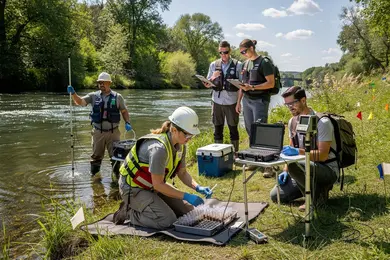
- More accurate salary and career-entry planning: Environmental Science completion time often extends due to required fieldwork, lab-intensive coursework, or research components (water/soil sampling, ecological surveys) — knowing the realistic timeline helps students project when they'll actually enter the workforce (environmental consulting, government agencies, conservation), since hands-on field experience often correlates with stronger starting salaries.
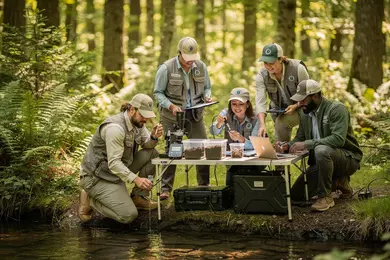
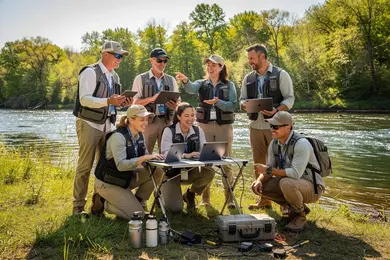
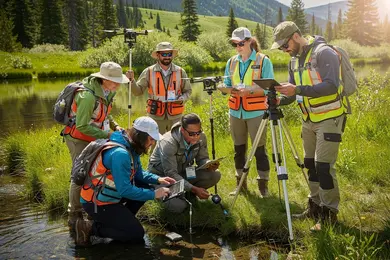
- Smarter scheduling around fieldwork and seasonal research: Because Environmental Science programs frequently require seasonal fieldwork, field camps, or research tied to specific environmental conditions (growing seasons, wildlife activity), completion time data helps students and advisors plan course sequences around these fixed, weather- or season-dependent commitments, reducing the risk of unplanned extra semesters.
- Clearer career outcome tradeoffs: Comparing completion time against job placement rates and starting salaries across paths (environmental consulting, conservation/wildlife management, sustainability, environmental policy, GIS analysis) can reveal whether students who take extra time for internships or specialized certifications (GIS, environmental compliance) land stronger job offers — helping future students weigh a faster degree against the practical field experience employers in this field often prioritize.
- What Is the Average Graduation Time for Environmental Science Students? Average Graduation Timeline
- What Factors Have the Biggest Impact on Graduation Speed? Graduation Timeline Factors
- How Does Full-Time Versus Part-Time Enrollment Affect Graduation Timelines? Full-Time vs. Part-Time Graduation Timeline
- Do Online Environmental Science Students Graduate Faster Than Campus-Based Students? Online vs. On-Campus Graduation Time
- How Many Months or Years Can Transfer Credits Save? Transfer Credit Impact
- Do Accelerated Environmental Science Programs Significantly Reduce Completion Time? Accelerated Program Timeline
- Which Environmental Science Program Requirements Most Often Extend Graduation Timelines? Factors Extending Graduation Timeline
- Does Taking Longer to Graduate Increase the Cost of a Environmental Science Degree? Impact on Program Cost
- Does Graduating Faster Improve Career Prospects? Impact on Career Prospects
- Which Scheduling Mistakes Commonly Delay Graduation? Mistakes to Avoid
What Is the Average Graduation Time for Environmental Science Students?
Completion timelines for environmental science degrees in the US generally center around four to five years for full-time students, though many extend closer to six years when attending part-time or balancing work commitments. Data from the National Center for Education Statistics and recent studies reveal that students following a traditional full-time course load, typically 15 credit hours per semester, are more likely to graduate near the four-year mark. However, this timeline shifts significantly for those who reduce their credit loads due to financial, personal, or employment reasons.
This variation reflects the typical degree completion timeline for environmental science programs and illustrates the wide range of student experiences in navigating degree demands. Graduation time is heavily influenced by several interrelated factors, including enrollment intensity, curriculum requirements, and transfer credit policies. Students often encounter extended timelines when programs require extensive hands-on labs, fieldwork, or internships, which add semesters beyond standard coursework. Transfer students frequently face delays due to credit alignment challenges and course availability at new institutions.
Additionally, the interdisciplinary nature of environmental science encourages some students to pursue minors or double majors, further lengthening the time to degree. These elements underscore how program structure and individual circumstances shape progression, whether in on-campus or increasingly common online formats. The impact of these extended timelines resonates beyond academics, affecting financial planning and career readiness. Many employers value degree completion within five years as a marker of steady academic progress, although relevant work experience gained during longer studies can mitigate concerns about delayed graduation.
Understanding these dynamics is crucial for education planners and students alike when setting realistic goals and managing tradeoffs between academic rigor, economic constraints, and workforce entry timing. Prospective students are also reminded of the practical significance of selecting a program that aligns with their capacity and career objectives, especially given the competitive landscape for those with the highest paying degree credentials available today.
What Factors Have the Biggest Impact on Graduation Speed?
Graduation speed in environmental science master's programs reflects a complex interplay between academic planning, program structure, and students' external obligations. No single factor drives completion time independently; rather, a combination of enrollment choices, curriculum demands, and personal circumstances informs how quickly a student progresses.
Recognizing these dynamics allows prospective graduates to better evaluate tradeoffs in course load, transfer credit acceptance, and program flexibility that influence their graduation timeline.
- Enrollment Status and Course Load: Full-time enrollment accelerates degree completion by enabling students to take a heavier course load each term, often leading to graduation within four to five years. Part-time students, however, balance fewer credits per semester with other commitments, resulting in extended timelines that can exceed six years. According to the National Center for Education Statistics, about 60% of full-time students in STEM fields graduate within six years, compared to only 30% of part-time students, highlighting how part-time status systematically delays progress.
- Transfer Credit Policies: Transfer students frequently face hurdles that add semesters to their expected graduation date due to incomplete credit transfers and articulation gaps. These delays are intensified in environmental science programs because of specialized course content and laboratory requirements, which may not have direct equivalents at previous institutions. Universities' varying transfer acceptance policies directly affect how smoothly students can maintain momentum toward their degree.
- Program Structure and Flexibility: Programs offering flexible scheduling, such as online courses or accelerated tracks, empower students to complete requisite credits more efficiently. In contrast, rigid curriculum sequences and limited class availability create bottlenecks, forcing students to wait for crucial courses to open. This structural variability directly impacts environmental science master's program completion time, as some programs require sequential fieldwork or lab components that cannot be compressed easily.
- Financial and Work Obligations: Many environmental science students must balance employment with academics, leading to reduced course loads and prolonged duration. A 2024 survey by the Education Finance Institute found that 45% of environmental science undergraduates working over 20 hours weekly tend to have median completion times around six years instead of four. This demonstrates the tangible effect of outside financial pressures on graduation speed.
- Academic Preparedness and Support Services: Students entering environmental science programs with varying levels of prior knowledge experience different rates of academic adjustment, which can influence their course progression. Access to advising, tutoring, and mentoring plays a critical role in helping students navigate curriculum complexities efficiently. Institutions that provide robust support may indirectly reduce delays related to course failures or indecision, thereby influencing factors affecting master's degree graduation speed in environmental science.
For those weighing program options, understanding these dynamics is essential. Enrolling in a program with adaptable scheduling options or strong transfer articulation can offset some delays caused by personal or financial constraints. Further considerations may include assessing programs noted for offering the cheapest masters program tracks online, which often incorporate flexible pacing conducive to balancing real-world obligations.
How Does Full-Time Versus Part-Time Enrollment Affect Graduation Timelines?
Students enrolled full-time in Environmental Science programs usually complete their degrees within four to five years, consistent with traditional academic scheduling. Part-time students, balancing fewer credits each term, often extend their studies to six years or more, reflecting the slower pace of credit accumulation. This disparity is supported by data from the National Center for Education Statistics (NCES, 2024), which highlights how enrollment status directly correlates with graduation timelines, revealing distinct pathways shaped by the course load intensity and pacing. The difference is not merely temporal but reflects deeper variations in academic progression patterns between these groups.
Completion speed for Environmental Science degrees hinges on multiple intertwined elements beyond simple credit loads. Part-time students face challenges such as limited course availability, particularly for required classes offered only at certain times or in specific formats, which can slow degree progress. Additionally, work or family commitments often restrict their ability to enroll in more credits or attend campus at peak hours, imposing practical limits on academic planning. Program structures that lack sufficient evening, weekend, or online options further hinder timely completion, making institutional flexibility a critical factor. These constraints contrast with full-time students who typically have greater access to sequential courses and a more concentrated academic focus.
Choosing full-time enrollment accelerates workforce entry and reduces cumulative tuition costs by limiting the number of semesters needed to graduate. However, this approach demands greater immediate academic intensity and less opportunity for concurrent professional experience. Conversely, part-time study extends degree duration and may increase overall expenses from longer enrollment, but offers the advantage of integrating job experience alongside education. Employers in environmental fields acknowledge this tradeoff, often valuing timely graduation for early career development while recognizing the added practical skills gained by working students during their extended academic timeline.
Do Online Environmental Science Students Graduate Faster Than Campus-Based Students?
The widespread assumption that online environmental science students complete their degrees faster than campus-based peers rests largely on the perceived flexibility of online programs. While studies from 2024 show that approximately 40% of online students graduate within four years compared to 35% of those attending traditional campuses, this gap is modest and reflects a complex interplay of factors rather than a simple acceleration. Graduation timelines are influenced by not only program design but also personal circumstances, making blanket generalizations about speed misleading. Many online learners balance work and family obligations, which can extend their time to degree despite flexible course structures.
Key determinants of graduation speed include the availability of self-paced or accelerated options in online programs versus rigid semester schedules on campus. Students able to commit full-time and engage with fixed academic calendars often progress steadily, bolstered by direct faculty interaction and structured internships, which can sometimes shorten completion time. Conversely, the autonomy of online study suits motivated students who can efficiently manage asynchronous coursework and transfer credits with fewer interruptions. However, juggling multiple responsibilities frequently extends time for online learners, underscoring how enrollment status, course load, and institutional policies interact to shape outcomes across both modalities.
Choosing between online and campus-based pathways also affects time management demands and how quickly students can enter the workforce after graduation. On-campus programs often require consistent presence and may accelerate credentialing for those prioritizing immersive academic environments, while online routes demand heightened self-discipline and strategic planning to avoid delays. This tradeoff plays out especially for transfer students and working adults, where modality choice has tangible implications for balancing educational progress with career or personal commitments, influencing not just graduation speed but preparedness for post-degree opportunities.
How Many Months or Years Can Transfer Credits Save?
Transfer credits can meaningfully shorten the time required to complete an environmental science degree, often saving students from several months up to more than a year of study. The average time saved tends to correlate with the volume and relevance of coursework accepted by the receiving institution, with many programs requiring 120 to 130 total credits. According to 2024 data from the National Center for Education Statistics, students entering with transfer credits often reduce their path to graduation by nearly 25%.
However, this percentage can vary widely depending on how well prior coursework aligns with the target program's specific curriculum and degree requirements, which influences the actual timeline shortening and overall academic progression in environmental science programs. The extent of months or years saved hinges on multiple factors, including accreditation compatibility between institutions, specific course equivalency evaluations, institutional policies on allowable transfer credits, and residency requirements that mandate a minimum number of credits completed directly through the degree-granting university.
Limitations on the types of transferable courses, such as disallowing certain electives or lab components, can further restrict how much time transfer credits effectively save. These complexities highlight why the impact of transfer credits differs per student and why detailed academic advising is essential for ensuring transfer credits optimize degree progression without compromising program integrity or preparedness. Beyond calendar time, transfer credits influence academic planning by affecting the sequencing of remaining environmental science coursework and impacting overall tuition costs and opportunity costs for students.
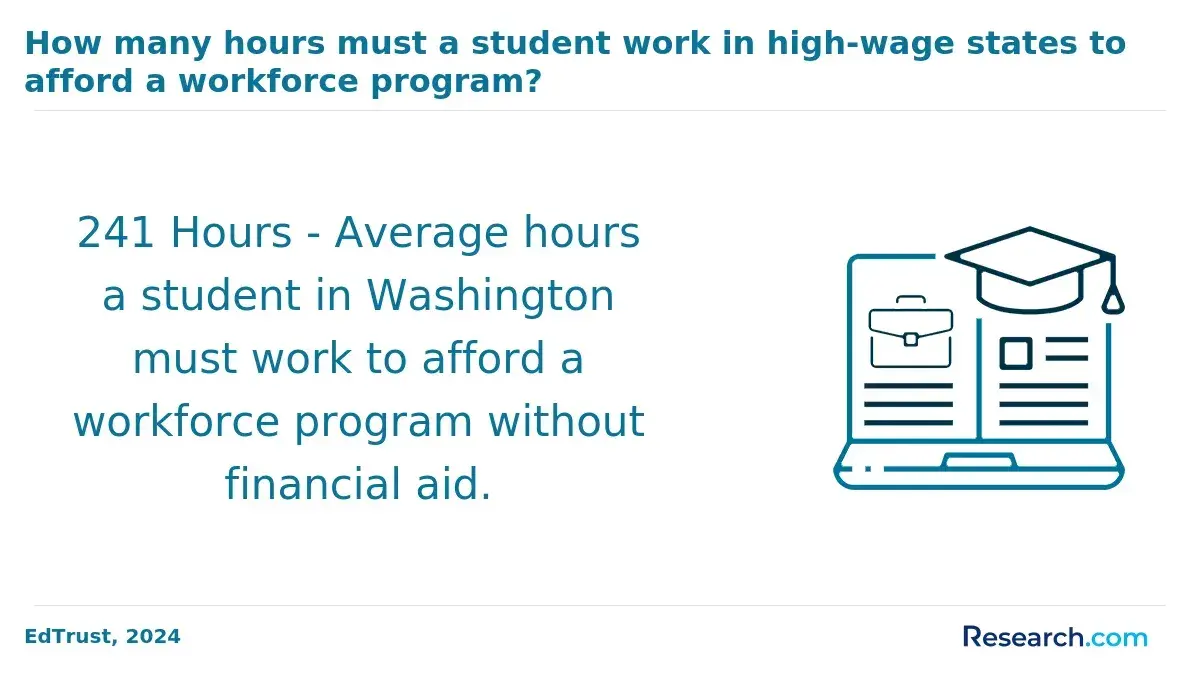
Efficient use of transfer credits can reduce financial burden and help working adults or part-time students better manage study alongside other responsibilities. Prospective students should also consider that transfer credits' applicability may differ significantly across disciplines-unlike some fields where credits transfer freely, environmental science degree plans can be more rigid due to science prerequisites and hands-on components. For students comparing pathways, examining how transfer policies integrate with degree requirements is crucial. Those interested in parallel opportunities might explore options such as business administration courses online, which often have different transfer frameworks and timelines.
Do Accelerated Environmental Science Programs Significantly Reduce Completion Time?
Accelerated environmental science programs aim to reduce the time required to complete degrees by compressing coursework into denser terms, utilizing summer sessions, or condensing traditional semester pacing. These designs intend to shorten standard degree paths, which typically range from four to five years for bachelor's programs, down to approximately three years. Such programs restructure credit schedules to enable students to complete required courses more quickly, often by increasing their credit load per term or offering continuous enrollment without traditional breaks.
The intention is to provide a more streamlined academic trajectory for motivated students, though actual time savings depend heavily on institutional policies and curricular sequencing. Whether accelerated tracks genuinely cut down total completion time hinges on multiple structural factors. Credit intensity per term is critical: students must manage heavier course loads, which may be limited by prerequisite chains or course availability. Programs that maintain traditional internship or capstone components without flexibility often see minimal reduction in duration since these experiential requirements cannot be easily shortened.
Furthermore, rigid course sequencing, limited term offerings for specialized classes, and balancing practical experiences constrain the pacing advantages of acceleration. Without institutional adaptability, the compressed formats risk merely front-loading workload rather than significantly trimming overall timelines. These compressed schedules also bring trade-offs impacting academic depth and student well-being.
Increased workload intensity can heighten stress and reduce opportunities for in-depth learning, reflection, or participation in valuable extracurricular research and internship activities. Scheduling flexibility diminishes, which may pose challenges especially for working adults or transfer students navigating competing responsibilities. Hence, the actual benefit of reduced calendar time must be weighed against potential impacts on educational quality and personal capacity to sustain accelerated demands.
Which Environmental Science Program Requirements Most Often Extend Graduation Timelines?
Graduation timelines in environmental science programs are frequently extended not just by total credit requirements but by embedded curricular and experiential mandates that shape practical competence. These components, designed to ensure professional rigor and workforce readiness, often impose pacing constraints that reduce scheduling flexibility and complicate timely progression. Understanding how these specific requirements affect completion time is essential, especially since recent workforce data from 2024 shows that about 42% of environmental science graduates exceed the standard four-year degree timeline.
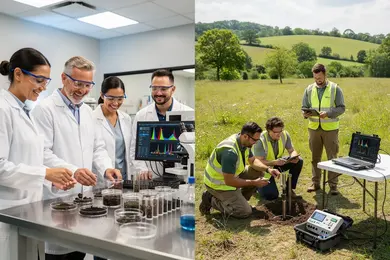
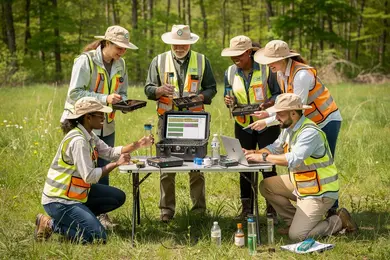
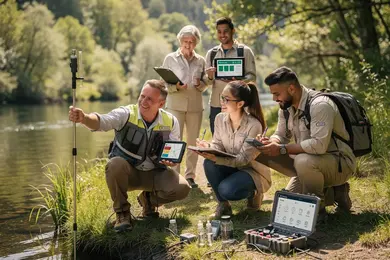
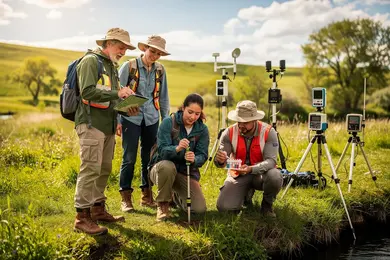
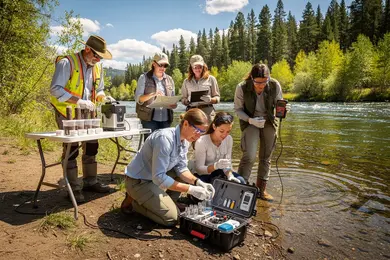
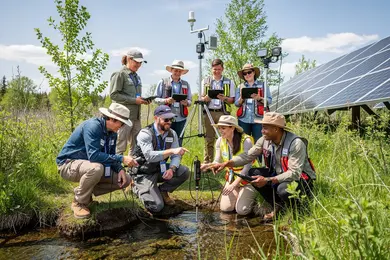
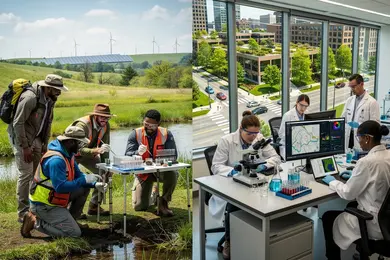
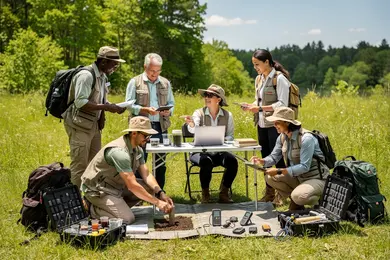
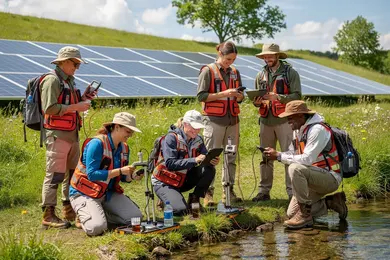
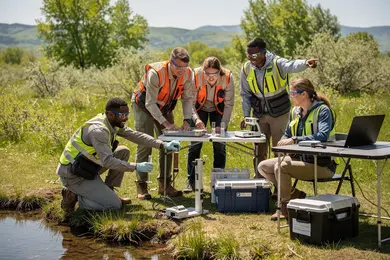
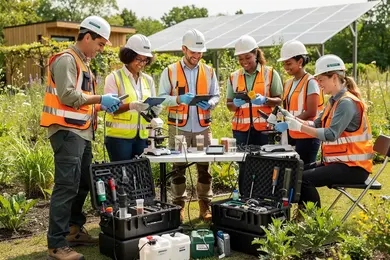
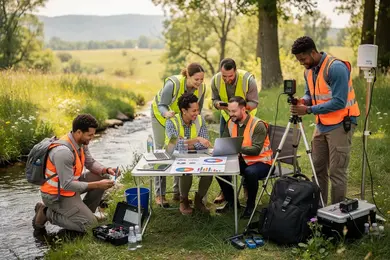
- Extensive Lab and Fieldwork Components: Hands-on coursework is fundamental to environmental science training, demanding significant time commitments outside traditional classroom hours. This restricts how many courses students can realistically manage each term, slowing down credit accumulation and leading to delayed graduation for many.
- Senior Thesis or Capstone Projects: These require sustained independent research and analysis, often overlapping with other academic or personal responsibilities. The time-intensive nature of these projects can push completion beyond the nominal program length, especially for students balancing work or family.
- Prerequisite Sequence Requirements: Environmental science curricula depend on a carefully arranged course progression in subjects like chemistry, biology, and earth sciences. Transfer students or those who falter in early prerequisites can face cascading delays, as missing or poorly timed courses disrupt the sequential flow needed for upper-level specialization.
- Mandatory Internship or Cooperative Education Placements: While providing critical professional experience valued by employers, these placements often extend academic timelines when unpaid or carried out part-time during semesters. Institutional policies that limit concurrent coursework during internships further slow down credit accumulation.
- Cross-Disciplinary Course Demands: Incorporating classes from policy, economics, or geographic information systems expands skill sets but increases the overall load. Limited scheduling options for these interdisciplinary courses may result in postponements that lengthen time-to-degree.
- Limited Offering of Specialized Upper-Level Courses: Scarcity of required advanced courses forces some students to delay enrollment until availability, creating bottlenecks especially in smaller programs or those with high enrollment rates.
Does Taking Longer to Graduate Increase the Cost of a Environmental Science Degree?
Extended completion timelines in environmental science degree programs often lead to higher overall tuition and related expenses, especially when institutions charge per term or credit hour. Students who take longer frequently exhaust initial financial aid packages, reducing eligibility for grants or subsidized loans, which contributes to increased out-of-pocket costs. The cost implications of extended environmental science degree completion also reflect additional indirect expenses such as housing, textbooks, and transportation during prolonged enrollment.
The National Center for Education Statistics reports that students taking over six years to finish a bachelor's degree face up to 30% higher cumulative educational costs than those finishing within four years. Meanwhile, delayed graduation can postpone entry into the workforce, compounding the financial impact through lost earning potential during a critical early-career phase, an important factor for those balancing work and study. Demand for timely graduates remains strong among many employers, impacting salary ranges and career progression in related fields, where early experience is often valued alongside credentials.
However, the financial impact of delayed graduation in environmental science programs is not uniform across all educational settings. Some institutions employ flat-rate tuition models that allow flexible pacing without proportional increases in tuition, while employer tuition assistance and some part-time enrollment pricing can mitigate cost accumulation. Program policies that enable course load adjustments based on personal circumstances can also reduce financial strain even if the total timeline extends.
Because enrollment decisions influence not only direct tuition but also financial aid status and eligibility for institutional incentives, these factors shape the total cost over time beyond simple per-credit calculations. Prospective students should consider these complex pricing structures alongside program flexibility, as well as weighing options such as the cheapest data science degree alternatives in related fields to better align educational spending with career goals.
Does Graduating Faster Improve Career Prospects?
Graduating faster from an environmental science degree can allow students earlier entry into the workforce and potentially shorten the initial job search period. However, employers rarely assess candidate quality based solely on how quickly a degree is completed. Instead, hiring managers in environmental fields focus on demonstrated technical proficiency, relevant internships, and the depth of academic and practical experience a candidate brings.
The impact of accelerated degree completion on employment outcomes is therefore nuanced and contingent on how this speed correlates with other indicators of career readiness and skill mastery. The real determining factors for whether early graduation enhances career prospects hinge on opportunities for hands-on learning, portfolio development, and professional networking during the study period. Students who graduate quickly but lack substantial internship experience or comprehensive project work may find themselves less competitive than peers with longer, more immersive programs.
Labour market dynamics in environmental science emphasize interdisciplinary knowledge and applied skills, making timing less critical than alignment with current industry demands and the ability to demonstrate meaningful contributions beyond transcript speed. This complex interplay shapes the actual value of completing an environmental science degree faster in relation to job placement and long-term employability. Trade-offs between completing a degree rapidly and gaining experiential depth must be carefully weighed. While faster graduation may reduce tuition costs and quickly launch a career, it can also limit exposure to specialized coursework or certifications essential for certain roles.
Students should consider a balanced approach that prioritizes comprehensive learning, relevant experience, and networking to optimize job opportunities. Those assessing the impact of early environmental science degree completion on job opportunities will find that duration alone is rarely a reliable indicator of better career outcomes. For those seeking accelerated advancement in public administration or related sectors, resources detailing the best online MPA programs may offer useful parallels in managing education timelines with career goals.
Which Scheduling Mistakes Commonly Delay Graduation?
Delays in graduation for environmental science students often stem not from academic challenges alone, but from avoidable scheduling and planning errors made during enrollment and course selection. These mistakes impact students across degree levels and formats, disrupting consistent academic progress. Recognizing these pitfalls helps students and advisors strategize effectively to align coursework with program requirements and institutional policies.
- Misaligned Course Sequencing: Overlooking prerequisite chains forces students to retake foundational courses or postpone advanced classes, creating bottlenecks in curriculum flow. This challenge is common in environmental science programs due to tightly integrated course structures and strict prerequisite rules.
- Inconsistent Credit Loads: Part-time enrollment, often chosen by working adults or those with family responsibilities, slows credit accumulation. Without deliberate long-term planning, students risk extending their degree timeline well beyond standard durations.
- Poor Credit Transfer Integration: Transfer students frequently encounter credits that do not align perfectly with new program requirements. This misfit necessitates extra coursework and prolongs the path to graduation if early academic advising is lacking.
- Neglecting Accelerated Sessions: Skipping summer or winter terms eliminates opportunities to reduce degree length. Many programs offer these sessions expressly to facilitate on-time completion, yet students often underestimate their value.
- Insufficient Academic Advising: Failing to regularly update degree plans with advisors can leave students unaware of evolving requirements or sequencing adjustments, increasing the likelihood of missed deadlines and course availability issues.
According to the National Student Clearinghouse Research Center's 2024 report, nearly 30% of environmental science undergraduates exceed six years to graduate, reflecting how these enrollment and sequencing errors interact with institutional frameworks to delay completion. Proactive academic scheduling grounded in program rules and realistic time management is essential to avoid unintended extension of degree pathways.
References:
- Best of 2025: Environmental Science Online Master’s Programs https://www.onlinemastersdegrees.org/best-programs/environmental-science/
- 5 Reasons Why You Should Earn Your Bachelor’s Degree Online https://www.pointloma.edu/resources/accelerated-undergraduate/5-reasons-why-you-should-earn-your-bachelors-degree-online
- Online Accelerated College Degrees https://www.affordablecollegesonline.org/college-resource-center/accelerated-degrees/
- Online Environmental Science Degree | BS Environmental Science | University of Phoenix https://www.phoenix.edu/online-liberal-arts-degrees/environmental-science-bachelors-degree.html
- Online Environmental Graduate Programs: Are They Right for You? https://www.cjbnetwork.com/articles/online-environmental-graduate-programsare-they-right-for-you
- Guide to Online Accelerated Degree Programs https://www.onlineu.com/resources/accelerated-degrees
- Full-Time vs. Part-Time Online College Degrees: Pros and Cons https://global.nmsu.edu/blog/general/ft-vs-pt-online-college/
- Environmental Science Degree Online https://www.snhu.edu/online-degrees/bachelors/bs-in-environmental-science
- Distance Education Bachelor's Degrees https://unity.edu/distance-education/bachelors-degrees/
- Earth and Environmental Sciences (4+1) Accelerated Program | Murray State University https://www.murraystate.edu/programs/cset/ees-accelerated.aspx
Other Things You Should Know About Environmental Science
According to the 2026 Environmental Science Degree Completion Time Report, internships can extend graduation timelines as students balance gaining practical experience with academic requirements. However, they often provide valuable skills that enhance employability after graduation.
Capstones and theses are common program requirements that can significantly add to time-to-degree due to their research intensity and need for faculty mentorship. Completing these projects demands strong time management and access to resources, which varies by institution. Students should assess how supportive their program's structure is for these culminating projects and allocate extra months in their planning rather than expecting a traditional semester timeline.
Delaying graduation to gain specialized knowledge like GIS mapping, climate modeling, or environmental policy can improve job prospects but may add six months to a year to completion. This tradeoff depends on labor market demand and whether the subfield skills will lead to tangible salary or advancement gains. For those targeting competitive roles, investing extra time in specialization often outweighs the cost of a longer degree path.
Employers increasingly seek candidates with both broad environmental science knowledge and demonstrated technical competencies, which can pressure students to extend their studies beyond minimum requirements. Balancing coursework with skill-building experiences like lab techniques or data analysis may slow graduation but aligns graduates better with job market needs. Students should weigh whether graduating "on time" compromises their readiness for meaningful employment in this evolving field.