2027 Environmental Science Skills Gap Analysis: What Employers Want vs What Degree Programs Teach

Co-Founder and Chief Data Scientist
Imagine a recent environmental science graduate eager to enter the workforce but discovering a disconnect between what was learned and what employers actually demand. Despite strong academic credentials, many candidates lack experience with practical tools, data analysis, and regulatory knowledge critical to environmental roles. This gap leaves students uncertain about how to position themselves for competitive job openings and career growth.
Degree programs often emphasize theoretical foundations while underrepresenting applied skills tied to current industry standards. Employers seek professionals who can navigate complex environmental challenges using real-world competencies, yet many graduates struggle to demonstrate these capabilities. This article analyzes the skills gap between environmental science degree outcomes and employer expectations, offering insights to help students and career changers bridge this divide and improve workforce readiness.
Key Things to Know About Environmental Science Skills Gap
- Employers report a 42% gap between environmental science curricula and industry demand for data analytics proficiency, requiring graduates to independently acquire advanced statistical software skills for better policy impact.
- Fieldwork techniques and interdisciplinary project management are expected beyond classroom theory, meaning students must seek practical internships to navigate complex environmental challenges effectively.
- Collaboration with diverse stakeholders is crucial; students enhancing communication and negotiation skills through extracurricular activities improve adaptability in varied professional settings, directly addressing workforce readiness deficits.
- Key Things to Know About Environmental Science Skills Gap Key Things to Know About Environmental Science Skills Gap
- What Skills Do Employers Expect From Environmental Science Graduates? Employer Expectations
- What Do Environmental Science Degree Programs Typically Teach? Program Curriculum
- Where Is the Biggest Skills Gap Between Environmental Science Programs and Employers? Biggest Skills Gap
- Which Technical Skills Are Most Important for Environmental Science Careers? Technical Skills
- Which Workplace Skills Matter Beyond Technical Knowledge? Workplace Skills
- How Do Internships and Real-World Experience Improve Career Readiness? Career Experience
- How Can Students Close the Environmental Science Skills Gap Before Graduating? Closing Skills Gap
- How Is the Environmental Science Job Market Changing Employer Skill Requirements? How Is the Environmental Science Job Market Changing Employer Skill Requirements?
- How Do Different Environmental Science Programs Compare in Career Preparation? How Do Different Environmental Science Programs Compare in Career Preparation?
- How Should Students Choose a Environmental Science Program That Builds Career-Ready Skills? Choosing a Program
What Skills Do Employers Expect From Environmental Science Graduates?
Employers hiring environmental science graduates in 2024 prioritize a combination of technical expertise and professional aptitudes that enable immediate contribution to complex, interdisciplinary projects. Data from LinkedIn and Lightcast reveal that over 65% of job postings seek candidates with both analytical skills and effective communication abilities.
The evolving regulatory environment and technological advances demand graduates adept at translating scientific data into actionable solutions, especially when collaborating across diverse stakeholder groups. For example, a recent graduate working on urban sustainability initiatives must analyze environmental impact assessments while clearly presenting findings to city officials and community members.
Below are key skills frequently highlighted by employers when evaluating environmental science candidates.
- Data Analysis and GIS: Graduates often use geographic information systems and statistical tools to interpret spatial and environmental datasets. Mastery here supports evidence-based decision-making, crucial for roles involving habitat conservation or pollution tracking.
- Communication Skills: The ability to communicate complex scientific information, both in writing and orally, ensures that the findings are accessible to policymakers and the public. Courses and internships enhance these essential translation skills that bridge science and societal needs.
- Critical Thinking and Problem-Solving: Environmental challenges rarely have straightforward solutions. Employers value graduates who apply adaptive thinking to forecast impacts of climate change or manage natural resources effectively, skills often honed through case studies and project-based learning.
- Technical Proficiency with Digital Tools: Familiarity with remote sensing technologies and programming languages like Python or R is increasingly demanded. These competencies facilitate automation and sophisticated environmental modeling, allowing graduates to handle large datasets efficiently.
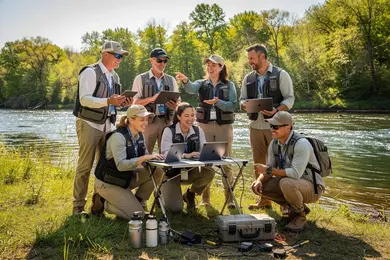
- Project Management and Teamwork: Environmental projects usually require coordinating multiple experts and stakeholders. Experience gained through group projects or internships cultivates organizational skills and collaborative approaches critical for workplace success.
- Adaptability and Lifelong Learning: Given the fast-changing regulatory frameworks and technological advancements, employers expect graduates to continually update their skills and remain flexible. This mindset is cultivated through interdisciplinary coursework and professional development activities.
Prospective students aiming to match employer expectations should pursue opportunities that bridge these essential environmental science skills for employers with practical experience. Enhancing core competencies expected from environmental science graduates positions them for roles that not only embrace current workforce demands but also align with broader trends in sustainability careers.
For those interested in understanding how these skills translate to earning potential and career trajectories, exploring degrees that pay well can provide additional insight into the long-term value of an environmental science degree.
What Do Environmental Science Degree Programs Typically Teach?
Environmental science degree programs aim to build a multidisciplinary foundation that prepares students for complex environmental challenges. These programs emphasize not only scientific knowledge but also analytical skills essential for interpreting data and informing policy. A 2024 report from the National Center for Education Statistics highlights that core coursework remains consistent across many institutions, focusing on ecological principles alongside quantitative methods.
While curricula vary, understanding common environmental science degree curriculum topics provides insight into the competencies most valued by employers. The following points outline typical skills taught in environmental science programs and their relevance to real-world applications.
- Ecological Principles: Students study ecosystem dynamics, biodiversity, and species interactions to grasp how natural systems function. This foundation supports effective environmental management and conservation strategies, crucial for roles requiring ecosystem assessment or restoration planning.
- Chemical and Geological Sciences: Courses cover environmental chemistry and geology to help students analyze soil, water, and atmospheric processes. These skills assist careers focused on pollution control, resource extraction impacts, and hazard mitigation.
- Quantitative Analysis and GIS: Programs introduce statistics and geographic information systems to train students in spatial data interpretation. Mastery of these tools enhances abilities in environmental monitoring, impact assessment, and decision-making support.
- Environmental Policy and Regulation: Instruction on laws, regulations, and compliance frameworks equips students to navigate legal requirements influencing environmental practices. This knowledge is critical for advising stakeholders or managing projects within regulatory constraints.
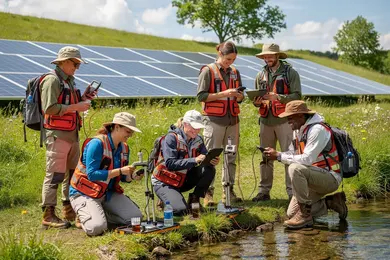
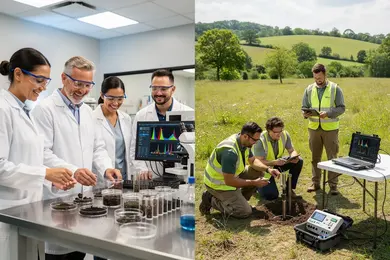
- Fieldwork and Experiential Learning: Many programs incorporate internships, laboratory work, or field studies to develop practical skills and problem-solving in real-world contexts. However, as noted by the Council on Environmental Deans and Directors' 2024 competency framework, the integration of hands-on experience remains uneven, affecting job readiness.
- Emerging Technologies: Some curricula include remote sensing and environmental modeling techniques, preparing students to leverage technology in climate resilience and sustainability efforts. Familiarity with these tools can differentiate candidates in competitive job markets.
- Communication and Collaboration: While often underemphasized, effective stakeholder communication and multidisciplinary teamwork are essential competencies. Graduates able to translate scientific data into actionable insights are more likely to succeed amid diverse environmental challenges.
For those exploring different learning formats, hybrid and online programs may offer flexible access to theoretical content but sometimes limit direct fieldwork opportunities that are more readily available on campus. Prospective students should seek programs-whether campus-based, hybrid, or online-that balance foundational knowledge with applied experience to improve employability.
More comprehensive options and information, including about EdD programs online, can help students weigh these trade-offs effectively.
Where Is the Biggest Skills Gap Between Environmental Science Programs and Employers?
Recent employer analyses reveal that the gap between environmental science degree curricula and workforce expectations centers less on theoretical knowledge and more on practical, interdisciplinary skills. According to the 2024 Employer Skills Survey by the U.S. Department of Labor, nearly 65% of employers report that new graduates lack sufficient applied technical capabilities critical for current environmental roles.
These deficits challenge graduates' early career performance, especially when handling the evolving complexity of environmental projects. Below are the primary domains where the largest mismatches tend to appear.
- Applied Technical Proficiency: Graduates often enter the workforce with solid scientific foundations but have limited experience using geographic information systems (GIS), environmental modeling software, and data analysis tools that industries now expect as standard. This gap slows early productivity and can require costly on-the-job training. Engaging in internships or certification programs focused on these technologies can sharply reduce this lag.
- Interdisciplinary Problem-Solving: Many programs focus on disciplinary theory but do not sufficiently prepare students for integrated approaches involving policy, economics, and social contexts. Employers value graduates who can translate environmental data into practical strategies across sectors. Participating in cross-departmental projects or collaborative workshops can foster these essential skills.
- Stakeholder Communication and Project Management: The ability to convey complex scientific information to diverse audiences-such as regulators or community groups-is often underdeveloped. Likewise, understanding project timelines and regulatory frameworks is crucial yet underrepresented in curricula. Experience-based learning through fieldwork or cooperative education can expose students to these real-world communication and management demands.
- Experiential Learning Opportunities: Employer comments frequently highlight the lack of hands-on experiences simulating workplace conditions, such as internships or dynamic fieldwork environments. These experiences build adaptability and familiarity with regulatory compliance, both critical for successful workforce integration.
One graduate recalled their initial entry into an environmental consultancy where they instantly felt unprepared for client meetings requiring clear summaries of complex GIS analyses. Despite academic success, they had never facilitated stakeholder presentations and hesitated when asked for policy implications amid ongoing project discussions.
Recognizing this gap, they quickly sought mentorship and additional certifications while on the job, describing relief when their ability to bridge technical details with client priorities improved. This experience underscores that bridging theory to practical application is often the steepest learning curve for new environmental science professionals.
Which Technical Skills Are Most Important for Environmental Science Careers?
Translating academic knowledge into professional capability in environmental science demands a robust set of technical skills, which continually evolve in response to shifting technologies and industry needs. As employers increasingly depend on data-driven decision-making and advanced monitoring techniques, proficiency in specific competencies becomes essential for meaningful contributions on the job.
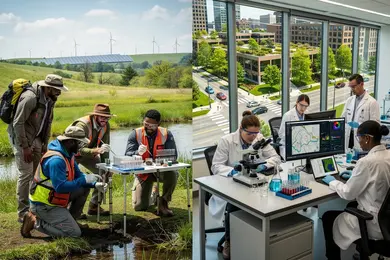
For example, an environmental analyst tasked with assessing contamination risks must quickly interpret complex spatial datasets alongside field sampling results to provide actionable insights. This dynamic workplace reality underscores the importance of mastering versatile, applied skills that balance theoretical understanding with practical problem-solving.
Below are critical technical skills that remain consistently valuable across environmental science roles.
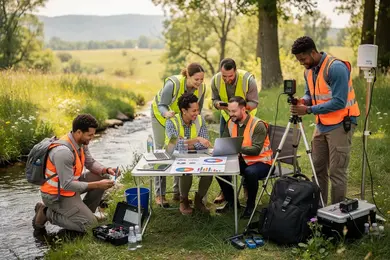
- Geographic Information Systems (GIS): Employers demand advanced GIS capabilities because spatial analysis underpins most environmental assessments. Students often gain this expertise through specialized coursework and hands-on labs, enabling them to visualize and interpret geographic data crucial for land management, pollution tracking, or habitat conservation.
- Data Analysis and Statistical Software: The ability to manipulate and analyze large datasets using tools like R or Python ranks highly, as environmental professionals rely on statistical models to forecast trends and evaluate project outcomes. Developing proficiency in these languages supports adaptability across research, consulting, and regulatory positions.
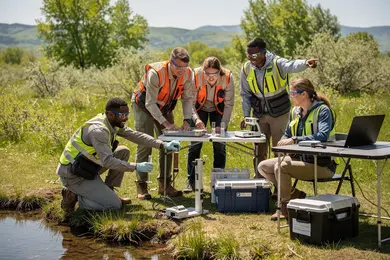
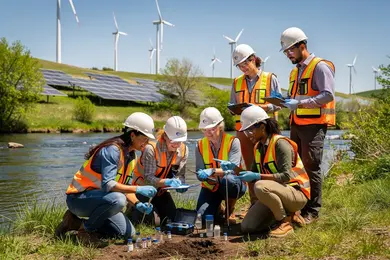
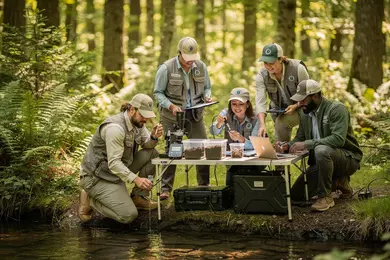
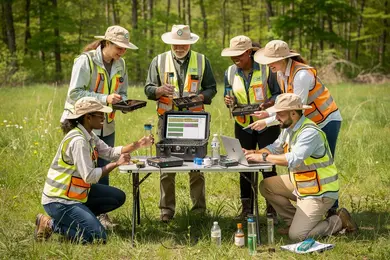
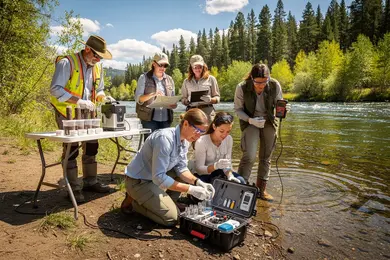
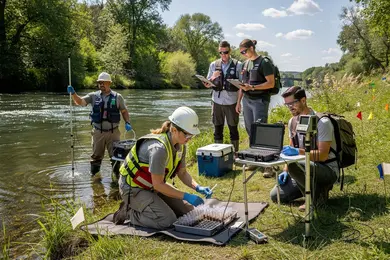
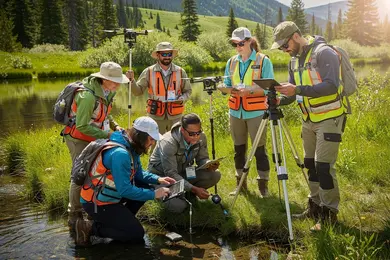
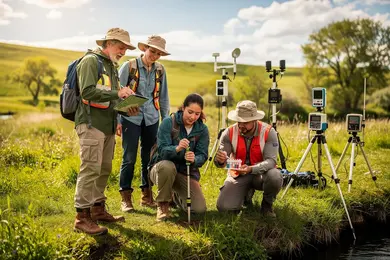
- Environmental Sampling Techniques: Practical skills in collecting and processing air, water, and soil samples according to rigorous protocols are foundational. Acquiring this through internships or field courses ensures graduates can meet compliance standards and produce accurate data for environmental impact assessments.
- Regulatory Compliance Knowledge: Familiarity with environmental laws and compliance software reflects employer priorities, given the sector's heavy regulation. Understanding these frameworks equips professionals to navigate complex legal landscapes and contribute to sustainable project design and reporting.
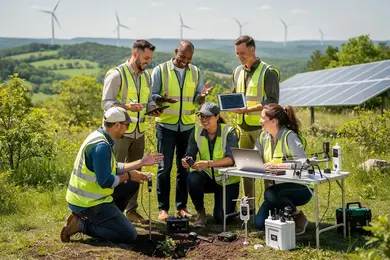
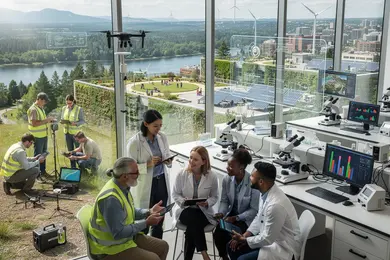
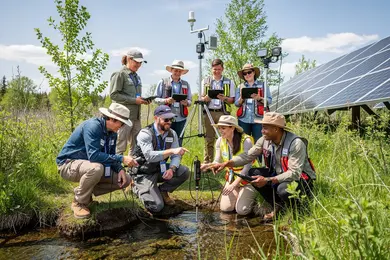
- Remote Sensing and Drone Operation: Recent industry trends emphasize the utility of remote sensing technologies and unmanned aerial systems for environmental monitoring. Mastery here enhances capabilities in data collection and landscape analysis, increasingly sought after in government and private sectors.
- Sustainable Resource Management: Skills related to renewable energy technologies and sustainable practices reveal awareness of climate-related challenges. This knowledge is essential for roles focusing on resilience planning and long-term resource stewardship.
Which Workplace Skills Matter Beyond Technical Knowledge?
Career success in environmental science increasingly depends on professional competencies that extend well beyond core technical expertise. Employers today expect graduates to navigate complex, interdisciplinary challenges where strategic communication and adaptive thinking often drive project outcomes.
A 2024 report from the U.S. Bureau of Labor Statistics and the National Association of Environmental Professionals found that nearly 70% of employers prioritize durable skills such as communication, adaptability, and problem-solving alongside foundational scientific knowledge. Recognizing these essential workplace competencies beyond technical knowledge is critical for students aiming to meet employer expectations and enhance their workforce readiness.
Key workplace skills valued by employers include:
- Effective Communication: Clear written and oral communication is vital in translating scientific data to diverse audiences, including policymakers and community stakeholders. Environmental science students can develop this skill by engaging in interdisciplinary projects and presentations, strengthening their ability to influence decision-making and lead initiatives.
- Critical Thinking & Problem-Solving: Environmental challenges demand creative approaches that integrate science with economic and social considerations. Coursework encouraging exploratory learning and case study analysis can foster flexibility and innovation, traits highly sought after by employers.
- Adaptability: The dynamic nature of environmental work requires professionals to adjust strategies in response to new data or regulatory changes. Internships and fieldwork that expose students to real-world uncertainties build resilience and readiness for evolving job demands.
- Digital Literacy: Proficiency with GIS, data analytics, and specialized software is now a baseline expectation. Students who combine these technical skills with strategic environmental system understanding increase their employability and potential for leadership roles.
- Interpersonal Collaboration: Teamwork across disciplines is common in environmental projects. Active participation in group research and community engagement enhances collaboration abilities crucial for complex problem-solving and successful project management.
- Ethical Judgment: Sustainability and regulatory compliance require strong ethical frameworks. Integrating ethics modules within technical programs helps students develop judgment necessary for responsible environmental stewardship.
Since workforce demands vary by role and sector, prospective students should pursue experiences that bridge technical and soft skills. For those exploring complementary certifications, exploring options like bookkeeping certification can augment financial literacy, further broadening career flexibility within environmental science domains.
How Do Internships and Real-World Experience Improve Career Readiness?
Academic coursework in environmental science lays the foundation for understanding key concepts, but it rarely prepares students fully for the complexities of professional work environments. Real-world experience bridges this gap by allowing students to translate theory into practice, sharpening practical judgment and boosting confidence in unfamiliar or ambiguous scenarios. For instance, a student working on-site with an environmental agency learns to navigate field constraints and stakeholder concerns that textbooks alone cannot replicate.
Internships and similar experiential opportunities contribute significantly to honing specialized technical skills, such as data analysis and regulatory compliance, while also fostering essential professional competencies like effective communication and project management. These placements expose students to workplace dynamics and networking that shape their understanding of industry expectations and inform career choices.
However, the availability and quality of these experiences vary widely by institution and sector, with some students facing barriers like unpaid positions or limited local opportunities that programs must seek to address strategically. To extract the greatest benefit from experiential learning, students should pursue internships early, engage actively in applied projects, and cultivate meaningful professional relationships. Reflecting on these engagements helps connect hands-on experiences with long-term career objectives and highlights areas for ongoing skill development.
Data from the National Association of Colleges and Employers in 2024 reveal that environmental science graduates with internship experience have a 78% employment rate within six months post-graduation, compared to 53% for those without such exposure. Still, internships complement strong academic performance and continuous career planning rather than replace them, forming part of a comprehensive approach to workforce readiness.
How Can Students Close the Environmental Science Skills Gap Before Graduating?
Students don't have to wait until graduation to start building the skills that employers want in environmental science. Integrating practical workplace competencies alongside academic learning can significantly improve job prospects and prepare graduates for the demands of entry-level roles. Employers increasingly seek candidates who demonstrate hands-on experience with real-world problems and technologies before entering the workforce.
According to a 2024 National Science Foundation report, students who engage in internships and research projects tend to have stronger employment outcomes and show greater readiness for complex environmental challenges. Below are key strategies students can adopt to close the environmental science skills gap before finishing their degree.
- Internship Engagement: Actively pursuing internships allows students to apply classroom knowledge to environmental issues, gaining exposure to workplace processes and expectations. This real-world experience fosters critical analytical skills and collaborative habits that are not easily replicated in academic settings, enhancing employability.
- Undergraduate Research Participation: Joining faculty-led research projects offers opportunities to develop technical expertise and problem-solving abilities. Hands-on investigation hones data analysis and fieldwork skills, which employers rate as essential for new graduates in environmental science.
- Project-Based Coursework: Choosing courses that emphasize applied projects-such as ecosystem management simulations or climate data modeling-builds adaptability and creativity. The EPA's 2024 report shows that project work better prepares students for dynamic workplace demands compared to traditional lecture formats.
- Certification Acquisition: Earning credentials in areas like GIS, environmental compliance, or data science signals proficiency in key tools and technologies. A recent survey from the National Environmental Workforce Association highlights that employers often prioritize these certifications alongside or even above conventional academic achievements.
- Early Career Mentorship: Seeking guidance from professionals or advisors within environmental fields helps students navigate career pathways and connect learning to job market realities. Mentorship also supports strategic decision-making regarding skill development and opportunities.
- Networking and Professional Involvement: Engaging with environmental organizations or conferences introduces students to industry expectations and emerging trends. Building a professional network before graduation can open doors to internships and job placements.
An environmental science graduate recalls feeling uncertain about how to stand out in a crowded job market until they secured an internship with a local conservation agency during their junior year. Initially hesitant due to time constraints, the student balanced internship duties with coursework and found the experience invaluable in understanding day-to-day challenges like habitat restoration and regulatory compliance. This hands-on engagement not only improved their technical skills but also boosted confidence during interviews.
How Is the Environmental Science Job Market Changing Employer Skill Requirements?
Technological innovation and the growing emphasis on sustainability are reshaping evolving environmental science employer skill requirements. Advances in automation, artificial intelligence, and geographic information systems mean that employers now look for candidates who can interpret complex environmental data through technical tools as well as apply insights to real-world challenges.
For example, a candidate versed in remote sensing combined with policy awareness may be better positioned to support a city's climate resilience initiatives, bridging technology and governance. The U.S. Bureau of Labor Statistics and LinkedIn data from 2024 confirm this shift toward hybrid skill sets that merge science, technology, and communication.
These changing employer expectations extend beyond technical skills to include project management, stakeholder engagement, and digital literacy. As environmental challenges become more interdisciplinary and globalized, continuous learning and adaptability become crucial components of workforce readiness. Many environmental science programs still emphasize traditional fieldwork and theory, potentially leaving graduates underprepared without supplemental training in data analytics or collaborative problem-solving.
Students who combine solid academic foundations with practical experience-such as internships and applied projects-develop a competitive edge. Certifications and professional networking also play vital roles in meeting current job market demands for environmental science graduates. Preparing for this evolving landscape means embracing both core environmental knowledge and lifelong skill development.
Prospective students may consider specialized tracks or accelerated options like 1-year PhD programs online no dissertation to deepen expertise without lengthy commitments. Ultimately, aligning foundational coursework with hands-on experience and continuous upskilling promotes employability amid shifting sector demands. This strategic approach equips environmental science professionals to navigate complex labor market realities and build impactful careers.
How Do Different Environmental Science Programs Compare in Career Preparation?
Career preparation in environmental science depends on more than the degree title; it requires a deep look at how programs integrate practical skills with academic knowledge. A recent 2024 report by the National Center for Education Statistics highlights that graduates from programs with strong interdisciplinary coursework combined with applied learning outperform their peers in workplace adaptability and job performance.
However, this advantage varies significantly by how programs emphasize experiential learning, technical skill development, and community engagement. Below are major factors students should carefully compare when assessing the career readiness offered by different environmental science degree programs.
- Applied Experience: Programs that incorporate fieldwork, internships, and community projects offer graduates hands-on skills essential to real-world problem solving. Comparing the availability and quality of these opportunities is crucial, as graduates from programs lacking experiential learning often struggle to meet employer expectations in evolving environmental roles.
- Technical Skills Integration: Emphasizing emerging technologies such as GIS, environmental modeling, and data analysis differentiates programs that prepare students for current industry demands. Evaluate whether curricula keep pace with technological advances that employers frequently cite as critical for entry-level positions.
- Interdisciplinary Curriculum: Environmental challenges are complex and cross-sector collaboration is vital. Programs that blend policy, science, and social aspects better equip students to adapt across diverse job functions. Understanding how well a program balances these elements can indicate graduate long-term employability.
- Alignment with Career Goals: No single program fits all career paths. Reflect on how well a program's strengths align with your learning preferences and professional objectives. Being proactive in seeking supplemental opportunities can offset curriculum gaps, especially in programs less focused on applied skills.
For those considering shifts into related fields, exploring options like an online MBA accepting transfer credits may broaden management and strategic expertise alongside environmental training.
How Should Students Choose a Environmental Science Program That Builds Career-Ready Skills?
Choosing the ideal learning format for an environmental science degree shapes both career readiness and long-term professional outcomes. Online, hybrid, and campus programs each present distinct benefits and trade-offs that influence skill acquisition, networking opportunities, and adaptability to evolving labor market demands.
Consider the following key factors to determine which format aligns best with your goals and circumstances.
- Practical Experience Access: Campus programs typically offer more in-person labs and fieldwork, directly enhancing hands-on skills crucial for environmental roles. Hybrid formats balance this with flexible online theoretical learning, while online-only formats may require extra initiative to secure internships or local projects. Learners needing strong practical skills often benefit most from campus or hybrid models.
- Networking Opportunities: Campus environments facilitate direct connections with peers, faculty, and industry partners, vital for employment referrals. Hybrid formats provide some interaction, whereas online formats rely heavily on virtual engagement platforms, which can limit spontaneous relationship building. Students prioritizing professional networks often prefer campus or hybrid studies.
- Time and Resource Flexibility: Online programs offer unmatched scheduling freedom and reduce commuting or relocation costs, helping working adults or those with family commitments. Hybrid formats offer moderate flexibility, while campus options demand more rigid time management and living expenses.
- Curriculum Responsiveness: Top-ranked programs integrate interdisciplinary skills like GIS and communication, often through hybrid or campus settings that update content with emerging environmental challenges, as highlighted by the Environmental Workforce Coalition 2024 report. Online programs vary widely in how current and applied their offerings are.
- Graduate Outcomes Transparency: Programs with clear data on employment rates and employer satisfaction, especially in campus and hybrid formats, better demonstrate workforce alignment. Accountability encourages continuous improvement, benefiting career-focused students.
- Self-Discipline Demands: Online learning requires high autonomy and motivation; without these, students risk lower completion rates. Hybrid and campus formats provide more structured support systems to keep learners engaged.
- Cost-Benefit Tradeoffs: While online programs may be less expensive upfront, campus and hybrid programs often yield stronger workforce integration, leading to faster career progression as evidenced by National Center for Education Statistics 2024 data.
References
- Environmental Internships - Online & In-Person | The Intern Group https://theinterngroup.com/career-fields/environmental-internships-abroad
- Environmental Science https://www.une.edu/cas/schools/marine-environment/programs/bs-environmental-science
- Sustainable Learning: The Green Jobs Market Landscape https://www.encoura.org/resources/wake-up-call/sustainable-learning-the-green-jobs-market-landscape/
- Top Environmental Studies Jobs: Careers in Environmental Science https://sustainablebusinessmagazine.net/eco-review/top-environmental-studies-jobs-careers-in-environmental-science/
- Sustainability Internships & Fellowships — MobilizeGreen https://www.mobilizegreen.org/internships
- Preparing High School and College Students for a Career in Environmental Science https://www.neefusa.org/story/environmental-education/preparing-high-school-and-college-students-career-environmental
- The Green Skills Gap: An Urgent Challenge for the Region’s Workforce - Cambridgeshire Chamber of Commerce https://www.cambridgeshirechamber.co.uk/resources/news/the-green-skills-gap-an-urgent-challenge-for-the-uk-workforce/
- Environmental Science Internships | Intern Abroad HQ https://www.internhq.com/industries/environmental-sciences/
- What is the green skills gap (and why does it matter)? https://www.ube.ac.uk/whats-happening/articles/green-skills-gap/
- 12 Environmental Scientist Skills for Your Career and Resume https://climbtheladder.com/environmental-scientist-skills/
Other Things You Should Know About Environmental Science
Environmental science programs often emphasize theoretical understanding, which can leave graduates underprepared for hands-on tasks expected by employers. Career readiness improves significantly when curricula integrate applied projects and real-world problem solving alongside theory. Students should prioritize programs or electives that offer lab work, field research, and data analysis to bridge this gap effectively.
While a broad foundation is valuable, employers increasingly seek candidates with specialized skills in emerging areas like GIS, remote sensing, or environmental policy analysis. However, over-specializing too early can limit adaptability in diverse roles. Students should aim for a balanced approach by mastering core competencies while gaining targeted expertise, which enhances both employability and long-term career flexibility.
Programs leaning heavily on technical training often produce graduates skilled in data and analysis but less prepared for stakeholder engagement or regulatory processes. Conversely, programs emphasizing communication and policy may not sufficiently develop the technical proficiency employers want. Given that environmental science careers increasingly require multi-disciplinary abilities, students should seek programs that foster both analytical and interpersonal skills to meet complex workplace demands.
Coursework provides structured, in-depth knowledge, while extracurricular experiences like internships and research projects develop practical skills and professional networks. Relying solely on formal classes risks graduating with theoretical knowledge that lacks context. Prioritizing extracurricular engagement alongside academics is critical; this combined approach accelerates workforce readiness and enhances job market competitiveness.