2027 Environmental Science Degree Outlook Through 2030: Enrollment, Salary, and Hiring Projections

Co-Founder and Chief Data Scientist
Choosing to pursue or continue an environmental science degree requires weighing multiple factors beyond simple job growth forecasts. Although enrollment in environmental science programs rose by over 8% nationally in 2023, this surge has increased competition among graduates, particularly in saturated regional markets. Meanwhile, hiring projections suggest a 6% growth by 2030, unevenly distributed across sectors, with federal agencies expanding demand but private industry seeing varied needs.
Salary trends reveal rising credential expectations that may limit opportunities for those without advanced skills or specializations. This article analyzes enrollment, salary patterns, hiring projections, industry demand, geographic opportunity, and emerging workforce changes through 2030 to inform sound decisions.
Key Things to Know About the Environmental Science Degree Outlook Through 2030
- Enrollment in environmental science degrees is projected to grow modestly by 8% through 2030, reflecting rising interest but also intensified competition; this suggests strategic specialization may be necessary to stand out.
- Employers increasingly value interdisciplinary skills combining data analytics and field expertise, signaling that graduates focusing solely on traditional environmental science may face narrower job prospects.
- Rising program costs and extended degree timelines are limiting access, delaying workforce entry and potentially widening disparities in employment timing and regional labor supply across environmental science fields.
- Key Things to Know About the Environmental Science Degree Outlook Through 2030 Key Things to Know
- How is Environmental Science Degree Enrollment Expected to Change Through 2030? Enrollment Trends Through 2030
- How Many Environmental Science Graduates Will Enter the Workforce by 2030? Graduate Workforce Entry Projections
- What Are the Hiring Projections for Environmental Science Graduates Through 2030? Hiring Projections Through 2030
- Which Environmental Science Careers Will Experience the Most Job Growth? Fastest-Growing Career Paths
- What Is the Salary Outlook for Environmental Science Graduates Through 2030? Salary Outlook Through 2030
- Which Industries Will Hire the Most Environmental Science Graduates by 2030? Top Hiring Industries
- Where Will Demand for Environmental Science Graduates Be Strongest? Strongest Geographic Demand
- Which Environmental Science Specializations Will Be Most in Demand by 2030? Specializations
- How Will AI and Technology Affect Environmental Science Careers Through 2030? AI and Technology Impact
- Is a Environmental Science Degree Worth Pursuing Based on 2030 Projections? Degree Value Through 2030
How is Environmental Science Degree Enrollment Expected to Change Through 2030?
Projected changes in environmental science student enrollment by 2030 will reflect a balance between expanding interest in sustainability and practical constraints within higher education institutions. While demand from younger and returning adult learners fuels growth, many colleges face capacity limitations that intensify admission competition and strain resources. For example, larger research universities demonstrating strong industry partnerships often increase enrollment and specialization options, whereas smaller programs may cut back or consolidate offerings, risking geographic or demographic gaps in graduate supply.
This uneven expansion influences workforce implications in environmental science fields, where employer expectations increasingly favor graduates with applied skills and policy acumen. Programs integrating internships and technical training respond better to labor-market shifts, but rising class sizes at some institutions may dilute individualized instruction and affect graduate outcomes. According to the National Center for Education Statistics, undergraduate degrees in environmental science and related fields have grown around 3% annually over the past five years, underscoring steady but measured growth that requires prospective students to consider program quality alongside enrollment trends.
Those weighing their options should also be aware that alternative interdisciplinary programs compete for environmentally minded students, highlighting a nuanced landscape where oversaturation risks coexist with regional shortages and evolving employer demand for both breadth and depth. Understanding enrollment changes through this lens helps interpret environmental science degree enrollment trends in the United States without overestimating automatic career ease.
Practical tradeoffs include evaluating instruction mode-such as the growth of online options-and tuition pressures that may influence accessibility and retention. For those assessing institutional fit, exploring data on acceptance rates-comparable to those found at nursing schools with high acceptance rates-can provide useful context on admission competitiveness. Ultimately, a cautious yet informed approach grounded in measurable outcomes will better serve students, educators, and workforce stakeholders navigating the evolving environmental science education landscape.
How Many Environmental Science Graduates Will Enter the Workforce by 2030?
Volume of environmental science graduates does not directly translate into workforce absorption, as the pathway from degree completion to relevant employment involves multiple factors. Recent trends indicate steady growth in undergraduate environmental science degree completions, but many graduates delay entering the field to pursue graduate education or specialized certifications, or shift to related sectors like urban planning or consulting.
This divergence means hiring demand must contend not only with increasing graduate supply but also with skills specialization and practical experience, which often determine who secures available roles. According to data from the National Center for Education Statistics and the Bureau of Labor Statistics, an estimated 17,000 to 20,000 environmental science graduates may enter directly relevant roles by 2030, roughly 70% to 80% of those completing degrees, reflecting both labor market demand and graduate choices.
The broader labor market dynamics affecting environmental science workforce entry include regional hiring disparities and employer preferences for candidates with interdisciplinary skills and real-world experience. Graduates willing to invest in internships or combined credentials tend to navigate the competitive job landscape more effectively, particularly as some positions require advanced analysis or policy expertise that a bachelor's degree alone may not cover.
Others opt to delay workforce participation to improve prospects, influencing the timing and count of new entrants. This interplay underscores the importance of strategic decision-making for students weighing immediate employment against further qualification, given the expected growth in both supply and demand through 2030 does not guarantee uniform access to opportunities.
What Are the Hiring Projections for Environmental Science Graduates Through 2030?
Demand for environmental science graduates through 2030 is moderate and shaped heavily by shifting policy priorities and uneven economic factors. While the U.S. Bureau of Labor Statistics projects an 8% employment increase from 2022 to 2030-outpacing average job growth-this translates to roughly 11,500 annual new roles nationwide, a scale that suggests continued competition rather than plentiful entry-level openings.
Geographic and sectoral differences are significant; for example, government and consulting jobs may cluster regionally around hubs prioritizing environmental regulation, while renewable energy sectors offer emerging but technically specialized opportunities that may not be accessible without advanced training or interdisciplinary skills. Most hiring activity will result from replacement needs rather than net job creation, emphasizing turnover and ongoing workforce renewal over expansion. This dynamic means graduates without practical experience or proficiency in tools like GIS, data interpretation, and policy analysis risk limited prospects despite nominal market growth.
Employers increasingly blend environmental expertise with digital competencies and cross-sector collaboration capabilities, raising expectations beyond foundational knowledge. For students weighing degree options, pursuing relevant internships or targeted skill development often outweighs relying purely on broad national employment forecasts, particularly given the moderate growth and regional variability shaping true career accessibility in environmental science fields.
Which Environmental Science Careers Will Experience the Most Job Growth?
Growth in environmental science job sectors through 2030 is uneven, with roles like environmental scientists and specialists projected to expand by roughly 15%, outpacing many other professions. This robust growth reflects shifting regulatory landscapes, expanding investments in clean energy, and heightened emphasis on sustainability, which drive demand beyond traditional conservation roles.
Although environmental engineers and conservation scientists also see growth-around 8% and 10% respectively-these percentages must be weighed against total job openings and geographic concentration, which can limit immediate access to positions without relocation or additional credentials. For example, a student focused on environmental data analysis should anticipate the need for interdisciplinary skills in data science and policy to remain competitive. Environmental science job growth in the United States is increasingly influenced by the integration of technology, especially in climate adaptation and environmental monitoring.
However, these expanding fields often require advanced degrees or specialized training, representing a tradeoff between entry-level accessibility and long-term employability. As hiring benefits from ongoing environmental regulation and infrastructure projects, professionals lacking a broad technical foundation or certification may face obstacles securing roles. Prospective students should evaluate how their educational choices align with these evolving demands. For insights into career paths related to environmental science and practical workforce alignment, prospective graduates might consult resources like biology major jobs.
What Is the Salary Outlook for Environmental Science Graduates Through 2030?
Salary projections for environmental science graduates require context beyond nominal figures, considering inflation, labor market shifts, credential inflation, and evolving occupational roles. Wage growth estimates must be weighed against varying demand across sectors and the rising baseline expectations for technical expertise.
For example, a graduate specializing in GIS analysis within a metropolitan energy firm may see a markedly different salary trajectory than one in a nonprofit or government agency focused on policy compliance. These nuances highlight how experience, industry choice, and skill acquisition critically shape long-term compensation. Key determinants influencing this outlook include:
- Regional Economic Variation: Urban centers and resource-rich areas generally offer heightened salaries due to concentrated industry activity and living costs, affecting roles in environmental consulting and energy sectors most strongly. Graduates willing to relocate often access better pay.
- Advanced Credentials: Master's degrees and professional certifications enhance bargaining leverage, especially for positions involving data-driven environmental modeling or regulatory expertise, often resulting in above-average income growth.
- Sector-Specific Demand: Private corporate employers typically provide higher wages compared to public agencies, reflecting budget structures and project funding, with technology-focused companies increasingly valued for innovation in sustainability.
- Technical Skillsets: Proficiency in geographic information systems, data analytics, and environmental software can differentiate candidates, improving job prospects and accelerating salary improvements in competitive job markets.
- Experience and Career Stage: Early-career salaries may start modestly but can rise substantially after 10 years, especially with leadership roles in project management or consultancy, providing potential for compensation beyond the median.
- Market Fluctuations and Regulatory Changes: Employment growth rates-projected around 8% through 2030-are sensitive to political priorities, environmental legislation, and funding shifts, directly impacting job availability and wage pressures.
Which Industries Will Hire the Most Environmental Science Graduates by 2030?
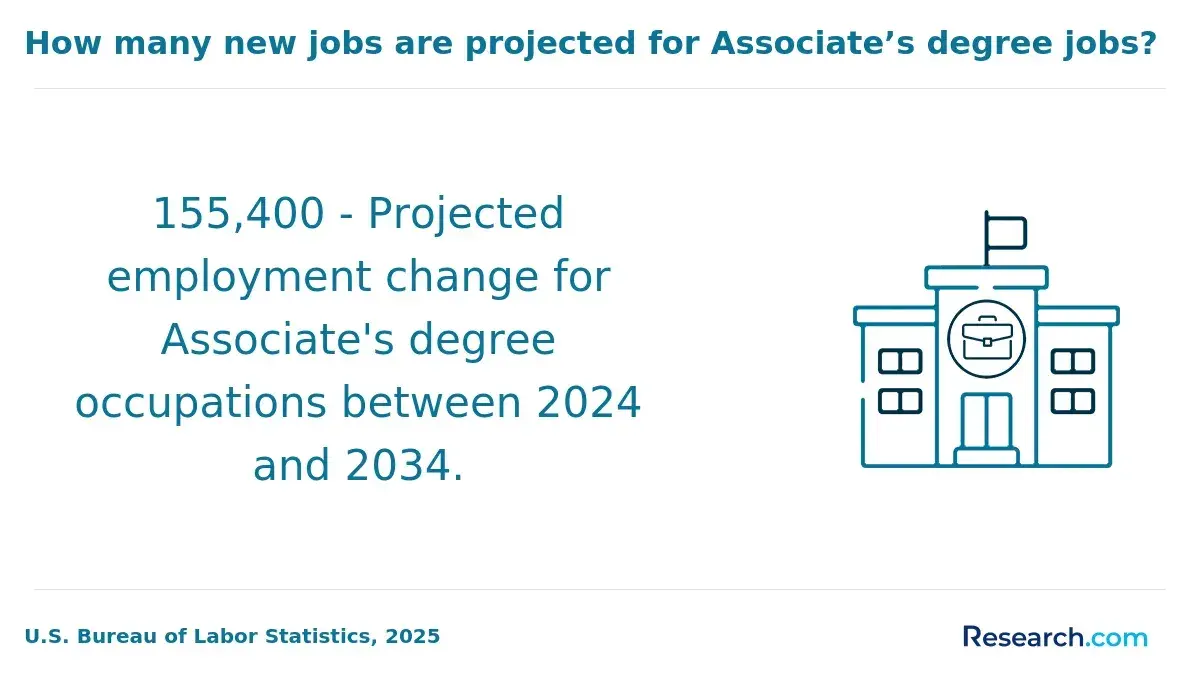
Hiring patterns for environmental science graduates through 2030 will be shaped by a mix of regulatory frameworks, technological advances, and shifting demands for sustainability services. Workforce replacement needs in government roles will sustain foundational openings, while private sector growth aligns with evolving corporate environmental commitments and infrastructure projects.
The interplay between traditional sectors and emerging fields responding to climate change shapes both volume and role diversity. For prospective students and degree holders evaluating enrollment trends, understanding which industries offer realistic pathways requires attention to skill alignment and geographic flexibility. Below are key industry sectors projected to drive the strongest hiring for environmental science graduates by 2030.
- Government Agencies: The largest demand is expected across federal, state, and local agencies managing regulatory compliance, environmental impact assessments, and conservation enforcement. Entry-level roles often involve fieldwork and data analysis, with advancement toward policy development, requiring strong understanding of environmental law and communication abilities.
- Engineering and Consulting Firms: Private sector growth centers on firms offering environmental remediation, impact analysis, and sustainability solutions. Graduates with technical proficiency in GIS, environmental modeling, and regulatory navigation fit well here. Roles often blend field and office responsibilities supporting ESG reporting and compliance projects.
- Renewable Energy Industry: Accelerated investments in solar, wind, and battery tech drive demand for expertise in land use, habitat protection, and energy-related environmental assessments. Cross-disciplinary knowledge bridging environmental science and energy engineering enhances employability in project development and impact mitigation positions.
- Manufacturing and Waste Management: Stricter environmental regulations require specialists skilled in pollution control, waste reduction, and sustainable production processes. While openings are fewer, jobs may demand higher technical credentials and command stronger salary potential in compliance monitoring and process optimization.
- Corporate Sustainability Departments: Growing ESG commitments prompt hiring of environmental science graduates to lead sustainability reporting, risk assessment, and supply chain audits. Skills in data analytics, stakeholder engagement, and regulatory frameworks increase competitiveness for these roles.
- Academic and Research Institutions: Although hiring volumes may be limited, environmental science graduates with advanced degrees find roles supporting climate studies, policy research, and technology development, often requiring strong quantitative and interdisciplinary research skills.
These top US industries hiring environmental science degree holders through 2030 reflect a landscape in transition, where adaptability to evolving regulations and technological requirements will determine career trajectories. Students should consider how preferences for fieldwork versus analytical roles and regional job market conditions impact accessibility across these sectors.
For those exploring complementary educational pathways, options such as kinesiology courses online offer interdisciplinary insights relevant for certain environmental health specializations, illustrating the value of targeted skill enhancement in a competitive market.
Where Will Demand for Environmental Science Graduates Be Strongest?
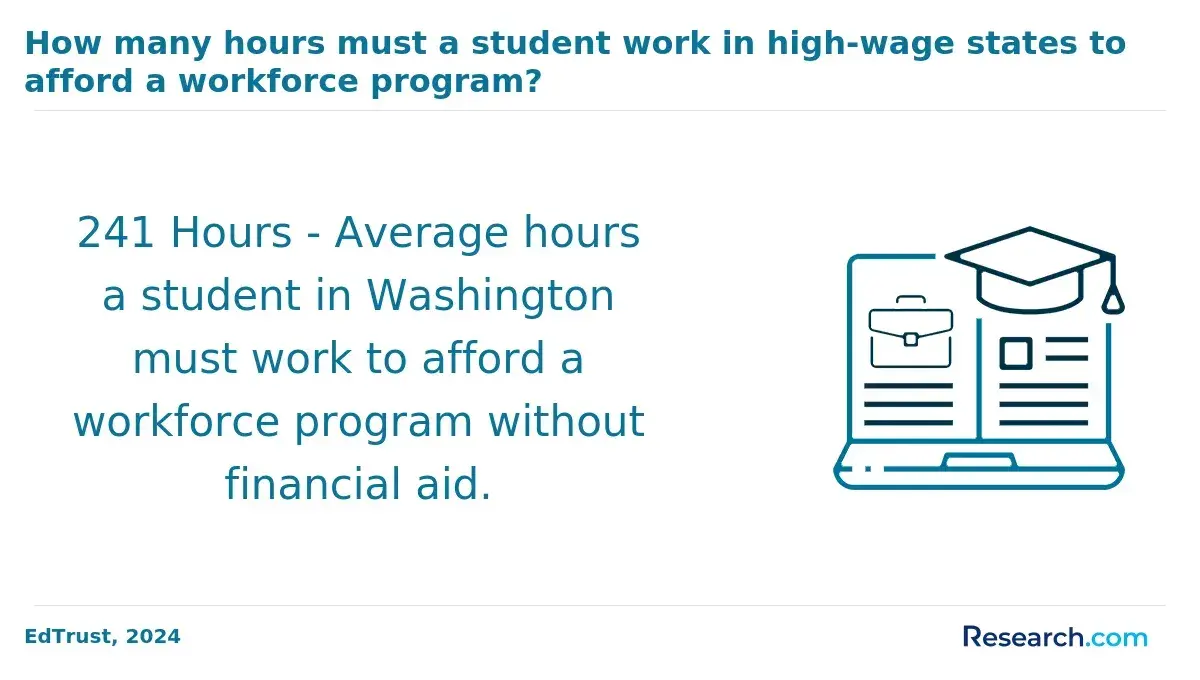
Demand for environmental science graduates is notably concentrated in regions where environmental challenges intersect with strong public policy commitments and market-driven sustainability efforts. States such as California and Washington illustrate this dynamic well; their robust renewable energy initiatives, urban environmental planning, and regulatory frameworks create pockets of higher entry-level salaries but also elevate qualification requirements, often favoring candidates with combined technical and policy expertise.
In contrast, markets like Texas present different opportunities shaped by energy infrastructure and resource management needs, but applicants may face stiffer competition and variable cost-of-living tradeoffs that influence overall job attractiveness. Fields tied to emerging renewable technologies, including solar, wind, and battery storage, show particularly dynamic growth, yet this expansion favors graduates with interdisciplinary skills that integrate environmental science with data analytics or engineering basics.
Sectors such as carbon capture and advanced recycling highlight the increasing importance of specialized competencies beyond traditional environmental knowledge, a reality that steers some students toward additional certifications or dual degrees. Practical experience-internships or fieldwork within regulatory agencies or consulting firms-remains crucial, as employers prioritize candidates who can effectively translate complex data into actionable strategies that comply with evolving environmental laws and localized ecological conditions.
Career prospects fluctuate significantly based on geographic and sector-specific factors like employer density and public investment fluctuations through 2030. High-demand urban centers frequently involve greater applicant pools and higher living costs, which may diminish net employment benefits despite attractive salary figures. Conversely, smaller markets focused on water resource management or waste services often offer steadier demand but require adaptability to regional environmental priorities and operational frameworks.
According to the latest U.S. Bureau of Labor Statistics data, specialized roles in environmental consulting and governmental agencies maintain steady growth, underscoring the need for graduates to balance broad environmental training with targeted expertise tuned to local market dynamics.
Which Environmental Science Specializations Will Be Most in Demand by 2030?
Demand for environmental science professionals is increasingly shaped by practical needs tied to sustainability, regulatory changes, and technological advances. Students choosing specializations should consider not only projected hiring growth but also the distinct skill sets and educational investments each area demands.
For example, climate science specialists often require advanced quantitative training and interdisciplinary fluency to translate complex data into policy, whereas roles in GIS emphasize technical software proficiency. Evaluating how each specialization aligns with long-term career flexibility and industry stability can guide more informed educational decisions.
The following specializations show the strongest hiring prospects through 2030:
- Climate Science Specialists: Growing government and corporate commitments to carbon reduction drive demand for experts skilled in climate modeling, impact analysis, and mitigation strategies. Advanced degrees enhance competitiveness, given the analytical rigor and policy interface in this field.
- Renewable Energy Management: Solar, wind, and energy storage sectors are expanding rapidly, requiring professionals who understand environmental impacts and system efficiencies. Knowledge of clean energy technologies combined with project management skills is increasingly valued.
- Environmental Health and Safety (EHS): Regulatory compliance in public and occupational health underscores steady demand for specialists in pollution control, toxicology, and risk mitigation. Broad interdisciplinary expertise including public health fundamentals strengthens employability.
- Water Resource Management: Addressing scarcity and contamination challenges positions experts in this area as critical for sustainable resource allocation. Proficiency in hydrology and environmental engineering concepts is often expected.
- Environmental Policy and Sustainability Consulting: Corporations are expanding sustainability initiatives, creating opportunities for consultants adept at regulatory navigation and corporate responsibility planning. Strong communication and interdisciplinary skills are essential.
- GIS and Remote Sensing Professionals: Spatial analysis tools serve natural resource management and environmental monitoring, with demand tied to technical expertise in geospatial software and data interpretation. Certifications and hands-on experience increase job market appeal.
The U.S. Bureau of Labor Statistics projects these areas will outperform general environmental science roles in growth and diversification, but students must balance specialization depth against adaptability across industries. For instance, a student choosing between climate science and GIS might weigh the longer educational pathway of climate roles against the more technical but potentially narrower scope of GIS, considering how these decisions affect potential salary trajectories and resilience amid evolving labor market demands.
How Will AI and Technology Affect Environmental Science Careers Through 2030?
Artificial intelligence (AI) and automation are more likely to augment rather than fully automate common environmental science responsibilities through 2030, reshaping workflows without displacing critical human judgment. Routine data collection, modeling, and report generation tasks are increasingly supported by AI tools, enabling professionals to focus on complex analysis and ethical oversight.
An entry-level environmental consultant might rely on AI-driven GIS and remote sensing technologies for preliminary risk assessments but must interpret results within regulatory and community contexts-skills that remain resistant to automation. Professionals who fail to develop technological literacy risk falling behind as employers prioritize hybrid skill sets that integrate programming, machine learning, and domain expertise.
Technological advancements transforming environmental science jobs in the United States are driving shifts in education and hiring criteria, emphasizing interdisciplinary training. Employers seek candidates who combine foundational environmental knowledge with proficiency in AI-enabled forecasting and sustainability metrics, reflecting a premium on adaptability to tech-enhanced workflows. However, sectors like fieldwork and community engagement retain demand for nuanced interpersonal and ethical skills, sustaining a bifurcation in role specialization.
Students and practitioners should critically evaluate programs offering applied projects and certifications in GIS, data analytics, and remote sensing to align with employment growth in tech-focused yet contextually grounded positions. The evolving workforce outlook suggests environmental science enrollment will increasingly favor curricula that balance traditional principles with digital competencies, influencing salary prospects and career longevity. Hiring projections underscore sustained demand but highlight that salary growth will likely favor professionals adept at leveraging AI tools alongside environmental expertise.
Career decisions should weigh the practical integration of emerging technologies, as reflected in comparative analyses like Capella vs Chamberlain RN to BSN, to understand how hybrid competencies affect employability and advancement. Such data-driven insight helps clarify the long-term implications of enrolling in programs that neither overlook technology nor forsake core environmental science foundations.
Is a Environmental Science Degree Worth Pursuing Based on 2030 Projections?
Employment projections for an environmental science degree through 2030 suggest modest growth near 5%, reflecting steady but limited expansion compared with broader labor markets. This outlook highlights the importance of strategic specialization and practical experience, as many roles-particularly in government and nonprofit sectors-offer lower starting salaries than private industry. Students eyeing an environmental science degree should carefully consider the balance between tuition costs, degree completion time, and the credentials required, especially since advanced degrees or certifications increasingly differentiate candidates in competitive markets.
For example, a graduate focusing on environmental policy might face a different trajectory than one with expertise in environmental consulting or technical risk assessment. Future salary trends for environmental science graduates indicate median annual wages around $75,000, but regional and sectoral variances remain significant. Employers often prioritize candidates with advanced technical skills, certifications, or hands-on field experience, underlining the need for career flexibility and ongoing learning.
The sustained interest in environmental science programs means enrollment competition is strong-the supply of graduates could outpace demand in certain locales or specialties, raising risks of underemployment. Prospective students should also explore accredited easiest counseling degree programs for those seeking related fields with distinct career pathways, helping to broaden employment options while maintaining relevance.
References:
- 10 green jobs with strong growth potential | U.S. Green Building Council https://www.usgbc.org/articles/10-green-jobs-strong-growth-potential
- How will Artificial Intelligence Affect Jobs 2025-2030 | Nexford University https://www.nexford.edu/insights/how-will-ai-affect-jobs
- 20 Highest-Paying Environmental Science Jobs in 2025 https://internshala.com/blog/highest-paying-environmental-science-jobs/
- AI's Environmental Impact vs. Its Role in Advancing Jobs in Sustainability? https://leadthechange.bard.edu/blog/ais-environmental-impact-vs.-its-role-in-advancing-jobs-in-sustainability
- Green Jobs Are Booming: What Graduates Need to Know in 2026 https://whali.co.uk/blog/green-jobs-sustainability-careers-graduates
- Department of Environmental Sciences and Policy at CEU https://www.ceu.edu/departments/environmental-sciences-policy
- Top 10 Sustainability Careers for the Future | Tomorrow University https://www.tomorrow.university/blog/top-10-tech-and-ai-careers
- Future of Work: Technology and Climate Change to Redefine Jobs by 2030 https://ecoactivetech.com/future-of-work-technology-and-climate-change-to-redefine-jobs-by-2030/
- Is Now a Good Time for a Career in Environmental Science? https://www.nrep.org/blog/is-environmental-science-a-good-career
- WaterJobsIntel | 500+ Water Engineering Jobs Daily https://jobs.watertechintel.com/blog/environmental-science-job-outlook
Other Things You Should Know About Environmental Science
Many environmental science programs offer both broad, interdisciplinary curricula and specialized tracks such as GIS, environmental policy, or ecology. Students aiming for immediate employability should prioritize programs with strong technical training and applied experience, as employers increasingly value specific skills over general knowledge. Conversely, those pursuing a variety of roles or graduate education might benefit from a broader base but should be prepared to supplement with certifications or internships to remain competitive.
Programs with rigorous fieldwork, lab components, and data analysis tend to be demanding but provide critical skills directly applicable to the job market. Students should expect to invest significant time outside of lectures in research and project work to build their practical capabilities. Choosing programs that integrate internships or partnerships with local agencies often offers clearer pathways to employment, though these opportunities can vary widely and require proactive engagement.
Environmental science employment opportunities concentrate heavily in urban centers with strong environmental regulatory frameworks or natural resources industries, such as California, Washington, or Massachusetts. Graduates in regions with limited environmental sectors often face tougher job markets and may need to relocate or accept positions outside their specialization. Prioritizing programs with strong local employer ties or remote work options can mitigate these constraints.
While entry-level salaries in environmental science may be moderate compared to STEM counterparts, the field offers significant long-term flexibility across sectors like government, consulting, research, and non-profits. Students prioritizing immediate financial returns might consider complementary skills-such as data science or project management-to enhance earning potential. However, those valuing diverse career trajectories and environmental impact should weigh flexibility and growth opportunities more than starting salaries alone.