2027 Environmental Science Affordability by State: Where Students Pay the Most and Least

Co-Founder and Chief Data Scientist
For many prospective environmental science students, the choice between programs in different states comes down to more than just tuition costs. A 2024 National Center for Education Statistics report highlights that average in-state tuition varies by over 40% between states, but when factoring living expenses, those disparities can widen or shrink dramatically. This means a program with lower sticker tuition in one state could be costlier overall due to higher housing or transportation costs. These financial differences influence not only student debt burdens but also post-graduation career flexibility and long-term economic stability.
This article analyzes state-by-state affordability for environmental science degrees, revealing where students face the greatest and least financial barriers to entry.
Key Things to Know About Environmental Science Affordability by State
- States with lower published tuition often have higher living costs, which means the total cost of attendance can exceed that of pricier states, affecting budgeting for environmental science students.
- In-state tuition discounts reflect state funding priorities but may limit workforce mobility; employers increasingly value regional experience, so out-of-state students face higher costs with uncertain local job network benefits.
- Rising student borrowing rates in states with limited scholarships for environmental science majors highlight timing risks; students delaying enrollment may face steeper debt burdens due to insufficient financial aid.
- Key Things to Know About Environmental Science Affordability by State Key Things to Know About Environmental Science Affordability by State
- Which States Have the Most Affordable Environmental Science Degree Programs? Most Affordable State Programs
- Which States Have the Highest Environmental Science Degree Costs? Highest State Tuition Costs
- How Much Does a Environmental Science Degree Cost by State? Degree Costs by State
- Why Does Environmental Science Affordability Vary So Much Between States? State Affordability Variations
- How Do In-State and Out-of-State Tuition Rates Affect Environmental Science Affordability? In-State vs. Out-of-State Rates
- How Does the Cost of Living Impact Overall Environmental Science Affordability by State? Living Costs and Affordability
- Which States Offer the Best Value for a Environmental Science Degree? Best Value State Degrees
- What Financial Aid and Scholarship Opportunities Can Reduce Environmental Science Costs? What Financial Aid and Scholarship Opportunities Can Reduce Environmental Science Costs?
- Are Online Environmental Science Degree Programs More Affordable Than On-Campus Options? Are Online Environmental Science Degree Programs More Affordable Than On-Campus Options?
- Is a Environmental Science Degree Worth the Cost Based on Career Outcomes and ROI? Degree ROI and Outcomes
Which States Have the Most Affordable Environmental Science Degree Programs?
States that consistently offer more affordable environmental science degree programs typically do so through a combination of strategic public funding priorities, tuition pricing policies, and cost-of-living advantages. For instance, Wyoming's public universities benefit from substantial mineral revenue, allowing them to maintain average in-state tuition around $6,000 annually-significantly below the national average-thereby reducing the financial barrier for resident students. This dynamic means that a student relocating to Wyoming to pursue an environmental science degree might lower their direct education expenses substantially but must also weigh living costs and available support services, which can differ markedly by region. Such financial factors can have practical implications on enrollment decisions and the feasibility of degree completion, especially when balancing the tradeoffs between lower tuition and access to program quality or post-graduate opportunities.
Affordability in environmental science colleges by state also hinges on residency policies and regional economic conditions, which affect tuition differentials and living expenses. New Mexico, for example, offers relatively modest in-state tuition combined with reasonable out-of-state rates, providing some flexibility for students able to establish residency or engage in regional reciprocity agreements. Furthermore, states like North Carolina extend this affordability by integrating established online programs that slash housing and commuting costs, making them attractive to non-traditional or remote students. For those comparing programs, understanding how these structural factors interact-tuition pricing, public subsidies, and educational infrastructure-helps clarify why certain states provide more financially accessible pathways and influence long-term educational value. Prospective students should also consider exploring related cost-saving options evidenced in the best online MSW programs for transferable strategies in balancing affordability and quality.
Which States Have the Highest Environmental Science Degree Costs?
Higher education costs for environmental science degrees tend to cluster in states where urban living expenses and public funding shortfalls intersect. Regions with expensive housing markets and dense metropolitan areas, such as parts of California and New York, push room, board, and transportation costs well beyond national averages, inflating the overall financial burden on students. Concurrently, reduced per-student state appropriations compel research-driven universities with specialized environmental science programs to raise tuition, especially for out-of-state enrollees who often pay premium rates. Students weighing education choices must factor in these layered costs against potential benefits like access to cutting-edge research facilities and local job markets, mindful that in states with fewer affordable public options, paying more might be the only viable path to relevant credentials.
A critical implication involves residency status and program availability, which can sharply alter affordability and career prospects. Some students relocate to states with multiple public institutions offering environmental science to avoid high private school costs or out-of-state premiums, and others negotiate online or hybrid program options to reduce living expenses. However, this strategy introduces tradeoffs in campus resources, networking opportunities, and regional labor market integration, which employers increasingly value in environmental fields driven by local ecological and regulatory concerns. According to the National Center for Education Statistics, the average total cost of attendance for out-of-state students at public universities in these costly states frequently exceeds $40,000 annually, underscoring why financial planning and program selection require careful regional cost-benefit analysis.
A student from a coastal state recounted hesitating between a high-priced university renowned for its environmental science research and a less costly in-state public program. Their search included scrutinizing tuition differences shaped by residency rules and factoring in moving expenses, potential financial aid, and the practical relevance of local internship opportunities. Although initially drawn to the prestige of the out-of-state institution, concerns about debt and uncertain return on investment led them to value the in-state option's balance of cost, curriculum, and access to regional environmental agencies. This reflective approach helped them navigate competing financial and academic priorities without assuming that the most expensive option would automatically yield the best career outcomes.
How Much Does a Environmental Science Degree Cost by State?
State-level differences in tuition and fees for environmental science degrees often drive critical financial decisions for students weighing where to enroll. For instance, public four-year institutions in states like Wyoming charge around $6,000 annually for in-state students, while states such as Vermont see fees surpassing $15,000, according to IPEDS 2024 data. This gap becomes even more pronounced when factoring in out-of-state tuition, which can double or triple expenses, pushing some students to consider whether relocating or pursuing nearby programs aligns better with their budget and long-term debt strategy.
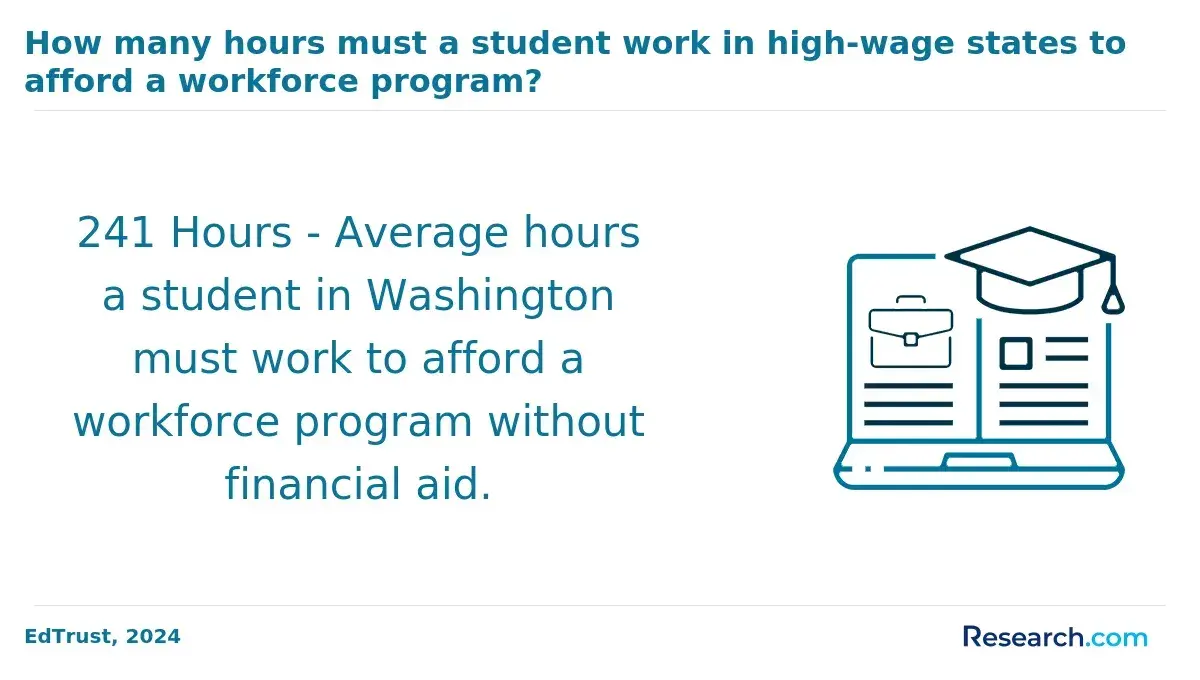
Private universities typically impose substantially higher costs-sometimes exceeding $40,000 yearly-making them less accessible unless offset by scholarships or assistantships tied specifically to environmental science departments. Regional economic conditions also influence cost of living, a crucial but often overlooked component of total educational expenses. For example, studying in Massachusetts or Washington involves significantly higher housing and transportation costs compared to many Midwestern or Southern states, which can offset tuition savings and affect a student's ability to balance work and study commitments.
Variations in state funding for public institutions and available financial aid further complicate enrollment choices by shaping net price outcomes beyond sticker costs. Students must evaluate these financial realities alongside program specialization and local industry connections because employer expectations favor not only academic credentials but also relevant field experience. Such factors mean cost-conscious learners frequently weigh on-campus versus online options, in-state residency status, and institutional support to optimize affordability while maintaining competitive employability within a shifting environmental science job market.
Why Does Environmental Science Affordability Vary So Much Between States?
Variations in environmental science degree cost differences by state often stem from complex funding structures and institutional compositions. States like Wyoming and New Mexico, according to 2024 data from the National Center for Education Statistics, allocate higher per-student public funding, reducing tuition burdens for local residents. In contrast, states with lower subsidies such as California or New York compensate with higher tuition fees, often exacerbated by a greater presence of private institutions that lack robust state support. This dynamic forces students to weigh in-state affordability against private institution levels, impacting long-term financial planning and potential transfer decisions for budget-conscious learners.
Residency policies and local living costs also influence these affordability gaps. States with significant in-state tuition discounts-sometimes exceeding 50% off out-of-state rates-offer a distinct advantage to residents, while others rely more heavily on out-of-state enrollments, raising fees for nonresidents and occasionally straining access for locals. High living expenses in urbanized areas like Massachusetts further inflate the total cost of attendance, prompting some students to consider online alternatives or programs in lower-cost states. These factors shape enrollment behavior and program demand, requiring careful evaluation of tuition versus ancillary expenses among students navigating environmental science tuition variation across states.
Financial aid availability and enrollment trends add additional layers of complexity. Institutions facing declining enrollment may increase tuition to balance budgets, disproportionately affecting affordability and accessibility. Students are encouraged to consider not only sticker price but also how state policy choices and institutional pricing strategies influence economic feasibility. For those comparing options, exploring related fields such as an MSW degree can also provide alternative pathways when weighing the long-term cost and employability impact of environmental science education.
How Do In-State and Out-of-State Tuition Rates Affect Environmental Science Affordability?
Residency-based tuition policies significantly influence the financial feasibility of pursuing an environmental science degree, often altering a student's ability to access quality programs without incurring substantial debt. Public universities typically offer sharply discounted rates for in-state students-averaging around $10,500 annually at four-year institutions per 2024 NCES data-while out-of-state learners frequently face costs that can more than double, surpassing $27,000. This disparity compels many to weigh the benefits of moving to establish residency versus enrolling in potentially less specialized local programs or leveraging regional reciprocity agreements, which can provide critical tuition relief without full residency status. For students unable to qualify for in-state tuition or such agreements, online environmental science programs with fixed tuition rates present a pragmatic alternative, moderating expenses amid limited geographic mobility.
The complex interplay between state funding priorities and aid availability means financial planning for environmental science degrees must consider more than tuition sticker price; room and board, fees, and the likelihood of receiving institutional grants vary considerably across regions. Private institutions avoid residency distinctions but often have higher base costs, which require a nuanced comparison against scholarships and net price calculators. Practically, students benefit from carefully assessing local residency reclassification policies, timing of enrollment, and reciprocal agreements such as the Western Undergraduate Exchange to optimize affordability. Understanding these factors can help balance educational quality, access to specialized fields, and long-term financial sustainability in career planning.
One recent graduate recalled hesitantly choosing an out-of-state public university after a family relocation left residency status unclear for her first year. She later learned that her initial out-of-state tuition nearly doubled her education expenses compared to peers, forcing tight budgeting and seeking off-campus housing further from campus to save money. Although eventually qualifying for in-state tuition, the early cost hit shaped her financial outlook throughout the degree. Reflecting on the experience, she noted how awareness of reciprocity agreements beforehand and proactive residency applications might have eased the burden and influenced her institutional choice more confidently.
How Does the Cost of Living Impact Overall Environmental Science Affordability by State?
Housing costs profoundly shape the financial burden of pursuing an environmental science degree, often outweighing tuition differences across states. For example, a student in California might pay two to three times more for monthly rent than one in Mississippi, drastically shifting the total expense despite similar tuition fees. These regional cost-of-living and environmental science tuition affordability challenges require students to weigh housing, transportation, and food costs carefully; in high-cost states, even lower tuition can be offset by elevated daily expenses. Such disparities influence choices about living arrangements, commute methods, and whether to attend school in-person or explore alternatives like online courses.
Transportation costs further complicate budget considerations, as urban versus rural enrollment decisions markedly affect commuting expenses and time. Students in sprawling metropolitan areas typically face higher transit fares or car-related costs, while those in rural locations might endure longer commutes but lower fares. Healthcare and food inflation also differ by region, adding layers to the overall budget calculation that students often underestimate. Understanding the cost of living effect on environmental science education expenses by state can shape decisions on financial aid needs, potential debt levels, and off-campus work feasibility, all crucial for managing long-term educational investments. Budget-conscious students might explore options such as the growing availability of paralegal courses online to supplement income without compromising study time, illustrating how cross-disciplinary strategies can support financial stability during their degree program.
Which States Offer the Best Value for a Environmental Science Degree?
Evaluating the true value of an environmental science degree requires more than comparing sticker prices; it hinges on understanding the interplay between in-state tuition policies, completion rates, and regional labor markets. For instance, while Midwestern states like Iowa and Wisconsin offer lower in-state tuition averaging near $9,000 annually and higher four-year graduation rates above 55%, these factors collectively reduce the overall cost and time invested, increasing the degree's return. In contrast, states with higher tuition fees such as California and New York, where annual public tuition can range from $15,000 to $18,000, pose greater financial risk as the burden of student debt-often exceeding $30,000-can negate the benefit of higher starting salaries if graduation takes longer or employment prospects fluctuate.
Students must also factor in state-level public funding, financial aid availability, and cost of living differences, which significantly impact affordability and access. States like North Carolina and Texas demonstrate how expanded funding and scholarships can complement moderate tuition fees (generally between $8,000 and $11,000 annually), creating a more balanced financial picture while supporting growing environmental job sectors tied to energy and urban planning. Moreover, aspiring professionals should weigh the implications of relocating for more affordable education against potential eligibility challenges for in-state tuition or local job markets post-graduation. Data from the National Center for Education Statistics and College Scorecard in 2024 suggest that where students choose to enroll can decisively affect both debt load and employment trajectory, underscoring that the lowest cost option may not always translate into the most advantageous long-term investment in environmental science education.
What Financial Aid and Scholarship Opportunities Can Reduce Environmental Science Costs?
Federal financial aid, particularly Pell Grants, remains a critical factor in reducing the net cost of an Environmental Science degree, with about 30% of undergraduates in these fields benefiting from this need-based support according to the National Center for Education Statistics (2024). However, relying solely on federal aid paints an incomplete picture, as state-specific grant programs can substantially alter affordability depending on residency. For instance, California's Cal Grant or New York's Tuition Assistance Program offer significant reductions in out-of-pocket expenses, but their strict residency and income eligibility criteria force many students to weigh the financial implications of relocating or choosing out-of-state programs carefully.
Institutional scholarships and merit-based awards also shape cost dynamics but are unevenly distributed and often linked to academic or leadership achievements in environmental initiatives, which emphasize non-financial tradeoffs for applicants. Additionally, tuition reciprocity agreements between bordering states can provide lower rates for out-of-state residents, though they often exclude part-time or non-traditional students, restricting access despite geographic proximity. Employer-sponsored tuition assistance offers another avenue, primarily for current employees in sustainability roles, intertwining financial aid with ongoing employment and potentially sidelining those entering the field anew. These complexities underscore the importance of proactively navigating varying eligibility rules, renewal conditions, and aid stacking policies across states and institutions to optimize long-term educational investment strategies in Environmental Science.
Are Online Environmental Science Degree Programs More Affordable Than On-Campus Options?
Online environmental science degree programs do not uniformly offer lower costs compared to on-campus options; affordability depends heavily on tuition policies, residency status, and associated fees. While online tuition can be 15-25% lower, students from out-of-state often face higher rates even for online enrollment, which reduces expected savings. Additionally, technology-related expenses and limited institutional aid for online students can offset tuition discounts. For example, a working adult may benefit financially from continuing their job remotely while studying online, but must weigh this against potential costs like upgrading hardware or paying premium internet fees.
The cost differences between in-state and out-of-state environmental science programs are significant factors in assessing affordability. Traditional students incur housing, meals, transportation, and campus fees varying by location, which can substantially increase total costs beyond tuition. Online learners avoid many living expenses but may miss out on in-person resources that support long-term employability, affecting the return on investment. Enrollment status and program design further complicate cost comparisons, as part-time online study may spread expenses over time but delay degree completion.
Prospective students balancing cost and career outcomes should consider how individual circumstances affect true affordability and value. Some regions have more favorable tuition structures for online programs, influencing whether online or on-campus study is more economical. When exploring options, budget-conscious learners might also examine admissions criteria and financial aid availability at institutions, including those offering online graduate schools with low GPA requirements, to optimize access and cost-effectiveness in earning a degree in Environmental Science.
Is a Environmental Science Degree Worth the Cost Based on Career Outcomes and ROI?
Determining the value of an environmental science degree involves more than just tuition costs-it requires assessing career outcomes relative to geographic and institutional variability. For example, graduates in states with robust environmental industries or policies often experience faster loan repayment and higher salary stability, reflecting regional demand influence on environmental science degree career outcomes in the United States. Conversely, in states with high tuition and living expenses like California and New York, the larger debt burden can diminish ROI unless offset by local job market strength. Students should weigh these factors alongside graduation rates and the availability of internships or advanced specialization to better understand how their chosen program aligns with workforce realities.
Beyond simple cost comparisons, evaluating the long-term return on investment for environmental science graduates by state means accounting for opportunity costs, geographic mobility, and program rigor. Many careers in this field increasingly favor graduate education, which can enhance salary prospects but also delay earnings and increase educational expenses. Budget-conscious students must consider how debt levels-often averaging $25,000 to $35,000 nationally-and job market demand balance with non-financial benefits such as job satisfaction. Those uncertain about research or advanced degrees might explore online doctoral programs without dissertation as alternative pathways to maintain career flexibility and minimize upfront costs.
References
- 216 Best Environmental Sciences courses In the USA 2026 https://www.hotcoursesabroad.com/study/training-degrees/us-usa/environmental-sciences-courses/loc/211/cgory/b3-3/sin/ct/programs.html
- Determinants of the expenditure side of environmental federalism – panel data research on countries in Europe https://ekonomiaisrodowisko.pl/journal/article/view/601
- Advancing affordability through climate ambition: How states can cut costs while cutting pollution https://blogs.edf.org/climate411/2025/09/23/advancing-affordability-through-climate-ambition-how-states-can-cut-costs-while-cutting-pollution/
- 2025 Most Affordable Online Environmental Science Degrees https://www.onlineu.com/most-affordable-colleges/environmental-science-degrees
- 20. Economics of the environment https://books.core-econ.org/the-economy-v1/book/text/20.html
- Affordability Is Everywhere - Legal Planet https://legal-planet.org/2026/03/13/affordability-is-everywhere/
- Climate Change and the Cost of Living https://terrain.org.au/climate-change-and-the-cost-of-living/
- Cost of Online College vs. Traditional | Champlain College Online https://online.champlain.edu/blog/cost-of-online-education-vs-traditional-education
- Top 60 Environmental Science Scholarships to apply for in 2025 https://bold.org/scholarships/by-major/environmental-science-scholarships/
- Exploring The Impact Of Climate Change Policies On Energy Affordability https://www.kapsarc.org/our-offerings/publications/exploring-the-impact-of-climate-change-policies-on-energy-affordability/
Other Things You Should Know About Environmental Science
States with stricter environmental policies often integrate regulatory compliance and local ecosystem management into their environmental science curricula. This means that students in these states may gain more hands-on experience with real-world regulatory frameworks, enhancing job readiness in public sector roles. Conversely, programs in states with less stringent regulations might focus more on broader theoretical or applied science aspects, which can limit immediate applicability in compliance-driven positions but may foster versatility for private sector or research careers.
While lower tuition can make a program more affordable upfront, prioritizing states with stronger research ecosystems and industry connections can lead to better post-graduation outcomes. Programs anchored in states with abundant research funding or robust environmental sectors often provide critical internships and networking opportunities that improve employability. For students balancing tight budgets, it's advisable to weigh the potential mid-term gains from experiential learning against tuition savings to optimize career trajectories.
Faculty specialization often mirrors regional environmental challenges, meaning some states have programs led by experts in coastal ecosystems, while others focus on arid land resource management. This specialization affects curriculum relevance and research opportunities, impacting a student's ability to tailor their education to desired career fields. When affordability drives state choice, students should consider if the faculty's expertise aligns with their professional goals to avoid compromising their educational value despite lower costs.
More affordable environmental science programs, especially in states with higher demand for graduates, can sometimes have heavier course loads or compressed timelines to contain costs. This can increase stress and require greater time management skills, potentially limiting the ability to work or engage in extracurricular opportunities. Students should assess workload expectations alongside tuition affordability to ensure they can maintain academic performance and practical experience without burnout, which ultimately affects degree completion and professional readiness.