2027 Environmental Science Salary Trends Report: Are Wages Keeping Up With Tuition and Inflation?

Co-Founder and Chief Data Scientist
A prospective environmental science student weighs the escalating tuition fees and wonders if the financial payoff of this degree will justify the investment. With inflation pushing up living costs simultaneously, estimating future salary gains against current and projected educational expenses becomes complex. This challenge intensifies as wage growth, tuition increases, and inflation rates rarely rise in sync, obscuring the real value of the degree over time.
Comparing graduate salaries solely to tuition costs ignores purchasing power shifts and inflation's erosion of income. A clear understanding of long-term earning potential requires analyzing these factors together to assess affordability and return on investment. This article examines environmental science salary trends, tuition costs, inflation, and the economic forces shaping the financial value of this degree for those planning their education and career paths.
Key Things to Know About Environmental Science Salary Trends
- Graduate wages in environmental science grew 4.2% in 2023, lagging behind inflation at 5.5%, signaling shrinking real income that demands strategic career planning post-degree.
- Rising tuition fees averaging 6% annually outpace most environmental science salary growth, implying graduates must weigh debt levels against typically moderate starting salaries.
- Specialization in climate modeling or environmental policy correlates with a 15% higher median wage after five years, highlighting targeted skills as critical for long-term earning potential.
- Key Things to Know About Environmental Science Salary Trends Key Things to Know About Environmental Science Salary Trends
- What Is the Current Salary Outlook for Environmental Science Graduates? Salary Outlook
- Are Environmental Science Salaries Keeping Up With Inflation? Inflation Impact
- How Do Tuition Costs Compare With Environmental Science Salary Growth? Tuition vs Salary
- Does a Environmental Science Degree Deliver a Positive Return on Investment? Degree ROI
- Which Industries Offer the Highest Salaries for Environmental Science Graduates? Which Industries Offer the Highest Salaries for Environmental Science Graduates?
- Which States and Cities Offer the Highest Pay for Environmental Science Professionals? Which States and Cities Offer the Highest Pay for Environmental Science Professionals?
- How Do Environmental Science Salaries Grow Throughout a Career? Career Growth
- How Do Environmental Science Salaries Compare With Similar Degrees? Salary Comparison
- How Is Employer Demand Affecting Environmental Science Salary Trends? Employer Demand
- How Can Students Maximize Their Lifetime Earnings With a Environmental Science Degree? Maximizing Earnings
What Is the Current Salary Outlook for Environmental Science Graduates?
Environmental science graduate salary trends reveal a nuanced reality where entry-level wages vary significantly based on sector and location. For instance, a graduate working for a government agency or nonprofit might start near $50,000, while another in the private sector, such as a consulting or energy firm, could command salaries closer to $65,000.
This divergence highlights the influence of employer type and regional demand on initial pay. However, the median annual wage for environmental scientists generally hovers around $79,000, according to the latest figures from the U.S. Bureau of Labor Statistics, signaling a steady baseline though not always keeping pace with rising tuition costs and inflation pressures.
Consider two graduates with identical environmental science degrees: one opts for an entry-level role in a nonprofit where salary growth is slower, whereas the other pursues advanced certifications and joins a private firm investing in green technology, unlocking higher earning potential over time. This scenario underscores the importance of career trajectory and long-term planning rather than focusing solely on initial earnings.
The field's job demand and opportunities for advancement hinge on emerging sustainability efforts and evolving environmental regulations, factors that can enhance salary progression for those with specialized skills or graduate degrees.
Prospective students must weigh environmental science wages versus tuition inflation carefully, especially since education costs have outstripped typical salary growth. Inflation has averaged 4-5% recently, while tuition rose around 6% over two years, narrowing financial returns for new graduates. Still, pursuing further education or certifications may cushion these effects, making salary gains more competitive with other fields.
For context on earning potential across majors, exploring studies on the most lucrative college degrees can help clarify how environmental science fits within the broader economic landscape of STEM careers.
Are Environmental Science Salaries Keeping Up With Inflation?
Nominal wage increases in environmental science occupations during recent years have not consistently translated into improved purchasing power due to inflation. Median salaries for environmental scientists and specialists rose roughly 4.8% from 2020 to early 2024, yet annual inflation rates reported by the U.S. Federal Reserve often outpaced this growth, ranging between 4% and 7%.
For instance, a graduate starting at $73,000 in 2020 who received this nominal increase now effectively earns less when accounting for rising costs of essentials such as housing, healthcare, and education, which significantly erode real income despite apparent salary growth. This dynamic reveals how environmental science salary growth versus inflation is a critical factor for students and career changers assessing the true value of entering the field.
When considering whether environmental science wages are keeping pace with tuition, it is essential to recognize that rising college costs further complicate the financial outlook. Average STEM-related tuition fees have increased at a rate higher than general inflation, intensifying the burden of education debt on recent graduates.
For example, a prospective student comparing degrees might find that the slower real wage growth in environmental science does not offset the rising expenses, thus requiring careful evaluation of long-term financial return. Those interested in cost-effective educational options could benefit from exploring the cheapest EdD online programs as part of a broader strategy to minimize debt while pursuing advanced qualifications.
How Do Tuition Costs Compare With Environmental Science Salary Growth?
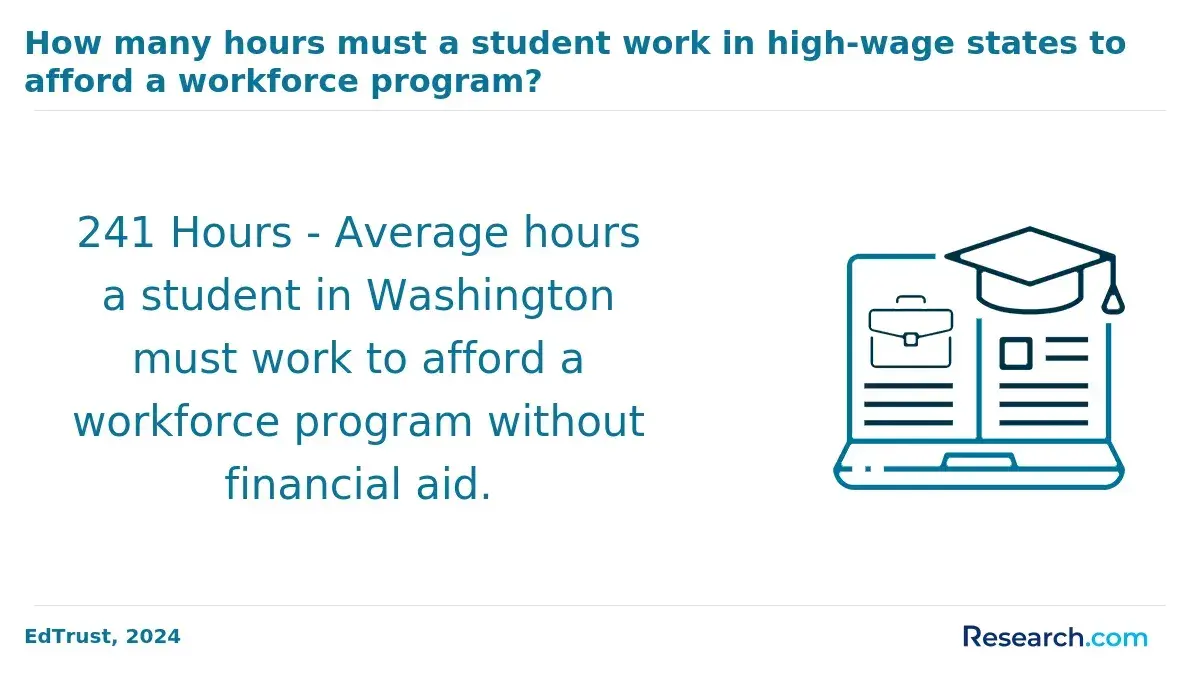
The financial value of an environmental science degree becomes clearer when tuition costs are weighed against salary growth rather than considered separately. For instance, tuition at public four-year institutions rose from about $8,000 annually in 2014 to over $11,500 in 2024, representing a near 44% increase according to the College Board.
In contrast, median starting salaries for environmental science graduates, reported by the U.S. Bureau of Labor Statistics and NACE, have only grown by roughly 15% during the same period, with mid-career earnings averaging around $70,000. This gap highlights that the cost burden is intensifying faster than the corresponding income returns, suggesting that students face greater financial pressure relative to their earning potential over time.
Consider two students entering similar public programs a decade apart: the 2014 entrant paid significantly less in tuition but now may earn a lower relative return on that investment compared to the 2024 entrant, who shoulders higher upfront costs but might access different job markets or additional credentials to enhance earning potential.
Such factors-ranging from inflation, regional labor demands, to evolving skill requirements-can shift this balance individually, underscoring that tuition-to-salary dynamics are not uniform. Evaluating these trends together provides a more meaningful perspective than isolated tuition or salary figures alone, guiding students to plan realistically for debt implications and career trajectories in environmental science.
One recent graduate recalls hesitating to enroll right after receiving the 2024 tuition rates and comparing those costs with entry-level salary data. With limited financial aid, they worried whether the higher debt would be offset by future earnings, prompting them to pursue internships and certifications to enhance employability. This cautious approach reflected a recognition that rising tuition outpaced salary growth, meaning that earning potential needed proactive bolstering to justify the investment in the degree.
The graduate describes that recalibrating expectations early helped manage stress about debt repayment and improved long-term financial confidence despite the challenging economic tradeoffs inherent in environmental science education today.
Does a Environmental Science Degree Deliver a Positive Return on Investment?
Evaluating the return on investment (ROI) for an environmental science degree involves weighing the total costs of education-tuition, fees, and opportunity costs-against the long-term financial and professional benefits it can produce. Rather than focusing solely on entry-level salaries, which average around $48,000 and often lag behind escalating tuition fees, ROI should encompass career growth, salary progression, and sector demand.
For example, a recent graduate entering a mid-tier consulting firm may initially face tight budgets, but with five to ten years of experience and relevant certifications, their median salary can rise to $75,000 or more, nearing or exceeding inflation-adjusted wages in comparable disciplines. This trajectory reflects broader industry trends where sustainability and regulatory compliance continually drive job stability and wage expansion.
Long-term ROI hinges significantly on how individuals leverage their degree alongside ongoing education and credentials, as well as the sectors they enter-government roles or environmental technology companies often offer more robust salary growth than entry-level positions in non-profits.
According to studies from the Georgetown University Center on Education and the Workforce and labor data updated in 2024, professionals in environmental science see notable gains in mid-career earnings, underscoring that the degree's financial payoff materializes progressively rather than immediately.
However, this return varies with economic conditions, geographic location, and personal career choices, emphasizing the importance of a strategic approach to education and employment decisions rather than expecting immediate high earnings.
Ultimately, those considering an environmental science degree must recognize that ROI is not a static figure but a dynamic calculation shaped by tuition inflation, labor market shifts, and individual professional development. While upfront costs have surged by over 30% in the past decade, leading to weaker early-stage financial returns, the field's evolving relevance to climate policy and sustainability initiatives supports a cautiously optimistic outlook for graduates willing to invest in their long-term career paths.
Which Industries Offer the Highest Salaries for Environmental Science Graduates?
Salary prospects for environmental science graduates vary significantly across industries, reflecting differences in technical complexity, regulatory environments, and economic stakes. Data from authoritative sources like the U.S. Bureau of Labor Statistics in 2024 identify several sectors where environmental science professionals can expect premium compensation.
Strong earning potential often correlates with specialized expertise, the ability to manage compliance challenges, and a direct impact on high-value projects. For students assessing a degree in environmental science, considering these factors alongside rising tuition and inflation is critical.
Below are key industries that typically offer the highest salaries for environmental science graduates:
- Energy Sector: This includes oil and gas extraction as well as renewable energy, where professionals address complex environmental regulations and operational risks. The demand for environmental scientists who optimize sustainable resource use and ensure compliance drives above-average salaries, particularly in roles like environmental compliance manager and sustainability analyst.
- Environmental Consulting: Consulting firms advising corporations and governmental bodies on impact assessments, regulatory compliance, and sustainability strategies pay well due to the direct role employees play in mitigating environmental risk. Skills in project management, data analysis, and policy interpretation enhance earning potential in this competitive field.
- Government Agencies: Federal and state governments offer roles in environmental policy, enforcement, and research. Though initial pay can trail private industry, benefits and steady raises contribute to long-term financial stability. Positions related to environmental health and regulatory oversight are especially prevalent.
- Mining and Manufacturing: Environmental compliance and remediation efforts in these sectors require experts capable of managing pollution control and health standards. Higher salaries reflect the critical nature of environmental oversight in industries with significant ecological impacts.
- Technology and Engineering Firms: Companies focused on environmental monitoring, data analytics, and green infrastructure provide lucrative opportunities for graduates with STEM skills. Roles frequently intersect with software development, GIS analysis, and engineering design, rewarding those with interdisciplinary expertise.
According to the latest industry salary rankings related to environmental science in the United States, energy and consulting sectors consistently top income charts, underscoring their economic influence and regulatory complexity.
Prospective and current students should evaluate these trends carefully alongside educational costs, possibly leveraging an online project management degree or similar credentials to complement their environmental science expertise for broader career flexibility.
Which States and Cities Offer the Highest Pay for Environmental Science Professionals?
Geographic location significantly shapes the earning potential for environmental science professionals, especially for those balancing starting salaries against living expenses.
High-paying regions often coincide with strong industry presence and specialized demand, yet these come paired with costs that can erode take-home pay and overall financial security. Evaluating where to work requires weighing immediate income gains against housing prices, taxes, and career growth prospects over time.
The following list highlights key states and metropolitan areas offering the highest compensation as of 2024, along with practical considerations for students and early-career professionals:
- California: Leading in average salaries surpassing $90,000 annually in major hubs like San Francisco and Los Angeles, California benefits from a vast economy anchored in technology, environmental consulting, and stringent regulatory frameworks. However, the steep cost of living and housing market volatility can substantially reduce net financial gains despite high pay.
- Massachusetts: Boston and its surrounding areas command salaries often exceeding $85,000 due to a concentration of research institutions, government bodies, and consulting firms focused on environmental science. While the market offers rich opportunity, living expenses and state tax rates require careful budgeting for long-term stability.
- Texas: Cities such as Houston and Dallas provide competitive wages between $80,000 and $85,000, driven by energy industries and growing environmental regulations. The generally lower cost of living compared to coastal metros offers a tangible benefit for professionals looking to build savings without sacrificing income.
- Washington, D.C. Metro Area: Home to federal agencies and nonprofits, this region features average pay above $88,000, reflecting a demand for policy and regulatory expertise. The substantial salaries must be balanced against higher housing costs and regional taxes, with career advancement often linked to government or advocacy roles.
- Seattle: Competitive salaries here stem from tech-driven environmental initiatives and sustainability projects, positioning the city as an attractive choice for professionals seeking innovation and higher wages. Yet, rising living costs and urban density pose challenges that should inform career and lifestyle decisions.
How Do Environmental Science Salaries Grow Throughout a Career?
Environmental science salaries typically start near a median of $60,000 for entry-level roles, with gradual increases during the first five years as professionals gain foundational experience. By mid-career-usually between 10 to 15 years-earnings often rise to a range of $80,000 to $95,000, influenced not only by tenure but also by additional credentials such as master's degrees and specialized skills in areas like climate modeling or sustainability consulting.
At the senior stage, after two decades or more, salaries commonly reach between $100,000 and $130,000, particularly for those in leadership roles or employed by federal agencies and consulting firms. However, this growth does not always outpace inflation or escalating education costs, underscoring the need for strategic career planning beyond initial degree attainment, as shown in 2024 data from the U.S. Bureau of Labor Statistics.
Consider two graduates entering the field with identical environmental science degrees. One advances quickly by earning an advanced degree and focusing on emerging sectors like environmental law, positioning themselves for higher pay and leadership opportunities. The other remains in entry-level consulting roles, gaining experience but limited by fewer credentials and niche expertise, resulting in slower salary progression.
Factors such as ongoing education, networking for leadership opportunities, and specialization in growth areas heavily impact long-term earnings, often more so than years of experience alone. This evidence-based pattern suggests that financial outcomes depend as much on proactive career decisions as on initial qualifications.
One graduate recalls hesitating to pursue a master's degree amid high tuition fees and uncertain salary gains. After noticing mid-career colleagues with advanced qualifications earning significantly more, they chose to enroll part-time while working, focusing on sustainability consulting skills.
This decision proved pivotal, leading to a senior role within a federal agency and a salary increase that finally outpaced inflation. Their experience highlights how deliberate professional development and sector focus can transform the theoretical salary trajectory into a financially sustainable career pathway.
How Do Environmental Science Salaries Compare With Similar Degrees?
Environmental science salaries reflect a balance between multidisciplinary skills and market demand in sustainability and regulatory sectors. Although entry-level pay is modest compared to some technically specialized fields, the field offers steady growth aligned with increasing emphasis on climate policy and environmental compliance. Prospective students weighing the cost of tuition against earnings should consider how environmental science fares versus other similar degrees.
Below are key comparisons that illustrate these salary dynamics alongside typical career paths:
- Environmental Engineering: Environmental engineering graduates generally start with higher median salaries, around $68,000, due to their specialized technical skill set in designing solutions for environmental challenges. Careers often involve infrastructure, waste management, and compliance engineering, justifying the premium. The upfront salary advantage can offset higher tuition costs associated with this demanding discipline.
- Geology: Geology graduates earn median starting salaries near $60,000, slightly above environmental science. Their work often focuses on resource extraction, earth processes, and environmental consulting. The overlap with environmental science can lead to similar mid-career earnings, though geology's niche applications usually command a moderate salary edge initially.
- Biology: Biology degrees typically begin with lower median salaries around $52,000, as careers focus more on research, conservation, or academic tracks with slower initial income growth. However, the diverse career paths sometimes mean less predictable salary trajectories compared to environmental science's alignment with growing sustainable industries.
Mid-career environmental science professionals can expect salaries climbing into the $80,000-$90,000 range, a competitive position within related STEM environmental fields.
For those concerned about educational costs amidst rising inflation, exploring options such as a cheapest online MBA can supplement career options that build on an environmental science background. Considering these factors helps clarify the long-term salary tradeoffs inherent in choosing environmental science over similar degree programs.
How Is Employer Demand Affecting Environmental Science Salary Trends?
Employer demand significantly influences environmental science salary trends by shaping how competitive hiring processes become and how organizations structure compensation. For example, a state environmental agency facing new federal pollution standards may urgently require specialists with geographic information systems (GIS) expertise, driving up salaries for candidates with that skillset.
This targeted demand creates localized salary growth even if broader wage increases remain moderate. According to the U.S. Bureau of Labor Statistics projections published in 2024, employment for environmental scientists and specialists is expected to rise 8% by 2032-faster than average-highlighting how evolving regulatory priorities fuel demand in this sector.
However, strong employer demand alone does not guarantee proportional wage growth. Budget constraints in public institutions and a growing supply of graduates moderate salary increases. As reported by the National Association of Environmental Professionals in early 2024, starting salaries have shown modest gains, but mid-career and senior-level wages lag behind inflation and rising tuition costs.
Specializations in data analysis, environmental compliance, and advanced technical skills often result in better compensation, reflecting employer preferences and underscoring the importance of aligning qualifications with market needs. This context is essential for prospective students evaluating long-term returns on degree investments, including those considering a fastest MBA online to supplement their expertise.
Ultimately, employer demand impacts environmental science salary trends by influencing hiring activity and attracting talent in high-need areas, but wages remain nuanced by experience, economic conditions, and organizational budgets.
Industries with emerging sustainability mandates and stricter environmental compliance tend to offer stronger salary growth, illustrating how environmental science salary trends by industry intersect with employer demand impact on environmental science salaries across the career lifecycle.
How Can Students Maximize Their Lifetime Earnings With a Environmental Science Degree?
Maximizing lifetime earnings with an environmental science degree requires strategic choices beyond merely completing coursework. Data from the U.S. Bureau of Labor Statistics and other leading sources in 2024 show that advanced skills, targeted industries, and professional credentials significantly impact income trajectories.
Consider a graduate who pursues a master's degree specializing in environmental data analysis while gaining experience in renewable energy consultancy-they are positioned to earn more consistently over their career than peers who remain in entry-level roles without specialization.
Below are essential strategies to optimize earning potential:
- Advanced Education: Pursuing master's or doctoral degrees in environmental science correlates with higher salaries, especially in research and government sectors, by deepening expertise and opening leadership roles.
- Skill Specialization: Developing expertise in data analysis, environmental modeling, or regulatory compliance makes candidates more competitive, enhancing opportunities in high-growth fields like renewables and consulting.
- Industry Selection: Choosing sectors such as renewable energy or private consulting typically offers stronger pay and performance bonuses compared to academia or non-profits.
- Professional Credentials: Certifications like Certified Environmental Scientist (CES) signal credibility and can accelerate promotions and salary increases.
- Internships and Networking: Early practical experience and industry connections provide access to high-paying positions and ongoing career advancement.
- Geographic Flexibility: Positioning oneself in metropolitan areas with robust environmental industries often yields higher compensation than rural regions.
References
- 2,000+ Water Jobs (Updated Today) – Free to Apply https://jobs.watertechintel.com/blog/environmental-scientist-career-path
- Environmental Scientist Salary in AU (June, 2026) – SEEK https://au.seek.com/career-advice/role/environmental-scientist/salary
- Is College Worth it? | Return on Investment Analysis of College Degree https://educationdata.org/college-degree-roi
- The price of college is rising faster than wages for people with degrees | USAFacts https://usafacts.org/articles/is-college-worth-it-the-price-of-college-is-rising-faster-than-wages-for-people-with-degrees/
- 20 Highest-Paying Environmental Science Jobs in 2025 https://internshala.com/blog/highest-paying-environmental-science-jobs/
- Environmental Job Market Trends | ECO Canada https://eco.ca/research-and-resources/environmental-job-market-trends/
- Is College Worth It? A Comprehensive Return on Investment Analysis - FREOPP https://freopp.org/whitepapers/is-college-worth-it-a-comprehensive-return-on-investment-analysis/
- Careers in Environmental Science: Vitally Important Jobs, Crappy Pay • The Revelator https://therevelator.org/environmental-science-important-jobs-crappy-pay/
- Agriculture and Environmental Science Degree Careers and Salary in Europe - StudyinEurope.eu https://www.studyineurope.eu/agriculture-environment/agriculture-environment-degree-careers-salary-europe/
Other Things You Should Know About Environmental Science
Graduates from research-intensive programs may face slower initial salary growth compared to those from applied or technical environmental science tracks, where practical skills align more directly with industry needs. Choosing a program with strong connections to government agencies or private environmental consulting firms often results in faster employment and better starting pay. Prospective students should prioritize programs that balance theoretical knowledge with hands-on experience, as this tradeoff markedly influences early earning potential and long-term career advancement.
Remaining in regions with lower cost of living often means accepting below-average salaries that may not keep pace with tuition debt or inflation. Relocating to urban centers or states with robust environmental sectors can provide higher wages, but this must be weighed against increased living expenses and competitive job markets. Graduates should evaluate if the potential salary bump offsets relocation costs and lifestyle changes, rather than assuming geographic mobility automatically results in net financial gain.
Lower-paying positions in recognized organizations or government bodies may offer invaluable experience and networking opportunities critical for salary growth later on. However, prolonged tenure in underpaid roles can stall overall earning potential, especially if the workload doesn't translate into measurable skill advancement. Graduates should set clear timelines for leveraging early roles into higher-paying opportunities and avoid long-term underemployment despite job stability.
Acquiring certifications in GIS, environmental compliance, or data analysis often results in tangible salary increases and better job security, but they come with both upfront costs and additional time commitments. Candidates should assess whether these credentials align with employer demands in their target sectors and regions before investing. Prioritizing certifications with proven industry recognition is essential to ensure the return on additional education outweighs the financial and time burdens involved.