2027 Entry-Level Hiring Trends for Environmental Science Graduates: Where New Grads Have the Best Odds

Co-Founder and Chief Data Scientist
Graduates with an environmental science degree often struggle to prioritize job titles and industries due to uneven entry-level demand and widespread employer preference for prior experience. A 2024 survey found that 63% of environmental firms prioritize candidates with internships or related project work, sidelining many new graduates.
This makes unfocused job searches risky, as applicants frequently compete in saturated metropolitan areas or generic roles with weak hiring pipelines.
Meanwhile, regional markets and niche industries like renewable energy consulting or environmental compliance show more openings and openness to entry-level candidates. This article identifies the roles, industries, locations, skills, and hiring conditions where environmental science graduates have the strongest chance of securing their first professional position.
Key Things to Know About Entry-Level Hiring for Environmental Science Graduates
- Demand is strongest in water resource management and environmental consulting, reflecting tighter regulations; this favors graduates with specialized certifications over generalist degrees, affecting which skillsets to prioritize.
- Nearly 55% of new environmental science hires in 2024 came from energy and government agencies, indicating sector-specific employer preference and cyclical hiring tied to policy shifts.
- Graduates relocating to the Pacific Northwest experience 20% higher entry-level hiring rates, suggesting geographic mobility can offset cost and timing burdens inherent in pursuing advanced credentials locally.
- Key Things to Know About Entry-Level Hiring for Environmental Science Graduates Key Things to Know About Entry-Level Hiring for Environmental Science Graduates
- What Is the Entry-Level Hiring Outlook for Environmental Science Graduates? Entry-Level Hiring Outlook
- What Are the Best Entry-Level Jobs for Environmental Science Graduates? Best Entry-Level Jobs
- Which Industries Hire the Most Entry-Level Environmental Science Graduates? Top Hiring Industries
- Where Do Environmental Science Graduates Have the Best Hiring Odds? Best Entry-Level Markets
- What Starting Salaries Can Entry-Level Environmental Science Graduates Expect? Entry-Level Salaries
- Which Skills and Certifications Help Environmental Science Graduates Get Hired? Top Skills and Certifications
- How Much Experience Do Entry-Level Environmental Science Jobs Require? Entry-Level Experience Requirements
- What Do Employers Look for in New Environmental Science Graduates? What Do Employers Look for in New Environmental Science Graduates?
- How is AI Affecting Entry-Level Hiring for Environmental Science Graduates? How is AI Affecting Entry-Level Hiring for Environmental Science Graduates?
- How Can Environmental Science Graduates Improve Their Job Search Results? Job Search Strategies
What Is the Entry-Level Hiring Outlook for Environmental Science Graduates?
Entry-level demand for environmental science graduates shows a cautiously optimistic but uneven outlook, shaped by a mix of sector-specific growth and geographic concentration.
Projections from the U.S. Bureau of Labor Statistics anticipate an 8% increase in employment for environmental science and protection technicians from 2022 to 2032, signaling stronger-than-average growth; however, much of this opportunity clusters around areas with active environmental consulting firms, government regulatory agencies, and natural resource management.
Graduates who focus exclusively on oversaturated urban centers or non-specialized roles may face stiff competition, especially as experienced professionals and candidates with technical skills increasingly enter the applicant pool.
Job market trends for environmental science graduates emphasize the growing importance of practical experience and cross-disciplinary technical skills like GIS and data analysis. Regional variation is pronounced: metropolitan hubs with clean energy initiatives, such as parts of the Pacific Northwest and New England, typically offer more robust entry-level positions and value candidates with demonstrated internship experience.
For those early in their careers, targeting these hotspot markets and developing relevant proficiencies can offset the intensified competition resulting from workforce longevity and the slow economic recovery in certain sectors.
Realistic career strategies require balancing geographic flexibility with skill development, especially since many employers now prefer candidates who can navigate regulatory frameworks alongside technological tools. Graduates invested in gaining applied experience, including resources like an associate degree in 6 months online programs or cooperative education, stand a better chance of aligning with evolving employer expectations.
Understanding the nuances of where entry-level environmental science jobs outlooks favor early-career professionals will guide more informed decisions about which roles and regions to prioritize in a competitive and shifting labor market.
What Are the Best Entry-Level Jobs for Environmental Science Graduates?
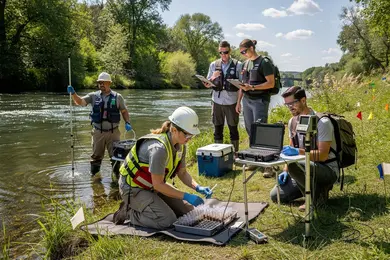
Entry-level roles that balance accessibility with meaningful skill development tend to offer the best opportunities for environmental science graduates. Positions like environmental technician stand out because they commonly require less experience while enabling hands-on work in data collection, GIS, and regulatory compliance-skills that employers consistently prioritize.
In contrast, roles such as ecological consultant or environmental compliance specialist often demand stronger backgrounds in project management, certifications, or familiarity with complex regulations, narrowing entry chances but potentially accelerating advancement.
The U.S. Bureau of Labor Statistics projects an 8% growth in environmental science and related fields through 2034, underscoring steady demand; however, competition and geographic variability mean recent graduates benefit from targeting jobs with clear pathways to specialization rather than broadly advertised titles lacking concrete progression.
Conservation scientists and sustainability analysts, while appealing for those interested in resource management and corporate responsibility, typically require multidisciplinary expertise and a readiness for more analytical decision-making early on. These can be rewarding but may not suit graduates without internships or relevant experience linking environmental science concepts to policy or business contexts.
For new entrants, prioritizing roles where technical, regulatory, and communication skills overlap-not just scientific knowledge-often leads to stronger long-term career leverage. Overlooking these practical demands can result in extended job searches or slower transitions to senior posts, especially outside urban centers where environmental firms concentrate.
One recent graduate faced a choice between a government environmental technician role focused on field data monitoring and a private-sector compliance assistant position heavily tied to regulatory paperwork. Although the private job appeared more advanced, the graduate accepted the technician role, recognizing it offered more direct environmental problem-solving experience and better preparation for later consulting roles.
They reflected how early decisions hinged not just on job titles but on the potential to build transferable skills, noting some advertised entry jobs were misleadingly labeled and ultimately less relevant to their career goals.
Which Industries Hire the Most Entry-Level Environmental Science Graduates?
Entry-level hiring for environmental science graduates is most concentrated in environmental consulting, government agencies, renewable energy, and non-profit sectors, each shaped by distinct market drivers and hiring mechanisms. Environmental consulting leads due to regulatory compliance demands and sustainability initiatives, offering accessible roles like environmental technician or junior analyst that require limited prior experience.
This sector's project variability and diverse client base develop versatile analytical and communication skills but may involve fluctuating workloads and contract-dependent job security. Graduates targeting consulting should balance immediate job volume against less predictable long-term stability.
Government employers provide consistent entry-level demand grounded in public environmental mandates and natural resource management, with hiring processes often lengthier due to civil service protocols. These positions emphasize stability and benefits, typically located in geographic clusters such as the Pacific Northwest or Northeast corridor, yet they usually require relevant internships to be competitive.
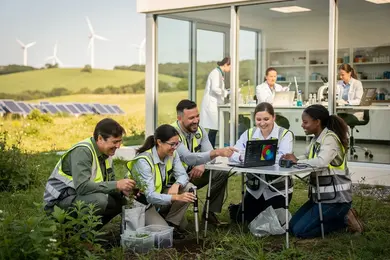
Meanwhile, renewable energy is rapidly expanding, driven by clean energy investments, creating roles like energy analyst or sustainability assistant that expose graduates to cutting-edge technologies but carry volatility tied to market funding cycles. Non-profits also absorb new graduates prioritizing communication and outreach skills, though with generally lower compensation and resource constraints.
According to 2024 data from the U.S. Bureau of Labor Statistics, environmental consulting accounts for approximately 35% of entry-level environmental science placements nationally, underscoring the need for applicants to strategically weigh sector-specific tradeoffs beyond sheer hiring volume when shaping early career moves.
Where Do Environmental Science Graduates Have the Best Hiring Odds?
Entry-level hiring odds for environmental science graduates primarily hinge on the concentration of employers and industries offering relevant roles rather than geography alone. Metropolitan areas like Washington D.C. and the San Francisco Bay Area, known for dense environmental services sectors, provide a higher volume of opportunities but also attract intense competition.
For instance, a recent graduate targeting these regions must balance the benefit of abundant openings with steep applicant pools and elevated living expenses. In contrast, mid-sized metros in states such as Colorado or North Carolina combine expanding green industries with more manageable competition, presenting a more accessible job market for new graduates despite fewer absolute positions.
Deciding where to focus applications requires weighing industry concentration, public versus private sector demands, and internship access that often serve as crucial gateways to employment. While remote or hybrid roles expand somewhat for positions involving GIS or sustainability reporting, most hands-on or regulatory jobs demand local presence, narrowing viable markets.
According to 2024 figures from the U.S. Bureau of Labor Statistics, government environmental agencies and consulting firms dominate entry-level hiring nationwide, underscoring the advantage of regions with established academic and employer networks.
Environmental Science graduate entry-level job opportunities in top US cities thus depend on strategic alignment with employer density, specialization fit, and practical network benefits rather than location prestige alone. Candidates pursuing advanced qualifications may also explore pathways through programs like EdD leadership that emphasize experiential learning linked to workforce needs.
What Starting Salaries Can Entry-Level Environmental Science Graduates Expect?
Starting salaries for entry-level environmental science graduates vary widely due to factors beyond academic credentials, such as employer type, geographic region, and specialized skills. For example, a new graduate offered a position at a private environmental consulting firm in California might see a notably higher salary than one considering a government role in a lower-cost Midwestern city.
These variations reflect differences in project funding, cost of living adjustments, and the value placed on technical certifications or prior internship experience. Understanding these nuanced tradeoffs can help graduates weigh base pay against long-term benefits like training, job security, or advancement prospects.
Below are key influences shaping initial compensation for environmental science roles:
- Industry Sector: Private consulting firms often provide salaries near or above $55,000, leveraging specialized projects and budgets. Government roles typically start lower, around $50,000, but may offer more stability and benefits that partially offset pay disparities.
- Geographic Location: Urban centers with high living costs, such as California or New York, show entry-level salaries with 10-20% premiums. In contrast, rural or Southern areas pay less but present lower living expenses and sometimes stronger union protections.
- Technical Specialization: Graduates focusing on GIS, environmental engineering, or data analysis command higher wages due to specific skill demands, while generalist technician roles tend to pay less.
- Experience & Credentials: Internship experience or credentials like the EIT certification increase negotiating power, often translating to better offers than candidates lacking these qualifications.
- Benefit Packages: Employers increasingly include non-salary incentives such as student loan repayment or education assistance, which can substantially raise overall compensation value.
- Early Career Growth: Salary increases within the first three years depend heavily on skill development and role progression, with those prioritizing strong training often surpassing $70,000 despite modest starting pay.
A recent graduate shared that although the initial offer from a public agency in a lower-cost state was about $48,000, less than a competing private firm's $56,000 offer in a high-cost region, the decision was complicated by the public role's superior training opportunities and benefits.
Uncertain whether to accept the lower salary, the graduate ultimately chose job stability and mentorship potential over immediate pay, reflecting the complex tradeoffs new environmental science professionals face in balancing short- and long-term priorities.
Which Skills and Certifications Help Environmental Science Graduates Get Hired?
Employers expecting to hire entry-level environmental science graduates increasingly prioritize applied skills and digital fluency alongside academic credentials. This shift reflects the practical demands of interpreting complex environmental data and producing actionable insights immediately upon hire. Hiring managers value evidence of job readiness through internships, projects, or portfolios that demonstrate mastery of industry tools and regulatory knowledge rather than reliance on degrees alone.
For example, a recent graduate focusing on data-driven watershed management secured a role by highlighting hands-on experience with GIS software and EPA compliance frameworks, illustrating how targeted competencies outweigh generic credential stacks.
Understanding which skills and certifications influence hiring can help graduates target their professional development most effectively. Below are key areas offering the greatest impact for entry-level environmental science roles:
- Data Analysis Software: Expertise in GIS, R, and Python is critical for many roles requiring spatial data management and environmental modeling. Proficiency is best demonstrated via completed projects or internships, though certifications like GISP add credibility in competitive markets.
- Technical Certifications: Credentials such as Certified Environmental Professional (CEP) are preferred in specialized or regulatory positions but seldom substitute for hands-on experience.
- Regulatory Knowledge: Familiarity with EPA standards and state environmental laws is highly valued, especially in compliance and fieldwork roles. Microcredentials in environmental law or sustainability assessment can supplement practical knowledge.
- Communication Skills: Ability to translate technical findings for non-specialist audiences is essential across sectors. Evidence through presentation experience or collaborative projects often influences hiring decisions more than additional certificates.
- Project Management: Skills in organizing environmental assessments or field studies demonstrate readiness for multi-tasking roles, with tools like AI-assisted software becoming advantageous.
- Digital Literacy: Comfort with emerging AI-enhanced data tools signals adaptability and efficiency, increasingly sought after in environmental data science positions.
- Applied Experience: Internships, capstone projects, and community engagement provide the strongest hiring signals by showcasing real-world problem solving and teamwork capabilities.
Entry-level environmental science certifications with employer demand align closely with these skill areas and highlight the growing emphasis on practical, evidence-based qualifications. Students and recent graduates should evaluate skill-building opportunities in light of specific career goals and regional employment landscapes, where employer needs can vary substantially.
Those interested in intersecting fields might also explore educational pathways such as art therapy masters programs through resources like art therapy masters to diversify applicable competencies and improve career flexibility.
How Much Experience Do Entry-Level Environmental Science Jobs Require?
Entry-level environmental science positions often present a broad spectrum of experience expectations, reflecting the diversity of roles and employer priorities. Approximately 40% of openings specify one to two years of relevant experience, though many accept candidates lacking formal work history if they demonstrate skills through internships, academic projects, or volunteer activities.
For example, a graduate applying to a government environmental technician role might need certifications or practical field experience, whereas a research assistant position at a non-profit could prioritize demonstrated research competencies over paid employment.
These experience requirements fluctuate depending on job function, organizational type, and regional market competitiveness. Larger consulting firms and agencies may use experience as a filtering tool, favoring applicants with documented skills or portfolios but occasionally considering transferable experience from related fields.
Conversely, smaller employers or those in emerging markets might emphasize potential and proactive learning more than rigid experience thresholds. Candidates should critically assess whether their internships, practicums, or capstone projects effectively meet the practical demands of the role rather than relying solely on formal employment history.
As labor markets evolve toward skills-based hiring, the distinction between required and preferred experience becomes crucial. While some listings mandate up to three years of prior work, others broaden their scope to include volunteer conservation efforts or campus-related technical work.
Environmental science graduates must weigh these subtleties when deciding to apply, recognizing that possessing tangible evidence of problem-solving and technical aptitude can offset nominal experience gaps, especially in competitive regions such as the Pacific Northwest and Mid-Atlantic, where entry standards tend to be more stringent.
What Do Employers Look for in New Environmental Science Graduates?
Employers screening entry-level environmental science graduates increasingly emphasize demonstrated job readiness over academic achievement alone. Recruiters assess applied skills, relevant internships, communication abilities, technical proficiency, adaptability, and industry awareness to identify candidates who require minimal onboarding.
For example, a consulting firm reviewing two candidates might prioritize one presenting a portfolio of completed environmental impact assessments and internship experience over another with stronger grades but little practical exposure.
This reflects a broader trend toward skills-based hiring, supported by the 2024 National Association of Colleges and Employers (NACE) Job Outlook report showing that 72% of employers prioritize applied problem-solving and internship experience when selecting candidates.
The following attributes consistently influence hiring decisions:
- Applied Problem-Solving: Employers look for tangible evidence of critical thinking in complex environmental contexts. Candidates referencing case studies, calculations, or fieldwork in internships signal readiness to tackle real-world challenges.
- Relevant Internship Experience: Practical placements demonstrate familiarity with workplace expectations and industry tools. Internships serve as key credibility signals, often outweighing certifications alone.
- Technical Proficiency: Mastery of GIS, data analysis software, and environmental regulations forms a baseline, but employers favor candidates who show adaptability to emerging technologies such as AI-driven data platforms.
- Communication Skills: Effective translation of technical data for diverse stakeholders is vital. Strong written and verbal abilities are consistently highlighted by hiring managers as critical for collaboration in hybrid or remote settings.
- Project Portfolio: Documented outcomes from academic or field projects provide concrete proof of applied knowledge, making candidates more competitive than those relying solely on degree credentials.
- Industry Awareness: Understanding sector trends and regulatory nuances indicates preparedness to function in varying organizational contexts, from government agencies to consultancies.
How is AI Affecting Entry-Level Hiring for Environmental Science Graduates?
AI integration is reshaping entry-level hiring for environmental science graduates by shifting demand toward candidates who combine domain expertise with digital literacy. Nearly 35% of job postings now require skills in data analysis or AI-related software, reflecting employers' preference for applicants who can use these tools to streamline data collection and model environmental scenarios.
This trend favors graduates who go beyond routine tasks, such as manual data entry, by interpreting AI-generated insights-an ability increasingly screened through ai-driven recruitment tools for environmental science entry-level jobs. For instance, firms employing machine learning in geospatial analysis seek hires fluent in both environmental concepts and programming languages like Python or R.
The rise of AI also alters job availability and employer expectations, creating tradeoffs between productivity and experience. Environmental firms often prioritize candidates with internships or project experience demonstrating applied AI skills, which can disadvantage graduates from programs with limited technology integration.
However, those who develop portfolios that merge fieldwork with data science stand better chances in emerging specialties such as AI-assisted climate modeling. New graduates should carefully evaluate industry segments-public agencies might emphasize traditional environmental monitoring, while private consultancies push for AI competence-and tailor applications accordingly. Navigating these changes strategically can significantly improve outcomes for recent environmental science degree holders.
Students and graduates considering their pathways would benefit from exploring college degrees for seniors and others that balance environmental training with practical data skills. Adapting to AI's impact in recruitment means more than proficiency; it requires understanding evolving role descriptions and integrating complementary technical and human skills to match varied employer priorities in a competitive job market.
How Can Environmental Science Graduates Improve Their Job Search Results?
Targeted job searches consistently outperform broad, high-volume applications because they align applicants' skills and experiences with precise employer needs, reducing the risk of automated rejection by applicant tracking systems.
For example, an environmental science graduate focusing applications on entry-level roles in renewable energy firms within states enforcing proactive environmental policies gains a distinct advantage over peers applying indiscriminately nationwide.
Prioritizing industries such as environmental consulting or government agencies where hiring demand is demonstrably higher allows graduates to allocate effort more efficiently and improve conversion rates. A typical tradeoff involves concentrating efforts on fewer but better-matched roles, which may delay initial interviews but yields higher-quality opportunities aligned with graduates' qualifications.
Optimizing resumes with keywords reflecting specific job titles and demonstrating applied skills-like GIS proficiency or environmental impact assessments-enhances visibility to employers emphasizing skills-based hiring. Graduates who detail relevant internships or hands-on project experience differentiate themselves amid competitive markets and gain credibility with hiring managers.
Within targeted networking strategies in the US environmental sector, leveraging alumni connections and maintaining engagement timed around recruiting cycles can increase interview probability by approximately 25%, according to industry surveys.
New professionals should also consider supplemental certifications and practical experiences similar to a paralegal associate degree in demonstrating job readiness beyond academic credentials.
Ultimately, entry-level environmental science graduates improve outcomes by balancing geographic and sector prioritization with precise resume tailoring and strategic networking.
Focusing on roles where their skillsets closely match employer criteria-rather than broad outreach, addresses employer expectations more effectively and mitigates prolonged job searches in challenging markets. Incorporating real-world project examples and calibrating applications toward skills-based hiring trends reflects an informed, pragmatic approach that responds to evolving recruitment dynamics.
References
- Top Certifications for Remote Environmental Jobs 2025 https://redrockconsultinggroup.com/top-certifications-that-help-you/
- Greener Careers https://greenercareers.co.uk/blog/what-can-you-do-with-an-environmental-science-degree-job-opportunities-explained
- 500+ Water Jobs (Updated Today) â Free to Apply https://jobs.watertechintel.com/blog/entry-level-jobs-with-environmental-science-degree
- Early careers - ERM Careers https://www.erm.com/erm-careers/early-careers/
- How to Find Entry Level Jobs with an Environmental Science Degree https://facs.com/blog/how-to-find-entry-level-jobs-with-an-environmental-science-degree/
- Data show today's environmental science grads have more diverse job prospects https://www.onlineu.com/magazine/environmental-science-majors-career-outcomes
- Certification Guide for Young Professionals - Board for Global EHS Credentialing https://gobgc.org/professional-environmental-certifications-professionals/
- How Is AI Affecting Entry-Level Jobs? https://www.salesforce.com/blog/ai-and-entry-level-jobs/
- What Certifications are most Valuable for Environmental Science Graduates? https://www.nrep.org/blog/certifications-environmental-science-graduate
- Early careers - Environment Agency https://environmentagencycareers.co.uk/early-careers/
Other Things You Should Know About Environmental Science
Internships often offer more tangible value than additional academic credentials alone because they provide practical experience and industry connections that employers prioritize. While rigorous academic programs establish foundational knowledge, graduates who combine coursework with relevant internships usually have a competitive edge. Prioritizing internships can also reveal specific sector interests and help clarify long-term career goals, which purely academic achievements rarely accomplish.
Geographic flexibility significantly expands the range of entry-level opportunities since many environmental science roles are tied to regional environmental issues, governmental policies, or localized industry needs. Graduates limited to high-cost urban centers may face stiff competition and fewer roles aligned with their specialties. Being open to relocation, especially to regions with strong environmental sectors like the Pacific Northwest or Gulf Coast, can substantially improve hiring odds and result in better long-term career trajectories.
Interdisciplinary skills-such as combining environmental science with data analytics, GIS, or policy studies-are increasingly favored by employers who expect graduates to address complex, cross-sector challenges. Graduates lacking this breadth often struggle to differentiate themselves in a crowded field. Prioritizing programs or electives that integrate technical and social science perspectives makes graduates more adaptable and appealing for diverse roles, particularly where environmental solutions intersect with technology or regulation.
Targeting specialized niches can lead to faster career progression in well-defined fields but often requires prior experience or specialized training that entry-level candidates might lack. Conversely, pursuing broader generalist roles offers more job opportunities and a wider skill development range, which can be critical in understanding the sector's landscape. Most new graduates benefit from starting generalist to build foundational experience before narrowing their focus based on real-world insights and emerging interests.