2027 Educational Leadership Tuition Inflation Report: How Fast Are Program Costs Rising?

Co-Founder and Chief Data Scientist
Tuition inflation in educational leadership programs reflects distinct pressures unlike those seen in other academic fields. Increasing accreditation standards demand faculty with specialized expertise and often require intensive mentorship, raising instructional costs. Additionally, evolving licensing expectations push programs to integrate advanced training modules and technology-enhanced learning platforms, which drive up operational expenses. Enrollments have shown growth in mid-career professionals seeking leadership roles, influencing institutions to invest in flexible scheduling and experiential learning. According to the National Center for Education Statistics (2024), graduate enrollment in educational leadership rose by 4% from 2021 to 2023, underscoring shifting workforce demands. These factors combine to shape tuition trends uniquely within this discipline.
Key Things to Know About Educational Leadership Tuition Inflation
- Tuition inflation for educational leadership programs rose over 6% annually through 2024, outpacing general graduate education costs; this accelerates total debt burden, challenging affordability and delaying career advancement.
- Employers increasingly prioritize demonstrated leadership outcomes over advanced degrees alone, meaning rising tuition may not guarantee improved job prospects, influencing candidates' cost-benefit analyses on advanced schooling.
- Rising program costs extend time-to-degree completion as students juggle work and finances, intensifying opportunity costs and forcing many to reconsider enrollment timing or pursue alternative credentialing routes.
- How Much Has Educational Leadership Tuition Increased Over the Past Decade? How Much Has Educational Leadership Tuition Increased Over the Past Decade?
- How Does Educational Leadership Tuition Inflation Compare to Overall Inflation? How Does Educational Leadership Tuition Inflation Compare to Overall Inflation?
- Which Types of Schools Have Experienced the Fastest Educational Leadership Tuition Growth? Tuition Growth by School Type
- What Factors Are Driving Rising Costs in Educational Leadership Degree Programs? Tuition Cost Drivers
- How Does Educational Leadership Tuition Growth Vary by State and Region? Tuition Growth by State
- Are Online Educational Leadership Programs Becoming More Affordable Than Campus-Based Programs? Online Program Affordability
- How Have Financial Aid and Scholarships Changed as Educational Leadership Tuition Has Increased? Impact on Financial Aid and Scholarships
- How Does Rising Educational Leadership Tuition Affect Student Debt After Graduation? Impact on Student Debt
- Do Higher-Cost Educational Leadership Programs Deliver Better Career Outcomes or Earnings? Impact on Career Outcomes
- What Do Current Tuition Trends Suggest About the Future Cost of a Educational Leadership Degree? What Do Current Tuition Trends Suggest About the Future Cost of a Educational Leadership Degree?
How Much Has Educational Leadership Tuition Increased Over the Past Decade?
Tuition rates for educational leadership programs in the United States have risen sharply over the past decade, with recent data from the National Center for Education Statistics and the U.S. Department of Education College Scorecard indicating increases generally between 40% and 60% since 2014. Public institutions have tended to implement steadier annual hikes, typically around 3% to 5%, whereas private universities often see more aggressive growth, sometimes surpassing 6% per year. This growth varies notably by program delivery mode, with online and flexible degree formats commanding higher price premiums due to their convenience and growing demand. These trends reflect sizable regional disparities and illustrate a decade-long rise in educational leadership program costs by region, complicating affordability for many prospective students.
The upward trajectory of tuition in educational leadership is driven by multiple interconnected factors, including sustained inflation across higher education, decreased public funding in some states, and increased operational expenditures. Institutions allocate more resources toward faculty compensation, curriculum development aligned with evolving leadership competencies, and technology investments that support both online and hybrid learning environments. Furthermore, growing demand for specialized skills in K-12 and higher education administration exerts upward pressure on program costs, as schools seek to attract and retain qualified practitioners through enhanced curriculum updates and experiential components. This cost structure also reflects the sector's response to shifting enrollment patterns and competitive pressures to maintain program relevance and quality.
Rising tuition expenses challenge the financial calculus for students weighing enrollment in educational leadership programs, often forcing difficult tradeoffs between debt burden and potential career benefits. While advanced credentials remain important for many administrative and policy roles, increased costs have not always correlated with proportional salary gains, raising questions about the net return on investment for graduates. These dynamics underscore the need for careful consideration of affordability and financing options, especially as learners navigate decisions amid evolving job markets and institutional pricing strategies. In some cases, exploring alternative pathways like accelerated medical assistant programs may offer a more cost-effective route depending on career goals and financial constraints.
How Does Educational Leadership Tuition Inflation Compare to Overall Inflation?
Tuition inflation in educational leadership programs has consistently exceeded overall consumer inflation as measured by the U.S. Bureau of Labor Statistics' Consumer Price Index. While the CPI has increased by roughly 3.2% annually in recent years, educational leadership tuition fees have risen above 5% per year, outpacing general inflation by a notable margin. This gap reflects unique cost pressures within higher education that do not directly correlate with consumer goods or services inflation, signaling that tuition rates are influenced by sector-specific dynamics beyond typical economic cycles. Regional differences in educational leadership program cost increases also highlight how local funding environments and institutional resources contribute to this divergence.
Several structural factors drive the widening gap between tuition inflation and overall inflation. Declining state appropriations have shifted more financial responsibility onto tuition revenue, prompting institutions to raise fees. Administrative costs and expenditures on technology, infrastructure, and expanded student services have further increased operational budgets, especially in education programs requiring intensive practicum and leadership training components. These investments aim to maintain program quality and accreditation status but raise the underlying cost base, resulting in tuition increases above broader inflation measures.
This sustained tuition inflation pressures affordability for prospective and current students, often necessitating higher borrowing or extended program timelines. As a consequence, families must weigh these cost trends carefully when evaluating educational leadership programs, considering factors like return on investment and financing options. Understanding these inflation dynamics is increasingly essential, whether comparing public to private institutions or evaluating options such as online schools no application fee, to navigate the evolving economics of graduate education in this field.
Which Types of Schools Have Experienced the Fastest Educational Leadership Tuition Growth?
Tuition growth for educational leadership programs exhibits notable variation across institutional types, driven largely by distinct funding approaches, market demand, and delivery modalities. These structural differences shape how schools price their programs and invest in specialized resources, influencing long-term affordability trends. Recognizing these dynamics is critical for prospective students evaluating cost trajectories in relation to program value and career outcomes.
- Private Nonprofit Universities: These institutions tend to show the fastest tuition growth in educational leadership due to reliance on tuition revenue to offset limited state funding and increasingly competitive program offerings. Enhanced faculty expertise, program diversification, and investment in experiential learning contribute to higher operational costs passed onto students.
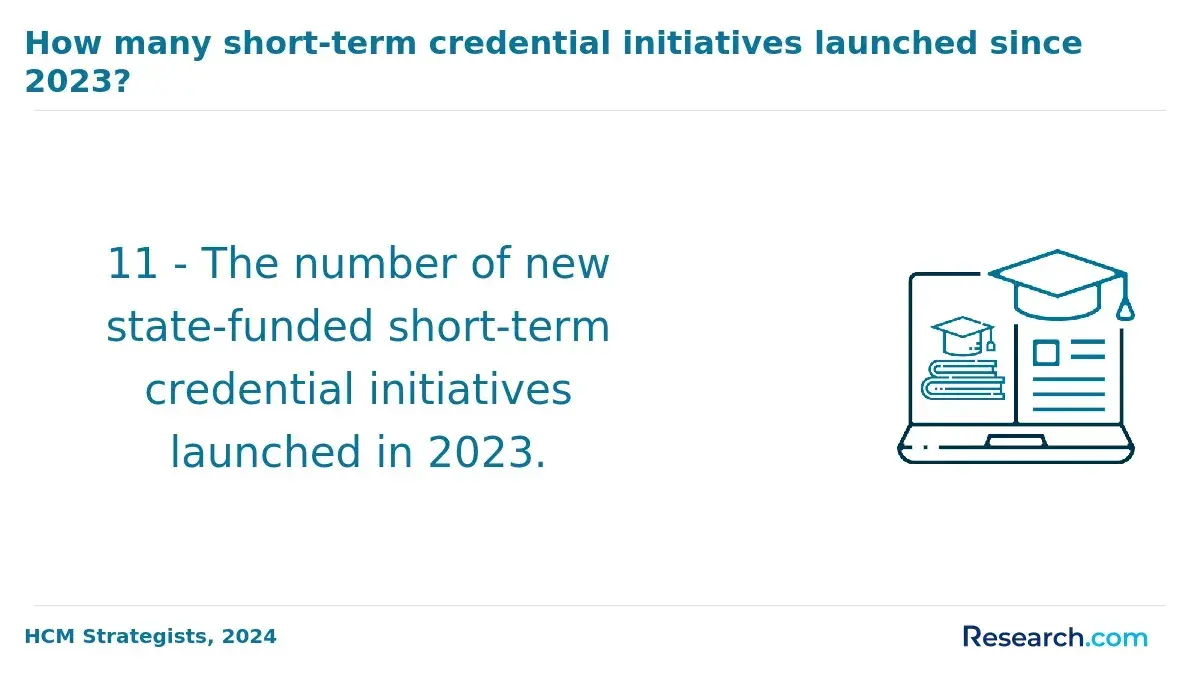
- Public Universities: Often benefiting from state appropriations, public institutions typically have slower tuition increases, around 3.2% annually according to 2024 data from the National Center for Education Statistics. However, diminishing public funding pressures some campuses to raise tuition faster in recent years, especially for graduate-level leadership programs with growing enrollment.
- For-Profit Institutions: These schools sometimes exhibit rapid tuition inflation due to flexible, market-driven pricing models aimed at maximizing revenue. However, they also face regulatory scrutiny and variable demand, which can result in uneven tuition trends compared to public and nonprofit peers.
- Research-Intensive Universities: Often part of prestigious private or public systems, these universities sustain higher tuition growth by coupling advanced research initiatives with leadership education. The integration of cutting-edge technology, faculty research output, and networking opportunities raise program costs that reflect enhanced specialization.
- Regional Colleges: Generally more tuition-sensitive, regional colleges experience moderate tuition growth shaped by local market competition and limited budget expansions. Their constrained resource base leads to cautious pricing strategies, balancing affordability with program viability.
- Online Universities: Programs delivered primarily online can demonstrate variable tuition trends depending on investment in platform technology and faculty adaptation. While online delivery reduces facility costs, expenses associated with student engagement and course development can drive tuition upward.
What Factors Are Driving Rising Costs in Educational Leadership Degree Programs?
Cost increases in educational leadership degree programs stem from a complex blend of institutional funding shifts and evolving operational demands rather than a singular source. The financial landscape for these programs is shaped by the interplay of shrinking public support, heightened expectations for faculty expertise, and the growing scale of administrative functions necessary to maintain accreditation and compliance. Such pressures force institutions to recalibrate their budgets, often translating into higher tuition fees as they balance quality instruction with regulatory and infrastructural demands.
Public institutions face declining state appropriations, compelling a heavier dependence on tuition revenue that directly affects educational leadership program pricing. Simultaneously, competitive faculty salaries have risen to retain specialized educators capable of delivering nuanced leadership training aligned with current educational standards-increasing personnel costs are a significant factor. Expanded administrative teams support complex accreditation processes and student services while investments in digital learning platforms and hybrid course delivery reflect a strategic shift toward technology integration, all contributing to rising operational expenses. According to a 2024 report from a national education statistics agency, salary and administrative support expenditures in these programs have climbed approximately 6% per year over recent years, underscoring these ongoing cost pressures.
One recent graduate described their experience navigating program costs amid a fluctuating admissions timeline: they postponed enrollment after noticing incremental tuition increases announced mid-admissions cycle. Unsure whether to commit early or wait for potential financial aid adjustments, the decision was weighed against the risk of later price hikes and limited seat availability. This tension between timing and affordability highlights how cost volatility can influence candidate strategy and enrollment behavior within educational leadership tracks. The graduate noted that understanding these institutional cost drivers in advance helped contextualize the financial uncertainty they faced during application and onboarding.
How Does Educational Leadership Tuition Growth Vary by State and Region?
Tuition growth rates for educational leadership programs vary significantly across U.S. states and regions, reflecting complex interactions among state funding models, institutional types, and regional economic factors. States with robust public university systems and consistent state appropriations tend to experience more moderate tuition increases, while those with diminishing public support often rely on tuition hikes to offset budget shortfalls. Additionally, regions with a higher concentration of private or research universities frequently show steeper tuition inflation due to different cost structures and less dependency on state subsidies. These divergent financial ecosystems shape how educational leadership tuition growth rates by state and region develop over time, illustrating that variation is a product of structural fiscal and institutional dynamics rather than geographical coincidence.
Key drivers of this variation include the level of state appropriations for higher education and the fiscal health of public university systems. States facing funding gaps often prompt public institutions to raise tuition to meet operating costs, especially in expensive urban or coastal areas with elevated cost of living. Furthermore, demand for educational leadership professionals impacts tuition strategies, with competitive labor markets driving program enrollment and pricing in some regions more than others. Regions dominated by research-intensive and private universities typically experience higher tuition increases compared to states where regional public colleges emphasizing accessible leadership training are prevalent. These factors combine to create a patchwork of regional differences, making it critical for prospective students to assess local market economics alongside tuition trends before committing to programs.
These regional tuition growth patterns have broader implications for student mobility and program affordability. Students in high-cost states may face substantial financial burdens that can challenge the return on investment of pursuing advanced leadership credentials, especially where employer tuition assistance is limited or variable. Conversely, those in regions with slower tuition growth often encounter lower entry barriers but may see comparatively modest salary gains post-graduation, affecting long-term financial outcomes. Understanding these disparities is essential for aligning educational leadership investments with realistic career expectations. For professionals considering various credentialing options, examining tuition alongside labor market trajectories can inform decisions, including exploring related fields where affordability and demand align better, such as through fastest post master's FNP certificate programs.
Are Online Educational Leadership Programs Becoming More Affordable Than Campus-Based Programs?
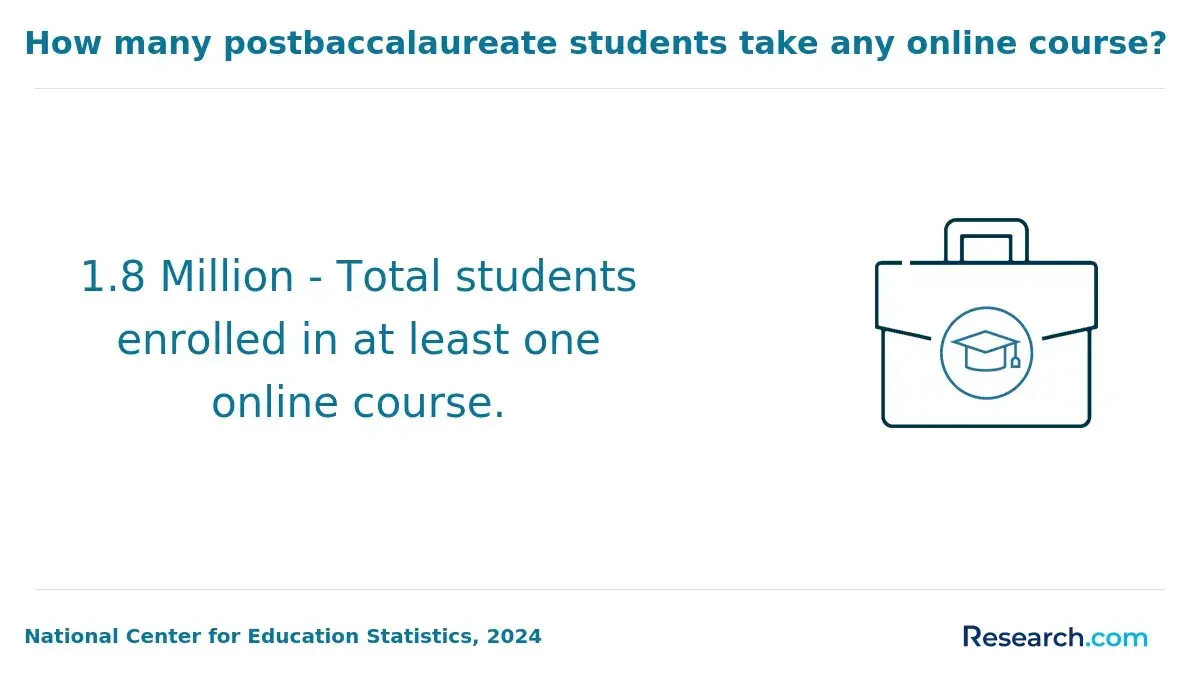
Recent trends indicate that while online educational leadership programs have traditionally been positioned as more cost-effective alternatives to campus-based options, the gap in affordability is narrowing. Data from the National Center for Education Statistics in 2024 shows that tuition for online programs has increased by about 5.2% over the past two years, outpacing the 4.7% rise seen in their on-campus counterparts. Despite this faster growth, total expenses for completing an online degree typically remain 20 to 35 percent lower than similar public institution programs delivered on campus. Pricing models vary notably, with many institutions weighing direct instructional costs against ancillary expenses linked to physical facilities, resulting in complex cost structures that influence student pricing differently depending on delivery format and institutional priorities.
The factors driving these pricing dynamics are rooted in fundamental cost structures and strategic investments. Online programs reduce reliance on physical infrastructure and eliminate expenses related to commuting and housing support, theoretically enabling lower tuition. However, higher education providers have concurrently increased spending on digital platforms, instructional design specialized for online learning, and expanded student support services to maintain quality and engagement remotely. Faculty workload and delivery models also shift, often requiring new skill sets or increased support staff, which adds to operational costs. These cumulative investments have tempered what might otherwise be steep tuition discounts for online study, suggesting that affordability differentials are shaped more by evolving institutional strategies and technological investments than by simple cost avoidance.
A graduate's experience illustrates this complexity: she applied to an online educational leadership program during the school's rolling admissions cycle but faced weeks of uncertainty waiting for acceptance. Balancing her full-time job and family obligations, she hesitated to commit financially without clear timing. Ultimately, the online option's flexible start dates and lower overall costs outweighed her initial misgivings about delayed admission notifications. This scenario highlights how beyond sticker price, factors like admissions processes and scheduling responsiveness also affect the perceived and real affordability of online versus campus-based educational leadership pathways.
How Have Financial Aid and Scholarships Changed as Educational Leadership Tuition Has Increased?
Financial aid and scholarship structures in educational leadership programs have adapted unevenly in response to steadily rising tuition rates. While some institutions have expanded their institutional aid offerings, this increase has frequently lagged behind tuition inflation, reducing the net affordability for many students. Aid packages have grown more complex, often combining federal loans, grants, and scholarships, but merit-based awards tend to concentrate on applicants with strong academic records or extensive professional experience, limiting access for working adults balancing education and careers. Simultaneously, need-based aid has been tightened or reallocated in many schools due to budgetary pressures, frequently favoring programs with higher revenue potential over educational leadership students.
These shifts are driven by intensified competition for a shrinking pool of qualified applicants amid evolving federal and state financial aid policies. Institutions increasingly rely on tuition discounting and merit scholarships as strategic tools to attract high-performing candidates, potentially reinforcing inequities for those who do not fit traditional criteria of academic or professional excellence. Additionally, some universities have redirected funds from need-based aid toward graduate programs promising greater financial returns, which further complicates the funding landscape for educational leadership candidates. This realignment reflects broader institutional responses to constrained resources and changing market demands rather than a straightforward commitment to offsetting tuition growth.
The cumulative effect of these aid trends has generally not stabilized the net price sufficiently to prevent rising student debt burdens among educational leadership students. As a result, the decision to enroll increasingly depends on an applicant's ability to secure competitive scholarships or navigate complex financial aid packages. This dynamic influences program selection, with candidates often favoring schools known for stronger career outcomes or more comprehensive funding options. Ultimately, these shifts highlight the growing importance of evaluating not only sticker price but also the nuanced aid environment and its implications for long-term financial sustainability and accessibility within educational leadership pathways.
How Does Rising Educational Leadership Tuition Affect Student Debt After Graduation?
Rising tuition for educational leadership degree programs increasingly forces students to rely on higher borrowing levels, as direct program costs surpass what many financial aid packages cover. This escalation in tuition expenses contributes to a heavier debt burden at graduation, particularly affecting those without access to substantial employer tuition assistance or scholarships. Students frequently take on loans not only to cover tuition but also living costs during their studies, compounding the total debt accumulated. Such borrowing behaviors are a direct response to tuition inflation and the associated financial aid challenges for graduates of educational leadership programs.
Several factors exacerbate this dynamic. The gap between tuition and available financial aid has widened, especially in private institutions and urban settings where cost inflation is more pronounced, resulting in steeper borrowing requirements. Interest on loans often accrues throughout the program duration, increasing balances even before repayment begins. Post-graduation income variability in educational leadership roles is also critical; salaries in some positions fail to keep pace with debt growth, limiting borrowers' repayment capacity. These disparities underscore why average debt loads are often higher in educational leadership compared to some other educational fields.
Long-term financial consequences include extended repayment periods and mounting interest costs, which can constrain borrowers' economic mobility and delay key financial goals such as homeownership or retirement planning. Rising tuition and resulting debt levels also influence prospective students' decisions, making cost-effective program selection and employer tuition assistance more important strategies to mitigate financial strain. Understanding the relationship between tuition inflation, borrowing, and repayment stress is essential for students evaluating the return on investment of advanced degrees in educational leadership. According to research.com, awareness of regional data such as DNP salary by state helps contextualize earning potential against debt burden, offering crucial insight for financial planning.
Do Higher-Cost Educational Leadership Programs Deliver Better Career Outcomes or Earnings?
Higher tuition costs for educational leadership programs do not consistently lead to better career outcomes or increased earnings, challenging a straightforward cost-to-benefit assumption. Data from the National Center for Education Statistics and the 2024 Georgetown University Center on Education and the Workforce report illustrate that graduates from higher-cost programs see only modest salary gains compared to peers from more affordable programs. This suggests that the influence of tuition inflation on earnings potential is limited, making it essential for prospective students to consider factors beyond sticker price when evaluating educational leadership tuition impact on earnings.
Institutional reputation, access to professional networks, specialization options, and regional job markets play a more decisive role in shaping employment results than program cost alone. Programs with strong employer partnerships and substantial alumni connections often facilitate internship pipelines and leadership opportunities that translate into improved placement outcomes. However, many public education leadership roles adhere to standardized pay scales, diminishing any salary premium derived from more prestigious or expensive programs. Thus, higher cost educational leadership programs career outcomes depend heavily on these qualitative differentiators rather than tuition level itself.
Prospective students should adopt a strategic approach to program selection, carefully weighing expected return on investment against tuition inflation and personal career objectives. Understanding the nuances of how program features align with targeted work environments and credential demands is crucial. Additionally, as demand for specialized roles like healthcare leadership grows, options such as online healthcare degrees that pay well illustrate that strategic credentialing aligned to sector needs can influence long-term earnings more than initial program cost. In sum, informed decision-making requires prioritizing career relevance and market alignment alongside cost considerations.
What Do Current Tuition Trends Suggest About the Future Cost of a Educational Leadership Degree?
Recent tuition trends for educational leadership degree programs indicate a consistent upward trajectory, with annual increases averaging roughly 3.5% after adjusting for inflation, according to the National Center for Education Statistics. This rate surpasses general inflation and suggests that future costs will likely continue rising. Historically, such increases reflect institutional responses to inflationary pressures and shifting funding models rather than purely market-driven pricing. Therefore, while future tuition fees are projected to climb steadily, variations across institutions will depend on enrollment demand and program format, making broad generalizations about precise costs difficult.
Key drivers shaping these tuition trends include ongoing constraints in public and private institutional funding, requiring colleges to offset budget shortfalls through student fees. Additionally, growing demand for specialized leadership skills in educational settings incentivizes programs to invest in curriculum updates and technology-enhanced delivery modes like hybrid or fully online formats. These investments, while potentially offering cost efficiencies, also create new expenses in digital infrastructure and student support services that institutions must recoup. Consequently, tuition pricing reflects a balance between competitive positioning, operational costs, and anticipated returns in student outcomes.
The implications for prospective students are significant: increasing tuition outpaces wage growth for many education professionals, heightening affordability challenges and influencing enrollment decisions. Students should critically evaluate not only sticker prices but also the quality, format, and financial aid availability when selecting programs. Understanding that rising tuition mirrors complex institutional cost structures and market demands can help students better anticipate long-term financial commitments associated with pursuing an educational leadership degree.
References
- How Much Does a Master’s in Educational Leadership Cost? https://www.educationalleadershipdegree.com/frequently-asked-questions/how-much-does-a-masters-in-educational-leadership-cost/
- Fact check/Does research show that federal student aid increases tuition https://ballotpedia.org/Fact_check/Does_research_show_that_federal_student_aid_increases_tuition
- The cost vs. value paradox: what Americans really think about college https://www.luminafoundation.org/news-and-views/the-cost-vs-value-paradox-what-americans-really-think-about-college/
- Best Educational Leadership Doctoral Programs | University of Bridgeport https://www.bridgeport.edu/news/best-educational-leadership-doctoral-programs/
- Average Cost of College Over Time: Yearly Tuition Since 1970 https://educationdata.org/average-cost-of-college-by-year
- 8 Alternative Tuition Models for Forward-Thinking Colleges [Infographic] - Collegis Education https://collegiseducation.com/insights/higher-ed-tuition-strategies-infographic/
- A New Approach for Curbing College Tuition Inflation https://manhattan.institute/article/a-new-approach-for-curbing-college-tuition-inflation
- Inflation Has Yet to Affect Tuition, but Students Still Feel the Rising Costs | Insight Into Academia https://insightintoacademia.com/inflation-has-yet-to-affect-tuition-but-students-still-feel-the-pain-of-rising-costs/
- 2025 Most Affordable Online Master's Degrees in Educational Leadership https://www.onlineu.com/most-affordable-colleges/educational-leadership-masters-degrees
- What Can You Do With a Master's in Education Leadership? https://www.salemu.edu/blog/educational-leadership-careers/
Other Things You Should Know About Educational Leadership
Longer educational leadership programs often mean higher overall tuition expenses, but they may also offer more comprehensive training and opportunities for practical application. Candidates should assess whether a lengthier program justifies its cost by providing in-depth experiences aligned with their career goals, or if a shorter, more intensive program delivers sufficient skills for their intended role. Prioritizing programs that integrate relevant leadership practicums can often yield better employer recognition than simply pursuing the lowest tuition option.
Higher tuition does not always correspond with superior instructional quality or enhanced career services in educational leadership programs. Some lower-cost programs maintain strong connections with local school districts and provide effective mentorship, while some expensive programs may focus heavily on theory with limited practical application. Students should prioritize evidence of employer partnerships, alumni outcomes, and experiential learning opportunities over tuition price alone to maximize career-readiness.
Programs with sharply rising tuition might reflect investments in facilities or faculty but can create financial pressure, especially if wage gains in educational leadership roles lag behind. Choosing a program with a steadier tuition trajectory can reduce loan burdens and financial risk, but could limit access to novel resources or network expansion. Decision-makers should weigh whether incremental program enhancements justify potential debt increases or if steady-cost options offer a safer path to credentialing and employment.
Escalating program costs may extend the time needed to finance education, delaying entry or advancement in leadership positions. Prospective students should consider programs offering flexible schedules or employer tuition reimbursement to reduce opportunity costs. Prioritizing programs with part-time or modular formats can help maintain current employment while advancing credentials, ensuring that rising tuition does not compound the financial pressures of career transitions.