2027 Entry-Level Hiring Trends for Educational Leadership Graduates: Where New Grads Have the Best Odds

Co-Founder and Chief Data Scientist
Recent graduates with a degree in educational leadership often face the difficult choice of which job titles and geographic markets to target first, especially as many entry-level postings still list prior experience as a requirement. In 2024, nearly 40% of hiring managers for education administration roles reported prioritizing candidates with demonstrable leadership skills over formal experience, signaling a shift toward skills-based evaluation but leaving new grads navigating uncertain criteria. Without focused effort, graduates risk applying broadly and missing concentrated demand in sectors like charter schools or community colleges where openings are growing. This article highlights entry-level roles, industries, locations, skills, and hiring conditions that maximize new graduates' chances for a first professional position.
Key Things to Know About Entry-Level Hiring for Educational Leadership Graduates
- Higher employer demand concentrates in K-12 district roles over private or nonprofit sectors, reflecting budget allocations favoring public education leadership positions and limiting crossover opportunities for new graduates.
- Titles like assistant principal and instructional coordinator dominate entry-level hiring, underscoring a preference for candidates with demonstrated skills in curriculum management and team collaboration, rather than only advanced degrees.
- Geographic variance significantly affects hiring odds: states with sustained school funding growth often prioritize experience over credentials, challenging students to balance cost and timing when pursuing district-specific licensure paths.
- Key Things to Know About Entry-Level Hiring for Educational Leadership Graduates Key Things to Know About Entry-Level Hiring for Educational Leadership Graduates
- What Is the Entry-Level Hiring Outlook for Educational Leadership Graduates? Entry-Level Hiring Outlook
- What Are the Best Entry-Level Jobs for Educational Leadership Graduates? Best Entry-Level Jobs
- Which Industries Hire the Most Entry-Level Educational Leadership Graduates? Top Hiring Industries
- Where Do Educational Leadership Graduates Have the Best Hiring Odds? Best Entry-Level Markets
- What Starting Salaries Can Entry-Level Educational Leadership Graduates Expect? Entry-Level Salaries
- Which Skills and Certifications Help Educational Leadership Graduates Get Hired? Top Skills and Certifications
- How Much Experience Do Entry-Level Educational Leadership Jobs Require? Entry-Level Experience Requirements
- What Do Employers Look for in New Educational Leadership Graduates? What Do Employers Look for in New Educational Leadership Graduates?
- How is AI Affecting Entry-Level Hiring for Educational Leadership Graduates? How is AI Affecting Entry-Level Hiring for Educational Leadership Graduates?
- How Can Educational Leadership Graduates Improve Their Job Search Results? Job Search Strategies
What Is the Entry-Level Hiring Outlook for Educational Leadership Graduates?
The entry-level hiring outlook for educational leadership graduates is uneven, shaped by varying demand across sectors and regions rather than offering broad, uniform opportunity. While the U.S. Bureau of Labor Statistics forecasts about 6% growth in education administration roles from 2022 to 2032, this growth often concentrates in K-12 and higher education leadership within states experiencing population and infrastructure expansion, such as Texas and California. Graduates focusing on oversaturated or shrinking markets risk longer job searches and intensified competition from experienced educators shifting into leadership, which raises hiring thresholds.
Employers increasingly expect candidates to bring applied leadership experience and technical skills related to data-driven decision-making or equity initiatives, raising the bar for entry-level roles. According to a recent survey by the Educational Research Institute, nearly 60% of hiring managers prioritize these competencies, altering the typical graduate profile sought. This environment means educational leadership graduate job market trends are best navigated by targeting roles that align with demonstrated skills and by being flexible across public, private, and nonprofit education sectors to improve odds.
Graduates should realistically prepare for multi-month job searches and consider broadening their scope to administrative support positions or emerging education technology management roles. Prioritizing internships and certifications aligned with state requirements enhances candidacy in these competitive markets. For those evaluating further education investments, programs like FNP online programs illustrate the value of specialized, market-responsive credentials that address specific employer preferences beyond core leadership education.
What Are the Best Entry-Level Jobs for Educational Leadership Graduates?
Entry-level roles that provide the best prospects for educational leadership graduates balance direct relevance to leadership theory with attainable hiring criteria and growth potential. Positions such as assistant principal and instructional coordinator are particularly well-suited, as they engage core competencies in school operations, curriculum management, and staff development while meeting employer demand driven by ongoing administrative turnover and program expansion. For example, assistant principal roles often require a combination of leadership education and teaching credentials, reflecting a common tradeoff where practical classroom experience complements theoretical training. Meanwhile, instructional coordinator positions leverage analytical and evaluation skills but typically expect some exposure to educational technology or curriculum design. These roles generally offer more stability and clearer paths upward compared to entry points like academic advising or program specialist roles, which, although easier to access, tend to center on softer skills and have less direct leadership responsibility or advancement clarity.
The competitive landscape favors candidates who can demonstrate both leadership coursework and practical application, with hiring growth in counseling and advisory roles nearing 10% through 2032 according to the U.S. Bureau of Labor Statistics. However, districts emphasizing licensure and teaching experience create barriers that make certain roles effectively inaccessible without additional certification. Alternatively, school administrator trainee programs, growing especially in regions with teacher shortages, provide a middle ground by combining apprenticeship-style experience with leadership skill development. Graduates must weigh these considerations carefully: pursuing a role too far removed from core leadership functions risks slower progression and misaligned experience, while positions demanding teaching credentials may delay entry but potentially yield stronger long-term management opportunities.
A recent graduate who completed a leadership degree faced a decision between a position as an academic advisor at a postsecondary institution and a school administrator trainee role offered by a large district in the Southeast. The advisor role required no teaching background and promised immediate employment, but the graduate worried about the limited leadership scope and slower career advancement. Conversely, the trainee position aligned closely with leadership aspirations but required relocating and accepting a lower starting income during the apprenticeship period. After consulting mentors and evaluating the regional demand for administrative staff, the graduate chose the trainee role, recognizing it as a more strategic investment despite initial uncertainties about balancing financial constraints and gaining practical experience.
Which Industries Hire the Most Entry-Level Educational Leadership Graduates?
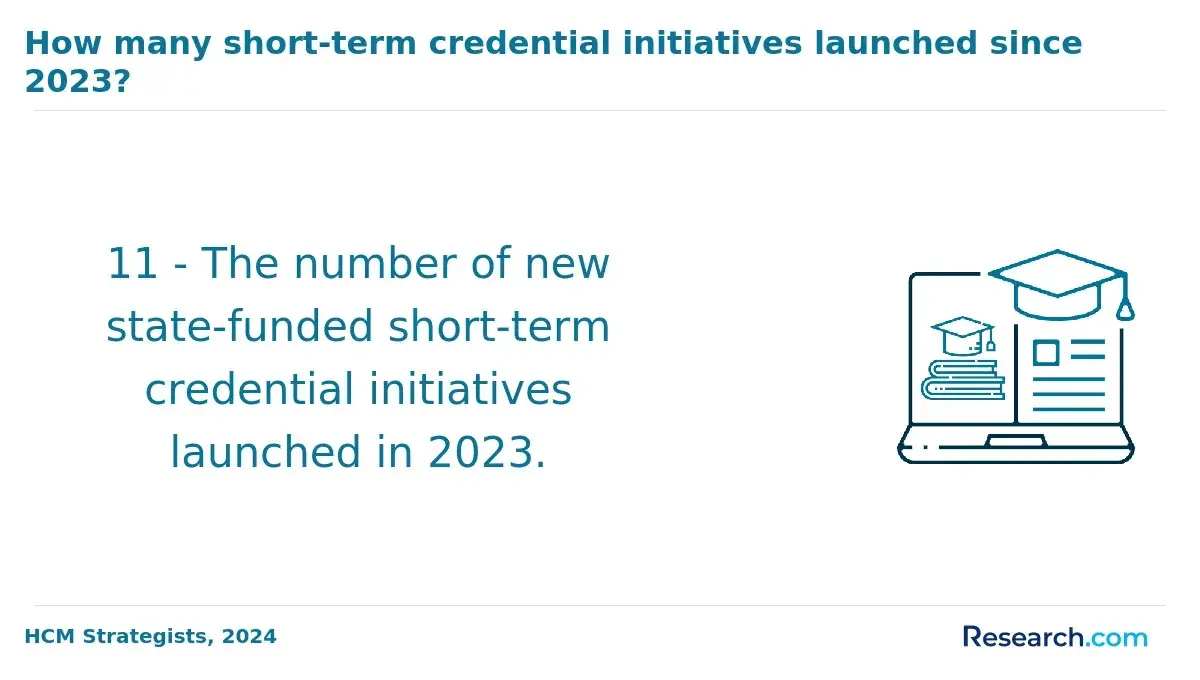
Entry-level hiring for educational leadership graduates is predominantly concentrated in public education sectors, including local and state government agencies overseeing elementary and secondary schools. This is driven by ongoing retirements within the workforce, steady public funding, and regulatory frameworks that require sustained administrative oversight, creating a consistent demand for roles such as assistant principals and program coordinators. According to data from the U.S. Bureau of Labor Statistics, about 65% of early-career openings in educational leadership are found in these settings, where employers often seek candidates with limited prior experience but relevant internships or practicum exposure. However, competition intensifies in densely populated areas with large district bureaucracies, requiring candidates to be strategic about geographic and district size targeting during their job search.
Nonprofit organizations that focus on educational equity and community programs offer additional but fewer entry-level opportunities, typically requiring skills beyond traditional administration, such as grant writing and stakeholder engagement. Although these roles may provide faster progression for versatile candidates, the overall volume of openings remains limited compared to public schools. The private sector-including charter schools and ed-tech companies-is expanding its share of hires, reflecting a 12% year-over-year increase in educational leadership recruits, as reported by LinkedIn Workforce Insights from early 2024. Yet, these positions often come with more volatile job security linked to market trends and have less union protection despite sometimes offering higher starting salaries. Graduates must weigh these tradeoffs, considering not just immediate hiring prospects but long-term stability and role accessibility across varied industry landscapes.
Where Do Educational Leadership Graduates Have the Best Hiring Odds?
Hiring odds for educational leadership graduates hinge significantly on the concentration of employers, industry demand, and available entry-level openings rather than purely on geographic location. Metropolitan areas such as Austin, TX, and Denver, CO, with growing school districts and strong public education funding, offer sizable job volumes but face intense competition, requiring candidates to possess specialized credentials or relevant experience. Conversely, graduates targeting less saturated markets in rural Midwest or Northeast regions might encounter fewer applicants and more immediate access to roles, although these positions often come with limited leadership development resources and slower career progression.
Public elementary and secondary education remains the primary employer, accounting for most entry-level vacancies, with private schools, charter organizations, and nonprofits gradually expanding opportunities, especially through hybrid or remote arrangements. Graduates must balance the appeal of higher job listings against factors like applicant density, cost of living, and alignment with credential requirements, as state-specific licensing can restrict cross-region mobility. Considering the best regions for educational leadership graduate hiring involves evaluating these tradeoffs alongside personal goals, networking access, and internship availability, since over-concentration in popular markets can dilute prospective advantages. Relatedly, pursuing an accelerated degree program with practical leadership components may enhance prospects in competitive urban clusters.
What Starting Salaries Can Entry-Level Educational Leadership Graduates Expect?
Starting salaries for entry-level educational leadership graduates hinge on more than just possession of the degree; they reflect a complex mix of role type, sector, geography, and earned credentials. For instance, a new graduate hired as a K-12 assistant principal in a high-cost state may earn 10-20% more than a peer entering a comparable role in a rural district, but the cost of living and available professional supports differ significantly. Similarly, specialization in areas such as STEM program management or special education administration often commands a premium due to technical requirements and demand. Total compensation frequently incorporates benefits like health coverage and retirement plans, factors that can offset a lower base salary but vary widely across employers and regions. These nuances shape both immediate paychecks and the trajectory of early career progression. Key salary influencers include:
- Geographic Location: Salaries vary sharply by state and urban versus rural settings, with metropolitan areas like California and Massachusetts typically offering 10-20% higher wages due to cost of living and funding availability, though these come with greater expenses.
- Role Specialization: Positions focused on technical or underserved areas such as special education or STEM leadership tend to start higher to reflect in-demand skills and sector shortages.
- Industry Sector: Education administrators in public K-12 systems often have more stable pay but slower entry-level growth compared to private or charter organizations, which may offer incentives but less job security.
- Credentialing and Experience: Holding certifications such as superintendent or principal credentials can raise offers by $5,000 to $10,000 on average at entry level, rewarding demonstrable leadership readiness.
- Benefits and Incentives: Compensation packages that include health insurance, retirement contributions, or signing bonuses substantially influence total earnings and can justify accepting lower base pay.
- Local Demand and Turnover: Regions with high turnover or shortages may offer faster advancement and signing incentives but often start with lower initial salaries.
- Employer Type: District size and funding levels impact salary bands, with large urban districts typically providing higher wages than small, rural districts facing budget constraints.
A recent graduate navigating two offers exemplifies these complexities: presented with a position in a suburban district offering a $60,000 salary plus full benefits, and a rural school leadership role paying $52,000 without relocation support, she hesitated despite the pay gap. The rural offer promised structured mentorship and quicker promotion potential, critical for her limited experience and career goals. After weighing cost-of-living differences and professional development opportunities, she ultimately accepted the lower salary, banking on growth opportunities that aligned better with her long-term trajectory. This case underscores how evaluating starting salaries requires balancing immediate earnings against career-readiness investments and local economic realities rather than focusing solely on upfront pay.
Which Skills and Certifications Help Educational Leadership Graduates Get Hired?
Employers hiring educational leadership graduates increasingly prioritize candidates who demonstrate applied skills, digital fluency, and tangible job readiness beyond possessing a degree alone. This shift responds to complex demands for managing diverse school environments, analyzing data to inform decisions, and effectively engaging stakeholders. For example, a recent graduate aiming for a district coordinator role found that showcasing internship experience managing projects and using data dashboards significantly outpaced competitors who presented credentials without practical evidence. Hiring managers often view applied competencies and digital literacy as predictors of quicker onboarding and stronger adaptive capacity in education settings. Graduates who combine essential skills with relevant certifications tend to improve their odds notably in competitive job markets. Below are key competencies and credentials that most enhance entry-level hiring prospects for educational leadership graduates.
- Communication Mastery: Effective oral and written communication is vital across all entry-level educational leadership roles, especially in schools prioritizing stakeholder engagement and conflict resolution. Candidates can demonstrate this through portfolios of presentations or documented facilitation experience rather than relying solely on coursework.
- Data Analysis Skills: Proficiency in analyzing student performance metrics, budgeting, and program evaluation supports data-driven decisions required by districts with accountability mandates. Practical experience with real datasets or analytics tools provides stronger validation than certificates alone.
- Digital Fluency: Familiarity with educational technologies such as PowerSchool, Blackboard, Microsoft Excel, and PowerPoint is increasingly expected. Competency with emerging tools, including AI-based scheduling and personalized learning applications, distinguishes candidates in tech-forward schools.
- State Licensure: Possession of state-issued principal or superintendent licenses is mandatory for most administrative positions in public education. These certifications ensure regulatory compliance but do not replace the need for demonstrated applied skills.
- Specialized Microcredentials: Credentials focusing on areas like special education leadership, equity and inclusion, or instructional coaching signal targeted expertise. While beneficial, their impact varies by district priorities and is maximized when combined with practical experience.
- Transferable Management Abilities: Skills such as project management, conflict resolution, and emotional intelligence underpin adaptability in diverse school environments. Internships and practicums validating these competencies are often more persuasive than formal certifications.
- Financial Aid Awareness: Graduates should also consider the financial implications of advanced certifications. Accessing financial support through resources like medical assistant programs that accept financial aid demonstrates the importance of managing education costs strategically while pursuing credentials.
How Much Experience Do Entry-Level Educational Leadership Jobs Require?
Entry-level educational leadership roles commonly accept a wide range of experience levels, reflecting the variation in job complexity and employer expectations. According to the National Association of Colleges and Employers 2024 survey, about 40% of postings require minimal experience-often zero to one year-where internships, practicums, or student teaching count as sufficient preparation. This model suits candidates with extensive academic-project portfolios or leadership certifications, such as state licensure, which many employers increasingly value over traditional full-time work history.
Experience expectations shift notably by sector and employer size. K-12 administrative positions generally emphasize certified internships and practical teaching background, while nonprofit leadership roles may prioritize documented volunteer leadership or community involvement instead of formal employment. Larger districts or well-resourced organizations often set higher screening thresholds, one to three years of preferred experience, not necessarily as rigid prerequisites but as filters to manage high application volumes. Consequently, recent graduates should critically assess whether their documented leadership activities and skill demonstrations align with each listing's true requirements rather than relying solely on stated years of experience.
Regional labor market dynamics and hiring trends also shape entry-level criteria. Areas with mature internship networks may allow applicants with primarily academic or volunteer experience to compete, whereas underserved regions might demand broader transferable skills or prior full-time roles. These distinctions reveal that "required experience" can sometimes function more as a guideline than an absolute barrier. Graduates who transparently showcase problem-solving aptitude, adaptability, and documented skills often find opportunities where others might be disqualified by experience year minimums alone, highlighting the nuanced tradeoffs inherent in educational leadership job searches today.
What Do Employers Look for in New Educational Leadership Graduates?
Recruiters evaluating new educational leadership graduates focus less on academic credentials alone and more on demonstrated job readiness, applied skills, and context-specific competencies. Successful candidates must show a blend of communication ability, technical proficiency, and adaptability to shifting educational environments. Since leadership roles demand collaboration across diverse stakeholder groups, evidence of interpersonal effectiveness and industry awareness significantly influences employer decisions. Realistically, a recent graduate applying to a mid-sized urban school district might face competition from peers with similar degrees but distinguish themselves through practical experience, such as internships involving data-driven decision making and inclusive leadership projects. The following points highlight key qualities hiring managers are now prioritizing when assessing entry-level candidates.
- Communication and Interpersonal Skills: Employers prioritize candidates who demonstrate clear, empathetic communication and the ability to engage effectively with teachers, parents, and administrators. These skills often surface during interviews and are supported by documented team projects or community outreach participation.
- Technical Competency: Proficiency with educational technology platforms and data management systems is increasingly required. Graduates showing adaptability to AI tools and digital resources through internships or capstone work tend to stand out.
- Applied Leadership Experience: Many districts demand evidence of leadership in action, often evaluated via portfolios or project summaries illustrating problem-solving in diverse or challenging settings.
- Certifications and Credentials: While not a sole hiring determinant, certifications such as Certified Educational Leader (CEL) can mark candidates as better prepared, with some employers listing these as minimum qualifications.
- Internships and Practical Exposure: A majority of hiring managers-65% according to Handshake-favor applicants with supervised, relevant internship experience, as it signals faster onboarding potential and reduces on-the-job training needs.
- Analytical Reasoning: Strong problem-solving and data interpretation skills, demonstrated through coursework or practical experiences, are valuable across all district types but should be tailored to reflect specific employer priorities.
How is AI Affecting Entry-Level Hiring for Educational Leadership Graduates?
AI is restructuring entry-level hiring for educational leadership graduates by reshaping the nature of job responsibilities and intensifying employer expectations for digital competencies. Instead of eliminating roles, AI-driven tools automate routine tasks like scheduling and compliance, pushing new hires toward strategic work such as stakeholder engagement and innovation in school administration. Employers increasingly rely on AI-powered applicant tracking systems that filter candidates through keyword matching and behavioral analytics, requiring graduates to carefully tailor their resumes and develop portfolios that reflect AI-relevant skills. This shift directly impacts graduates' application strategies across education sectors, where demand varies for blended leadership and technology management capabilities.
The impact of AI-driven recruiting tools on early-career educational leadership job prospects reveals a growing preference for hybrid roles combining leadership experience and data fluency as reported by employer surveys. While about 35% of entry-level job postings highlight AI-related skills, the specificity of these requirements differs by employer size and focus, creating uneven demand for candidates who can interpret educational data or manage AI-based educational technologies. This variation encourages graduates to prioritize roles that balance traditional educational duties with digital fluency, especially in environments adopting advanced educational platforms. For those seeking to enhance their employability, engaging with emerging tech through internships or specialized projects adds practical value beyond standard credentials.
Given these dynamics, understanding how AI shifts demand and hiring filters is essential for informed career decisions in educational leadership. Candidates can refine their prospects by targeting positions that emphasize adaptive leadership and AI tool proficiency without overestimating the standalone value of AI skills. In this context, prospective students may also explore options like school psychology programs online accredited by NASP, which intersect with educational leadership and technology application. Ultimately, graduates who integrate AI literacy with core leadership strengths will better navigate the evolving labor market rather than relying solely on traditional pathways or tech-focused credentials.
How Can Educational Leadership Graduates Improve Their Job Search Results?
Educational leadership graduates improve their job search outcomes most effectively by focusing on targeted applications rather than indiscriminately submitting resumes to numerous openings. Data from the National Association of Colleges and Employers shows candidates tailoring their materials to specific job titles such as assistant principal or program coordinator see significantly better interview rates. Graduates who do not match their qualifications closely to employer requirements risk wasting valuable time and missing opportunities; for example, applying broadly without adjusting for role-specific competencies like leadership analytics or educational technology management can lead to low callback rates and prolonged unemployment.
Geographic and industry focus plays an equally critical role in landing entry-level educational leadership jobs in the United States. Suburban and metropolitan areas with increasing K-12 enrollments represent stronger labor markets than rural districts with limited openings, requiring graduates to weigh relocation feasibility against hiring potential. Candidates who align timing with academic recruiting cycles and demonstrate readiness through relevant projects, internships, or certificates offer more tangible proof of capability beyond traditional transcripts. Strategic networking that yields at least a few industry referrals further increases chances of bypassing automated screenings often used by employers.
Graduates seeking to maximize practical preparation may also explore related fields where data-driven approaches to job readiness and credentialing improve outcomes, such as marriage and family therapy masters programs online. While this alternative is outside core educational leadership trajectories, it underscores the value of specialization and evidence-backed qualification enhancement in competitive hiring environments.
References:
- What Can You Do With a Master's in Education Leadership? https://www.salemu.edu/blog/educational-leadership-careers/
- 6 Best Career Opportunities in Educational Leadership https://www.manchester.ac.ae/blog-post/6-best-career-opportunities-in-educational-leadership
- Skills Employers Look for in Business Graduates – EU Business School https://www.euruni.edu/blog/skills-employers-look-for-in-business-graduates/
- Entry-level hiring is tougher than ever. What's helping grads now https://www.weforum.org/stories/education-and-skills/universities-prepare-students-entry-level-jobs/
- Remote Educational Leadership Online Jobs https://www.virtualvocations.com/q-remote-educational-leadership-online-jobs.html
- AI's Impact on Graduate Jobs: A 2025 Data Analysis | IntuitionLabs https://intuitionlabs.ai/articles/ai-impact-graduate-jobs-2025
- Doctorate in Education Salary Guide| University of Bridgeport https://www.bridgeport.edu/news/doctorate-in-education-salary-guide/
- Higher education leadership jobs worldwide https://www.tes.com/jobs/browse/higher-education-leadership
- AI’s Impact on Early Talent: Building Today’s Education-to-Employment Systems for Tomorrow’s Workforce https://www.bhef.com/article/blog/2025/ais-impact-on-early-talent-building-todays-education-to-employment-systems-for
- What employers look for in graduates (and how to stand out) https://www.kbs.edu.au/blog/career/what-employers-look-graduates-and-how-stand-out
Other Things You Should Know About Educational Leadership
Program reputation can significantly impact entry-level hiring prospects because many school districts and education organizations prioritize graduates from well-regarded institutions. However, reputation alone is not sufficient; employers also weigh practical leadership experience and demonstrated skills. Candidates from lesser-known programs should focus on gaining hands-on roles like internships or assistant principalships to offset weaker brand recognition and prove their readiness.
For many graduates, local hiring markets offer easier access due to existing networks and familiarity with regional education systems, which can smooth entry. However, these local markets may have limited positions or stiffer competition. Graduates willing to relocate often find more varied or higher-level entry roles, but they must be prepared for the challenges of adapting to new district policies and community contexts, which requires additional effort and learning.
Programs emphasizing practical leadership experience through residencies, projects, or mentorship tend to produce graduates better prepared for entry-level roles and more attractive to employers. Heavy academic focus without sufficient real-world application can leave graduates less confident and less competitive in job interviews. Prospective students should prioritize programs that integrate hands-on leadership opportunities, as these improve both skill development and hireability.
Targeting traditional K-12 leadership roles first often provides clearer career paths and structured development, with many districts investing heavily in leadership pipelines. Alternative positions, such as in nonprofit education or educational consulting, might offer faster entry but can lack formal advancement routes and may offer lower stability initially. Graduates should weigh the tradeoff between long-term career growth and immediate job availability, prioritizing traditional roles if their goal is sustained leadership progression.