2027 Educational Leadership Degree Concentration Trends: Which Specializations Are Growing the Fastest

Co-Founder and Chief Data Scientist
Maria, a mid-career educator,https://blog.research.com/admin/content-manager/collection-types/api::post.post/12736 faces a critical choice among educational leadership degree concentrations, aware that selecting a niche misaligned with market demand could stall her advancement. Recent 2024 data indicate a 22% growth in demand for leaders specializing in digital and technology integration within education, reflecting increasing institutional investments in edtech.
Conversely, traditional administration roles show slower expansion, signaling a shift in employer priorities. This divergence highlights the risk of committing to outdated specializations.
Evaluating these trends helps candidates like Maria anticipate industry shifts, ensuring their chosen concentration aligns with evolving leadership roles and long-term career viability. This article explores which educational leadership specializations are expanding fastest and analyzes their practical implications for future career opportunities.
Key Things to Know About Educational Leadership Degree Concentration Trends and Fast-Growing Specializations
- Specializations emphasizing equity and inclusion respond to growing employer demand for leaders skilled in managing diverse, underserved populations, signaling a shift toward socially responsive educational governance.
- The rise in data-analytics-focused concentrations reflects industry prioritization of evidence-based decision-making, but requires heightened technical proficiency, challenging some leaders with less quantitative training.
- Emerging trends favor online-compatible specializations that reduce time and cost barriers; however, accelerated formats may limit depth of practical leadership exposure, influencing long-term career adaptability.
- Key Things to Know About Educational Leadership Degree Concentration Trends and Fast-Growing Specializations Key Things to Know About Educational Leadership Degree Concentration Trends and Fast-Growing Specializations
- What Are the Most Popular Educational Leadership Degree Concentrations Today? Popular Degree Concentrations
- Which Educational Leadership Degree Specializations Are Growing the Fastest? Fastest Growing Specializations
- Why Are Certain Educational Leadership Degree Concentrations Experiencing Rapid Growth? Reasons for Rapid Growth
- Which Industries Are Driving Demand for Fast-Growing Educational Leadership Degree Specializations? Industries Driving Demand
- What Are the Highest-Paying Educational Leadership Degree Concentrations? Highest-Paying Concentrations
- How Are Technology and Innovation Influencing Educational Leadership Degree Specialization Trends? Tech and Innovation Impact
- What Career Opportunities Are Available in Fast-Growing Educational Leadership Degree Concentrations? Career Paths in Growth Areas
- Which Online Educational Leadership Degree Concentrations Are Seeing the Most Growth? Which Online Educational Leadership Degree Concentrations Are Seeing the Most Growth?
- What Is the Future Outlook for Emerging Educational Leadership Degree Specializations? What Is the Future Outlook for Emerging Educational Leadership Degree Specializations?
- How Can You Choose the Right Educational Leadership Degree Concentration Based on Your Career Goals? Choosing Your Degree Concentration
What Are the Most Popular Educational Leadership Degree Concentrations Today?
The most popular educational leadership degree concentrations today reflect a clear shift towards addressing equity, technology, and instructional quality as foundational pillars for effective administration.
The American Association of Colleges for Teacher Education reports a sustained 28% increase in enrollment for programs focused on equity-centered leadership, signaling a prioritization of leaders capable of managing culturally responsive policies that respond to increasingly diverse student populations.
This trend underscores employer demand for administrators who can strategically close achievement gaps rather than merely maintain traditional operational roles, positioning equity-focused degrees as both timely and impactful.
Concurrently, specializations in technology leadership have gained notable traction, driven by rapid advances in digital learning environments and data analytics. Roles requiring expertise in educational technology strategy have grown by 15%, reflecting systemic investment in hybrid learning infrastructures and virtual instruction capabilities.
However, students opting for technology-oriented leadership roles face tradeoffs, as these positions often require ongoing technical skill renewal and adaptability to emerging platforms, unlike more stable but less growth-oriented fields.
When considering these options, prospective students may explore interdisciplinary concentrations or dual specialization opportunities, such as pairing technology leadership with instructional improvement, to maximize employability in dynamic educational ecosystems.
While instructional leadership remains steady in popularity among working professionals aiming for policy and curriculum influence within established districts, smaller emerging specializations like special education leadership are forecasted to expand due to evolving regulatory environments and funding priorities.
This nuance suggests that the top educational leadership specialization areas by enrollment only partially capture the landscape of sector demand, making it essential for candidates to contextualize popularity alongside workforce projections.
For those balancing cost considerations and diverse specialization choices, reviewing options like DNP online programs offers insight into how affordability intersects with program quality and career relevance across specialized leadership fields.
Which Educational Leadership Degree Specializations Are Growing the Fastest?
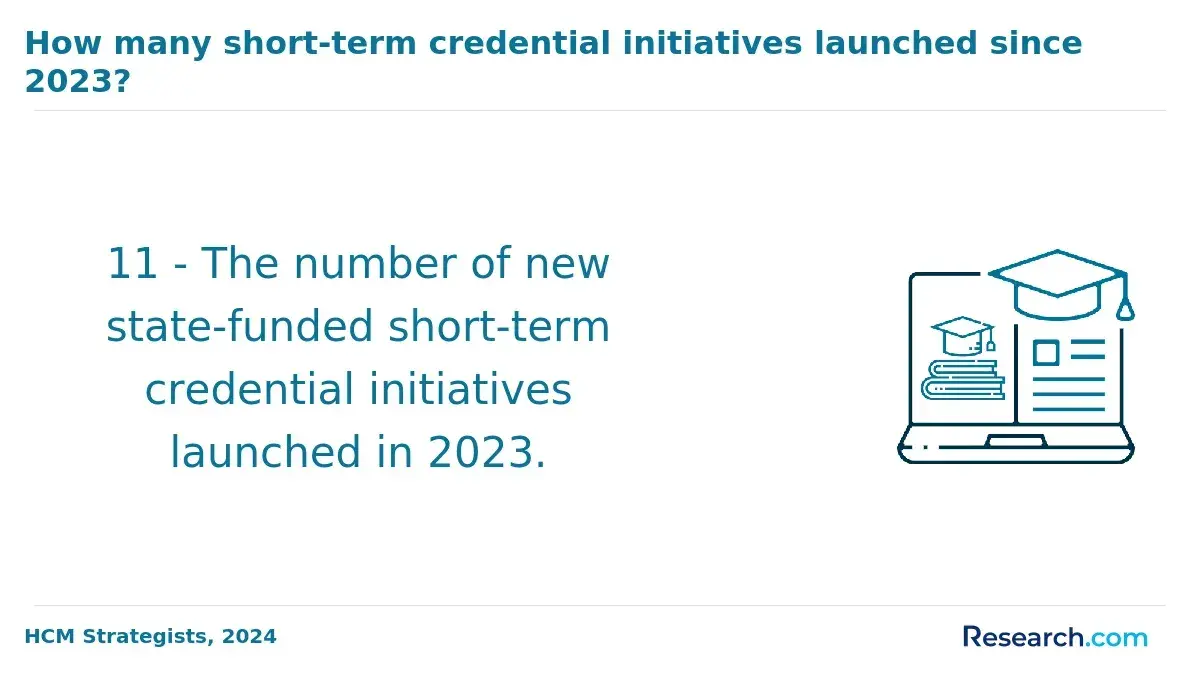
Growth in educational leadership degree concentrations is increasingly shaped by technological integration, demographic shifts, and data-centric management demands within K-12 and higher education systems. For example, a recent 2024 report by the U.S. Department of Education's National Center for Education Statistics noted a 20% enrollment increase in programs focusing on educational technology leadership from 2020 to 2023, reflecting institutions' need for administrators adept at navigating hybrid learning environments and digital equity challenges.
This trend underscores a broader strategic shift where leaders must balance tech fluency with equity considerations, as rising demand for diversity and inclusion expertise aligns with evolving regulatory priorities and social expectations.
Meanwhile, concentrations emphasizing data-driven decision-making respond to employers' calls for administrators skilled in analytics to optimize resource allocation and accountability, though these programs often require graduates to navigate complex tradeoffs between pedagogical goals and operational efficiency.
These expanding specializations are not simply popular additions but represent fundamental shifts that influence curriculum design and graduate adaptability in shifting job markets. Students and professionals must weigh the long-term relevance of emerging fields against traditional leadership routes, considering how specialization choices impact career flexibility, advancement potential, and alignment with evolving employer needs.
For instance, programs emphasizing diversity, equity, and inclusion equip leaders to manage cultural competency and policy implementation in increasingly heterogeneous educational settings, yet require ongoing engagement with changing regulatory frameworks.
Similarly, data-focused concentrations demand comfort with technological tools and quantitative analysis, skills that may not universally suit every aspirant but clearly align with an education sector moving toward accountability and evidence-based practices.
One graduate student reflected on choosing between an emerging educational technology concentration and a more established principalship track. Initially drawn to the rapid growth of tech-oriented programs, they hesitated after consulting with faculty and reviewing labor market data that highlighted the nuanced demands of hybrid instructional leadership versus broader administrative roles.
Conversations with current professionals revealed that while tech leadership roles are expanding, they often require continual skill updates and can limit career options outside specialized tech management. This prompted a careful reevaluation of how the chosen concentration might balance immediate labor market advantages against longer-term career adaptability and interest alignment.
Why Are Certain Educational Leadership Degree Concentrations Experiencing Rapid Growth?
The primary driver behind rapid growth in certain educational leadership degree concentrations is the alignment of programs with employer demands shaped by technological integration and regulatory complexity. For instance, leaders proficient in managing digital transformation and leveraging data-driven decisions are increasingly sought after as schools invest heavily in technology infrastructure.
According to the National Center for Education Statistics, enrollments focused on technology integration in educational leadership increased by 18% since 2021, indicating that candidates able to navigate these complexities hold competitive advantages in hiring pools.
Concentrations emphasizing policy implementation and compliance responsibilities also reflect real workforce pressures stemming from tighter accountability standards. Districts are prioritizing leaders familiar with navigating state and federal mandates as educational funding and operational governance become more scrutinized.
This shift favors candidates prepared for highly regulated environments but may challenge those expecting broader instructional or community-focused roles. Additionally, emerging blends of organizational leadership with social-emotional learning respond to shortages and evolving expectations for leaders to balance operational efficiency with equity considerations, though such specializations demand a diverse skill set that not every student may be equipped or interested to pursue.
While these expanding concentrations signal areas of robust employer interest, rapid growth does not assure universal fit or long-term stability. Prospective students must weigh the accelerated pace of change in technology-driven or compliance-oriented tracks against their own adaptability and career aspirations, as curricula often require ongoing professional development to maintain relevance.
Thoughtful specialization choice should factor in both current labor market signals and the practical demands of continuous skill updating inherent to these fields.
Which Industries Are Driving Demand for Fast-Growing Educational Leadership Degree Specializations?
Industries driving employer demand for specialized educational leadership roles in the US are pivotal in shaping which degree concentrations expand fastest. The K-12 sector remains a dominant force, fueled by regulatory pressures, equity initiatives, and workforce shortages that prioritize leaders fluent in policy enforcement and accountability frameworks.
Higher education is also reshaping its need for leadership, particularly as institutions adapt to hybrid learning models and evolving funding landscapes, requiring administrators skilled in operational and research management. This dynamic signals a tradeoff for students: focusing on K-12 administration offers direct engagement with public education challenges, while higher education leadership demands navigating more complex institutional ecosystems and budget constraints.
Technological integration further influences these trends, as schools and training organizations increasingly seek expertise in educational technology leadership to implement digital platforms and data-informed decisions. This emerging niche reflects projected growth in tech-driven educational leadership roles, underscoring the importance of adaptability to evolving tools and methodologies.
Prospective students must weigh the relevance of concentrations aligned with these market shifts against long-term career stability, especially given policy volatility and funding uncertainties. For those balancing professional commitments, understanding graduation and completion dynamics in tandem with market demands is crucial when choosing a specialization, as demonstrated by informed pathways like an online RN to BSN which exemplifies targeted progression within a high-demand industry.
What Are the Highest-Paying Educational Leadership Degree Concentrations?
Leadership roles in educational administration tied to K-12 school management, higher education administration, and special education consistently offer stronger compensation due to the complexity and scale of responsibilities involved.
According to the U.S. Bureau of Labor Statistics' 2024 data, positions such as school principals and postsecondary education administrators receive wages notably above the education sector average, reflecting the need for advanced skills in budgeting, personnel management, and strategic oversight.
This reflects a labor market where candidates with expertise in managing sizable budgets and diverse teams are more highly valued, and where the breadth of an administrator's scope-such as oversight across multiple schools or districts-directly correlates with earning potential.
Conversely, specializations centered on emerging areas like educational technology and policy analysis are gaining traction, driven by increasing reliance on digital learning platforms and regulatory compliance, signaling expanding opportunities for leaders proficient in technological integration and data-driven decision-making.
Market demand also influences compensation disparities, with leadership roles aligned to compliance, inclusive education, and STEM-focused administrative functions responding to workforce shortages and institutional priorities. These trends suggest that while some concentrations may offer higher initial salaries, choices must consider not only immediate financial returns but also alignment with evolving educational structures and policymaking environments.
For instance, an administrator specializing in technology implementation may face a rapidly shifting landscape that requires ongoing skills adaptation but offers expanding roles across districts. This dynamic contrasts with more traditional leadership tracks, which may offer greater stability but less rapid salary growth.
One recent graduate shared how her decision between K-12 administration and educational technology leadership hinged on analyzing alumni employment reports and industry demand surveys. While the K-12 path showed higher median earnings, discussions with faculty and administrators highlighted that technology leadership roles, though currently somewhat lower-paying, present increasing strategic importance in districts investing heavily in digital infrastructure.
Balancing financial considerations with personal interest in innovation, she recognized the tradeoff between established leadership pathways with more predictable advancement and emerging fields demanding flexibility but with less certain long-term remuneration. This deliberation underscored the importance of integrating salary data with personal professional goals and market trends rather than selecting a concentration solely on earning potential.
How Are Technology and Innovation Influencing Educational Leadership Degree Specialization Trends?
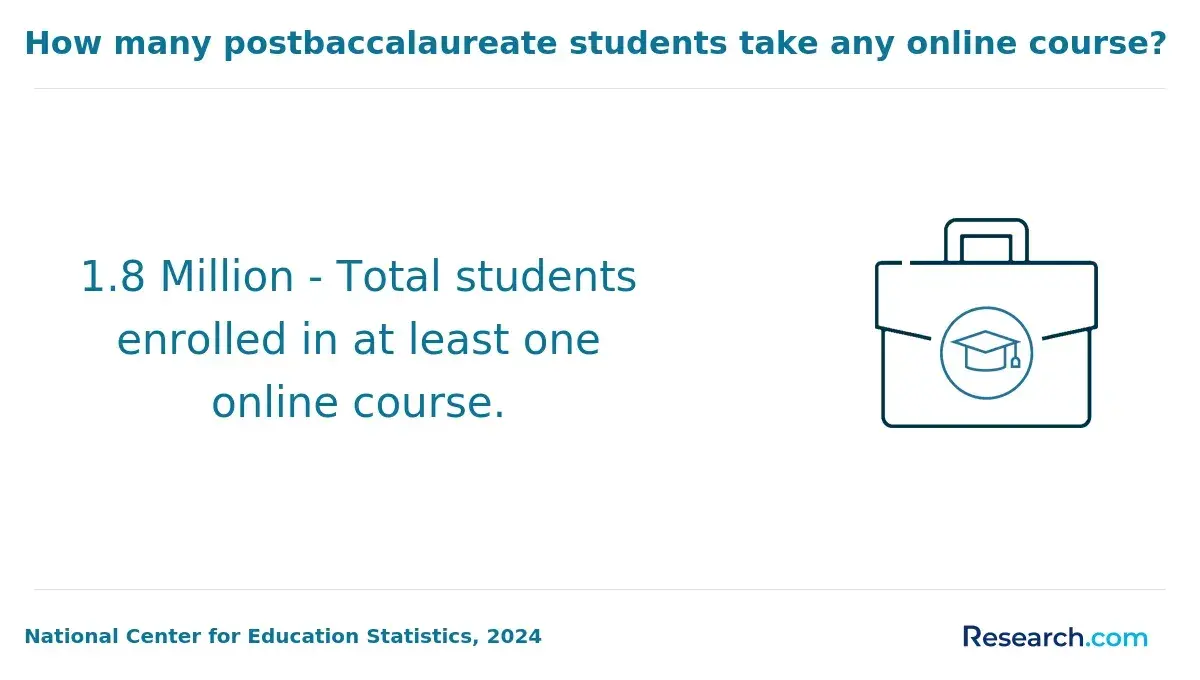
Technology and innovation are shifting the contours of educational leadership degree technology integration trends, demanding a recalibration of specialization choices. Increasingly, programs are embedding artificial intelligence and data analytics to equip leaders with tools for informed decision-making based on large datasets.
For instance, the demand for professionals skilled in AI-powered analytics-covering ethical data use and predictive modeling-is driving curriculum evolution but also raises the bar for technical proficiency alongside leadership theory.
These specialized skills enhance employability in districts focused on digital transformation projects but require prospective students to balance steep learning curves and longer-term relevance in a workforce that prizes adaptability to evolving tech environments.
Specializations centered on instructional technology leadership are growing as districts seek leaders capable of merging pedagogical goals with evolving digital platforms and adaptive learning tools. Employers prioritize candidates who can manage hybrid and virtual learning environments effectively while fostering innovation among faculty, a trend reflected in rising enrollment within these niches.
This evolution influences how students weigh their interests and aptitude against practical outcomes, as success depends on navigating complex academic workloads while developing interdisciplinary competencies.
Those considering educational leadership degrees must therefore account for graduate success rates and completion statistics, especially when balancing professional responsibilities-mirroring challenges found in 12-month accelerated nursing programs online that similarly blend intensity with career adjustment.
Ultimately, selecting a specialization demands scrutiny of workforce trends and program design innovations, recognizing that traditional leadership skill sets now intersect substantially with specialized technology integration capabilities.
The shifting employer expectations documented by the American Association of School Administrators underscore this integration's impact on hiring, making an informed appraisal of these dynamics essential for anyone evaluating educational leadership degree technology integration trends as part of their graduate education decision-making process.
What Career Opportunities Are Available in Fast-Growing Educational Leadership Degree Concentrations?
The fastest-growing educational leadership degree concentrations reflect significant shifts in employer expectations, particularly a rising emphasis on integrating technology with administration. Roles demanding expertise in digital learning and instructional technology leadership are expanding faster than average, driven by districts adopting hybrid and remote models that require leaders who can manage digital transformation and personalized learning frameworks.
Labor market projections from the Bureau of Labor Statistics for 2024 indicate an 8% growth in these tech-focused administrative positions, signaling that professionals lacking these skills may face narrower options in innovation-driven education environments.
Conversely, specializations emphasizing equity and inclusion respond to a growing imperative for culturally responsive leadership amid increasingly diverse student populations. Administrators equipped to navigate policy reforms and foster collaboration with community stakeholders gain a competitive edge, particularly in urban districts targeting systemic equity improvements.
However, this pathway often demands advanced interpersonal skills and political acumen to manage complex social dynamics, which may limit mobility into more technically oriented or centralized administrative roles.
District- or regional-level leadership concentrations continue to be relevant as education systems consolidate governance and face stringent resource constraints. These roles prioritize strategic oversight and operational efficiency, placing graduates in superintendent or executive director positions with broad multi-site responsibilities.
Selecting this concentration situates professionals for high-level decision-making roles but can also require balancing competing demands from regulatory agencies and local constituencies, which may challenge those seeking specialized focus. Ultimately, career choice among these fast-growing educational leadership paths shapes one's professional versatility, with each concentration cultivating distinct leadership competencies aligned with evolving workforce requirements.
Which Online Educational Leadership Degree Concentrations Are Seeing the Most Growth?
The fastest growth among online educational leadership degree concentrations reflects deeper shifts in employer needs and regulatory environments rather than simple popularity. For example, special education leadership programs have seen enrollment increases of nearly 18% between 2022 and 2024, according to the National Center for Education Statistics, driven by district demands for administrators skilled in inclusive, specialized services.
However, choosing this concentration often requires readiness to navigate complex legal mandates and higher accountability standards, which can limit flexibility for those seeking broader district leadership roles.
Technology integration leadership grows in response to the expanding digital infrastructure in schools, with the Bureau of Labor Statistics projecting a 9% increase in roles emphasizing technology management through 2030. Leaders in this area must balance technical expertise with data privacy and hybrid learning challenges, positioning them well for diverse educational settings but potentially narrowing focus away from traditional instructional leadership.
Meanwhile, diversity, equity, and inclusion (DEI) concentrations gain traction due to social justice imperatives and community expectations, yet students should weigh how these roles intersect with policy and cultural leadership rather than operational administration. These trends underscore that specialization choices impact not only immediate employability but also long-term career trajectories given evolving educational landscapes.
What Is the Future Outlook for Emerging Educational Leadership Degree Specializations?
The trajectory of emerging educational leadership degree specializations increasingly reflects the pressing demands of a digitally integrated and socially conscious educational workforce. According to the U.S. Bureau of Labor Statistics (2024), employment for instructional coordinators and educational administrators is expected to grow 8% over the next decade, surpassing average occupational growth.
This demand prioritizes expertise in technology integration and equity-focused leadership, signaling that specializations emphasizing these areas not only align with employer priorities but also adapt to evolving institutional requirements such as hybrid instruction management and culturally responsive policy development.
Educational leadership degree concentration trends demonstrate clear growth in data-driven decision-making roles, particularly where leaders interpret instructional analytics to meet accountability mandates and optimize outcomes. However, prospective students should be aware that regulatory shifts and public-sector budget variability may temper growth in certain traditional roles, necessitating strategic specialization choices.
Choosing a focus in educational technology leadership demands a blend of digital proficiency and management acumen, which increasingly defines employability in modern educational settings. Those evaluating degree options might also consider interdisciplinary pathways that balance equity leadership with data literacy to address complex institutional challenges effectively, a nuanced approach that enhances long-term career resilience in emerging educational leadership degree career prospects.
The field's practical reality also points prospective students and career changers toward flexible program options that align with workforce demands, including accelerated formats. For individuals seeking to expedite their credentials while maintaining alignment with these market needs, pathways like accelerated FNP programs online illustrate how institutions respond to workforce urgency, albeit in a different sector.
Integrating understanding of fast-growing educational leadership specializations with such flexible learning models can substantially influence graduate outcomes and job market positioning.
How Can You Choose the Right Educational Leadership Degree Concentration Based on Your Career Goals?
Choosing the right educational leadership degree concentration requires more than interest alignment; it demands a strategic assessment of how a specialization positions graduates within evolving workforce needs. For example, a student aiming for roles in K-12 administration should prioritize concentrations in school administration or curriculum development rather than broader organizational leadership, which may be less relevant for school district hiring priorities.
This focus not only enhances immediate job prospects but influences long-term growth and role flexibility, as specializations emphasizing data-driven equity and technology leadership reflect a 6% growth rate in employer demand, according to the U.S. Bureau of Labor Statistics (2024).
Students exploring how to choose an educational leadership degree concentration for career goals must also weigh emerging subfields like digital learning management, which respond to rapid adoption of remote and hybrid schooling models. Concentrations providing real-world leadership experience and mentorship opportunities frequently translate into higher job placement, making practical exposure a crucial factor.
Those targeting higher education administration roles should consider how their specialization opens pathways to enrollment management or student affairs, contrasting with K-12 tracks leading to superintendent roles-demonstrating that concentration choice directly impacts career trajectory and professional development.
Balancing industry demand with individual professional interests is essential, especially for those intending to pursue advanced degrees or leadership roles that require specialized skills. For guidance on navigating these complex decisions, prospective students might explore resources such as the best PMHNP programs online for insights into program outcomes and employment trends.
Selecting the best educational leadership specializations aligned with career aspirations ultimately hinges on integrating workforce data, evolving education models, and practical leadership training to secure sustainable career advancement.
References
- Why an Educational Management Degree is Vital for SA Leaders https://www.mancosa.co.za/blog/why-a-postgraduate-educational-management-degree-is-needed-in-sa/
- Trends for the Future of Education: How Cairn’s EdD Equips You to Lead https://cairn.edu/trends-for-the-future-of-education-how-cairns-edd-equips-you-to-lead/
- Middle Atlantic Region - Editor’s Top Picks: Educational Leadership Administrator Prep Master’s Degrees - Educational Leadership Degree https://www.educationalleadershipdegree.com/editors-choice/middle-atlantic-region-top-picks-masters/
- Best Educational Leadership Doctoral Programs | University of Bridgeport https://www.bridgeport.edu/news/best-educational-leadership-doctoral-programs/
- An Overview of Specialization Options in Education Degrees https://www.euroeducation.net/articles/an-overview-of-specialization-options-in-education-degrees.htm
- Tips for Choosing Your Graduate Concentration - Graduate Programs for Educators https://www.graduateprogram.org/blog/tips-for-choosing-your-graduate-concentration/
- How has Ed Leadership Changed? https://www.saintpeters.edu/academics/graduate-programs/education/how-has-ed-leadership-changed/
- Innovative Trends Redefining Education Leadership https://insightssuccessmagazine.com/incubating-innovation-innovative-trends-in-education-leadership/
- Emerging Trends In Educational Leadership For African Schools - African Leadership Magazine https://www.africanleadershipmagazine.co.uk/emerging-trends-in-educational-leadership-for-african-schools/
- How to Pick Your Concentration for Your M.Ed. Degree | ACE Blog https://ace.edu/blog/how-to-pick-your-med-concentration/
Other Things You Should Know About Educational Leadership
Specializations centered on systemic policy and reform often require an understanding of broader educational ecosystems and may lean more heavily on research and advocacy skills. These tracks tend to align with roles in government agencies, nonprofit sectors, or district administration but might limit direct, on-the-ground leadership experience.
Conversely, school-level leadership focuses on operational management and immediate community impact, which is attractive to employers seeking candidates to fill principal or assistant principal positions. Prospective students should consider whether they prefer influencing education through policy frameworks or hands-on school leadership, as the skill sets and career pathways can diverge substantially.
With technology's growing role in education, concentrations that incorporate educational technology leadership or digital learning strategies are expanding rapidly. Graduates from these tracks often find themselves competitive for roles that require managing edtech initiatives or facilitating digital transformation in schools and districts.
However, these programs may demand continual skill updates as technology evolves, which means ongoing professional development becomes critical post-graduation. Choosing a specialization that integrates technology prepares you for emerging demands but also commits you to staying current in a fast-paced environment.
Broad leadership specializations provide versatility, equipping graduates to adapt easily to diverse educational settings or transition between roles such as administration, policy, or consulting. This flexibility is valuable given the dynamic nature of education careers.
Niche focuses, while potentially limiting in lateral movement, can position graduates as sought-after experts in specialized fields like special education administration or diversity and inclusion, often commanding higher salaries and influence within those domains. For most career changers and working professionals, a balanced approach that starts with broad leadership training and allows later specialization tends to maximize long-term career resilience and upward mobility.