Live Transfer Lead Quality: How to Evaluate It

Co-Founder and Chief Data Scientist
Buying leads can be a risky endeavor. You spend your hard-earned money on leads, and you hope that they will be high-quality and result in a ton of sales calls. But not all leads are created equal!
Before you spend your money, you need to know how to determine if a lead is worth your time. Here are some tips to help you evaluate live lead transfers before you buy them.
Key Findings
- Lead quality depends on more than volume. Source, qualification, verification, freshness, buyer intent, geographic fit, and exclusivity all influence whether a live transfer is likely to convert.
- A strong vendor should be transparent and compliant. Buyers should understand where leads originate, how prospects are screened, how consent is obtained, and how calls are transferred.
- Test before scaling. Start with a small order, such as 10–20 leads, then measure qualified conversations and actual sales before committing more budget.
- Measure value, not just cost per lead. Conversion rate, cost per sale, ROI, customer lifetime value, and consistency over time provide a better picture of lead quality than price alone.
Tip 1: Determine How the Lead was Found
Where did the lead come from? This is one of the most important questions to ask.
- Search Ads: These are the best type of ads. This means that someone searched for a specific term (like "buy health insurance") and then clicked on your ad. This shows that they are looking for what you have to sell!
- Social Media: This can be a good source of leads, but many people are just browsing social media and don't actually want what you have to sell.
- Prize Leads: Leads from prize games are the worst. People only give you their phone number so that they can get a prize; they aren't actually interested in buying anything!
Tip 2: Ask What Questions Were Asked
The best lead companies will ask qualifying questions before transferring the lead to you. Before you buy leads from a company, ask them what questions they ask the prospect. Reputable companies will ask things like the following:
- Age and Location: This helps them determine if the prospect is eligible for what you are selling.
- Needs: Are they in need of what you have to offer?
- Budget: Can they afford to buy what you are selling?
If a lead company asks these types of questions, you can be more confident that the leads are worth your money. If they don't, you will waste your time and money.
Tip 3: Ask if They are Exclusive Leads

When you buy live lead transfers, you want to know that you are the only person contacting that prospect.
- Exclusive Leads: These are calls that are transferred exclusively to you. No other agent will be contacting them, which means you have a much higher chance of closing the sale!
- Non-Exclusive Leads: These are leads that will be shared with other agents. You might end up wasting your time trying to sell something to a prospect who is already buying from another agent.
You should always try to buy exclusive leads whenever possible.
Tip 4: Ask About Special Leads
Some types of leads need to be qualified differently from others. When you buy live transfer health insurance leads, there are certain things you need to look for. For example, you should make sure that the prospect is not enrolled in another government-sponsored health insurance plan, and that they are within the sign-up window for the state they are in. If a lead company does not do this type of screening, then you are wasting your money!
Tip 5: Always Do a Test Order
Never buy a ton of leads from a new lead company.
- Always do a test order of 10-20 leads first.
- This will help you determine if the leads are worth your time and money.
- Count how many prospects actually stayed on the phone with you and met your qualification requirements.
Then, count how many policies you actually sold. If the test order was successful, you can continue buying leads from that company. Evaluating your leads before you buy them will help you save time and money and increase your sales!
Tip 6: Understand the Lead Verification Process
One of the biggest factors that determines lead quality is the verification process used by the lead generation company. A verified lead is far more valuable than a lead that simply fills out a form online.
Lead verification helps confirm that the prospect is a real person with genuine interest in the product or service being offered. Without verification, businesses may waste valuable time contacting people who entered fake information, accidentally submitted their details, or have no interest in purchasing.
A strong verification process often includes:
- Phone number validation
- Email verification
- Identity confirmation
- Interest confirmation
- Location verification
Many professional live transfer providers will have an agent speak with the prospect before transferring the call. During this conversation, the agent confirms key information and ensures the prospect is genuinely interested in speaking with a sales representative.
When evaluating a lead vendor, ask detailed questions about their verification process. The more steps they take to verify prospects, the higher the likelihood that you'll receive qualified leads.
Tip 7: Analyze Conversion Rates
The true measure of lead quality is conversion performance. A company may promise hundreds of leads, but if none of them convert into customers, the leads have little value.
Ask the lead provider for historical performance data such as:
- Contact rates
- Appointment rates
- Conversion rates
- Closing rates
- Average customer acquisition cost
While no lead provider can guarantee results, reputable companies should be able to provide performance benchmarks from previous campaigns.
Keep in mind that conversion rates vary by industry. For example:
- Insurance leads may convert differently than mortgage leads.
- Home improvement leads may have different buying timelines than solar leads.
- B2B leads often require longer sales cycles than consumer leads.
Comparing performance metrics can help you determine whether a lead source is delivering genuine value.
Tip 8: Evaluate Lead Freshness
Fresh leads are often more valuable than aged leads. Timing plays a major role in whether a prospect is likely to engage with your offer.
When someone requests information online, their interest is usually highest immediately after submitting the inquiry. If hours or days pass before they are contacted, their interest may decline significantly.
Live transfer leads have an advantage because the prospect is transferred directly to a sales representative while interest is still high.
When assessing lead quality, ask:
- How quickly are leads delivered?
- Are leads transferred in real time?
- How long after the inquiry is the prospect contacted?
- Are the leads generated today or resold from previous campaigns?
The faster the response time, the greater the chance of conversion.
Tip 9: Review Lead Source Transparency
A trustworthy lead generation company should be transparent about where their leads originate.
Some providers generate their own leads through proprietary marketing campaigns, while others purchase leads from third-party vendors. Understanding the source can help you assess quality and compliance.
Questions to ask include:
- Do you generate leads in-house?
- Are leads purchased from third parties?
- What marketing channels are used?
- Are prospects aware they will be contacted?
- How is consent obtained?
Transparency helps reduce risk and ensures you understand exactly what you're buying.
Tip 10: Consider Geographic Targeting

Location matters when evaluating leads.
A prospect may be highly interested in your product, but if they live outside your service area, the lead provides little value.
Effective geographic targeting ensures that prospects are located within the regions you serve.
Benefits of geographic targeting include:
- Better qualification rates
- Higher conversion rates
- Reduced wasted marketing spend
- Improved customer satisfaction
Before purchasing leads, make sure the lead provider can target specific states, cities, ZIP codes, or regions relevant to your business.
Tip 11: Assess Compliance Standards
Compliance is becoming increasingly important in lead generation.
Businesses must ensure that leads are collected and transferred in accordance with applicable laws and regulations. Failure to do so can result in significant fines and legal complications.
Important compliance considerations include:
- Consumer consent
- TCPA compliance
- Data privacy regulations
- Call recording policies
- Opt-in documentation
Ask lead vendors how they obtain consent and whether they maintain records that can verify compliance.
A reputable company should be willing to explain its compliance procedures and provide documentation when necessary.
Tip 12: Evaluate Call Quality

For live transfer leads, call quality is just as important as lead quality.
A high-quality lead transfer should include:
- Clear audio
- Minimal background noise
- Proper introduction
- Smooth handoff process
- Accurate prospect information
Poor call quality can negatively impact sales performance even when the prospect is interested.
Review recorded calls whenever possible. Listening to actual lead transfers can provide valuable insight into how prospects are qualified and transferred.
Tip 13: Monitor Lead Consistency
Many businesses focus only on lead volume. However, consistency is equally important.
Receiving twenty excellent leads one week and twenty poor leads the next can make forecasting difficult.
Quality lead providers maintain consistent standards throughout their campaigns.
Track metrics such as:
- Qualification rates
- Contact rates
- Conversion rates
- Sales volume
- Return on investment
Monitoring these trends over time can help identify whether lead quality remains stable.
Tip 14: Compare Cost Versus Value
The cheapest lead is not always the best lead.
Many businesses make the mistake of focusing solely on price. While budget considerations are important, value should be the primary concern.
For example:
- A $10 lead that never converts is expensive.
- A $100 lead that consistently generates sales may be highly profitable.
Calculate metrics such as:
- Cost per lead
- Cost per appointment
- Cost per sale
- Return on ad spend
- Customer lifetime value
These measurements provide a clearer picture of overall profitability.
Tip 15: Understand Buyer Intent
Not all prospects are at the same stage of the buying journey.
Some individuals are actively looking to purchase immediately, while others are simply gathering information.
Understanding buyer intent can help prioritize leads and improve sales efficiency.
High-intent indicators may include:
- Requesting a quote
- Asking for pricing information
- Scheduling a consultation
- Comparing providers
- Seeking immediate service
Leads with strong buying intent generally produce higher conversion rates and better return on investment.
Tip 16: Track Long-Term Performance
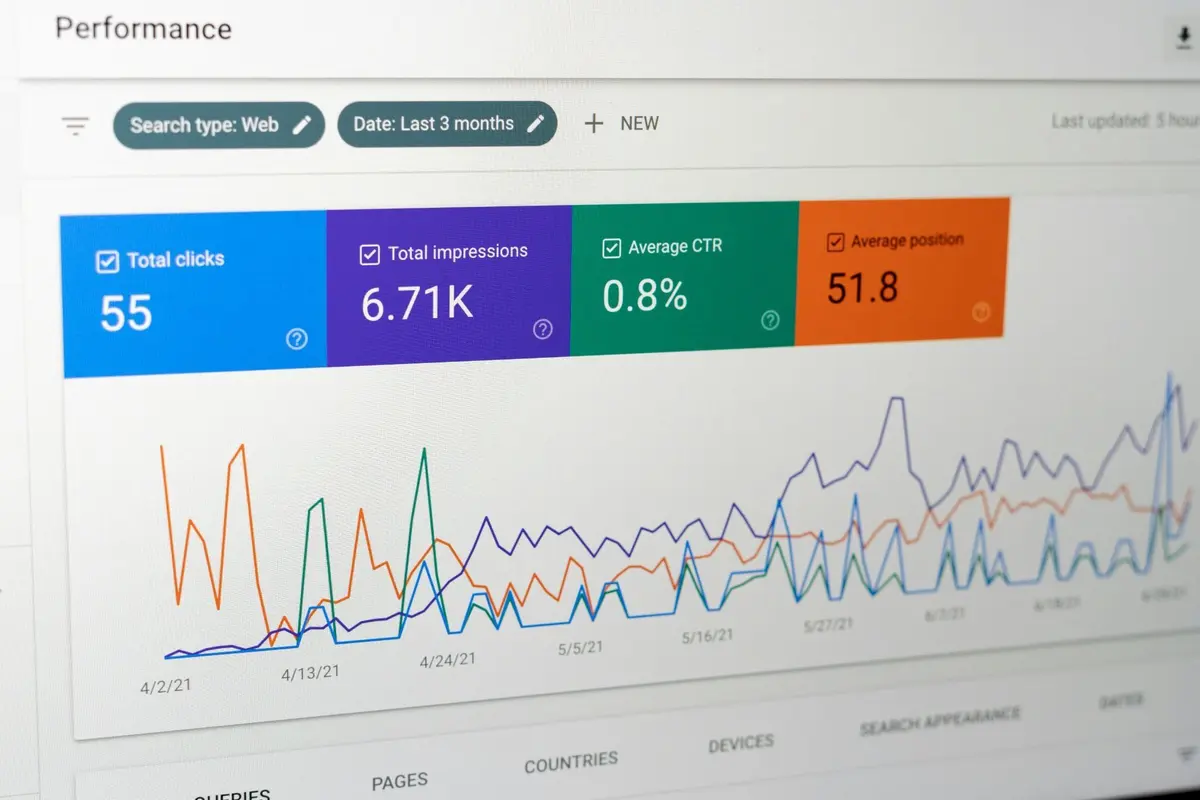
Many businesses evaluate lead quality based solely on initial sales results. However, long-term performance can be equally important.
Customers acquired through quality lead sources often demonstrate:
- Higher retention rates
- Greater customer satisfaction
- More referrals
- Higher lifetime value
- Increased repeat purchases
Track customer behavior after the initial sale to determine which lead sources generate the most valuable customers.
This long-term perspective can help optimize future lead purchasing decisions.
Tip 17: Build a Lead Scoring System
A lead scoring system can help businesses evaluate prospects more effectively.
Lead scoring assigns points based on factors such as:
- Demographics
- Location
- Budget
- Buying intent
- Product interest
- Engagement level
Prospects with higher scores are prioritized by the sales team, improving efficiency and conversion rates.
Over time, lead scoring data can reveal which characteristics are most commonly associated with successful sales.
Tip 18: Work With Reputable Lead Providers
Finally, the quality of your leads depends heavily on the company providing them.
Look for providers that:
- Have positive customer reviews
- Offer transparent reporting
- Maintain compliance standards
- Provide quality assurance
- Deliver consistent performance
Research the company's reputation before making a purchase.
Read testimonials, request references, and ask for sample calls when available.
A reputable lead provider will be focused on long-term partnerships rather than making a quick sale.
Tip 19: Measure Lead Engagement Before the Transfer

One often overlooked factor when evaluating live transfer leads is prospect engagement. Not every prospect who agrees to speak with a sales representative is equally interested in making a purchase. Some may simply be gathering information, while others may be actively looking to buy.
A quality lead generation company will engage prospects in meaningful conversations before transferring them. The more engaged a prospect is during the qualification process, the more likely they are to stay on the line and continue the conversation with your sales team.
Signs of strong engagement include:
- Asking detailed questions about products or services
- Expressing urgency about solving a problem
- Discussing budgets or purchasing timelines
- Comparing options and providers
- Requesting additional information
Engaged prospects tend to convert at higher rates because they have already invested time in learning about the solution. When speaking with lead vendors, ask how long their agents typically spend with prospects before transferring calls. A well-qualified lead usually involves more than a quick confirmation of contact information.
It's also helpful to ask whether agents follow a structured qualification script. Consistent qualification processes help ensure that each transferred lead meets specific quality standards.
Tip 20: Monitor Lead Outcomes and Feedback
Lead evaluation should not stop after the purchase. The most successful businesses continuously monitor lead outcomes and provide feedback to their lead generation partners.
Creating a feedback loop allows both parties to improve performance over time. Your sales team can identify trends and share valuable insights about which leads are converting and which are not.
Important metrics to track include:
- Calls answered
- Qualified conversations
- Appointments booked
- Sales completed
- Revenue generated
- Customer retention
Over several weeks or months, this data can reveal patterns that help optimize future campaigns.
For example, you may discover that leads from a particular geographic area convert better than others. Alternatively, you might find that prospects within a certain age range are more likely to purchase your services. Sharing this information with your lead provider can help refine targeting and improve future results.
Regular reporting meetings can also strengthen your partnership with the lead vendor and ensure that both sides remain focused on quality rather than simply increasing lead volume.
Common Mistakes to Avoid When Buying Live Transfer Leads
Even experienced businesses sometimes make costly mistakes when purchasing leads. Understanding these common pitfalls can help protect your marketing investment.
Focusing Only on Price
Many buyers choose the cheapest provider available. While lower costs may seem attractive initially, poor-quality leads often result in wasted time and lower sales performance.
Ignoring Qualification Standards
Not all lead providers use the same qualification process. Failing to verify how prospects are screened can lead to disappointing results.
Buying Large Volumes Immediately
Purchasing hundreds of leads before testing quality can be risky. Start with a small campaign and evaluate performance before scaling up.
Failing to Track Results
Without proper tracking, it becomes difficult to determine whether a lead source is profitable. Always measure performance using clear metrics.
Delayed Follow-Up
Even with live transfers, prompt engagement matters. Sales representatives should be prepared to handle calls professionally and efficiently once prospects are transferred.
Avoiding these mistakes can significantly improve your return on investment and help establish successful lead acquisition strategies.
Why Live Transfer Leads Continue to Grow in Popularity
Businesses across multiple industries are increasingly investing in live transfer leads because they offer several advantages over traditional lead generation methods.
Unlike online forms or aged leads, live transfers connect businesses directly with prospects who are actively engaged at that moment. This immediate interaction often leads to higher contact rates and better conversion opportunities.
Industries that frequently benefit from live transfer leads include:
- Health insurance
- Medicare
- Mortgage services
- Debt relief
- Home improvement
- Solar energy
- Financial services
- Legal services
The primary reason for this popularity is efficiency. Sales representatives spend less time chasing unresponsive prospects and more time speaking with individuals who have already expressed interest.
As competition increases across industries, businesses are seeking ways to improve marketing efficiency and maximize every sales opportunity. Live transfer leads help achieve this goal by shortening the sales cycle and connecting qualified prospects directly with decision-makers.
Final Thoughts
The success of any lead generation campaign depends on lead quality. While it may be tempting to focus on lead volume, experienced marketers understand that quality always outweighs quantity. A small number of highly qualified prospects will often generate more revenue than a large number of poorly targeted leads.
When evaluating live transfer leads, take time to examine every aspect of the process, including lead sources, verification methods, qualification standards, exclusivity, compliance practices, buyer intent, and conversion performance. Ask detailed questions, review sample calls, conduct test campaigns, and track results carefully.
The best lead providers operate as strategic partners rather than simple vendors. They focus on delivering qualified prospects who match your target audience and have a genuine interest in your products or services. By applying the evaluation techniques discussed throughout this guide, businesses can reduce wasted marketing spend, improve sales productivity, and achieve stronger long-term growth.
Ultimately, investing in high-quality live transfer leads is not just about generating more calls—it's about creating meaningful conversations with prospects who are ready to take the next step toward becoming customers.
References:
- ActiveProspect. A Buyer’s Guide to Choosing Quality Leads Vendors
- Invoca. The Invoca Lead Conversion Benchmarks Report 2026
- HubSpot. Lead Qualification: Gauging Whether a Lead Aligns With Your Offering
- Federal Trade Commission (FTC). Complying with the Telemarketing Sales Rule
Frequently Asked Questions
A high-quality lead is properly verified and qualified, matches your targeting criteria, demonstrates genuine buying intent, and is transferred while the prospect is actively engaged.
Exclusive leads can reduce competition because the prospect is transferred only to one buyer rather than being sold to multiple agents. This can improve the opportunity to close the sale.
Ask about lead sources, qualification questions, verification procedures, exclusivity, delivery speed, consent practices, compliance documentation, geographic targeting, and historical performance benchmarks.
Track qualification and contact rates, appointments, conversions, sales, cost per sale, revenue, ROI, retention, and customer lifetime value. Monitoring these metrics over time helps identify which lead sources consistently produce profitable customers.