
Cognitive Load Management as a New HR Responsibility: Designing Workflows That Protect Mental Bandwidth

Co-Founder and Chief Data Scientist
You probably feel it, that low hum of mental pressure, the sense there’s always something else demanding your attention. In today's work environment, the amount of information and decisions employees face can be overwhelming. This constant mental strain, known as cognitive load, actively diminishes focus, creativity, and overall well-being. For a long time, managing this was seen as an individual's problem, but forward-thinking organizations are recognizing it as a systemic issue requiring a new approach.
The implications for productivity and employee retention are too significant to ignore. This article takes a closer look at how Human Resources departments are now stepping up to address this challenge by redesigning work itself.
What exactly is Cognitive Load in the Workplace?
Cognitive load refers to the total amount of mental effort being used in working memory. Think of working memory as your brain's temporary scratchpad, where you hold and manipulate information to complete a task.
If too much information floods this scratchpad, or if tasks are unnecessarily complicated with irrelevant details, it overloads the system. When this happens, your brain struggles to process new information, make decisions, or even recall things you just learned.
Recent workplace data shows how cognitive load is quietly reshaping productivity. According to ActivTrak’s 2025 State of the Workplace report, the average workday is now about 36 minutes shorter, a drop of roughly 7%, yet measured productivity is up by 2%.
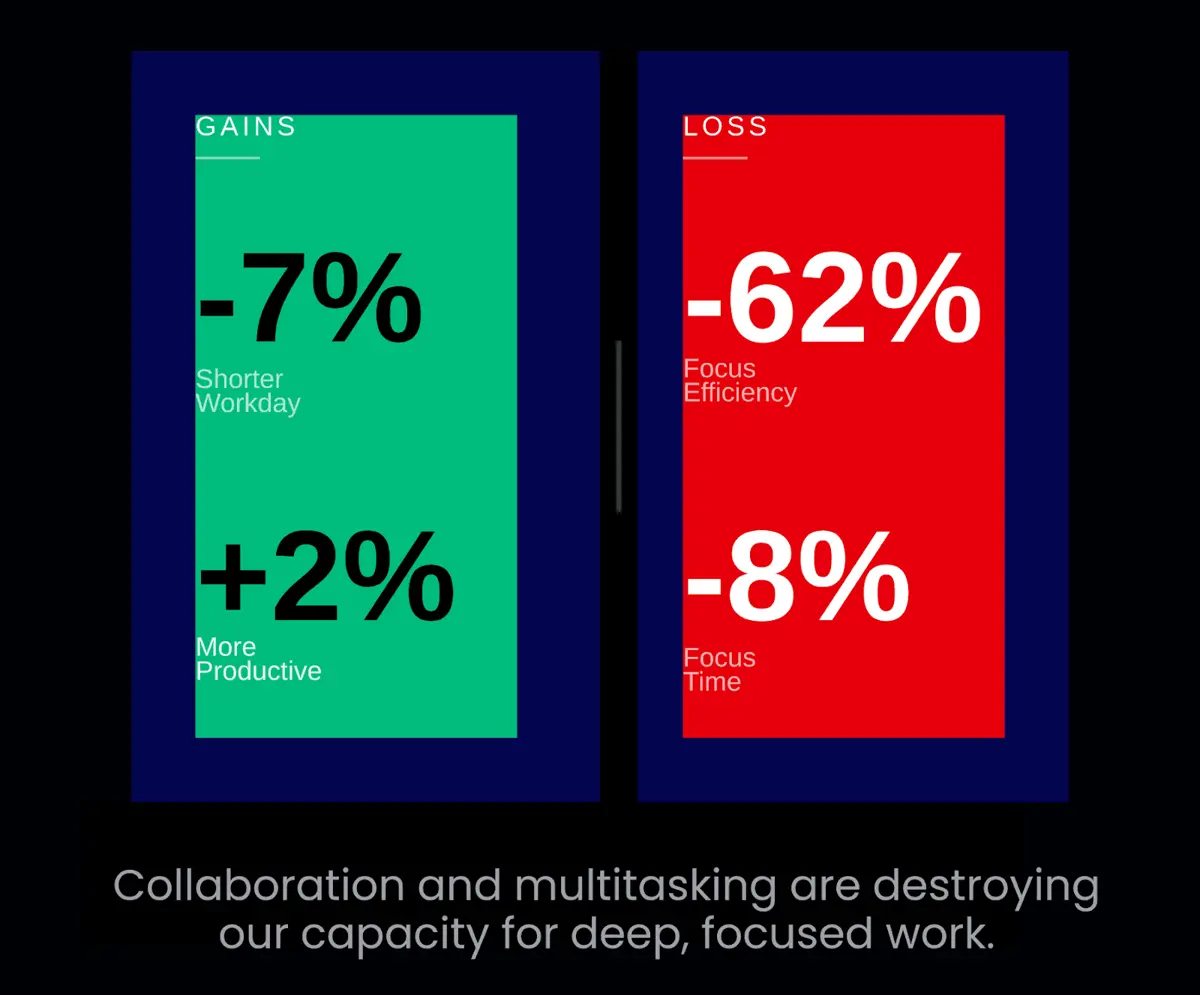
On the surface, that sounds like efficiency gains, but the same data reveals a deeper strain on attention. Focus efficiency has fallen to 62%, and uninterrupted focus time is down around 8%, largely due to constant collaboration, app switching, and background multitasking.
In practical terms, people are getting more done in less time, but they are doing it with fractured attention, paying for those gains with heavier cognitive load and reduced capacity for deep, sustained thinking.
These patterns highlight why modern workspaces increasingly feel mentally exhausting even when hours worked are declining, a trend directly tied to how tools, meetings, and digital interruptions stack cognitive demands throughout the day
There are three key types of cognitive load. Intrinsic cognitive load is inherent to the material itself – the complexity of a task. Learning advanced calculus will always involve a higher intrinsic load than learning basic arithmetic. Extraneous cognitive load comes from the way information is presented or the environment around you.
For example, poorly designed software interfaces, confusing instructions, or constant notifications all add extraneous load, making a task harder than it needs to be. Germane cognitive load is the mental effort needed to truly understand and integrate new information into long-term memory. This is the 'good' load, as it leads to learning and growth.
The issue in many workplaces is an excess of extraneous load. Employees are often faced with tools that are difficult to use, processes that are overly complicated, or an environment riddled with distractions. This constant barrage of unnecessary mental hurdles leaves less capacity for germane load, hindering actual learning and problem-solving. It exhausts employees, leading to burnout and decreased job satisfaction.
Karen Noryko, Career Content Director at Jobtrees, adds, “When employees are constantly navigating convoluted systems or deciphering unclear instructions, their focus shifts from meaningful work to simply surviving the process. Reducing unnecessary mental load isn’t just a productivity issue—it’s essential for employee engagement, learning, and retention.”
When you constantly have to decipher unclear requests or navigate clunky systems, your mental reserves are quickly depleted, leaving little energy for the core aspects of your job. Prioritizing clarity, simplification, and intuitive processes allows employees to devote their cognitive energy to learning, problem-solving, and contributing creatively—ultimately benefiting both the individual and the organization.
Why HR Needs to Own Cognitive Load Management
Historically, HR's role has focused on hiring, training, and compliance. But the modern HR department is expanding its influence into areas that touch directly upon employee experience and well-being, often influencing operational design. Managing cognitive load fits naturally within this evolution and it directly impacts employee performance, mental health, and retention.
When employees are constantly overwhelmed, they make more mistakes, their creativity suffers, and they are more likely to seek employment elsewhere. This then creates a ripple effect, impacting recruitment costs, team morale, and overall organizational effectiveness.
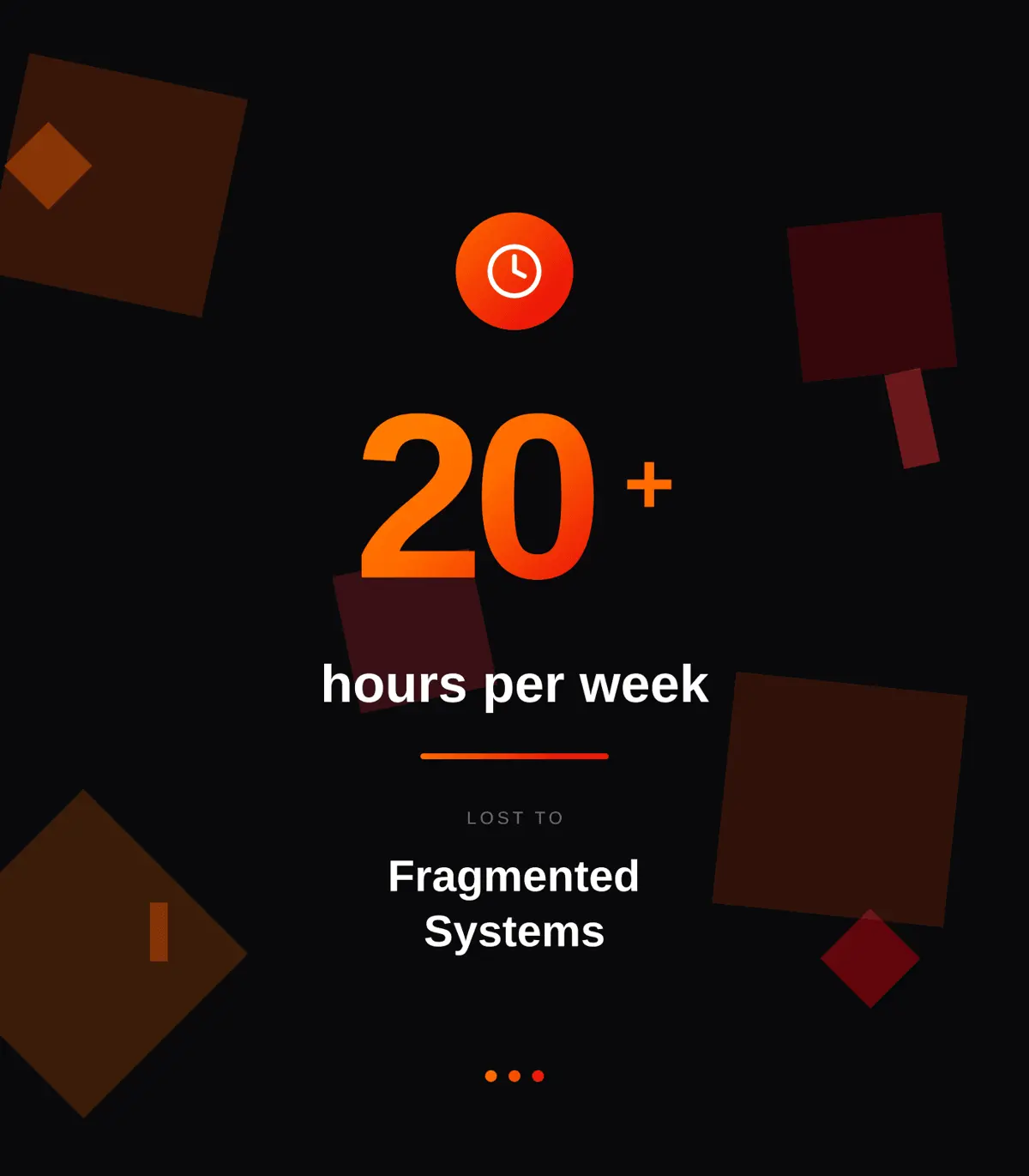
According to a 2023 Quickbase survey, nearly 70% of employees admit to spending as much as 20 hours a week chasing information across fragmented systems — time that could otherwise go toward meaningful work.
And their 2024 Gray Work Index shows that 58% of workers now spend less than half their week on revenue-driving tasks, while administrative overhead consumes the rest. These findings highlight that inefficient systems and poorly designed workflows don’t just slow teams down — they silently drain mental energy, creativity, and focus. Employees can feel exhausted before they even tackle meaningful work, which impacts performance, engagement, and overall satisfaction.
HR is in a unique position to identify these structural inefficiencies and implement workflows that restore employees’ time and cognitive bandwidth. They have access to employee feedback, understand the underlying causes of burnout, and can guide training programs and technology adoption. While individual managers might notice their team members struggling, HR maintains a bird’s-eye view, identifying systemic issues across departments and job functions. This perspective allows them to lead initiatives that go beyond isolated teams, creating consistent and effective solutions that safeguard mental capacity.
Sophia Willows, Head of Engineering at RYE, said, “In fast-paced engineering teams, it’s easy for processes and tools to become so complex that they hinder productivity rather than support it. Streamlining workflows and removing unnecessary cognitive load allows engineers to focus on problem-solving and innovation, which is ultimately where real value is created.”
This focus on mental bandwidth isn’t just about improving day-to-day work — it’s about strategic workforce planning. HR and leadership teams who prioritize employee well-being and sustainable work practices enable their staff to perform at their best consistently.
Employees who are empowered to concentrate on high-value, meaningful tasks experience higher satisfaction, better engagement, and reduced burnout risk.
According to Edward Tian, CEO of GPTZero, “Organizations that recognize the importance of human cognitive capacity are seeing measurable results. When teams can dedicate time to meaningful, creative work rather than being bogged down by administrative noise, performance and innovation skyrocket. It’s a shift from managing tasks to cultivating human potential.”
Finally, workforce retention is heavily influenced by these practices. In a competitive talent market, companies that prioritize mental well-being and design workflows that reduce cognitive strain naturally attract and retain top performers. Competitive salaries are no longer the only factor — employees now seek environments where their focus, creativity, and energy are respected and optimized.
According to Dorian Menard, Founder and Business Manager of Search Scope, “Retention today isn’t just about compensation; it’s about giving people the tools, processes, and environment that allow them to do meaningful work efficiently. When employees feel their time and mental energy are valued, loyalty and performance both increase, creating a win-win for the organization and its people.”
By strategically addressing these structural challenges, organizations not only improve operational efficiency but also cultivate a culture of trust, empowerment, and sustained productivity. Streamlined processes, thoughtful technology adoption, and a focus on employee mental bandwidth are no longer optional — they are essential for long-term business success.
Employees are increasingly seeking workplaces that respect their mental capacity and design work in a way that minimizes unnecessary stress. HR's ownership of this responsibility signals a commitment to a humane and productive workplace, enhancing the employer brand and fostering a loyal workforce.
Analyze Workflows for Cognitive Strain
The first step in managing cognitive load is to understand where it's happening. HR professionals can partner with operational teams to conduct detailed workflow analyses. This isn't just about mapping out steps in a process; it's about observing how employees interact with systems, tools, and information at each stage.
Recent research confirms that persistent multitasking and workflow fragmentation carry real costs for employee well-being. The 2025 study “Multitasking and workplace wellbeing: the roles of job stress and job autonomy” found that multitasking significantly increases job stress, which in turn reduces overall workplace well-being — even for employees in high-tech environments.
This shows that when workflows are fragmented — with staff constantly switching between tasks, tools, or platforms — the mental burden isn’t just inconvenient; it can erode job satisfaction, harm health, and impact long-term performance. Employees expend unnecessary energy simply navigating processes, leaving less capacity for meaningful work or creative problem-solving.
One effective approach is to conduct surveys and focus groups to gather direct employee feedback. Ask staff about the most frustrating parts of their day, the tasks that feel unnecessarily complex, or the tools that cause the most headaches. Understanding these pain points provides actionable insights for improving workflows.
Chris Muktar, Founder & CEO of LINKLY, explains, “The organizations that excel are the ones actively listening to their teams. Collecting feedback about workflow inefficiencies isn’t just a check-the-box exercise — it’s about uncovering hidden obstacles that silently drain time and mental energy. Acting on that feedback transforms frustration into productivity and engagement.”
Look for bottlenecks, unnecessary steps, or confusing interfaces. For example, using multiple disconnected software platforms for a single process, each requiring employees to manually transfer or interpret information, is a major source of extraneous cognitive load.
Similarly, onboarding new employees with hundreds of pages of unstructured documentation or inconsistent guidance creates excessive mental strain. Identify jargon, dense policies, or redundant procedures that force employees to expend energy just to understand what’s expected.
Consider both physical and digital environments. Are notification settings overwhelming? Does the office layout encourage focus, or does it foster constant distractions? Even seemingly small factors, like the frequency of mandatory meetings or the expectation to reply to emails instantly, add to cumulative mental strain. Every point where employees expend energy just to navigate the work instead of performing it should be assessed and optimized.
Alison Lancaster, CEO of Pressat, adds, “Small inefficiencies accumulate faster than most leaders realize. Streamlining communication channels, reducing unnecessary steps, and simplifying interfaces may seem minor, but the impact on mental bandwidth and overall productivity is enormous. Organizations that proactively address these issues see healthier, more focused, and more engaged teams.”
This diagnostic phase lays the foundation for designing targeted interventions. By identifying friction points and sources of cognitive overload, companies can implement strategic changes that reduce unnecessary mental effort, empower employees to focus on high-value tasks, and ultimately enhance performance, satisfaction, and retention.
Design Simpler Processes and Tools
Once you understand the sources of cognitive strain, the next step is to actively redesign workflows to reduce unnecessary load. This often involves simplifying processes, improving tools, and streamlining communication. For processes, challenge every step: Is it truly necessary? Can it be automated? Can it be combined with another step? Look for opportunities to create clearer, more intuitive pathways for employees to follow.
Recent research reinforces the value of simplifying both tools and workflows. Microsoft’s 2024 Work Trend Index found that employees routinely juggle multiple digital tools and switch between applications dozens of times an hour, creating constant interruptions and mental fatigue.
When systems are fragmented, employees are forced to spend cognitive energy remembering where information lives, translating data between platforms, and responding to frequent notifications instead of focusing on meaningful work. These invisible drains on mental bandwidth can accumulate rapidly, leaving employees fatigued, distracted, and less productive.
For technology, HR should advocate for user-friendly software and systems. This might involve investing in integrated platforms that reduce the need to constantly switch between applications or working closely with IT to customize existing tools for better usability. When new tools are introduced, training should focus on practical application and minimize jargon. The goal is to reduce the mental overhead required to operate these systems, freeing up employees to concentrate on higher-value activities and strategic work.
Joseph Kim, Founder & CEO of Incellderm, highlights, “When employees spend less time navigating confusing software and more time engaging with meaningful tasks, the impact on productivity and job satisfaction is immediate. Technology should empower teams, not become a barrier to achieving results. Streamlined tools are not a luxury — they’re essential for maintaining focus and efficiency.”
Communication is another critical area where mental load can be minimized. Clear communication protocols and designated channels are key. Define when to use email, instant messaging, or meetings, and encourage concise, transparent messaging.
Overly verbose or ambiguous requests not only waste time but increase cognitive strain, forcing employees to expend energy just to decipher instructions.
Steven Jackson, Tech Innovator and Founder of Car, says, “Organizations often underestimate the cognitive cost of poor communication. Standardizing channels, templates, and protocols reduces unnecessary mental effort. Employees can move smootly from task to task instead of constantly stopping to figure out what’s expected. The clarity and predictability this creates allows teams to focus on outcomes rather than navigation.”
Templates for common tasks or requests further reduce cognitive load by providing a predictable structure, eliminating the need for employees to formulate responses from scratch. The overall aim is to design environments where employees can flow through their work with minimal friction, maintaining focus, creativity, and energy for the tasks that truly drive impact.
Training for Reduced Cognitive Burden
On the other side redesigning workflows is paramount, training you can try plays a significant role in managing cognitive load. This isn't just about teaching new skills; it's about equipping employees with strategies to cope with the demands of their work and, picture, empowering them to simplify their own interactions with the work.
Gartner’s 2024 research on digital dexterity found that employees who are properly trained to use workplace tools experience lower frustration, reduced mental load, and greater ability to focus on meaningful work. When individuals understand their systems, manage tasks effectively, and receive clear guidance from trained managers, they spend less mental energy navigating work and more energy executing it.
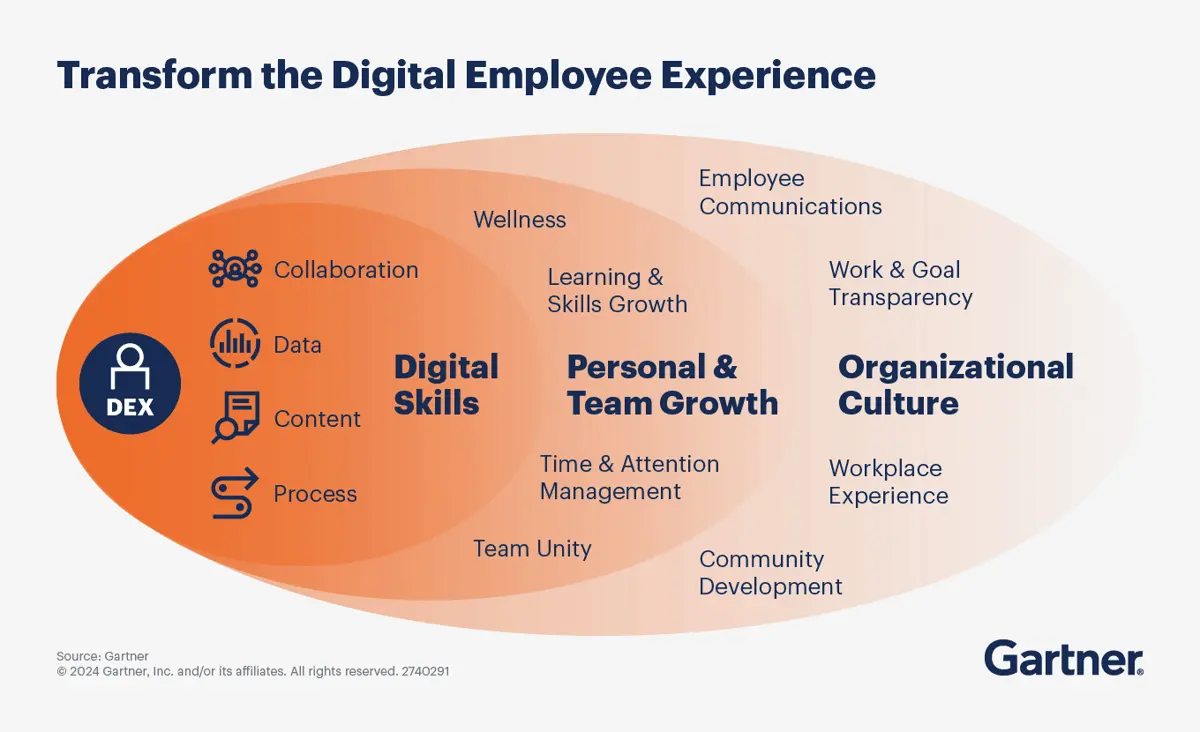
Credit: Gartner
Organizations that invest in digital literacy, executive functioning skills, and manager communication training create environments where cognitive load is actively reduced rather than unintentionally amplified. Employees who feel confident in using the tools at their disposal are less likely to expend unnecessary mental energy navigating clunky systems, freeing up focus for tasks that truly matter.
Training can focus on digital literacy, helping employees master the software and platforms they use daily. Even a short tutorial or step-by-step guide can drastically reduce the cognitive effort required for routine tasks, eliminating frustration and inefficiency.
Ben Jackson, Founder of SeatPlan, says, “When teams understand their tools fully, productivity doesn’t just improve — stress decreases, collaboration flows more smoothly, and employees can dedicate their energy to creative problem-solving rather than troubleshooting technology.”
Another area of focus is executive functioning skills. Employees can be taught time management techniques, prioritization strategies, and methods for breaking complex tasks into smaller, manageable steps. These skills help staff plan their day more effectively, avoid decision fatigue, and maintain steady focus on high-value activities. Training can also include self-regulation strategies, helping employees recognize when they are overloaded and encouraging them to take breaks or seek guidance before burnout sets in.
Htet Aung Shine, Co-Founder of NextClinic, shares, “Providing teams with the right strategies to organize their work and manage mental load creates a tangible difference in performance. Employees become more autonomous, confident, and engaged, which benefits both individual well-being and overall organizational productivity.”
By embedding these practices into workplace training programs, organizations can foster a culture where mental bandwidth is protected, employees feel supported, and cognitive resources are devoted to meaningful, revenue-driving work rather than avoidable obstacles.
Managers often inadvertently contribute to cognitive load through unclear communication, last-minute changes, or an expectation of constant availability. Training them to provide clear instructions, set realistic expectations, and encourage work-life balance can have a cascading positive effect on their teams. They along with need to be equipped to recognize signs of cognitive overload in their team members and to intervene effectively, whether by reassigning tasks or implementing process improvements.
This holistic approach to training ensures that the organization supports mental bandwidth from all angles.
Wrap-Up
Protecting mental bandwidth is no longer a fringe concern but a core strategic imperative for modern HR. By systematically addressing cognitive load through workflow analysis, process simplification, targeted training, and cultural initiatives, organizations can master environments where employees thrive. This shift acknowledges that sustainable high performance comes not from relentless pressure, but from respectful design of how humans interact with their work and each other.


