2027 Fieldwork Contracts for BCBA Trainees: What to Look For

Co-Founder and Chief Data Scientist
Choosing a BCBA fieldwork contract is not just an administrative step. It determines whether your supervised hours count, whether your training builds real clinical competence, and how quickly you can move from graduate coursework to certification. A weak agreement can leave you with missing documentation, unclear supervision, unpaid expectations, or hours that are difficult to defend during review.
This guide is for BCBA trainees comparing employment-based placements, university-supported fieldwork, private supervision, and online-program arrangements. It explains what a contract should include, how supervision and hour requirements affect certification progress, what costs and timelines to expect, and how to identify fieldwork opportunities that are compliant, ethical, and useful for long-term career growth.
Key Things You Should Know
- Fieldwork contracts for BCBA trainees in 2026 must clearly define supervision hours, aligning with BACB requirements of 1,500 hours, with at least 75% being direct client interaction.
- Compensation varies widely; recent data shows only 40% of trainees receive paid positions, making contract clarity on wages and benefits critical for financial planning.
- Contracts should outline confidentiality, liability coverage, and training scope, ensuring trainees understand legal protections and professional development opportunities during their fieldwork.
What Are Fieldwork Contracts for BCBA Trainees?
Fieldwork contracts for BCBA trainees are written agreements that define how a trainee will complete supervised practical experience for Board Certified Behavior Analyst certification. In British Columbia and other locations, these agreements should make the training relationship clear before hours begin: who supervises the trainee, what activities count, how hours are tracked, how feedback is delivered, and what happens if the placement changes or ends.
A strong contract is more than proof that a supervisor agreed to help. It should connect day-to-day work to BACB expectations. That means specifying the trainee’s duties, the supervisor’s responsibilities, supervision format, documentation process, learning goals, and evaluation procedures. It should also identify whether the placement is part of paid employment, an unpaid practicum, a private supervision arrangement, or a hybrid model.
Common fieldwork settings include ABA clinics, schools, early intervention programs, residential treatment facilities, community-based agencies, and private practices. Some contracts are built into graduate programs, while others require the trainee to secure a qualified supervisor independently. The more independent the arrangement, the more carefully the trainee should review compliance language, supervision access, hour categories, and recordkeeping expectations.
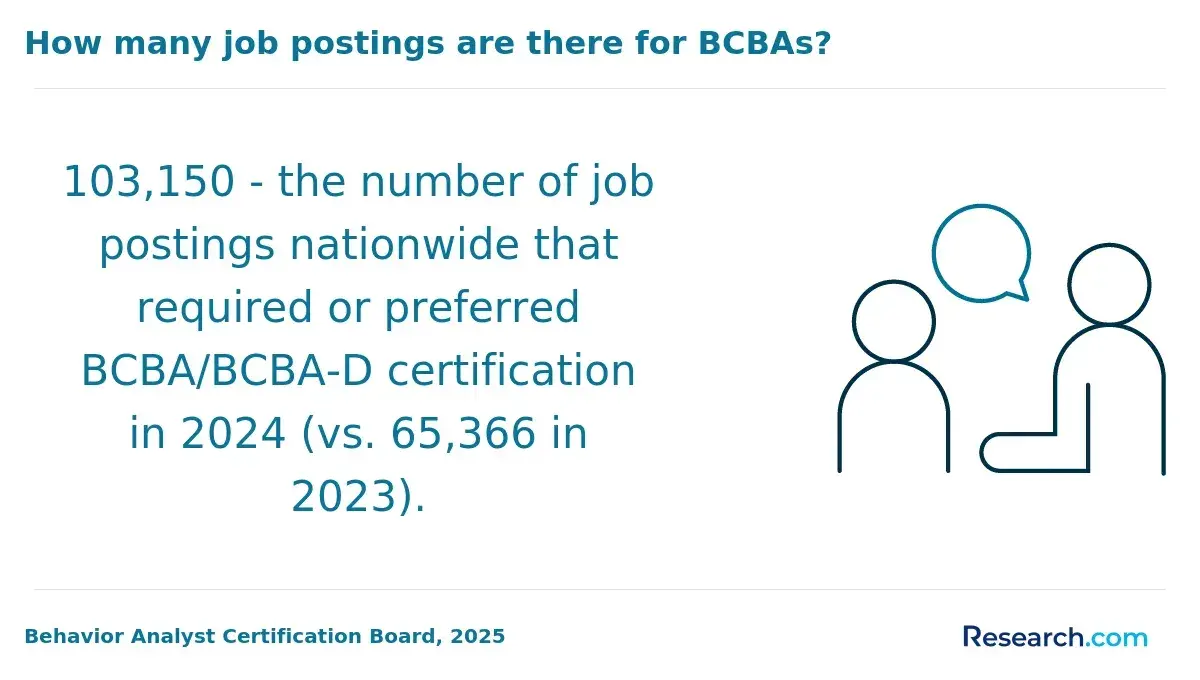
Demand for credentialed behavior analysts makes contract quality especially important. With over 132,000 job postings requiring BCBA or BCBA-D certification, trainees need fieldwork that supports both eligibility and competence. Students still comparing academic pathways can review affordable online BCBA program options while planning how they will complete supervised experience.
What Key Elements Must BCBA Fieldwork Contracts Include?
A BCBA fieldwork contract should remove ambiguity. At minimum, it must identify the trainee, supervisor, employer or placement site when applicable, service setting, supervision model, activity types, documentation rules, and procedures for ending or modifying the agreement. If these details are vague, the trainee may have difficulty proving that the experience met BACB standards.
Core contract terms to review before signing
- Parties and roles: The agreement should name the trainee, qualified supervisor, and organization or employer if one is involved. It should explain who assigns work, who reviews performance, and who signs documentation.
- Supervisor qualifications: The contract should state the supervisor’s credential status, supervision responsibilities, and obligation to provide timely review, feedback, and documentation.
- Fieldwork activities: It should distinguish between direct client work, assessment, data collection, behavior-plan development, caregiver or staff training, report writing, and other supervised tasks.
- Schedule and hour expectations: The agreement should specify expected weekly or monthly hours, supervision meeting frequency, and procedures for missed sessions or interruptions.
- Documentation process: The contract should explain how hours are logged, reviewed, corrected, and signed. It should also clarify who keeps records and how long records are retained.
- Compensation and costs: Paid hours, unpaid hours, supervision fees, stipends, travel, materials, background checks, and liability insurance should be addressed in writing.
- Confidentiality and data protection: The agreement should cover client privacy, secure data storage, record access, and limits on using clinical materials for coursework or supervision.
- Termination and transition: The contract should explain notice periods, final documentation deadlines, and what happens to accrued hours if the relationship ends early.
Clear language is especially important because the BACB certificant population is rapidly growing, and higher demand can lead to inconsistent training arrangements. A contract that simply says the trainee will “receive supervision” is not enough. It should show how supervision will happen, how often it will occur, and how the supervisor will verify the trainee’s work.
Prospective students can also compare BCBA master's programs to see how different programs integrate fieldwork planning, supervisor support, and compliance expectations into their training models.
How Many Supervised Hours Are Required for BCBA Certification?
The BACB requires BCBA candidates to complete supervised fieldwork before certification. For BCBA supervised fieldwork hours in British Columbia and elsewhere, trainees should plan for a minimum of 1,500 hours under qualifying conditions. Contracts should state which fieldwork pathway applies, how hours will be accumulated, and how supervision percentages will be monitored.
Supervision requirements are not a detail to check later. They affect whether hours count. Starting in 2027, the concentrated supervision mandate will increase, with direct supervision accounting for 7.5% of total hours instead of the current 5% to 10% range. For a trainee completing 1,500 hours, at least 112.5 hours must be under direct oversight by a qualified BCBA or BCBA-D.
What this means for your contract
- Do not rely on verbal assurances. The agreement should state the expected supervision percentage and how it will be tracked.
- Confirm the supervision format. Contracts should describe individual meetings, group meetings if used, direct observation, feedback sessions, and remote supervision procedures where applicable.
- Protect against low-hour months. If a placement cannot consistently provide enough qualifying work, the trainee may fall behind even if the supervisor is qualified.
- Check documentation timing. Hours should be reviewed regularly so errors are corrected before they become certification problems.
Independent fieldwork may give trainees more autonomy, but it also requires disciplined recordkeeping and regular supervisor review. Trainees should verify the supervisor’s credentials, the type and percentage of supervision, and the documentation process before counting hours under any agreement.
Students who need flexible academic preparation can review online accredited ABA master's programs while making sure their fieldwork plan matches BACB expectations.
A BCBA fieldwork supervisor should hold active BCBA certification and meet BACB supervision requirements. The contract should not simply list a name; it should state the supervisor’s credential, role, responsibilities, and availability. This protects the trainee if supervision quality, documentation, or clinical oversight later comes into question.
Approved supervisor criteria for BCBA trainees in BC typically include verifiable experience, current credential status, and documented ability to supervise fieldwork activities. Where local licensure applies, the contract should also address any additional legal or employer requirements. Trainees should independently confirm the supervisor’s status rather than assuming the placement has already done so.
Supervisor responsibilities that should be written into the agreement
- Providing scheduled supervision and direct observation as required
- Reviewing client-related work, data, treatment plans, and trainee performance
- Giving timely, specific feedback that helps the trainee improve clinical judgment
- Monitoring ethical practice, professional boundaries, and client welfare
- Reviewing and signing fieldwork documentation on time
- Explaining how concerns, performance issues, or missed supervision will be handled
Operational pressure can interfere with supervision. Given that daily clinical contingencies create operational barriers in 75% of ABA settings, contracts should reserve structured, uninterrupted supervision time rather than treating supervision as something that happens only when the clinic schedule allows. This is particularly important in high-caseload settings where supervisors also manage clients, staff, billing, and family communication.
Good supervisors also demonstrate ethical decision-making, data-based practice, and experience with diverse client populations. Trainees comparing graduate options can review online applied behavior analysis degree programs while evaluating whether a program helps students identify qualified supervisors and compliant placements.
Online and campus BCBA programs can both lead to certification preparation, but they often handle fieldwork differently. The main difference is structure. Campus programs are more likely to have local agency relationships, university clinics, or established practicum pathways. Online programs often give students more geographic flexibility but may require them to locate supervisors and placements on their own.
Campus programs typically embed fieldwork within local or partnered agencies, which can make supervision schedules, documentation procedures, and role expectations easier to standardize. This structure may help trainees understand the difference between restricted and unrestricted activities and plan for the 60% unrestricted service rule. Because companies are not compensated for non-direct service hours, trainees should still confirm that the contract protects time for activities that build assessment, planning, analysis, and supervision-related competence.
Online programs can work well for students who need flexibility or who already work in an ABA setting. The risk is inconsistency. Supervision quality, hour classification, documentation systems, and access to unrestricted work can vary widely by employer. According to the Reddit BCBA Community Analysis (2025), 68% of RBT-to-BCBA trainees face challenges adhering to the 60% unrestricted hour requirement without explicit contract protections, an issue more common in online pathways.
Questions online students should ask before accepting a placement
- Will the employer or site provide enough qualifying fieldwork activities each month?
- Who is responsible for verifying restricted and unrestricted hours?
- Does the supervisor understand current BACB fieldwork documentation requirements?
- Are supervision meetings protected on the schedule, or are they canceled when staffing is tight?
- What happens if the supervisor leaves the organization?
Campus students should not assume their contracts are automatically stronger, and online students should not assume independent placements are weaker. The best arrangement is the one that clearly defines supervision, protects documentation, and gives the trainee meaningful clinical learning rather than only task completion.
BCBA fieldwork commonly takes 12 to 18 months, although the actual timeline depends on work schedule, supervisor availability, client cancellations, documentation accuracy, and whether the trainee is completing fieldwork full time or part time. Contracts typically require trainees to complete 1,500 to 2,000 hours of supervised experience that meets BACB standards.
Cost varies by arrangement. In employment-based placements, trainees may be paid while accruing hours, often in roles connected to direct services or case support. Paid roles may offer $15 to $25 per hour, which can offset some costs. In private or independent supervision models, trainees may be unpaid or may pay supervision fees of $500 to $1,200 per month based on supervisor credentials and region.
Costs to clarify before signing
- Whether the trainee is paid for direct service hours, indirect activities, meetings, and documentation time
- Whether supervision is included in employment or billed separately
- Fees for background checks, liability insurance, onboarding, technology, training modules, or materials
- Travel expectations and whether mileage or commute time is reimbursed
- Payment obligations if the trainee leaves before completing the contract
Documentation tools also matter. Contracts usually require thorough tracking and verification, and digital tracking systems can reduce preventable errors. The use of digital tracking tools is increasingly common, reducing manual errors by 92% in restricted/unrestricted ratio calculations, which is vital for compliance with the BACB's 7-year client data retention rule.
The lowest-cost contract is not always the best option. A placement with weak supervision, unstable hours, or poor documentation can extend the timeline and create additional costs later. Trainees should compare total cost, quality of supervision, consistency of hours, and administrative support before committing.
Accredited applied behavior analysis programs with strong fieldwork support make compliance easier by giving students clear expectations, supervisor guidance, and documentation procedures. The strongest programs do not merely tell students to “find a site.” They help students understand contract terms, verify supervisor qualifications, and avoid documentation gaps that can delay certification.
Monthly verification is especially important. Strong contracts require monthly verification and sign-offs of hours, critical because trainees can accrue up to 130 monthly hours, increasing to 160 in 2027. According to the BACB Fieldwork Requirements PDF (2025 update), missing timely monthly fieldwork verification forms (Monthly-FVF) can invalidate up to 20% of accrued hours, risking certification delays.
Effective contracts specify deadlines for supervisors to complete monthly sign-offs and define what happens if a form is late, incomplete, or disputed. This protects trainees from avoidable audit problems. Graduate programs linked to verified course sequences at institutions like Simmons University and Endicott College exemplify clear policies on monthly hour documentation and supervisor approvals, reducing administrative risk and improving audit compliance.
Signs a program has strong fieldwork infrastructure
- Written fieldwork policies that align with BACB requirements
- Sample contracts or templates students can review before placement
- Clear procedures for supervisor approval and credential verification
- Regular reminders for monthly documentation and supervisor sign-offs
- Access to faculty or fieldwork coordinators when site problems arise
- Use of electronic time logs or alerts for missing documentation
Clinical sites and behavior analytic agencies may also add quality controls such as electronic time log tracking and supervisor alerts for incomplete documentation. This is common in university-affiliated clinics and some private agencies working with accredited coursework providers. Before enrolling or accepting a placement, trainees should ask how the program handles documentation errors, supervisor turnover, and fieldwork interruptions.
BCBA certification can lead to roles in clinical services, education, healthcare, residential programs, early intervention, organizational behavior management, supervision, consulting, and private practice. Many BCBAs work with individuals with autism spectrum disorder and other developmental disabilities, but the credential can also support work in staff training, systems improvement, behavioral assessment, and program leadership.
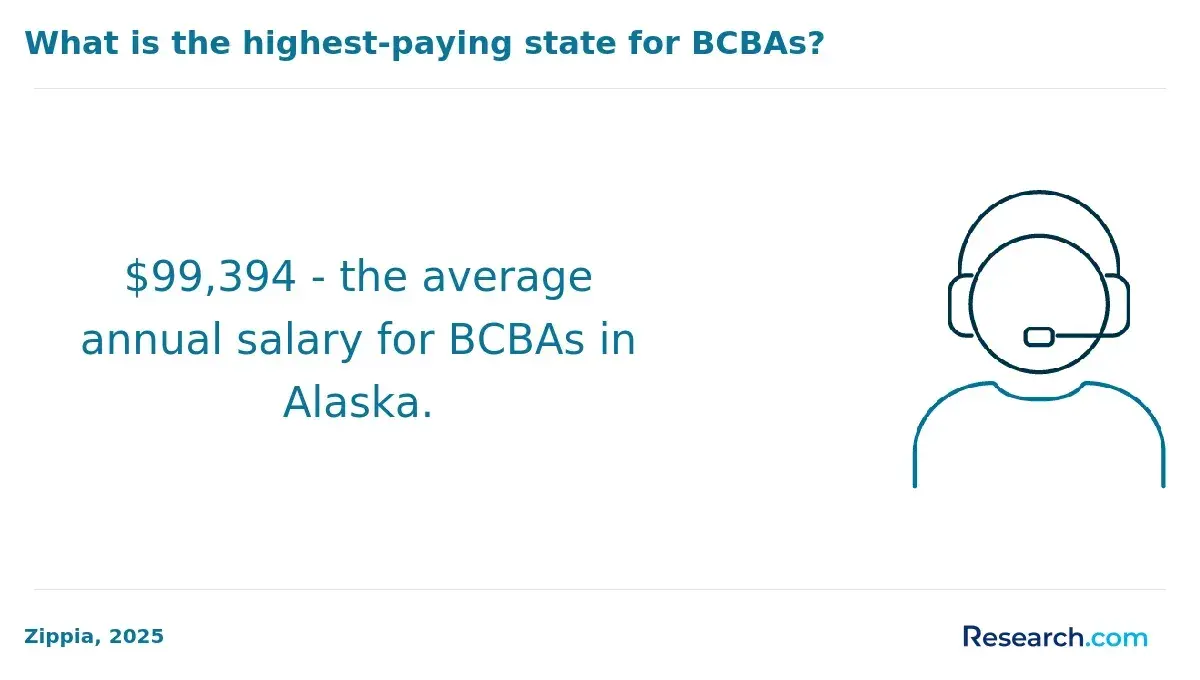
Salaries depend on location, experience, employer type, caseload, funding model, and whether the BCBA works as an employee, contractor, consultant, or practice owner. Entry-level roles typically earn $55,000 to $65,000 annually, while seasoned professionals may reach $85,000 to $95,000 or more. Private practitioners often earn over $100,000 annually depending on clientele and region.
Common roles after certification
- Clinical BCBA: Designs and monitors behavior intervention plans, supervises technicians, and works with clients and families.
- School-based behavior analyst: Supports behavior programming, functional assessments, teacher consultation, and student intervention planning.
- Clinical supervisor or program manager: Oversees teams, quality assurance, staff training, and service delivery systems.
- Consultant: Provides assessment, training, or systems support to schools, agencies, families, or organizations.
- Private practice provider: Operates independently or as part of a group practice, subject to payer, licensure, and business requirements.
Fieldwork contract quality affects access to these opportunities. BACB reports a 15% increase in rejected fieldwork hours due to insufficient observation clauses, causing certification delays. A trainee who finishes coursework but has disputed or rejected hours may lose time, income, and job opportunities.
Before committing to a placement, candidates should make sure their contracts clearly define supervision hours, observation requirements, documentation responsibilities, and supervisor accountability. The goal is not only to become eligible for the exam, but also to build the judgment and experience employers expect from a new BCBA.
The job outlook for BCBAs in the US remains strong, with demand across schools, clinics, early intervention programs, residential treatment facilities, healthcare organizations, and community-based providers. Growth is tied to broader recognition of applied behavior analysis as an intervention for autism spectrum disorder and other developmental disabilities, as well as the need for qualified professionals who can supervise services and design evidence-informed behavior programs.
Certification timelines still matter. The BCBA credential requires supervised fieldwork completed within a strict five-year consecutive window. According to the Online ABA Programs Fieldwork Guide (2025), about 22% of applicants exceed this timeline, often due to contract gaps that do not meet the required monthly minimum of 20 hours. These interruptions can delay certification and limit immediate job prospects.
Fieldwork setting can affect pace. School-based roles may offer predictable calendars and stable teams, but they can also include breaks that reduce available hours. Community-based roles may offer varied experience but can be affected by cancellations, travel, and changing client schedules. Clinic-based roles may provide steady access to clients and supervisors, but trainees should watch for workload intensity and limited unrestricted activities.
How to protect your career timeline
- Choose contracts that guarantee consistent access to qualifying work.
- Confirm how the site handles low-hour months, client cancellations, and supervisor absences.
- Track progress monthly rather than waiting until the end of a placement.
- Keep copies of contracts, supervision notes, monthly forms, and final verification documents.
- Have a backup plan if the supervisor leaves or the employer changes fieldwork policies.
Certified BCBAs can pursue higher salaries, supervisory authority, and leadership roles within multidisciplinary teams. Employers value candidates who completed fieldwork without major documentation problems because it signals reliability, professional discipline, and readiness for regulated service environments.
How to Evaluate Reputable BCBA Fieldwork Opportunities?
A reputable BCBA fieldwork opportunity should be compliant, educational, and sustainable. It should provide enough hours to make progress, enough supervision to meet standards, and enough variety to develop competence beyond routine service delivery. Do not evaluate a contract only by whether it offers hours; evaluate whether those hours are likely to count and help you become a stronger practitioner.
Start with the written agreement. Confirm that the contract defines caseload limits, supervision frequency, trainee responsibilities, supervisor responsibilities, documentation procedures, compensation, confidentiality, and termination terms. Negotiable terms like caseload caps can significantly improve trainee well-being and training quality. According to the ABA Resource Center Salary & Trends Report, 2025, organizations offering flexible fieldwork agreements show 40% higher BCBA retention rates, highlighting the value of reasonable workload expectations.
Assess the supervision structure carefully. Research recommends at least two hours of supervised fieldwork weekly, including direct observation and feedback from your BCBA supervisor. Contracts that guarantee consistent, scheduled supervision are stronger than agreements that depend on informal availability.
Red flags to watch for
- The supervisor will not provide credential details or documentation procedures in writing.
- The site promises hours but cannot explain how restricted and unrestricted activities are classified.
- Supervision meetings are routinely canceled when staffing is short.
- The contract does not explain what happens if the supervisor leaves.
- The trainee is expected to complete unpaid tasks without clear training value or documentation.
- Monthly verification is treated as optional or delayed until the end of the placement.
Also examine whether the opportunity includes access to training resources, data collection software, clinical literature, assessment tools, and diverse client profiles. A narrow placement may help you accumulate hours, but a stronger one exposes you to assessment, intervention planning, caregiver collaboration, staff training, ethics, and data-based decision-making.
Finally, review compensation and workload realistically. Transparent pay, predictable schedules, and reasonable caseloads reduce burnout and support steady progress. If the placement does not align with your learning goals or compliance needs, the contract should allow a professional transition without jeopardizing valid accrued hours.
Other Things You Should Know About Applied Behavior Analysis
A 2027 fieldwork contract for BCBA trainees should include the expected duration, supervision details, training objectives, ethical responsibilities, and assessment methods. Clear guidelines on hours, feedback routines, and professional development opportunities should also be specified to ensure comprehensive and effective training.
Applied behavior analysis focuses specifically on observable behaviors and measurable outcomes, using data-driven techniques to modify behavior. Unlike some therapies that emphasize talk-based approaches or internal mental states, ABA employs systematic interventions based on principles of learning theory. This makes it particularly effective for individuals with developmental conditions, such as autism spectrum disorder.
A BCBA fieldwork contract should be signed by the trainee, the supervising BCBA, and, when applicable, the authorized representative of the training site. The contract should be in place before supervised hours begin, and it must name the supervisor, setting, and supervision arrangement.
Yes, Board Certified Behavior Analysts must complete continuing education units to maintain their certification. The Behavior Analyst Certification Board requires renewal every two years, with specified hours dedicated to ethics and professional development. This ensures practitioners stay updated on best practices and evolving research within the field.
- Contracts Manager: Skills, Pay & Start-Up - Essential Site Skills https://essentialsiteskills.co.uk/careers-construction/contracts-manager
- Understanding BCBA Fieldwork Hours | ABA Resource Center https://www.abaresourcecenter.com/post/bcba-fieldwork-hours
- Behavior Analyst Salary: Your Guide to Negotiation https://americanbss.com/behavior-analyst-salary-your-guide-to-negotiation-certification-and-career-growth/
- What skills make a good Contract Manager great? | Business Management Consultants | Grosvenor Performance Group https://www.grosvenor.com.au/what-skills-make-a-good-procurement-contract-manager-great/
- 25+ Affordable ABA/BCBA Online Programs (Masters & Certs) https://abamastersprograms.org/affordable-online-aba-masters-programs/
- How to Become a Contract Manager | Ironclad https://ironcladapp.com/journal/contract-management/contract-manager
- BCBA Career Path To Take | Advanced Therapy Clinic https://www.advancedtherapyclinic.com/blog/bcba-career-path-to-take
- Fieldwork-Friendly Job Roles: Top Jobs to Gain BCBA Fieldwork Experience https://hoomhouse.com/blog/fieldwork-friendly-job-roles-top-jobs-to-gain-bcba-fieldwork-experience
- BCBA Fieldwork Tracking: Your Ultimate Guide to Supervision Hours and Compliance https://www.operationsarmy.com/post/bcba-fieldwork-tracking-your-ultimate-guide-to-supervision-hours-and-compliance
- BCBA Job Outlook in 2025 Growing Demand and Opportunities https://www.connectncareaba.com/blog/bcba-job-outlook