2027 Return on Investment of an Online Financial Technology Bachelor's Degree: Salary vs Cost

Co-Founder and Chief Data Scientist
Consider a mid-career professional with a non-finance background weighing whether to pursue an online Financial Technology bachelor's degree. The challenge lies in justifying the investment against potential salary gains-particularly since fintech roles often require both technical and financial expertise.
Recent data shows that graduates with fintech degrees see an average salary increase of 20% within three years of completion. This article analyzes the cost versus salary benefits of online Financial Technology bachelor's degree programs, guiding readers through ROI calculations to help them make informed decisions about career advancement and educational investment.
Key Things to Know About the Return on Investment of an Online Financial Technology Bachelor's Degree
- Average tuition for online financial technology bachelor's degrees ranges from $15,000 to $35,000-significantly lower than on-campus programs-making debt management more accessible for budget-conscious students.
- Graduates report median starting salaries around $65,000, with 10% growth projected over the next decade, offering competitive compensation relative to cost.
- Beyond salary, online financial technology degrees improve job security, open pathways to leadership roles, and provide vital professional development in a rapidly evolving digital finance landscape.
What Is the True Cost of Earning an Online Financial Technology Bachelor's Degree From Enrollment to Graduation?
Earning an online financial technology bachelor's degree involves several direct and indirect costs that vary widely but typically impact students' budgets significantly.
- Tuition Fees: Tuition ranges from $15,000 to $40,000 for the entire program. Public in-state options are generally less expensive while private institutions trend higher.
- Technology Fees: Additional annual fees between $200 and $800 cover digital learning platforms, software licenses, and tech support essential for online coursework.
- Course Materials: Specialized textbooks and software can add $1,000 to $2,500 over the program's duration, with open educational resources offering some savings.
- Proctoring and Exam Fees: Online exam monitoring may cost $50 to $200 per semester, ensuring academic integrity during assessments.
- Indirect Costs: Though online learning reduces commuting and housing expenses, students often face opportunity costs such as reduced work hours or the need for technology upgrades like a reliable computer and high-speed internet.
According to data from the National Center for Education Statistics and net price calculators, many students pay 30 to 50 percent less than sticker prices due to financial aid and scholarships.
This reduces average out-of-pocket expenses to approximately $10,000-$25,000 in direct costs, excluding software and exam-related fees. These figures provide a more realistic baseline for evaluating the actual tuition and fees for online financial technology bachelor's degree programs in the United States.
Prospective students can also consider non-financial returns such as job security and professional advancement when assessing the return on investment for an online financial technology bachelor's degree.
For detailed information about the best college degrees to pursue based on outcomes, it's useful to consult reputable research sources alongside verified salary data from leading education organizations.
How Does the Starting Salary for Financial Technology Bachelor's Degree Graduates Compare to the Total Cost of the Degree?
Graduates with an online financial technology bachelor's degree commonly pursue careers as financial analysts, information security analysts, and software developers specializing in fintech.
According to the Bureau of Labor Statistics (BLS) Occupational Outlook Handbook, median starting salaries for these roles range from $60,000 to $75,000 annually.
For example, financial analysts start near $63,000, information security analysts around $73,000, and software developers about $70,000. These figures provide a baseline to assess the return on investment of financial technology online degree programs.
The total cost of earning an online financial technology degree varies widely-from approximately $20,000 with favorable tuition and financial aid to $60,000 in less aided scenarios.
This cost range means that graduates typically recoup their educational expenses within roughly four to twelve months of full-time work, depending on their starting salary. This payback timeline demonstrates the financial viability of such programs for first-generation college students and working professionals alike.
Starting salaries represent just the initial phase, as fintech careers often experience strong salary growth. BLS projections estimate annual wage increases between 5% and 7% in related occupations over the next decade, enhancing the long-term benefits of this degree.
In addition to salary, non-financial returns like job security, advancement opportunities, and continued professional development boost overall value.
Exploring options such as engineering online programs can further help prospective students understand comparative costs and outcomes in technology-related fields.
- Median Starting Salaries: Entry-level fintech roles offer competitive median salaries from $60,000 to $75,000 annually, as reported by BLS, ensuring a solid income foundation.
- Degree Costs Vary: The total cost for an online financial technology degree ranges from $20,000 in ideal financial aid conditions to $60,000 without substantial aid, affecting payback time.
- Payback Timeline: Typically, graduates recover degree expenses within four to twelve months of full-time work, making the investment financially sound.
- Projected Salary Growth: Expected 5% to 7% annual salary growth in fintech roles highlights that starting pay is just the beginning of earning potential.
- Beyond Finances: Additional advantages include greater job security, career advancement, and professional growth, expanding the degree's value beyond salary figures.
What Is the Average Return on Investment (ROI) for an Online Financial Technology Bachelor's Degree Over a 10-Year Career?
Return on investment (ROI) in higher education measures the financial benefit gained from earning a degree compared to not pursuing one.
It is calculated by subtracting the total cost of the degree from the additional earnings earned over 10 years by degree holders versus individuals with only a high school diploma or associate degree in the same field.
Data from Georgetown University's Center on Education and the Workforce and PayScale's College ROI Report show that the average bachelor's degree results in about $500,000 more in earnings over a decade compared to a high school graduate.
For online financial technology degrees, median starting salaries are around $70,000 according to the Bureau of Labor Statistics. Assuming a 3% annual salary increase, cumulative earnings over 10 years can reach approximately $820,000.
After subtracting typical online degree costs ranging from $40,000 to $70,000, this generates a notably higher ROI than the national average for most bachelor's degrees.
- Degree Cost Impact: Online programs generally reduce tuition expenses, lowering upfront investment and boosting overall ROI.
- Salary Growth: Median starting wages near $70,000 with consistent annual raises contribute to strong earning potential over a decade.
- Comparison to National Average: Financial technology degrees tend to exceed the average $500,000 in additional earnings realized by bachelor's degree holders nationally.
- Non-Financial Benefits: Graduates often gain improved job security, career advancement opportunities, and access to professional development, enhancing long-term career prospects beyond salary.
A professional who completed an online financial technology bachelor's degree described how weighing cost versus ROI influenced his decision.
He noted the challenge of balancing work, studying, and managing expenses but said, "Estimating the long-term financial benefits helped me commit with confidence." His experience highlights that careful planning and acknowledging the degree's career value made the demanding process more manageable and worthwhile.
How Do Online Financial Technology Program Tuition Rates Compare Across Public, Private, and For-Profit Institutions?
Tuition costs for online financial technology degrees differ widely by institution type-public, private nonprofit, and for-profit-with important implications for return on investment.
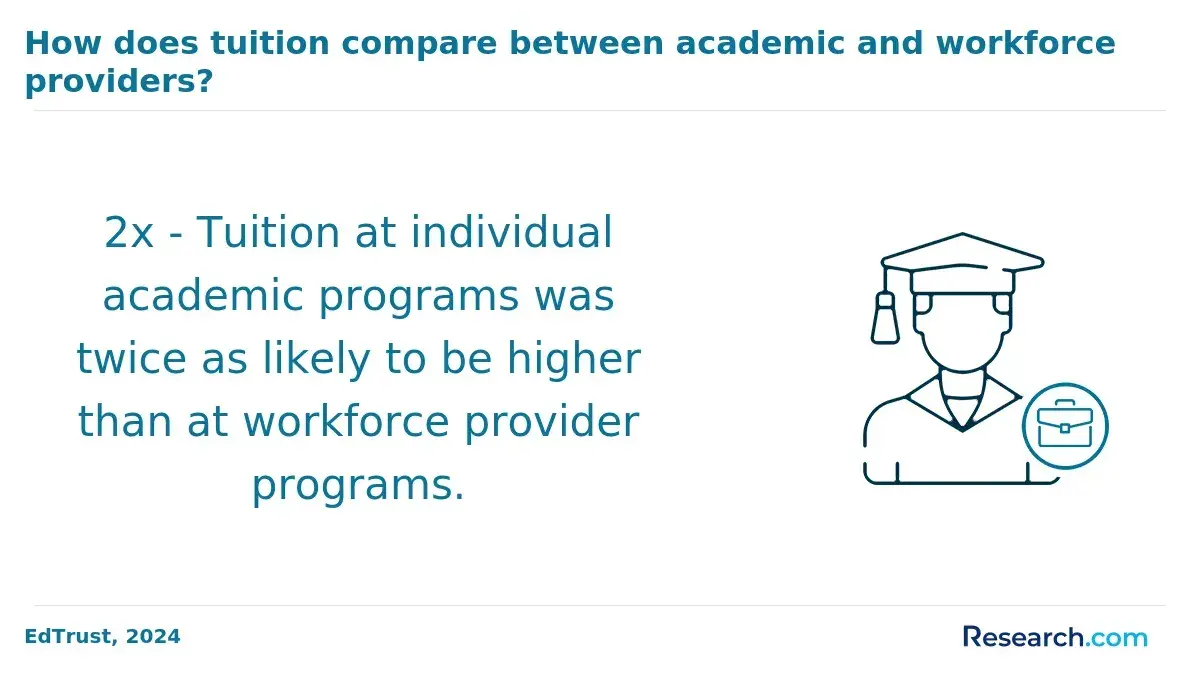
Public universities typically offer the most affordable options, especially for in-state students, with flat-rate online tuition plans often ranging from $6,000 to $9,000 per year according to the latest IPEDS data. These rates provide a predictable and reasonable cost for many students.
- Public Institutions: Affordable in-state tuition and flat-rate online pricing make public universities a cost-effective choice. These programs balance tuition with quality, often supporting strong career outcomes.
- Private Nonprofit Institutions: Tuition generally spans from $15,000 to over $30,000 annually. Higher prices reflect extensive academic support, better graduation rates, and wider employer recognition, enhancing long-term ROI. Financial aid options may help manage these costs.
- For-Profit Colleges: These schools may offer sticker tuition below $10,000, appealing for their initial affordability. However, lower graduation rates and employer skepticism can reduce career prospects and financial returns, diminishing the value of upfront savings.
When evaluating online financial technology program tuition comparison, it's essential to consider factors beyond sticker price-such as graduate employment support and job market perceptions-to select the best investment.
Balancing short-term savings against long-term career growth ensures a well-rounded decision. For those seeking comparable data on affordability and educational outcomes, resources like EDD in education offer valuable insights.
What Long-Term Salary Growth Can Financial Technology Bachelor's Degree Holders Expect Over a 20- to 30-Year Career?
The earnings of financial technology bachelor's degree holders progress steadily over a multi-decade career, with notable growth spurts linked to career stages and increasing responsibilities.
- Early Career Growth: In the initial five years, salaries rise moderately-about 5% annually-as graduates build critical skills and gain industry experience in entry-level roles.
- Mid-Career Acceleration: Between five and ten years, many move into specialized or leadership positions, such as fintech project leads or financial analysts, resulting in faster income growth exceeding 8% per year.
- Experienced Professional Plateau: Salary growth plateaus somewhat after 10 to 15 years, though compensation remains well above entry-level. Professionals generally hold senior or strategic roles, leveraging their expertise and networks.
- Late Career Peak: Beyond 15 years, earnings reach their highest point as individuals take on executive or highly technical roles, with many surpassing six-figure salaries depending on company and location.
Data from the American Community Survey and PayScale places median mid-career salaries for financial technology professionals between $85,000 and $110,000, reflecting these stages.
Over a full career, degree holders typically earn 25% to 35% more than those without comparable credentials, representing a substantial lifetime financial advantage.
"After completing the online financial technology degree, I faced balancing study with work and family commitments," shared a professional establishing her career in this field.
"It was challenging but rewarding-each promotion felt like validation of the investment I made. Over time, the skills I gained translated into real salary increases, especially when I stepped into leadership roles. Seeing that progression gave me confidence to aim higher and navigate career shifts successfully."
How Does the ROI of an Online Financial Technology Bachelor's Degree Compare to an Associate Degree or a Professional Certificate?
Assessing the ROI of an online financial technology bachelor’s degree compared with an associate degree or professional certificate reveals how different credential levels impact career advancement, earning potential, and the overall value of the investment.
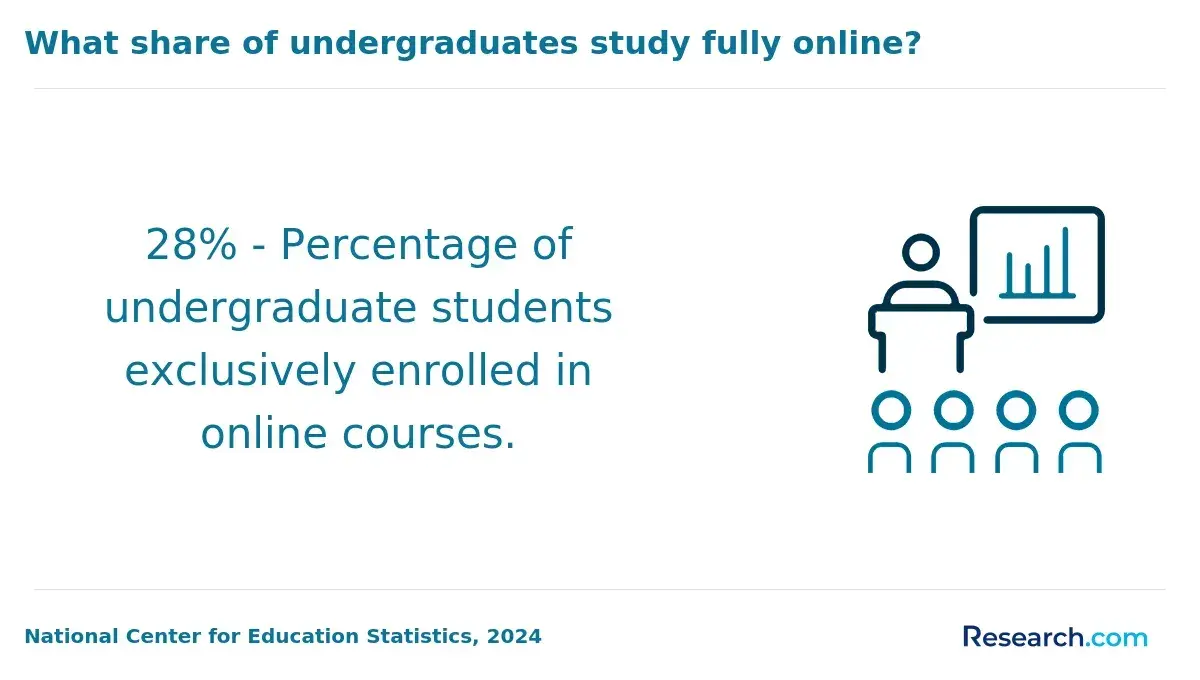
- Cost Efficiency: Typically, pursuing an online financial technology bachelor's degree requires an upfront investment between $40,000 and $60,000 in tuition. By contrast, associate degrees generally cost $10,000 to $20,000, while professional certificates often remain under $5,000.
- Median Salary: Professionals holding bachelor's degrees in tech-finance-related areas earn median annual wages ranging from $75,000 to $95,000. Those with associate degrees tend to make between $50,000 and $65,000, while certificate holders usually earn $40,000 to $55,000 depending on experience and region.
- Short-Term Benefits: Certificates and associate degrees offer faster workforce entry with less financial burden, making them ideal for individuals looking to upskill quickly or manage part-time work alongside study. These credentials minimize risk by requiring fewer resources and time.
- Long-Term Returns: A bachelor's degree often translates into stronger career growth, enhanced job security, and eligibility for leadership or specialized roles within financial technology. Total earnings and salary increases typically outpace those associated with certificates or associate degrees by a substantial margin.
- Career Flexibility: Bachelor's degree holders enjoy broader mobility, able to transition across sectors like risk management, blockchain development, and regulatory technology. Associate degrees and certificates more frequently restrict holders to entry-level or narrowly focused positions.
- Decision Framework: If immediate employment with lower upfront debt is the priority, a certificate or associate degree may present the better option.For those aiming at senior positions or sustained career advancement in financial technology, investing in a bachelor's degree often yields the highest return despite greater initial costs.
Which Online Financial Technology Specializations or Concentrations Yield the Highest Earning Potential After Graduation?
Among online Financial Technology bachelor's degree specializations, certain concentration tracks offer notably higher median salaries than generalist graduates entering the field. These findings align with Bureau of Labor Statistics (BLS) data and highlight areas where industry demand drives premium earnings and job stability.
- Data Analytics and Financial Modeling: Graduates in this specialization often earn 15%-20% more than general Financial Technology professionals. BLS data for financial analysts-many equipped with data skills-show median salaries above $85,000.
- Blockchain and Cryptocurrency Technology: This emerging area commands starting salaries frequently surpassing $80,000, significantly above the broader fintech median near $70,000.
- Cybersecurity in Financial Services: Specialists focusing on fintech security command median earnings exceeding $90,000. Certifications like CISSP or CISA add licensing costs and extend time-to-ROI but deliver enhanced job security and long-term salary growth.
- Risk Management and Compliance: Careers here come with median salaries close to $75,000 while maintaining steady demand. Many pursue the Financial Risk Manager (FRM) license, which adds certification expenses but improves employment opportunities and compensation.
Balancing salary premiums with certification costs is vital. Working professionals with data or cybersecurity backgrounds may achieve faster returns on investment, while career changers should weigh additional certification expenses against long-term earning potential in blockchain or risk management tracks.
This evidence-based perspective helps first-generation students and budget-conscious individuals select the specialization that aligns best with their financial and professional goals supported by verified BLS and research.com data.
How Do Employer Tuition Reimbursement and Financial Aid Reduce the Net Cost of an Online Financial Technology Bachelor's Degree?
Employer tuition reimbursement programs can substantially reduce the net cost of pursuing an online Financial Technology bachelor's degree. Under IRS Section 127, employers may offer up to $5,250 annually in tax-free educational assistance for tuition, fees, and related expenses.
Many companies incorporate these benefits into their professional development offerings to retain talent and support career advancement without the financial burden being fully on the employee.
According to the Society for Human Resource Management (SHRM), approximately 56% of U.S. employers provide tuition assistance, making it a prevalent benefit for working students completing degrees online.
Federal and institutional financial aid further lowers education costs. Grants, scholarships, and subsidized loans minimize reliance on private loans and reduce out-of-pocket expenses.
Together, these layered funding sources create a financial safety net that makes an online Financial Technology bachelor's degree accessible to a wider range of students.
This approach is especially important for first-generation college students, career changers, or working professionals on tight budgets seeking to maximize financial aid benefits for online Financial Technology bachelor's degree programs in the United States.
For example, consider a student facing a total tuition price of $40,000. If their employer provides the maximum $5,250 annually for four years, that cuts $21,000 off the cost.
Adding a $6,000 federal Pell Grant plus $5,000 in merit scholarships reduces expenses further, leaving only about $8,000 to be financed through affordable loans or personal funds. This illustrates how combining employer tuition reimbursement and federal aid can make a Financial Technology degree far more affordable.
Students looking for alternative or shorter credential paths might also explore short certificate programs that pay well.
- Employer Tuition Benefits: Most employers offer tuition assistance capped at $5,250 annually under IRS tax codes, helping employees cut the cost of online Financial Technology degrees significantly without taxable income implications.
- Federal and Institutional Aid: Grants, scholarships, and subsidized loans combine to lower the net price, reducing reliance on private loans and out-of-pocket spending for students.
- Prevalence of Programs: Over half of U.S. employers provide tuition assistance, highlighting its role as a common and effective support mechanism for working students seeking degree completion.
- Layered Funding Strategy: Using employer benefits alongside federal aid allows students to minimize debt, making degrees more affordable even for first-generation or career-changing students on tight budgets.
- Worked Cost Example: A $40,000 degree can effectively cost under $10,000 net when leveraging tuition reimbursement, grants, and scholarships, demonstrating substantial returns on investment.
What Hidden Costs Should Students Factor Into the Total Investment of an Online Financial Technology Bachelor's Degree?
When planning for an online financial technology bachelor's degree, students often overlook unanticipated expenses that significantly increase the total investment.
These additional costs-ranging from a few hundred to over a thousand dollars annually-must be included to understand the real financial commitment and to better estimate the return on investment timeline.
Key hidden costs include mandatory technology fees that cover online learning platforms and tech support. Public institutions typically charge between $200 and $600 per year for these fees. Proctoring services, which ensure exam integrity, may add $30 to $100 per exam, frequently excluded from advertised tuition.
Course-specific software licenses represent another substantial expense, especially in financial technology programs requiring advanced modeling tools. Licenses can cost $50 to $300 per course.
Graduation fees, usually a one-time charge of $100 to $200, are often forgotten when budgeting. Optional professional memberships, costing $100 to $250 annually, provide valuable networking and career support but are rarely included in initial estimates.
Including these factors, prospective students should ask for a detailed cost-of-attendance statement-not only tuition-to avoid surprises and better compare total program costs.
These hidden costs extend the break-even timeline for the degree's ROI by increasing upfront expenses without a matching salary increase. For those juggling tight budgets, planning several hundred extra dollars annually beyond tuition is essential.
This careful budgeting also aligns with understanding additional financial technology bachelor's degree costs beyond tuition to select a program that suits both career and financial goals.
- Technology Fees: Annual charges for platform access and support range from $200 to $600, often overlooked in budgeting but critical to access online coursework.
- Proctoring Services: Exam monitoring costs $30 to $100 per test and are frequently excluded from advertised tuition fees.
- Software Licenses: Specialized licenses necessary for data analytics and modeling tools add $50 to $300 per course, essential for completing assignments.
- Graduation Fees: One-time fees near program completion of about $100 to $200 should be included in financial planning.
- Professional Memberships: Optional but beneficial memberships cost $100 to $250 annually and foster networking and career growth.
To fully evaluate your investment in a financial technology degree and understand what jobs can you get with an AI degree, be sure to examine all costs and outcomes carefully before enrolling.
How Does the Accreditation Status of an Online Financial Technology Program Affect Graduate Salary and Employability?
Regional accreditation evaluates an entire institution's academic quality and stability, while programmatic accreditation assesses specific programs.
Employers usually regard regional accreditation as a more comprehensive guarantee of educational rigor, especially for financial technology degrees. This broader recognition often enhances graduates' credibility in the job market.
According to the National Association of Colleges and Employers (NACE), hiring managers consistently favor candidates with degrees from regionally accredited schools.
Such degrees improve salary negotiation leverage because they reflect relevant curricula and proven competence. By contrast, degrees from nationally accredited or non-accredited institutions typically generate skepticism, which can restrict employment opportunities and earning potential.
Graduates from non-accredited programs may face barriers to professional licenses, enrollment in graduate programs, and eligibility for some government or healthcare jobs that require accredited credentials.
Prospective students should consult the U.S. Department of Education's accreditation database and the Council for Higher Education Accreditation (CHEA) to confirm program legitimacy before enrolling.
- Regional vs. Programmatic Accreditation: Regional accreditation covers whole institutions, offering broader recognition, while programmatic accreditation targets specific fields; employers prefer regional accreditation for comprehensive validation.
- Employer Preferences and Salary Benefits: NACE survey data show employers prioritize regionally accredited degrees, which correlate with stronger hiring outcomes and better salary prospects.
- Risks of Non-Accredited Degrees: Lacking accreditation can limit licensure access, graduate study chances, and position eligibility, hampering long-term career growth.
- Verification Resources: The U.S. Department of Education and CHEA maintain reliable accreditation databases to help students verify programs before committing.
What Entry-Level Job Titles and Salary Ranges Are Available to Graduates of Online Financial Technology Bachelor's Programs?
Graduates with a bachelor's degree in online financial technology often enter roles across various sectors, with starting salaries reflecting industry trends, location, and relevant experience such as internships or certifications. These factors significantly impact the speed at which graduates recoup their investment in education.
- Financial Analyst: Median entry pay ranges from $55,000 to $70,000, with the highest salaries typically found in financial services and technology startups.
- Risk Analyst: Starting salaries generally fall between $60,000 and $75,000, especially in government agencies and large financial firms; certifications like FRM or CFA can push salaries higher.
- Data Analyst: Entry-level pay often lies between $50,000 and $65,000, with tech companies and healthcare providers offering competitive compensation emphasizing data-driven decision-making.
- Compliance Officer: Salaries usually range from $55,000 to $68,000, particularly in finance and government sectors where regulatory certifications boost earning potential.
- Business Analyst: Beginning pay varies from $52,000 to $67,000; industries such as technology and consulting provide growth opportunities linked to business intelligence expertise.
- Software Developer (Fintech Focus): Starting salaries range from $65,000 to $80,000 in tech-centric areas; coding credentials and internships can significantly increase initial offers.
- Credit Analyst: Median starting pay spans $50,000 to $62,000, with banking and finance roles offering better packages when backed by internship experience.
- Operations Analyst: Typical entry salary falls between $48,000 and $60,000, with technology and finance employers rewarding certifications related to process improvement.
Internships and certifications commonly elevate entry salaries by 10 to 20 percent. Concentrations in blockchain, cybersecurity, or data science help position graduates toward upper salary tiers, speeding return on investment.
Beyond salaries, many benefit from enhanced job security, career growth, and professional development opportunities linked to the dynamic fields within financial technology.
What Graduates Say About the Return on Investment of Their Online Financial Technology Bachelor's Degree
- Yeshua: "Choosing the online financial Technology bachelor's degree was a strategic decision based on its promising ROI compared to traditional programs-the balance of cost and flexibility was perfect for me. Beyond just the financial perks, I gained invaluable skills that opened doors to leadership roles I hadn't anticipated. This program truly enhanced my career trajectory in ways that go far beyond the diploma."
- Hugh: "Reflecting on my experience, the returns from the online financial Technology degree stretched well past monetary gains-job security and steady career growth were equally important outcomes for me. I appreciated how the curriculum's focus prepared me for real-world challenges, which gave me a noticeable edge in a competitive market. It's an investment that reshaped not just my salary but also my professional confidence."
- Atlas: "From a financial perspective, the ROI of the online financial Technology bachelor's was clear from day one-I saved on commuting and housing while still getting a quality education. Professionally, this degree propelled me into exciting new roles that would have been out of reach otherwise, proving that education value is multi-dimensional. I recommend this program to anyone prioritizing both career advancement and cost-efficiency."
Other Things You Should Know About Financial Technology Degrees
Salary outcomes for online Financial Technology graduates vary widely based on location and industry sector. Graduates working in major financial centers or technology-driven cities tend to earn substantially more than those in rural or less tech-focused regions.
Additionally, industry sectors such as banking, cybersecurity, and blockchain technology offer higher average salaries compared to entry-level roles in traditional financial services.
Employer surveys consistently highlight a strong demand for candidates with a Financial Technology bachelor's degree, emphasizing proficiency in data analytics, programming, and financial systems.
Labor market data from sources like the Bureau of Labor Statistics shows growing job openings and competitive salaries in fintech-related roles, confirming that the degree is valued for equipping graduates with relevant, up-to-date skills.
Beyond salary gains, non-financial returns include enhanced career advancement opportunities, improved job security, and stronger professional networks. Graduates often experience increased confidence and adaptability in fast-evolving technology sectors, which can lead to long-term career growth.
These benefits contribute significantly to the overall value of the degree, especially for those investing time and effort alongside financial resources.
References
- A Guide to Global Entry-Level Fintech Jobs | Austin Werner https://austinwerner.io/blog/entry-level-fintech-jobs
- 10 college degrees with the best return on investment https://qz.com/college-degrees-highest-best-return-on-investment
- MBA Degree Salaries: Guide to Highest Paying Concentrations https://www.onlinemba.com/rankings/best-online-mba/highest-paying/
- Return on Education for Bachelor’s Degrees | SoFi https://www.sofi.com/learn/content/roi-by-bachelor-degree/
- Tuition Reimbursement: How Do Employers Benefit from It? | KBI Benefits https://www.kbibenefits.com/tuition-reimbursement-benefits
- Fintech Career Path: Roles, Salaries & Progression https://300hours.com/fintech-career-path/
- FINANCIAL TECHNOLOGY (FINTECH) https://unirhone.fr/bachelor-of-financial-technology-fintech-degree/
- Financial Factors to Consider When Investing in Educational Technology - Financial Panther https://financialpanther.com/financial-factors-to-consider-when-investing-in-educational-technology/
- Average Private vs Public College Tuition [2025]: Data Analysis https://educationdata.org/private-vs-public-college-tuition
- Best Financial Technology (Fintech) Bachelor's Degree Programs, Jobs, and Salaries https://careerkarma.com/blog/best-financial-technology-bachelors-degrees/