2027 Hybrid vs Fully Online Financial Technology Bachelor's Degree Programs

Co-Founder and Chief Data Scientist
Balancing a full-time job in a small town while aiming to earn a bachelor's degree in financial technology raises a crucial question: should the student log in from anywhere for fully online classes or commit to attending campus sessions a few times a month? This dilemma highlights the tension between convenience and direct interaction.
With 64% of financial technology graduates securing employment within six months of graduation, students must weigh schedule flexibility against access to hands-on learning and networking opportunities. This article explores how hybrid and fully online financial technology bachelor's degree programs differ to help readers find the format best suited to their goals and lifestyles.
Key Benefits of Hybrid vs Fully Online Financial Technology Bachelor's Degree Programs
- Hybrid programs offer greater learning flexibility by combining online coursework with scheduled campus sessions, accommodating students who prefer both digital and face-to-face instruction.
- In-person interaction in hybrid formats enhances networking opportunities and hands-on experiences, often correlating with higher graduate employment rates in fintech fields.
- Fully online programs provide maximum convenience for working professionals or caregivers, supporting education that can be balanced around demanding schedules without commuting constraints.
What Is a Hybrid vs Fully Online Financial Technology Bachelor's Degree?
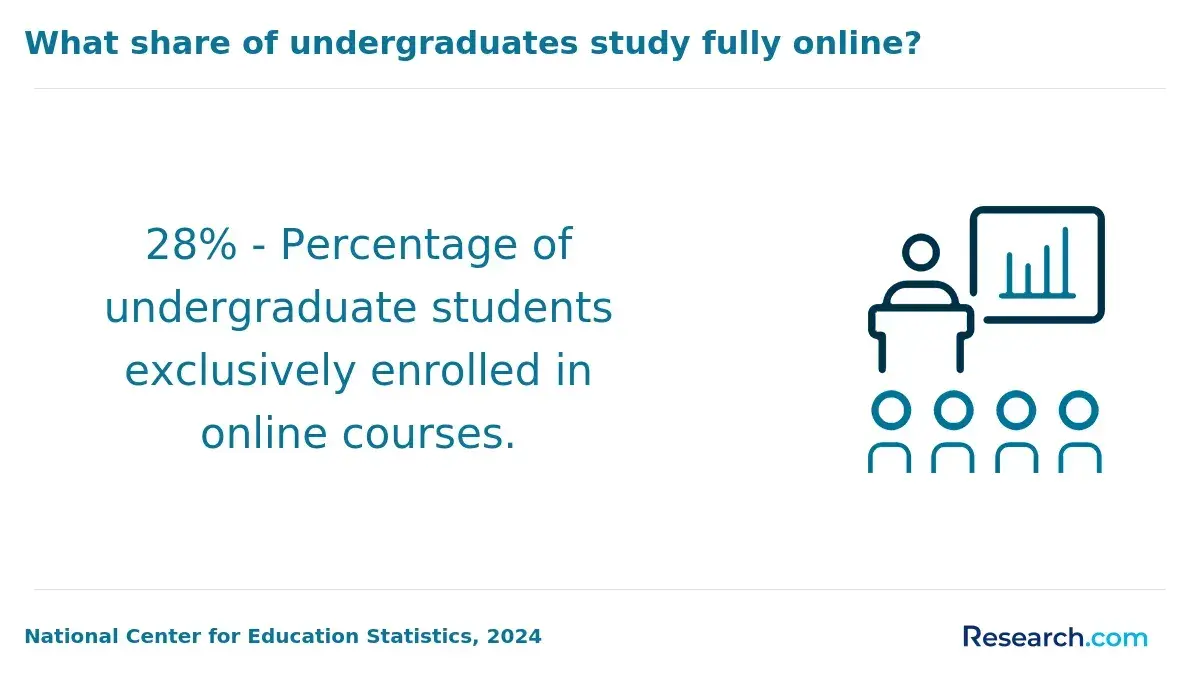
Hybrid and fully online financial technology bachelor's degree programs differ mainly in how coursework is delivered, the extent of in-person interaction, and their overall learning structure. Recent data from the National Center for Education Statistics shows that around 35% of students engage in some form of online education, highlighting the increasing adoption of these flexible formats. Below is a comparison to help prospective students understand these differences clearly.
Hybrid Programs
- Course delivery combines online coursework with scheduled on-campus sessions for labs, group projects, or exams.
- The blend of in-person and virtual elements fosters direct engagement with instructors and peers to support collaboration.
- Class schedules require students to attend specific days and times on campus, offering structured learning but less flexibility.
- This format encourages hands-on experiences and networking opportunities during face-to-face meetings.
- Hybrid financial technology bachelor's degree programs suit learners who prefer a mix of independent study and on-site interaction.
Fully Online Programs
- All coursework is delivered digitally through virtual classrooms, with no physical attendance required.
- Students interact through video calls, online forums, and messaging platforms, requiring strong self-motivation and communication skills.
- These programs typically offer asynchronous learning, allowing students to access materials and complete assignments on their own schedules.
- The learning experience emphasizes independent study and time management, appealing to those balancing work or family commitments.
- Prospective students interested in flexible degree options should explore online BCBA programs as an example of accessible, fully online education paths.
How Does a Hybrid vs Fully Online Financial Technology Bachelor's Degree Program Work?
Both hybrid and fully online financial technology bachelor programs follow structured academic pathways but differ markedly in their coursework delivery and student interaction. According to the National Center for Education Statistics, enrollment in online courses has increased nearly 30% over the past decade, reflecting a strong shift toward remote learning in higher education. This growth underscores the evolving methods of education delivery for these programs. Below is a comparison of how hybrid and fully online financial technology degree delivery methods operate.
Hybrid Programs
- Students attend a combination of in-person sessions and online classes to balance learning environments
- On-campus attendance follows a fixed schedule for lectures, labs, or group activities
- Assignments, discussions, and coursework are managed via learning management systems
- Communication involves face-to-face meetings, video conferencing, and online forums
- Group projects typically require some physical presence for collaboration
Fully Online Programs
- All coursework is completed remotely without any campus visits
- Students participate in both synchronous live sessions and asynchronous on-demand classes
- Interaction with instructors and peers occurs through video conferencing, email, and discussion boards
- Flexible pacing is allowed within semester-based timelines to accommodate different schedules
- Assessments and group work are facilitated entirely through digital platforms
Prospective students seeking options for a cheapest online bachelor's degree can explore these pathways to find a balance between structure and flexibility that suits their lifestyle and learning preferences.
Are Admission Requirements Different for Hybrid and Fully Online Financial Technology Bachelor's Degrees?
Admission standards for hybrid and fully online financial technology bachelor's degree programs generally align, as both demand similar academic credentials like a high school diploma or equivalent. Nevertheless, differences arise due to the hybrid format's blend of in-person and online learning, influencing specific application expectations and technical needs. Below are key distinctions to consider when comparing the two formats.
- Academic Qualifications and Testing: Both formats usually require foundational academic achievements, but hybrid programs may place greater emphasis on assessments that confirm readiness for a mixed learning environment, such as placement tests or interviews. Fully online programs largely rely on documented credentials without additional evaluations.
- Technical and Attendance Requirements: Fully online programs expect students to have dependable internet access and adequate computing devices to participate remotely. Hybrid programs share these demands but also require reliable availability to attend scheduled on-campus sessions, adding a geographic or time commitment element.
- Application Documentation: Hybrid programs often request supplementary materials like proof of local residency or commitment letters to ensure students can fulfill on-site attendance. Fully online degrees typically do not mandate such documentation, prioritizing flexibility.
- Orientation and Prerequisites: Some hybrid programs organize mandatory in-person orientations or foundational courses before classes begin, while fully online programs provide similar content virtually, sometimes impacting application timelines and materials.
When I asked a student enrolled in a fully online financial technology bachelor's degree about her admission experience, she shared that the process felt straightforward but not without its challenges. "Submitting my transcripts and standardized test scores was pretty standard," she said, "but what stood out was how much emphasis there was on proving I had the right tech setup." She also appreciated the lack of onsite requirements, noting, "I didn't have to worry about travel or being tied to a specific location, which made it easier to manage my schedule." Reflecting on the process, she found the automated application system efficient, yet she mentioned that navigating technical eligibility checks required careful attention, reinforcing how important equipment readiness is for fully online students.
Is the Learning Experience Better in Hybrid vs Online Financial Technology Bachelor's Degrees?
Hybrid financial technology bachelor's degree programs blend in-person and online learning, offering students opportunities for more dynamic engagement with instructors and classmates during live sessions. This interaction often leads to richer discussions and prompt feedback, enhancing comprehension of complex topics. Additionally, hybrid students benefit from on-campus facilities such as labs and libraries, which can support practical learning and networking. However, this model requires adhering to a set schedule, which may be less suited to those needing more flexibility.
Overall, hybrid formats provide a structured, interactive environment that many learners find valuable for staying motivated and connected. Fully online financial technology degrees prioritize convenience, allowing students to study independently from any location and at their own pace. While face-to-face contact is limited, many programs incorporate engaging tools like video lectures, discussion forums, and collaborative virtual projects to maintain involvement.
Faculty support is offered through emails, live chats, and virtual office hours, helping students stay on track despite physical distance. Online learners also have access to a wide range of digital resources tailored for remote education. Although this format may challenge those who prefer in-person interaction, it suits individuals balancing studies with work or other responsibilities.
Which Is More Flexible: Hybrid or Fully Online Financial Technology Bachelor's Degree?
Hybrid programs in financial technology bachelor's degrees offer a structured blend of online and in-person learning, requiring students to attend scheduled campus sessions alongside digital coursework. This format provides a consistent routine, combining synchronous and asynchronous instruction that balances flexibility with direct interaction. The mandated on-campus components promote engagement with faculty and peers but can limit the ability to study freely anytime and anywhere. Such programs appeal to students who value hands-on experiences and thrive with set schedules. Hybrid vs fully online financial technology degree flexibility often hinges on this trade-off between fixed commitments and face-to-face involvement.
Fully online financial technology degrees provide greater flexibility by enabling students to access all materials remotely, often with asynchronous classes that let learners set their own pace. This model supports diverse lifestyles, allowing students to tailor their study times around work, family, or travel. According to a 2023 survey by EduTech Insights, 78% of online learners chose fully online programs primarily for scheduling flexibility. For those seeking flexible learning options for financial technology bachelor's programs, exploring popular online colleges can reveal many pathways designed to fit individual needs and commitments.
What Is the Workload for Hybrid vs Fully Online Financial Technology Bachelor's Degrees?
Although hybrid and fully online financial technology bachelor's degree programs generally maintain comparable academic standards, their pacing and structural delivery create distinct demands on students' time management and workload. A 2022 Online Learning Consortium report highlights that students enrolled in these formats typically dedicate between six to nine hours weekly to coursework, though this varies with program design and individual study habits. This overview sets the stage for understanding how each format structures student commitment.
In hybrid financial technology programs, students divide their efforts between scheduled face-to-face classes and online coursework. The in-person component usually follows a fixed weekly schedule, offering live interactions with instructors and peers, which can enhance learning through immediate feedback. Outside of these sessions, students tackle readings, assignments, and projects online, requiring them to coordinate and manage two distinct learning environments. For some, the routine of set class times offers helpful deadlines, while others may find traveling to campus and juggling dual commitments challenging.
Fully online financial technology bachelor's degrees rely mainly on asynchronous learning, allowing students to engage with lectures and materials at times that suit their individual routines. Coursework includes digital assignments, participation in online discussions, and remote examinations, all demanding self-discipline for consistent progress. The flexibility inherent in this format suits diverse lifestyles but also places significant pressure on students to stay motivated, plan their study schedules carefully, and avoid procrastination to meet deadlines effectively.
How Does Tuition Compare for Hybrid vs Online Financial Technology Bachelor's Degrees?
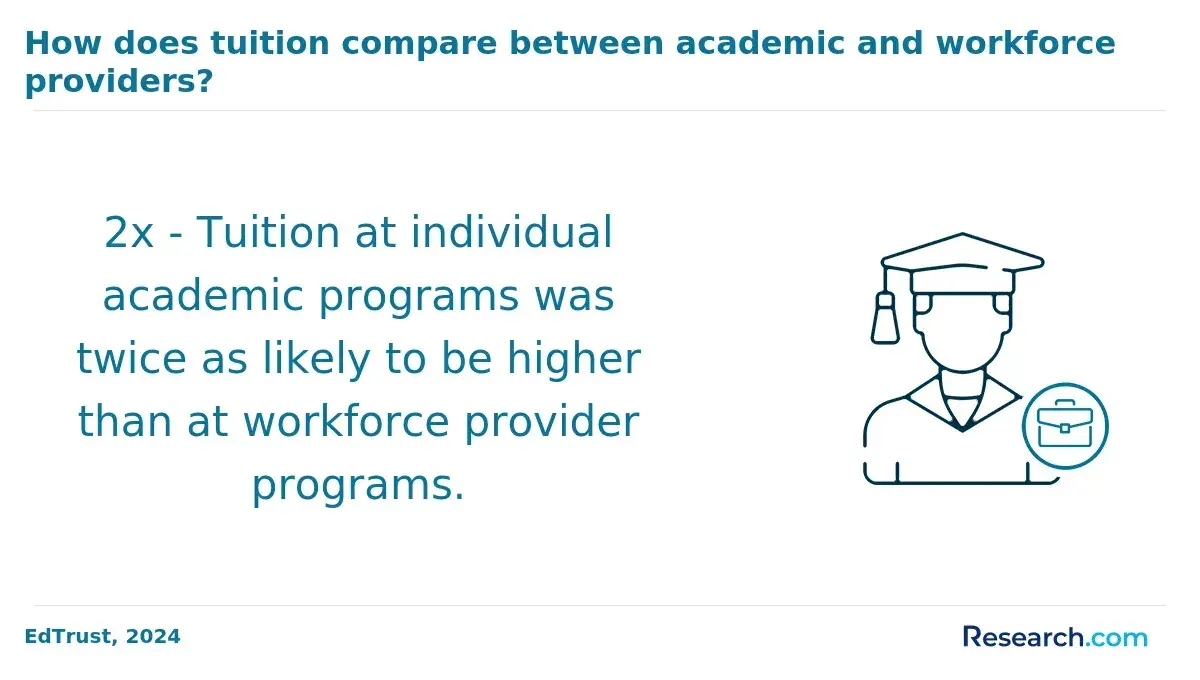
Tuition structures for hybrid and fully online financial technology bachelor's degree programs vary based on delivery format, institutional policies, credit requirements, and student fees. On average, fully online programs charge about 15% less per credit hour than hybrid programs, reflecting differences in resource use and fee assessments. These distinctions are important for students balancing budget with learning style preferences.
- Per-Credit Costs: Fully online programs tend to have lower per-credit tuition rates due to reduced reliance on physical campus resources. Hybrid programs often charge more because they combine in-person instruction with online components, which can raise overall costs.
- Facility and Technology Fees: Hybrid programs usually include campus facility fees covering labs and classrooms, increasing total tuition. In contrast, fully online programs charge technology fees focused on online platform maintenance, generally at a lower rate.
- Residency-Based Pricing: Tuition in hybrid programs may be affected by in-state versus out-of-state rates, since some coursework requires campus attendance. Fully online programs often offer more uniform pricing regardless of the student's geographic location.
- Payment Flexibility: Online programs typically provide greater flexibility with payment plans, including accelerated or modular options that accommodate self-paced learning. Hybrid programs may have more traditional payment schedules aligned with semester timelines.
- Additional Fees: Hybrid formats can include extra mandatory fees not reflected in per-credit prices, raising the total cost beyond what students might expect based on tuition rates alone.
When I spoke with a graduate of a hybrid financial technology bachelor's degree, he recalled how managing tuition was a constant challenge. "Balancing the higher costs, especially fees tied to campus use, meant I had to carefully budget each semester," he explained. Despite the upfront cost concerns, he appreciated having the option to attend some sessions in person, which he felt enhanced his learning experience. He also mentioned how the payment schedules required careful planning but that the structured semesters kept him accountable throughout the program.
Do Employers Prefer Hybrid or Fully Online Financial Technology Bachelor's Degrees?
Employer perceptions of hybrid and fully online financial technology bachelor's degrees have evolved considerably as online education has become more widely accepted. A 2022 study by the National Association of Colleges and Employers (NACE) found that 86% of employers are now willing to consider candidates with online degrees, reflecting increased legitimacy for remote learning. This shift emphasizes the importance of the institution and curriculum over the delivery method. Here is a comparison of employer attitudes toward hybrid versus fully online degrees.
- Flexibility and Interaction: Hybrid financial technology bachelor's degree employer preferences often favor programs that blend online coursework with in-person elements. Employers value the balance hybrid graduates achieve between independent study and direct interpersonal skills.
- Self-Motivation and Adaptability: Fully online financial technology degree recognition by employers highlights the strong self-discipline and adaptability these graduates demonstrate, traits prized in the fast-changing fintech sector.
- Networking Opportunities: Employers may still slightly prefer hybrid formats for their better networking and hands-on experience potential, important for roles requiring teamwork and client engagement.
- Skill Focus Over Format: With fintech companies embracing remote work, recruiters increasingly prioritize skills, internships, and proven knowledge rather than whether a candidate's degree was hybrid or fully online.
- Program Reputation: Regardless of format, employers assess the quality based on the institution and curriculum, underscoring the value of accredited and well-structured programs such as those found in blockchain degree programs.
Who Should Choose a Hybrid vs Fully Online Financial Technology Bachelor's Degree?
Choosing between a hybrid and a fully online financial technology bachelor's degree hinges on individual learning preferences, scheduling flexibility, and lifestyle needs. Both formats provide distinct advantages that cater to different types of students. The decision ultimately depends on which environment aligns best with a student's circumstances and goals.
- In-Person Interaction: Students who benefit from in-person engagement and real-time discussions may prefer hybrid programs that offer face-to-face opportunities alongside online coursework. This balance supports deeper understanding and networking.
- Flexible Schedules: Fully online programs suit students needing complete flexibility, including working professionals managing irregular hours who require the ability to study anytime and anywhere.
- Structured Environment: Learners who thrive with scheduled class times but need some adaptability often find hybrid programs advantageous, combining routine with remote access.
- Remote Access: Those living far from campus or in rural settings where commuting is impractical tend to benefit most from fully online financial technology bachelor's degrees, which offer accessibility without geographic constraints.
- Self-Motivated Learners: Independent students comfortable with technology and digital communication typically excel in fully online formats, appreciating the autonomy these programs provide.
- Campus Proximity: Students residing near campus who want occasional on-site sessions while maintaining flexibility often choose hybrid programs for the best of both worlds.
Understanding the best candidates for hybrid financial technology bachelor's programs versus the advantages of fully online financial technology bachelor's degrees can help prospective students align their educational choices with personal and professional demands. For those interested, exploring military friendly colleges can also provide valuable options, especially for service members balancing education with other commitments. More information is available at military friendly colleges.
How Can I Succeed in a Hybrid vs Fully Online Financial Technology Bachelor's Degree Program?
Success strategies for hybrid and fully online financial technology bachelor's programs vary due to their distinct formats. Hybrid students juggle in-person classes with online work, while fully online learners depend entirely on virtual engagement. These differences shape how students manage their time, stay motivated, and use learning resources. Below are tailored approaches to excel in each setting.
- Time Management: Hybrid students should carefully plan campus visits and allocate time around classes for deeper review. Fully online learners benefit from establishing a consistent daily study schedule to maintain focus amid distractions.
- Active Engagement: Face-to-face participation in hybrid settings helps build understanding and networks, whereas online students must proactively engage through questions and discussion boards to avoid feeling isolated.
- Use of Technology: Hybrid learners often use digital tools for assignments and study materials, while fully online students rely heavily on asynchronous forums and video conferencing to interact with peers and instructors.
- Study Environment: Creating a distraction-free workspace is crucial for online students. Hybrid learners may balance between home setups and campus spaces depending on their schedule.
- Resource Utilization: On-campus office hours are valuable for hybrid students seeking clarification, while online learners should maximize virtual communication channels to connect with professors.
- Organizational Skills: Using digital apps to track deadlines and materials supports success in both formats by keeping coursework organized and on schedule.
- Communication Skills: Effective collaboration is essential regardless of format to succeed in group projects and professional networking within financial technology.
What Graduates Say About Hybrid vs Fully Online Financial Technology Bachelor's Degree Programs
- Yeshua: "Choosing a fully online financial technology bachelor's program was essential for me due to my full-time job and family commitments. The ability to study at my own pace truly helped me manage coursework alongside work and personal life without feeling overwhelmed. Completing the program has opened up new opportunities in fintech innovation, allowing me to apply cutting-edge digital solutions directly in my current role."
- Hugh: "Reflecting on my hybrid financial technology degree experience, I realized how blending in-person and online learning gave me the perfect balance of flexibility and hands-on engagement. Navigating virtual classes alongside face-to-face sessions provided a rich understanding of fintech concepts and sharpened my collaboration skills. This mix has been invaluable in advancing my career, especially as I work with cross-functional teams in a tech-forward finance company."
- Atlas: "When I started my online financial technology bachelor's degree, I was initially unsure about maintaining motivation and staying connected with classmates. However, the program's interactive tools and proactive faculty support made all the difference in my learning journey. Professionally, earning this degree online has strengthened my confidence and credibility, positioning me as a knowledgeable expert in blockchain and digital payments within the fintech space."
Other Things You Should Know About Financial Technology Degrees
Yes, both hybrid and fully online Financial Technology bachelor's programs often provide access to internships. Hybrid programs may facilitate in-person networking and local internship placements due to their on-campus components. Fully online programs typically partner with companies nationwide to offer virtual or remote internship experiences aligned with the curriculum.
Hybrid programs enable a mix of face-to-face and virtual collaboration, which can enhance communication and teamwork among students. Fully online programs rely heavily on digital platforms such as video conferencing, forums, and collaborative software to facilitate group work. Both formats emphasize developing teamwork skills crucial for FinTech professionals.
Hybrid programs often provide more direct, in-person networking through campus events, guest lectures, and on-site career fairs. Fully online programs compensate with virtual networking tools, webinars, and online alumni communities, allowing students to connect with professionals globally. Both types support building industry connections, but the nature of these interactions differs.
References
- Fintech and Digital Transformation in Finance (Major on the Financial Management bachelor program) https://www.kozminski.edu.pl/en/fintech-and-digital-transformation-finance-major-financial-management-bachelor-program
- Online Bachelor of Business Administration and Digital Innovation with Finance & FinTech https://www.global-business-school.org/programs/bachelor-europe-bachelor-of-business-administration-online/online-bachelor-of-business-administration-and-digital-innovation-with-finance-fintech/
- Comparison Between Online and Hybrid BBA Programs https://amityonline.com/blog/which-is-better-online-bba-or-hybrid-bba
- 4 Flexible Ways to Earn a College Degree on Your Schedule https://www.stjohns.edu/news-media/johnnies-blog/4-flexible-ways-earn-college-degree-your-schedule-0
- World's Largest platform as University Common Application https://www.planstudyabroad.uniagents.com/course-details.php
- Hybrid vs Fully Online MBA Programs - Key Differences https://www.onlinecu.in/blog/cu/differences-between-hybrid-and-fully-online-mba-programs.php
- Cost of Online Education vs. Traditional Education [2025]: Comparison https://educationdata.org/cost-of-online-education-vs-traditional-education
- Hybrid Flexible Learning studies at VIZJA - VIZJA University in Warsaw https://vizja.pl/en/studia-hfl-w-vizja/
- FINANCIAL TECHNOLOGY (FINTECH) https://unirhone.fr/bachelor-of-financial-technology-fintech-degree/