2027 Online Financial Technology Bachelor's Degree Programs With No Prerequisites

Co-Founder and Chief Data Scientist
Many adult learners with unrelated bachelor's degrees struggle to find flexible pathways to enter the growing financial technology field because traditional programs demand prior knowledge. This barrier limits career pivots despite the projected 15% job growth in FinTech-related roles through 2030. Online financial technology bachelor's degree programs with no prerequisites offer a solution by allowing students to build foundational skills at their own pace without prior experience. These accessible programs can unlock opportunities in a competitive industry adapting to rapid digital transformation.
This article explores such programs to guide prospective students toward an effective, accredited education tailored to flexible career entry.
Key Benefits of Online Financial Technology Bachelor's Degree Programs With No Prerequisites
- Online financial technology programs with no prerequisites offer flexible schedules, enabling working professionals to balance study with career and family commitments efficiently.
- Students can accelerate skill acquisition through targeted coursework, gaining relevant competencies faster and entering the workforce without traditional admission barriers.
- These programs provide accredited credentials on timelines and budgets tailored for adult learners, maximizing return on investment while opening pathways into evolving fintech industries.
What Does 'No Prerequisites' Mean for Online Financial Technology Bachelor's Degree Programs, and Who Benefits Most?
In online financial technology bachelor's degree programs, no prerequisites means students can enroll without completing prior coursework, standardized tests, or specific academic requirements commonly expected before admission. This differs from open-admission policies that may still require a high school diploma or equivalent, and from low-barrier enrollment, which entails minimal but some entry qualifications. Programs with no prerequisites remove initial academic hurdles, enhancing accessibility for diverse learners.
This model benefits career changers shifting into financial technology without unrelated course burdens, working adults balancing jobs who can progress without preparatory classes, returning learners reentering education more smoothly, and first-generation college students who face fewer barriers. These groups align closely with data from the National Center for Education Statistics (NCES), which highlights a growing enrollment of non-traditional students such as adults 25 and older, part-time learners, and those balancing education with work or family commitments. Offering no prerequisite financial technology degree programs expands access to these populations effectively.
Prospective students looking for no prerequisites for online financial technology bachelor programs should consider important aspects that influence educational success and career advancement. They include:
- Admission Accessibility: How eliminating traditional entry barriers opens doors for a broad range of students, enabling easier enrollment into financial technology fields.
- Program Quality: The importance of accreditation and rigorous academic standards to ensure a valuable degree despite relaxed admissions.
- Support Services: Tutoring, career counseling, and mentorship that help non-traditional learners thrive throughout their studies.
- Financial Aid Options: Availability of grants, scholarships, and loans designed for students starting without prior academic qualifications.
- Career Outcomes: How completing these degrees supports advancement or shifts into lucrative roles in the evolving financial technology sector, often tied to short careers that pay well.
Which Accredited Online Financial Technology Bachelor's Programs Accept Students With No Prior College Coursework?
Several regionally accredited institutions offer online financial technology bachelor's programs no prerequisites, making higher education accessible to a broad range of students. These programs either waive prerequisites outright or provide foundational bridge courses designed to support learners with no prior coursework. This open-admission approach benefits working adults, first-generation students, and career changers seeking to enter this rapidly expanding industry.
- Western Governors University: Known for its nonprofit, competency-based model tailored to adult learners, WGU allows students with no previous college credits to enroll directly. Their online bachelor's in financial technology focuses on practical skills in fintech innovation and regulations. Accredited by the Northwest Commission on Colleges and Universities, WGU enrolls over 100,000 students across its programs, reflecting strong demand and accessibility.
- Southern New Hampshire University: SNHU's Bachelor of Science in Finance with a fintech concentration explicitly accepts students without prior coursework. Foundations are embedded within the curriculum, with admission open to anyone holding a high school diploma or equivalent. This program is regionally accredited by the New England Commission on Higher Education and offers robust academic advising and career services.
- Liberty University: Liberty features an open enrollment policy and an online Bachelor of Science in Business Administration that includes fintech coursework. Their accreditation from the Southern Association of Colleges and Schools ensures quality, while bridge courses help students build essential general education skills for success.
- Arizona State University Online: ASU Online offers a Bachelor's in Finance with fintech electives where prerequisites may be waived through placement testing or foundational modules. Accredited by the Higher Learning Commission, ASU delivers strong tutoring and transfer credit support for students with no formal prior coursework.
- University of Massachusetts Lowell: UMass Lowell welcomes students with no prior college experience through open admission pathways for its Bachelor's in finance focusing on financial technology topics. Accredited by the New England Commission, the program includes bridge coursework to develop key quantitative abilities essential for fintech roles.
Common features of these financial technology bachelor's programs open enrollment no prior coursework options include open or low-barrier admissions, availability of bridge courses for newcomers, and comprehensive student support services. When evaluating accredited online financial technology bachelor's programs no prerequisites, prospective students should verify regional accreditation, understand credit transfer policies, and explore available financial aid. These factors ensure programs are accessible yet credible, equipping learners for strong career prospects. For those interested in streamlined pathways, reviewing accelerated degree programs online can also provide valuable options to enter the field more quickly.
2026 Update: Checking Whether the FinTech Curriculum Matches Current Industry Tools
For the 2026 refresh, this section adds a practical curriculum check for students entering online financial technology bachelor’s programs without prior coursework or technical experience.
- Whether introductory courses explain finance, payments, data, and programming before moving into advanced FinTech topics.
- Whether students use current tools for data analysis, digital banking, blockchain concepts, cybersecurity, or financial applications.
- Whether assignments include applied projects, case studies, or simulations instead of only textbook-based exams.
- Whether the program covers compliance, risk, privacy, and ethical use of financial data.
- Whether nontechnical students can access beginner tutorials, labs, or optional refresher modules.
- Whether capstone projects or portfolios can help demonstrate skills to employers after graduation.
Reviewing curriculum fit helps students choose a no-prerequisite program that is not just accessible, but also aligned with the practical skills expected in FinTech roles.
How Do Open-Admission Policies in Online Financial Technology Programs Differ From Traditional Selective Admissions?
Open-admission enrollment in online financial technology bachelor's programs offers a distinct approach by allowing all applicants with basic eligibility-typically a high school diploma or GED-to enroll, bypassing traditional selectivity based on GPA or test scores. This differs from rolling admissions, which accept candidates continuously throughout the year, and conditional admissions, where students must fulfill specific requirements post-enrollment, such as remedial coursework. Schools like Southern New Hampshire University clearly publish these open-admission policies online and in IPEDS reports, providing transparent access to prospective students.
- Admission Accessibility: Open-admission removes competitive barriers, enabling wider participation from adults returning to education, first-generation students, and those changing careers.
- Academic Variety: Students entering under open admission often have diverse academic backgrounds, prompting institutions to offer developmental classes, tutoring, or orientation programs to help bridge gaps in finance, math, and technology knowledge.
- Admission Types: Unlike open admission focused on basic eligibility, rolling admission allows flexible start dates, while conditional admission demands meeting certain standards after entry, balancing flexibility and accountability.
- Program Suitability: Candidates should consider whether these programs meet their learning style and career plans, as open-admission programs typically emphasize flexible pacing and practical skills rather than selective, research-driven environments.
Notably, more than 40% of online bachelor's degrees now utilize open or low-barrier admissions, highlighting their growing role in democratizing higher education access nationwide.
A professional who pursued an online financial technology bachelor's with no prerequisites shared his experience: "Starting fresh without formal coursework felt daunting, especially managing work and study. But knowing the program accepted me without having to meet strict academic thresholds was encouraging." He appreciated how developmental support helped him "catch up on essential skills" and valued the program's flexibility during his career shift. For him, open admission wasn't just a policy-it was a critical factor enabling his successful transition into financial technology.
What Are the Typical Enrollment Requirements for No-Prerequisite Online Financial Technology Bachelor's Programs?
Proof of High School Completion: Even with no-prerequisite online financial technology bachelor's degree admission criteria, most programs require official evidence of high school graduation or an equivalent credential like a GED to confirm basic educational readiness.
English Proficiency: Programs taught in English, particularly at private nonprofit schools, commonly mandate proof of language skills. This is often fulfilled through tests such as TOEFL or IELTS or by completing ESL courses to meet open enrollment requirements for online financial technology bachelor programs effectively.
Minimum Age Requirement: Applicants usually must be at least 17 or 18 years old, depending on institutional and state policies, ensuring sufficient maturity for online study demands.
Alternative Pathways: Those lacking a high school diploma can explore obtaining a GED or participating in dual-enrollment with community colleges, providing essential credentials while supporting academic preparedness.
Application Preparation: Gathering accurate transcripts, identification, and test scores before submission helps streamline admissions. Consulting with admissions advisors aids in understanding documentation specifics, avoiding delays common in no-prerequisite enrollment.
Students should also consider factors like financial aid and credit transfer options when researching programs with low barriers. For budgeting purposes, exploring information on online accounting degree cost can offer relevant financial insights applicable to many financial technology degrees.
Are No-Prerequisite Online Financial Technology Bachelor's Programs Available at Regionally Accredited Universities?
Regionally accredited universities frequently provide online financial technology bachelor's degrees that require no prior coursework, making higher education accessible to diverse learners. Regional accreditation demonstrates a school's adherence to stringent academic standards and institutional integrity, which significantly influences students' ability to transfer credits, gain employer recognition, and secure federal financial aid. Unlike national accreditation, regional accreditation is widely respected by employers and educational institutions, offering better long-term value for students.
Six regional accrediting bodies recognized by the U.S. Department of Education and the Council for Higher Education Accreditation (CHEA) oversee these quality assurances. Applicants can verify a university's regional accreditation status through the U.S. Department of Education's accreditation database or CHEA's directory. Many regionally accredited institutions have adopted open enrollment policies, allowing enrollment in financial technology programs without prerequisites while maintaining academic rigor.
Regional accreditation is considered more credible and difficult to attain than national accreditation, which often targets vocational or for-profit schools. Students should prioritize regionally accredited programs even when looking for the least restrictive admissions paths, as this ensures broader acceptance of their credentials and eligibility for essential financial support.
- Accrediting Body: Confirm the institution is regionally accredited by an agency acknowledged by the U.S. Department of Education or CHEA to ensure program quality.
- Program Accreditation: Verify that the financial technology degree is covered under the school's regional accreditation, not just general institutional or national accreditation.
- Credit Transferability: Check if completed credits are accepted by other regionally accredited institutions for further study or credit transfer.
- Financial Aid Eligibility: Ensure the program qualifies for federal financial aid, which usually requires regional accreditation.
A professional who completed a no-prerequisite online financial technology bachelor's degree at a regionally accredited university shared that the journey was initially daunting without a formal academic background. She noted the flexibility of open enrollment allowed her to balance work and study, while the solid reputation of regional accreditation gave her confidence employers would value her degree. "It wasn't just about getting in easily," she explained, "but knowing the credential stood for something meaningful." Her experience illustrates how these programs can effectively serve motivated adults seeking career change without sacrificing educational quality or future opportunities.
How Do Students Without Academic Prerequisites Catch Up in Online Financial Technology Bachelor's Courses?
Many no-prerequisite online financial technology programs provide tailored academic resources to help students with limited prior knowledge succeed. These supports are designed to build foundational skills and foster confidence in complex subjects such as finance, math, and computer science.
- Developmental Courses: Institutions often offer introductory or refresher courses covering essential topics like statistics and basic programming. For example, Northeastern University incorporates foundational modules to assist students who lack quantitative experience, helping them prepare for upper-level coursework without earning degree credits.
- Tutoring and Academic Coaching: Personalized tutoring in subjects like coding or financial analysis is commonly available online. Academic coaching also helps learners enhance study habits and time management, which are strongly linked to higher completion rates in online settings according to NSSE findings.
- Peer Mentoring and Collaborative Learning: Students benefit from connections with experienced peers or alumni who provide guidance and motivation. Group projects and interactive discussion forums promote engagement and reinforce learning, which improves persistence in remote education environments.
- Bridge Programs: Some universities, such as the University of Maryland Global Campus, offer specialized bridge initiatives including extended orientations, technical workshops, and career advising to prepare students lacking prior coursework for the challenges of financial technology degrees.
- Self-Assessment Tools: Readiness evaluations and preparatory quizzes available through program websites empower students to identify gaps before enrollment. Early use of advising services and engagement with support resources maximizes the effectiveness of these preparatory efforts.
According to the 2023 National Survey of Student Engagement, students who utilize academic support services are 23% more likely to persist and graduate from online degree programs. This underscores the critical importance of leveraging institutional resources to succeed, especially for learners entering financial technology fields without traditional academic backgrounds.
What Support Services Help No-Prerequisite Students Succeed in Online Financial Technology Bachelor's Programs?
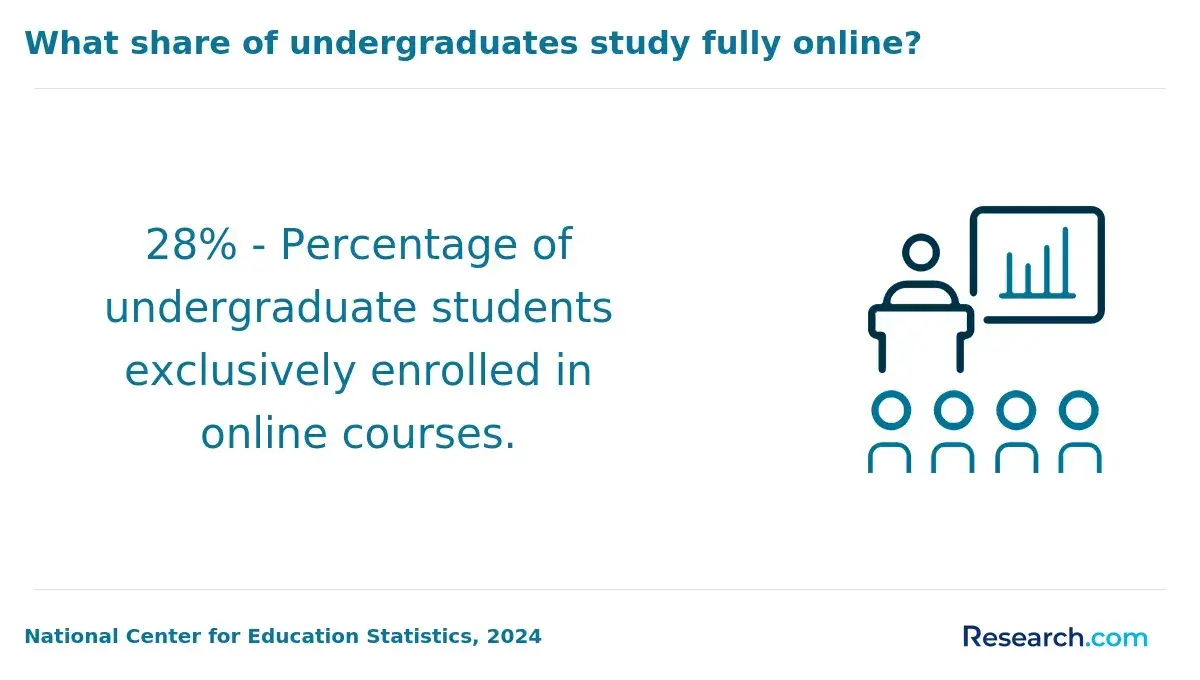
Online financial technology bachelor's programs with no prerequisites often provide comprehensive student support services essential for learner success. These services accommodate working adults balancing school, family, and employment-64% of undergraduate online students are employed full-time, according to the National Center for Education Statistics (NCES). Investing in programs with strong student resources reduces dropout risk and enhances degree completion.
- Academic Advising: Experienced advisors assist with course selection, degree planning, and time management. Flexible appointment options-including synchronous and asynchronous meetings-help students receive timely, personalized support that aligns with their schedules.
- Mental Health Resources: Many programs offer virtual counseling and wellness workshops addressing emotional well-being. These resources are linked to better academic performance and retention in online learning environments.
- Disability Accommodations: Accredited online programs comply with the Americans with Disabilities Act (ADA) by providing adaptive technology, captioning, and flexible exam arrangements. Such accommodations guarantee equitable access for all learners.
- Career Counseling: Services include resume development, interview coaching, and virtual job fairs tailored to the fintech sector. These resources support non-traditional students aiming to enter or shift careers within financial technology.
- Asynchronous and Virtual Support: Learning platforms offer discussion boards, video tutorials, and 24/7 portal access. This flexibility enables students to study on their own time, effectively balancing life commitments with academic progress.
Can Transfer Credits or Prior Learning Assessments Replace Prerequisites in Online Financial Technology Programs?
Many online financial technology bachelor's degree programs offer transfer credit flexibility and Prior Learning Assessment (PLA) options that can substitute for prerequisite coursework, saving time and tuition costs. These programs often accept credits from accredited institutions-sometimes up to 90 semester hours-covering general education and introductory financial technology topics, which can improve admission chances for students.
- Transfer Credit Flexibility: Institutions differ in the amount and type of transfer credits they accept, typically evaluating prior coursework from accredited colleges. This process can open pathways for students with previous college-level study to bypass foundational classes.
- Prior Learning Assessment (PLA) Options: PLA recognizes knowledge gained outside traditional classrooms through exams like CLEP and DSST, military training, workplace experience, or professional certifications. These assessments allow students to earn college credit without additional courses, easing program entry.
- ACE Credit Recommendation: The American Council on Education (ACE) provides a respected framework recommending credits for military service, corporate training, and certifications relevant to financial technology. Many schools align their PLA policies with ACE guidelines for consistency in credit acceptance.
- Institutions with Flexible Policies: Schools such as Thomas Edison State University and Excelsior College offer some of the most generous transfer credit and PLA policies-accepting up to 90 credits and extensive ACE-recommended credits-helping waive multiple prerequisites efficiently.
- Documentation and Submission: To maximize prerequisite waivers, students should provide comprehensive documentation-transcripts, certificate copies, detailed course descriptions, exam scores-early in the admissions process for evaluation.
- Growing Trend in PLA Usage: According to a recent Council for Adult and Experiential Learning report, over 1.5 million students annually earn college credit through PLA programs, underscoring their growing role in adult education.
For those wondering how prior learning assessments substitute prerequisites in financial technology degrees, these flexible credit options are key. They support working adults, first-generation students, and career changers seeking programs without formal prior coursework requirements. Students should also investigate program quality and accreditation standards while exploring financial aid and student support services for the best outcomes.
Exploring related fields can broaden career opportunities, so you might find it useful to learn what can you do with a project management degree as well, enhancing your professional prospects.
What Is the Average Time to Completion for No-Prerequisite Online Financial Technology Bachelor's Degree Programs?
The average time to graduate from online financial technology bachelor's programs with open admission generally reflects the standard framework of 120 credit hours required for most bachelor's degrees. However, the actual time to completion varies depending on factors such as enrollment pace, term length, and any prior credits earned through transfer or testing.
- Standard Credit Requirements: Most no-prerequisite financial technology programs require completion of 120 credit hours, providing a comprehensive education without demanding previous coursework. This ensures that students entering with no formal background can still access a quality curriculum.
- Enrollment Pace and Term Length: Accredited online financial technology programs often offer flexible options including full-time or part-time enrollment. Accelerated formats with eight-week terms and year-round sessions allow motivated students to shorten their time to completion significantly.
- Competency-Based Formats: Some institutions use competency-based education, enabling students to advance by demonstrating mastery instead of relying solely on seat time. This approach benefits working adults by allowing faster progression when prior skills or knowledge apply.
- Open vs. Selective Admission Completion Rates: IPEDS data shows that open-admission online programs typically experience longer completion times and lower graduation rates compared to selective-admission schools. Still, open-admission policies improve access by lowering barriers, balancing timeliness with inclusivity.
- Impact on Cost: Time to completion affects both tuition and opportunity costs. Accelerated programs reduce expenses by shortening enrollment duration, making program length a critical factor when comparing financial technology degrees without prerequisites.
Choosing a no-prerequisite financial technology bachelor's degree carefully involves considering these factors along with quality and accreditation standards, student support, and credit transfer opportunities. Many students seeking career advancement or a fresh start may also want to explore the most worthwhile masters degrees available after their bachelor's to enhance career outcomes further.
How Does Tuition Compare Between No-Prerequisite and Standard Online Financial Technology Bachelor's Programs?
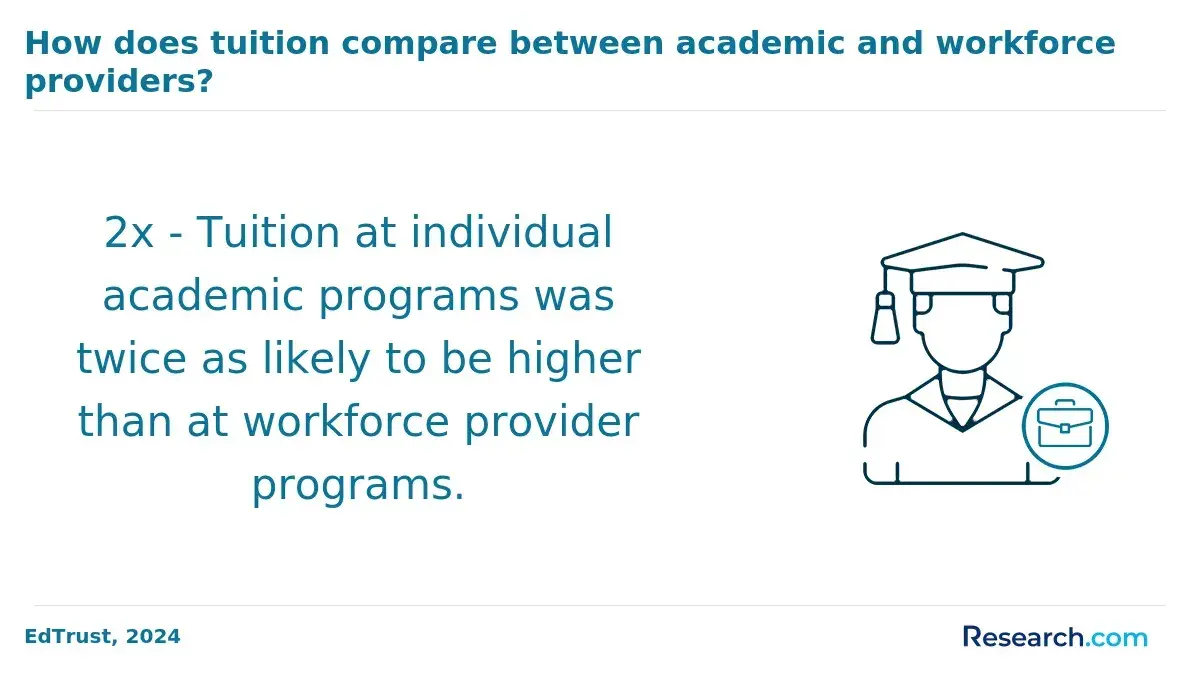
Tuition Rates: Open-admission programs for financial technology bachelor's degrees generally feature lower per-credit-hour costs compared to selective admission programs. These no-prerequisite options are often hosted by public universities or community colleges focused on broad accessibility, while selective programs-usually at private or research-intensive schools-charge higher rates reflecting their resources and reputation.
Additional Fees: Many no-prerequisite programs include developmental or remedial courses not required by traditional selective programs. These extra classes can add fees and extend time to graduation, increasing the overall expenses beyond just tuition.
Institutional Type and Funding: Public institutions offering open enrollment benefit from state subsidies, helping keep tuition affordable. Conversely, private selective programs rely more heavily on tuition revenue, often resulting in costlier price tags.
Program Delivery and Support: Flexible online formats designed for adult learners frequently provide enhanced student services, which may be factored into tuition. This approach can cause cost differences between no-prerequisite and conventional programs.
Total Cost vs. Per Credit: It is critical for prospective students to assess the full degree cost-including all fees, extra coursework, and anticipated time to completion-rather than comparing tuition solely on a per-credit basis. This ensures a more accurate understanding of financial commitment in pursuing a financial technology degree.
Which Online Financial Technology Bachelor's Programs Allow Students To Start Without A High School Diploma Or GED?
Many accredited online financial technology bachelor's programs welcome applicants who hold a GED or HiSET as a substitute for a traditional high school diploma. These programs often follow open-admission policies designed to broaden access for adult learners, career changers, and first-generation students. This approach helps reduce barriers by treating equivalency credentials as fully valid for admission.
- Admission Flexibility: Programs typically accept GED or HiSET credentials without requiring additional coursework, though applicants must provide official documentation and verification during application.
- Conditional Enrollment: Some institutions implement provisional acceptance, requiring students to complete foundational or remedial courses to ensure readiness before advancing in financial technology studies.
- International Applicants: Students educated outside the United States usually need an accredited equivalency evaluation of their credentials and proof of English proficiency to meet admission standards.
- Accreditation Assurance: Accredited programs maintain academic quality comparable to traditional pathways, recognized by employers and licensing organizations; verifying regional or national accreditation before enrollment is essential.
- Financial Aid Access: GED holders often qualify for federal financial aid and can take advantage of tutoring, advising, and career services aimed at supporting success in financial technology curricula.
- Credit Transfer: Many schools allow acceptance of prior college credits or relevant professional experience, potentially accelerating degree completion for nontraditional students.
What Graduates Say About Their Online Financial Technology Bachelor's Degree Program With No Prerequisites
- Josh: "Choosing the online financial technology bachelor's degree program with no prerequisites was a game-changer for me because I had no prior experience in this field but was eager to switch careers. The affordability of the program made it accessible without the burden of huge debt, which was a major relief. Since graduating, I've secured a role in digital payments, and the knowledge I gained gave me the confidence to thrive in a competitive industry."
- Elaine: "Reflecting on my journey, the online financial technology degree stood out due to its flexible schedule and lack of entry barriers-perfect for someone balancing work and study. I appreciated the transparent cost structure, which helped me plan financially without surprises. Professionally, this degree opened doors to opportunities in blockchain analytics, a sector I find incredibly rewarding and ever-evolving."
- Hank: "As a professional aiming to establish myself firmly, the no prerequisites online financial technology degree was ideal-it welcomed my curiosity and desire to learn from scratch. The competitive pricing was a deciding factor, making quality education obtainable without compromising my savings. After completing the program, I quickly moved into a fintech consulting role, where I apply what I learned daily to drive innovative solutions."
Other Things You Should Know About Financial Technology Degrees
Students enrolling in no-prerequisite online financial technology programs in 2027 can explore various financial aid options, including federal grants, student loans, and scholarships specific to online education. Some institutions offer payment plans or tuition discounts to make programs more affordable.
Employers generally value financial technology bachelor's degrees from accredited online programs, even those with open-admission policies, as long as the curriculum is rigorous and relevant to industry needs. Hiring managers focus on the applicant's skills, practical experience, and accreditation status of the institution rather than admission selectivity alone. Graduates who supplement their degree with internships or certifications often have stronger employment prospects.
Yes, graduates can pursue high-paying roles in sectors like banking, fintech start-ups, and blockchain development. They often become financial analysts, data scientists, or compliance officers, roles that are experiencing demand due to the rise of digital finance.
Prospective students should examine accreditation status, course content relevance, faculty expertise, and available student support services when comparing programs. Credit transfer policies and flexibility in scheduling are important for adult learners balancing other commitments. Additionally, reviewing graduation rates and career placement outcomes can provide insight into each program's effectiveness and value.
References
- Financial Technology (Fintech) - A field of study for modern young people https://dainam.edu.vn/en/news/financial-technology-fintech-a-field-of-study-for-modern-young-people
- Credit Transfer & Accreditation of Prior Learning https://www.wittenborg.eu/credit-transfer.htm
- Open Admission Online Colleges: How Do They Work? https://www.accreditedschoolsonline.org/online-colleges/open-enrollment/
- Essential Support Systems for Online College Students https://collegeandtuition.com/essential-support-systems-for-online-college-students/
- World's Largest platform as University Common Application https://www.planstudyabroad.uniagents.com/course-details.php
- How higher ed should prepare students for fintech jobs https://eab.com/resources/blog/adult-education-blog/prepare-students-fintech-jobs/
- Bachelor of Science in Finance and Technology | University of Phoenix https://www.phoenix.edu/online-business-degrees/finance-technology-bachelors-degree.html
- What three sectors of finance should I consider while earning my online Bachelor's degree in Finance? https://www.onlineschoolscenter.com/three-sectors-finance-earning-online-bachelors-degree/
- Distance learning without A-levels: Start now and realize your dream! - Allensbach University https://www.allensbach-hochschule.de/en/distance-learning-without-high-school-diploma/
- No diploma? No problem! - Asher College https://asher.edu/no-diploma-no-problem/