2027 Online Financial Technology Bachelor's Degrees for Veterans and Military Students

Co-Founder and Chief Data Scientist
Transitioning from military service to the civilian workforce presents unique challenges for veterans and military-affiliated students. Balancing deployment schedules or family relocations with academic goals requires flexible education options. Online financial technology bachelor's degrees offer a pathway that leverages military experience and education benefits to build crucial skills in this growing sector.
According to the Department of Veterans Affairs, over 40% of military learners choose online programs to accommodate their complex commitments while pursuing in-demand careers. This article explores how online financial technology degrees support veterans and service members in achieving career advancement and long-term success in the financial technology industry.
Key Benefits of Online Financial Technology Bachelor's Degrees for Veterans and Military Students
- Online financial technology degrees offer veterans flexible scheduling to balance coursework with military duties or civilian jobs, improving retention and completion rates.
- Accessible from any location, these programs support learning during deployments or frequent moves, reducing barriers linked to military lifestyles.
- Such degrees aid career transition and growth by providing current, industry-relevant skills, with national accreditation enhancing credit transfer and employment prospects.
How Do Online Financial Technology Degrees Work for Service Members?
Online financial technology bachelor's degree programs for service members are designed to provide all coursework-lectures, discussions, assignments, and exams-through digital platforms accessible nearly anywhere. These programs typically organize content in modular or weekly units, allowing students to engage asynchronously with recorded lectures and course materials. Interactive features like discussion boards and occasional live virtual sessions enable meaningful peer and instructor interaction without requiring strict daily attendance. Assignments are submitted online via portals that also offer clear communication on deadlines and feedback, while mobile-friendly learning management systems support studying on the go. This flexible structure helps service members balance their academic goals with demanding and often unpredictable schedules.
These programs recognize the unique challenges of military life by accommodating fluctuating availability and operational demands. Flexible deadlines or short extensions help maintain steady academic progress despite interruptions, while asynchronous access allows veterans and active-duty personnel to study when their schedules permit. The emphasis on remote delivery, combined with occasional synchronous engagement, creates an environment tailored to military students' needs. This approach makes online financial technology education especially beneficial for veterans seeking flexible options. Those interested may also explore related certifications online to further enhance their career prospects.
Are Online Financial Technology Degrees for Military Students Accredited?
Accreditation is essential in online financial technology degree programs as it guarantees the academic quality, credibility, and recognition of the institution and the curriculum. This process involves thorough evaluation by independent agencies to ensure programs meet established standards in areas such as finance, technology, data analysis, and cybersecurity. Common regional accreditors overseeing these degrees include the Higher Learning Commission (HLC), Middle States Commission on Higher Education (MSCHE), and the Southern Association of Colleges and Schools Commission on Colleges (SACSCOC). These organizations verify that schools provide adequate resources and maintain rigorous academic and administrative standards that benefit students seeking valuable credentials. Choosing an accredited online financial technology degree program helps ensure that the education a student receives is respected by employers and other education providers alike.
For military students, regional accreditation for financial technology degrees for veterans carries particular importance because it directly impacts how their qualifications are viewed in the job market and within further education programs. Studies reveal that over 70% of employers prefer or require candidates to hold degrees from accredited institutions when evaluating applicants for roles related to finance and technology. Accreditation also protects veterans and active-duty members from enrolling in programs that may lack current or relevant content and safeguards the quality of the online learning experience. Military-affiliated students can also explore flexible options like the online psychology masters as they plan their careers, illustrating the broader range of accredited programs available to support their academic and professional goals.
Does the GI Bill Cover Online Financial Technology Bachelor's Degrees?
The GI Bill can extend benefits to many online financial technology bachelor's degree programs, as long as the institution offering the program is approved by the U.S. Department of Veterans Affairs (VA). Veterans and service members often use this support to pursue flexible, remote education paths in this growing field.
Recent VA statistics reveal that over 150,000 veterans have taken advantage of online or distance learning options, ensuring education fits around their service commitments. Below are key details on how the GI Bill typically applies to online financial technology degrees.
- Tuition Support: The GI Bill generally covers tuition and fees charged by VA-approved schools for each enrolled term, helping relieve financial burdens for students attending online programs.
- Housing Allowance: For those studying online, the Monthly Housing Allowance (MHA) is often lower than for on-campus learners. This is usually calculated as a fixed rate or a percentage of the national average, varying by the specific GI Bill benefits used.
- Enrollment Requirements: Beneficiaries must be enrolled at least half-time and maintain satisfactory academic progress as defined by their institution to remain eligible for GI Bill funding.
- Program Approval: Only courses and degree plans officially approved by the VA qualify for coverage. Confirming approval status before enrolling is critical to ensure benefits are applicable.
- Flexible Use: The GI Bill reflects the shift toward online learning by covering a wide variety of delivery methods, helping veterans adapt education to their personal and military commitments.
When asked about her experience, a veteran currently enrolled in an online financial technology bachelor's degree shared that navigating the VA approval process was initially daunting but ultimately rewarding. "I had to verify that every course counted toward my degree and that the school maintained its VA approval," she explained. "Once that was clear, using my GI Bill benefits felt empowering because it made this career pivot accessible." She emphasized the convenience of online classes fitting her busy schedule and the reassurance that her education investment was supported by the GI Bill. Her story underscores the importance of thorough research and flexibility when pursuing an online financial technology degree under these benefits.
How Much Does an Online Financial Technology Bachelor's Degree Cost for Veterans?
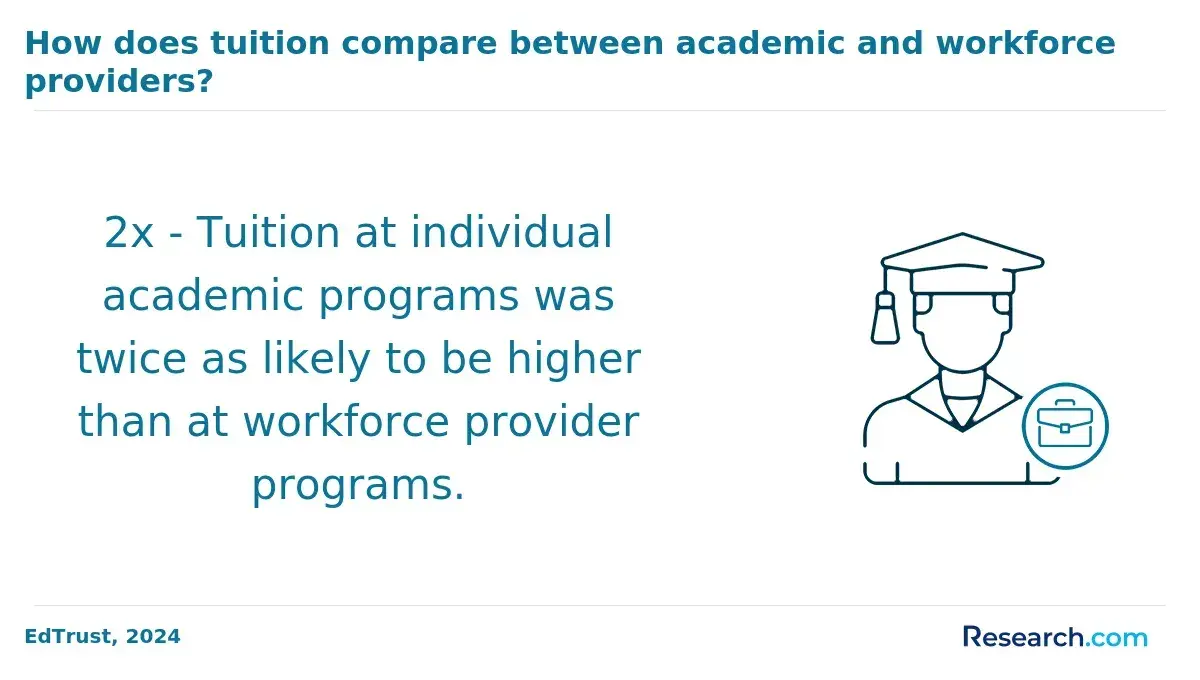
The total tuition cost for an online financial technology bachelor's degree for veterans and military students generally falls between $15,000 and $40,000. For context, public four-year colleges typically charge around $10,900 annually for in-state students, while private nonprofit institutions can cost upwards of $38,000 per year. Several key factors contribute to the variability in these costs.
- Type of Institution: Public universities usually offer more affordable tuition rates compared to private schools, particularly for students who qualify as in-state residents, which benefits many military students.
- Residency Status: While in-state tuition is often discounted, some schools extend these rates to active-duty military and veterans regardless of their home state, effectively lowering costs for non-resident students.
- Program Length and Credit Requirements: Programs that allow accelerated pacing or accept transfer credits can decrease overall tuition expenses by reducing the time needed to complete the degree.
- Military Discounts and Tuition Assistance: Many colleges provide special tuition reductions, scholarships, or financial incentives specifically designed for military-affiliated students, significantly easing their financial burden.
- Additional Fees: Beyond tuition, some courses may involve technology or material fees, though these typically represent a smaller portion of total expenses.
Can Military Experience Count Toward an Online Financial Technology Bachelor's Degree?
Many institutions recognize military experience as a valuable asset and may grant academic credit toward online financial technology bachelor's programs. Veterans and active-duty members should explore how their prior training can contribute to degree completion.
- Transfer Credit Evaluation: Colleges often assess military coursework and training through transfer credit evaluations. This process compares military education, frequently documented via the American Council on Education (ACE), against degree requirements to identify applicable credits for financial technology curricula.
- Prior Learning Assessment: Some schools use prior learning assessments to evaluate skills gained during military service that correspond with financial technology topics. These assessments review relevant documentation such as service records and professional certifications to determine credit eligibility.
- Alignment with Coursework: Credits awarded through these evaluations may apply to general education, elective courses, or sometimes core financial technology major requirements, depending on institutional policies. This flexibility can speed up progression through the program.
- Documentation and Verification: Providing comprehensive service documentation is essential, as faculty members review these materials carefully to ensure the relevance and authenticity of claimed competencies before awarding credit.
- Advising and Support: Military-affiliated students are encouraged to consult admissions or military student services to understand credit transfer policies and tailor their academic plan. This approach promotes efficient and affordable degree completion in financial technology fields online.
Those interested in accelerated pathways may also consider exploring accelerated finance degree online options suited to military students.
How Do Military Students Apply to Online Bachelor's Programs?
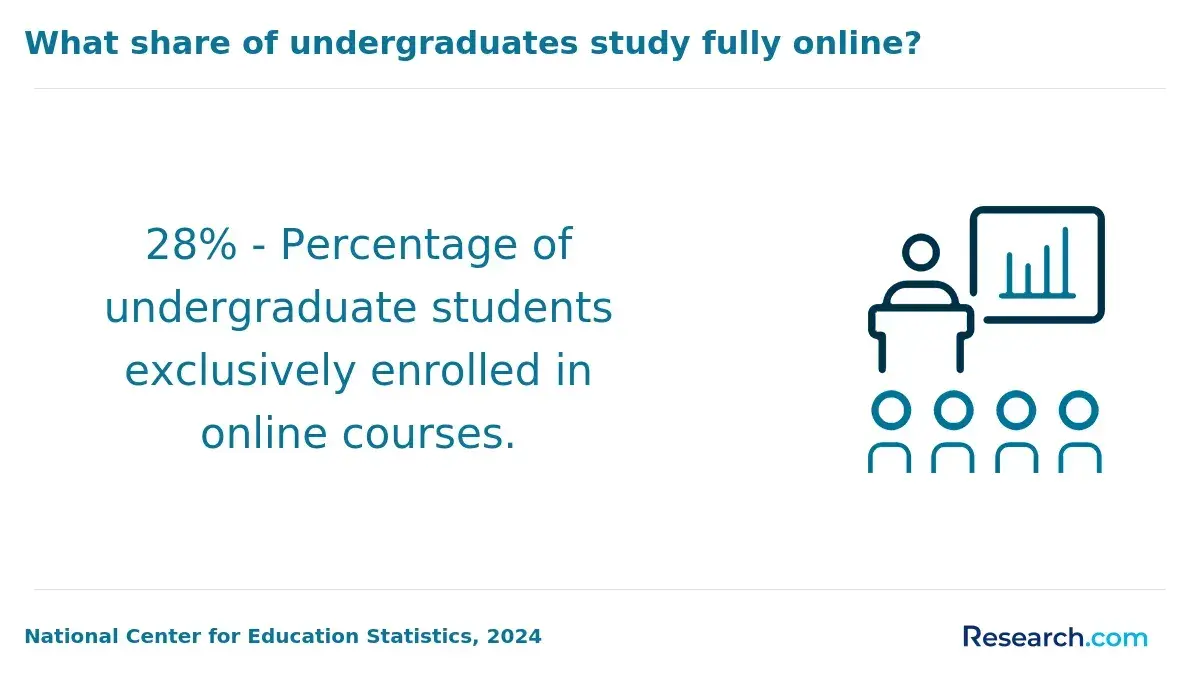
Military students pursuing online bachelor's degrees in financial technology generally encounter a well-organized yet flexible application process tailored to their specific circumstances. Online programs aim to support veterans, active-duty members, and military-affiliated students with a streamlined admission experience. Around 5% of online college enrollees are veterans, highlighting the rising interest in accessible education for this group. Below are the typical steps involved in applying.
- Complete the Online Application: Students must fill out an application form provided by the college or university offering the financial technology program. This form collects personal details and academic history essential for processing the admission request.
- Submit Academic Transcripts: Providing official records, such as high school diplomas or previous college transcripts, is crucial to demonstrate academic readiness. These documents allow admission officers to evaluate the applicant's qualifications for undergraduate study.
- Provide Military Documentation: Proof of military status-such as a DD Form 214 or military ID-is required to verify eligibility as a veteran, active-duty, or military-affiliated student. This enables institutions to extend relevant support services and benefits.
- Meet Program Prerequisites: Applicants need to satisfy specific criteria including required coursework, minimum GPA, or standardized test scores. Some programs may also request personal statements or letters of recommendation to assess the applicant's motivation and suitability for the field.
Following these guidelines helps military learners navigate the admission process smoothly and gain access to educational opportunities designed with their unique needs in mind.
Are Online Financial Technology Degrees Self-Paced for Military Students?
Online financial technology bachelor's degree programs vary widely in pacing and flexibility, a key consideration for veterans and military students managing complex schedules. Some institutions provide fully self-paced formats, while others offer a more structured approach with deadlines and live interactions. This variation requires military students to carefully evaluate program delivery methods to find the best fit for their unique commitments and learning styles.
Research shows that around 85% of online students appreciate asynchronous courses because they allow study at times most convenient to personal and work responsibilities. For military personnel, whose hours can change unpredictably, such flexibility is especially valuable. Below is a closer look at common program formats tailored to support veterans and service members pursuing online financial technology degrees.
- Fully Self-Paced Learning: Students gain immediate access to the entire curriculum upon enrollment and progress through coursework at their own speed. This model offers complete control over timing, ideal for those with fluctuating schedules.
- Asynchronous Classes: These blend scheduled deadlines with the freedom to complete lectures and assignments anytime within set periods, striking a balance between flexibility and structured progress.
- Structured Term-Based Courses with Flexible Deadlines: Fixed start and end dates define the term, but programs often provide extension options or grace periods to accommodate deployments and other military duties.
- Hybrid Pacing Models: Combining self-paced modules with predetermined live sessions or group projects, this approach ensures some synchronous engagement while maintaining overall flexibility.
When asked about his experience, a military student currently enrolled in an online financial technology bachelor's degree shared, "Balancing duty and school wasn't easy at first. The self-paced format meant I could catch up after long shifts, but knowing there were occasional live discussions kept me connected with classmates. Sometimes deployments interrupted my routine, but the program's flexible deadlines helped me stay on track without added stress." He emphasized how this blend of flexibility and structure was crucial in managing both responsibilities without feeling overwhelmed.
Can Military Students Study While Deployed?
Many online financial technology bachelor's programs offer the flexibility needed to support military students pursuing online financial technology degrees while deployed overseas. These programs acknowledge the challenges active-duty service members face and are designed to accommodate their unique schedules and connectivity issues. Several strategies enable deployed students to keep up with their studies despite unpredictable circumstances.
Asynchronous Learning Access: Students can download lectures and course materials whenever internet access is available, allowing them to study at their own pace without attending live sessions. This flexibility is vital for those in varying time zones or with limited scheduled time for coursework.
Mobile-Friendly Platforms: The use of smartphones and tablets to access coursework makes it easier for deployed military students to complete assignments or review lectures even with restricted internet availability. This accessibility ensures learning can continue anytime, anywhere.
Extended Deadlines: Recognizing the demands of active duty, many flexible financial technology bachelor's programs for active duty military provide additional time to complete assignments and exams. These accommodations reduce stress and help maintain academic progress.
Offline Coursework Options: Some programs offer downloadable reading materials and assignments that do not require continuous online access. This mitigates connectivity barriers common in deployment settings.
Dedicated Academic Support Services: Advisors and tutors familiar with military learners offer personalized guidance, helping students balance military obligations with academic responsibilities. Such support is crucial for success during deployment.
Military-affiliated students may also explore related fields such as online clinical mental health counseling programs that provide similarly flexible learning options suited to active service members.
What Are the Best Military-Friendly Online Colleges for Financial Technology Degrees?
When considering the best military-friendly online colleges for financial technology degrees, the focus is on institutional qualities rather than specific school names. Over 1.3 million military-affiliated students currently enroll in online higher education programs, highlighting the need for schools that understand the unique challenges faced by service members. The following types of institutions are widely recognized for their support of military students pursuing top online financial technology degree programs for veterans.
- Public Universities With Strong Online Divisions: These institutions offer accredited financial technology programs supported by state funding, which often result in lower tuition costs for veterans using military education benefits.
- Institutions With Dedicated Military Support Offices: Schools with specialized advisors help military-affiliated students navigate VA benefits, transfer credits, and provide personalized academic counseling tailored to their needs.
- Schools With Flexible Asynchronous Learning Models: Online programs designed to accommodate unpredictable military schedules and deployments allow students to access coursework anytime, promoting academic progress without conflict with service commitments.
- Competency-Based Education Providers: These programs enable students to advance at their own pace by demonstrating mastery of skills, often giving credit for prior military training relevant to financial technology fields.
- Colleges With Transfer-Friendly Policies: Institutions that accept extensive transfer credits and military training evaluations minimize redundancy and help shorten the path to degree completion for veterans.
Military-affiliated students pursuing a financial technology bachelor's degree can also explore options tailored to STEM disciplines, such as programs in mathematics. For those interested, a reputable resource is the bsc mathematics online guide, which highlights programs that may complement or support financial technology studies through strong analytical foundations.
Do Online Financial Technology Bachelor's Degrees Help Military Transition to Civilian Careers?
Online financial technology bachelor's degrees offer military students the flexibility to pursue education amidst unpredictable schedules while building skills essential for civilian career success. Nearly 74% of veterans engaged in higher education report better job prospects, emphasizing the impact of focused learning on workforce transitions. The following key areas highlight how these programs enhance readiness for military-to-civilian career shifts.
- Transferable Technical Skills: These degrees emphasize programming, data analysis, and blockchain technology, equipping veterans with competencies that translate across diverse financial sectors and technological environments.
- Digital Literacy: Courses develop advanced knowledge of financial platforms and cybersecurity, enabling learners to navigate and secure complex digital ecosystems prevalent in today's economy.
- Problem-Solving Abilities: Applying strategic frameworks and analytical reasoning mirrors military decision-making processes, strengthening veterans' capacity to address multifaceted financial challenges.
- Communication and Teamwork: Through collaborative online projects, students enhance remote teamwork and clear communication skills critical for success in civilian workplaces.
- Professional Adaptability: Exposure to interdisciplinary subjects cultivates the flexibility needed for veterans to confidently transition into various roles within finance and technology.
What Graduates Say About Online Financial Technology Bachelor's Degrees for Veterans and Military Students
- Yeshua: "As an active duty service member, the program's incredible flexibility allowed me to balance deployments and coursework without falling behind. The online financial technology bachelor's degree provided me with real-world skills that have already enhanced my role within military finance operations. I truly appreciate how the curriculum aligned with my career goals while respecting my unpredictable schedule."
- Hugh: "Transitioning from military service to civilian life was daunting, but the dedicated career support in this online financial technology program made all the difference. The veterans-focused resources helped me build a strong network and prepared me for roles in fintech firms. Graduating with this degree has opened doors I never imagined, and I feel confident moving forward in my professional journey."
- Atlas: "The strategic approach of the financial technology bachelor's degree curriculum truly expanded my technical expertise and critical thinking, which proved invaluable in both my military and civilian careers. The program's online format catered perfectly to my commitments as a reservist, while the career transition guidance empowered me to pivot smoothly into the fintech sector. This degree didn't just educate me, it transformed my professional outlook."
Other Things You Should Know About Financial Technology Degrees
Yes, various organizations provide scholarships specifically for veterans and active-duty military students pursuing online degrees in financial technology. These scholarships can come from military foundations, veteran service organizations, or fintech industry groups aiming to support veterans transitioning into technology-driven finance careers. It is recommended to check both school-specific and external scholarship opportunities.
Some financial technology programs accept credit for relevant military training and professional certifications. While not all military experiences align directly with fintech curricula, certain courses in information technology, cybersecurity, or finance-related training may qualify. Veterans should consult with admissions advisors to evaluate transcript and training documentation for possible credit transfer.
Students will need reliable internet access and a computer capable of running software used in financial technology courses, such as data analysis tools and financial modeling applications. Some programs may require specific hardware or updated operating systems to support virtual labs and remote simulations. Military students should verify technical specifications to ensure seamless participation, especially if studying from deployed or remote locations.
References
- BSc Finance (FinTech) https://www.reading.ac.uk/ready-to-study/study/2026/business-and-management-accounting-and-finance-ug/bsc-finance-fintech
- Online Bachelor of Business Administration and Digital Innovation with Finance & FinTech https://www.global-business-school.org/programs/bachelor-europe-bachelor-of-business-administration-online/online-bachelor-of-business-administration-and-digital-innovation-with-finance-fintech/
- Online Degrees for Veterans: Why Flexible Learning is a Great Fit https://www.ucumberlands.edu/blog/benefits-of-online-degrees-for-veterans
- Tips for Veterans Transitioning Into a Civilian Career https://www.intuit.com/blog/social-responsibility/are-you-a-veteran-tips-for-transitioning-into-a-civilian-career/
- Bachelor of Science in Finance and Technology | University of Phoenix https://www.phoenix.edu/online-business-degrees/finance-technology-bachelors-degree.html
- 2025 Most Affordable Military-Friendly Online Colleges https://www.onlineu.com/most-affordable-colleges/military-friendly
- Top IT Programs for Veterans Transitioning to Civilian Life https://www.mycomputercareer.edu/transitioning-into-civilian-life-tech-programs-for-veterans/
- Military Friendly Colleges Offering Degrees in Fintech https://www.militarysupportivecolleges.com/careers/guide-fintech-degrees-careers/
- Transfer Military Experience & Training Into CTU Credit https://www.coloradotech.edu/military/credit-transfer
- How to Transition from the Military to a Tech Career: A Step-by-Step Guide | https://www.techvets.co/news/how-to-transition-from-the-military-to-a-tech-career-a-step-by-step-guide/