2027 Online Financial Technology Bachelor's Degree Programs With No SAT or ACT Requirements

Co-Founder and Chief Data Scientist
Many prospective students find standardized test requirements a barrier when applying to online financial technology bachelor's degree programs. For adult learners juggling work and family, preparing for the SAT or ACT may be impractical or stressful. Notably, a 2023 survey showed that 62% of online business and tech programs adopted test-optional policies to broaden access. These changes reflect the growing recognition of diverse academic backgrounds and professional experiences.
This article explores online financial technology bachelor's programs that waive SAT and ACT scores, offering guidance on accessible options that help nontraditional students advance their careers without testing hurdles.
Key Benefits of Online Financial Technology Bachelor's Degree Programs With No SAT or ACT
- No SAT or ACT requirements increase accessibility for diverse applicants, including adult learners and those from underrepresented backgrounds seeking online financial technology degrees.
- Flexible online formats support working students by allowing coursework around professional and personal commitments, boosting graduation rates.
- Streamlined admissions minimize delays and paperwork, enabling faster enrollment in financial technology bachelor's programs amid growing industry demand.
Who Should Consider an Online Financial Technology Bachelor's Degree With No SAT or ACT?
Test-optional online financial technology bachelor's programs offer increased accessibility to students from varied academic and professional backgrounds. With nearly 70% of U.S. colleges adopting test-optional policies, these programs accommodate those whose abilities may not be fully reflected through standardized testing. Such flexibility helps expand opportunities for many prospective learners. Below are examples of who benefits most from financial technology degrees with no SAT or ACT requirements.
- Working Adults: These programs are ideal for professionals balancing careers and family duties. They provide the flexibility to study without the added pressure of standardized tests, enabling continued employment while advancing education.
- Nontraditional Students: Individuals returning to education after a break, including parents or those seeking a career change, find test-optional online financial technology bachelor's programs especially accommodating. Their life experience and prior learning gain greater recognition rather than standardized exam scores.
- Students with Prior College Experience: Those who have completed some college credits but did not finish a degree can reengage in their education more easily. These programs remove additional barriers by not requiring SAT or ACT scores to resume progress.
- Accessible Admissions Seekers: Students who face challenges such as test anxiety or limited access to testing sites benefit from these inclusive pathways. This openness enhances diversity in financial technology fields by focusing on holistic admissions and adaptable learning environments.
Online financial technology bachelor's programs without standardized tests not only provide flexibility but also help prepare individuals for evolving career paths. For those interested in exploring further, there are related certificate programs that pay well that complement such degree options.
What Is the Difference Between Test-Optional and Test-Free Online Financial Technology Bachelor's Degrees?
Test-optional and test-free policies are often confused but actually represent distinct approaches to admissions for online financial technology bachelor's degrees. While both eliminate mandatory SAT or ACT requirements, they differ in how standardized test scores are treated. Notably, nearly 35% of U.S. bachelor's degree seekers in 2023 enrolled in test-free programs, highlighting growing interest among applicants for no-test pathways. These differences can shape which online programs best suit prospective students.
Below is a comparison of key features for each admission policy.
Test-Optional Online Program
- Applicants may submit SAT or ACT scores, but submission is not required.
- Admissions committees consider test scores alongside GPA, coursework rigor, essays, and recommendations.
- This approach allows students to decide strategically whether their test results strengthen their applications.
- Balancing test scores with academic and personal achievements offers a more holistic review process.
Test-Free Online Program
- No SAT or ACT scores are accepted or reviewed in the admissions process.
- Applications are evaluated exclusively on non-test factors, such as high school performance and personal statements.
- This policy broadens accessibility, especially for nontraditional students or those with limited testing opportunities.
- Removes the burden and anxiety of deciding whether to submit test scores, simplifying admissions.
For students interested in admissions without standardized tests, researching options for financial technology bachelor programs with no SAT or ACT requirements can provide a more flexible path. Additionally, those considering graduate studies might find valuable insights in the master's in library science online cost to plan long-term education investments effectively.
2026 Update: Checking Program Credibility Before Skipping Test Scores
For 2026, this article was refreshed to help students look beyond no-SAT or no-ACT admissions and confirm that an online financial technology bachelor’s program is academically credible and aligned with fintech career preparation.
- Verify that the institution holds recognized accreditation before applying.
- Check whether the curriculum includes finance, data analytics, cybersecurity, blockchain, payment systems, and programming foundations.
- Review whether courses use current tools, case studies, or applied fintech projects.
- Look for faculty experience in finance, technology, analytics, or related business fields.
- Confirm that online students can access advising, tutoring, library resources, and career support.
- Ask whether credits can transfer if you later change schools or pursue graduate study.
Focusing on credibility helps students choose a test-free pathway that is not only easier to access, but also strong enough to support long-term academic and professional goals.
What Are the Admission Requirements for an Online Financial Technology Bachelor's Degree Without SAT or ACT?
Admissions for online financial technology bachelor's degree programs that do not require SAT or ACT scores typically take a more comprehensive approach, reviewing multiple facets of an applicant's background. Currently, about 60% of U.S. colleges have embraced test-optional policies, reflecting a shift toward a more diverse and thorough evaluation of potential students. These programs emphasize a range of academic and personal indicators to determine readiness.
Common criteria used by admissions committees include:
- Academic Transcripts: Schools review official records from high school or previous college courses to assess consistent academic performance over time.
- Personal Statements or Essays: Applicants submit written reflections that reveal their interests, motivation, and suitability for pursuing financial technology online.
- Letters of Recommendation: Recommendations from instructors, mentors, or employers provide insight into the applicant's capabilities, character, and work ethic.
- Proof of College Readiness: Some programs require evidence such as previous college credits, placement test results, or completion of preparatory coursework to confirm that students can manage challenging material.
A graduate of an online financial technology bachelor's degree with no SAT or ACT requirement shared that the application process felt both personal and demanding. He explained how crafting a thoughtful essay was an opportunity to express goals often overlooked by traditional test scores. Although gathering recommendation letters initially seemed daunting, these endorsements offered an authentic representation of his abilities. He added that submitting transcripts and demonstrating readiness through prior learning gave him confidence that his application displayed a well-rounded profile, easing concerns about standardized testing and affirming his place in the program.
Do Online Financial Technology Bachelor's Degrees Require a Minimum GPA?
GPA expectations for online financial technology bachelor's degree programs vary widely, with many institutions adopting a holistic admissions approach. Approximately 60% of schools use comprehensive reviews that weigh GPA alongside other academic and personal factors. This trend supports students who apply without standardized test scores, highlighting multiple aspects of their background.
Key considerations regarding GPA requirements often include:
- Flexible GPA Thresholds: Many programs welcome applicants with diverse academic records, reflecting the varied experiences of online learners.
- Holistic Academic Review: Admissions committees often consider GPA trends over time rather than relying solely on a fixed minimum GPA, emphasizing demonstrated improvement.
- Relevant Experience: Non-academic accomplishments, such as work or internships in finance or technology, can boost applications despite lower GPA scores.
- Conditional Admission Options: Some schools offer probationary enrollment paths or conditional acceptance for students whose GPA may not meet usual standards but show potential for success.
Prospective students should examine individual program admissions policies closely, especially when exploring typical GPA expectations for online fintech bachelor programs. For those balancing career and education, programs like the accelerated business management degree can offer additional pathways aligned with flexible admission criteria.
Is It Easier to Get Into an Online Financial Technology Bachelor's Degree Without SAT or ACT?
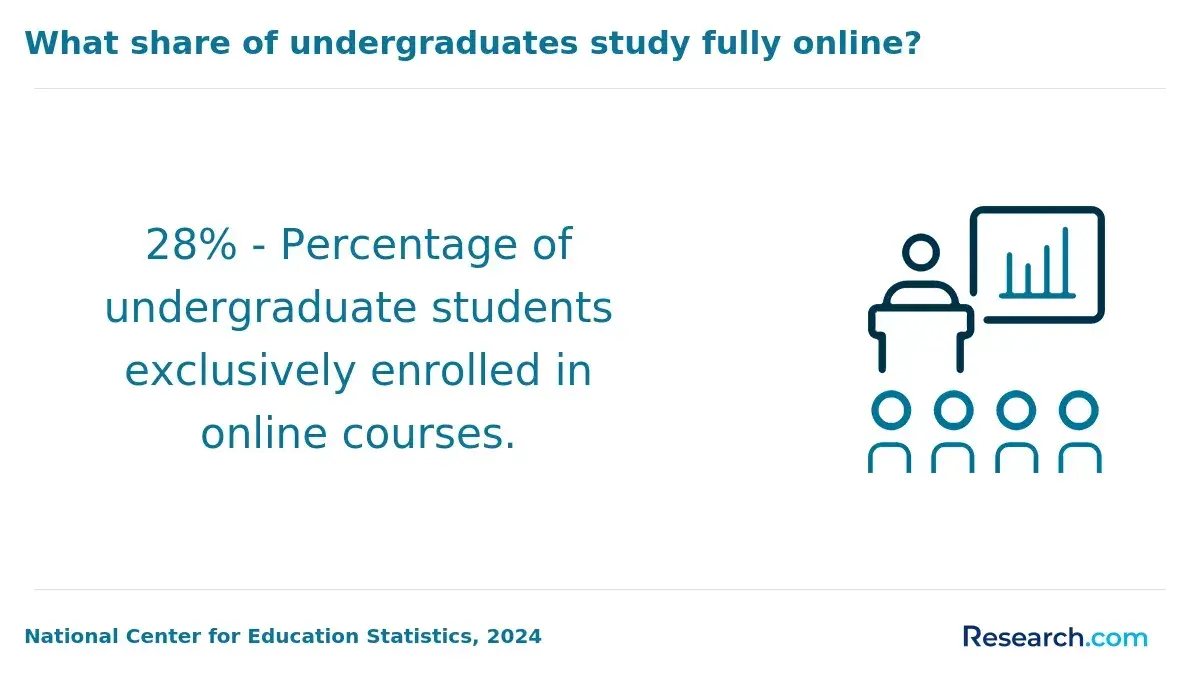
Removing SAT or ACT requirements may widen opportunities for applicants pursuing an online financial technology bachelor's degree, but it doesn't necessarily make admission less competitive. Data from the National Center for Education Statistics reveals that nearly 40% of fully online undergraduate programs maintain acceptance rates below 70%, highlighting selective admission practices despite test-optional policies. Admission committees often conduct holistic evaluations, focusing on academic records like high school GPA or college transcripts, alongside letters of recommendation, personal essays, and relevant professional or volunteer experiences. Competition levels vary depending on the program's applicant pool and institutional priorities, with some programs facing more rigorous standards while others offer greater flexibility based on their goals and resources.
A current student of an online financial technology bachelor's degree program without SAT or ACT requirements shared that although she appreciated not having to submit test scores, the application process still demanded significant preparation. She explained, "I had to put a lot of effort into crafting my personal statement and gathering strong recommendations because those parts really mattered." She also noted the pressure of demonstrating her readiness through work experience and academic history, which made her reflect on how the program values diverse strengths beyond standardized tests. Her experience illustrates that while test waivers can alleviate one barrier, the overall admissions journey still calls for thoughtful presentation of one's qualifications. "It felt challenging but doable, and I'm glad I took the time to showcase what I bring to the table," she said.
Which Online Financial Technology Bachelor's Degree Programs Do Not Require SAT or ACT?
Many online financial technology bachelor's programs now adopt test-optional or test-free admissions, eliminating the need for SAT or ACT scores. This shift aligns with a growing trend in higher education that emphasizes holistic admissions processes. Enrollment in online programs has risen by more than 15% recently, reflecting the increasing appeal of flexible, accessible learning pathways.
Common areas of specialization within these online financial technology degrees include:
- Digital Payments and Blockchain: Programs focusing on the mechanics and innovation behind digital currencies and distributed ledger technology, preparing students for careers in emerging payment platforms and decentralized finance.
- Financial Data Analytics: Concentrations that train students to analyze large datasets, assess financial risks, and apply quantitative methods to support informed decision-making in finance.
- Cybersecurity in Finance: These courses address protecting financial systems from cyber threats, emphasizing security protocols and risk mitigation tailored to financial institutions.
- Regulatory Compliance: Programs designed to navigate laws and regulations affecting the fintech sector, ensuring that graduates understand legal frameworks and compliance requirements.
- Software Development: Emphasizing programming and innovative technology development, this specialization prepares students to build and improve financial applications and platforms.
Admissions committees typically assess candidates based on academic performance, professional experience, recommendation letters, and personal statements rather than standardized test results. This approach supports diverse learners, especially those who excel through practical experience or alternative indicators of readiness.
How Do I Apply to an Online Financial Technology Bachelor's Degree Without SAT or ACT?
Applying to online financial technology bachelor's degree programs that do not require SAT or ACT scores is generally a simple process centered around submitting materials through a secure online portal. These test-free programs streamline admissions by focusing on a clear digital application workflow. Below is an outline of the typical procedural steps applicants follow.
- Account Creation: Begin by registering an account or logging in to the school's admissions website. This grants access to application forms and submission tools essential for the process.
- Form Completion: Fill out the detailed application form, including personal information, contact details, and educational background. Some sections invite applicants to share their motivations for studying financial technology.
- Document Upload: Submit required supporting documents such as identification, proof of prior education, and any essays via the portal. The absence of SAT or ACT scores simplifies this step.
- Review and Submit: Carefully verify all entered information and uploaded materials before final electronic submission to ensure accuracy and completeness.
- Application Tracking: Utilize available features to monitor your application status online. Many programs also send confirmation emails upon successful submission.
- Follow-up Communications: Respond promptly to any additional requests for information or virtual interviews that may arise during the review process.
How Can I Improve My Online Financial Technology Bachelor's Degree Application Without SAT Scores?
Applicants to online financial technology bachelor's degree programs without SAT or ACT scores can enhance their admissions prospects by emphasizing a broad range of strengths. Over 60% of colleges adopt holistic admissions processes, assessing more than just standardized test results to evaluate an applicant's full profile. This approach allows candidates to focus on academic performance, relevant experience, and personal motivation. Below are key strategies to help strengthen your application.
- Strong Academic Record: Admissions committees carefully review your transcript, especially grades in math, economics, and technology courses. Demonstrating sustained academic effort in these areas can help offset the lack of standardized test scores and highlight your readiness for rigorous online financial technology bachelor's admissions without standardized tests.
- Compelling Personal Statement: Use your essay to articulate your passion for financial technology, clearly outlining your goals and any challenges you have overcome. A thoughtfully written statement showcases your critical thinking and commitment, making your application stand out.
- Relevant Experience: Practical experience such as internships, part-time jobs, volunteer work, or online certifications related to finance or technology adds important context. This hands-on involvement signals dedication and valuable skills beyond the classroom.
- Quality Supporting Materials: Strong letters of recommendation from educators, supervisors, or mentors provide credible insight into your abilities and character. Organizing a clear and error-free application also reflects professionalism and attention to detail.
For applicants seeking flexible and affordable pathways, exploring programs like the cheapest aacsb accredited online mba can offer additional opportunities for advancement within financial technology fields. These strategies help craft a well-rounded profile ideal for nontraditional applicants pursuing an online financial technology degree without standardized testing requirements.
What Mistakes Should I Avoid When Applying Without SAT or ACT?
Test-optional and test-free admissions for online financial technology bachelor's degree programs can enhance accessibility, but applicants must focus on other elements to avoid weakening their chances. Recent data shows that nearly 40% of applications face delays or are compromised due to missing or incomplete materials, underscoring the importance of a complete and polished submission. Below are key mistakes to avoid to improve your prospects in this competitive, test-free environment.
- Incomplete Materials: Omitting transcripts, recommendation letters, or required documents often leads to automatic rejection or processing delays. Ensuring every component is submitted fully and on time is crucial to avoid falling behind in holistic admissions.
- Weak Personal Statements: Without SAT or ACT scores, the personal statement gains importance as a window into your academic motivation and career goals. Avoid generic or unfocused essays that fail to convincingly convey your fit for financial technology programs.
- Overlooking Relevant Experience: Financial technology values practical skills and real-world knowledge. Not highlighting internships, projects, or work experience related to the field can diminish your application's impact.
- Careless Application Review: Spelling mistakes, formatting errors, or ignoring detailed instructions may appear unprofessional to admissions committees and reduce your chances.
Applicants interested in related interdisciplinary pathways may also consider exploring options like a slp bridge program online. Being mindful of these common pitfalls in online financial technology admissions without SAT or ACT requirements will help you submit a comprehensive and compelling application.
Will Not Taking the SAT or ACT Affect My Career After an Online Financial Technology Bachelor's Degree?
Standardized test scores like the SAT or ACT rarely influence career prospects after earning an online financial technology bachelor's degree. Employers focus more on practical abilities and relevant experience than on admission test results submitted years ago. Studies indicate that over 70% of hiring managers prioritize skills-based approaches, looking for candidates with demonstrated technical knowledge and real-world aptitude. This shift reflects a greater emphasis on what graduates can do rather than historic test performance.
Career advancement depends largely on factors such as strong academic achievement during your financial technology studies, hands-on experience through internships or projects, and the development of critical professional skills. Employers value competencies in areas like data analysis, coding, and financial systems more than test scores. Continuous learning and relevant certifications further enhance employability by proving ongoing expertise and adaptability within the industry.
What Graduates Say About Online Financial Technology Bachelor's Degree Programs With No SAT or ACT
- Josh: "Choosing an online financial technology bachelor's degree without the hassle of SAT or ACT scores made my decision straightforward and inclusive. It felt refreshing to enter the program based on my passion and real-world skills rather than standardized tests. This path has empowered me to pivot my career confidently into fintech consulting with a stronger practical foundation."
- Hugh: "Getting accepted into an online financial technology program with no SAT or ACT requirement was initially intimidating, but the admissions process prioritized my work experience and motivation. The flexibility helped me balance studies with a full-time job, which was crucial. Reflecting now, this degree opened doors to leadership roles that I hadn't thought possible before."
- Nile: "Pursuing my financial technology bachelor's degree online without SAT or ACT scores removed a major barrier and truly made education accessible. The curriculum's focus on innovative technologies and financial systems challenged me intellectually and professionally. Today, I stand more prepared and confident to drive change in fintech startups thanks to this program's relevance and depth."
Other Things You Should Know About Financial Technology Degrees
Many employers prioritize skills, experience, and the reputation of the institution over standardized test scores. Online financial technology bachelor's degrees without SAT or ACT requirements are increasingly accepted, especially as the industry values practical knowledge in areas like blockchain, digital payments, and cybersecurity. Graduates should focus on gaining relevant internships and certifications to enhance employability.
Yes, most online financial technology bachelor's programs that do not require SAT or ACT scores accept transfer credits from accredited institutions. Transfer policies vary by school, so it's important to check specific requirements and ensure that the credits align with the program's curriculum. This flexibility helps adult learners and professionals accelerate degree completion.
In 2027, online financial technology bachelor's degrees with no SAT or ACT requirements can be equally recognized by employers, provided the program is accredited. Employers focus on the skills gained and the institution's reputation, rather than the mode of admission.
References
- How higher ed should prepare students for fintech jobs https://eab.com/resources/blog/adult-education-blog/prepare-students-fintech-jobs/
- Bachelor of Science in Finance and Technology | University of Phoenix https://www.phoenix.edu/online-business-degrees/finance-technology-bachelors-degree.html
- Online Bachelor's Degree in Finance | CSU Global | Accredited https://csuglobal.edu/academic-programs/undergraduate-degrees/bachelors-degree-finance
- FinTech Degree (Bachelor of Science in Business Administration) https://www.creighton.edu/academics/programs/finance-technology
- How Adult Learners Can Apply to College Without SAT or ACT Scores https://www.aiuniv.edu/blog/2015/september/how-to-get-into-college
- Admission Requirements https://catalog.colorado.edu/undergraduate/admissions/admission-requirements/
- Find Test-Optional Colleges — No SAT/ACT Requirement https://www.accreditedschoolsonline.org/online-colleges/no-sat-or-act/
- Which Colleges Require the SAT and ACT in 2025–2026? - Test Innovators https://testinnovators.com/blog/colleges-require-sat-act-test/
- Test Optional vs. Test Blind or Test Free - Private Prep https://privateprep.com/blog/test-optional-vs-test-blind/
- Test Blind vs. Test Optional: What’s the Difference? https://www.ivywise.com/blog/test-blind-vs-test-optional/