2027 Entrepreneurship Degree Programs With Rolling Admissions

Co-Founder and Chief Data Scientist
Scheduling conflicts or late decisions often derail working adults seeking to enroll in entrepreneurship degree programs. Approximately 40% of graduate students delay applications due to fixed deadlines, according to the National Center for Education Statistics, limiting chances at programs that require early commitments. Unlike rigid admission cycles, rolling admissions allow start dates aligned with professional transitions and time-sensitive business goals. This flexibility suits career changers who must balance practical training timelines and employer expectations for adaptable credentials. This article analyzes rolling admissions in entrepreneurship programs, highlighting enrollment impacts and timing advantages to help prospective students assess alignment with their career strategies and personal circumstances.
Key Benefits of Entrepreneurship Degree Programs With Rolling Admissions
- Rolling admissions accommodate diverse startup timelines, allowing students to enter programs aligned with venture cycles but may complicate cohort cohesion and peer networking vital for entrepreneurial collaboration.
- Employers increasingly value adaptable candidates; enrolling anytime reflects real-world entrepreneurial uncertainty, signaling resilience and readiness but can delay exposure to industry-specific internships tied to fixed academic calendars.
- Flexible start dates reduce financial pressure by enabling staggered tuition payments and deferred opportunity costs, yet they may limit access to scholarships and structured funding typically synchronized with traditional deadlines.
How Do Entrepreneurship Degree Programs With Rolling Admissions Work?
Entrepreneurship degree programs with rolling admissions create a flexible but complex environment that alters how students navigate acceptance timing, academic progression, and workforce entry. This model's openness reflects the sector's need for agility but introduces significant tradeoffs in planning and cohort dynamics that affect both institutions and applicants.
- Continuous Application Flow: Rolling admissions allow candidates to submit applications at almost any time during the year, removing traditional deadline pressures. This flexibility suits entrepreneurs who must act swiftly when opportunities arise, such as a mid-career professional seizing a sudden market gap and seeking immediate upskilling.
- Variable Enrollment Timing: Unlike fixed-cycle programs, students enter at multiple points annually, which can disrupt the cohesion of peer networks and impact collaborative learning environments essential for entrepreneurship skill development. Institutions typically respond by offering modular courses or staggered start dates to maintain curricular progression.
- Accessibility for Nontraditional Students: The open admissions window increases access for working professionals and individuals with irregular schedules, reflecting a practical accommodation of diverse life circumstances. This approach aligns well with entrepreneurial rhythms but places greater demands on advising and support services to accommodate varying start times.
- Resource and Cohort Planning Challenges: Universities sacrifice some predictability by not having fixed cohorts, complicating classroom resource allocation and potentially diluting the intensity of networking opportunities. Since peer collaboration is vital in entrepreneurship programs, this unpredictability can impact overall educational value.
- Employer Perceptions and Graduate Readiness: Employers may value the self-directed initiative demonstrated by graduates of rolling admission programs, recognizing them as adaptable in volatile startup contexts. However, hiring managers sometimes question the inconsistency in program pacing and cohort integration, necessitating that applicants clearly communicate the rigor and relevance of their experience.
What Are the Admission Requirements for Rolling Admissions Entrepreneurship Programs?
Rolling admissions entrepreneurship programs apply continuous evaluation of candidates, which demands timely and complete submissions but also offers flexibility for applicants to enhance their profiles as seats remain available. This ongoing review process often benefits applicants who can strategically improve their documentation or clarify career objectives in response to feedback or changing circumstances, unlike fixed admissions cycles that lock in earlier decisions.
Applicants should carefully consider tradeoffs between immediate submission and additional preparation time, as delays might reduce seat availability but allow stronger evidence of practical experience or leadership. Employers value programs admitting students with demonstrable entrepreneurial skills rather than purely academic metrics, making real-world experience and adaptive capacities critical.
- GPA Requirement: Many programs expect a competitive undergraduate GPA as a baseline, typically reflecting proficiency in business or economics courses, but some flexibility exists for candidates with strong professional backgrounds.
- Transcripts: Official academic records must confirm completion of prerequisite coursework relevant to entrepreneurship fundamentals, ensuring preparedness for advanced study.
- Application Form: Comprehensive submission of educational history, work experience, and career goals is necessary to contextualize the candidate's motivation and fit for an entrepreneurship track.
- Letters of Recommendation: References are evaluated for insights into applicants' problem-solving skills, resilience, and leadership, qualities that correlate with success in startup environments.
- Personal Statement: A clear narrative demonstrating entrepreneurial mindset, career vision, and adaptability helps offset less traditional academic routes and signals self-motivation.
- English Proficiency: For non-native speakers, proof of language skills is often required to ensure effective communication in dynamic business settings.
When Should You Apply for Rolling Admissions Programs?
Rolling admissions in entrepreneurship programs operate by continuously evaluating applications as they are submitted rather than waiting for a set deadline. This structure means timing plays a crucial role in admission and resource availability. Early applicants often benefit from wider seat availability and access to financial aid opportunities, since many scholarships are distributed on a first-come, first-served basis. However, submitting an application before being fully prepared can reduce competitiveness despite the timing advantage. Conversely, those applying mid-cycle may face stiffer competition and fewer open slots but generally gain the advantage of submitting more polished materials and stronger credentials shaped by additional preparation time.
Waiting until late in the admissions cycle risks exclusion from enrollment due to filled cohorts or depleted financial aid pools, which can also limit interaction with networking events integral to entrepreneurship programs. This delay also postpones the acquisition of skills employers seek, potentially diminishing the program's immediate workforce value. Applicants must therefore balance readiness with program capacity trends, recognizing that earlier submissions provide more security in admission and aid access but only if the application quality meets expectations. Mid-to-late applicants trade some of that security for extra preparation time but may struggle against fewer slots and diminished funding, affecting their educational and professional trajectory.
One applicant's experience illustrates these tradeoffs clearly: she hesitated to apply early, concerned her business plan wasn't fully refined, and submitted mid-cycle. While this allowed for a stronger portfolio, she missed out on initial scholarship opportunities and faced more competition as fewer seats remained. Her eventual acceptance came with a waitlist period that forced adjustments to her work schedule and delayed startup pursuits. This outcome underscores the tension between application readiness and timing within rolling admissions, highlighting the practical consequences strategic applicants must weigh.
Are Rolling Admissions Common in Online Programs?
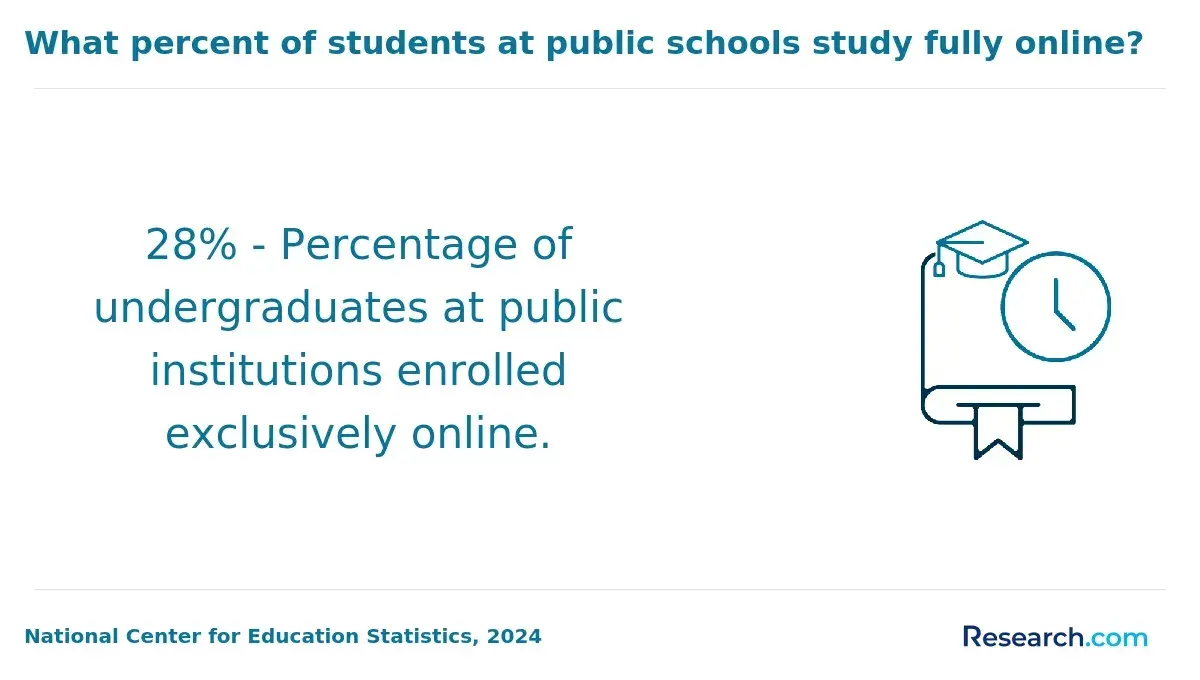
Rolling admissions are notably more prevalent in online entrepreneurship degree programs than in traditional on-campus formats, reflecting strategic adaptation to the demands of remote learners. Institutions offering online entrepreneurship programs leverage rolling admissions to provide continuous enrollment opportunities, accommodating students who often juggle professional and personal responsibilities alongside their studies. This open, flexible model supports scalable operations by smoothing application influxes throughout the year instead of concentrating on fixed deadlines, allowing programs to allocate resources more evenly. Such flexibility aligns well with the practical realities many non-traditional students face, though it may also intensify competition within popular online cohorts where limited seats remain open continuously.
While rolling admissions dominate many online entrepreneurship courses, they are not universal; some programs retain term- or cohort-based enrollment to enhance curricular cohesion and peer engagement. The adoption of rolling admissions varies according to institutional priorities and the particular design of entrepreneurship degrees. For prospective students curious about flexible options, it's worth noting that approximately 60% of online degree programs nationally have implemented rolling admissions policies, underscoring a significant shift toward accessible scheduling in digital education environments. Those investigating specific accreditation contexts like CACREP accredited schools may find distinct enrollment practices reflecting regulatory or pedagogical constraints within their disciplines.
Do Rolling Admissions Schools Have Higher Acceptance Rates?
The notion that rolling admissions schools consistently have higher acceptance rates is an oversimplification rooted in misunderstanding how admissions cycles operate. Rolling admissions refers to a continuous review process rather than a fixed deadline, which affects application timing but does not inherently lower standards. Acceptance rates at such institutions fluctuate based on program capacity, applicant volume, and cohort size rather than the admissions model itself. Early applicants might benefit from less crowded applicant pools and greater seat availability, creating an impression of easier acceptance, but this timing advantage does not equate to relaxed criteria.
Within entrepreneurship degree programs, these dynamics can be especially pronounced. Programs with limited intakes may see acceptance probabilities decline as cohorts fill, whereas those emphasizing flexibility for working professionals may maintain steadier acceptance rates over time. The practical implication for applicants is that rolling admissions offer scheduling flexibility but not guaranteed admission advantages. Employers generally value consistent competence and real-world skills over the timing of academic acceptance, so candidate quality and program rigor remain paramount regardless of application date. Understanding these nuances is critical for students aligning their application strategy with both educational goals and labor market realities.
How Much Do Rolling Admissions Entrepreneurship Programs Cost?
Tuition costs for rolling admissions entrepreneurship programs rarely differ from those with fixed deadlines, but the flexibility in application timing directly impacts cash flow and payment schedules. Most programs price tuition per credit hour, typically between $300 and $800, depending largely on institution type and program delivery mode. For example, a student enrolling mid-year might face different installment patterns but ultimately pays comparable tuition over the program's duration. Additional mandatory fees add complexity-these include institutional fees for campus resources, technology fees especially relevant for online or hybrid delivery formats, and occasional course materials or lab fees tied to practical components like business simulations. Accurate cost comparison of entrepreneurship degree programs with rolling admissions requires examining these cumulative charges, as relying on per-credit tuition alone can obscure significant expense variation influenced by program design and timeline.
Program structures further shape how expenses accrue beyond tuition rates. Accelerated or cohort-based entrepreneurship degrees often implement flat or term-based pricing, which can increase upfront payment but reduce total duration, potentially lowering long-term financial burden through quicker workforce reentry. Subscription-style tuition-though less common in entrepreneurship than other fields-presents an alternative by charging monthly fees within self-paced or competency-based formats, enabling learners to manage costs according to progress and personal schedules. Rolling admissions facilitate spreading out tuition payments and aligning enrollment with professional commitments but do not inherently lower overall costs or fees. Prospective students should weigh how delivery models and fee composition interact with rolling admissions to influence affordability and financial planning. To explore cost-effective options, consider consulting curated resources like the cheapest EdD programs online for broader tuition strategy insights.
Are Career Outcomes Different for Rolling Admissions Students?
Career outcomes for students admitted through rolling admissions are shaped more by the substance of their program and personal engagement than by the admissions process itself. Rolling admissions functions solely as a scheduling flexibility-it enables students to apply and enroll continuously rather than within fixed deadlines, but it does not inherently affect employability or professional growth. Factors such as the academic quality and accreditation of the entrepreneurship program, specialization areas like tech startups or social ventures, and the depth of experiential components including internships and networking play a dominant role in shaping job prospects. Geographic location and local industry dynamics also factor heavily; for example, the U.S. Bureau of Labor Statistics projected a 12% growth in business-related occupations over the next decade, concentrated primarily in urban hubs with vibrant startup ecosystems.
Indirectly, flexible admissions timelines can influence career pace by allowing students to start earlier or later depending on personal timing, potentially resulting in earlier graduation and faster entry into the job market. However, this timing advantage is subtle and not guaranteed, as employer preferences tend to emphasize demonstrable skills and relevant experience over the enrollment timeline. Programs with strong connections to local business communities and those offering hands-on projects tend to better position graduates, independent of when they enrolled. Ultimately, variability among institutions and individual circumstances means no universal career advantage can be attributed to rolling admissions beyond its operational convenience.
A recent entrepreneurship graduate recalled grappling with the benefits and drawbacks of rolling admissions during their application phase. They appreciated the ability to submit materials as they became ready rather than meeting a hard deadline, but the open timeline also made it easy to procrastinate, adding a layer of anxiety. "I was torn between applying right away for a chance to start sooner or waiting until I had a clearer idea of my career focus," they explained. After weighing options, they chose to enroll earlier, which allowed them to secure a summer internship integral to their job search. This experience highlighted how rolling admissions can offer valuable flexibility but requires self-discipline and strategic timing to translate into concrete career benefits.
Can Rolling Admissions Programs Lead to High-Paying Careers?
High-paying careers in entrepreneurship are influenced far more by factors such as specialization within the field, the institutional reputation, and access to substantive experiential learning than by the admissions format itself. Rolling admissions is primarily a flexible enrollment mechanism that allows candidates to apply over an extended period, which can benefit applicants with irregular schedules or those balancing work and studies. However, this flexibility does not directly increase salary potential or improve access to lucrative roles. Instead, salary outcomes often reflect geographic markets, industry demand, and individual networking capabilities, with entrepreneurial managers typically earning between $70,000 and $130,000 annually depending on these variables.
An indirect advantage of rolling admissions might be the opportunity for earlier enrollment and thus faster degree completion, potentially enabling entry into the workforce sooner and compounding earnings over time. Yet, this timing effect remains distinct from the admissions model's intrinsic value. The wide variability in earnings among entrepreneurs, founders, or graduates from specialized tracks like AI degrees further underscores that entrepreneurial success depends more on venture performance and career trajectory than on how one was admitted. Ultimately, decisions around enrollment flexibility should align with personal circumstances, but prospective students should prioritize program quality indicators like accreditation, internship options, and alumni networks when aiming for high-paying entrepreneurship careers.
What Are the Disadvantages of Rolling Admissions Programs?
Rolling admissions programs for entrepreneurship degrees often reduce immediate pressure on applicants but introduce practical constraints that can affect long-term outcomes. The flexibility in application timing may encourage procrastination, undermining access to vital financial aid or timely internships. This delay diminishes critical hands-on learning opportunities and networking essential for entrepreneurship students. Additionally, programs with rolling admissions frequently struggle to predict enrollment, complicating resource distribution like faculty assignments and mentorship availability, which directly influences the quality of education and skill acquisition.
Employers in entrepreneurship fields often value structured progression and cohort-based collaboration, which rolling admissions disrupt. Degrees earned through non-cohort pathways may be perceived as less rigorous or cohesive, potentially disadvantaging graduates during hiring processes. Furthermore, the National Association for College Admission Counseling (NACAC) reports that 37% of students admitted via rolling admissions delay enrollment, leading in some cases to postponed graduation and deferred workforce entry. This can be detrimental for entrepreneurs who rely on precise timing to capitalize on market opportunities or maintain startup momentum.
- Less pressure can delay application submission and reduce access to financial and academic resources, impairing early-stage learning and opportunity capture
- Uncertain class sizes may strain program resources and affect mentorship availability, limiting tailored entrepreneurial guidance
- Employers may view nontraditional timelines as a lack of structured progression, impacting job candidacy and perceived experience validity
- Delayed enrollment can lead to postponed graduation and lost income or startup momentum, increasing opportunity costs in early career stages
Prospective students considering entrepreneurship programs with rolling admissions should weigh these potential drawbacks carefully against their personal circumstances. For those seeking programs with defined cohort structures or predictable timelines, investigating top accelerated MBA programs may offer more alignment with traditional employer expectations and streamlined career paths.
How Do You Choose the Best Entrepreneurship Program With Rolling Admissions?
Selecting the best entrepreneurship program with rolling admissions requires discerning practical program strengths beyond mere application flexibility. The continuous intake model may attract students needing timing adaptability, but decision timelines and program outcomes significantly shape long-term value. Students must balance admission convenience with quality indicators that affect hiring outcomes and venture viability.
- Graduation and employment outcomes: Focus on programs demonstrating robust graduation rates and prompt post-completion entrepreneurship or employment, as these metrics reflect instructional quality and market relevance, critical to justifying time and financial investment.
- Admissions responsiveness: Rolling admissions should entail clear, timely decisions paired with immediate advising support to accommodate working adults or those managing personal obligations, preventing application delays from becoming enrollment barriers.
- Curriculum alignment with real-world needs: Prioritize programs offering experiential learning, mentorship, or direct startup partnerships, which translate theory into actionable skills and networks essential for launching or scaling ventures.
- Technology and delivery method: Evaluate the reliability and interactivity of online platforms, crucial for asynchronous learners relying on digital tools to sustain engagement and access professional connections.
- Cost transparency and financial aid: Compare overall expenses and available aid critically, ensuring the financial burden aligns realistically with expected career uplift and entrepreneurial opportunities.
These criteria form the basis for how to evaluate entrepreneurship degree programs with rolling admissions effectively, moving beyond surface features to prioritize practical impact and informed decision-making. For those exploring options uniquely suited to flexible timelines, investigating credible non profit online colleges can further contextualize program value.
What Graduates Say About Entrepreneurship Degree Programs With Rolling Admissions
- Augustus: "Balancing a full-time job with coursework was never easy, but the rolling admissions of my entrepreneurship program allowed me to start when my schedule cleared up. I chose this path because I needed flexibility and a practical curriculum focused on business planning, which helped me build a portfolio that impressed my current employer in a small startup. Even though I'm still competing for advancement without a formal MBA, the real-world projects gave me hands-on experience that traditional degrees often overlook."
- Antonio: "With limited savings and the pressure of supporting my family, I had to be very selective about my education investment. The rolling admissions process meant I could join mid-year without waiting, helping me secure an internship faster than I expected. While the coursework was intense and sometimes overwhelming, it sharpened my understanding of market dynamics and digital marketing, landing me a marketing coordinator role where practical knowledge trumps formal accreditation."
- Julian: "After shifting careers from finance, I faced skepticism from employers who prioritized experience and certifications over degree alone. I chose a program with rolling admissions to enter the workforce sooner and focus on real-world applications rather than theory. Although starting salary growth has been slower than I hoped, the ability to demonstrate an entrepreneurial mindset through case studies and networking has opened doors to remote consulting gigs, giving me the flexibility I needed to pivot gradually."
Other Things You Should Know About Entrepreneurship Degrees
Because rolling admissions programs admit students continuously, aligning mentorship and hands-on projects can be challenging for faculty and external partners. Structured cohorts with fixed start dates often facilitate more coordinated mentorship schedules and experiential learning, which are key in entrepreneurship. Therefore, students prioritizing integrated practical experience should carefully assess how rolling admissions programs manage mentorship continuity and whether project timelines accommodate staggered enrollments.
Rolling admissions can allow students to start sooner, but this flexibility might result in less cohesive curriculum pacing due to individualized entry points. Entrepreneurship concepts benefit from sequential learning and cumulative project work that builds over a shared timeline. Students should expect more self-direction and potential adjustments to leverage asynchronous content, which might require stronger time management compared to fixed-term cohorts with a unified progression.
Employers tend to prioritize tangible outcomes like portfolio projects, internships, and demonstrated entrepreneurial initiative over admission timing. However, degrees completed in well-structured rolling admissions environments that foster applied learning often carry equal credibility. Where rolling admissions programs lack clear integration of experiential components, students may need to proactively supplement their credentials with extracurricular ventures or certifications to meet employer expectations in competitive startup or innovation roles.
References
- Entrepreneurship vs. Traditional Careers: Which Path Suits You? https://lakewood.edu/entrepreneurship-vs-traditional-careers-which-path-suits-you/
- Five Reasons Why Rolling Admission Might Be a Bad Idea | Independent School Management | Advancing School Leadership—Enriching The Student Experience https://isminc.com/advisory/publications/the-source/five-reasons-why-rolling-admission-might-be-bad-idea
- Opintopolku https://opintopolku.fi/konfo/en/hakukohde/1.2.246.562.20.00000000000000076813/valintaperuste
- Top 2025 Colleges with Rolling Admissions | Flexible Deadlines https://www.educationconnection.com/resources/colleges-with-rolling-admissions/
- The Advantages and Disadvantages of Rolling Admissions https://www.petersons.com/blog/the-advantages-and-disadvantages-of-rolling-admissions/
- Schools With The Highest Return For Business Careers https://poetsandquantsforundergrads.com/rankings/schools-highest-salaries-business-careers/
- Bachelor of Science in Entrepreneurship | Unknown University https://www.unknown-universityas.com/bachelor
- Online Master’s Programs with Rolling Admissions 2025 https://mastergradschools.com/master-admissions/online-masters-programs-rolling-admissions
- Around half of final-year students in higher education want to start their own business one day https://www.vlerick.com/en/insights/around-half-of-final-year-students-in-higher-education-want-to-start-their-own-business-one-day/
- Admissions https://www.imperial.ac.uk/business-school/masters/innovation-entrepreneurship-management/admissions/