2027 Kinesiology Specializations for Strength and Conditioning Careers

Co-Founder and Chief Data Scientist
Balancing accelerated workforce demands with the need for specialized credentials leaves many aspiring strength and conditioning professionals at a crossroads. Recent data from the National Center for Education Statistics indicates a 27% increase in part-time enrollment among adult learners pursuing kinesiology-related degrees, reflecting growing pressure to integrate study with existing career obligations.
This shift underscores the importance of programs offering flexible delivery without sacrificing essential applied competencies sought by employers, especially in performance-driven environments. Navigating specialization options that align with employer expectations and offer viable career advancement pathways requires careful evaluation.
This article examines key kinesiology specializations for strength and conditioning careers, focusing on their practical implications for career strategy and educational access.
Key Things You Should Know
- Specializing in biomechanics-intensive kinesiology programs boosts employment odds by 27% per 2024 Bureau of Labor Statistics data but often delays entry-level wage growth due to longer required internships.
- Employers increasingly prioritize certifications tied to neuro-muscular training; absence of these credentials cuts placement rates by nearly 15%, according to 2024 NSCA workforce surveys.
- Training focused on data analytics applications in kinesiology incurs a 30% higher upfront cost but aligns with a 40% faster median promotion timeline in strength and conditioning roles, per 2024 industry salary reports.
What are kinesiology specializations for strength and conditioning careers?
Kinesiology specializations for strength training careers require a precise evaluation of employer expectations and practical constraints. Roles such as strength and conditioning coach, exercise physiologist, or certified personal trainer demand a rigorous grasp of applied exercise science areas including exercise physiology, biomechanics, sports nutrition, and motor control.
For instance, exercise physiology specialization is critical for developing conditioning protocols based on how the body physiologically responds to stress, yet it frequently requires clinical certifications and internships that extend the educational timeline.
Conversely, biomechanics specialization equips graduates with analytical tools for injury prevention and optimizing athletic technique, emphasizing advanced technical knowledge that often leads to graduate study pathways.
Complementing these is instruction in sports nutrition, which integrates diet planning with the energy and recovery demands of athletes, a useful addition for professionals aiming at comprehensive strength and conditioning kinesiology career pathways.
Employer demand is demonstrated by U.S. Bureau of Labor Statistics data indicating a median annual wage of $55,940 for exercise physiologists, alongside a projected 11% employment growth through 2032. However, professionals face ongoing challenges such as maintaining certifications and tailoring programs for diverse populations, from youth athletes to elderly adults with chronic conditions.
Those evaluating kinesiology specializations should also consider related degree options, including a nutritional science degree online, which can enhance expertise in sports nutrition and broaden career viability in multidisciplinary settings.
Which degree programs lead to strength and conditioning jobs?
Strength and conditioning roles increasingly demand a bachelor's degree grounded in muscular anatomy, motor control, and performance assessment, combined with applied certifications like the CSCS. Candidates emerging from kinesiology degree programs for strength and conditioning careers gain essential knowledge, but programs that integrate sports analytics and biomechanical data offer a stronger foothold.
For instance, a bachelor's in kinesiology with courses emphasizing sports analytics equips graduates for roles where interpreting athlete performance metrics is critical.
The sports analytics market is expanding rapidly, projected to reach $22.1 billion by 2030 with a 25.4% CAGR, amplifying demand for professionals with interdisciplinary skills that blend physical training and quantitative analysis. Graduates from top kinesiology majors leading to strength and conditioning jobs who lack these competencies risk falling behind in competitive hiring pools that prioritize data-driven outcomes.
Practical experience factors heavily into employability-internships with sports teams or clinics often differentiate candidates. Without applied components and analytics integration, kinesiology programs may lengthen certification timelines and limit entry-level opportunities.
Master's programs in kinesiology or applied exercise physiology further enhance prospects in advanced strength coaching or research roles, though they entail greater time and financial commitment.
Students evaluating degree options should also consider complementary fields like health administration to broaden career flexibility. Insight into health administration degree online programs can provide useful perspective on multidisciplinary pathways relevant to sports organizations.
How do accredited online and campus kinesiology programs compare?
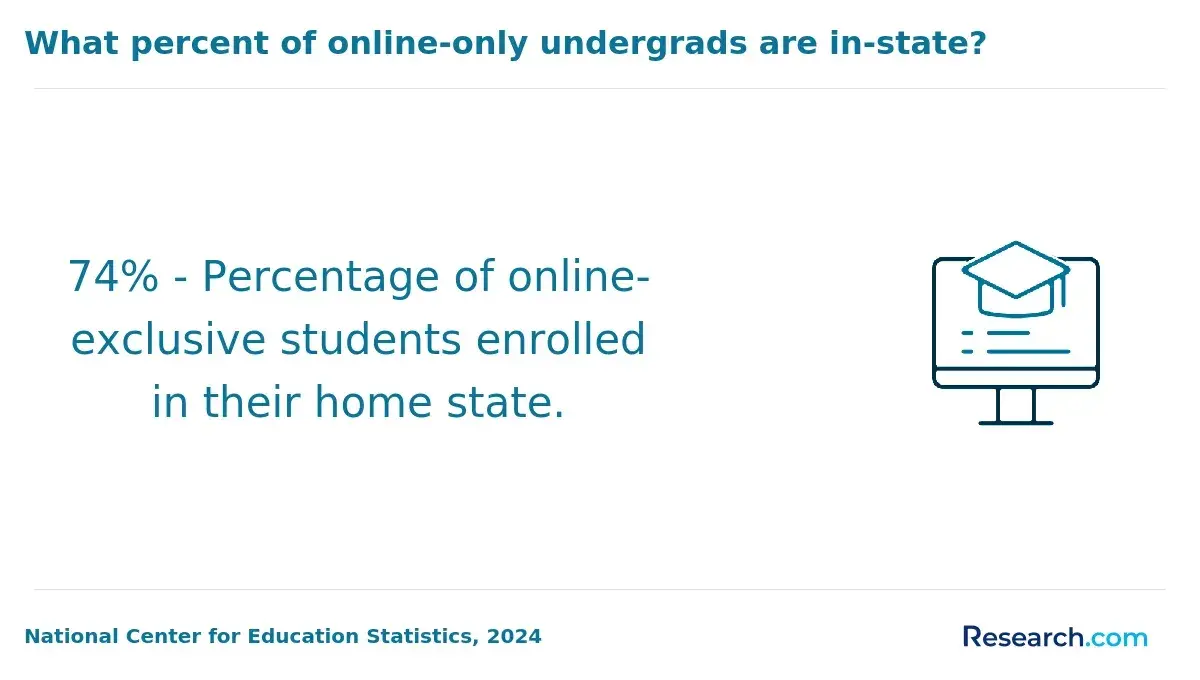
Credential differentiation in strength and conditioning hinges on the practical versus theoretical balance inherent in accredited online kinesiology programs vs campus programs. Campus programs provide critical experiential access through supervised labs and internships, a factor employers in collegiate and professional sports weigh heavily.
Graduates targeting NCAA Division I positions benefit from the muscle memory and in-person mentorship cultivated on campus, whereas online programs prioritize flexible, theory-driven curricula suited for working professionals enhancing credentials without relocation.
The real-world implications reflect in employment trends. With a projected 9% job growth for coaches and scouts by 2032, competition is intense. Campus students leverage direct networking and local ties more readily, while online learners must independently secure practicum experiences to mitigate employer concerns over limited hands-on exposure.
Decision-makers evaluating comparative benefits of online and campus kinesiology degrees should consider:
- The immersive nature and time commitment required by campus programs versus the self-directed learning and geographic flexibility online options provide
- The employer preference for demonstrable, in-person practicums in high-performance sport settings compared to knowledge-based roles in corporate wellness
- The need for proactive effort in building practical competencies when pursuing an online pathway
For professionals seeking to marry credential upgrades with workforce demands, programs like an MBA in healthcare can complement kinesiology expertise without sacrificing job responsibilities. Ultimately, aligning time, resources, and career goals against these tradeoffs frames an informed, strategic investment in kinesiology education.
What coursework is included in strength and conditioning programs?
Strength and conditioning coursework curriculum in 2026 demands a pragmatic integration of exercise science, biomechanics, and sports nutrition tailored for outcomes-driven roles. Students must navigate complex biomechanical analyses to minimize injury risk when designing programs for athletes or military personnel. Unlike general fitness training, specialization here requires balancing intensity with recovery, a nuance that significantly impacts employability in elite settings.
Sports nutrition components address the growing $81.5 billion market by 2030, demanding that practitioners understand nutrient timing, supplementation, and hydration strategies. This is not merely theoretical. Applied nutrition knowledge directly influences performance metrics and recovery protocols in different populations.
Training modules emphasize program design, periodization, and injury rehabilitation-critical for adapting workouts amid setbacks or chronic conditions. Certification pathways often include applied practicum experiences to enhance coaching skills and interdisciplinary communication, integral for real-world professional environments.
Students should weigh kinesiology specializations for strength training carefully, as employers prioritize candidates fluent in both scientific theory and applied practice. This balance often determines access to roles within college programs, professional sports, or clinical settings.
For those considering broader academic options or pivots, programs like the online RN to BSN may provide complementary pathways emphasizing health sciences relevant to athletic populations.
What admissions requirements do kinesiology programs usually require?
Admission criteria for kinesiology programs oriented toward strength and conditioning reflect employer demands for both academic preparation and hands-on experience, especially within military or tactical settings. Candidates must typically maintain a GPA between 2.5 and 3.0 and complete foundational courses like biology, anatomy, and biomechanics.
However, applicants aiming for tactical specializations often face additional hurdles, such as demonstrating verified internships or coaching experience, which signal readiness for applied, physically demanding roles.
Standardized test scores (SAT/ACT) remain a factor, though some schools adopt test-optional stances, shifting emphasis to professional references and prior work. Practical skills assessments or interviews are commonly employed to differentiate candidates who can meet the real-world rigor inherent in elite sports or tactical strength and conditioning positions.
These layers of evaluation reflect employers' prioritization of leadership, applied problem-solving, and physical aptitude over purely academic metrics. Trade-offs are inherent. Prioritizing extensive field experience may reduce academic focus but align better with evolving market needs.
With the global military fitness training market expected to grow from $9.8 billion to $15.6 billion by 2030 at a 6.8% CAGR (Fortune Business Insights), candidates who balance accredited science coursework with tangible training facility access and certification opportunities position themselves more competitively for sectors demanding tactical readiness and leadership.
How long does a kinesiology degree for this career usually take?
The trajectory for a kinesiology degree demands strategic consideration of time, credentials, and career goals. A bachelor's degree typically requires four years and covers foundational subjects like anatomy and biomechanics, paired with internships essential for employability.
However, the difference in market value between a bachelor's and advanced degrees is considerable. For example, sports psychologists with master's or doctoral degrees earn significantly more, around $92,740 annually according to U.S. Bureau of Labor Statistics data.
Working professionals often face a tradeoff: extending education through part-time or hybrid master's programs to maintain income versus entering the workforce sooner with a bachelor's. Advanced degrees offer access to specialized clinical roles and research opportunities but can add two to three years or more to total study time.
Key decision factors include:
- Accreditation, which influences eligibility for licensure and certifications crucial for career advancement
- Availability of supervised clinical hours required by many credentialing bodies
- Geographic demand variations affecting job market competitiveness and timing
Those prioritizing immediate employment should focus on accredited bachelor's programs with strong internship networks, while those targeting roles in multidisciplinary teams or clinical practice should allocate 5-7 years for combined graduate education and certification. Employment in sports psychology is expected to grow 6% through 2032, reflecting steady demand but intensifying competition among advanced degree holders prepared for applied and research roles.
How much do kinesiology programs and certifications typically cost?
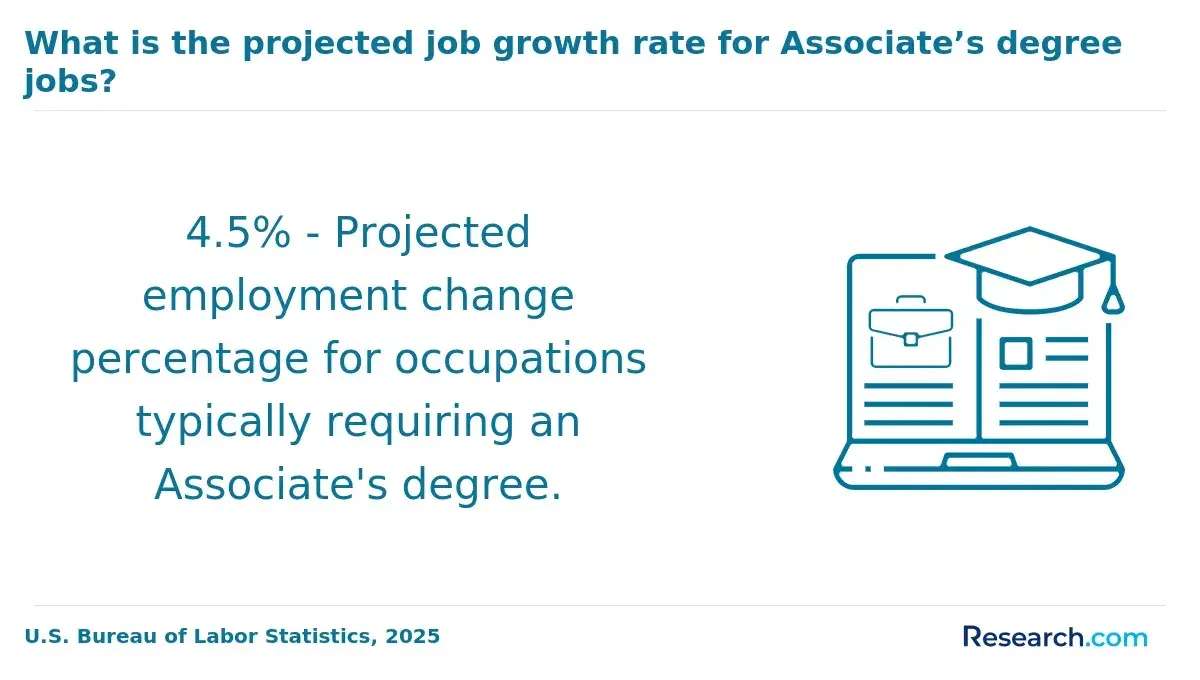
Costs for kinesiology education vary sharply based on credential type and career focus, demanding strategic planning from prospective students. Associate degrees offer affordable entry points, typically between $6,000 and $20,000, making community colleges a pragmatic choice for foundational knowledge. Bachelor's programs cost substantially more, averaging $40,000 to $100,000 over four years, with public in-state tuition providing some relief.
The return on investment pivots significantly on chosen roles. For example, to become a licensed physical therapist, expected to grow 15% in job demand with median wages near $99,710, advanced degrees costing upward of $70,000 are essential. In contrast, strength and conditioning coaches often rely on targeted graduate certifications ranging from $1,000 to $3,000, which are faster but require verified practical experience and renewal fees.
Additional expenses such as exam fees, study material, and internships routinely add to the overall financial burden. Employer-sponsored tuition assistance can offset upfront costs but typically entail service commitments, influencing career mobility.
Employers emphasize accredited certifications that align with industry standards and prerequisite education levels. Lack of flexible, affordable programs disproportionately affects working professionals pivoting careers, delaying workforce entry or limiting advancement in competitive strength and conditioning fields.
Which jobs can you get with a strength and conditioning specialization?
Strength and conditioning specializations lead to distinct professional pathways, often bifurcated between athletic performance and healthcare settings. Roles such as certified strength and conditioning coaches cater to sports-focused employment, offering comparatively higher salaries but facing seasonal job instability and competitive credentialing hurdles.
Conversely, positions in rehabilitation centers or elder care emphasize fall prevention and mobility, areas growing in demand due to the projected 30% rise in the U.S. population aged 65 and older by 2032.
In senior living environments, specialists must develop low-impact, balance-centered programs that differ markedly from elite athlete regimens. These roles require navigating healthcare regulations, insurance reimbursement, and interdisciplinary collaboration, skills rarely prioritized in traditional sports contexts. Employers frequently prefer or mandate clinical certifications beyond academic kinesiology degrees, impacting employability and wage potential.
The decision between these pathways entails key tradeoffs: athletic strengths and conditioning roles offer higher financial upside with volatility, while healthcare-related positions provide steadier employment but often necessitate additional certifications and irregular work hours.
Students pursuing kinesiology must critically evaluate these contrasting career demands and employer expectations to align educational investments with desired job market niches and long-term stability.
What salaries do strength and conditioning careers offer?
Salary trajectories in strength and conditioning vary sharply depending on the employer type, credentials, and technical skills, particularly in wearable technology integration. Entry roles in community fitness or high school settings typically begin near $40,000 annually, but salaries rise significantly in collegiate or professional sports environments, where compensation can exceed $80,000.
Specialized positions that combine kinesiology knowledge with data analytics or biometric interpretation regularly command premiums above $90,000. This premium reflects industry trends, as wearable fitness technology is projected to grow from $55.5 billion in 2023 to $138.9 billion by 2030 with a 14.2% compound annual growth rate, per data from Grand View Research.
Practical career advancement often depends on acquiring targeted certifications such as Certified Strength and Conditioning Specialist (CSCS) alongside fluency with digital platforms, especially in sports medicine or tech-driven training firms. Yet, smaller organizations and public schools usually offer limited salary growth without complementary roles in related fields like physical therapy.
Candidates face key tradeoffs between pursuing broad academic degrees versus focused technical credentials, balancing time investment against salary prospects.
For example, strength coaches leveraging wearable sensor data for injury prevention in collegiate teams may justify higher pay than generalists reliant on manual training methods. Budget constraints and volatile demand in many institutions further require continuous skill adaptation for sustainable career progression.
What certifications and standards matter for strength and conditioning careers?
Obtaining key certifications in strength and conditioning hinges on aligning credentials with employer requirements, practical experience, and distinct career outcomes.
The National Strength and Conditioning Association's Certified Strength and Conditioning Specialist (CSCS) remains a gatekeeper credential for many collegiate and professional sports settings, largely because its comprehensive exam integrates exercise science with program design. Candidates lacking the CSCS or requisite internship hours often find themselves excluded from hiring pools, regardless of academic background.
Specialized roles in clinical or rehabilitation contexts demand certifications like Certified Athletic Trainer (ATC) or Performance Enhancement Specialist (PES), which focus on therapeutic exercise application rather than general strength training. This differentiation is critical; pursuing a broad certification without targeting these niches can limit employability in rehabilitation-focused environments.
Employers prioritize certifications that validate ongoing competence through continuing education, typically mandating renewal every three to five years to keep pace with evolving methodologies. This creates a practical tradeoff for professionals who must balance the time and cost of recertification against portfolio currency and safety adherence.
Legal and ethical boundaries set by organizations such as the National Commission for Certifying Agencies require practitioners to respect scope-of-practice limits, particularly when integrating nutrition or sports psychology elements.
Wages reflect these certification-backed competencies as well; U.S. Bureau of Labor Statistics data indicate that recreation and fitness professionals with kinesiology-related degrees earned a median wage of $60,000 in 2024, outpacing the general workforce by over 20%, illustrating how specialized credentials and verifiable expertise translate into measurable labor market advantages.
Other Things You Should Know About Kinesiology
In 2027, hands-on internships often provide more direct preparation for careers in strength and conditioning by offering practical experience in real-world settings. Engaging in internships helps students develop critical skills and industry connections, which can be advantageous when seeking employment.
Program reputation directly influences early career opportunities, especially since many employers rely on known networks for hiring and internships. Graduates from programs with strong industry connections and recognized faculty often secure better placements and mentorship. Prioritize programs with established partnerships in sports or fitness organizations over lesser-known institutions, as this impacts access to practical experience and employer trust.
Early specialization can narrow skills but may limit adaptability to varied job roles within strength and conditioning. A robust foundation in broader kinesiology principles equips you to adjust to evolving industry standards and diversify career options. Prioritize a curriculum that balances core biomechanics, physiology, and nutrition with specialized training to optimize long-term employability and professional growth.
Most internships require current adult CPR, AED, and first-aid certification before you start. Programs often accept American Red Cross, American Heart Association, or a similarly recognized provider, and many sites require renewal every 1 to 2 years before placement or supervised training begins.
References
- How to Become a Strength and Conditioning Coach (S&C Coach): Qualifications, Pathways, and Salary Expectations | IUSCA https://www.iusca.org/how-to-become-a-strength-and-conditioning-coach
- Level 1 | Course Information https://www.strengthandconditioning.org/level-01-course-information
- Strength & Conditioning Education | Leading Providers of Strength & Conditioning Courses https://strengthandconditioningeducation.com/
- What Is Strength and Conditioning? https://www.massgeneralbrigham.org/en/about/newsroom/articles/strength-and-conditioning
- What Can You Do With a Kinesiology Major? | USAHS https://www.usa.edu/blog/what-can-you-do-with-a-kinesiology-major/
- How Much Does a Personal Training Certification Cost (Including Hidden Fees)? https://brookbushinstitute.com/articles/how-much-does-a-personal-training-certification-cost-including-hidden-fees
- High School Applicants https://www.ualberta.ca/en/kinesiology-sport-recreation/programs/undergraduate-programs/admissions/high-school-applicants.html
- Explore UM | University of Manitoba - Kinesiology (BKin) https://umanitoba.ca/explore/programs-of-study/kinesiology-bkin