2027 Online Ed.D. in Leadership and Learning in Organizations: Degree Fit for Leaders Tackling A Merger Between Organizations with Different Cultures
Audited and Verified:
Our Editorial and Data Verification Process
Research.com uses government datasets, official education statistics and primary institutional information to support its career and degree guides. Our review process checks factual accuracy, occupational definitions, source dates and the requirements associated with the credentials discussed.
How This Article Was Fact-Checked
Our editorial team verifies salary estimates, employment projections, education requirements and program information against original data providers and official organizations. Salary figures are checked against the relevant occupational definitions and reporting periods. Information about licensure, accreditation and required in-person training is reviewed separately.
Fact-checked and verified on:

Co-Founder and Chief Data Scientist
A merger can combine operations on paper while leaving employees with conflicting expectations about decisions, communication, and what good performance looks like. For leaders responsible for integration, the challenge is to distinguish cultural differences from problems in governance, incentives, and work processes. An online Ed.D. in Leadership and Learning in Organizations may strengthen that work, but it is a long-term education choice - not an immediate merger remedy. This guide shows what the degree can contribute, when a faster alternative is better, and what to verify before enrolling.
Key Things You Should Know
- An Ed.D. is most useful when a leader expects to diagnose, implement, and evaluate organizational change beyond one merger; it cannot replace authority to make integration decisions.
- Before prescribing culture training, examine decision rights, workflows, incentives, and employee experience in both organizations. A perceived culture clash is not, by itself, a diagnosis.
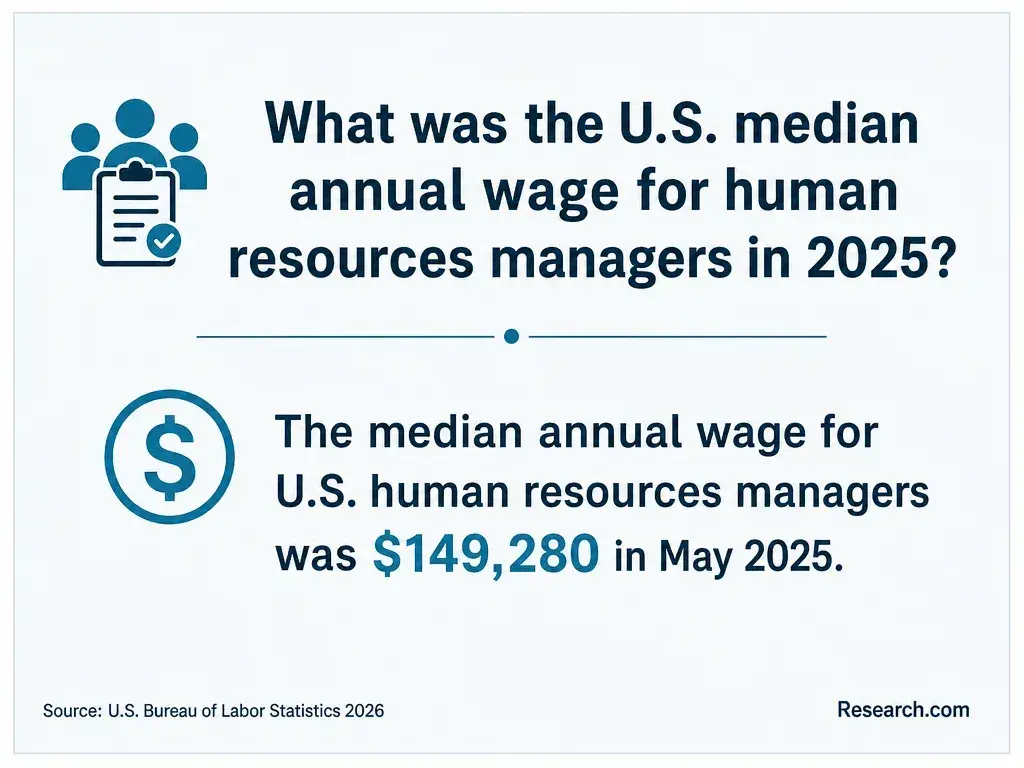
- Training and development managers had a US median annual salary of $133,000 in May 2025, according to the Bureau of Labor Statistics; that occupational figure is not an expected salary or return on an Ed.D.
What is an online Ed.D. in Leadership and Learning in Organizations?
An Ed.D. in leadership and learning is a practice-oriented doctorate concerned with how people and organizations develop, make decisions, and change. Programs may combine leadership theory, adult learning, organizational development, and applied research. "Online" describes where much instruction occurs; it does not necessarily mean self-paced study or no campus visits.
For a merger leader, the relevant distinction is between learning a method for improving organizations and earning a credential for its own sake. A program with strong organizational inquiry and change-implementation work may fit better than one focused chiefly on school administration. Degree names and requirements vary, so the exact curriculum matters more than the label.
How can this Ed.D. help leaders manage mergers between different organizational cultures?
The degree can help a leader frame the merger as an organizational problem that needs evidence, stakeholder participation, and iterative decisions. Culture includes shared expectations and routines, but employees may describe a reporting bottleneck or incompatible incentive systems as a "culture clash." Those causes call for different responses.
Consider a hypothetical merger in which one organization delegates customer decisions to local teams while the other requires central approval. The disagreement could reflect values, regulatory obligations, unclear authority, or all three. Doctoral training in organizational diagnosis can help the leader test those possibilities before commissioning training that may not address the constraint.
A feasible inquiry would compare documented decision processes with appropriately authorized interviews or aggregated employee feedback, then track measures tied to the integration decision - such as approval delays, handoffs, retention patterns, or adoption of a shared process. Findings would still need cautious interpretation: a change after an intervention does not prove that the intervention caused it.
Applied doctoral work may offer faculty guidance for a merger-related project, but a workplace initiative does not automatically qualify as a capstone or dissertation in practice. Confirm academic approval, employer sponsorship, data access, confidentiality rules, and any required ethical review before proposing the merger as a doctoral project.
Is an online Ed.D. in Leadership and Learning in Organizations worth it?
It can be worth it for an experienced leader whose longer-term work involves repeated, complex organizational change. It is less compelling if the immediate goal is to settle integration disputes during a merger already underway. Doctoral coursework and an applied project take time, while employees may need decisions about authority, staffing, and systems now.
The options below serve different needs; none substitutes for executive accountability during integration.
| Path | Best fit for a merger leader | Main limitation |
| Leadership and learning Ed.D. | Developing sustained capability in organizational learning, change, and applied inquiry | Substantial time and expense; no guarantee of an approved merger project |
| Targeted change or organizational development training | Building a specific skill needed during the current integration | Less depth in research and evaluation |
| Experienced integration adviser or internal cross-functional team | Obtaining immediate capacity for decisions and implementation | May not build the leader's own doctoral-level research capability |
Test the investment against the responsibilities you expect after this merger, not a speculative promotion. If cost is decisive, start by comparing online education doctoral program prices, then verify each institution's full charges and requirements directly.
Relevant study may cover organizational culture, systems thinking, adult learning, change leadership, stakeholder engagement, and qualitative or quantitative inquiry. For a merger, the useful sequence is to diagnose the work and its constraints, design a response, and evaluate whether implementation is improving the intended outcome.
Course titles alone are weak evidence of preparation. Ask to see required syllabi and project expectations: Does "organizational change" include implementation under competing priorities? Do methods courses teach how to assess interviews and operational measures without overstating causal conclusions? Is adult learning connected to changed workplace behavior rather than attendance at training?
A strong program should also prepare students to handle power and confidentiality. Employees may fear that candid merger feedback will affect their jobs; leaders need defensible ways to collect, restrict, and report information. Not every program teaches each of these subjects at the same depth.
Requirements vary by institution. Programs may request a completed graduate degree, transcripts, recommendations, a statement of purpose, and evidence of relevant professional responsibility; some may use an interview or set additional academic conditions. A leadership title alone is less informative than examples of decisions made, people engaged, and change efforts assessed.
A merger applicant can describe the organizational problem without claiming a diagnosis or results not yet established. Explain what you are authorized to do, what remains uncertain, and why applied doctoral study fits your future responsibilities. Ask admissions staff separately whether your credentials satisfy entry rules and whether any prior credits can apply to degree requirements.
An Ed.S. holder should check the specific school's treatment of that degree rather than assuming it shortens the doctorate. A review of online doctoral program choices after an Ed.S. can help identify questions to take to each program.
Completion time depends on required coursework, enrollment pace, cohort sequencing, project approval, and the final research or applied deliverable. A leader facing an active merger should ask when methods and project work actually begin: a useful question about integration may become inaccessible if data, sponsors, or organizational priorities change before the project is approved.
Compare published schedules with your likely work calendar, including integration deadlines and periods when the merger needs executive attention. Guides to comparing the fastest online Ed.D. formats can narrow a search, but a short advertised timeline is not a promise that a merger-based project will be approved or finished on schedule.
There is no reliable single price for this degree. Request a written estimate using the program's required credits or terms, tuition, mandatory fees, and any campus-convening travel. Then account for the costs most likely to affect a merger leader: reduced work availability, possible leave, and continued enrollment if a project takes longer than planned.
Employer support deserves particular scrutiny during integration. Confirm who approves reimbursement, whether it survives a change in role or employer, and whether repayment conditions apply. Do not count a proposed sponsorship as funding until its terms are documented. An Ed.D. tuition comparison guide can provide a starting shortlist, but the school's estimate should control your budget.
An online format may let a leader stay with the organization during integration and bring current workplace questions into class. It may also require live sessions, group meetings, and campus convenings that collide with merger milestones. Campus-based study offers in-person interaction but may require more travel or a larger change to work arrangements.
For this decision, compare the actual weekly commitments and project supervision, not the delivery labels. Ask both programs how faculty advise applied organizational work, when meetings occur, and what happens if your employer changes or withdraws project access. Neither format automatically makes confidential merger data available for academic use.
Experienced merger leaders may use Ed.D. learning in organizational development, talent development, internal consulting, workforce learning, or broader management roles. The transition depends on prior responsibility: leading integration across departments is different from entering a specialist learning role, and employers may value demonstrated implementation more than the doctorate alone.
For context, the Bureau of Labor Statistics reports a May 2025 median annual salary of $101,860 for management analysts, an occupation that includes organizational consultants, with projected employment growth of 10.1% from 2025 to 2035. Those figures describe the occupation, not Ed.D. graduates or merger specialists. Compare a target job's required experience with your own record before using its salary to justify tuition.
How can you choose an accredited online Ed.D. program for organizational leadership?
First, verify the institution's accreditation through the institution and its recognized accreditor. Then evaluate the specific degree: curriculum, online attendance rules, faculty guidance, final-project requirements, total charges, and whether its leadership focus fits cross-organizational integration. Institutional accreditation does not mean a general leadership Ed.D. confers school-administrator licensure or a professional certification.
Before committing, ask a program representative whether an approved project could involve a merger, what happens if organizational access changes, and who decides whether a proposed site and data are suitable. Request the relevant policies in writing. If you have unfinished doctoral work, also ask for a formal credit and completion review; prior doctoral credit considerations in Ed.D. completion programs can help you frame the questions, but only the receiving institution can determine what applies.
Other Things You Should Know About EdD Leadership
Do not assume so. Employment authority and research participation are different matters. Follow the program's ethical-review process and the organization's rules on recruitment, consent, and confidentiality.
Ownership and sharing rights depend on university policy and employer agreements. Resolve access, intellectual property, and publication restrictions before using confidential merger material.
Potentially, but the organization and program must assess applicable agreements, permissions, privacy protections, and study procedures. Do not bypass employee representatives or assume existing survey access authorizes academic use.
Only with authorization and suitable safeguards. Check where data will be sent, whether identifiable information is permitted, and how summaries will be checked for omissions or misleading patterns.
- Partnering with Students to Develop a Capstone for a... - PMC https://pmc.ncbi.nlm.nih.gov/articles/PMC11732519/
- Organizational Leadership Application Instructions | USC Rossier https://rossier.usc.edu/programs/doctoral/organizational-leadership/organizational-leadership-application-instructions/
- What Makes a Good School Culture? | harvard.edu https://www.gse.harvard.edu/ideas/usable-knowledge/18/07/what-makes-good-school-culture
- Project Management and the Success of Post-merger or Post | harrisburgu.edu https://digitalcommons.harrisburgu.edu/cgi/viewcontent.cgi
- Walden University's Guide to Doctoral Capstone Projects https://www.waldenu.edu/online-doctoral-programs/resource/guide-to-doctoral-capstone-projects
- Doctorate in Educational Leadership | UNC Greensboro https://www.uncg.edu/degrees/educational-leadership-ed-d/
- What Is a Capstone Project? Types, Examples, and Tips | SCU https://www.scu.edu/business/blog/business-concepts/what-is-a-capstone-project/
- Career Outcomes - School of Education and Social Policy | Northwestern University https://sesp.northwestern.edu/graduate-professional/learning-and-organizational-change/ms-organizational-dynamics/career-outcomes.html
- EdD Organizational Leadership - Admissions Requirements | University of San Diego (USD) https://www.sandiego.edu/soles/academics/edd-organizational-leadership/admissions-requirements.php
- What Is a Problem of Practice? | spalding.edu https://online.spalding.edu/blog/what-is-problem-practice