
2027 Most Recession-Resistant Careers You Can Pursue With a School Counseling Degree

Co-Founder and Chief Data Scientist
Graduates with a school counseling degree often face uncertainty about job stability during economic downturns, raising questions about which career paths offer resilience. Research indicates that mental health services in educational settings grow by 13% annually-even amid recessions-highlighting demand for well-qualified counselors.
However, competition increases as graduates vie for roles that guarantee both impact and income security. Staying competitive means pursuing specialized certifications and developing skills in data-driven counseling approaches. This article explores the most recession-resistant careers within and related to school counseling, providing actionable guidance on navigating the evolving job market to secure a stable professional future.
Key Points About Recession-Resistant School Counseling Careers
- The demand for school counseling professionals remains stable during economic downturns due to mandated student support services, ensuring consistent employment opportunities.
- Graduates with school counseling degrees can transition into mental health roles, which grew by 12% as they address rising emotional challenges in all economic climates.
- Skills in crisis intervention and academic planning make school counseling graduates valuable in nonprofit and social service sectors, known for funding resilience in recessions.
What is the employment outlook for graduates of School Counseling?
Employment prospects remain strong for graduates with a school counseling degree, with job demand expected to grow approximately 10% over the next decade-outpacing the average for all occupations. This favorable trend highlights key factors shaping the job market for school counseling degree holders.
Below are some of the primary reasons contributing to this positive employment outlook:
- Increased Mental Health Awareness: Schools are prioritizing student mental health more than ever, expanding the need for qualified counselors to provide essential support services.
- Legislative Mandates: Many states require specific student-to-counselor ratios, creating a steady demand to hire additional school counseling professionals.
- College and Career Readiness: School counselors play a critical role in preparing students for post-secondary success, which extends their contributions beyond traditional academic advising.
- Job Stability: Compared to national unemployment rates, school counselors typically face lower unemployment, indicating resilience in school counseling careers during economic downturns.
This robust outlook reinforces the advantage of pursuing a school counseling degree for those seeking recession-resistant careers in educational and related settings.
For students exploring accelerated pathways into the healthcare field, consider options like the fastest medical assistant program, which complements counseling skills in various professional contexts.
What are the most recession-resistant careers for School Counseling degree graduates?
Certain roles within school counseling and related fields stand out for their resilience to economic downturns due to their essential or regulatory nature. Employment in counseling and student support occupations is projected to grow 9% over the next decade-faster than average-reflecting ongoing demand and relative job security.
Below are five high-demand school counseling jobs during economic downturns that offer stability for graduates.
- School Counselor: Nearly every educational institution is required by law to provide counseling services to support student mental health and academic progress. Because these services remain a priority regardless of economic conditions, vacancies are costly to leave unfilled, ensuring inherent job stability.
- College Admissions Counselor: Colleges rely on admissions counselors to maintain a steady pipeline of applicants, which is vital for institutional revenue. Although enrollment numbers may fluctuate, the direct link between admissions functions and financial sustainability preserves job security even in recessions.
- Career Counselor: Economic uncertainty increases demand for career counseling focused on workforce transitions and upskilling, especially for those affected by layoffs. This consistent need supports career counselors as essential resources in maintaining workforce stability.
- Student Affairs Coordinator: These positions involve delivering critical student services such as conflict resolution and crisis management that maintain campus safety and regulatory compliance. Institutions prioritize these roles, shielding them from budget cuts during economic downturns.
- Educational Program Coordinator: Managing federally funded and heavily regulated programs like special education makes these coordinators indispensable. The high legal and operational risks of cutting such programs ensure their positions remain protected even during financial tightening.
Graduates seeking a recession-resistant path with a school counseling degree may also consider expanding their skill set through programs such as an online health administration degree, which can open additional opportunities in recession-proof healthcare administration and support roles.
In which industries can School Counseling degree holders find work?
Graduates with a school counseling degree have versatile career options beyond traditional school settings, with opportunities extending into various sectors that remain resilient during economic downturns.
In fact, employment for roles related to school counseling in mental health and social services is expected to increase by 12%, underscoring ongoing demand. Below are several key industries where these skills are highly applicable:
- Education: Graduates commonly work in K-12 schools and higher education, supporting students' academic, emotional, and social development. Their expertise is vital for mental health support and planning, roles necessary despite economic challenges.
- Healthcare: Mental health services frequently employ school counseling grads to assist with patient advocacy, behavioral therapy, and care coordination. This sector's growing focus on mental wellness creates steady demand.
- Social Services: Agencies focused on child welfare, family support, and youth programs utilize counselors to provide intervention, resource navigation, and case management, addressing needs that tend to persist or increase during recessions.
- Corporate Human Resources: Companies hire counselors to lead employee assistance programs, resolve workplace conflicts, and promote organizational wellness-helping maintain productivity and morale in turbulent times.
- Nonprofits and Faith-Based Groups: Various community organizations rely on counseling professionals to support recovery initiatives, social justice efforts, and access to educational resources, areas where stable funding often remains intact.
When asked about industries open to school counseling graduates, a professional who completed an online school counseling bachelor's program shared his experience navigating the job market.
He highlighted the challenge of translating academic training into roles outside traditional school environments, stating, 'I wasn't sure initially how my skills would fit beyond classrooms, but slowly found opportunities in community health organizations.'
He described the process as 'a mix of trial and error,' having to explain the relevance of counseling techniques in settings like nonprofit programs and corporate wellness.
Despite initial uncertainty, he expressed satisfaction in applying his degree in diverse fields, noting that adaptability and clear communication of his expertise were key factors in securing positions.
School counseling roles within the public sector-such as those in government-funded schools and universities-generally offer more reliable employment stability than private sector positions. Backed by steady public budgets and often protected by union agreements, these jobs face fewer risks during economic downturns.
Demand for mental health support in public education tends to remain stable or even increase despite funding shifts, with many public school counselors highlighting job security as a major benefit amid economic fluctuations.
Conversely, private sector roles in settings like corporate wellness or startups can be more unpredictable. These positions might provide quicker advancement and innovative experiences but lack the same level of job permanence. Economic challenges often lead to hiring freezes or layoffs in private organizations, which can affect counseling opportunities related to employee assistance or educational consulting programs.
Aspirants should balance the advantages of each sector-public roles generally offer consistent employment and protections, while private roles bring flexibility, potential for higher starting pay, and varied responsibilities. Ultimately, the decision depends on whether graduates prefer security and steady career paths or if they are willing to embrace greater risk for faster professional growth.
Geographic location significantly influences job stability for school counseling graduates, as some areas serve as key centers for employment opportunities in this field. The following states stand out for offering notably resilient careers in school counseling due to unique regional factors:
- California: With its large and diverse student body, California invests heavily in mental health resources within public schools, fostering consistent demand for school counselors. The state's commitment to socio-emotional learning further enhances job security in this profession.
- Texas: Rapid population growth and expanding school enrollments in Texas create strong demand for school counselors. State regulations enforcing counselor-student ratios, alongside a thriving economy supported by energy and technology sectors, underpin this market's resilience.
- New York: Urban school districts in New York drive high demand for school counseling roles, bolstered by targeted funding aimed at lowering dropout rates and enhancing mental health access. The state's focus on equity and inclusion has contributed to steady employment growth in these positions.
Labor data indicates that employment for school counselors in these states is projected to grow significantly faster than average-about 11%-demonstrating the field's resistance to economic downturns compared to many other occupations.
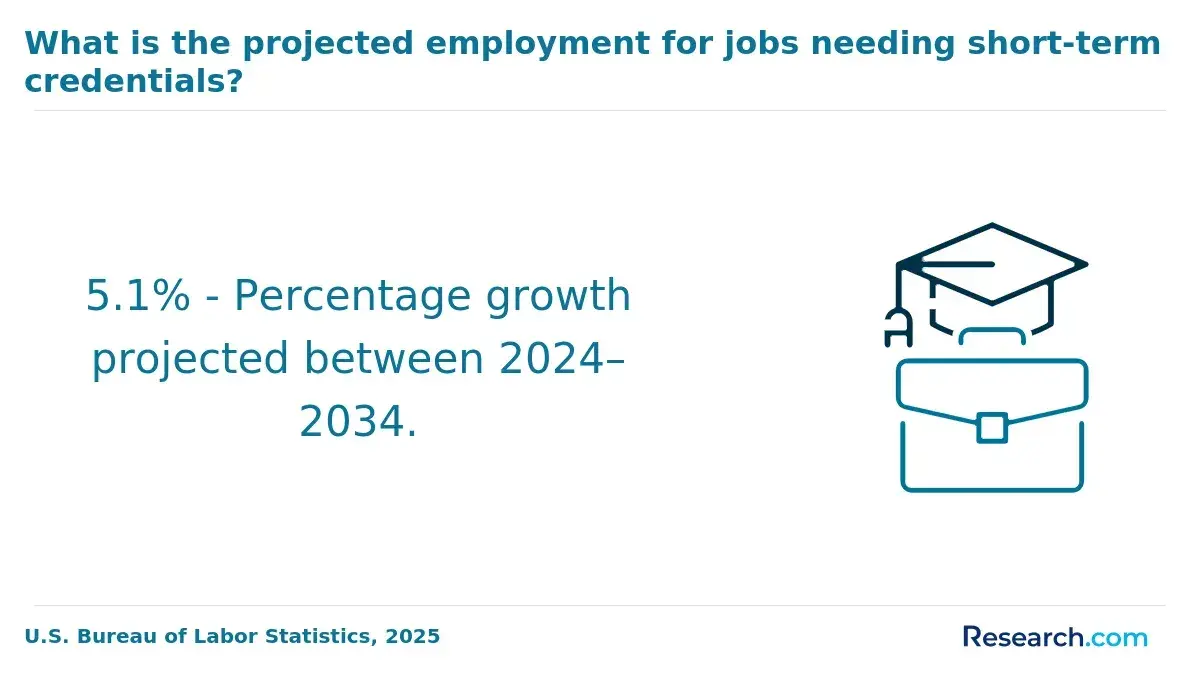
Post-graduate certifications and continuing education serve as a strong layoff shield by validating specialized expertise highly sought after during economic downturns. According to the Bureau of Labor Statistics, employment for school and career counselors is projected to grow 10% through the next decade, faster than average for all occupations.
Below are some recession-resistant credentials that can enhance job security and open new career paths for those with a school counseling degree.
- National Certified School Counselor (NCSC): This credential from the National Board for Certified Counselors demonstrates mastery in core counseling skills and adherence to professional standards. It makes candidates more competitive in educational settings, especially when employers prioritize qualified professionals amid economic uncertainty.
- Licensed Professional Counselor (LPC): The LPC credential expands a counselor's scope beyond schools into clinical and community mental health. It enables practice in private clinics, outpatient facilities, and telehealth-areas that maintain demand due to ongoing mental health needs regardless of economic shifts.
- Certified Trauma Professional (CTP): Focused on trauma-informed care, this certification equips counselors to support students experiencing adverse childhood events. Economic instability can increase the need for trauma-trained counselors as schools bolster support services for vulnerable populations.
- National Certified Career Counselor (NCCC): This credential prepares counselors to guide students and adults through workforce development and career transitions, a critical role during recessions caused by changing job markets.
For students exploring allied paths, enrolling in online sonography programs can complement a counseling background with technical healthcare skills, further broadening career security.
Pursuing these school counseling certification programs for job security reflects a strategic approach to professional resilience and long-term employment stability during economic downturns.
Continuously enhancing skills can make school counseling professionals less vulnerable to layoffs during economic downturns. Staying versatile is key in adapting to shifting demands-here are five critical skills to focus on.
- Data Analysis and Interpretation: Mastering the evaluation of student performance and behavioral data helps counselors provide evidence-based support. This skill strengthens roles involving program evaluation and resource advocacy within schools.
- Crisis Intervention and Trauma-Informed Care: Being equipped to handle urgent mental health situations and understanding trauma impacts allows counselors to address growing emotional challenges effectively. These competencies are essential for roles focused on student well-being and emergency response.
- Technology Proficiency: Familiarity with digital counseling platforms and student databases ensures school counseling graduates can navigate remote or hybrid service models. Technological adeptness expands job opportunities in both traditional and virtual environments.
- Multicultural Competency: Culturally responsive counseling skills create inclusive environments for diverse student bodies. This expertise is increasingly valued as schools emphasize equity and support across different communities.
- Collaboration and Leadership: The ability to lead cross-functional teams and coordinate with educators, families, and community partners makes counselors vital contributors beyond direct student interaction. Strong leadership capabilities provide upward mobility and job stability.
Developing these skills helps graduates equip themselves with essential certifications for school counseling graduates and enhances career resilience. Employers show a clear preference for professionals combining crisis management with data fluency, reflecting a shift toward integrated, evidence-driven interventions.
Graduates branching into mental health, educational consulting, or community outreach find their adaptability particularly advantageous.
Prospective students interested in accelerating their career prospects might explore accelerated programs that incorporate these vital competencies for a stronger foothold in the increasingly competitive field.
Institutional reputation can significantly influence job stability for school counseling graduates. Employers often recognize prestigious programs, associating them with rigorous training and higher competency. Graduates from well-regarded schools may initially find more opportunities in competitive markets due to this perceived credibility.
The benefits extend beyond name recognition. Attending the right school frequently offers networking advantages-access to alumni networks, mentorship programs, and partnerships with local education agencies-which can open doors to internships and coveted positions. These connections often lead to better placements and career growth.
Nonetheless, graduates from any accredited school counseling program can remain competitive by building a strong record of proven performance, professional development, and adaptability. Consistent success in delivering effective student support services demonstrates value to employers regardless of the institution's prestige.
Proactive career preparation is vital for matching academic skills with the shifting requirements of the school counseling field. This approach not only improves employability but also strengthens job stability in a competitive market. The following practical steps can help students position themselves effectively for future opportunities.
- Hands-On Experience: Gaining supervised internships or practicum placements allows students to apply theoretical knowledge in real settings, making them more attractive to employers who prioritize field-tested skills.
- Leadership Development: Taking active roles in counseling-related organizations or projects cultivates essential leadership and communication abilities, showing readiness to manage complex situations.
- Certification Attainment: Earning credentials in areas like trauma-informed care or digital counseling technologies demonstrates specialized expertise, helping candidates to stand out in the hiring process.
- Professional Networking: Joining associations such as the American School Counselor Association and participating in workshops creates connections and access to job leads and emerging best practices.
- Collaborative Skills: Building strong teamwork and interdisciplinary communication skills prepares students to work effectively with teachers, families, and community partners, a key component of the counseling role.
When asked about meeting the evolving demands in the school counseling job market, a professional who completed an online school counseling bachelor's program shared how balancing coursework, family responsibilities, and online practicum placements was initially overwhelming.
He emphasized that embracing flexibility and seeking mentors within the program helped him adapt quickly. 'It wasn't just about earning credits,' he reflected, 'but really learning how to connect with students virtually and in person.' He underscored that perseverance through challenges and actively pursuing networking opportunities made a crucial difference in securing his current position.
Recession-resistant school counseling careers typically offer an average annual salary between $58,000 and $70,000, depending on factors such as geographic location and experience.
This pay scale reflects the vital support these professionals provide in educational and mental health settings, contributing to sustained demand. The average salary for recession-resistant school counseling jobs remains competitive even during economic downturns, supporting income stability during challenging times.
Among recession-resistant school counseling careers, those with specialized certifications-such as Licensed Professional Counselor (LPC) or expertise in trauma-informed care-often command higher salaries, making them more lucrative.
Positions focused on administrative or supportive roles may offer a stable but comparatively modest income. Industry, company size, and regional cost of living also influence earnings, alongside the steady rise in job openings that highlights the field's long-term financial viability.
Income in school counseling roles can fluctuate based on educational credentials earned over time, geographical location, and the specific sector of employment. For students considering related pathways, exploring options such as nurse practitioner courses can provide alternative avenues within healthcare that complement counseling skills.
As mental health services gain increased recognition, the outlook for school counseling professionals remains robust, supported by an estimated 3.8% annual salary growth rate-outpacing many other fields.
What Graduates Say About Their Career After Getting a Degree in School Counseling
- Alfonso: "Choosing to pursue a school counseling degree was driven by my passion for supporting young people through challenging times. The comprehensive training I received equipped me with essential skills in communication, crisis intervention, and developmental psychology, which have been invaluable in my role as a mental health counselor. This degree was key in opening doors to a career that remains stable even in uncertain economic climates."
- Eduardo: "Reflecting on my experience, the reason I chose a school counseling degree was to make a lasting difference in children's lives while also securing a steady career. The coursework and practical experience prepared me well for the diverse range of situations I face daily, from academic advising to emotional support. I'm grateful that this background helped me transition smoothly into a recession-resistant position in educational program management."
- Thiago: "My decision to earn a school counseling degree was largely influenced by job security and the meaningful impact I could have in education. The degree program sharpened my ability to assess students' needs and develop tailored interventions, skills that employers highly value. Thanks to this degree, I now work in a role that offers both professional fulfillment and resilience against economic downturns."
Other Things You Should Know About School Counseling Degrees
Most public K–12 school counseling jobs require a master’s degree in school counseling or a closely related field, plus state-issued school counselor certification or licensure. Many states also require a supervised internship and a passing score on the Praxis School Counselor exam or a similar state test.
During recessions, school counselors often experience heightened demand for their services as students face increased stress, uncertainty, and mental health challenges. Their role may expand to include crisis intervention and additional support for families dealing with financial hardships. This adaptability contributes to the recession-resistant nature of the career.
Obtaining certifications in specialized areas such as trauma-informed counseling, career guidance, or conflict resolution can strengthen a school counselor's ability to serve diverse student needs. These qualifications increase employability in various educational and community settings, helping counselors maintain job security during economic instability.
Yes, school counselors possess transferable skills such as communication, assessment, and problem-solving that qualify them for roles in social work, educational consulting, and mental health services. These alternative pathways provide additional employment options, making the degree versatile and more resistant to recession-related job losses.
- School Counselors’ Jobs Are Misunderstood. Why It Matters https://www.edweek.org/leadership/school-counselors-jobs-are-misunderstood-why-it-matters/2026/04
- Best Recession Proof Degrees https://www.academicinfo.net/educational-resources/best_recession_proof_degrees/
- 11 recession-proof master's degrees that grad students who are uncertain about the future should consider https://www.businessinsider.com/top-recession-proof-masters-degrees-graduate-students-2020-5
- School Counselor Shortages by State and Its Impact on Students https://www.campussafetymagazine.com/news/school-counselor-shortages-by-state-impact-on-students/123130/
- 6 Best Career Counseling Certifications & How to Get Certified https://www.hiration.com/blog/career-counseling-certifications/
- Alternative Careers for School Counselors https://www.collegeconsensus.com/careers/alternative-careers-for-school-counselors/
- Recession-Proof Skills: What to Learn When Job Markets Become Uncertain https://ciiskills.in/blog/recession-proof-skills-for-uncertain-job-markets
- States With The Biggest School Counselor Shortage | Charile Health https://www.charliehealth.com/research/most-states-have-a-school-counselor-shortage
- Recession-Proof Jobs That Thrive During Downturns https://create.fit/blogs/recession-proof-jobs/
- Private School vs. Public School Employment | Jobs in Education https://jobsineducation.com/blog/private-school-vs-public-school-employment/


