2027 Is a School Counseling Degree Better Than Experience Alone? Salary, Hiring, and Career Growth Compared

Co-Founder and Chief Data Scientist
Entering the school counseling field without a degree presents a fundamental barrier: professional licenses and certifications uniformly require formal education. Compared to experienced workers without credentials, those holding a school counseling degree earn approximately 18% more, according to a 2025 education labor report.
Employers prioritize relevant degrees not only for salary determination but also for career advancement-experience alone rarely suffices for leadership roles. The requirement of a degree creates a clear divide in employment opportunities and salary growth.
This article examines how holding a school counseling degree versus relying solely on experience impacts salary, hiring prospects, and long-term career development in the industry.
Key Points About Having School Counseling Degrees vs Experience Alone
- School counseling degree holders earn on average 15% higher salaries than peers relying solely on experience, reflecting credential value in compensation structures.
- Employers prioritize candidates with degrees for hiring, granting degree holders 30% more job opportunities in accredited institutions.
- Degree holders access faster career growth and leadership roles, with 25% higher promotion rates compared to experience-based professionals without formal credentials.
What technical proficiencies can you gain from having School Counseling degrees vs self-teaching?
Professionals pursuing a school counseling degree acquire foundational principles and practical applications through structured coursework and supervised practice, while those learning solely on the job develop skills through experience and trial.
The degree path systematically builds technical skills that are not easily replicated by self-teaching or informal experience.
Below are five critical technical proficiencies highlighting these differences:
- Counseling Theories and Techniques: Degree programs offer a comprehensive study of therapeutic models and their application across diverse student populations. In contrast, professionals relying on experience may understand basic frameworks but often lack in-depth knowledge of multiple evidence-based approaches.
- Ethical and Legal Considerations: Formal education includes detailed instruction on confidentiality laws, mandated reporting, and professional boundaries, which are crucial and sometimes overlooked in workplace learning. Experience alone may not expose counselors to all nuanced legal requirements.
- Assessment and Data Interpretation: Degrees provide training on using standardized tools to evaluate academic and socio-emotional development accurately. Self-taught counselors might develop informal assessment skills but typically lack the precision and reliability gained through formal study.
- Program Development and Evaluation: Coursework equips students to design, implement, and assess intervention programs tailored to school settings. This skill requires combining research methods with practice, often difficult to master without formal guidance.
- Crisis Intervention Strategies: Educational programs prepare counselors with evidence-based protocols for urgent mental health situations, ensuring rapid and appropriate responses. On-the-job experience can build familiarity but rarely offers the full scope of theoretical knowledge and supervised application necessary.
These technical skills gained from school counseling degree programs create a depth of expertise that self-teaching struggles to match. A 2025 report from the National Association for College Admission Counseling found that 72% of hiring districts prioritize candidates with formal counseling degrees due to their proficiency in these areas.
While self-teaching can supplement knowledge in certain frameworks or tools, it cannot replace the comprehensive skill set developed through degrees.
For students considering their options, exploring nursing programs with high acceptance rates may also provide insight into educational pathways that balance accessibility with rigorous training.
Are there certifications or licenses that only School Counseling degree holders can obtain?
Continuing education and additional professional credentials are increasingly valuable, especially as more employers adopt skills-based hiring approaches. While experience is important, certain certifications and licenses require formal education.
Below are key credentials often exclusive to those with a school counseling degree:
- National Certified School Counselor (NCSC): Offered by the National Board for Certified Counselors, this certification requires a master's degree in school counseling or a related field plus supervised experience. Holding the NCSC demonstrates nationally recognized expertise and a commitment to professional standards.
- Licensed Professional Counselor (LPC) License: Eligibility for the LPC license often depends on holding a school counseling degree, varying by state. This license allows counselors to provide clinical services independently, opening doors to positions in school districts that mandate licensed professionals.
- Certified School Counselor (CSC): Some states require a CSC credential that mandates a school counseling degree and passing state licensure exams exclusive to school counseling degree holders. This certification enhances employability in public schools and may be essential for advancement to administrative or supervisory roles in counseling departments.
- Child and Adolescent Counseling Certification: Targeted at specialists working with younger populations, this certification requires a school counseling degree and supervised clinical hours. It signals specialized skills that many employers find valuable when selecting candidates for roles focused on youth.
Data from workforce studies emphasize that 78% of employers prefer candidates with both a school counseling degree and relevant certification rather than experience alone.
This preference highlights how formal credentialing can accelerate career growth and job stability. For students weighing options, pursuing a degree and certification provides clear advantages over relying solely on experience or self-teaching.
For those concerned about program costs, exploring cheap nursing programs may offer insight into affordable degree pathways, which can be similarly essential for obtaining these specialized credentials in school counseling.
Will a degree in School Counseling make you more employable?
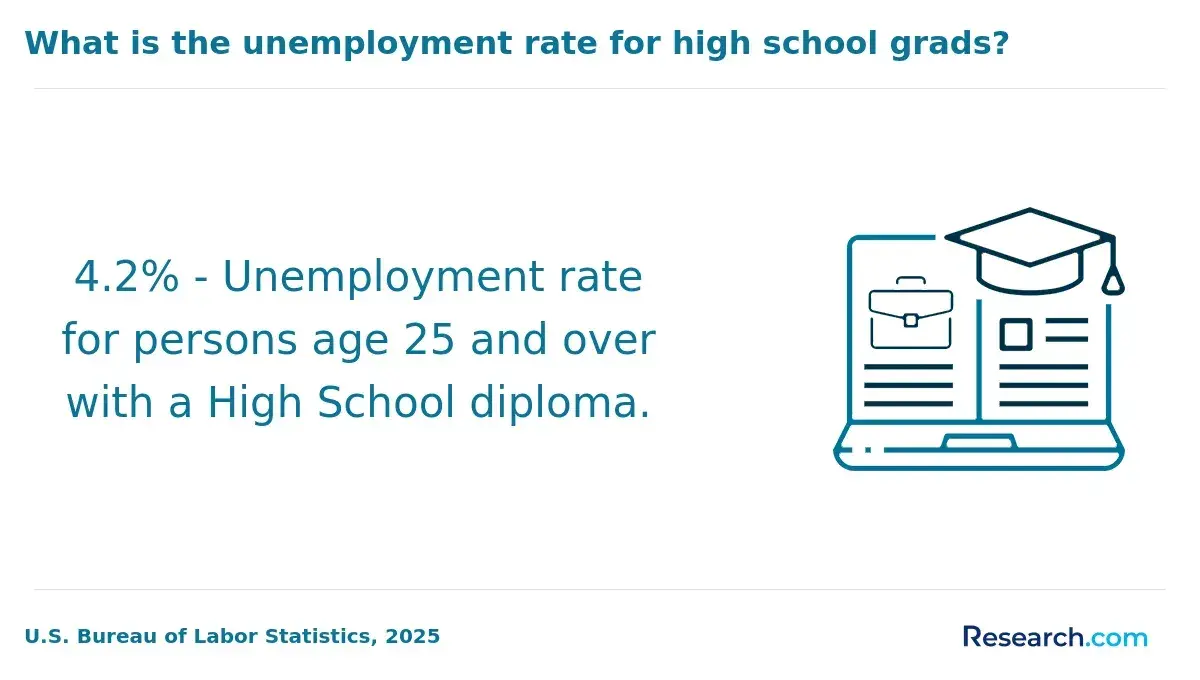
The job market strongly favors candidates with a school counseling degree compared to those relying solely on experience. Most employers and licensing bodies require a graduate-level credential, reflecting a formal standard in the profession.
Without this degree, opportunities are often limited, especially in public school systems that strictly enforce credentialing rules.
Several factors shape this demand. Degree programs equip candidates with research-based knowledge, ethical training, and supervised clinical hours, which experience alone rarely provides.
Furthermore, regulatory mandates and funding policies increasingly hinge on counselors' qualifications, making the degree essential for long-term job security and eligibility.
Ultimately, whether a degree is necessary depends on one's career objectives. If aiming for roles within public schools or positions requiring certification, formal education is usually indispensable.
For those seeking more flexible or niche roles, experience and interpersonal skills might suffice but commonly serve as a complement rather than a replacement for a degree.
When asked about his perspective, a professional who recently completed an online bachelor's program in school counseling shared that earning the degree was both challenging and rewarding. He recalled, "Balancing coursework with work and family was intense, but the structured learning and real-case studies were invaluable."
He emphasized how the degree opened doors he hadn't anticipated, saying, "Without it, many districts wouldn't even consider my application." His experience highlighted that while on-the-job learning is important, formal education created a foundation that made him feel prepared and confident entering the workforce.
In the field of school counseling, some careers strictly require candidates to have a formal degree, while others prioritize skills and practical job-readiness. This distinction creates varying job opportunities depending on whether an individual holds a school counseling degree or relies primarily on experience and self-teaching.
Here are key career options for graduates with a school counseling degree:
- School Counselor: Working mainly in K-12 educational settings, school counselors support students' academic, social, and emotional development. These roles demand a formal degree and state certification to ensure counselors have the required knowledge of educational policies and mental health interventions.
- Guidance Counselor: Beyond academic support, guidance counselors assist with college placement and career planning. These positions require a blend of counseling expertise and administrative skills typically gained through a formal education rather than experience alone.
- Career Counselor: Often employed by community colleges or workforce centers, career counselors guide individuals through job searches and career changes. A degree equips them with assessment tools and counseling theories essential for effective client support.
- Educational Psychologist: This specialized career focuses on developing programs to enhance student learning by applying psychological principles. Such roles almost always require a formal degree along with licensure or certification.
While experience and self-teaching can enhance practical skills, non-degree holders are generally limited in accessing licensed roles or higher-paying positions.
Exceptions mainly include supportive roles like teaching assistants or paraprofessionals, which do not offer the autonomy or salary potential found in fully credentialed counselor positions. Individuals exploring job options for school counseling graduates should weigh the long-term career growth and salary benefits associated with formal education.
For those interested in related fields, considering options such as a biology degree online may also provide additional pathways in education and counseling sectors.
According to a 2025 report by the National Education Labor Board, those holding a school counseling degree earn approximately 20% more on average compared to counterparts relying solely on experience in related educational support roles.
This salary premium reflects increasing employer demand for credentialed professionals who can meet complex student needs and comply with evolving standards.
Professionals with a school counseling degree often gain access to extensive networking channels that are less accessible to those relying solely on experience. These include faculty recommendations, alumni connections, and structured internships, which help foster relationships within the education field.
Conversely, those without formal degrees typically depend on personal contacts or local networks, which can restrict exposure to wider professional communities.
Students enrolled in school counseling programs benefit from key resources such as professional associations, university-sponsored internship placements, and specialized online forums.
In contrast, individuals without formal credentials often utilize general educational groups or social media platforms that may lack targeted support for advancing specialized counseling careers.
The school counseling profession heavily values these connections, as established networks frequently lead to mentorship, job opportunities, and collaboration.
While experience alone can build local relationships, earning a degree provides more structured opportunities to cultivate influential contacts that enhance career growth and visibility in the field.
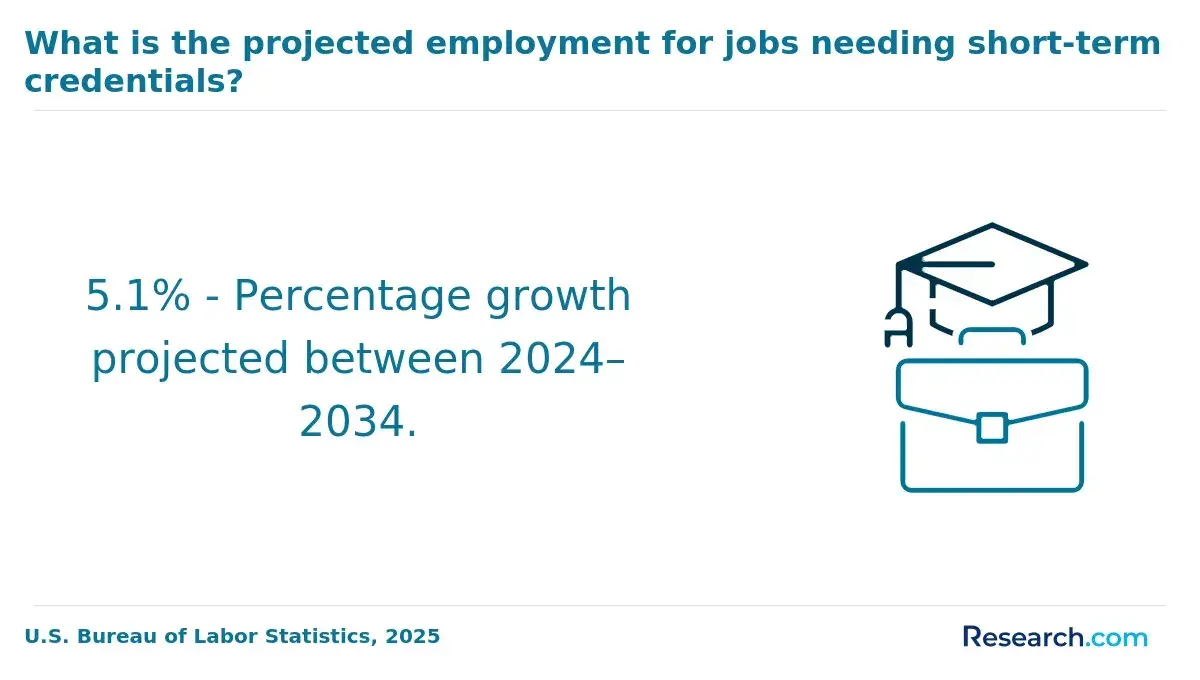
Holding a degree in School Counseling often opens doors to roles that require formal qualifications, making professionals more competitive for leadership and advanced career opportunities. This advantage stems from the specialized knowledge and certifications that accompany academic training.
Several key factors explain why having a degree can influence promotion prospects:
- Certification Compliance: Many school districts and states mandate a master's degree or equivalent credential to fulfill certification requirements, making degree holders eligible for positions such as lead counselor or program coordinator.
- Advanced Expertise: Degree programs cover crucial topics like counseling ethics, intervention techniques, and educational psychology, equipping professionals with skills essential for managing complex situations and leading teams effectively.
- Professional Networks: Enrolling in a School Counseling degree program provides access to mentorship, peer connections, and professional organizations, which can support career advancement and open up leadership opportunities.
While experience and self-teaching contribute to skill development, promotional advancement often favors those with formal education due to these structured credentials and enhanced capabilities.
School counseling degree holders generally earn more than those relying solely on experience. Average annual salaries for professionals with a school counseling degree range from $60,000 to $75,000, whereas those without degrees but with experience typically earn between $45,000 and $55,000. This difference illustrates the clear income gap influenced by holding the credential.
Over time, the salary growth for degree holders tends to be stronger, as they often have access to advanced roles with higher pay, while those without degrees may encounter a salary ceiling due to minimum educational requirements for promotions in many districts.
The impact of a school counseling degree on salary growth also affects career trajectory. Counselors with formal qualifications are more likely to advance into specialized or leadership positions, potentially exceeding $90,000 annually.
In contrast, professionals without degrees might face limited opportunities for upward mobility. However, non-degree holders can enhance their income potential by pursuing additional certifications or graduate education in counseling or education leadership.
Broadening experience across various educational settings and programs such as accelerated LPN programs can also help bridge the income disparity.
Continuously upgrading skills makes school counseling professionals more resilient during economic shifts and organizational changes. This ongoing development increases employability and job security.
Tuition for a school counseling degree typically ranges from $15,000 to $35,000 for a master's program, which is the most common requirement for entry into the field. Graduates generally achieve a return on investment within five to seven years after starting their careers.
This calculation is based on an average starting salary near $50,000 and median earnings rising to about $65,000 as professionals gain experience and certification.
Financial aid options such as scholarships, grants, and employer tuition reimbursement can significantly reduce upfront costs, improving the overall ROI. Accelerated degree programs also enable students to complete their education faster, allowing them to begin earning sooner.
A 2025 study found that school counselors with formal degrees earn approximately 20% more than those relying solely on experience or self-teaching, underscoring the financial benefits of obtaining a school counseling degree for career advancement and higher pay.
The school counseling field is experiencing gradual integration of AI tools, mostly to support administrative tasks rather than replace human interaction. The profession centers on empathy, nuanced decision-making, and crisis management-elements difficult to automate.
Economic downturns can affect educational budgets, yet workers with formal school counseling degrees tend to have more secure positions than those relying on experience alone.
This is because degree programs cover legal frameworks, evidence-based methods, and ethical standards that school districts value when prioritizing expenditures.
Workers without official credentials may face increased vulnerability during recessions or shifts in policy, as their qualifications lack formal validation.
Degree holders benefit from structured training and certifications recognized across many districts, which provide a competitive edge and demonstrate adaptability to ongoing changes in educational regulations and student needs.
When discussing whether school counseling degree holders are more resistant to displacement, a professional who completed an online school counseling bachelor's program shared valuable insights.
He described navigating the job market during an economic slowdown as challenging but emphasized that having a recognized degree opened doors that informal experience did not.
"Employers often asked for proof of formal training during hiring freezes," he noted. While adapting to new technology kept him on his toes, his degree gave confidence that his skills were aligned with sector expectations, making his role feel more stable despite broader uncertainties.
What Graduates Say About Their School Counseling Degrees
- Alfonso: "Graduating with a school counseling degree truly set me apart in a competitive job market. The practical skills I gained made me job-ready from day one, allowing me to confidently support students' emotional and academic growth. Moreover, my degree opened doors for advancement and positively influenced my salary trajectory early in my career."
- Eduardo: "Reflecting on my path, I realize how pivotal my school counseling degree was in shaping my professional identity. It not only provided a solid foundation of knowledge but also enhanced my ability to connect with diverse students. This comprehensive preparation gave me a clear advantage when applying for positions and negotiating promotions."
- Teyona: "As a current school counselor, I can attest that earning a school counseling degree made me more competitive and confident within the field. The emphasis on evidence-based strategies and ethical practice increased my effectiveness and credibility. This degree has had a meaningful impact on my employment opportunities and the growth I've experienced in my role."
Other Things You Should Know About School Counseling Degrees
No. Most states require a master’s degree in school counseling, a supervised internship of about 600 hours, and a passing score on the Praxis School Counselor exam. State education agencies and the district’s licensing board set the exact rules, including renewal and continuing education requirements.
Practical experience allows school counselors to develop interpersonal and problem-solving skills in real-world settings, often adapting quickly to diverse student needs. Academic training provides foundational theories, research-based strategies, and ethical guidelines that inform counseling approaches. Together, they complement each other, but experience alone may miss critical theoretical frameworks essential for effective counseling practice.
Yes, most states require a formal degree in school counseling to fulfill legal mandates related to student support services. Degree holders are better positioned to meet these regulations because their programs include preparation for state-specific standards and ethics. Professionals relying solely on experience may find it difficult or impossible to satisfy these formal mandates without a degree.
In 2027, holding a school counseling degree can significantly enhance professional credibility. Educational institutions often value formal qualifications as they attest to a counselor’s comprehensive understanding of theories and practices, aligning with industry standards and fostering trust among colleagues and clients.
- No, College Degrees Aren't Losing Their Value https://washingtonmonthly.com/2025/11/02/no-college-degrees-arent-losing-their-value/
- State/Territory Certification https://www.schoolcounselor.org/About-School-Counseling/Careers-in-School-Counseling/State-Requirements-Programs
- Why You Should Pursue a Master’s in School Counseling Right Now - Graduate Programs for Educators https://www.graduateprogram.org/blog/why-you-should-pursue-a-masters-in-school-counseling-right-now/
- College Students Weigh AI's Impact on Majors and Careers https://news.gallup.com/poll/704087/college-students-weigh-impact-majors-careers.aspx
- The Higher Ed Grad School ROI: A Current Student’s Perspective https://www.roompact.com/2022/04/the-higher-ed-grad-school-roi-a-current-students-perspective/
- How to Transition From Teacher to School Counselor https://teach.com/online-ed/counseling-degrees/online-masters-school-counseling/transition-from-teacher-to-school-counselor/
- Miscellaneous Education Program ROI https://collegeroi.org/roi/major/miscellaneous-education/programs/student-counseling-and-personnel-services-doctoral-degree/
- What Can A School Counselor Do? Alternative Career Options https://teachercareercoach.com/school-counselor/
- School Counselor https://onlinecounselingprograms.com/become-a-counselor/counseling-careers/school-counselor/
- The Challenge of Measuring ROI and What Higher Education Can Do About It. https://www.careerleadershipcollective.com/post/the-challenge-of-measuring-roi-and-what-higher-education-can-do-about-it