2027 Which School Counseling Degree Careers Are Most Likely to Be Remote in the Future?

Co-Founder and Chief Data Scientist
When exploring remote careers in school counseling, many face uncertainty due to limited adoption across traditional K-12 settings-where in-person presence remains dominant. Yet, some specialized roles-such as virtual academic advising or teletherapy for students in underserved areas-demonstrate higher task-level compatibility with remote work. Industry surveys reveal that less than 15% of school counseling positions currently offer fully remote options, reflecting cautious employer remote culture and significant geographic constraints. Moreover, technology proficiency is increasingly essential for effective virtual engagement, while freelance and self-employment models offer growing flexibility. This article analyzes these dynamics to guide informed decisions on school counseling career paths with strong remote potential.
Key Things to Know About the School Counseling Degree Careers Most Likely to Be Remote in the Future
- Remote adoption in school counseling careers remains limited-only 15% of employers currently offer full remote options due to the need for direct student interaction and onsite assessments.
- Tasks such as digital counseling record-keeping and virtual meetings enhance remote compatibility, while high technology proficiency is essential for sustainable remote workflows.
- Freelance and self-employed school counselors-especially in underserved areas-report stronger long-term remote work potential, mitigating geographic constraints through telehealth platforms and asynchronous support.
What Does 'Remote Work' Actually Mean for School Counseling Degree Careers, and Why Does It Matter?
Remote work in professional fields-such as school counseling-exists along a continuum. Fully remote roles operate 100% off-site; hybrid roles combine scheduled on-site presence with remote work; and remote-eligible roles default to on-site work but allow some flexibility. This spectrum matters because "remote" is not a uniform status across different employer types or counseling specialties.
Since 2020, remote work adoption has expanded widely across many sectors, as confirmed by research from the Pew Research Center, Stanford Institute for Economic Policy Research, and the Bureau of Labor Statistics' American Time Use Survey. However, occupations requiring direct client interaction-like much of school counseling-generally retain stronger on-site demands, although certain subfields and employers are adopting hybrid or flexible policies.
For those exploring remote work opportunities for school counseling degree holders, this matters profoundly. Geographic flexibility broadens job markets, cutting commute costs and time while enabling remote employment with metropolitan employers that may offer better compensation. Peer-reviewed studies also show remote work improves job satisfaction and retention-critical for long-term career stability and quality of life in this demanding profession.
To assess remote work potential systematically, consider a three-part framework:
- Task-Level Compatibility: Whether counseling duties can be effectively conducted off-site.
- Employer-Level Adoption: The extent organizations have implemented remote or hybrid policies.
- Structural Constraints: Licensing, regulatory, client presence, or equipment requirements mandating on-site work regardless of employer willingness.
This analysis helps clarify which school counseling careers are positioned for durable remote work access across entry-level to senior stages. Related fields such as medical billing and coding classes also provide examples of remote-friendly pathways worth considering for future trends in remote school counseling careers.
Which School Counseling Career Paths Have the Highest Remote Work Adoption Rates Today?
Among careers tied to school counseling, several specializations show the highest remote work adoption rates today-based on analysis from BLS telework supplements, LinkedIn Workforce Insights, Ladders 2024 remote tracking, and Gallup surveys. These roles share core features that enable virtual collaboration, digital deliverables, and secure client communication, making them well-suited for durable remote or hybrid work beyond temporary pandemic shifts.
- Academic Advising Counselors: They primarily deliver academic planning and career guidance through video calls and online portals. Their digital deliverables enable effective remote or hybrid setups, especially in postsecondary education where secure student data access is widespread.
- School Psychologists (telehealth specialization): Telehealth adoption allows virtual assessments and therapy sessions. Digital tools and confidentiality support remote work, more commonly sustained in larger or urban districts invested in technology.
- Online College and Career Counselors: Delivering virtual workshops, coaching, and application support via secure cloud platforms, these counselors produce digitally trackable outcomes that foster stable remote job availability in higher education and private sectors.
- Behavioral Intervention Counselors: Traditionally onsite, many now use hybrid methods including telecommunication to collaborate remotely with families and teachers, especially when digital reporting drives interventions.
- Program Coordinators for Educational Support Services: Managing remote-accessible databases and virtual meetings, their workflow- and outcome-focused roles facilitate widespread remote or hybrid adoption across employer types.
- School Social Workers focused on remote case management: Tele-counseling and online resource coordination expand their remote work options, particularly in large districts or nonprofits where digital communication supports case documentation and family engagement.
These high remote adoption specializations contrast with roles requiring constant in-person presence-like crisis intervention or hands-on group work-where durable remote access remains limited. Multi-year remote adoption data highlight how technology-enabled secure client interactions and measurable outcomes drive genuine long-term remote work shifts, rather than short-term pandemic accommodations.
Geography, employer size, and sector also greatly affect remote access. Large urban districts and higher education institutions often lead remote flexibility, while smaller or rural employers usually maintain traditional onsite norms. Prospective and current professionals in school counseling career paths with the highest remote work adoption rates in the United States should consider employer-specific policies, credentialing, and technology proficiency as key remote eligibility factors.
For those aiming to maximize remote flexibility in their counseling careers, exploring opportunities aligned with digital delivery and virtual collaboration is essential-alongside strategies such as freelance or self-employed positions that may also scale remote access. Students evaluating concentration choices might also weigh programs connected to remote-ready specializations, including technical skill development and credential paths.
Prospective students intrigued by related healthcare fields may also find value in exploring affordable online FNP programs to complement career options that blend counseling with healthcare in remote-friendly environments.
How Does the Nature of School Counseling Work Determine Its Remote Compatibility?
Tasks producing reports, analyses, program designs, and communications adapt well to remote settings. Roles focused on program evaluation, resource development, and data-driven planning benefit from secure digital tools that support client information access and teamwork.
- Virtual Client Interaction: Counseling appointments via video or asynchronous platforms fit remote work models, including student support, parent outreach, and stakeholder collaboration conducted online.
- Supervisory and Advisory Functions: Senior counselors and mentors managing programs or training colleagues through digital platforms find these functions compatible with remote delivery.
- Research and Knowledge Work: Activities emphasizing policy analysis, grant writing, and scholarly research rely on information processing rather than physical presence, making them naturally suited for remote work.
- On-site Obligations: Certain core tasks necessitate physical attendance despite remote potential-such as in-person student assessments demanding direct observation, specialized equipment use, compliance audits requiring on-site verification, emergency crisis responses, and creative collaborations deemed less effective remotely.
- Task Composition Analysis: Careful evaluation of a role's task mix-via O*NET data, job descriptions, and discussions with remote practitioners-helps quantify digital versus physical demands, clarifying remote feasibility across roles and employers.
Remote work adoption in school counseling specializations is set to accelerate in areas where digital tools and asynchronous client access enhance service delivery. Technology-integrated counseling thrives due to secure remote platforms and employer support in technology and professional services, making remote mental health support and digital career guidance highly effective.
Career and college readiness counseling also benefits from virtual workshops and flexible digital resources, matching student demand and employer investment in remote infrastructure. Research and program evaluation roles-focused on data analysis and educational outcome studies-are well-positioned for remote work because their knowledge-intensive tasks depend mainly on digital tools rather than in-person interaction.
These school counseling specializations with high remote work potential are underpinned by durable structural factors like remote-first cultures and proven productivity advantages, not temporary shifts.
- Technology-Integrated Counseling: Emphasizes digital mental health and career services enabled by remote platforms.
- Career and College Readiness Counseling: Leverages virtual engagement and asynchronous resource sharing supported by employer infrastructure.
- Research and Program Evaluation: Focuses on data-driven tasks compatible with remote arrangements.
Conversely, remote work in specializations such as crisis intervention or behavioral disorder counseling faces limitations because of regulatory mandates requiring physical supervision and confidentiality. Fields reliant on in-person relational dynamics-like early childhood and special needs counseling-may see reduced remote access as employers prioritize on-site collaboration post-pandemic, reflecting client preferences for face-to-face service.
For those pursuing remote school counseling career paths in the United States, weighing these trends alongside job stability and advancement opportunities is essential for long-term planning.
Selecting a specialization with strong remote work prospects, low unemployment risk, and growing demand can maximize career flexibility. Aspiring and practicing counselors may also consider enhancing technology proficiency and exploring freelance or teletherapy options, supported by resources such as online self paced degrees, to strengthen their remote work capabilities in evolving market conditions.
Data from the Bureau of Labor Statistics, SHRM, and McKinsey's American Opportunity Survey reveals that remote work availability for school counseling graduates varies significantly by industry. Five sectors stand out for their strategic and scalable remote work models-ideal for those prioritizing flexibility.
- Education Support Services: This sector-encompassing online learning platforms and virtual counseling providers-thrives on digital-native operations and cloud technology. Asynchronous communication and virtual student support roles focused on mental health flourish here, supported by results-driven management and distributed teams.
- Information Technology: Though nontraditional for school counseling, IT companies increasingly employ educational consultants and mental health specialists within employee wellbeing programs. Their fully digital infrastructures and flexible cultures create structural capacity for remote work, especially for counseling professionals with tech expertise.
- Professional and Business Services: Subfields like e-learning development, HR consulting, and employee assistance programs commonly adopt hybrid or fully remote models. These rely on virtual client management, outcome-focused deliverables, and robust online collaboration, offering remote roles in organizational development and workforce resilience.
- Nonprofit Organizations: Many nonprofits delivering education and youth services have embraced permanent remote systems, leveraging cloud infrastructure and virtual outreach. Remote program coordination, grant writing paired with counseling outreach, and advocacy roles benefit from asynchronous engagement and remote case management.
- Government Agencies: Some federal and state agencies using hybrid or remote models employ school counseling graduates mostly in policy, training, and oversight. While direct service positions often require onsite presence, many back-office and support functions operate remotely through cloud platforms and virtual communication.
Conversely, industries such as healthcare delivery and K-12 public schools impose strong remote work limitations owing to hands-on patient contact and regulatory requirements. Manufacturing environments are even less compatible with remote work given physical operational demands.
However, within these settings, targeting virtual client-facing or administrative roles-alongside seeking employers committed to genuine remote policies-can enhance remote access. Job seekers should use online filters and salary benchmarks to differentiate between nominal and authentic remote flexibility across employers.
Federal agencies exhibited strong telework capabilities for School Counseling roles during the 2020-2022 interval-largely influenced by pandemic responses-but since 2023, political and administrative pressures have led to reduced remote flexibility. This shift has produced varied remote work availability depending on agency-specific directives and supervisory discretion rather than consistent policy application.
- Federal Telework Trends: Data from the Office of Personnel Management highlight formal telework policies in certain federal School Counseling positions, yet actual remote work use remains uneven and often tightly controlled.
- State Government Variation: Telework policies fluctuate widely across states. Some support hybrid models, while others emphasize in-person presence-making it crucial for candidates to investigate local regulations rather than assume government-wide remote work norms.
- Local Government Constraints: Remote work is generally more limited at the local level, especially in smaller or budget-restricted jurisdictions where in-person duties dominate.
- Role Compatibility: Functions such as policy analysis, research, compliance, grant administration, data review, and program management align well with remote or hybrid work. In contrast, direct service delivery, regulatory inspections, enforcement, and emergency management typically require on-site presence, restricting telework options.
- Private Sector Comparisons: Private-sector School Counseling positions in equivalent roles often have more established remote work cultures, driven by competitive advantage and fewer bureaucratic limitations.
- Recommendations: Prospective employees should carefully examine agency-specific telework policies, seek eligibility details during hiring, and utilize OPM's federal telework survey data to gain realistic expectations-viewing remote work as a specific, not universal, feature of government roles.
Remote school counseling employers prioritize technology proficiency as a critical credential to assess candidate readiness for distributed work environments. Analyses of LinkedIn Skills Insights, CompTIA's remote technology adoption data, and Lightcast skill demand analytics reveal that foundational tools-such as video conferencing platforms (Zoom, Microsoft Teams), cloud collaboration suites (Google Workspace, OneDrive), and project management software (Trello, Asana)-are baseline requirements across remote school counseling job postings.
More specialized digital competencies distinguish candidates with authentic remote work capability. Proficiency with online student information systems, virtual case management platforms, learning management systems (LMS) like Canvas or Blackboard, and telehealth tools used for remote counseling sessions signals practical effectiveness. Employers rely heavily on demonstrated fluency with these tools because they cannot directly observe remote work behaviors, using documented technology skills, remote communication, and distributed collaboration experience as proxies for candidate reliability and performance.
School counseling graduates lacking evidence of digital tool competency often face automatic exclusion from remote roles, regardless of traditional qualifications. To build a competitive profile, prospective remote school counselors should:
- Foundational Tools: Develop fluency in video conferencing, cloud storage, and project management through self-directed learning or formal courses.
- Specialized Software: Gain hands-on experience with LMS, virtual case management, and telecounseling platforms via practicums or internships with remote components.
- Certification & Coursework: Pursue targeted certifications and integrate technology-focused modules into degree programs to formalize skills.
- Portfolio Development: Assemble documentation of remote counseling delivery, such as recorded sessions, intervention plans, and examples of remote teamwork.
Designing a technology proficiency plan tailored to one's intended remote school counseling specialization helps candidates preempt barriers before job searching. Recognizing which tools require formal training versus self-practice-alongside gaining immersive, supervised experience-ensures preparation aligns with employer expectations and remote access prospects.
Remote work opportunities for school counseling degree graduates by region reveal a complex geographic landscape that challenges the conventional notion of location-independent employment. Despite remote roles being nominally flexible, data from Lightcast and LinkedIn highlight significant clustering of remote school counseling job postings in metropolitan hubs such as California, New York, Texas, and Florida-states known for strong educational sectors and progressive telework policies. The Northeast and West Coast lead in remote-eligible openings, while rural and less populous regions frequently experience a scarcity of positions.
This geographic impact on remote career options for school counseling professionals stems largely from state-specific licensure requirements, tax nexus laws, and employment regulations. Many employers mandate candidates hold licenses valid in their state of residence, restricting access even to remote roles with no physical attendance requirements.
Licensed professional counselors and regulated roles face steeper geographic restrictions, especially client-facing practitioners who must comply with the client's state regulations. These factors create a paradox: remote work reduces physical barriers but intensifies geographic hiring limitations based on legal and compliance factors.
Graduates and early-career counselors should perform a thorough geographic remote work access analysis by leveraging LinkedIn job location filters to assess remote job availability in their state. Utilizing Flex Index remote policy data can help identify employers with inclusive telework policies across states.
It is also critical to review licensure reciprocity tools provided by professional associations to determine whether a state's licensure portability affects remote job eligibility. As a career consideration, some may explore freelance or self-employment options where licensing is appropriate.
- Concentration: Remote school counseling jobs concentrate primarily in metropolitan areas with large education sectors and established telework cultures.
- Licensure Impact: State-specific licensure rules and reciprocity limitations continue to restrict remote job access despite nominal remote work status.
- Employer Policy: Employers' compliance with state tax and employment laws often results in geo-based hiring restrictions for remote roles.
- Specialization Differences: Licensed and regulated counseling roles face more geographic limits than generalist or ancillary positions.
- Recent Trend: According to BLS telework data, 45% of school and career counselors report partial or full remote work options as of early 2024, an increase from 30% in 2020.
Recent BLS telework supplement data indicate that 45% of school and career counselors now report partial or full remote work options, up from 30% in 2020-reflecting a growing trend toward remote-compatible school counseling roles. For those considering doctoral-level advancement, exploring flexible online programs such as online PharmD offerings may indirectly support career mobility and diversification.
Certain school counseling careers requiring physical presence in U.S. public schools face structural barriers that limit remote work feasibility. This is not merely employer preference but arises from task-based and regulatory constraints identified through the Dingel-Neiman remote work feasibility index, McKinsey Global Institute's task analysis, and BLS telework data.
- Clinical Counseling Roles: These demand direct in-person interaction for assessments, crisis intervention, and therapeutic support. Physical client contact is essential to build trust and ensure confidentiality, while immediate emergency responses necessitate on-site presence.
- Licensed Practice Counseling in Regulated Jurisdictions: State licensing boards require supervised clinical hours in licensed facilities and in-person sessions mandated by law, creating regulatory barriers that restrict remote supervision and teletherapy options.
- School Psychologist and Special Education Counseling Roles: These involve standardized testing, behavioral observation, and collaboration within physical school environments. Use of specialized equipment and hands-on evaluation fundamentally restrict remote options in these roles.
- Government or Defense-Associated Counseling Positions: Roles tied to military or government agencies require security clearances and physical access to restricted facilities, prohibiting remote access to sensitive data or clients.
- Emergency Response and Crisis Intervention Specialists: Immediate physical presence is required for urgent behavioral emergencies and crisis management, preventing substitution with remote technology.
On-site school counseling roles with limited remote work opportunities in North America often lead professionals to develop hybrid careers that combine on-site duties with remote consulting, educational content development, or advisory work. Prospective counselors should recognize that the most secure and highest-compensated positions tend to be those with the greatest on-site obligations. Balancing remote work preferences alongside career stability and compensation is essential for realistic career planning.
For those exploring academic pathways, programs such as the BSN to MSN online offer flexible educational options supporting hybrid career models that integrate remote work components.
Higher education credentials influence remote work availability for school counseling professionals by positioning them for advanced roles that commonly offer flexible work arrangements. Data from workforce surveys and remote job postings highlight a clear link between seniority and the likelihood of remote eligibility-employers generally extend remote work options to mid- and senior-level school counselors with demonstrated expertise and autonomy more readily than to early-career staff.
This dynamic means graduate degrees can function as a catalyst for remote work access by expediting career progression into roles where remote opportunities are standard. However, graduate credentials mainly support remote access indirectly, primarily by fostering the specialized competencies and seniority employers associate with remote work trust.
- Professional Master's Degrees: These credentials prepare graduates for leadership or senior individual contributor positions, roles that frequently include remote flexibility.
- Doctoral Programs: Doctorates open pathways to academic research and independent practice jobs known for high remote autonomy and schedule control.
- Specialized Graduate Certificates: Focused credentials targeting niche, remote-friendly specialties allow practitioners to pivot into areas with robust remote demand, extending remote eligibility beyond generalist roles.
- Seniority and Experience: Advancing within remote-compatible entry-level roles can yield remote work access without an advanced degree when combined with:
Prospective and current school counseling professionals should compare the time and costs of graduate programs against alternative paths that may offer similar remote work advantages-recognizing that career advancement often drives remote role eligibility more than credentials alone.
Several entry-level school counseling roles provide immediate or near-term remote work opportunities-primarily influenced by employer type, role clarity, and organizational support for remote environments. Digital-native charter and fully virtual private K-12 schools foster remote-first cultures with well-established infrastructure and asynchronous tools, enabling counselors to meet clear performance metrics without being onsite.
These employers often have managers adept at guiding remote novices despite limited face-to-face contact.
- Online K-12 Counseling Roles: Employed by schools designed around remote learning, counselors use robust digital platforms to deliver services while supervisors track measurable outcomes like intervention reports and session logs.
- Telehealth and Virtual Mental Health Providers: Startups and platforms focusing on school-aged clients offer flexible remote work policies from the start-supported by documented session delivery and accurate remote productivity tracking.
- Higher Education Counseling Departments with Hybrid Models: Universities often blend limited campus presence with substantial remote counseling facilitated via video and digital tools, featuring structured onboarding and frequent team meetings to maintain mentorship.
- Educational Nonprofits with Remote Outreach Programs: Nonprofits emphasize quantifiable deliverables and rely on experienced remote supervisors to provide clear guidance and feedback early in a counselor's tenure.
Yet early adoption of remote work in school counseling has trade-offs-reduced in-person interaction can limit mentorship, peer learning, and nuanced skill development that often happen through observation and collaboration. Prospective counselors should weigh remote flexibility against these potential growth limitations.
An effective hybrid strategy combines remote access with professional development opportunities. Prioritize employers offering formal mentorship for remote hires, regular in-person or synchronous team interactions, and transparent expectations about remote versus onsite duties. Setting clear personal boundaries regarding acceptable remote exposure ensures foundational skills are built without compromising career progression.
What Graduates Say About the School Counseling Degree Careers Most Likely to Be Remote in the Future
- Alfonso: "As someone who recently graduated, I'm genuinely excited about the current adoption rates of remote roles in school counseling careers. Many districts are embracing flexible work setups-especially with technology making virtual meetings and counseling sessions increasingly seamless. From my perspective, mastering tech tools isn't just helpful, it's essential to thrive in this evolving landscape."
- Eduardo: "Reflecting on my experience, I found that understanding task-level compatibility analysis really opened my eyes to which parts of school counseling can be performed remotely without losing effectiveness. This insight helped me target employers with strong remote culture assessments-a crucial step since not every institution fully supports flexible work. It's clear that those who are tech proficient will have a distinct advantage in carving out remote opportunities."
- Thiago: "In my career path, geographic constraints used to feel like a major barrier-until I realized the growing appeal of freelance and self-employment alternatives within school counseling. This shift signals a promising long-term remote work trajectory for those willing to adapt and innovate. I'm optimistic about the future because the demand for remote counseling continues to expand beyond traditional schooling environments."
Other Things You Should Know About School Counseling Degrees
Most remote school counselor roles require a state-issued school counseling license or certification, plus a master’s degree in school counseling and a supervised internship. Many states also require the Praxis School Counselor exam, commonly Praxis 5422, before initial certification. Some districts add telehealth training or FERPA compliance rules.
Mid-career roles in school counseling that are most in-demand tend to focus on specialized support services such as college and career advising, social-emotional learning coordination, and crisis intervention counseling. These positions increasingly allow a hybrid or remote work format because much of the planning, administrative tasks, and follow-up communication can be managed online. Professionals who develop expertise in data-driven interventions and digital counseling platforms are especially well positioned.
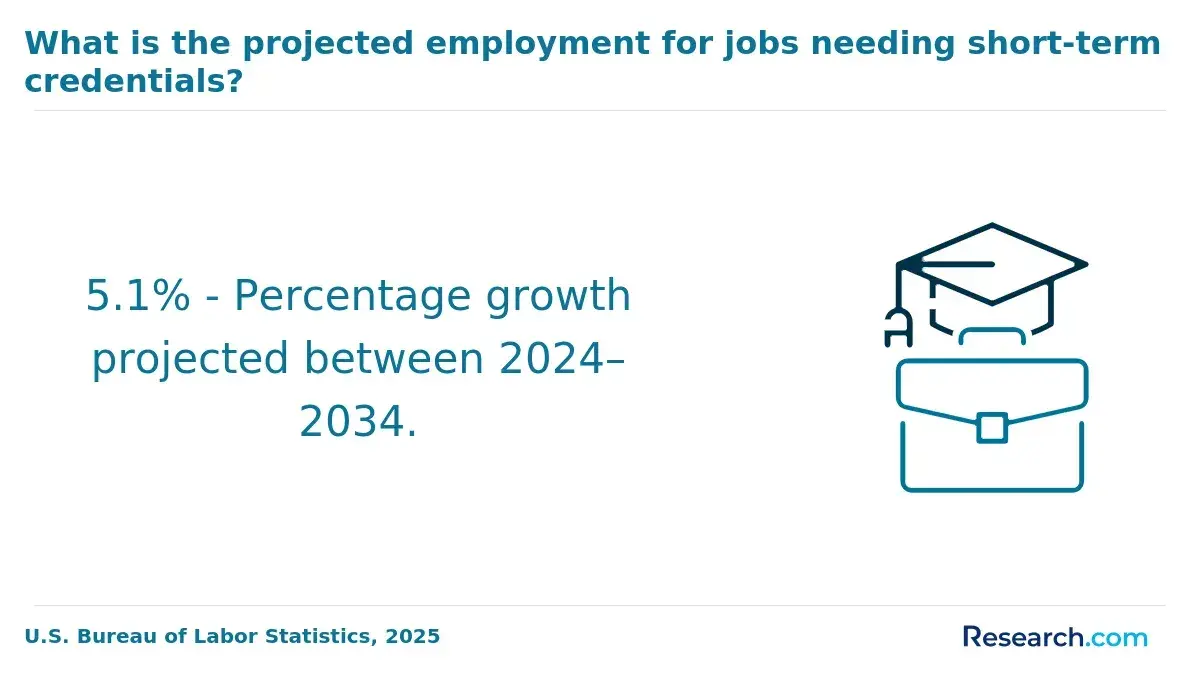
Freelance and self-employment options in school counseling are limited compared to other professions but are growing in specific niches like private educational consulting and online mental health coaching. Those who build a robust client base remotely can reduce unemployment risk by diversifying income streams outside traditional school systems. However, establishing such independent roles requires entrepreneurial skills and non-traditional credentials beyond a basic school counseling degree.
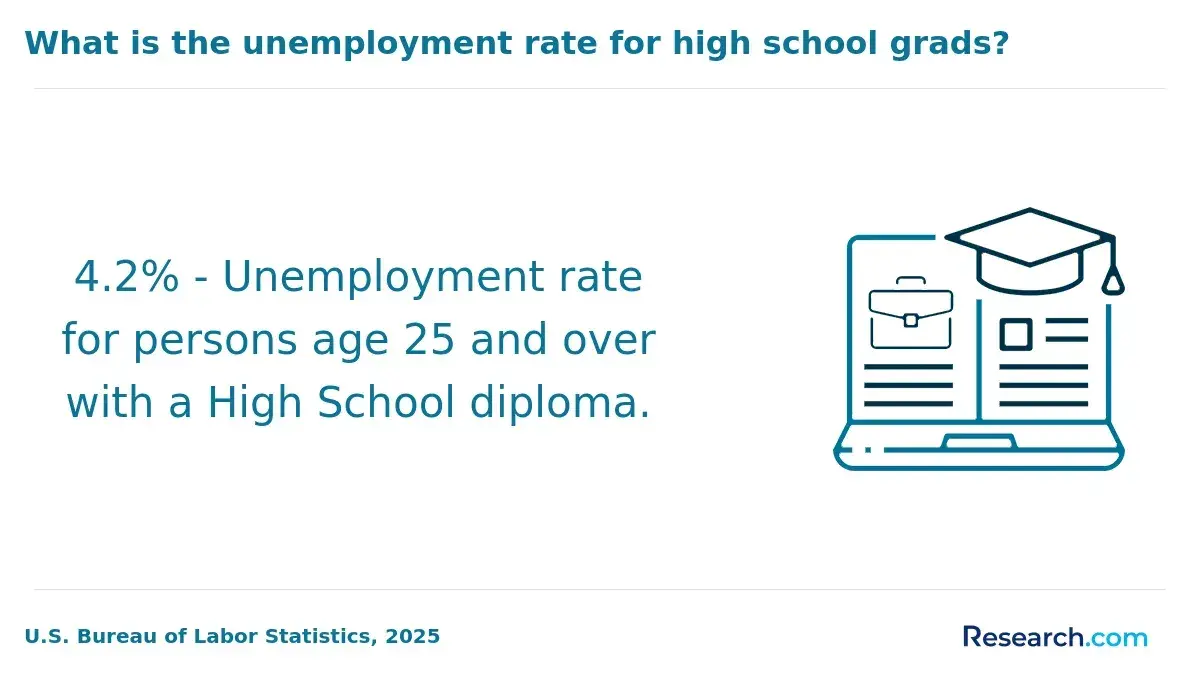
Unemployment data helps degree seekers identify which school counseling specializations offer more stable, long-term employment prospects. Areas with consistently low unemployment rates-such as school mental health counseling and college advising-indicate greater resilience in economic downturns and shifting work environments. Prospective students should prioritize specializations supported by strong demand and adaptive remote work capacities to optimize career flexibility.
- Remote School Counselor | VocoVision https://www.vocovision.com/teletherapy-jobs/remote-school-counselor/
- School Counseling and Social-Emotional Learning Move Online - Graduate Programs for Educators https://www.graduateprogram.org/blog/school-counseling-and-social-emotional-learning-move-online/
- Collaborations in School Counseling https://onlinecounselingprograms.com/become-a-counselor/resources/school-counselor-toolkit/collaborations/
- Work-From-Anywhere: The Productivity Effects of Geographic Flexibility - Microsoft Research https://www.microsoft.com/en-us/research/publication/work-from-anywhere-the-productivity-effects-of-geographic-flexibility/
- Remote Work in the Public Sector https://rgsjpa.org/remote-work-in-the-public-sector-opportunities-and-challenges/
- Remote School Counselor Jobs https://www.virtualvocations.com/q-remote-school-counselor-jobs.html
- The School Counselor and Virtual School Counseling https://www.schoolcounselor.org/Standards-Positions/Position-Statements/ASCA-Position-Statements/The-School-Counselor-and-Virtual-School-Counseling
- The Uneven Geography of Remote Work https://eig.org/the-uneven-geography-of-remote-work/
- The Transition to Online Counseling: Confidentiality, Privacy, Flexibility, and Barriers for Student Participation – Global Ed Leadership https://globaledleadership.org/2020/08/25/the-transition-to-online-counseling-confidentiality-privacy-flexibility-and-barriers-for-student-participation/
- The Most In-Demand Specializations for Counselors in 2025 https://agentsofchangeprep.com/blog/the-most-in-demand-specializations-for-counselors-in-2025/