2027 School Counseling Degree Careers Ranked by Salary, Growth, and Work-Life Balance

Co-Founder and Chief Data Scientist
Deciding on a career path with a school counseling degree often involves balancing salary, growth potential, and work-life harmony-a challenge that can cause uncertainty. For example, while some positions offer competitive pay, they may demand longer hours or limited advancement.
Recent data shows that the median salary for school counselors is around $58,000 annually, yet jobs with the highest growth rates often present modest wages or irregular schedules. This article will analyze various school counseling career options ranked holistically by salary, career growth outlook, and work-life balance-equipping readers to make informed, strategic career decisions.
Key Things to Know About School Counseling Degree Careers Ranked by Salary, Growth, and Work-Life Balance
- Salary ranges from $45,000 to $90,000 annually-with clinical and private practice roles offering the highest earnings among school counseling degree holders.
- Career growth outlook is robust-projected 8% growth through 2032 in educational and mental health sectors, reflecting increased demand for student support services.
- Work-life balance varies widely-school-based counselors typically report more stable hours, while private practice or administrative roles may require extended or irregular schedules.
How Are School Counseling Degree Careers Evaluated and Ranked Across Salary, Growth, and Work-Life Balance?
This article ranks school counseling degree careers using a balanced framework of three pillars-salary, career growth, and work-life balance-to provide a more comprehensive picture of career quality than compensation alone. Combining these dimensions helps reveal how each path performs financially, the stability and advancement prospects offered, and the lifestyle factors critical for long-term satisfaction.
Salary: Median earnings are based on the Bureau of Labor Statistics (BLS) Occupational Employment and Wage Statistics, offering a reliable financial benchmark for comparison across the United States.
Career Growth: Growth is measured using BLS ten-year employment projections, highlighting which fields are expanding and promising continued opportunities for individuals pursuing school counseling degree career salary growth analysis.
Work-Life Balance: This essential yet often underappreciated pillar draws on composite data from sources including the American Time Use Survey, Glassdoor employee reviews, and industry-specific workforce satisfaction surveys. It assesses the ability to maintain manageable hours, meaningful downtime, and overall job satisfaction-key work-life balance factors in school counseling careers United States.
These rankings function as a decision-making aid rather than a definitive hierarchy, recognizing that personal priorities differ-for example, some may seek flexibility over income or vice versa. Readers can align their career choices with what matters most to their lifestyle and professional aspirations.
The article evaluates five key career paths: K-12 school counselors, college student affairs professionals, mental health counselors in schools, school psychologists, and educational program coordinators. This evidence-based analysis guides readers toward realistic, rewarding opportunities.
For those interested in parallel healthcare degrees that may complement school counseling roles, consider exploring this comprehensive list of DNP programs to broaden your professional options.
Which School Counseling Degree Career Paths Offer the Highest Starting and Mid-Career Salaries?
Careers related to a school counseling degree offer varying salary potential shaped by credentials, workforce demand, and the economic importance of each role. Here are top-paying school counseling career paths ranked by median starting salary for new graduates and median mid-career wages for those with ten or more years of experience-data sourced from BLS Occupational Employment and Wage Statistics and NACE's annual salary surveys.
- Licensed Professional School Counselor: Entry-level median salaries generally start between $45,000 and $50,000, increasing to roughly $70,000 to $80,000 mid-career. State licensure requirements and the critical role of mental health services in schools contribute to this salary premium. This position is often found in public and larger school districts, which provide more stable salary scales.
- Educational Psychologist: Starting salaries typically hover near $60,000, with mid-career wages exceeding $90,000. Higher pay results from advanced degrees (master's or doctorate), expertise in psychological assessment, and the strong link between their work and student performance.
- Director of Guidance and Counseling Services: Beginning salaries tend to start at $55,000 and rise beyond $95,000 with experience. Leadership responsibilities, accountability for program outcomes, and employment in well-funded mid-to-large districts or private schools drive higher compensation.
- College and Career Advisor: This role starts near $43,000 and can rise to $75,000 mid-career. Salaries reflect the value of assisting students in aligning educational pathways with labor market trends, with larger institutions and private organizations offering the most competitive pay.
- Mental Health Counselor in School Settings: Entry salaries are around $40,000 but can surpass $70,000 mid-career, driven by licensure requirements and demand shortages. This niche offers steady growth and a favorable work-life balance.
Regional salary variation plays a significant role-urban and high-cost-of-living areas generally provide higher pay, while rural locations offer less but often compensate with lower living expenses. Employer type also affects compensation; public schools provide structured pay scales and benefits, whereas private institutions may vary widely, sometimes adding performance incentives.
For school counseling degree careers with the highest salary potential in the United States, understanding geographic factors can be key. Readers interested in learning more about location-specific trends should explore the dedicated geographic section. Additionally, professionals considering advanced credentials may find exploring programs like the MSN to DNP program beneficial for expanding their career opportunities.
What Do the Bureau of Labor Statistics Job Growth Projections Reveal About the Future of School Counseling Degree Careers?
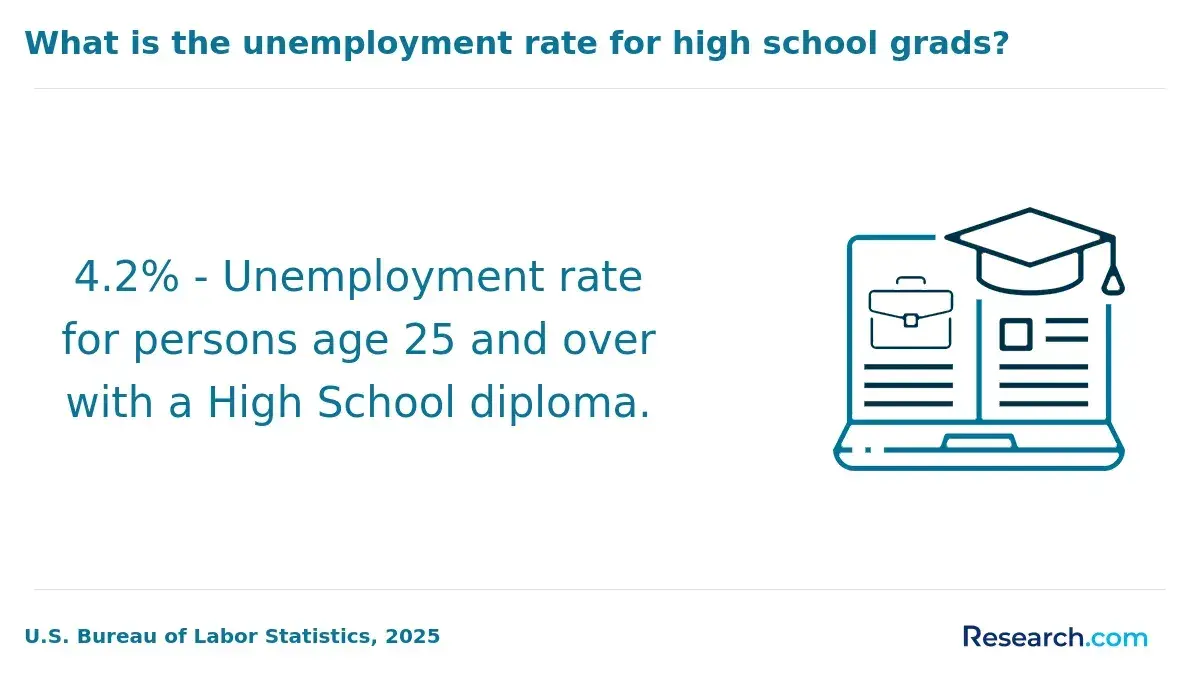
The Bureau of Labor Statistics (BLS) projects varied growth rates across careers suited for those with a school counseling degree, offering a roadmap to sectors with the strongest prospects.
- Above-Average Growth: Several roles linked to school counseling show robust expansion surpassing the national employment growth average of about 5%.
- Educational, Guidance, and Career Counselors and Advisors: Expected to grow approximately 11%, this field benefits from increasing demand for mental health and academic support among students.
- Substance Abuse, Behavioral Disorder, and Mental Health Counselors: Anticipated to surge about 22%, these roles respond to heightened societal focus on addiction recovery, mental wellness, and expanded insurance coverage.
- Healthcare and Social Service Roles: Positions like school social workers forecast growth around 12%, reflecting policy efforts to bolster integrated student support services.
Stable or Slow Growth: Some specialties show limited growth, suggesting the need for strategic career adjustments.
- Postsecondary Counselors and Advisors: Growth near 4% mirrors challenges like fluctuating college enrollment and fiscal constraints.
- School Psychologists: A steady 3% increase is projected, constrained by capped funding and increasing collaboration within multidisciplinary teams.
- Adapting Strategically: Counselors in slower-growth areas can enhance career stability by pursuing certifications, focusing on emerging fields such as trauma-informed care, or acquiring technology skills for virtual counseling.
BLS data provide a broad national overview; however, regional factors such as demographics and education budgets will significantly influence actual opportunities. These nuances will be considered in later geographic and sector-specific discussions.
A professional who completed a school counseling degree shared that navigating the job market felt overwhelming at times, especially when confronting varying prospects across specializations. He recalled the balancing act of choosing a focus that aligned not just with passion but with viable career trajectories. "It wasn't just about finishing the degree," he explained, "but understanding where my skills could meet real demand." Adapting as he gained experience-by obtaining additional credentials and embracing emerging counseling approaches-helped him build a rewarding career despite early uncertainty.
Work-life balance is assessed through multiple factors that reveal how school counseling professionals juggle their work and personal lives. Key measurable indicators include average weekly hours worked, schedule predictability, availability of remote or hybrid options, paid time off policies, and employee satisfaction ratings sourced from sites like Glassdoor, Indeed, and Payscale. These help form a composite view of work-life balance for each major career path.
- Average Weekly Hours: School counselors generally log between 35 and 45 hours weekly, though private or specialized roles may exceed 50 during peak times.
- Schedule Predictability: Public school settings often provide stable, school-year-aligned hours, while community agencies or mental health organizations may require irregular schedules.
- Remote or Hybrid Work: Traditional roles are mostly onsite, but some districts and agencies have adopted limited remote or hybrid work to increase flexibility.
- Paid Time Off Norms: Public sector jobs tend to offer more generous vacation and sick leave compared to nonprofit or private sector positions.
- Employee-Reported Satisfaction: Mid-career counselors report better work-life balance than early-career professionals, who face heavier workloads during adjustment phases.
Work-life balance factors in school counseling careers differ depending on job title, employer type, sector, and experience level. Early-career staff often have more demanding workloads as they build expertise. By choosing supportive employers, negotiating flexible terms, and aligning career decisions with personal priorities, counselors can actively shape their lifestyle balance.
This multidimensional approach to measuring work-life balance supports treating it as a dynamic feature of careers. For those interested in broader educational options, exploring the best school for medical billing and coding can also provide alternative pathways with varying work-life balance profiles.
Evaluating careers for those with a school counseling degree by equally weighing salary, job growth, and work-life balance reveals nuanced rankings. Roles that balance these elements well tend to outperform higher-paying positions with demanding schedules. Leading the list is the School Counselor-noted for competitive pay paired with steady growth and schedules aligned with academic calendars, fostering a healthy lifestyle.
The Educational Psychologist role stands out due to its strong growth potential and work-life balance, supported by above-average salaries, making it a specialized yet rewarding career. Meanwhile, College Admissions Counselor features moderate salary but excels in career advancement and manageable workload, appealing to those seeking stability.
Vocational Counselor is highly ranked for combining attractive salaries with high demand and flexible work conditions, supporting good balance. Academic Advisor earns a place for offering flexible schedules alongside solid growth prospects despite modest pay. The Behavioral Specialist role impresses with substantial career growth and reasonable work hours, offsetting varying salary levels. Finally, the School Social Worker balances lower salary with rapid growth and favorable work-life dynamics.
Individuals prioritizing income might favor careers like educational psychologist or behavioral specialist by adjusting the weighting toward salary. Conversely, those valuing flexibility could place school counselor or academic advisor higher. This framework helps tailor choices to personal priorities, ensuring a well-rounded career decision.
One professional who built her career after completing a school counseling degree shared that selecting her path was both exciting and challenging. She described carefully weighing the demands of each role against her personal life, noting that roles with predictable hours and growth potential appealed most. "I wanted more than just a paycheck-I needed a career that fit my long-term goals," she reflected. Her experience underscores how balancing multiple factors contributes to fulfilling career choices, illustrating the value of such composite rankings for graduates navigating their futures.
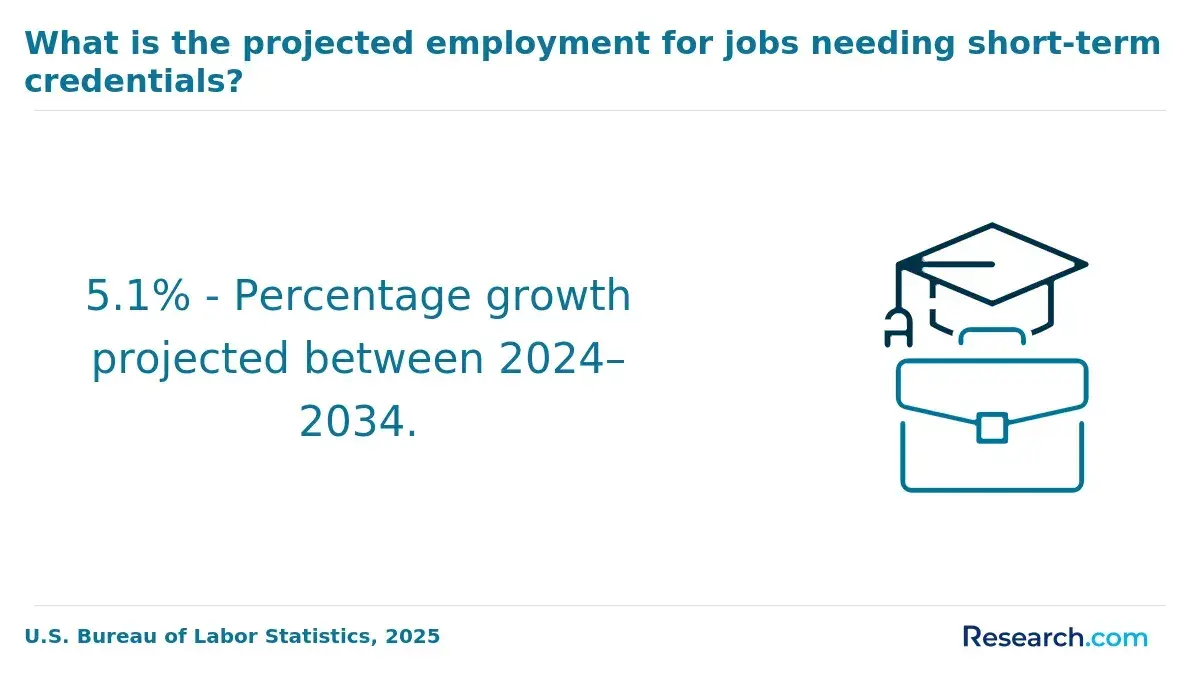
Choosing a defined specialization within school counseling shapes outcomes in salary, career advancement, and work-life balance, setting professionals on distinct paths compared to broader generalist roles. Analysis from the U.S. Bureau of Labor Statistics and specialized associations reveals notable variations across these dimensions depending on focus areas.
- Salary: Positions in college admissions counseling, mental health counseling, and career or vocational guidance often yield higher earnings than general school counseling. Mental health counselors in educational settings typically earn 10-20% more than median salaries due to increased demand for psychological services. Conversely, special education counseling may start with lower wages but offers growth through experience and certification.
- Career Growth: Specialties like trauma-informed and bilingual counseling experience faster job growth projections-between 8% and 12% over the next decade-exceeding the 7% average for generalists. Advancing in these areas often requires targeted graduate studies and credentials, speeding promotions within districts or nonprofit organizations.
- Work-Life Balance: While some lucrative roles, such as college admissions counselors, face intense periods impacting personal time, others like career counseling or school adjustment counseling maintain steadier hours, promoting better lifestyle balance. Generalists may balance varied duties but encounter slower salary increases over time.
- Timing and Pathway: Early decisions to specialize-through graduate coursework, certifications like Licensed Professional Counselor (LPC), or TESOL for bilingual work-strongly influence long-term earning potential and leadership prospects. Gaining experience in specialized internships further amplifies these benefits.
- Trade-Offs: Although specialists often attain rapid pay increases and clearer advancement, seasoned generalists cultivating broad strategic skills can surpass specialists' earnings at senior administrative levels. Balancing depth with versatility remains essential for maximizing both income and quality of life.
According to a 2023 National Education Association report, mental health counseling in schools is among the fastest-growing specializations, reflecting heightened attention to student mental well-being and expanding opportunities for school counseling professionals.
Geographic location significantly influences median salaries, job growth, and work-life balance for school counseling graduates, based on BLS sub-national Occupational Employment and Wage Statistics and state workforce reports.
- Northeast: This region features some of the highest median salaries in metropolitan hubs like New York City and Boston. However, high living costs often reduce purchasing power. Employment growth is moderate but steady, and work-life balance can be challenging due to longer commutes and denser urban settings.
- Southeast: Generally lower base salaries compared to the Northeast are offset by affordable housing and lower taxes. Cities such as Atlanta and Miami show strong job growth, while work-life balance benefits from shorter commutes and community-oriented environments.
- Midwest: Median salaries tend to be moderate with steady employment growth. Markets including Minneapolis and Columbus offer a balance of reasonable living costs and professional opportunities, supporting favorable work-life balance with predictable schedules and manageable commutes.
- Southwest: Rapidly expanding urban areas like Dallas and Phoenix provide competitive salaries and robust job growth. Cost of living varies, but many mid-sized cities remain affordable, though caseloads may increase due to population surges.
- West: High-paying centers such as San Francisco and Seattle offer attractive salaries, but elevated housing expenses erode net earnings. Expanding remote and hybrid work options allow some school counseling professionals to earn metropolitan-level compensation while residing in lower-cost locations.
Remote and hybrid work models are increasingly decoupling salary from location-especially in specialized school counseling roles tied to private or charter schools-allowing professionals to leverage high salary benchmarks while benefiting from lower living costs elsewhere. Consequently, geographic strategy has become vital in career planning for school counseling graduates.
Choosing the optimal location depends on individual career paths and lifestyle priorities including commute tolerance, community ties, housing affordability, and proximity to family. Evaluating regional variations helps future and current school counseling professionals balance salary potential, career growth opportunities, and sustainable work-life balance.
Salary: Public sector school counseling roles generally offer lower base salaries at entry and mid levels compared to the private sector-entry-level public school counselors may earn about 10-15% less than those working in private educational institutions or non-profit organizations. However, at senior levels, this gap narrows due to structured pay scales and seniority rewards typical within public agencies. Additionally, public sector compensation packages often include valuable benefits such as defined-benefit pensions, eligibility for federal and state loan forgiveness programs, and more comprehensive health coverage. When these factors are considered, the effective compensation gap diminishes significantly, making public sector positions financially competitive over the long term.
Growth: Career growth for school counseling in the public sector is shaped by government education funding, shifting demographics, and policy priorities focusing on expanding mental health support in schools. State Departments of Education and large urban school districts, in particular, show steady hiring increases driven by mandates for lower student-to-counselor ratios and the rise of social-emotional learning initiatives. Conversely, growth in the private sector is concentrated within charter schools, private K-12 institutions, and non-profit organizations offering specialized counseling services or targeting underserved populations. While growth rates here may fluctuate with market demand and philanthropic funding, entrepreneurial opportunities and program innovation create dynamic job prospects. The public sector's growth trends tend to be more stable thanks to consistent budget appropriations and legislative backing.
Work-Life Balance: Public sector school counseling roles typically provide more predictable schedules and generous leave policies, supported by union protections, formalized vacation accrual, and standardized holiday calendars. These conditions contribute to higher reported satisfaction with leave flexibility and schedule consistency, which are important for family life and personal well-being. In contrast, work-life balance in private sector roles varies widely-some non-profits offer flexible arrangements, while many private schools require longer hours and less predictable workloads. That said, some private employers provide innovative wellness programs and remote work options that can enhance balance for select counselors. Importantly, work-life balance differs considerably within both sectors based on role complexity, agency size, and career stage, underscoring the need to evaluate specific job conditions rather than rely solely on general trends.
For those exploring school counseling degrees and career paths, programs offering the best online exercise science degree may also prove valuable in developing holistic health perspectives relevant to counseling. Understanding such interdisciplinary opportunities can enrich your career outlook in both public and private sectors.
Earning advanced degrees and certifications significantly shapes salary, career growth, and work-life balance in school counseling professions. Data from the National Association of Colleges and Employers and the Bureau of Labor Statistics reveal unique returns on investment associated with each credential type, helping professionals make informed career decisions beyond just academic achievement.
- Master's Degree: Often required for licensure, a master's degree typically adds a 15-25% salary premium over a bachelor's, with an average program length of 2 years and moderate tuition costs. It opens career paths such as licensed school counselor and clinical supervisor, accelerating advancement. Work-life balance often improves due to greater schedule stability in these roles, making it a strong option for those focusing on advanced degrees for school counseling salary growth.
- Doctoral Degree (PhD or EdD): Requires 4-6 years of study with higher tuition fees and leads to leadership roles like district counseling coordinator or counselor educator. These positions can pay 30-40% more than entry-level roles but may entail administrative burdens that challenge work-life balance despite increased autonomy.
- Professional Certifications (e.g., Licensed Professional Counselor, National Certified Counselor): These credentials build on a master's degree plus supervised experience and licensing exams, adding 10-20% salary boosts. They expand clinical and private practice opportunities and often support better work-life balance through more flexible schedules-key for certifications improving work-life balance in school counseling careers. For professionals interested in more dynamic academic pathways, exploring direct entry MSN programs for non nursing majors can also be relevant.
Targeted credentialing aligned with personal career priorities is more beneficial than accumulating qualifications indiscriminately. Those prioritizing salary gains might pursue advanced degrees, growth-focused counselors may seek leadership roles via doctoral credentials, and professionals valuing lifestyle balance could select certifications that enable flexible, self-directed work. Understanding these trade-offs enables school counseling professionals to invest strategically in the credentials best suited to their career goals.
Remote and hybrid work availability varies widely across school counseling career paths, influenced by job functions and employer expectations. Traditional roles focused on direct student interaction typically demand in-person presence, limiting flexibility. In contrast, positions in counseling research, teletherapy, and educational program development provide greater location independence-with about 40% of professionals in these specialties engaging in some remote work according to the BLS American Time Use Survey and Owl Labs' 2023 State of Remote Work report.
- Salary: Positions permitting remote work generally offer salaries on par with their on-site counterparts, though some teletherapy and research roles include modest pay premiums due to specialized expertise. Geographic arbitrage enables remote practitioners to reside in lower-cost areas while earning salaries aligned with urban centers, effectively boosting real income for some.
- Career Growth: Advancement prospects differ depending on work location norms-fields like educational technology and counseling research, where remote setups are routine, show career trajectories comparable to traditional paths. However, roles requiring regular on-site attendance may face slower progression if remote work reduces visibility and networking opportunities.
- Work-Life Balance: Remote arrangements offer clear advantages such as eliminating commute time, flexible scheduling, and increased autonomy that enhance balance for many. Conversely, challenges arise from blurred personal-professional boundaries and an "always-on" culture, potentially harming those lacking dedicated workspaces or strong time management.
LinkedIn Workforce Insights recently highlighted that 35% of school counseling-related jobs now include remote or hybrid options, marking cautious but growing acceptance of flexible work in this field.
Several school counseling careers stand out by offering strong salaries, promising growth, and manageable work-life balance-qualities that rarely require sacrificing one dimension for another. Analysis based on Glassdoor ratings, PayScale's Work-Life Balance Index, and the BLS American Time Use Survey reveals roles that consistently rank high in these areas, largely due to the structure of their work environments and employer expectations.
- Elementary School Counselor: Predominantly employed in public or private elementary schools, these counselors benefit from schedules aligned with the academic calendar, including holidays and summers off. The role features moderate yet steady compensation, steady demand reflecting increased awareness of early childhood mental health, and well-defined work hours that help preserve personal time-especially in supportive school settings.
- High School Career Counselor: Focused on assisting students with academic planning and career readiness, these counselors typically follow consistent school day hours. Their positions are growing as educational institutions emphasize college and vocational preparedness. Salaries are competitive within the counseling field, and the fixed schedules contribute to a reliably balanced professional and personal life.
- School Counseling Coordinator or Specialist: These professionals work within school districts or educational agencies, blending counseling with program oversight and policy development. Despite increased responsibilities, the roles tend to maintain regular hours and offer career advancement with salary increases. Administrative environments often limit overtime, supporting a sustainable work-life balance.
Individual experiences with work-life balance vary considerably depending on leadership styles, team atmosphere, and personal boundary-setting strategies. Therefore, these rankings should be seen as an initial filter for job seekers rather than a definitive indicator of any particular employer's culture.
Employment in school counseling is expected to grow by 7% from 2022 to 2032, highlighting the enduring need for professionals who can foster student well-being while maintaining rewarding career conditions.
What Graduates Say About the School Counseling Degree Careers Ranked by Salary, Growth, and Work-Life Balance
- Alfonso: "Graduating with a degree in school counseling truly opened my eyes to the diverse opportunities available within the field. From my research and experience, the salary tends to be moderate but steady, which is comforting when planning for the future. Most importantly, I was impressed by the long-term career growth potential-it reassured me that investing in this path would bring increasing rewards over time."
- Eduardo: "Reflecting on my journey through school counseling, I realize the day-to-day work-life balance is one of the most valuable aspects. The role allows meaningful connections without overwhelming hours, which is rare in many careers. While salary isn't the highest, I believe the personal satisfaction and steady career growth make it an excellent choice for those passionate about helping others."
- Thiago: "Professionally speaking, ranking school counseling careers involves weighing multiple factors. Salary is modest compared to some other professions, but the potential for long-term advancement is strong. The work-life balance also stands out-it provides a stable and rewarding daily routine that keeps stress manageable, which is essential for longevity in this field."
Other Things You Should Know About School Counseling Degrees
Entry-level school counseling positions typically offer lower salaries but present important opportunities to gain experience and establish professional skills. Growth potential increases significantly with senior-level roles, which often include leadership responsibilities and higher pay. However, senior positions may involve more administrative duties, which can sometimes affect work-life balance compared to more direct counseling roles at the start of a career.
School counseling graduates aiming for optimal salary, growth, and work-life balance should consider factors such as geographic location, school type (public, private, charter), district funding, and demand for counseling services. Public school positions may offer more stability, while private sectors might provide competitive salaries and unique growth opportunities.
Early career choices such as selecting a district with strong funding or gaining certifications in specialized counseling areas can boost salary and advancement prospects. Pursuing roles that offer mentoring and professional development helps establish a clear path for growth. Graduates should also consider workload expectations and organizational culture to preserve a healthy work-life balance as they advance.
Yes. Public school counselors usually need a state-issued school counselor license or certificate, which typically requires a master’s degree, a supervised internship, and passage of a state-recognized exam such as the Praxis School Counselor test. Private school rules vary, but many still prefer licensed counselors.
- Public vs. Private Sector Jobs: Choosing a Career Path https://tsengcollege.csun.edu/blog/public-vs-private-sector-jobs-choosing-a-career-path
- Work-Life Balance in Remote Working and How to Maintain It https://cuckooworkout.com/how-to-maintain-work-life-balance-in-hybrid-and-remote-work/
- School and Career Counselors: Salary, career path, job outlook, education and more - RaiseMe https://www.raise.me/careers/community-and-social-service/school-and-career-counselors/
- School Counseling/College Resources - Future Job Projections https://resourcecenter.waltersignora.com/career-info/future-job-projections
- School Counselor Salary https://socialworklicensemap.com/social-work-resources/school-counselor-salary/
- How Counselors Can Achieve Work-life Balance https://onlinedegrees.bradley.edu/blog/how-counselors-can-achieve-work-life-balance
- School Counselor Salary (2025 Median Annual by State) https://www.allpsychologyschools.com/school-counseling/salary/
- Why You Should Pursue a Master’s in School Counseling Right Now - Graduate Programs for Educators https://www.graduateprogram.org/blog/why-you-should-pursue-a-masters-in-school-counseling-right-now/
- The Rise of Hybrid Work: Redefining Work-Life Balance https://blog.radancy.com/2025/02/06/the-rise-of-hybrid-work-redesigning-work-life-balance/
- Employment statistics for graduates: how country and major shape your career - GLOSS Education Agency https://gloss.education/en/blog/employment-statistics-for-graduates-how-country-and-major-shape-your-career