2027 Worst States for School Counseling Degree Graduates: Lower Pay, Weaker Demand, and Career Barriers

Co-Founder and Chief Data Scientist
Imagine a recent school counseling graduate relocating to a state where median salaries fall 20% below the national average, and job openings grow slower than the national rate of 4% annually. Low industry concentration and uneven economic conditions can restrict career advancement and limit access to crucial roles in K-12 settings and community centers. Such disparities highlight how location can hinder employment prospects and long-term growth in school counseling careers. This article explores the worst states for school counseling degree graduates, analyzing pay scales, job demand, and career barriers to guide readers toward smarter decisions about where to live and work.
Key Things to Know About the Worst States for School Counseling Degree Graduates
- States with lower salaries for school counseling degree graduates often offer annual wages 15-25% below the national median, significantly affecting financial stability.
- Weaker job demand in rural and economically challenged states leads to higher competition and fewer openings for entry-level counselors.
- Geographic barriers, such as limited urban centers, restrict professional networking and advancement, hindering long-term career growth opportunities.
Which States Are the Worst for School Counseling Degree Graduates?
Certain states in the U.S. present less favorable conditions for school counseling degree graduates, marked by lower salaries, limited job demand, and fewer career opportunities. For example, wage data shows that states like Mississippi and West Virginia offer annual salaries for school counselors that can be 20-30% below the national median, creating significant economic challenges. These disparities are crucial for graduates to consider when assessing their career prospects.
The following states exemplify these challenges due to compensation and employment factors:
- Mississippi: Frequently ranked low in average pay for school counselors, limited education funding and economic constraints restrict the number of full-time school counseling positions available across the state.
- West Virginia: Offers modest salaries combined with a shrinking student population, resulting in fewer employment opportunities and stagnant career growth.
- Alabama: Despite steady student enrollment, salary levels remain low relative to other states, and many counseling roles are part-time or temporary, creating instability for recent graduates.
- Arkansas: Faces similar issues with below-average pay and limited school districts expanding counseling staff, restricting job market growth.
- Louisiana: Struggles with both low compensation and fewer school counseling positions due to budget limitations in education sectors.
Graduates should recognize that states with weak job demand for school counseling graduates may impact their ability to find stable employment. For those exploring options, considering accelerated programs in higher-demand areas could provide alternative pathways to quicker job placement and career advancement.
Why Do Some States Offer Lower Salaries for School Counseling Graduates?
Salary differences for school counseling degree graduates across states often reflect broad economic and structural factors rather than individual qualifications or experience. Regional industry composition plays a large role: states with more substantial public education systems or stronger investments in mental health and student support typically offer higher wages.
Employer concentration also matters, as areas with dominant school districts often have standardized pay scales influenced by local funding and union presence. According to the U.S. Bureau of Labor Statistics, median annual wages for education, training, and library occupations can vary by up to 30% between the highest- and lowest-paying states, demonstrating significant state-by-state demand for school counseling degree jobs.
Additional economic variables, including differences in state education funding mechanisms and regional disparities in labor market competitiveness, contribute to salary variations. Broader economic scale matters as well; wealthier states with diverse economies generate more tax revenue, enabling better funding for school counseling positions.
These factors create systemic influences on compensation that are reflections of regional economic capabilities and institutional priorities rather than individual merit. Prospective students may also compare opportunities by exploring related fields and programs such as the cheapest online nursing programs to understand broader salary and job market trends in healthcare and education sectors.
Which States Have the Weakest Job Demand for School Counseling Careers?
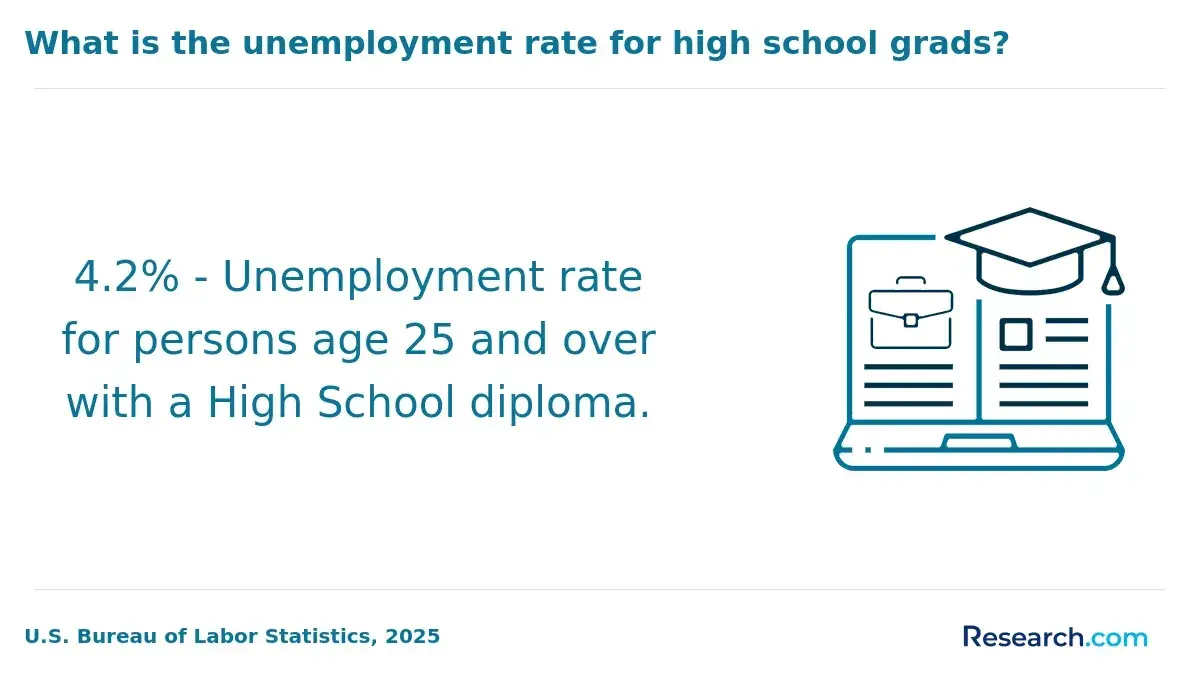
Job opportunities for school counseling graduates differ widely across the United States, influenced by variations in economic health, regional education funding, and the presence of relevant industries. According to data from the U.S. Bureau of Labor Statistics, employment rates for educational and vocational counselors can fluctuate by more than 40% depending on the state, illustrating stark differences in demand across regions. These disparities affect where new graduates are most likely to find employment.
Below are states where job demand for school counseling careers tends to be especially low, with general factors contributing to fewer openings:
- Alaska: The limited number of schools and districts in the state, combined with smaller population centers, results in fewer counseling positions. Restricted funding and a sparse employer base in education further narrow opportunities for graduates.
- Wyoming: A largely rural state with low student populations, Wyoming's demand for school counselors is limited. Employers in education are fewer, reducing available roles for recent graduates.
- Montana: Similar to Wyoming, Montana experiences constrained job openings due to its small urban centers and concentrated education budgets. This impacts the volume of school counseling roles across the state.
- North Dakota: Fewer schools and a limited number of districts curtail the market for school counselors. Lower investment in school-based mental health initiatives also restricts job growth.
- South Dakota: Geographic isolation and modest education sector funding contribute to weak demand. The small scale of school systems means fewer career openings for counseling professionals.
A School Counseling degree graduate shared that searching for positions in these low-demand states often felt discouraging. He described spending months applying with minimal response, noting that "the scarcity of openings meant I had to consider relocating or broadening my job search beyond traditional school roles." The isolation combined with limited networking opportunities made the process emotionally taxing and complicated plans for starting a career locally.
Entry-level positions for school counseling graduates differ widely by state, influenced by employer density, industry concentration, and overall economic health. Research shows some regions experience up to 30% fewer early-career job openings compared to top-performing states. These factors also impact school counseling degree salary growth by industry across the country.
Below are states with relatively scarce entry-level opportunities for school counseling graduates:
- Wyoming: A smaller employer base and limited numbers of large school districts reduce entry-level openings. The state's low population limits industry presence, affecting early career prospects.
- Vermont: Underfunded public education and few urban centers with larger counseling staffs result in fewer available positions. Graduates often face stiff competition for limited roles.
- Alaska: Geographic isolation and sparse populations in remote communities significantly hinder the number of school counseling jobs for beginners, further limiting early-career growth.
- Mississippi: Limited public funding for education restricts employer density and available counseling roles, challenging recent graduates seeking experience.
- South Dakota: Smaller educational systems and a modest industry footprint reduce entry-level opportunities, impacting new school counseling professionals' job availability.
Prospective students may benefit from exploring self paced online universities to expand career options beyond geographic constraints while considering top industries for school counseling salary increases.
Career obstacles for school counseling graduates differ significantly across states, shaped by local economic conditions and education systems. In some areas, employment rates vary by more than 20%, revealing deep inequalities that influence job access and professional growth. These challenges can make it difficult for new counselors to find favorable opportunities in certain regions.
Common systemic barriers include:
- Limited Industry Presence: States with fewer educational institutions employing dedicated counselors offer a narrower job market. Graduates may struggle to secure positions simply due to a lack of available roles.
- Reduced Employer Diversity: A scarcity of varied employers like private schools or community agencies restricts options. This can prevent counselors from finding work that aligns with their specialization or career interests.
- Wage Disparities: Differences in state budgets and funding create uneven salaries. Lower pay in some regions may deter new graduates from entering the profession or cause dissatisfaction over time.
- Fewer Advancement Pathways: Opportunities for leadership or career progression within school counseling can be scarce in certain states. This limitation can hinder motivation and long-term retention in the field.
Reflecting on her experience, a professional with a school counseling degree described navigating multiple state certification processes, which delayed her job start by months. She noted feeling "frustrated by inconsistent requirements" and having to invest extra time and resources to meet varied licensure standards. Despite these hurdles, she emphasized that persistence and networking eventually helped her secure a role where she could grow. Her journey highlights how regulatory complexities can impact early career development and the importance of resilience in overcoming such barriers.
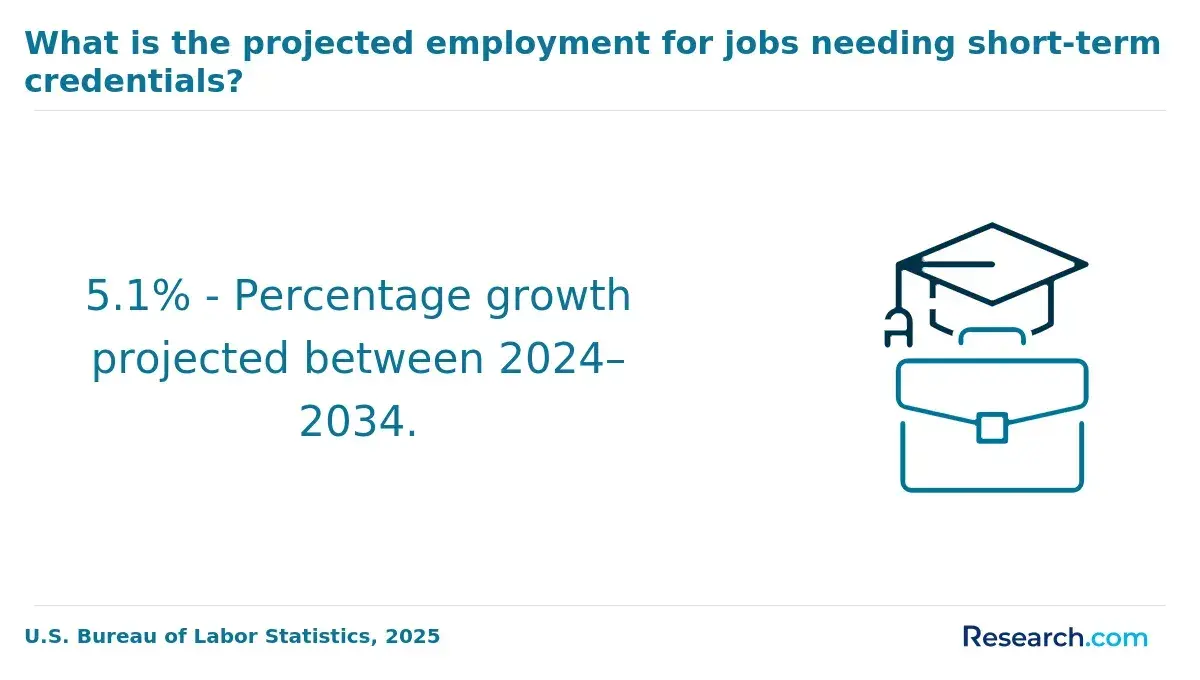
The availability of school counseling positions and compensation levels are closely tied to the presence of core industries like education, healthcare, and social services within a state. Regions with a dense network of public and private schools, alongside robust community organizations focused on youth, tend to sustain consistent demand for school counseling professionals.
For instance, states where these sectors dominate often see higher salary ranges and more job openings. According to the U.S. Bureau of Labor Statistics, states with strong educational and social service industries report median wages for school counselors that are up to 20% above the national average.
Broader economic factors such as regional wealth, employer diversity, and market competition also significantly influence employment conditions. States with wealthy, diverse economies like California and New York offer more abundant opportunities and generally better job security.
In contrast, areas with limited employer bases and narrower economic sectors, like West Virginia and Mississippi, frequently experience reduced job availability and lower wages. These dynamics shape the overall landscape, where economic strength and industry concentration work together to affect career stability and growth prospects for school counseling graduates nationwide.
Regional cost of living significantly shapes salary levels for school counseling graduates across the United States. Employers often adjust compensation to align with local expenses, ensuring salaries reflect the purchasing power necessary to maintain a reasonable standard of living. According to the U.S. Bureau of Economic Analysis, cost of living indexes can vary by more than 50% between high- and low-cost states, directly impacting wage adjustments for professions such as school counseling.
The following patterns illustrate how cost of living influences salary variations for school counseling roles across different regions:
- Salary Adjustments in High-Cost Areas: Employers in states or metropolitan areas with elevated living expenses tend to offer higher nominal salaries to offset increased costs related to housing, transportation, and childcare.
- Lower Salaries in Affordable Regions: In areas where the cost of essentials is relatively low, nominal wages for school counseling positions are often reduced, reflecting decreased financial pressure on compensation.
- Purchasing Power Disparities: A salary that appears modest in one state may provide a comfortable lifestyle when adjusted for local costs, highlighting the importance of considering real income rather than nominal figures alone.
- Regional Economic Factors: Variations in taxation, funding availability for educational services, and broader economic conditions contribute to uneven salary distributions even among comparable school counseling roles.
Evaluating these cost-of-living influences is essential for school counseling graduates weighing job offers or relocation decisions, supporting realistic financial expectations aligned with geographic economic realities.
Remote work has expanded opportunities for graduates pursuing careers in school counseling, especially in states with lower pay and limited job availability. For those in regions where demand is weak, the ability to perform certain counseling functions remotely offers a viable strategy to access a broader range of employers beyond local school districts.
Nearly 30% of education professionals have adopted some form of remote work since the COVID-19 pandemic, showcasing how graduates can leverage telecounseling and virtual platforms to connect with students or clients across state lines. This development positions remote school counseling careers as a valuable approach for graduates in states with lower pay and fewer traditional roles.
The relationship between remote work and the geographical distribution of job opportunities, however, remains complex due to varying state licensing and regulatory requirements. Compliance with local policies often necessitates in-person presence, which limits the extent to which remote work can fully offset local job scarcity.
Nonetheless, remote work softens the link between location and employment prospects by enabling hybrid and telepractice models that reduce reliance on regional economic conditions. Graduates should remain aware of evolving licensure portability and telehealth regulations to maximize remote work's career benefits while navigating differences in industry concentration. Prospective students may also explore the best dietetics programs for additional insight into flexible education pathways that complement remote work options.
A weak job market for school counseling graduates typically means fewer hiring opportunities, lower entry-level availability, and slower employment growth. Some regions experience a 10% or greater reduction in hiring for professional counseling roles compared to national trends, making it challenging for new graduates to find work. These conditions often stem from reduced funding and oversupply of qualified candidates.
To navigate career obstacles effectively, graduates can adopt several strategies designed to improve employability and expand access to opportunities.
- Enhance Credentials: Pursuing specialized certifications or additional continuing education helps differentiate candidates in a tight job market. Many graduates explore options such as a shortest PMHNP certificate program to boost their qualifications.
- Expand Skill Sets: Developing diverse skills-including mental health expertise, data analysis, and crisis intervention-can make candidates more versatile and better suited for various roles.
- Network Actively: Building relationships within school counseling and educational communities uncovers hidden job leads and fosters mentorship, which is invaluable when demand is low.
- Gain Practical Experience: Volunteering or completing internships not only strengthens résumés but also demonstrates commitment, even when paid positions are scarce.
- Stay Flexible: Being open to part-time, contract, or alternative roles can create footholds in a constrained job market, potentially leading to long-term employment.
The location chosen for a school counseling career plays a crucial role in shaping salary, job availability, and professional growth. Some regions experience up to 20% more job openings in student support services, highlighting stark disparities in opportunity across different areas. These variations stem from differences in population, education priorities, and funding allocations.
Several key factors should guide where school counseling graduates consider building their careers:
- Industry Concentration: Regions with a larger number of K-12 schools, both public and private, tend to offer greater employment options for school counselors due to increased demand.
- Salary Conditions: Compensation levels can vary widely, with certain areas providing pay that more accurately reflects counselors' educational background and certifications.
- Opportunity Availability: Regional education budgets and the emphasis placed on student mental health influence the number and stability of job openings in school counseling.
- Long-Term Career Alignment: Locations that support ongoing professional development and offer pathways for advancement help sustain long-lasting career growth for counselors.
What Graduates Say About the Worst States for School Counseling Degree Graduates
- Alfonso: "Graduating with a school counseling degree was a pivotal moment for me, but I quickly learned that not all states offer the same opportunities. Staying in a state with poor demand felt limiting, and I had to navigate those professional challenges daily. Eventually, I chose to move to a location with stronger job prospects, which reignited my passion for helping students thrive."
- Eduardo: "Reflecting on my journey as a school counseling graduate, I realized how vital it is to consider the regional job market. I initially stayed where I was, despite weak demand, and it was a struggle to find meaningful work. While remote opportunities are growing, I found relocating to a more supportive state enhanced the impact my degree could have on my career and clients."
- Thiago: "My school counseling degree has been instrumental in shaping my professional identity, but the state I lived in had limited demand for my skills. I took a strategic approach by seeking remote roles and ultimately deciding to move to a state with better resources and recognition of the profession. This shift vastly improved both my career satisfaction and the effectiveness of my work with students."
Other Things You Should Know About School Counseling Degrees
Yes, graduates in states with weaker demand often find fewer professional development resources specific to school counseling. This scarcity can impact skill advancement and networking, which are crucial for career growth. Reduced access to workshops, conferences, and mentorship programs limits exposure to new counseling techniques and policy updates.
In certain states, alternative counseling roles such as mental health counselors or social workers may dominate school and community settings. This overlap can reduce the availability of jobs specifically titled for school counseling graduates, as schools may hire professionals with broader counseling licenses to fulfill similar duties. Such shifts can limit targeted career paths for graduates trained specifically in school counseling.
Several low-demand states still require a separate K–12 school counseling license or endorsement after a CACREP-accredited master’s degree. Examples include passing the PRAXIS School Counselor exam and completing a state-approved educator-preparation program through the state licensing board or department of education before district hiring is allowed.
- School Counselor Salary (2025 Median Annual by State) https://www.allpsychologyschools.com/school-counseling/salary/
- Most states have a school counselor shortage. Here’s where they’re needed the most - Main Street Media of Tennessee https://mainstreetmediatn.com/articles/bargainbrowser/most-states-have-a-school-counselor-shortage-heres-where-theyre-needed-the-most-11/
- Remote work https://www.uft.org/your-rights/know-your-rights/remote-work
- Career Goal-Setting for Black, Indigenous and Students of Color from High-Poverty Urban Areas https://www.ncda.org/aws/NCDA/page_template/show_detail/384442
- Best & Worst States to Earn a Master’s Degree https://www.onlinemastersdegrees.org/features/best-and-worst-states-for-masters-degrees/
- 8 Tips to Help You Land Your Dream School Counseling Job - Simply Imperfect Counselor https://simplyimperfectcounselor.com/8-tips-to-help-you-land-your-dream-school-counseling-job/
- State-By-State Mandates for Professional School Counseling https://onlinedegrees.bradley.edu/blog/state-by-state-mandates-for-professional-school-counseling
- Arizona has the worst ratio of students to school counselors in the U.S. - Axios Phoenix https://www.axios.com/local/phoenix/2024/05/31/school-counselor-shortage-arizona
- Turning Barriers into Opportunities https://www.schoolcounselor.org/Newsletters/September-2020/Turning-Barriers-into-Opportunities