
2027 Which School Counseling Degree Careers Offer the Best Return Without Graduate School?

Co-Founder and Chief Data Scientist
As education costs continue to rise, many recent graduates weigh the financial burden of graduate school against potential earnings. Completing a bachelor's degree in school counseling-related fields can lead to various entry-level roles, yet only some offer competitive salaries without advanced degrees.
National data shows that approximately 30% of school counseling professionals enter the workforce with only a bachelor's degree, often facing slower wage growth compared to those with graduate credentials. Identifying which school counseling degree careers provide the best return without graduate school is key for students focused on salary potential and long-term career stability. This article explores those career options and their earning prospects.
Key Benefits of School Counseling Degree Careers That Offer the Best Return Without Graduate School
- Strong earning potential with average early salaries around $45,000 supports accelerated salary growth, enhancing long-term return on investment for school counseling careers without graduate degrees.
- Stable job demand and consistent career growth projections, with 7% employment increase expected through 2031, provide solid financial security in school counseling roles.
- Accessible entry requirements allow bachelor's degree holders to enter the workforce quickly, bypassing lengthy graduate education and maximizing early career earnings in the school counseling field.
Which School Counseling Careers Offer the Best Return Without Graduate School?
Maximizing return on investment is a key consideration for students exploring school counseling career paths that do not require graduate education. The U.S. Bureau of Labor Statistics reports that the median annual salary for educational, guidance, school, and vocational counselors was about $66,000 in 2024, highlighting the potential to earn a competitive wage with relevant roles accessible at the bachelor's degree level.
Several positions provide a balanced combination of compensation, career longevity, and advancement opportunities without the need for advanced degrees.
- Academic Advisor: Academic advisors support students in course selection and degree planning while often enjoying steady demand in colleges and high schools. This role offers stable employment and benefits, with options for advancement into student services or administrative positions, making it a high-return path in school counseling without graduate school.
- School Liaison Officer: School liaison officers facilitate communication between families, educational staff, and community resources primarily in public or private districts. This job provides consistent employment with a meaningful community impact and does not require graduate-level education, appealing to those seeking career longevity.
- Career Services Specialist: Professionals in this area guide students through job placement and career planning, supporting workforce readiness. The wide applicability across educational institutions enhances job security and the potential for long-term growth without the need for an advanced degree.
- Behavioral Interventionist: Behavioral interventionists create and implement individualized support plans for students facing behavioral challenges, working under licensed professionals. As awareness of student mental health grows, this role's demand is increasing, offering meaningful work that typically requires only a bachelor's degree.
What Are the Highest-Paying School Counseling Jobs Without a Master's Degree?
For students seeking strong career prospects in school counseling without pursuing a master's degree, evaluating earning potential is essential. Data from the U.S. Bureau of Labor Statistics shows that some school counseling-related roles provide competitive salaries, often reaching $60,000 annually, based solely on a bachelor's degree.
Below are several well-paying positions available at this level often accessible through fast track programs:
- School Social Worker Assistant: This role supports licensed social workers by addressing students' social and emotional challenges. Salaries typically range from $40,000 to $55,000 per year, making it a solid option for impactful work within educational settings.
- Career Counselor Assistant: Career counselor assistants help students develop career plans under supervision, with typical earnings between $45,000 and $60,000 annually. The combination of direct student interaction and career guidance places this job among the higher-paying roles without graduate credentials.
- Educational Program Coordinator: Managing programs that foster student success and well-being, these coordinators earn between $50,000 and $65,000 per year. Their responsibility for organizing programs and facilitating outreach justifies their comparatively strong compensation.
- Admissions Counselor: Admissions counselors assist prospective students through enrollment processes, earning about $45,000 to $60,000 annually. Their mix of interpersonal skills and educational knowledge supports this attractive salary range.
These jobs illustrate that viable, well-compensated career pathways exist in school counseling without a master's degree, offering both meaningful work and financial stability.
Which Industries Offer High Salaries Without Graduate School?
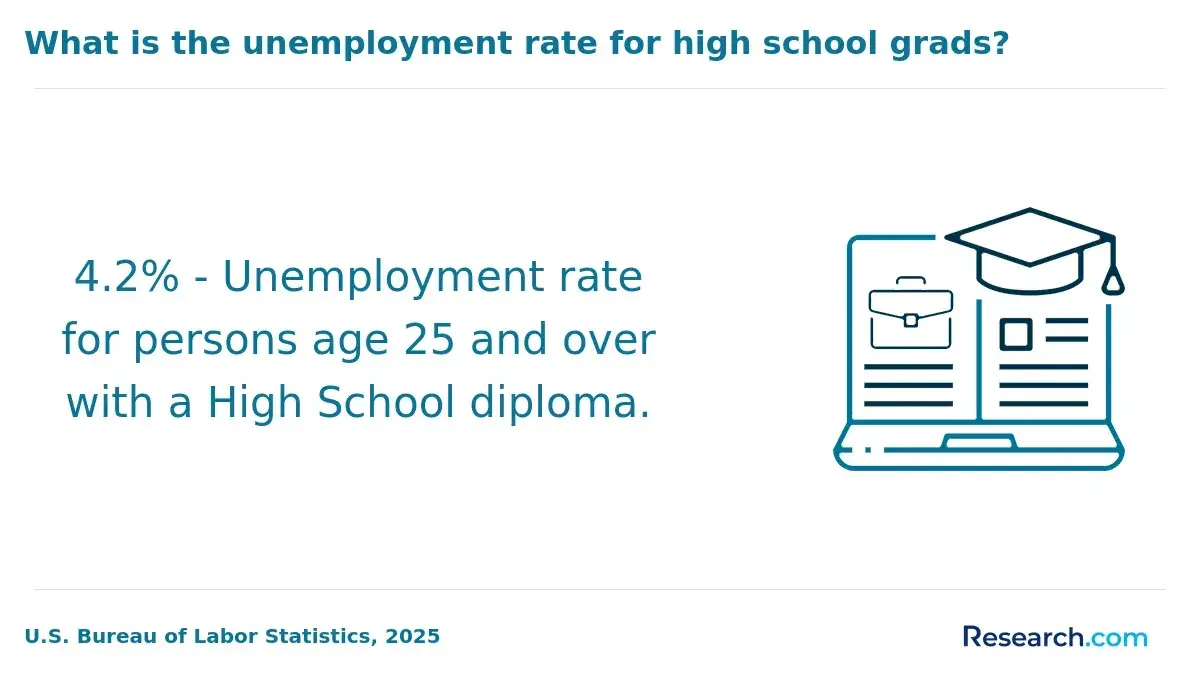
Choosing the right industry significantly influences salary prospects for those with a bachelor's degree in school counseling. Data from the U.S. Bureau of Labor Statistics shows that wage differences between sectors can surpass 30%, underscoring the value of targeting fields with strong pay.
Here are several industries known for offering competitive compensation without the need for graduate education.
- Healthcare and Social Assistance: This broad field includes hospitals, community agencies, and clinics where counseling roles focus on mental health support and patient advocacy. The sector's consistent demand results in salaries typically ranging from $45,000 to $65,000 annually, reflecting the importance of these services.
- Government and Public Administration: Federal, state, and local government agencies employ counselors in various roles linked to education, youth programs, and public health initiatives. This industry often provides job stability and benefits alongside median salaries between $50,000 and $70,000.
- Educational Services: While advanced degrees often lead to higher education roles, certain administrative and coordination positions in school systems and nonprofits offer decent pay, generally falling between $40,000 and $60,000 annually.
- Corporate Human Resources and Employee Assistance Programs: Many companies develop internal support systems addressing employee well-being, creating opportunities for bachelor's degree holders in school counseling with salaries frequently starting near $55,000 and reaching above $70,000.
When I spoke with a school counseling degree graduate about industries offering high salaries without additional schooling, he shared how navigating entry into these sectors wasn't straightforward. "It was challenging adapting my skills to settings outside traditional education," he explained.
He noted that understanding organizational cultures and proving the value of counseling in corporate or government environments required persistence and adaptability. Despite occasional setbacks, he found that focusing on industries aligned with his interests and strengths ultimately led to rewarding compensation and professional growth.
Entry-level positions in school counseling that emphasize skill-building and student interaction often lead to strong career advancement. The U.S. Bureau of Labor Statistics projects growth rates of 8% to 11% for these roles over ten years, highlighting solid opportunities for early-career promotion.
Below are several roles known for fostering career growth within the field.
- Academic Advisor: This role centers on helping students create educational plans and improve communication and problem-solving skills. It lays a foundation for more comprehensive counseling responsibilities by developing critical student support techniques.
- Behavioral Intervention Specialist: These specialists work with students facing social and emotional challenges, gaining hands-on experience with intervention methods and fostering collaboration with educators and families, which prepares them for advanced counseling duties.
- School Social Work Assistant: Supporting social workers, these assistants gain insight into students' mental health and welfare. Their exposure to systemic issues enhances their understanding of resource coordination, an asset for future counseling careers without requiring graduate education.
- Peer Counselor Coordinator: This leadership role involves organizing peer mentoring programs, cultivating organizational skills and promoting a nurturing school environment. Such experience proves valuable for moving into senior school counseling roles.
- Educational Support Specialist: Focused on students with learning disabilities, this position builds expertise in individualized education plans and adaptive strategies, increasing eligibility for advanced roles.
For those seeking to enhance their qualifications without graduate degrees, pursuing an online healthcare administration degree can complement these career paths effectively.
Building targeted skills can meaningfully increase earning potential for individuals holding a school counseling degree, even without a graduate degree. Recent studies show that candidates demonstrating sought-after skills may earn up to 20% more, as employers place greater value on proven competencies than on formal credentials.
Below are several key abilities that enhance performance and can lead to higher salaries in school counseling roles.
- Effective Communication: Excelling in both verbal and written communication helps counselors clearly articulate advice, resolve conflicts, and establish trust with students, families, and staff. This skill often opens doors to leadership roles and corresponding pay raises.
- Data Interpretation: Skillfully analyzing and presenting student data supports evidence-based planning and demonstrates professional accountability. Counselors adept at data-driven work are positioned for increased responsibilities and wage improvements.
- Technological Savvy: Comfort with digital tools like counseling software, scheduling apps, and virtual platforms boosts efficiency and adaptability, especially in changing educational settings, enhancing job value and compensation.
- Conflict Resolution: The ability to mediate interpersonal challenges and navigate crises creates a significant workplace impact. Professionals who manage student well-being effectively often see corresponding salary benefits.
- Cultural Awareness: Awareness of and sensitivity to diverse backgrounds promotes inclusivity and better service delivery. This competency aligns with institutional goals and supports career growth and pay increases.
When I spoke with a professional holding a school counseling degree, she emphasized how mastering tech skills was initially daunting but ultimately rewarding. She shared, "Learning to use specialized software and virtual tools required patience and persistence, but it expanded my ability to connect with students remotely and manage caseloads more effectively."
She noted that developing these skills led to more recognition from employers and gave her the confidence to negotiate better compensation. Her experience illustrates how investing time in skill growth without additional degrees can yield meaningful salary gains.
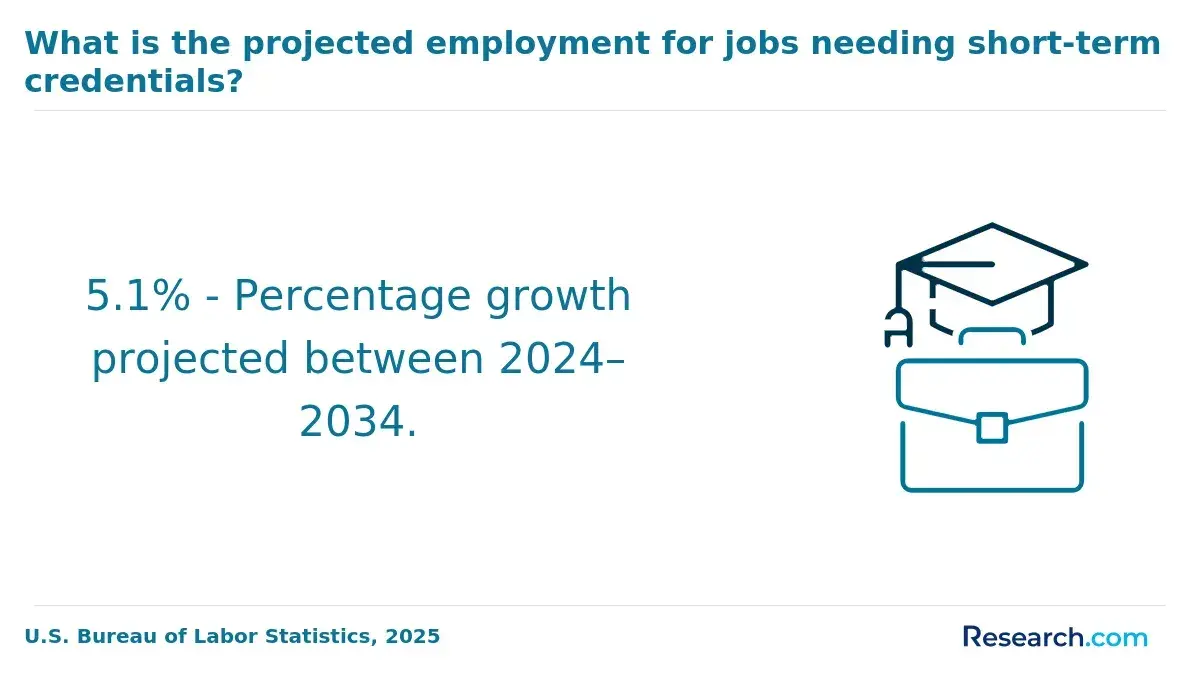
Certifications offer a practical alternative to graduate degrees by enhancing professional credibility and expanding career opportunities in school counseling. Industry-recognized credentials have been shown to boost salaries by 10% to 20%, according to the National Career Certification Board.
Below are several key certifications that can strengthen qualifications and improve job prospects without requiring a master's degree.
- Certified School Counselor Specialist: This certification focuses on advanced counseling methods, student development, and targeted intervention techniques. It provides recognition by educational employers and helps solidify a counselor's expertise in the field.
- National Certified Counselor: Administered by the National Board for Certified Counselors, the NCC credential verifies comprehensive counseling knowledge and skills. It is widely respected and can enhance both professional reputation and earning potential.
- Behavior Intervention Specialist Certification: Emphasizing strategies for managing student behavior, this credential addresses emotional and behavioral challenges in educational settings. It is highly valued for roles involving student support and often leads to greater responsibilities and compensation.
- Trauma-Informed Care Certification: This certification equips professionals with approaches to assist students affected by trauma, a growing concern in schools. It broadens a counselor's capabilities and increases attractiveness to employers focused on mental health.
- Certified Professional in Learning and Performance: Although its scope extends beyond counseling, CPLP enhances skills in training and development relevant to supporting student growth, thus widening career options within educational environments.
Professional experience can significantly influence career advancement in school counseling, often serving as an effective alternative to a graduate degree. Employers frequently prioritize demonstrated skills, practical knowledge, and proven performance gained through years of work over formal credentials alone.
On-the-job learning helps counselors develop nuanced interpersonal abilities and problem-solving techniques that formal education may only introduce theoretically. This hands-on experience often results in a deeper understanding of school dynamics and student needs, which can be especially valuable in direct student support roles.
However, relying solely on experience has its limitations. Many public school systems and larger districts require a master's degree and specific licensure for upper-level or administrative counseling roles, which can slow or cap career growth without these credentials.
Experience is most valuable when paired with clear evidence of skill application, such as positive student outcomes or leadership in school programs. In smaller districts or private institutions with more flexible requirements, extensive experience may allow counselors to advance without advanced degrees, but professional certifications and continuing education remain important to maintain competitiveness.
Many school counseling professionals carefully consider the trade-offs involved in stopping their education at a bachelor's degree. Data shows that those holding a master's degree in counseling often earn about 20% more annually than bachelor's degree holders, highlighting a clear salary impact of skipping graduate school.
Below are key limitations to understand when assessing career paths without graduate education.
- Slower Career Advancement: Positions with greater responsibility or leadership roles typically require at least a master's degree. Without this credential, opportunities for upward mobility can be limited, confining many graduates to entry-level or supportive roles within educational settings.
- Reduced Access to Specialized Roles: Graduate programs offer deeper training in areas like crisis intervention and educational psychology. These skills are increasingly essential, and lacking them might exclude bachelor's holders from specialized or senior positions that demand advanced qualifications.
- Competitive Hiring Challenges: The job market favors candidates with graduate degrees for many counseling roles. Bachelor's degree holders may face stronger competition and fewer options in districts or schools prioritizing advanced credentials and experience.
- Licensing and Certification Barriers: Many school districts mandate graduate degrees for official counselor certification. This regulatory hurdle limits eligibility for recognized credentials, restricting job opportunities and professional recognition.
- Limited Professional Development: Graduate education provides valuable networking and mentorship opportunities that support career growth. Those without graduate degrees often find these connections harder to access independently, impacting long-term career progression.
The career limitations without a graduate degree in school counseling are significant but can be managed with strategic planning and understanding of roles that prioritize bachelor's degrees. For those seeking alternatives, exploring programs like fast-track medical paths may offer complementary credentials for related health support roles.
Return on investment (ROI) in education measures how the time and money spent earning a degree translate into career outcomes such as salary and job opportunities. For a school counseling bachelor's degree, median annual wages generally range from $40,000 to $60,000 according to the Bureau of Labor Statistics. Maximizing ROI involves strategic academic and career moves that boost earning potential and career growth.
Here are practical strategies to enhance long-term ROI with a school counseling degree.
- Specialize Early: Focus on in-demand counseling populations or skill sets like social-emotional learning, career guidance, or diversity and inclusion initiatives. Building expertise in these areas increases your employability and opens doors to specialized, higher-paying roles.
- Gain Relevant Experience: Pursue internships and practicum placements in impactful settings such as public school districts or community organizations focused on youth development. These experiences expand professional networks and improve access to well-compensated positions.
- Choose Strategic Locations: Consider working in metropolitan areas or states with school counseling shortages, where demand often translates into better starting salaries and benefits. Geographic flexibility can significantly accelerate ROI.
- Advance Early Career Growth: Seek positions offering leadership development, additional responsibilities, or pay increases, even outside traditional counseling roles. Early progression boosts income growth and enhances long-term career satisfaction.
- Invest in Professional Development: Engage in workshops and employer-supported training to sharpen skills and increase job security. Continuous growth helps maximize ROI by improving promotion potential within the school counseling field.
Combining these approaches represents the best way to boost income with a school counseling degree while avoiding unnecessary further schooling. For those interested in expanding qualifications, considering an online master's nutrition degree or similar fields may complement counseling careers and add value.
Deciding to attend graduate school in school counseling hinges on your career objectives, industry standards, and potential return on investment. Data indicates that professionals holding a master's degree in this field tend to earn roughly 20% more annually compared to those with only a bachelor's degree. Such advanced credentials often open doors to greater responsibilities and higher-level roles.
For those evaluating the benefits of graduate school for school counseling professionals, considering how education impacts salary and promotion is crucial before committing. Graduate education offers strategic value, particularly in specialized school counseling roles requiring licensure, leadership and administrative positions, or careers within regulated sectors demanding advanced credentials.
Those pursuing research or academic pathways in school counseling also benefit significantly from master's level preparation. For individuals seeking growth without a graduate degree, exploring options like the FNP post master's certificate online may provide alternative advancement routes. Understanding where advanced school counseling credentials for career growth are necessary helps in making informed decisions about further education.
What Graduates Say About School Counseling Degree Careers That Offer the Best Return Without Graduate School
- Alfonso: "Choosing not to pursue a graduate degree in school counseling was a difficult decision, but it allowed me to enter the workforce earlier and gain valuable hands-on experience. I focused on obtaining certifications and attending workshops to enhance my skills, proving that continuous learning outside graduate school can be just as impactful. This practical approach helped me establish a rewarding career that emphasizes real-world solutions over academic credentials."
- Eduardo: "Reflecting on my journey, I found that the best return came from leveraging my school counseling degree through strategic networking and professional development courses rather than pursuing further graduate studies. I invested time in building strong relationships with educators and community members, which opened doors to leadership roles. My degree laid the foundation, but my proactive efforts truly shaped a fulfilling career path."
- Thiago: "Professionally, school counseling provided me with essential skills for understanding student needs, yet I chose to forgo graduate school to focus on practical career advancement. By concentrating on real-world application and seeking mentorship, I saw tangible growth and impact in my role. This balance of knowledge and experience proved to be a powerful combination in my professional development."
Other Things You Should Know About School Counseling Degrees
Bachelor's degree holders can work as academic advisors, school support staff, or behavioral aides. These positions involve assisting certified counselors, managing student records, or supporting student engagement initiatives. Although these roles do not require graduate education, they provide valuable experience in educational environments.
Yes, certifications such as paraeducator credentials or behavior technician licenses can enhance employability. These certifications often require less time and cost than graduate degrees and provide practical skills applicable in school settings. They can also open doors to specialized student support roles.
Licensure requirements vary by state, but most school counseling roles with decision-making responsibilities require at least a master's degree. Without graduate education, individuals typically cannot obtain full licensure but may qualify for support positions or assistant roles. It is important to check specific state regulations to understand credential options.
Most school counseling support jobs require a state criminal background check, fingerprinting, and child abuse clearance before hiring. Many districts also require annual renewal of these clearances and proof of CPR or mandatory reporter training within the first 30 to 90 days of employment.
- The Hidden ROI of School Mental Health Prevention https://www.ceresant.com/blog/the-hidden-roi-of-school-mental-health-prevention
- Is a Master’s in Counseling Worth It? https://teach.com/online-ed/counseling-degrees/best-online-counseling-programs/is-a-counseling-masters-worth-it/
- MS & MA in Counseling: Comparing Curricula & Salaries https://www.psychology.org/degrees/ms-vs-ma-in-counseling/
- Guidance Counselor Jobs and Salary Potential https://onlinedegrees.bradley.edu/blog/guidance-counselor-jobs-and-salary-potential
- Going to Graduate School vs. Gaining Work Experience After Undergrad https://www.ivywise.com/ivywise-knowledgebase/graduate-school-vs-work-experience/
- These master's degrees lead to fast-growing, in-demand jobs—but offer low ROI https://www.cnbc.com/2026/04/03/masters-degrees-low-roi.html
- Building High-Quality School Counseling Programs To Ensure Student Success - EdResearch for Action https://edresearchforaction.org/research-briefs/building-high-quality-school-counseling-programs-to-ensure-student-success/
- School Counselor Salary https://socialworklicensemap.com/social-work-resources/school-counselor-salary/


