2027 Which School Counseling Degree Careers Have the Lowest Unemployment Risk?

Co-Founder and Chief Data Scientist
Facing uncertainty over career stability is common among school counseling graduates navigating diverse specializations, industries, and credentialing paths. Those undecided on geographic markets or licensure options often risk elevated unemployment, especially early in their careers. Data reveal that school counselors with state licensure and specialized certifications experience unemployment rates below 3%, notably outperforming peers without these qualifications. This article dissects the multifaceted landscape shaping job security in school counseling-from entry-level to senior roles-evaluating how industry sectors, regional demand, credentialing, and educational choices collectively minimize unemployment risk and guide informed career planning in a shifting labor market.
Key Things to Know About the School Counseling Degree Careers With the Lowest Unemployment Risk
- Historical data shows school counseling careers with licensure maintain under 3% unemployment-ten-year demand growth of 9% supports stability despite economic downturns and sectoral shifts.
- Automation's impact is minimal due to the relational and regulatory nature of school counseling. Recession resilience is strong in public education sectors with mandated counselor-to-student ratios.
- Geographic markets with higher urban student populations and graduate-level certification holders report 15% lower long-term unemployment, underscoring credentialing and location as key protective factors.
What Makes School Counseling Degree Jobs More or Less Resistant to Unemployment?
Unemployment risk for school counseling degree holders arises from three main types: structural, frictional, and cyclical unemployment. Structural unemployment occurs due to permanent shifts such as automation or reduced demand, frictional unemployment involves brief periods as counselors move between positions, and cyclical unemployment results from economic downturns that temporarily reduce job openings. Recognizing these differences is essential when assessing job security within school counseling careers.
Factors affecting school counseling job unemployment resistance in the US highlight key elements that influence this risk:
- Occupational Licensing: State-specific licenses create significant barriers to entry, lowering competition and boosting employment stability.
- Employer Concentration: Jobs distributed across multiple school districts and institutions reduce vulnerability compared to roles concentrated in few employers.
- Sector Growth Rate: Continued expansion in education-related sectors sustains demand for qualified school counselors, reducing structural unemployment risk.
- Role Replaceability: The need for personalized student interaction and emotional intelligence limits automation potential, enhancing job resilience.
Degree level and specialization strongly influence unemployment risk. Advanced degrees and certifications-particularly in areas like mental health counseling or special education-correlate with greater economic resilience. Geographic factors also matter; urban and suburban districts with growing student populations typically provide more job stability than rural regions facing population decline. These dynamics reflect how how licensure and certification lower unemployment risk for school counseling careers overall.
This analysis applies a rigorous framework combining historical unemployment rates, ten-year demand projections, automation vulnerability, recession resilience, and licensure protections to evaluate school counseling career paths. Such standardized metrics help students and professionals systematically compare options. For example, those exploring credentials may also consider flexible pathways like the easiest RN to BSN online program, illustrating how strategic certification choices can mitigate employment risk.
Choosing a school counseling specialization based on empirical unemployment risk data-rather than solely on passion or salary expectations-increases the likelihood of sustained career stability. Armed with this evidence-based approach, readers can confidently navigate evolving labor market conditions to optimize their professional trajectories.
Which School Counseling Career Paths Have the Lowest Historical Unemployment Rates?
School Counselor: This critical role consistently maintains one of the lowest unemployment rates among educational support occupations, fueled by mandatory counselor-student ratios in K-12 public schools and heightened emphasis on mental health supports.
- Regulatory mandates require districts to retain counselors to comply with state and federal standards.
- Rising awareness of student mental health needs sustains demand in both public and private sectors.
- Economic downturns like the 2008-2009 recession, the 2020 COVID-19 crisis, and the 2022-2024 labor normalization periods show steady rehiring and minimal layoffs.
School Psychologist: These professionals enjoy persistently low unemployment thanks to legal requirements for psychological assessments in special education and intervention programs.
- Federal and state laws mandate psychological evaluations and support services, securing demand.
- National shortages of qualified practitioners bolster job stability and competitive hiring.
- During crises, including recessions and pandemics, their essential assessment functions remain indispensable.
Academic Advisor in Educational Institutions: Though not strictly counselors, academic advisors linked to educational settings show below-average unemployment owing to the expanding college enrollment and student retention initiatives.
- Demographic growth in student populations at community colleges and universities drives demand.
- The 2020 employment dip was brief, with quick recovery and ongoing stabilization.
- Retention objectives keep advisors vital despite enrollment volatility.
Career Counselor Specializing in K-12 and Postsecondary Education: This specialization benefits from policies focusing on career preparedness and workforce alignment in schools and higher education.
- Essential-service designations under federal and state career readiness initiatives reinforce employment security.
- Economic disruptions tend to increase demand as students seek guidance in navigating uncertain labor markets.
- Historical trends confirm resilient employment through recessions due to advisory importance.
Special Education Counselor: Employment stability derives from legal mandates ensuring specialized support for students with disabilities requiring tailored counseling. Compliance with Individualized Education Program (IEP) regulations demands qualified personnel, maintaining a steady need.
- Limited supply of credentialed specialists reduces market competition.
- Economic crises minimally impacted employment because of regulatory protections.
School Social Worker with Counseling Credentials: Combining social work and counseling, this role holds essential-service status, addressing complex familial and community challenges affecting students. Socioeconomic pressures elevate the demand for integrated support services.
- Mandated school social work in many districts reinforces steady hiring.
- Low unemployment rates persist through economic cycles, given the critical nature of these roles.
Youth and Adolescent Mental Health Counselor in Educational Settings: As an emerging specialization, it benefits from increasing mental health awareness and a chronic shortage of qualified professionals. Policy shifts emphasize early intervention in schools, driving demand.
- Essential-service status through pandemic funding supported employment stability from 2020 to 2024.
- Although newer, data show below-average unemployment relative to other counseling roles.
Prospective students and early-career professionals should view these historical unemployment trends for school counseling degree holders by specialization in the US as foundational but not definitive-combining them with forward-looking ten-year demand projections, automation vulnerability assessments, and the value of licensure and geographic market selection.
For those interested in related fields, resources such as nursing schools without entrance exam provide credible further education options to consider in a broader risk mitigation strategy.
How Does the School Counseling Job Market Compare to the National Unemployment Average?
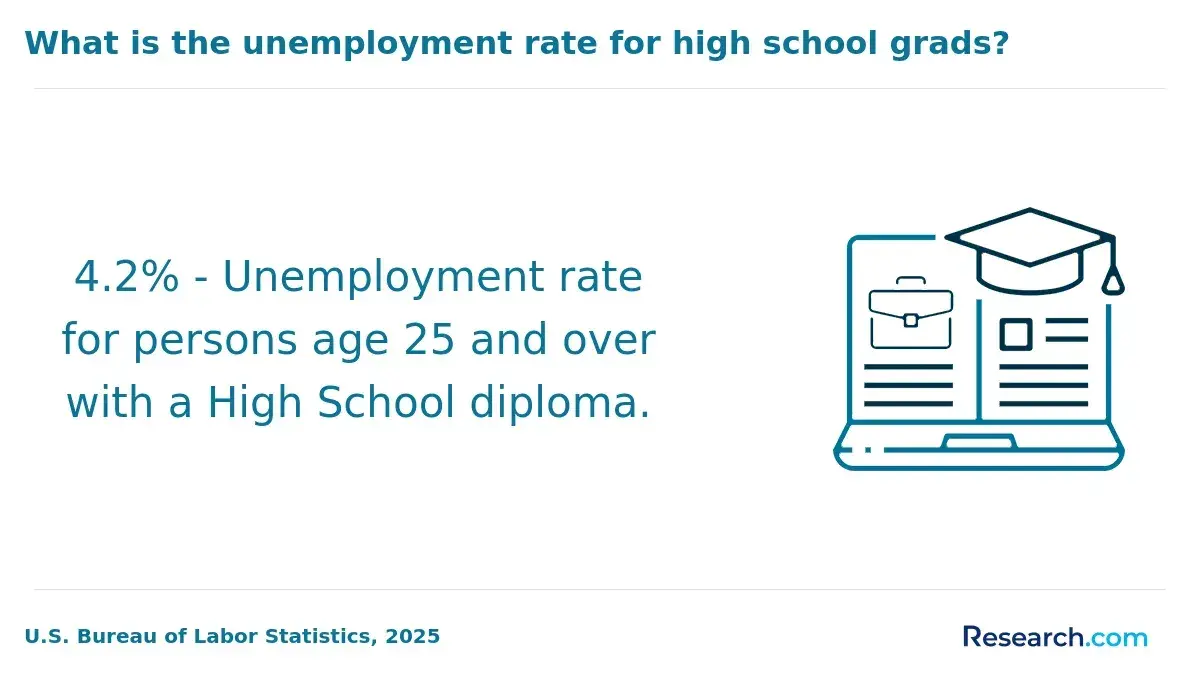
Workers holding school counseling degrees typically encounter unemployment rates near 1.3% in their related career fields-substantially below the roughly 2.5% national rate for college-educated individuals. This gap translates into shorter job searches-weeks instead of months-promoting steadier income streams and more continuous professional engagement. Steady employment facilitates upward mobility and skill development, whereas prolonged joblessness or inconsistent roles can derail career progress.
- Job Search Duration: Lower unemployment means graduates spend less time between positions, limiting income disruption.
- Income Continuity: Ongoing employment reduces financial instability common among recent graduates or workers in volatile sectors.
- Career Trajectory: Consistent work supports advancement; unemployment or underemployment risks slowing growth.
- Underemployment Risks: Some graduates fill roles unrelated to their training, earning less and facing slower career advancement despite not being formally unemployed.
- Data Volatility: Unemployment figures in specialized counseling fields can show sharp fluctuations yearly due to small labor forces, so multi-year trends should guide long-term risk assessments.
- Labor Market Dynamics: Factors like professional licensure, regional job markets, and advanced certifications influence stability, often insulating workers during economic shifts.
Reflecting on these points, a professional who earned a school counseling degree shared his experience: "Navigating the job market after graduation was challenging-there were weeks of waiting and many applications before landing my first role. But knowing the unemployment rate was relatively low gave me confidence to keep pushing. Having my state license and pursuing extra certifications helped me stand out. The steady employment since then has made a big difference in my financial security and career satisfaction."
Employer demand for school counseling specializations is highly focused on specific areas driven by societal changes, regulatory updates, and ongoing workforce shortages. Current data from Lightcast job postings, LinkedIn Talent Insights, and SHRM reveal several career specializations in high demand by employers, reflecting these underlying trends.
- Mental Health Counseling: This specialization is critical due to increased attention on youth mental health and expanded federal and state funding. Schools seek counselors adept in trauma-informed care and crisis response to meet evolving mandates and support student well-being.
- Career and Postsecondary Guidance: Economic shifts and labor market uncertainty fuel demand for counselors skilled in vocational assessment and customized career planning to assist students in navigating postsecondary transitions effectively.
- Special Education Counseling: Consistent needs arise from rising enrollment of students with disabilities, requiring expertise in IEP development and adherence to legal requirements amid constant regulatory evolution.
- Substance Abuse Counseling: The opioid epidemic and broader youth substance concerns drive demand for specialists focused on prevention and intervention programs tailored for school settings.
- Multicultural and Equity-Focused Counseling: Growing emphasis on diversity and inclusion mandates demand for counselors who can address systemic barriers and promote equitable learning environments.
Demand varies by geographic and sector contexts, so validating these signals through salary surveys, professional association reports, and conversations with hiring managers is essential before committing to a specialization. Those seeking stable employment in the most sought-after school counseling jobs by employers should align academic and internship choices with these high-demand fields, emphasizing relevant coursework, legal frameworks, and evidence-based practices. Earning certifications such as Licensed Professional Counselor (LPC) credentials with specialization endorsements further enhances job-market competitiveness.
For students and early-career professionals considering their paths, integrating these insights with a broader career strategy-including reviewing jobs with a biology degree market trends-can help secure long-term employment resilience in this evolving profession.
- Public Education: This sector employs most school counseling graduates, supported by steady government financing and mandates for counseling services in K-12 schools.
Key duties involve mental health support, academic advising, and crisis response for students.
- Essential skills include developmental psychology, cultural awareness, and adherence to education laws.
- Graduates typically report to principals or district-level administrators.
- Ethical training and state licensure ensure their role is critical for school accreditation and student outcomes.
- Higher Education: Universities and colleges offer counseling aimed at career development, mental health, and academic challenges.
- The sector's resilience stems from its designation as an essential service and expanding student bodies.
- Graduates apply career development theories and culturally sensitive approaches.
- Reporting lines often involve student affairs or academic departments.
- Professional certification enhances involvement in retention and wellness programs.
- Healthcare and Mental Health Services: Hospitals and health centers provide platforms for school counseling graduates to address adolescent and family mental health within regulated and reimbursed frameworks.
- Counselors contribute expertise in behavioral interventions, crisis handling, and referral coordination.
- Growing youth mental health awareness fuels demand.
- Employment connects to clinical supervisors and interdisciplinary teams.
- Licensure aligned with medical and social services broadens job protection.
- Nonprofit Youth and Family Services: These organizations prioritize youth development and family support, driven by persistent under-service and committed funding.
- Responsibilities include counseling vulnerable groups and designing programs.
- Core competencies cover trauma-informed care and resource navigation.
- Counselors usually report within program management hierarchies.
- Specialized training meets sector-specific social service needs.
- Government and Educational Policy Agencies: Roles in this niche involve program oversight, policy crafting, and compliance enforcement statewide.
- Job stability arises from legal mandates and continuous reform initiatives.
- Competency combines counseling skills with policy and data analysis.
- Frequently interfaces with education departments and public health sectors.
- Data-driven evaluation expertise and state certification foster resilience against market shifts.
One professional who launched her career after earning a school counseling degree shared that navigating these sectors required more than mastering core skills-it involved understanding each industry's culture and regulatory environment deeply. She noted challenges securing positions early on, emphasizing the importance of flexibility and pursuing additional certifications to remain competitive. Reflecting on her journey, she observed, "Transitioning between nonprofit and healthcare roles expanded my competencies and strengthened job security. It wasn't just about the counseling itself but also adapting to different organizational demands and regulations." Her experience illustrates how cross-sector adaptability and continuous professional growth are vital to sustaining career stability amid evolving labor market conditions.
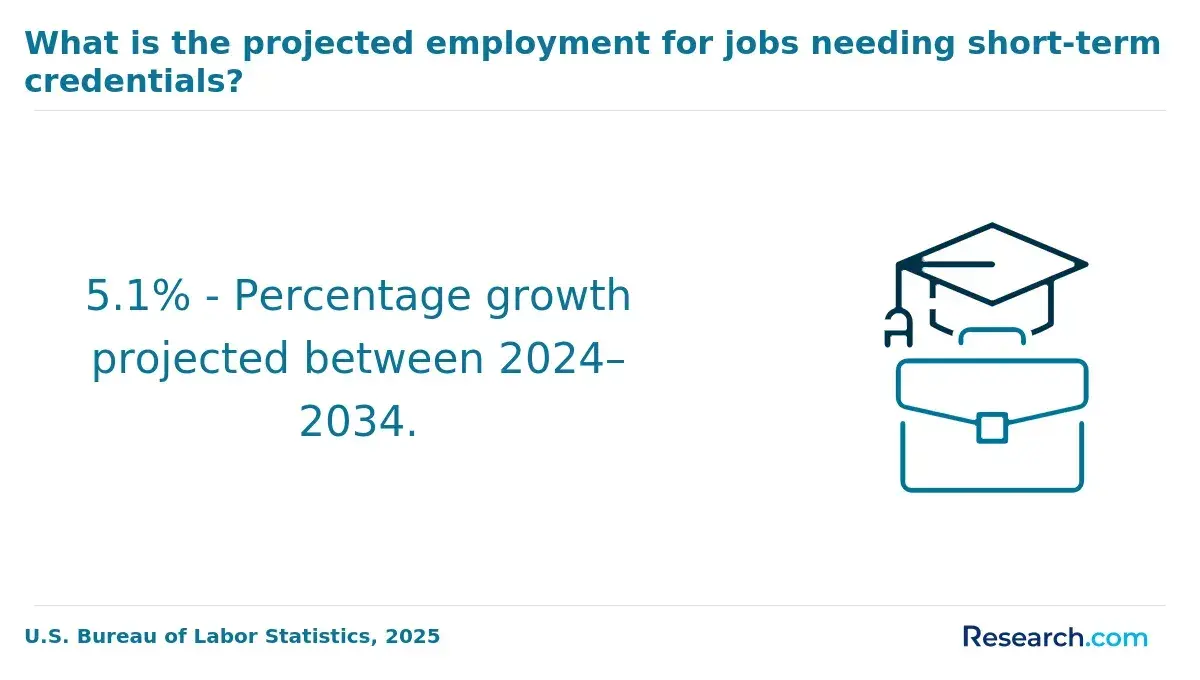
Government and public-sector roles for school counseling degree holders demonstrate notably lower unemployment risks compared to private-sector jobs-supported by data from the BLS, OPM, and NASPE. This advantage is grounded in factors like unemployment rates, layoff incidence, and career longevity protections.
- Unemployment Rates: Public school counselors experience more consistent employment due to civil service safeguards and union support, making layoffs less common than in private settings.
- Layoff Frequency: Although education budgets face cuts periodically, layoffs within federal agencies, state departments, and public universities remain infrequent thanks to legislative shields and multi-year funding.
- Career Tenure and Civil Service Protections: Tenure-like guarantees offered by civil service systems protect public employees from arbitrary or politically motivated dismissals-a security rarely matched in private sector jobs.
- Role Categories:
- Federal positions-often found in education-focused agencies-offer solid job security but require success in competitive hiring.
- State and local government jobs provide accessible and stable careers with structured advancement and low turnover.
- Employment at public universities and research institutions includes stable contracts and benefits, though these roles are comparatively limited in number.
- Quasi-governmental organizations face less predictable funding, which can translate to somewhat elevated job instability.
- Compensation Trade-Offs: Public-sector salaries usually start lower than private-sector equivalents; however, benefits such as pensions, loan forgiveness, generous leave, and salary stability often enhance long-term financial outcomes.
- Financial Security Perspective: Over an entire career, public-sector roles tend to offer superior income stability and benefits-attractive to school counselors who prioritize long-term security over potential high earnings.
- Risk and Reward Assessment: Graduates with low tolerance for income volatility generally prefer government roles, while those aiming for higher pay and willing to accept more uncertainty might lean private sector-requiring a thoughtful evaluation of personal priorities.
Licensure and certification serve as essential legal safeguards for school counseling degree holders, directly impacting their employment stability. Most K-12 school counselors must obtain mandatory state-issued licenses or certifications to practice in public schools - a requirement enforced by state education departments or licensing boards. This credentialing acts as a gatekeeper, restricting labor supply exclusively to credentialed individuals. Consequently, employers cannot replace licensed counselors with unlicensed workers during economic downturns, which sustains demand and lowers unemployment risks for practitioners.
- Mandatory Licensure: Nearly every state demands school counselors hold a specific state license or certification, typically requiring a master's degree, supervised experience, and successfully passing a state exam.
- Restricted Labor Supply: Licensure limits the pool of eligible candidates, reducing competition and establishing a steady demand baseline-even amid recessions or sector disruptions.
- Non-Mandatory Certifications: Credentials such as the National Certified School Counselor (NCSC) designation are not legal prerequisites but function as critical hiring filters in competitive markets-highlighting advanced skills and professional commitment.
- Credentialing Strategy: Aspiring counselors should first secure required state licensure, then pursue nationally recognized certifications to enhance employability, while avoiding lesser-value credentials that demand time without meaningful labor market returns.
- Economic Mechanism: Professional licensure prevents oversaturation of the labor market by legally limiting who may occupy school counseling roles-thus preventing employers from substituting uncredentialed workers, stabilizing employment levels over time.
Data from the Bureau of Labor Statistics projects school counselor employment growth at 10% over the next decade, a pace faster than most occupations. This growth underscores licensure's protective role in maintaining durable employment pathways through changing economic and demographic conditions.
The geographic location significantly influences unemployment risk for school counseling degree graduates due to variations in regional labor demand and economic stability. Metropolitan areas with large public education systems, established healthcare corridors, or strong government employment centers often provide the most abundant and stable opportunities for school counseling professionals. For example, regions like Washington D.C., Boston, and Minneapolis show lower unemployment rates relative to the national average, reflecting concentrated school district hiring and allied support services. This geographic location's impact on school counseling unemployment risk reflects structural differences in employer density and industry presence.
Areas with high concentrations of industries employing school counseling graduates, such as educational institutions, healthcare facilities, and social service agencies, offer more consistent job availability. Conversely, rural or economically volatile metropolitan areas with fewer such employers tend to have higher unemployment risk, longer job searches, and greater exposure to local economic downturns. For early-career professionals, especially, strategic regional labor market analysis is vital to balance risk and personal preference.
Remote work options have reshaped geographic unemployment risks in the school counseling field. Certain specializations, like virtual school counseling or teletherapy, can be performed remotely, expanding access beyond physical location and mitigating local economic fluctuations. Nevertheless, many school counseling roles still require on-site presence where local market conditions directly affect employment.
Graduates and current practitioners should leverage resources like BLS area-specific employment data, LinkedIn job posting location filters, and regional wage data to determine whether staying local, relocating strategically, or pursuing remote-compatible roles best reduces unemployment risk. States with rising student populations and increased mental health funding, such as California and Texas, have exhibited growing stability and demand over recent years, demonstrating valuable regional trends for career planning in school counseling.
- Demand Concentration: Major metropolitan areas with large public education systems and healthcare clusters show consistently low unemployment rates among school counseling graduates.
- Industry Clusters: Regions with strong government, healthcare, and social services sectors provide more stable employment due to diverse hiring sources.
- Remote Work Flexibility: Remote-eligible school counseling roles reduce geographic risk by enabling access to multiple labor markets simultaneously.
- Local Economic Risks: Rural or economically volatile areas face higher unemployment risk because of limited employer density and market sensitivity.
- Recent Trend: Between 2015 and 2023, regional demand for school counseling professionals increased by over 12% nationwide, with fastest growth concentrated in large states expanding mental health and educational support programs.
Prospective students focusing on specialized tracks may also consider advanced certifications or graduate credentials, such as those comparable to dietitian master's programs, which can enhance employment resilience. Incorporating these strategies within an informed geographic labor market analysis can optimize long-term career stability in the evolving educational support landscape.
Careers in school counseling exhibit varied exposure to automation and technological disruption, as detailed by analyses from the McKinsey Global Institute, Oxford Martin School, and MIT Work of the Future. Roles involving routine data processing, standardized assessments, or repetitive client interactions face the highest displacement risk from artificial intelligence, machine learning, and robotic process automation. Within school counseling, automation is more likely to functionally replace narrowly defined tasks than merely supplement human work.
- Administrative Coordinators: These professionals focus on scheduling, student record management, and paperwork-tasks involving routine data entry and standardized reporting that automation can execute more efficiently and with fewer errors.
- Assessment Facilitators: Counselors administering and scoring standardized tests or using algorithm-driven recommendation tools confront higher displacement risk due to pattern-matching algorithms capable of replicating these functions with minimal human input.
- Routine Client Intake Specialists: Positions conducting scripted interviews or using predefined response pathways are vulnerable to chatbots and automated interviewing technologies, which reduce reliance on direct human engagement in the initial stages.
Conversely, roles relying on complex interpersonal judgment, ethical decision-making, and creative problem-solving show substantial resilience to automation. Tasks such as providing individualized emotional support, navigating sensitive family dynamics, and integrating interdisciplinary resources require nuanced human insight and empathy that current AI cannot reliably replicate-an important consideration for those examining school counseling careers vulnerable to automation in the United States.
- Individualized Student Advisors: Counselors addressing unique psychological and social needs engage in non-routine problem-solving beyond current technology capabilities.
- Ethical Oversight Practitioners: Professionals ensuring confidentiality, equity, and ethical standards maintain roles demanding essential human discretion.
Prospective and current school counseling professionals should recognize that high-automation-risk roles may necessitate mid-career transitions as technological changes reshape job requirements. Developing competencies in managing and interpreting automated tools is critical to becoming the practitioners who oversee automation rather than those displaced by it. Since automation risk estimates are probabilistic and influenced by variables like employer investment, regulatory frameworks, technological maturity, and geographic labor costs, the pace and extent of automation will vary-highlighting the need for continuous professional development and adaptability.
Those seeking to reduce unemployment exposure in the evolving school counseling labor market should consider advanced credentials, licensure, and specialization in low-automation-risk areas. For newer students comparing options, understanding these dynamics is essential-this aligns well with programs such as the top rated online nursing schools WGU, known for flexible pathways that help develop critical judgment alongside technical skills.
Graduate degrees markedly lower unemployment rates for school counseling degree holders by improving qualifications, career durability, and earning capacity. Research from Georgetown University's Center on Education and the Workforce and BLS statistics reveal that advanced degrees typically reduce unemployment by several percentage points compared to bachelor's degree holders. They also deliver a salary increase often ranging from 15% to 30%, varying by specialization and region.
Certain graduate programs provide stronger unemployment risk mitigation:
- Professional Master's Programs: These prepare students for licensure roles-such as clinical mental health counseling or educational certification-where demand is high and supply limited, resulting in lower unemployment exposure.
- Research-Focused Master's and Doctorates: Aimed at advanced practitioner or academic roles, these degrees position graduates within labor markets of constrained supply, further reducing unemployment risk and enhancing long-term earnings.
- MBA Programs: By enabling access to leadership and management positions within education-related fields, MBAs can lift graduates above typical salary and employment ceilings seen at the bachelor's level.
- Investment Factors:
- Cost: Graduate programs usually range from $20,000 to $70,000, depending on institution and degree type.
- Duration: Most master's degrees require 1.5 to 3 years full-time, with doctoral programs extending longer.
- Opportunity Cost: Time spent studying delays full-time employment and income accumulation.
- Comparative Risk Strategies: Alternatives such as professional certifications, select employer choices, geographic relocation, or subfield specialization may deliver similar unemployment risk reduction with lower cost and time investment. Each individual should analyze these options against graduate education outcomes by program-specific data rather than broad assumptions.
Decisions about pursuing graduate education should rely on detailed break-even analyses that weigh financial input against measurable employment stability and earnings gains-and align with personal career goals.
Entry-level roles that lead to enduring employment stability in school counseling typically offer structured advancement tracks, high retention rates, and valuable credential development opportunities. Data from the NACE First-Destination Survey, LinkedIn career analyses, and BLS occupational mobility research highlight several key starting positions that serve as reliable on-ramps to long-term career growth.
- School Counselor in Public K-12 Settings: These roles benefit from defined career ladders maintained by state and district policies.
- Union protections and tenure increase job security after probationary periods, resulting in strong retention.
- Advancement often requires earning additional licensure or endorsements, opening pathways to specialized or leadership roles.
- Working in regions with steady or growing populations supports faster promotion and lowers unemployment risk.
- Mental Health Specialist in Educational Institutions: Combining counseling with mental health services creates versatility across education and healthcare sectors.
- Employers typically encourage ongoing certification, supporting internal career mobility.
- Diverse professional networks enhance resilience during economic fluctuations.
- Entry-level tenure spans roughly two to four years before advancement, indicating stable progression.
- School Counseling Roles in Private or Charter Schools: Though employment here is less regulated, rapid advancement is possible for high performers.
- Smaller staff sizes and strong internal promotion cultures foster early leadership experience.
- Networking in competitive environments acts as a buffer in market downturns.
- Academic Advisor Positions in Higher Education: While not traditional K-12 counseling roles, they share important skills and pathways.
- Institutions emphasize staff development with vertical career paths into student affairs leadership.
- Credentials earned here broaden employment options and reduce future unemployment risk.
A typical entry-level role lasts two to five years before promotion opportunities arise, marking the start of durable career advancement. Prioritizing employers with strong retention and choosing geographic areas with ongoing demand substantially improve long-term stability. Investing in recognized certifications aligned with school counseling standards further enhances prospects. Evaluating early-career offers through this long-range lens can better position candidates for resilient employment trajectories amid evolving labor market challenges.
What Graduates Say About the School Counseling Degree Careers With the Lowest Unemployment Risk
- Alfonso: "Choosing a career specialization in college counseling within the school counseling field truly opened doors for me, especially in urban districts where student populations are diverse and needs are complex. The credentialing strategy I pursued-earning specialized certification in college admissions advising-gave me a competitive edge across entry-level and mid-career stages. I've seen firsthand how this niche draws consistently low unemployment rates, confirming that focused expertise matters. "
- Eduardo: "Reflecting on my journey, I realize how vital it was to explore school counseling roles in the healthcare education industry-helping students planning careers in medical fields. Working in geographic markets with growing demand, like suburban regions near major medical centers, reduced my employment anxiety. Additionally, obtaining a nationally recognized licensed professional counselor credential ensured stability, especially as I advanced into senior practitioner roles. It's a career path with meaningful impact and steady opportunity. "
- Thiago: "I approached my school counseling career with a professional mindset focused on credentialing strategies that pay off long term-starting with a state license, then expanding to trauma-informed care certifications. The specialization in mental health counseling within K-12 systems is in high demand, particularly in states with expanding mental wellness initiatives. Seeing how this blend reduces unemployment risk across all career stages has been both encouraging and motivating in my daily work with students and families. "
Other Things You Should Know About School Counseling Degrees
Most states require a passing score on the Praxis School Counselor exam, and some also require a state-specific jurisprudence or ethics test. Applicants usually need a master’s degree, supervised internship hours, and a state background check before receiving K-12 counseling licensure.
Mid-career demand is strongest in school counseling specializations that combine clinical skills with educational expertise-such as licensed professional counselors working within schools, and those with certifications in substance abuse or trauma-informed counseling. These roles benefit from sustained funding streams and increasing recognition of mental health's role in academic success. Counselors who develop skills in data-driven intervention strategies also find enhanced demand across educational levels.
Degree seekers should analyze unemployment trends alongside regional demand and licensure requirements to select their specialization wisely. Specializations with consistently low unemployment-such as K-12 public school counseling or college advising-offer greater long-term stability. Combining a specialization with advanced credentials and geographic flexibility further reduces unemployment risk by enhancing employability across diverse educational settings.
- Educational, Guidance, and Career Counselors - AI Automation Risk | AI Changing Work https://aichanging.work/en/occupation/school-counselors
- How the Geography of Jobs Affects Unemployment https://www.richmondfed.org/publications/research/econ_focus/2014/q3/feature2
- The School Counselor and Credentialing and Licensure https://www.schoolcounselor.org/Standards-Positions/Position-Statements/ASCA-Position-Statements/The-School-Counselor-and-Credentialing-and-Licensu
- The 5 Highest Paying Careers in Counseling | CCU Online https://www.ccu.edu/blogs/cags/2014/12/the-5-highest-paying-careers-in-counseling/
- School Counselor Salary https://socialworklicensemap.com/social-work-resources/school-counselor-salary/
- Infographic: Which Fields of Study Are (Not) Leading to Jobs? https://www.statista.com/chart/35108/unemployment-by-field-of-study/
- Licensing Requirements for Counselor Careers https://agentsofchangeprep.com/blog/licensing-requirements-for-counselor-careers/
- School Counselors’ Jobs Are Misunderstood. Why It Matters https://www.edweek.org/leadership/school-counselors-jobs-are-misunderstood-why-it-matters/2026/04
- Recession-Proof School Counseling: Strategies During Uncertain Times — Hatching Results - School Counselor Training https://www.hatchingresults.com/blog/2020/5/recession-proof-school-counseling-strategies-during-uncertain-times
- Jobs With the Lowest Unemployment Rates https://www.investopedia.com/personal-finance/jobs-lowest-unemployment-rates/