2027 Most Valuable Skills You Build in a School Counseling Degree and Which Careers Use Them Most

Co-Founder and Chief Data Scientist
How can a degree in school counseling prepare graduates for the dynamic demands of today's workforce? Many current learners focus on interpersonal skills or crisis intervention, yet employers increasingly value data-driven decision-making and multicultural competence. According to the Bureau of Labor Statistics, employment for school and career counselors is projected to grow 11% from 2022 to 2032, signaling strong industry demand. This evolving landscape necessitates not only empathy but also adaptability and technical proficiency. This article identifies the most valuable skills cultivated through a school counseling degree and explores the careers that utilize these competencies most effectively.
Key Benefits of the Most Valuable Skills You Build in a School Counseling Degree
- Developing strong communication and interpersonal skills through a school counseling degree enhances career readiness across education, healthcare, and social services industries.
- Adaptability gained from training in diverse student needs equips graduates to work effectively in various professional environments beyond traditional counseling roles.
- Core skills such as crisis management and ethical decision-making foster long-term career growth, with the U.S. Bureau of Labor Statistics projecting 8% job growth for counseling professionals through 2032.
What Are the Core Skills Taught in School Counseling Programs?
Developing core competencies in school counseling programs is essential for preparing students to handle the varied challenges they will face in professional environments. Approximately 90% of graduates express confidence in their readiness to apply these essential skills effectively, underscoring the value of focused skill development. These programs aim to equip students to support diverse populations while navigating the complexities of academic, emotional, and social dynamics.
The essential skills taught in school counseling degrees include:
- Active Listening: This skill requires full attention and thoughtful response to students' concerns, allowing counselors to build trust and accurately identify underlying needs. It helps professionals create meaningful connections that facilitate effective support.
- Communication: Counselors must articulate complex information clearly, using both verbal and nonverbal cues. This skill enables effective dialogue with students, families, and educators, promoting collaboration and advocacy.
- Empathy: Understanding and sharing students' feelings fosters a safe, supportive environment. Empathy helps counselors address emotional challenges authentically and encourages student openness.
- Problem-Solving: Counselors assess challenges faced by students and collaboratively develop practical strategies to overcome obstacles. This skill is vital for guiding students through academic and personal difficulties.
- Cultural Competence: With awareness of diverse backgrounds, counselors tailor their support to respect each student's unique context. This skill promotes inclusivity and enhances the effectiveness of counseling interventions.
These core competencies are crucial for school counseling graduates ready to positively impact educational settings. For students interested in advancing their careers beyond counseling, exploring related fields such as DNP online programs can provide additional specialized skills.
What Technical Skills Are Taught in School Counseling Programs?
School counseling programs focus on building technical competencies that allow students to translate academic knowledge into practical applications within educational settings. These skills are vital for supporting student development through data-driven strategies, with digital literacy in education-related fields increasing by 55% over the past decade. Mastering these abilities prepares students to meet the growing demands for technical proficiency in school counseling careers.
The core technical skills taught in school counseling programs include the following:
- Data Analysis and Interpretation: Students learn to collect and analyze performance and behavioral data, enabling them to identify trends and monitor student progress. This skill is essential for designing targeted interventions tailored to diverse student needs.
- Proficiency with Digital Tools: Training includes effective use of educational software such as database management and scheduling programs. These tools help counselors manage caseloads and facilitate communication between parents and educators.
- Program Evaluation: Students acquire techniques to assess the effectiveness of counseling initiatives using surveys, feedback collection, and statistical analysis. This ensures counseling services continuously improve and maintain accountability.
- Ethical Data Management: Courses cover the secure handling of sensitive student information, emphasizing compliance with laws like FERPA. This fosters confidentiality and responsible data stewardship within school systems.
Integrating these key technical competencies in school counseling careers equips students to operate efficiently in complex educational environments. For those wondering how much does online nursing school cost, similar principles of technical skill application and data management are also critical across various educational and healthcare-related professions.
What Soft Skills Do School Counseling Students Develop?
School Counseling programs equip students with vital interpersonal and behavioral skills that enhance success in both academic settings and future workplaces. According to a 2023 survey by the National Association of Colleges and Employers, over 90% of employers prioritize communication skills when hiring. These soft skills foster effective interaction and collaboration across diverse environments.
The following list outlines key competencies cultivated through School Counseling studies:
- Active Listening: This skill promotes a deep understanding of others' viewpoints, building empathy and trust. It helps students engage meaningfully in conversations, whether supporting classmates or collaborating on group efforts.
- Emotional Intelligence: Students learn to recognize and regulate their emotions while responding sensitively to others' feelings. This ability aids in managing conflicts and nurturing positive relationships in various social and professional contexts.
- Effective Communication: Clear and respectful expression is emphasized, with adaptability to different audiences. Mastery of this skill improves teamwork and ensures that ideas are conveyed and received accurately.
- Problem-Solving: Training focuses on analyzing situations critically and developing thoughtful solutions. This enhances decision-making abilities and fosters resilience when facing challenges.
- Collaboration: Students practice working cooperatively toward shared objectives, valuing diverse perspectives. Such teamwork skills are essential in managing group dynamics and achieving collective success.
When asked about the soft skills developed through School Counseling studies, a graduate described the experience as transformative but demanding. He recalled how honing his ability to listen actively helped him navigate emotionally charged situations, often requiring patience and restraint. "Learning to balance my responses and really hear people's underlying concerns was tough but incredibly rewarding," he shared. This process also involved adapting communication styles to suit different individuals, which sometimes meant stepping outside his comfort zone. Ultimately, these challenges strengthened his confidence and interpersonal effectiveness, making him better prepared for professional collaboration and problem-solving in real-world settings.
According to the National Association of Colleges and Employers, 92% of employers highly value transferable skills such as communication and problem-solving when assessing candidates. These abilities enable career opportunities using school counseling transferable skills across various industries, promoting workforce adaptability and cross-industry mobility. Below are several core skills typically developed through a school counseling degree.
- Effective Communication: Skills in conveying ideas clearly and listening attentively are cultivated, enhancing collaboration and client interactions. Such communication abilities support success in almost any professional setting that requires teamwork and interpersonal engagement.
- Emotional Intelligence: Graduates gain insight into understanding and managing emotions, which improves relationship-building and informed decision-making in diverse environments. This competency fosters empathy and resilience across many fields.
- Problem Solving: Training encourages analyzing complex situations and developing practical solutions, benefiting roles that demand critical thinking and strategic planning. These skills are central to resolving challenges in dynamic work contexts.
- Ethical Judgment: Emphasis on confidentiality and ethical conduct prepares individuals to uphold trust and integrity, a necessity in professions requiring discretion and professionalism.
- Cultural Competency: Exposure to diverse populations nurtures sensitivity and adaptability to various backgrounds, an asset in global and community-oriented workplaces. School counseling transferable skills in this area enable effective engagement in multicultural settings.
Graduates equipped with these skills can explore opportunities across education, health services, business, and nonprofit sectors. Those interested in expanding their learning might consider self paced college courses to further enhance their expertise and versatility.
Nearly 70% of educational institutions report a growing demand for counselors equipped to handle diverse student needs and mental health challenges. This trend reflects a shift toward valuing skills that go beyond traditional academic advice to address more complex social and emotional issues.
Key capabilities sought after by employers include:
- Emotional Intelligence: Mastery of recognizing and managing emotions helps counselors build trust and effectively resolve conflicts, creating a more supportive school climate.
- Crisis Intervention: The ability to respond swiftly and appropriately to emergencies such as bullying, trauma, or mental health crises is vital for providing timely student support.
- Cultural Competence: Sensitivity toward and respect for diverse cultural backgrounds ensures equitable treatment and fosters inclusion within school communities.
- Effective Communication: Strong skills in conveying empathy and clarity support collaboration with students, families, and staff in implementing counseling strategies.
A professional with a school counseling degree shared how navigating a sudden mental health emergency highlighted the importance of both crisis management and emotional intelligence. She described the intensity of remaining calm while coordinating care for a distressed student and the relief when thoughtful communication helped ease fears among concerned teachers and parents. This experience underscored how integral these skills are to making a meaningful difference during critical moments and sustaining trust within the school environment.
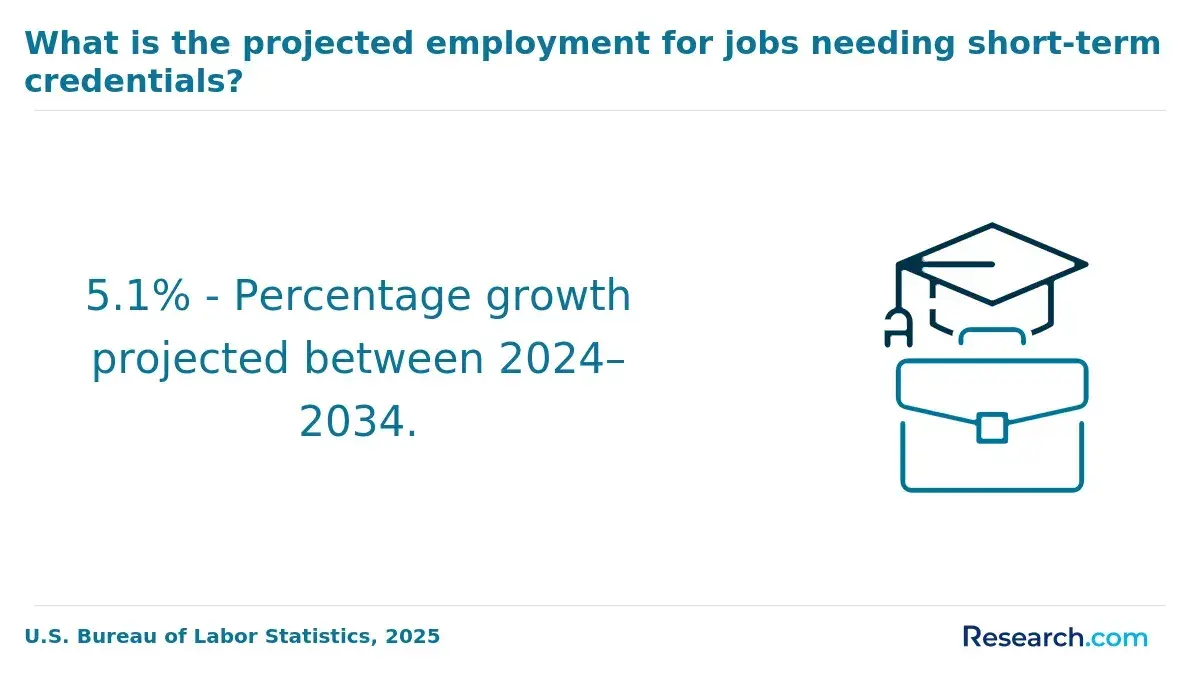
Employers hiring entry-level school counseling graduates focus on core skills that indicate both sound theoretical understanding and practical readiness. Industry data shows that nearly 70% of supervisors consider strong interpersonal and crisis management abilities essential for newcomers in educational environments. These priorities highlight the importance of graduates who can immediately address varied student challenges.
The following are key competencies that employers commonly seek in entry-level school counseling professionals:
- Effective Communication: New counselors should communicate clearly and empathetically with students, families, and school staff. This ability is vital for facilitating meaningful counseling conversations, resolving conflicts, and fostering teamwork within schools.
- Crisis Management: Entry-level counselors need to assess and respond promptly to urgent student situations, providing support or referrals while maintaining professionalism. This skill ensures stability and safety during high-pressure events.
- Cultural Awareness: Graduates must show sensitivity to diverse student backgrounds and adapt their counseling methods accordingly. This competence helps meet individual social and cultural needs effectively.
- Ethical Standards: Consistently following confidentiality rules and ethical guidelines is critical. Demonstrating integrity builds trust and ensures responsible handling of sensitive information.
- Data Utilization: Being able to analyze and apply data from assessments and academic records enhances decision-making. Entry-level counselors use this information to tailor interventions that support student growth.
Employers increasingly prioritize candidates with strong interpersonal and counseling skills, with a recent study showing that 72% of education and nonprofit sector employers seek these competencies. Graduates from school counseling programs develop versatile skills that are valued across multiple industries beyond traditional academic advising. These skills open doors to diverse career paths involving emotional support, conflict resolution, and developmental guidance.
The following fields commonly require the skills cultivated through school counseling programs:
- Mental Health and Social Work: Professionals in this field use skills such as active listening and crisis intervention to provide emotional support and create tailored care plans that meet client needs in various settings.
- Human Resources and Organizational Development: Communication, empathy, and conflict management skills help HR professionals address workplace issues and promote employee wellness effectively.
- Community and Youth Services: Counselors apply their ability to engage diverse populations and advocate for youth development, playing key roles in community programs focused on social support and empowerment.
- Rehabilitation Counseling: This field benefits from problem-solving and individualized planning skills to assist clients overcoming physical or cognitive challenges and improve their quality of life.
- Educational Leadership and Coordination: School counseling skills assist in cultural competency, collaboration, and data-driven decision-making essential for leading programs and enhancing student outcomes.
- Healthcare Administration: Expertise in emotional intelligence and communication is vital in managing patient interactions and coordinating care within healthcare settings.
Certain school counseling skills are strongly linked to higher earning potential because employers value abilities that improve student success and school efficiency. These competencies often result in measurable salary increases as school districts seek professionals who contribute to positive outcomes. Recognizing the top school counseling abilities linked to salary growth can help current and prospective counselors focus their development effectively.
The highest paying school counseling skills in the United States include the following:
- Data Analysis and Interpretation: Counselors skilled in evaluating student performance data and applying it to interventions typically earn 10% to 20% more than peers. This critical skill enables evidence-based decision-making, essential for schools prioritizing measurable success.
- Multicultural Competence and Diversity Awareness: Expertise in creating inclusive environments correlates with a salary boost of approximately $5,000 to $12,000 annually. Counselors who address diverse cultural needs meet growing demands for equity in education.
- Crisis Management and Trauma-Informed Care: Advanced knowledge in supporting students facing mental health challenges often results in a salary premium of 15% or more. As these issues gain prominence, such expertise becomes highly valued.
- Leadership and Program Development: Counselors who develop initiatives and coordinate district programs usually receive around $7,000 to $15,000 higher pay. These skills position them for administrative roles with enhanced compensation.
- Communication and Collaboration: Effective interaction with students, parents, and faculty generally leads to a 5% to 10% salary increase. Strong communication skills support better school outcomes and are rewarded accordingly.
For those interested in advancing their careers in health-related school settings, exploring the best online MHA programs can also complement counseling skills by expanding leadership and healthcare management capabilities.
Internships offer crucial practical experience to enhance school counseling competencies by immersing students in real-world educational settings. This engagement bridges the gap between classroom theory and actual practice, enabling students to apply counseling concepts such as active listening and culturally responsive communication effectively.
Approximately 85% of school counseling graduates who complete internships report significant improvement in practical skills and professional readiness. Such an internship benefits in school counseling skill development, builds a strong foundation for managing diverse student needs.
Through structured tasks like individual or group counseling sessions and designing intervention plans, internships offer supervised opportunities to refine core counseling skills. This guided practice strengthens ethical decision-making, adaptability, and problem-solving abilities essential in dynamic school environments.
Continuous feedback during internships enhances confidence and promotes the development of analytical and organizational skills. Students seeking flexible paths to enhance their expertise might also explore programs like the easiest online RN to BSN program, which similarly emphasize practical experiential learning.
Presenting school counseling skills clearly on a resume is essential to showcase your qualifications effectively and ensure alignment with what employers value. A well-structured listing helps highlight competencies and increases the likelihood of your resume passing initial automated and human reviews.
To achieve this, consider the following guidelines for listing school counseling skills professionally and coherently:
- Concise Phrasing: Use brief, focused phrases rather than lengthy descriptions. This approach keeps the resume readable and enables recruiters to quickly identify key abilities.
- Organized Grouping: Arrange skills under specific categories such as "Core Competencies" or "Professional Skills" to improve clarity and allow easy scanning of relevant qualifications.
- Balance of Skills: Include both technical skills, like "Data Analysis" or "Program Development," and interpersonal abilities such as "Empathy" and "Active Listening" to demonstrate a well-rounded profile.
- Objective Descriptions: Avoid vague statements and instead highlight clearly defined skills that reflect your specialized training and practical knowledge.
- Focus on Relevance: Tailor listed skills to the demands typically associated with school counseling roles, ensuring each item conveys a meaningful contribution.
What Graduates Say About the Most Valuable Skills You Build in a School Counseling Degree
- Alfonso: "Completing my school counseling degree was a transformative experience that taught me how to tailor my approach based on the educational level-from elementary to high school. The program really emphasized interpersonal communication and crisis intervention skills, which proved essential in my career working with diverse student populations. I've found that these skills are not just valuable in schools but also in community youth programs where emotional resilience is key."
- Eduardo: "Reflecting on my journey through the school counseling degree, I realize how challenging it was to balance theory with the practical skills required for real-world application. Learning to navigate ethical dilemmas and cultural sensitivity was initially difficult but incredibly rewarding. These competencies have allowed me to become a more empathetic and effective counselor, especially when collaborating with teachers and parents in secondary education."
- Thiago: "My school counseling degree equipped me with a comprehensive skill set that has been crucial in my role as a career advisor. The emphasis on developmental psychology and data-driven assessment tools opened my eyes to how much behind-the-scenes work goes into successful student outcomes. Most rewarding is seeing how these skills directly impact students' futures, guiding them through academic and vocational decisions with confidence."
Other Things You Should Know About School Counseling Degrees
Most accredited school counseling master’s programs require 600 hours of supervised internship, often completed in one or two school semesters. Programs also include practicum fieldwork, and many states require a counseling license or school counselor certification before graduates can work in K–12 schools.
Cultural competence is a critical skill cultivated during school counseling studies. It enables professionals to understand and respect diverse backgrounds and tailor support accordingly. Careers in counseling, social work, and human resources rely heavily on this skill to serve multicultural populations effectively and promote equity.
Advocacy skills help graduates champion the needs and rights of individuals within various systems. These skills are essential for roles in policy development, nonprofit leadership, and educational consulting. They empower professionals to influence systemic change and improve access to resources for underserved groups.
- Fundamental Principles Guiding Effective School Counselling • Psychology Town https://psychology.town/counselling/effective-school-counselling-principles/
- What Skills Do Employers Want from Graduates? 20 Key Skills — HE Professional https://heprofessional.co.uk/edition/what-skills-do-employers-want-from-graduates-release
- Tips on Preparing Your School Counseling Resume and Interview - Simply Imperfect Counselor https://simplyimperfectcounselor.com/tips-on-preparing-your-school-counseling-resume-and-interview/
- The Significance of Internship Programs in Secondary Education https://www.ncda.org/aws/NCDA/pt/sd/news_article/442532/_PARENT/CC_layout_details/false
- 3 Reasons to Host a School Counseling Intern - Savvy School Counselor https://savvyschoolcounselor.com/3-reasons-to-host-a-school-counseling-intern/
- Become a School Counselor - American School Counselor Association (ASCA) https://www.schoolcounselor.org/About-School-Counseling/Careers-in-School-Counseling
- The Skills You Build in a School Counseling Master’s Program That Matter Most - Global Gurus https://globalgurus.org/the-skills-you-build-in-a-school-counseling-masters-program-that-matter-most/
- Become a School Counselor and Change Young Lives for the Better https://www.tuw.edu/health/become-a-school-counselor/
- 3 Surprising Skills That School Counselors Need https://www.edutopia.org/blog/surprising-skills-school-counselors-need-angela-cleveland
- Why You Should Pursue a Master’s in School Counseling Right Now - Graduate Programs for Educators https://www.graduateprogram.org/blog/why-you-should-pursue-a-masters-in-school-counseling-right-now/