2027 School Counseling Degree Careers That Do Not Require Graduate School

Co-Founder and Chief Data Scientist
Many recent school counseling graduates find themselves at a crossroads: some career options are open immediately with a bachelor's degree, while others demand graduate education or specialized certifications. According to the Bureau of Labor Statistics, employment of counseling-related roles is projected to grow 22% from 2020 to 2030, signaling increased opportunities but also heightened expectations. Understanding which paths allow entry without advanced degrees can guide early-career decision-making. This article examines school counseling degree careers that do not require graduate school yet offer strong long-term potential and employability.
Key Things to Know About the School Counseling Careers That Do Not Require Graduate School
- Many school counseling roles allow direct workforce entry with a bachelor's degree, bypassing the need for graduate study while still supporting student development and wellbeing.
- Employers often prioritize certifications, relevant internships, and practical experience over advanced degrees for entry-level school counseling positions.
- Skills in communication and conflict resolution, combined with hands-on experience, improve hiring prospects and enable meaningful long-term career growth within the school counseling field.
What Career Paths Can You Pursue with a School Counseling Degree Without Graduate School?
Many individuals with a school counseling degree enter a range of careers immediately after earning their bachelor's, although opportunities vary by role and industry demand. Research shows that nearly 40% of graduates in school counseling-related fields secure relevant positions without pursuing graduate school, reflecting the degree's practical foundation. This accessibility makes it a viable pathway for those seeking entry-level roles without further academic commitments.
Some common entry points for those holding a school counseling degree without graduate study include the following:
- Youth Program Coordinator: These positions are often available in community centers or nonprofit organizations. They leverage interpersonal and organizational skills that are emphasized throughout school counseling programs, making them suitable for bachelor's degree holders.
- Academic Advisor Assistant: Typically employed in colleges or high schools, this role supports counseling staff and advisors. Being entry-level, it frequently only requires a bachelor's degree, aligning well with school counseling graduates.
- Behavioral Technician: Found in educational or mental health settings, behavioral technicians utilize foundational counseling principles learned during undergraduate studies to assist children and adolescents effectively.
- Case Manager: Common in social service agencies, case managers coordinate support and resources for clients. Their communication and advocacy skills acquired through school counseling coursework make this role accessible without graduate education.
- Career Services Assistant: Assisting in universities or employment centers, these professionals help manage resources and provide guidance. Their school counseling background supports entry into these roles without additional degrees.
The availability of these entry-level school counseling jobs no graduate degree requirements highlights the broad applicability of the skills developed during undergraduate study, such as communication, psychology, and human development. This flexibility helps graduates find meaningful work while avoiding the immediate need for graduate school. For those researching educational investments, comparing costs like medical billing and coding classes cost can also provide valuable perspective on alternative career pathways.
What Are the Highest-Paying Jobs for School Counseling Degree Graduates Without a Graduate Degree?
Several high-paying careers are available to graduates with a school counseling degree without the need for graduate school, especially in roles where employers recognize the value of a bachelor's-level education combined with strong interpersonal and organizational skills. According to the U.S. Bureau of Labor Statistics, individuals with a bachelor's degree in counseling or related fields can earn median annual salaries ranging from $50,000 to $75,000, depending on the position and location.
The following positions offer notable income potential and leverage skills developed in school counseling programs:
- Human Resources Specialist: This role utilizes the interpersonal and conflict-resolution abilities grounded in counseling training. HR specialists manage recruitment and employee relations, areas critical to business success, contributing to steady demand and competitive wages.
- Career Advisor or Workforce Development Specialist: By guiding individuals in career planning and job placement, these professionals positively impact workforce readiness and economic growth, resulting in above-average compensation for bachelor's degree holders.
- Social and Community Service Coordinator: These coordinators oversee programs that support community well-being, a growing field supported by social service needs, offering job security and attractive pay scales.
- Sales Manager or Corporate Trainer: Roles requiring motivation, training, and leadership skills benefit from counseling expertise and often provide higher earnings due to their influence on organization revenue and staff performance.
- Educational Program Coordinator: Coordinators contribute to educational initiatives in nonprofit or government settings, applying organizational and counseling skills that support competitive salary packages.
What Skills Do You Gain from a School Counseling Degree That Employers Value?
School counseling degree programs prepare students with versatile, transferable skills highly sought after in roles that often do not require graduate-level education. Employers consistently emphasize the importance of these abilities; for instance, a 2023 National Association of Colleges and Employers survey found that 89% of employers consider critical thinking and problem-solving essential when hiring bachelor's degree holders.
Below is a concise overview of key skills developed in school counseling programs that employers value in entry-level positions.
- Effective Communication: Programs emphasize clear, empathetic communication across diverse populations. This skill enables graduates to interact with clients, colleagues, and customers in ways that foster understanding and collaboration, crucial in many professional environments.
- Conflict Resolution: Graduates learn techniques for managing disagreements and facilitating positive outcomes. Such training is valuable for maintaining productive work relationships and resolving challenges without escalation.
- Organizational Skills: Managing schedules, coordinating resources, and planning are integral parts of the curriculum. These abilities help graduates handle multiple tasks efficiently in fast-paced workplaces.
- Emotional Intelligence: Understanding and regulating one's emotions, while interpreting others' feelings, enhances teamwork and customer service. This competence supports leadership potential and overall workplace harmony.
- Critical Thinking and Problem-Solving: Analyzing situations methodically and devising strategic solutions are central to school counseling training. Employers prize these skills for their role in adapting to evolving job demands and overcoming obstacles.
A school counseling degree graduate shared that early in their career they relied heavily on their ability to manage conflict and stay organized, which helped them adjust smoothly to a demanding job that involved coordinating multiple projects simultaneously while addressing client concerns effectively.
Approximately 65% of school counseling graduates secure entry-level employment within the first year after completing their degree, often without previous professional experience. Employers deliberately design many early career roles to welcome new graduates, allowing direct workforce entry without requiring a graduate degree or extensive job history. This trend supports hiring pathways that focus on bachelor's-level candidates.
Several entry-level school counseling assistant positions provide practical opportunities for fresh graduates. Common roles include:
- Academic Support Specialist: These positions emphasize assisting students with academic planning and study skills. Fresh graduates are valued for their updated knowledge and ability to offer educational support without needing prior experience.
- Behavioral Aide: Often based in schools, these roles involve supporting behavioral interventions with supervised on-the-job training, making them accessible to graduates starting their careers.
- Youth Outreach Assistant: Focused on student engagement in community activities, these generalist jobs promote well-being and typically welcome candidates with a bachelor's degree in school counseling but no prior experience.
- School Program Coordinator: These jobs prioritize organizational and coordination skills over counseling experience, allowing new hires to develop professionally with mentorship.
Graduates seeking jobs for school counseling graduates without graduate degree requirements should also consider roles that highlight strong communication and developmental psychology understanding. For those interested in expanding their education in related fields, programs such as a nursing degree online offer alternative pathways to complement their skill set.
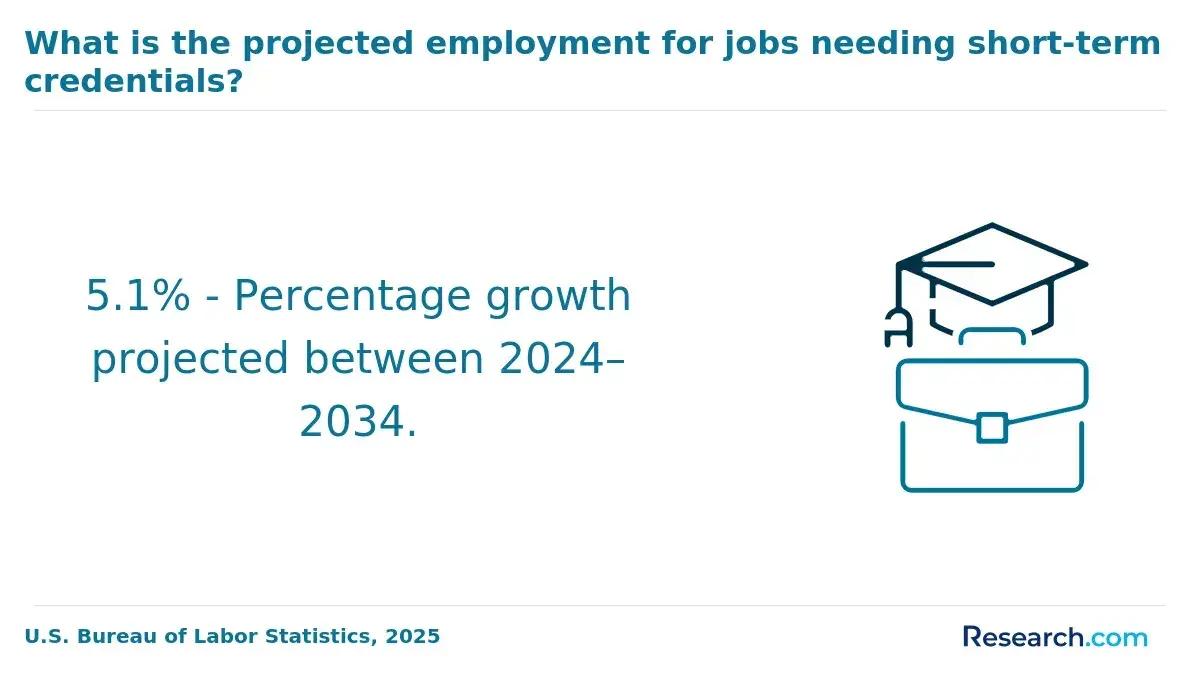
Certifications and short courses provide practical skills and industry-specific knowledge that amplify the employability of school counseling graduates who opt out of graduate education. These focused credentials bridge the gap between academic training and workforce demands, offering a pathway to job readiness and career progression. Recent surveys indicate that over 60% of education sector employers value candidates holding professional certifications or specialized short-term training.
The following credentials and courses are particularly beneficial for school counseling graduates seeking to broaden their professional capabilities and improve their career prospects:
- Behavioral Intervention Specialist Certification: This credential prepares individuals to assist students facing behavioral challenges by applying targeted intervention methods. It enhances the ability to foster positive classroom environments, making candidates highly desirable in educational and youth support roles.
- Trauma-Informed Care Training: Completing such training helps graduates recognize and address the effects of trauma on student behavior. This knowledge supports the creation of empathetic, supportive settings, a critical asset in counseling and student service positions.
- Conflict Resolution and Mediation Certification: Gaining expertise in resolving conflicts equips professionals to mediate disputes effectively among students and staff. This certification opens doors to roles in peer mediation and restorative justice programs within schools.
- First Aid and Mental Health First Aid Certification: These certifications develop emergency response skills and mental health crisis intervention capabilities. They demonstrate a readiness to manage student health and safety concerns proactively.
A professional with a school counseling degree shared that pursuing a trauma-informed care short course was both challenging and rewarding. They highlighted that the coursework deepened their understanding of students' emotional needs, something not fully covered in their initial training. They mentioned, "This certification helped me confidently support students facing trauma, which significantly boosted my effectiveness and opened new job opportunities." Their experience illustrates how targeted certifications can enrich expertise and enhance career growth without the need for graduate studies.
Access to roles for school counseling graduates without graduate degrees varies across industries, with some sectors more receptive due to workforce needs and role flexibility. Approximately one-quarter of entry-level counseling-related jobs are staffed by individuals holding only a bachelor's degree, demonstrating industry openness to non-graduate candidates. Several fields stand out for their consistent hiring of these graduates based on their operational structures.
Below are some key industries that typically offer accessible opportunities:
- Nonprofit Organizations: These organizations often require a large, versatile workforce for youth and community programs, making bachelor's-level graduates valuable for various support roles without advanced credentials.
- Social Services Agencies: Local and state agencies hire bachelor's holders for client assistance, case management, and program work, relying on diverse teams to implement social welfare initiatives.
- Recreational and Community Centers: These centers provide youth-focused programming and mentorship opportunities, generating demand for staff with counseling knowledge but not necessarily graduate degrees.
- Residential and Group Care Facilities: Facilities serving vulnerable populations employ bachelor's-level staff to support behavioral and counseling functions within broader care teams.
- Corporate Employee Assistance Programs: EAP providers use bachelor's-level graduates for initial client outreach and support tasks, benefiting from a sizeable entry-level workforce to manage referrals and triage.
Non-traditional career structures widen access for school counseling graduates by reducing dependence on formal education and licensing pathways. Digital and independent work models open new doors that bypass geographic and institutional constraints, allowing graduates to leverage their skills in flexible and innovative ways. Recent data shows that about 37% of bachelor's degree holders participated in some form of location-independent work, reflecting growing acceptance of remote roles in education-related fields.
These evolving career formats include a variety of freelance and remote opportunities:
- Distributed work systems: Graduates join decentralized teams operating entirely online, supporting schools, nonprofits, or virtual learning platforms with guidance, resource coordination, or administration, unrestricted by location.
- Digital-first labor markets: Freelance platforms provide short-term projects like educational content creation and youth wellness support, allowing graduates to build experience remotely while choosing assignments that match their skills and time.
- Project-based independent consulting: Contracting with organizations on targeted initiatives such as program evaluations or mental health awareness allows graduates to work flexibly with minimal physical requirements, often just a laptop and internet.
- Virtual peer mentoring and coaching: Using video conferencing, graduates offer emotional support, study skills coaching, or career guidance to students and young adults via freelance services or specialized online platforms.
- Content creation and resource development: Producing educational materials like guides, blogs, and webinars enables graduates to reach audiences broadly without location limits, applying their school counseling expertise in digital formats.
Graduates with a school counseling degree can start building a career without graduate school by entering the workforce directly after earning their bachelor's. Early career momentum often depends on access to entry-level roles that provide hands-on experience and exposure to professional environments. According to employment data, about 65% of school counseling bachelor's degree holders enter the workforce without immediately pursuing advanced education, reflecting viable pathways through practical experience. Positions in schools, nonprofit organizations, and youth services offer roles where graduates apply foundational skills while gaining valuable mentorship and on-the-job training, helping them develop professionally over time.
Long-term career growth for school counseling degree holders without graduate school typically comes through advancement within organizations and expanding scope of responsibilities. Rather than relying on further formal education, many professionals grow by taking on leadership roles, coordinating programs, or contributing to student support initiatives. This progression varies depending on the sector but is often supported by continued professional engagement and community involvement. For those interested in fast-tracking their entry into caregiving roles that complement counseling work, exploring options like a 12 week LPN program can also provide additional employment opportunities.
Skipping graduate school is a common pathway for some pursuing school counseling careers, allowing earlier entry into the workforce. This approach can provide immediate job access but may influence long-term professional growth depending on career direction. Data suggest that school counseling roles filled by bachelor's degree holders often face a more competitive market, with about 60% eventually pursuing graduate credentials for advancement.
Consider these pros and cons of skipping graduate school in school counseling careers:
- Early Workforce Entry: Without graduate school, candidates can access entry-level school counseling jobs without a graduate degree sooner, gaining practical experience and income that others spend on schooling.
- Opportunity Costs: Forgoing graduate education reduces time and financial burden upfront, allowing professionals to explore diverse roles or alternative certifications that can enhance career flexibility.
- Long-Term Advancement: Many advanced or licensure-required positions, particularly in large institutional employers or specialized counseling centers, remain inaccessible without a master's degree, which can limit upward mobility.
- Employer Selectivity: Competitive employers such as private educational institutions or selective nonprofits often prefer candidates with graduate-level credentials, affecting hiring odds for bachelor's degree holders.
For those weighing options, understanding these trade-offs is essential, especially since pursuing graduate education can open doors to many specialized roles requiring advanced training. Individuals interested in alternative education paths may also explore related fields; for example, programs offering online biology degrees provide flexible academic opportunities that could complement school counseling careers.
Graduates holding a bachelor's degree in school counseling often face a diverse job market where employment trends reflect varied workforce demand and career placement outcomes. Many find roles in educational support or community programs, with salaries typically ranging between $30,000 and $50,000 annually. Labor market participation for bachelor's-level school counseling graduates shows steady employment but with competition influenced by regional and institutional factors. Entry-level opportunities reveal that successful employment often depends on balancing qualifications with available positions within the broader landscape of employment trends for bachelor's degree school counseling graduates.
Job market outcomes vary significantly across different career paths in school counseling, shaped by broader labor market dynamics rather than a uniform trajectory. Opportunities span multiple sectors, including administrative support and specialized program coordination, with compensation and accessibility differing by role and location. The landscape illustrates that employment possibilities for school counseling graduates adapt to regional needs and institutional priorities. For those exploring pathways beyond graduate school, resources like ADN to MSN NP programs offer insight into related fields and transitions within healthcare and education sectors.
What Graduates Say About School Counseling Careers Even Without Pursuing Graduate School
- Alfonso: "Graduating with a school counseling degree opened doors for me in youth outreach programs right away. Although I didn't pursue graduate school, the practical skills I learned-like effective communication and crisis management-proved essential in my early career. I often say my degree was more about hands-on readiness than further academic pursuits."
- Eduardo: "Reflecting on my transition from a school counseling program to the workforce, I've found the real-world applications invaluable. The training gave me confidence to work directly with students and community members without needing a more advanced degree. This practical foundation made my entry into the field smoother and very rewarding."
- Thiago: "My experience shows that a school counseling degree can stand strong even without graduate studies. It equipped me with critical insights into student dynamics and problem-solving strategies that employers appreciated. As I started my career, I realized the value of these tools every day, affirming that this pathway fit me well."
Other Things You Should Know About School Counseling Degrees
In most cases, public elementary and secondary schools require a graduate degree plus state certification for fully licensed school counselors. However, some private schools, charter schools, or after-school programs may hire individuals with a bachelor's degree in school counseling or a related field for support roles, such as counseling assistants or behavioral aides. These positions allow for hands-on experience but usually do not involve full counseling responsibilities or independent caseload management.
Graduates with a school counseling degree but no graduate education may find opportunities in nonprofit organizations, youth development programs, community outreach initiatives, and educational nonprofits. These roles often focus on program coordination, mentorship, or behavioral support, leveraging counseling knowledge without requiring a full counseling license. Such positions provide valuable experience in student advocacy and support services.
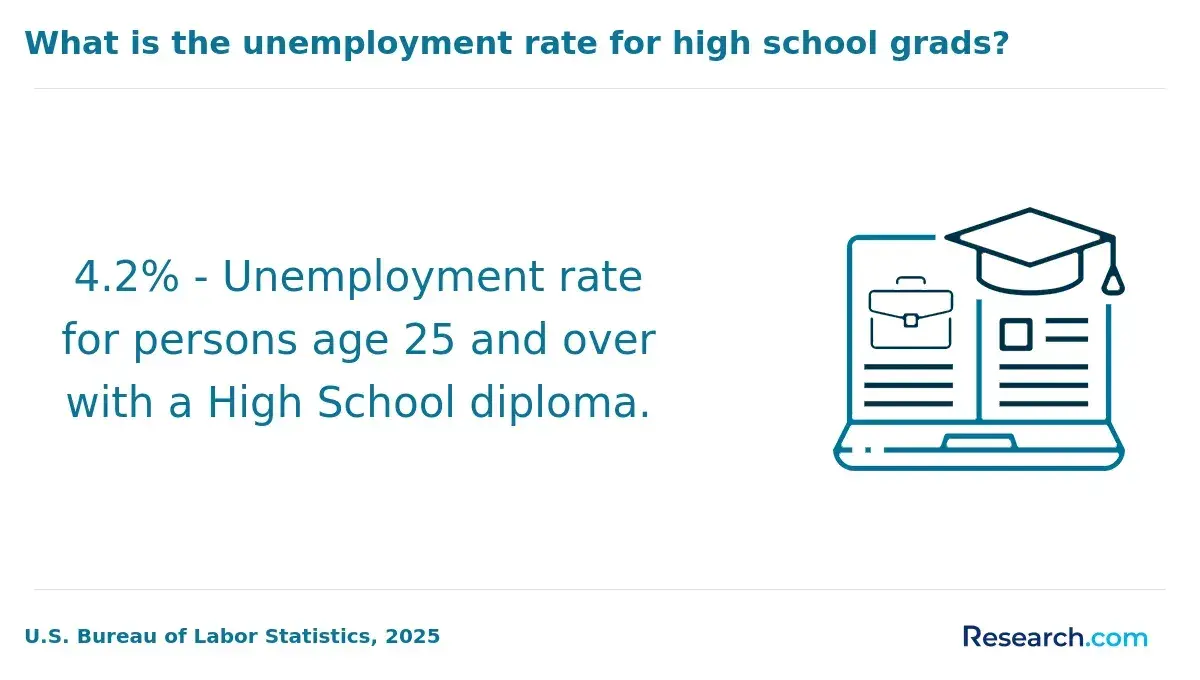
Yes. Several states issue school counselor aide, pupil services, or paraprofessional credentials for support roles in K-12 schools. Requirements often include a high school diploma or associate degree, a background check, and district-approved training, with renewal every 1 to 5 years through the state education department.
- Job, czyli ostatnia szara komórka – Wikipedia, wolna encyklopedia https://pl.wikipedia.org/wiki/Job,_czyli_ostatnia_szara_kom%C3%B3rka
- 2025 Best Graduate Certificate in School Counseling Programs - Online, Low Cost, & Quick Options https://www.counselingpsychology.org/counseling/degrees/school-counseling/graduate-certificate/
- Artwork of a gum leaf symbolising ‘welcome’ and acknowledging diverse countries, environments, communities, cultures, beliefs, and history. https://www.seek.com.au/counselling-no-experience-jobs
- Szukasz pracy? https://www.jobs.pl/
- Rocket Jobs https://rocketjobs.pl/
- Top 30 Online No GRE Required School Counseling Master's Programs https://schoolcounselingmasters.org/online-school-counseling-programs-no-gre/
- Become a School Counselor - American School Counselor Association (ASCA) https://www.schoolcounselor.org/About-School-Counseling/Careers-in-School-Counseling
- Wybrano język polski https://www.pracuj.pl/
- How to Transition From Teacher to School Counselor https://teach.com/online-ed/counseling-degrees/online-masters-school-counseling/transition-from-teacher-to-school-counselor/
- School and Career Counselors: Salary, career path, job outlook, education and more - RaiseMe https://www.raise.me/careers/community-and-social-service/school-and-career-counselors/