2027 Military-Friendly Online Human Services Doctorate Programs: Benefits, Accreditation, and Career Outcomes

Co-Founder and Chief Data Scientist
Choosing an online human services doctorate while serving, transitioning, or using VA benefits is a high-stakes decision because the wrong program can waste time, benefits, and career momentum. The VA's 2025-26 Post-9/11 GI Bill private-school tuition cap is $29,920.95, which can significantly change the cost of a doctorate but may not cover every fee or term structure.
This guide is for active-duty members, veterans, spouses, and military-connected professionals comparing doctoral programs. You will learn how to evaluate benefits, accreditation, flexibility, transfer policies, and career value before enrolling.
Key Things You Should Know
- Military-friendly online human services doctorates should be judged by verified policies, not labels: look for recognized institutional accreditation, deployment flexibility, military advising, transfer rules, and transparent total cost.
- Federal military education benefits can reduce doctorate costs, but coverage varies: DoD tuition assistance is generally capped at $250 per semester hour, while the 2025-26 Post-9/11 GI Bill private-school cap is $29,920.95.
- Career value depends on the role you want: the BLS reported a May 2024 median salary of $78,240 for social and community service managers, but licensure, leadership experience, and employer recognition often matter as much as the doctorate itself.
Which Military-Friendly Online Human Services Doctorate Programs Offer the Best Benefits for Service Members?
The best military-friendly online human services doctorate is usually the one that matches your service obligations, benefit eligibility, and career goal, not simply the one with the largest military discount. Human services doctorates may appear as a Doctor of Human Services, PhD in Human Services or Human and Social Services, Doctor of Social Work, or an interdisciplinary leadership doctorate with a human services concentration.
Use the comparison below to separate meaningful support from marketing language. The strongest programs typically combine military tuition policies with practical academic flexibility and clear outcomes for leadership, teaching, consulting, research, or advanced practice roles.
| Program type | Best fit for military-connected students | Military-friendly features to verify | Potential caution |
| Doctor of Human Services or DHS | Professionals aiming for executive, program administration, community services, nonprofit, or public-sector leadership roles | Military tuition rate, online coursework, applied doctoral project, military advising, and leave policy | May not satisfy clinical licensure requirements by itself |
| PhD in Human Services or Human and Social Services | Students interested in research, policy analysis, college teaching, evaluation, or organizational leadership | Dissertation support, asynchronous coursework, research mentoring, and deployment accommodation | May be more research-intensive and longer than an applied doctorate |
| Doctor of Social Work | Licensed or license-eligible social workers pursuing advanced practice, clinical leadership, teaching, or agency administration | MSW-based admissions, online residencies, veteran support services, and Yellow Ribbon participation | Applicants usually need an MSW and should verify state licensure relevance |
| Leadership doctorate with human services concentration | Military leaders moving into organizational development, training, policy, or public administration roles | Prior graduate credit review, flexible pacing, no mandatory campus residency, and career coaching | May be less recognizable to employers seeking a human services-specific doctorate |
Students who are still building toward doctoral study may need a faster undergraduate route before pursuing graduate credentials; an accelerated human services degree online can be a practical earlier step if you do not yet meet doctoral admissions requirements.
Common red flags include vague "military-friendly" claims, unclear dissertation fees, mandatory live sessions that conflict with duty schedules, and no written policy for deployment interruptions. Ask the school to confirm every military support feature in writing before you apply.
What Military Benefits Can Students Use for an Online Human Services Doctorate?
Military-connected doctoral students may combine several benefit types, but the correct mix depends on status, service branch, benefit transferability, school participation, and academic calendar. Doctoral programs can be expensive because they often include dissertation, project, continuation, technology, and residency fees that are easy to overlook.
The table below summarizes common benefit categories and what each one can realistically do for an online human services doctorate.
| Benefit or support | Who may use it | How it may help | What to verify |
| Post-9/11 GI Bill | Eligible veterans, service members, and some dependents using transferred benefits | Can cover tuition and fees up to VA limits and may include a housing allowance and book stipend | Remaining months of entitlement, school certification, online housing rules, and Yellow Ribbon availability |
| Yellow Ribbon Program | Eligible students at participating schools | Can help cover tuition above the GI Bill annual cap at private or out-of-state institutions | Annual school contribution, number of seats, degree-level eligibility, and whether doctorate students qualify |
| DoD Tuition Assistance | Active-duty members and some Reserve or Guard members, depending on branch rules | Can reduce per-course cost while serving | Branch approval process, semester-hour cap, annual limits, degree-level restrictions, and grade requirements |
| Vocational Rehabilitation and Employment | Eligible veterans with a service-connected disability and employment barrier | May support education tied to an approved employment plan | Whether a doctorate is necessary for the approved career objective |
| Military scholarships or institutional discounts | Varies by school and student status | Can reduce tuition gaps after federal benefits | Stacking rules, renewal conditions, fees excluded, and whether spouses or dependents qualify |
Before relying on a benefit, complete a benefit audit. This helps you avoid exhausting limited entitlement on a program that does not match your career path.
- Confirm your current eligibility through the appropriate military or VA channel before applying.
- Ask the school's certifying official how the program's term structure affects GI Bill or tuition assistance processing.
- Request a written cost estimate that separates tuition, fees, dissertation continuation, residency, books, and technology expenses.
- Ask whether institutional military discounts can be combined with VA benefits, scholarships, employer reimbursement, or tuition assistance.
- Compare the doctorate's expected career use with less expensive alternatives, including master's-level or certificate pathways.
How Does Military Tuition Assistance Work for Online Human Services Doctorate Programs?
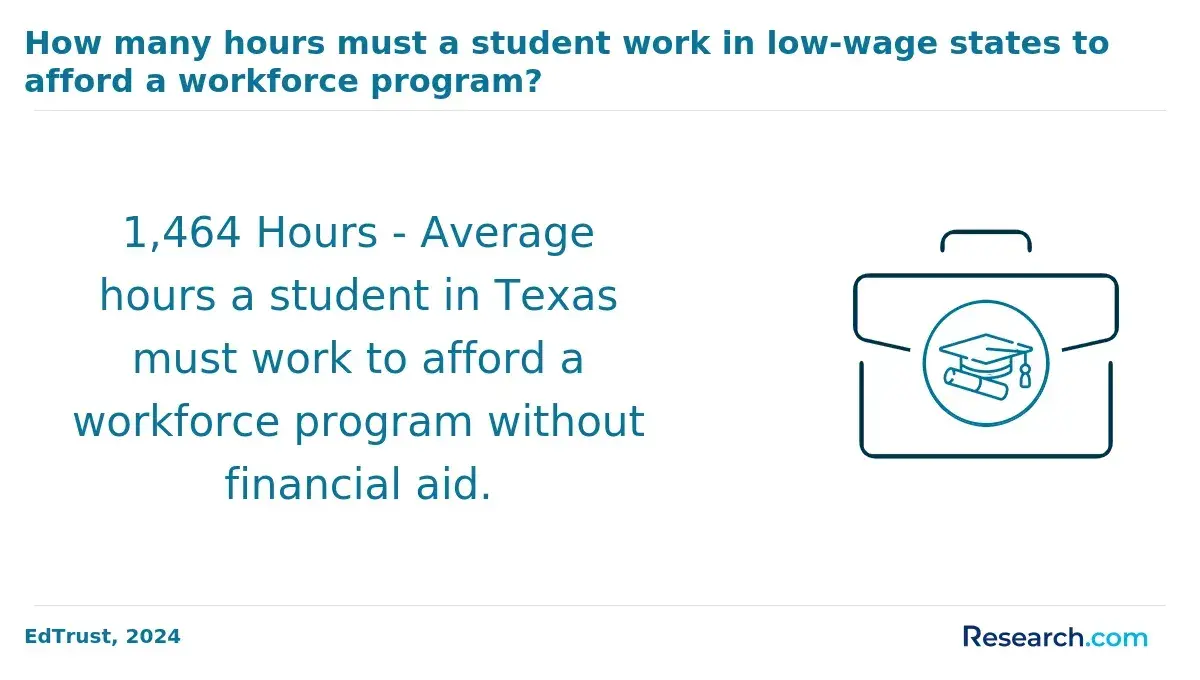
Military tuition assistance is branch-managed education funding generally used while actively serving. For many service members, it can make individual doctoral courses more affordable, but it is not automatic and may not cover the full price of graduate or doctoral tuition.
DoD tuition assistance is commonly capped at $250 per semester hour, but annual caps, degree-level eligibility, service obligations, application deadlines, and grade requirements vary by branch and can change. That means an online human services doctorate with tuition above the TA cap will still require another funding source unless the school offers a military rate at or near the cap.
Use this process before registering for doctoral courses with TA:
- Check your branch education portal to confirm whether doctoral coursework is eligible for your status and education history.
- Ask the school whether its doctoral human services courses are priced per semester hour, quarter hour, subscription period, or flat term.
- Calculate the difference between the school's per-credit cost and the TA cap before assuming the course is fully covered.
- Submit TA requests before the branch deadline because retroactive approval is often not available.
- Confirm what happens if military duties force a withdrawal, incomplete, or course extension.
A common mistake is choosing a program because the school advertises a military tuition rate without checking whether that rate applies to doctoral credits. Another mistake is assuming TA and GI Bill benefits always stack in the most favorable way; schools and benefit programs have sequencing rules, so ask the military education office and school certifying official to explain the order of payment.
Are Military-Friendly Online Human Services Doctorate Programs Accredited?
Accreditation is one of the most important safeguards for military-connected students because it affects federal aid eligibility, transferability, employer recognition, and long-term academic credibility. At the doctoral level, a military-friendly label is not a substitute for recognized institutional accreditation.
For online human services doctorates, students should usually start by confirming that the institution is accredited by an accreditor recognized by the U.S. Department of Education or the Council for Higher Education Accreditation. Human services doctorates do not always have the same specialized accreditation pathways as counseling, psychology, or social work programs, so program fit must be reviewed carefully.
The table below clarifies what accreditation can and cannot tell you when comparing programs.
| Accreditation or approval type | Why it matters | What it does not automatically prove |
| Recognized institutional accreditation | Supports federal aid eligibility, baseline academic quality review, and employer confidence | It does not guarantee strong military support or strong career outcomes |
| Specialized professional accreditation | May be required or preferred in fields such as counseling, psychology, or social work | It may not exist for every human services doctorate |
| State authorization for online education | Helps confirm the school can enroll online students in your state | It does not mean the program meets professional licensing requirements |
| Military or veteran recognition lists | May indicate participation in military support initiatives | It is not the same as academic accreditation |
Students comparing human services doctorates with DSW programs should pay close attention to admissions requirements and professional purpose. A DSW is usually designed for advanced social work professionals, while a human services doctorate may be broader and more administrative, interdisciplinary, or research-oriented.
To avoid accreditation mistakes, verify the school directly in recognized accreditation databases, ask whether the program has any specialized approvals, and contact state licensing boards if your goal involves clinical practice. If a program cannot clearly explain its accreditation status, state authorization, or licensure limitations, treat that as a serious warning sign.
How Do Online Human Services Doctorate Programs Support Active-Duty and Veteran Students?
Strong military student support goes beyond admissions friendliness. Active-duty and veteran students often need fast benefit processing, predictable academic calendars, flexible communication, and advisors who understand deployments, PCS moves, duty rotations, disability accommodations, and transition timelines.
Look for support services that solve real problems, not just services listed on a webpage. The most useful programs typically offer a coordinated military or veteran office, a school certifying official, doctoral faculty access, and clear escalation paths when service obligations interrupt coursework.
When speaking with admissions or military advisors, ask targeted questions such as:
- Who is the school certifying official, and how quickly are VA enrollments usually certified after registration?
- Does the doctorate allow extensions, incompletes, or leave of absence for deployment, training, or emergency orders?
- Are doctoral courses asynchronous, or do they require live attendance at fixed times?
- Is dissertation or doctoral project advising available remotely across time zones?
- Does the school provide veteran career services, disability accommodations, writing support, and research methods tutoring?
- Will changing duty stations affect state authorization, internship requirements, or access to required resources?
A meaningful support model should reduce administrative friction. If each office gives a different answer about benefits, leave, transfer credit, or residency requirements, pause before enrolling and request a written program plan.
Can Military Training and Experience Transfer Into an Online Human Services Doctorate?
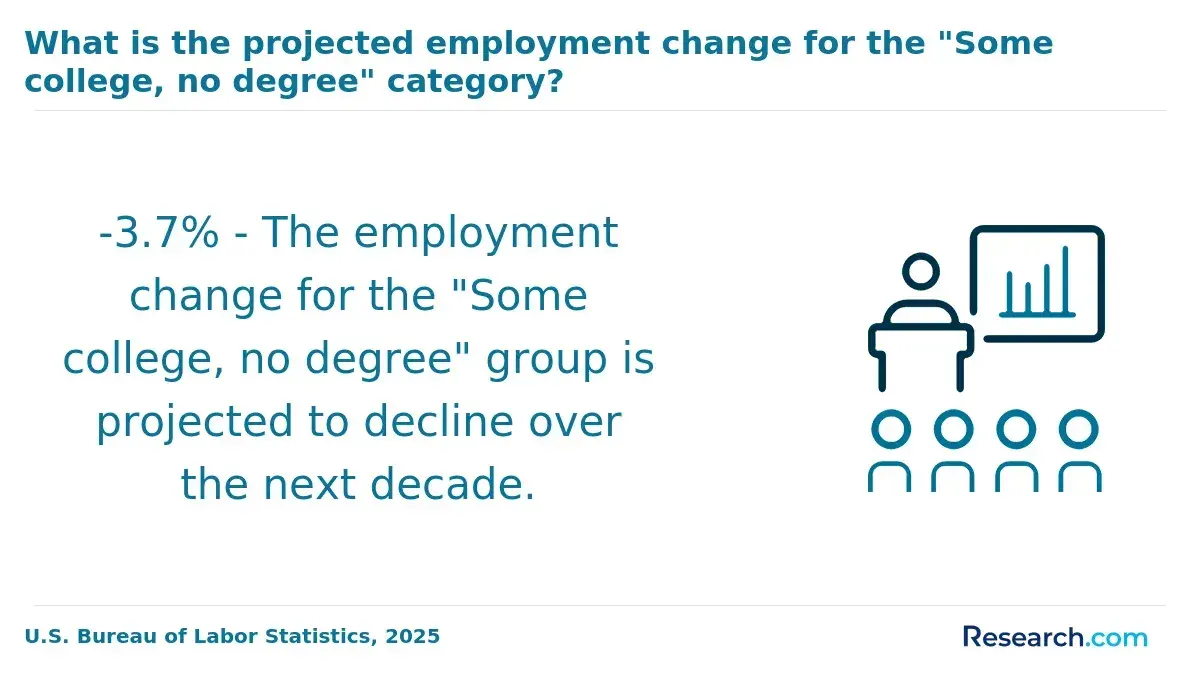
Military training and experience may strengthen a doctoral application, but it rarely converts directly into large amounts of doctoral credit. Doctoral programs usually require advanced coursework, research preparation, and a dissertation or applied project that must be completed through the degree-granting institution.
Transfer credit is more likely to come from prior graduate coursework than from military occupational training alone. Schools may review Joint Services Transcript recommendations, officer education, graduate certificates, previous master's coursework, or professional training, but doctoral transfer limits are typically strict.
The table below shows what military-connected students should expect when asking about credit transfer.
| Prior learning source | Possible doctoral relevance | Likely limitation |
| Prior graduate coursework | May satisfy electives, foundations, research, or concentration requirements | Must match course level, age limits, grade minimums, and program outcomes |
| Joint Services Transcript | May document leadership, management, training, or technical learning | Often applies more easily to undergraduate credit than doctoral credit |
| Military leadership experience | Can strengthen admissions essays, interviews, and applied project ideas | Usually does not replace dissertation, research, or core doctoral requirements |
| Professional certifications | May support specialization or demonstrate readiness | Credit awards vary widely and may not reduce total tuition meaningfully |
Students entering doctoral study from another discipline should also consider whether an intermediate graduate credential would be more strategic. For example, those seeking social services clinical or administrative roles may compare doctoral options with the best online MSW programs if they do not already hold the licensure-oriented master's degree many employers require.
The safest approach is to request a preliminary transfer review before committing. Ask how many credits can transfer, which requirements they replace, whether transfer credit lowers tuition, and whether accepted credits shorten the dissertation timeline.
How Flexible Are Military-Friendly Online Human Services Doctorate Programs for Service Members?
Online format is usually the best fit for active-duty and geographically mobile students, but not all online doctorates are equally flexible. The key question is whether the program can absorb interruptions from deployments, watch schedules, PCS moves, family responsibilities, and unpredictable internet access.
Flexibility should be evaluated across course delivery, pacing, residency expectations, fieldwork, and dissertation advising. An online program with frequent live sessions or required campus intensives may be manageable for some veterans but difficult for deployed or rotating-shift students.
Compare programs using these flexibility factors:
- Asynchronous coursework that allows students to complete weekly work without attending live class at a fixed time.
- Multiple start dates that reduce waiting time if military duties interrupt an enrollment period.
- Part-time enrollment options that preserve benefits eligibility while reducing overload risk.
- Written deployment, leave, withdrawal, and reentry policies that protect academic progress.
- Remote dissertation defenses, virtual research supervision, and online library access.
- Minimal or optional campus residencies, with enough notice to plan leave and travel.
Online doctoral education is also being shaped by AI-assisted research tools, virtual collaboration platforms, and stronger expectations for digital research ethics. Students should ask whether the program has clear AI use policies for writing, data analysis, and dissertation work, because improper AI use can create academic integrity risks even when the tool is allowed in limited ways.
The best program for a deployed student may not be the same as the best program for a veteran using full-time GI Bill benefits. Active-duty students should prioritize flexibility and interruption policies, while veterans may place more weight on pace, housing allowance implications, and career transition timing.
How Much Do Military-Friendly Online Human Services Doctorate Programs Cost After Military Benefits?
The out-of-pocket cost of a military-friendly online human services doctorate depends on published tuition, benefit eligibility, transfer credit, program length, dissertation time, fees, and whether the school participates in programs such as Yellow Ribbon. Do not compare schools only by per-credit tuition; a cheaper per-credit rate can become expensive if the program requires more credits or extended dissertation enrollment.
These current benefit figures are important starting points when estimating cost, but they are not a final price quote:
- DoD tuition assistance: generally up to $250 per semester hour, subject to branch rules and annual limits.
- Post-9/11 GI Bill private or foreign school tuition and fee cap for 2025-26: up to $29,920.95.
- Yellow Ribbon: school and VA contributions vary by institution, degree level, annual allocation, and eligibility category.
To build a realistic cost estimate, ask each school for a full doctoral cost sheet. Include tuition, fees, course materials, residency travel, background checks if required, dissertation continuation, technology fees, and the cost of any repeated or extended courses.
The table below shows how the same benefit can produce different net costs depending on program structure.
| Cost factor | Why it changes net cost | Question to ask the school |
| Per-credit tuition | Determines how much TA or GI Bill benefits cover per course | Does the military tuition rate apply to doctoral credits? |
| Total credits required | More credits can outweigh a lower per-credit price | How many credits are required after transfer review? |
| Dissertation or project continuation | Extended research time can add terms of tuition or fees | What is the average continuation requirement after coursework? |
| Residency requirements | Travel, lodging, and leave time may not be fully covered | Are residencies mandatory, virtual, or optional? |
| Benefit stacking rules | Discounts, scholarships, TA, and VA benefits may not combine freely | In what order are benefits applied to my account? |
A common ROI mistake is assuming a doctorate is automatically worth the remaining benefit entitlement. If your target role requires only a master's degree, license, or management experience, a doctoral program may still be personally valuable but less efficient financially. Use the doctorate when it supports a specific leadership, academic, research, policy, or advanced practice goal.
What Career Outcomes Can Military Students Expect After an Online Human Services Doctorate?
An online human services doctorate can support career advancement in human services administration, nonprofit leadership, social and community service management, policy analysis, program evaluation, consulting, higher education, and applied research. For military-connected students, the strongest outcomes often come from combining doctoral training with military leadership, operations experience, crisis response, training, logistics, or public-sector knowledge.
The BLS reported a May 2024 median salary of $78,240 for social and community service managers. That figure is useful because many human services doctorate students target leadership roles, but it should not be treated as a doctoral salary promise; compensation varies by employer, region, sector, funding source, and prior experience.
The table below connects common doctoral outcomes with the value a military background may add.
| Career direction | Typical responsibilities | How military experience may help | Credential considerations |
| Human services executive or program director | Lead programs, budgets, compliance, staff, and community partnerships | Operational leadership, personnel management, and mission planning | Doctorate may support advancement, but employers may also value management experience |
| Policy analyst or program evaluator | Assess service outcomes, funding impact, population needs, and policy design | Data-informed decision-making and experience with large systems | Research methods and statistics training are important |
| College instructor or faculty member | Teach human services, social work-adjacent, leadership, or public service courses | Real-world leadership examples and adult training experience | Full-time faculty roles can be competitive and may prefer a PhD |
| Consultant or training specialist | Advise agencies on leadership, crisis response, veteran services, or program improvement | Credibility with military, veteran, and public-sector populations | Portfolio, network, and specialization matter |
| Advanced social services practitioner | Oversee practice models, supervision, quality assurance, or specialized services | Experience with trauma-informed, family, transition, or resilience-related contexts | Clinical roles may require separate state licensure |
Students planning a long-term pathway into policy, research, or human services leadership may also benefit from strong undergraduate preparation in social systems, inequality, organizations, and research methods. Comparing the best online bachelors in sociology programs can be useful for military-connected learners who are earlier in the education pipeline.
Employer expectations are also shifting toward measurable outcomes, grant accountability, technology-enabled service delivery, and evidence-based leadership. A doctorate is most valuable when the curriculum builds practical skills in evaluation, data interpretation, ethics, organizational strategy, and culturally responsive service delivery.
How Should Military Students Choose the Best Online Human Services Doctorate Program?
Military students should choose an online human services doctorate by verifying fit across academics, benefits, flexibility, and career outcomes. A program can be military-friendly and still be the wrong choice if it lacks the specialization, pacing, accreditation, or employer recognition you need.
Use the following step-by-step process before enrolling:
- Define the career outcome first, such as executive leadership, teaching, policy, research, consulting, or advanced practice.
- Match the degree type to that outcome by comparing DHS, PhD, DSW, and leadership doctorate structures.
- Verify institutional accreditation and any specialized accreditation or licensure relevance before discussing price.
- Request a written military benefit estimate that includes GI Bill, Yellow Ribbon, TA, scholarships, and fees.
- Ask for the deployment, PCS, leave, withdrawal, incomplete, and reentry policies in writing.
- Confirm whether coursework is asynchronous and whether residencies, live sessions, internships, or defenses require travel or fixed attendance.
- Complete a transfer credit review before assuming prior graduate study or military training will reduce cost.
- Review faculty expertise, dissertation support, student services, and career outcomes for military-connected or adult doctoral students.
- Compare the doctorate with lower-cost alternatives if your target role does not clearly require doctoral preparation.
The strongest applicants also ask direct questions about dissertation timelines, advisor availability, research expectations, and how the program handles students who must pause for service obligations. If a school pressures you to enroll before answering these questions, that is a red flag.
Choose a program when the full picture makes sense: recognized accreditation, affordable net cost after benefits, realistic pacing, documented military accommodations, relevant curriculum, and a clear link to your next career move. Walk away when the program relies on military branding but cannot explain the policies that would protect your time, money, and academic progress.
Other Things You Should Know About Human Services
No. Human services is a broader field that can include community programs, case management, nonprofit leadership, public services, advocacy, and program administration. Social work is a regulated profession in many roles and often requires a CSWE-accredited MSW for licensure.
Many online professional doctorates no longer require the GRE, but requirements vary. Schools may instead review graduate GPA, professional experience, writing samples, recommendations, interviews, and a statement of research or professional goals.
Not always. PhD programs commonly require a dissertation, while applied doctorates may require a doctoral project, capstone, or practice-based research study. Students should compare the final project format because it affects timeline, workload, and career fit.
Students should be cautious if they need initial clinical licensure, lack a clear doctoral-level career goal, cannot commit to long-term research or project work, or would use limited military benefits more effectively on a required master's degree or license-focused program.
References
- Online Human Services Degrees: Finding the Right Program https://www.edumed.org/online-schools/human-services-degrees/
- FAQ https://www.cshse.org/faq
- Military-friendly Online Master’s Programs for Service Members https://www.onlinemastersdegrees.org/features/military-friendly-programs/
- Doctoral/Post-Graduate Archives https://www.militaryfamily.org/category/scholarship-offers/type-of-funding/scholarship-degree/doctoral-post-graduate/
- CAHS, About, Accreditation https://cahs.usuhs.edu/about/accreditation
- Online Colleges For Military Spouses And Dependents https://www.affordablecollegesonline.org/college-resource-center/online-college-military-spouses-and-dependents/
- Military & Veterans Program https://carolinau.edu/military
- Health and Human Services: Campus & Online Degrees and Careers https://www.publichealthonline.org/human-services/online-degree-programs/
- From Service to Scholarship: The Military Veteran's Guide to Pursuing a PhD https://www.phds.me/resources/military-personnel-veterans/
- Military Social Work: Army, Navy, Air Force, Marines and National Guard https://www.onlinemswprograms.com/careers/military-social-work/