2027 Online vs On-Campus Human Services Doctorate Programs: Cost, Flexibility, and Employer Perception

Co-Founder and Chief Data Scientist
The hardest part of comparing online and on-campus Human Services doctorate programs is not the coursework; it is knowing which format fits your budget, schedule, and career path. BLS data published in 2024 projects 8% growth for social and community service managers from 2023 to 2033, making advanced leadership training relevant for many human services professionals. This guide is for working adults, educators, administrators, and practitioners weighing doctoral study. You will learn how to compare cost, flexibility, fieldwork, dissertation support, and employer outlook so you can choose the format that best supports your goals.
Key Things to Know About Online vs On-Campus Human Services Doctorate Programs
- Online doctorates usually offer more schedule flexibility, but they are not automatically cheaper; graduate tuition, technology fees, residencies, and lost work time can narrow the cost gap.
- NCES distance education data published in 2024 shows that more than half of U.S. graduate students were enrolled exclusively online in the latest reported fall term, which helps explain why employers increasingly evaluate accreditation and outcomes rather than format alone.
- BLS reports a $77,030 median annual wage for social and community service managers based on May 2023 data, but doctoral ROI depends on role, employer type, licensing rules, debt, and whether the program supports your dissertation and applied research goals.
What are the key differences between online vs on-campus Human Services doctorate programs?
Online and on-campus Human Services doctorate programs usually lead to similar academic goals: advanced leadership, applied research, policy analysis, program evaluation, teaching, and organizational change in social service settings. The main difference is how the program delivers coursework, advising, peer interaction, research support, and professional networking.
Use the comparison below as a first-pass filter before looking at individual schools. It highlights the practical differences that most affect working professionals, caregivers, and students comparing relocation against remote study.
| Comparison point | Online Human Services doctorate | On-campus Human Services doctorate |
| Course delivery | Mostly asynchronous or scheduled virtual classes, often with learning management system discussions and video meetings | In-person seminars, campus-based research meetings, and scheduled classroom attendance |
| Best fit | Working professionals, students outside major metro areas, and learners who need geographic flexibility | Students who want daily campus access, in-person faculty contact, and stronger immersion in academic life |
| Networking style | Virtual cohorts, online research groups, residencies, and local field contacts | Face-to-face faculty mentoring, campus events, assistantships, and local agency partnerships |
| Cost pressure | May reduce relocation and commuting costs, but can include technology fees and required residencies | May offer assistantships or campus employment, but often adds relocation, commuting, parking, and housing costs |
| Learning demands | Requires high self-direction, consistent weekly planning, and comfort with virtual collaboration | Requires schedule predictability, physical attendance, and ability to participate in campus-based activities |
If you are still building your academic foundation before doctoral study, it can help to compare undergraduate and master's pathways first. For example, students exploring social systems, inequality, and community research may also review best online bachelors in sociology programs before deciding whether doctoral-level human services work is the right long-term direction.
Are online Human Services doctorate programs as rigorous as on-campus programs?
Yes, an online Human Services doctorate can be as rigorous as an on-campus program when it is offered by a properly accredited institution, uses qualified faculty, requires doctoral-level research, and provides structured dissertation or capstone support. Rigor is not determined by whether classes meet online or in person; it is determined by curriculum depth, faculty expectations, research standards, assessment quality, and student support.
The clearest way to evaluate rigor is to look for evidence rather than marketing language. Strong programs, regardless of format, should be able to show how students are evaluated and supported through advanced research and applied practice.
- Confirm institutional accreditation through a recognized U.S. accreditor and verify whether the online and on-campus formats are covered under the same institutional approval.
- Review required research methods, statistics, ethics, policy, leadership, and program evaluation courses to see whether the curriculum matches doctoral-level expectations.
- Ask how often students meet with faculty advisors, dissertation chairs, and committee members before and after candidacy.
- Request recent completion, time-to-degree, and doctoral milestone data, especially for online cohorts.
- Look for evidence of student scholarship, conference presentations, applied research projects, or agency-based evaluation work.
A common mistake is assuming that online means easier. In practice, online doctoral students often need more self-management because they must create their own study structure while balancing work, family, and field responsibilities. If you need live discussion and immediate feedback to stay engaged, a synchronous online, hybrid, or on-campus format may be stronger than a fully asynchronous option.
How does scheduling flexibility differ between online and on-campus Human Services doctorate programs?
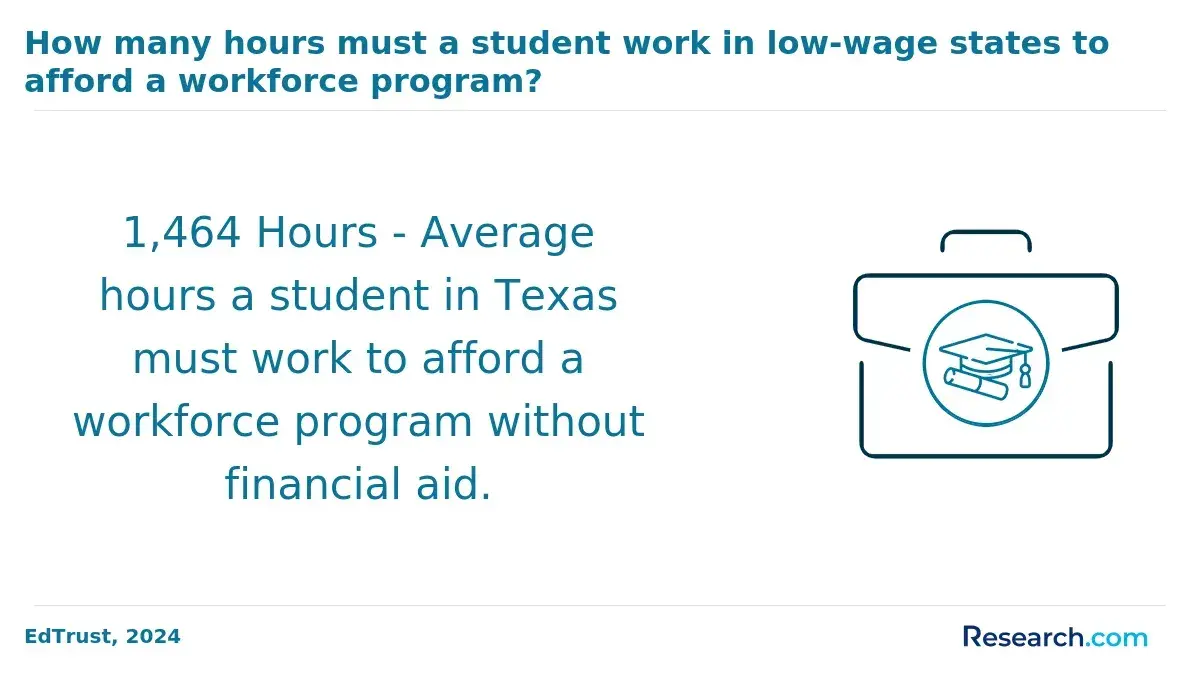
Scheduling is usually the biggest practical difference. Online Human Services doctorate programs often allow students to complete weekly work around employment, while on-campus programs usually require attendance at specific class times, research meetings, and campus events.
NCES distance education data published in 2024 shows that online graduate enrollment is now mainstream rather than unusual. For prospective doctoral students, that means more universities are designing programs for working adults, but flexibility still varies widely by school.
| Format type | Typical schedule | Flexibility level | Watch for |
| Fully asynchronous online | Weekly modules, discussion boards, papers, and deadlines without set class meetings | High | Requires strong discipline and careful time blocking |
| Synchronous online | Live evening or weekend virtual classes | Moderate | Class times may conflict with shift work or caregiving |
| Hybrid | Online coursework plus campus residencies or periodic in-person sessions | Moderate | Travel, lodging, and time off work can add cost |
| On-campus | Scheduled in-person seminars, meetings, and research activities | Lower | Relocation or commuting may be necessary |
Students who want a faster route into the field before pursuing doctoral study sometimes begin with an accelerated human services degree online. At the doctoral level, however, speed should not be the main deciding factor because dissertation quality, advising access, and manageable pacing matter more than finishing quickly.
Fieldwork in a Human Services doctorate may include applied research, organizational assessment, program evaluation, leadership practice, internship-style placements, teaching practice, or community-based projects. Online programs often let students complete applied requirements near where they live, while on-campus programs may place students through university partnerships with nearby agencies.
Before enrolling, separate academic fieldwork from licensure-related field experience. A Human Services doctorate is not always designed to meet counseling, social work, psychology, or clinical licensure requirements, and state rules vary.
- Ask whether fieldwork is required, optional, or embedded in dissertation or capstone research.
- Confirm whether you can use your current workplace as a field site and whether conflict-of-interest rules apply.
- Find out who approves supervisors, site agreements, background checks, and liability coverage.
- Check whether online students must attend campus residencies, intensives, or defense meetings in person.
- Ask whether the school helps secure placements or expects students to arrange their own local sites.
The biggest red flag is a program that advertises online convenience but gives vague answers about field supervision. If the degree depends on local agency access, you need written confirmation that your location, employer, schedule, and state requirements are compatible before you commit.
The dissertation process is often more important than delivery format. Online and on-campus doctoral students both need a viable research topic, a dissertation chair, committee feedback, ethics approval, data access, and a realistic writing plan. The difference is how easily students can access support and stay accountable.
The table below summarizes the support points that can affect dissertation progress. Use it to compare programs before applying, because weak dissertation support can increase time-to-degree and cost in either format.
| Dissertation support factor | Online format | On-campus format |
| Faculty access | Usually by video meetings, email, online office hours, and virtual writing groups | Often includes in-person meetings, informal contact, and campus office hours |
| Peer accountability | Depends on cohort design, online groups, and structured milestones | Often easier through seminars, campus labs, and regular cohort interaction |
| Data collection | Can be strong for workplace-based, community-based, or remote research | Can be strong when faculty have local agency partnerships or funded projects |
| Writing support | May include virtual writing centers and online dissertation boot camps | May include campus writing centers, retreats, and in-person workshops |
| Defense process | Often virtual, though some programs require residency or in-person defense | Often in person, with some schools allowing hybrid participation |
Ask each program for its dissertation milestone map. A strong program should clearly explain when you choose a chair, when you form a committee, how proposal approval works, how often students meet advisors, and what happens if a chair leaves or a topic becomes unworkable.
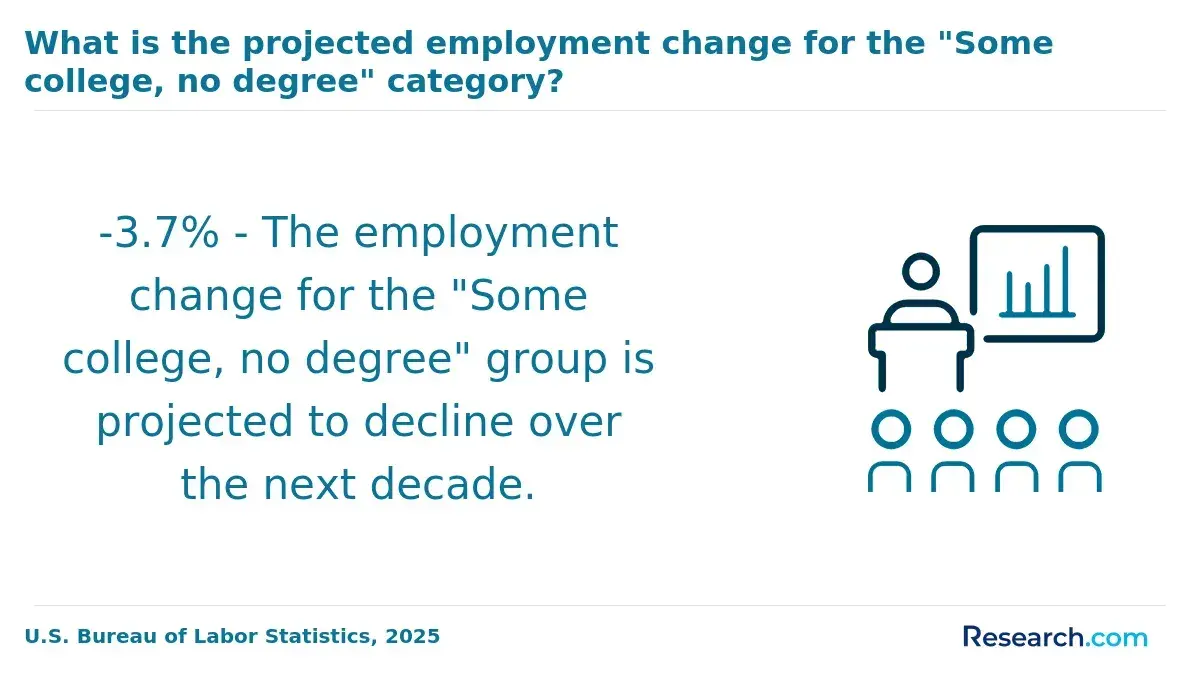
Tuition comparisons are tricky because national datasets do not publish a clean average for "online Human Services doctorate" versus "on-campus Human Services doctorate." IPEDS reports institutional tuition and fees, but not always by delivery format, doctoral discipline, residency status, or program-specific pricing. That means the most reliable comparison is a side-by-side review of published tuition pages from the schools you are considering.
For 2024-2025 planning, many U.S. doctoral programs in human services, social work, public service, and closely related applied fields price tuition by credit. The table below shows the cost components you should compare instead of relying on a single headline tuition number.
| Tuition factor | Online doctorate | On-campus doctorate | Why it matters |
| Per-credit tuition | May use one flat online rate for all students | May differ for in-state and out-of-state students at public universities | A lower per-credit rate can be offset by more required credits or fees |
| Program fees | May include technology, online course, platform, or residency fees | May include campus, activity, health, lab, or facility fees | Fees can change the real cost per term |
| Residency pricing | Travel-based costs may appear outside tuition | Usually built into the campus experience | Required intensives can add airfare, lodging, meals, and unpaid leave |
| Assistantship offset | Less common in many professionally oriented online doctorates | More common in research-heavy campus doctorates | Assistantships can reduce net cost but may require campus work |
| Transfer or advanced standing credits | Varies by school and prior graduate coursework | Varies by school and doctoral residency rules | Accepted credits can reduce total tuition, not just time |
Students comparing Human Services doctorates with related practice doctorates may also review DSW programs, especially if their career goals are closer to social work leadership, clinical administration, or social welfare policy.
Cost of attendance includes more than tuition. It can include fees, books, software, travel, housing, childcare, health insurance, parking, background checks, conference travel, and the income you may lose if the program reduces your work hours.
Federal Student Aid rules for the 2024-2025 award year list $20,500 as the annual Direct Unsubsidized Loan limit for many graduate and professional students. That figure is useful because it reminds applicants that borrowing limits may not cover the full cost of a doctorate, especially if tuition, fees, and living expenses are high.
| Cost category | Online student impact | On-campus student impact |
| Housing and relocation | Usually lower if the student stays in place | Can be significant if the student moves near campus |
| Transportation | Usually limited to residencies, conferences, or field sites | May include daily commuting, parking, fuel, transit, or campus travel |
| Work disruption | Often lower if coursework is asynchronous | May be higher if classes meet during business hours |
| Campus fees | May be reduced or replaced by online fees | May include facility, health, activity, and service fees |
| Residency expenses | Can be high if travel is required several times | Usually not a separate travel cost if living nearby |
To avoid underestimating the true cost, build a three-year to six-year budget before applying. Include tuition increases, dissertation continuation fees, required travel, unpaid internship or field hours, and the possibility that dissertation work may extend beyond the coursework phase.
Most Human Services employers focus less on whether a doctorate was online and more on whether the university is accredited, the degree aligns with the role, and the graduate can demonstrate leadership, research, ethics, supervision, grant, policy, or evaluation skills. This is especially true in nonprofit administration, public agencies, higher education, and program evaluation roles where applied competence matters.
Employer perception is also changing because online graduate education is no longer rare. The practical takeaway is that you should prepare to explain the quality of your program, not defend the word "online."
- Lead with institutional accreditation, dissertation topic, applied research, and measurable project outcomes.
- Show how your doctoral work solved a real human services problem, such as service access, retention, case management quality, community needs assessment, or program evaluation.
- List fieldwork, teaching, supervision, grants, publications, or presentations that prove doctoral-level competence.
- Ask employers in your target sector whether they prefer a PhD, DHS, DSW, EdD, or another doctorate for leadership or faculty roles.
- Do not assume that an online doctorate will be accepted for every academic or clinical position; some employers and tenure-track committees may still prefer research-intensive campus programs.
If your long-term plan includes clinical social service leadership, compare the Human Services doctorate with social work graduate pathways, including best online MSW programs. For licensed roles, the qualifying master's degree and state licensure path may matter more than the doctorate format.
Program format can affect job prospects indirectly, but it usually does not work like a simple online-versus-campus ranking. Employers are more likely to evaluate degree relevance, accreditation, experience, dissertation topic, leadership record, and professional network. Format matters most when it changes your access to internships, faculty mentors, assistantships, research projects, or local employer relationships.
BLS data published in 2024 reports a $77,030 median annual wage for social and community service managers based on May 2023 wages. A doctorate may support advancement into executive leadership, teaching, consulting, or research-oriented roles, but salary outcomes vary by employer, location, funding source, prior experience, and whether the job actually requires doctoral training.
| Career goal | Online format may fit when | On-campus format may fit when |
| Agency leadership | You want to keep working while applying doctoral learning to your current organization | You want local agency partnerships, internships, or campus-based leadership networks |
| Higher education teaching | You already have professional expertise and need a terminal credential for teaching-focused roles | You want research assistantships, publication mentoring, and stronger academic networking |
| Program evaluation or consulting | You can build applied projects with local organizations and document outcomes | You want faculty-led research projects or formal evaluation labs |
| Policy or advocacy leadership | You need flexibility to remain active in your professional setting | You benefit from proximity to university centers, policy institutes, or public-sector partners |
The strongest candidates usually connect the doctorate to a clear professional problem. A dissertation on improving community service delivery, reducing program attrition, evaluating a reentry program, or strengthening trauma-informed supervision may be more persuasive than the delivery format of the coursework.
How do you choose between online and on-campus Human Services doctorate programs?
Start with your career goal, then work backward to the format that gives you the best combination of credibility, affordability, support, and completion likelihood. A convenient format is not a good investment if it weakens your access to mentors, field sites, research support, or the professional network you need.
Use these steps to build a shortlist you can defend financially and professionally. The goal is not to find the "best" format in general, but the strongest fit for your constraints and outcomes.
- Define the role you want after graduation, such as agency executive, faculty member, evaluator, consultant, policy leader, or senior administrator.
- Check whether that role requires a specific doctorate type, licensure pathway, research background, or teaching record.
- Compare accredited programs by total cost of attendance, not just tuition per credit.
- Ask for dissertation completion support details, including advisor assignment, milestone timing, and average time-to-degree if available.
- Confirm fieldwork, residency, travel, and in-person attendance requirements in writing.
- Evaluate whether your weekly schedule can support doctoral reading, writing, research, meetings, and revisions for multiple years.
- Speak with alumni from both formats and ask how the degree affected hiring, promotion, teaching, or consulting opportunities.
- Review financial aid, assistantships, employer tuition support, and loan implications before committing.
Watch for red flags that apply to both formats: vague accreditation claims, unclear dissertation processes, pressure-heavy admissions tactics, no published faculty credentials, poor responsiveness, limited student outcome data, and promises of guaranteed promotion or salary gains. A strong program should be transparent enough for you to compare it against alternatives without relying on hype.
Other Things You Should Know About Human Services
Usually, diplomas list the institution, degree, and major rather than the delivery format, but policies vary. Ask the registrar for the exact diploma and transcript wording before enrolling if this matters for your employer or academic plans.
They may be similar, but online programs for working professionals may place more weight on leadership experience, professional goals, writing ability, and readiness for independent study. On-campus research doctorates may place more emphasis on faculty research fit, academic preparation, and potential assistantship roles.
It can support teaching opportunities, especially in practice-oriented or adjunct roles, if the institution is accredited and the degree matches the subject area. Tenure-track roles may require a research-intensive doctorate, publications, teaching experience, and a strong scholarly agenda.
Not without checking state rules first. Clinical licensure usually depends on a qualifying master's degree, supervised hours, exams, and state board approval; a Human Services doctorate may strengthen leadership or academic credentials but may not replace licensure requirements.
- 25 Best Online EdD Programs of 2025 https://www.eddprograms.org/schools/best-online-doctor-of-education-programs/
- Free Online PhD Programs 2026 | Best PhD Online Options https://applyindex.com/blog/best-free-online-phd-programs/
- Funding your Degree https://gradsense.org/funding-your-degree/
- Health and Human Services: Campus & Online Degrees and Careers https://www.publichealthonline.org/human-services/online-degree-programs/
- Financial Aid For Online Colleges https://www.affordablecollegesonline.org/financial-aid/financial-aid-for-online-colleges/
- Online Social Work Degrees https://www.onlinemswprograms.com/online-social-work-degrees/
- Scholarships for Doctor of Education (EdD) Students | Teach.com https://teach.com/online-ed/education-degrees/online-edd-programs/scholarships/
- How Employers View Online Degrees: Interviews with Nine Hiring Executives https://www.onlineeducation.com/features/how-employers-view-online-degrees
- What Employers Actually Think About Online Degrees https://www.onlineu.com/magazine/what-employers-think-about-online-degrees
- How Much Does a PhD Cost https://aituedu.org/how-much-does-a-phd-cost/