2027 Online Human Services Doctorate Programs with Practicum, Internship, Clinical, or Fieldwork Requirements

Co-Founder and Chief Data Scientist
An online human services doctorate can look convenient until you discover the program includes supervised hours, local site approvals, or short in-person residencies. That matters because the U.S. Bureau of Labor Statistics reports a May 2024 median wage of $78,240 for social and community service managers, with employment projected to grow 8% from 2024 to 2034.
This guide is for working professionals comparing doctoral options and trying to confirm whether required practicum, internship, clinical, or fieldwork experiences are realistic before enrolling.
Key Things You Should Know
- Online human services doctorates are rarely "100% from home" if they include supervised practice, clinical assessment, leadership fieldwork, or agency-based doctoral projects; DSW and counseling-adjacent doctorates are usually more practice-intensive than research-focused PhD programs.
- Fieldwork can add indirect costs beyond tuition, including transportation, background checks, liability insurance, unpaid work hours, technology fees, and possible travel for residencies. NCES data published in 2024 shows average graduate tuition and required fees vary widely by sector, making total cost verification essential.
- Before applying, students should confirm required hours, approved site rules, supervisor credentials, state authorization, licensure relevance, and whether the school arranges placements or expects students to find their own sites.
Which Online Human Services Doctorate Programs Require Practicum, Internship, Clinical, or Fieldwork Experience?
Online doctoral programs in human services vary because "human services" is an interdisciplinary field that overlaps with social work, counseling, nonprofit leadership, behavioral health, family services, public administration, and community advocacy.
The programs most likely to require hands-on experience are practice-oriented doctorates designed for advanced leadership, supervision, clinical administration, or applied intervention work.
The table below summarizes common online doctorate types that prospective human services students compare. It is meant to help you identify where supervised experience is most likely to appear before you request program-specific handbooks.
| Doctoral program type | How it relates to human services | Likelihood of required hands-on experience | Common experiential component | Best fit |
| Doctor of Human Services or PhD in Human Services | Focuses on leadership, policy, nonprofit systems, advocacy, program evaluation, and service delivery | Moderate; many use applied projects rather than formal clinical hours | Field-based project, agency consultation, leadership practicum, or applied dissertation | Human services leaders, nonprofit executives, program directors, and policy professionals |
| Doctor of Social Work | Closely aligned with advanced social work practice, administration, teaching, supervision, and social innovation | Moderate to high, depending on whether the program is clinical, leadership-based, or education-focused | Advanced practice project, agency-based implementation project, field seminar, or residency | Licensed social workers, clinical administrators, supervisors, and practice leaders |
| PhD in Counselor Education and Supervision | Relevant for students focused on counseling supervision, teaching, research, and clinical training systems | High in CACREP-aligned programs | Supervised teaching, supervision practicum, counseling practice, internship, and residency | Licensed counselors pursuing faculty, supervision, or advanced clinical education roles |
| Doctorate in Behavioral Health or Applied Behavioral Science | Connects health systems, behavioral intervention, integrated care, and community-based services | Moderate to high, especially when clinical or integrated care training is central | Clinical consultation, integrated care practicum, supervised case-based work, or capstone project | Behavioral health managers, integrated care professionals, and service system leaders |
| PhD in Public Health, Community Health, or Health Promotion | Relevant for human services professionals working in prevention, community health, and population-level programs | Moderate; often project-based rather than clinical | Applied practicum, community health fieldwork, research internship, or dissertation field study | Community health leaders, researchers, evaluators, and public health administrators |
Students often compare human services doctorates with DSW programs because both can prepare graduates for leadership in agencies that serve families, communities, behavioral health clients, and vulnerable populations.
The key difference is that DSW curricula are usually tied more directly to social work practice and may have stronger relevance for licensed social workers, while human services doctorates may be broader and less tied to a single regulated profession.
A useful rule of thumb is this: if the doctorate prepares students for practice leadership, clinical supervision, counseling education, or community-based intervention, expect some form of supervised or site-based requirement. If the doctorate is primarily research-focused, expect fewer agency hours but a heavier dissertation, methodology, and independent research commitment.
What Are the Practicum, Internship, Clinical, and Fieldwork Requirements for Online Human Services Doctorates?
The terms practicum, internship, clinical experience, and fieldwork are sometimes used loosely, but they do not always mean the same thing. Understanding the difference helps you avoid enrolling in a program that demands more in-person time than your schedule or location can support.
The table below explains the most common experiential terms used in online doctoral programs related to human services. Always verify the school's own definitions because hour requirements and evaluation methods vary by program.
| Requirement type | What it usually means | Typical setting | What students may do | Important question to ask |
| Practicum | A structured, supervised learning experience tied to a course | Agency, counseling center, nonprofit, school, health organization, or approved workplace | Observe, assess needs, practice leadership or supervision skills, complete guided assignments, or apply theory to cases | Are hours fixed, or can they be completed through my current job responsibilities? |
| Internship | A longer applied experience that may require more independent work than a practicum | Community agency, service organization, behavioral health program, government office, or educational setting | Manage projects, supervise staff, deliver services within scope, evaluate programs, or support organizational change | Does the school secure the site, or am I responsible for finding one? |
| Clinical experience | Supervised work involving client, patient, family, or group services within a defined professional scope | Behavioral health clinic, counseling site, hospital-affiliated program, social service agency, or integrated care setting | Conduct assessments, participate in treatment planning, provide supervised intervention, or document client-related work | Do these hours meet any licensure or certification requirement in my state? |
| Fieldwork | A broad term for work completed in a real service environment | Human services agency, nonprofit organization, public agency, community program, or research site | Collect data, analyze service delivery, design interventions, evaluate outcomes, or complete a doctoral project | Can fieldwork be completed locally, remotely, or through employer-based projects? |
| Residency | A short in-person or synchronous intensive required by some online doctorates | Campus, conference location, virtual intensive, or regional site | Attend seminars, defend proposals, complete skills assessment, network with faculty, or present research | How many residencies are required, and what travel costs should I budget? |
The biggest mistake is assuming that a "practicum" is always lighter than an "internship" or that "fieldwork" is always flexible. Some doctoral fieldwork projects are less time-intensive than formal clinical placements, while others require extensive site permissions, agency data access, supervisor review, and IRB approval.
Admissions and program handbooks are usually more reliable than marketing pages. Before applying, look for the exact course sequence, hour minimums, evaluation forms, supervisor qualifications, residency dates, site approval deadlines, and whether hours can be paid, unpaid, or part of your regular employment.
How Do Online Human Services Doctorate Programs Arrange Practicum and Clinical Placements?
Placement models differ significantly among online programs. Some universities have a dedicated placement team, while others provide approval guidelines and expect students to identify agencies near home.
The table below compares common placement models so you can estimate how much responsibility you will carry. This is one of the most important differences between programs that appear similar on tuition, curriculum, or delivery format.
| Placement model | How it works | Student responsibility | Main advantage | Main risk |
| School-arranged placement | The university identifies or helps secure approved sites and confirms affiliation agreements | Provide location preferences, complete eligibility steps, and meet deadlines | Stronger institutional support and clearer approval process | Site options may be limited by geography, capacity, or state authorization |
| Student-identified, school-approved placement | The student proposes a site, and the program reviews it for compliance | Find a site, obtain supervisor information, submit paperwork, and wait for approval | Greater local flexibility and possible use of professional network | Delays if the site lacks qualified supervision or refuses affiliation paperwork |
| Employer-based placement | The student completes approved work at a current employer under defined learning objectives | Separate doctoral learning activities from regular job duties and secure supervisor approval | May reduce travel and scheduling strain | Not always allowed, especially if supervision creates a conflict of interest |
| Project-based fieldwork | The student completes an applied research, evaluation, policy, or leadership project with an organization | Secure project access, data permissions, and faculty approval | Good fit for working leaders and nonclinical students | Project scope can expand and delay dissertation or capstone completion |
| Residency-centered skills assessment | Most coursework is online, but specific skills are evaluated during short intensives | Travel to required sessions or attend scheduled synchronous intensives | Predictable calendar and concentrated in-person learning | Travel, lodging, time off work, and family logistics can increase cost |
Before enrolling, ask the school to describe the placement workflow from application to completion. A strong answer should include deadlines, who initiates the site agreement, how supervisors are vetted, what happens if a site withdraws, and whether students outside the university's home state face restrictions.
Use this short verification sequence when speaking with admissions, program directors, or field education staff:
- Ask for the practicum, internship, clinical, or fieldwork handbook before committing to the program.
- Confirm whether placement is school-arranged, student-arranged, or employer-based.
- Request the exact number of required hours, terms, and weekly schedule expectations.
- Ask whether your state, county, or employer type is eligible for placement approval.
- Confirm who pays for background checks, liability insurance, health documentation, travel, and site onboarding costs.
- Ask what backup process exists if a placement falls through after the term begins.
Many students can complete fieldwork near home, but it is not automatic. Local completion depends on the university's state authorization, the availability of approved sites, supervisor qualifications, agency willingness, and whether the experience fits the doctoral program's learning outcomes.
Fieldwork near home is most realistic when the requirement is project-based, leadership-focused, or tied to a student's existing professional network. It can be harder when the program requires clinical supervision, direct client contact, specialized populations, or supervisors with specific licenses or doctoral credentials.
Location becomes especially important for rural students, military families, shift workers, and professionals in states with fewer human services agencies. In these cases, the advertised online format may solve the classroom access problem but not the placement access problem.
To evaluate local feasibility, students should gather site information before they apply rather than after they enroll. The most useful questions are specific and practical:
- Has the program previously approved placements in my state or region?
- Are there any states where the program cannot place students because of authorization, licensure, or affiliation limits?
- Can my current employer serve as a site if the learning activities are distinct from my paid role?
- What supervisor credentials are required, and does the supervisor need a specific license, degree, or years of experience?
- Does the school maintain active affiliation agreements near my ZIP code?
- Can hours be completed during evenings, weekends, hybrid schedules, or block formats?
- What happens if no approved site is available within reasonable commuting distance?
A red flag is a program that says students can "usually" find local placements but cannot explain site approval, supervisor requirements, or state restrictions in writing. Flexibility is valuable only when the approval process is transparent and realistic.
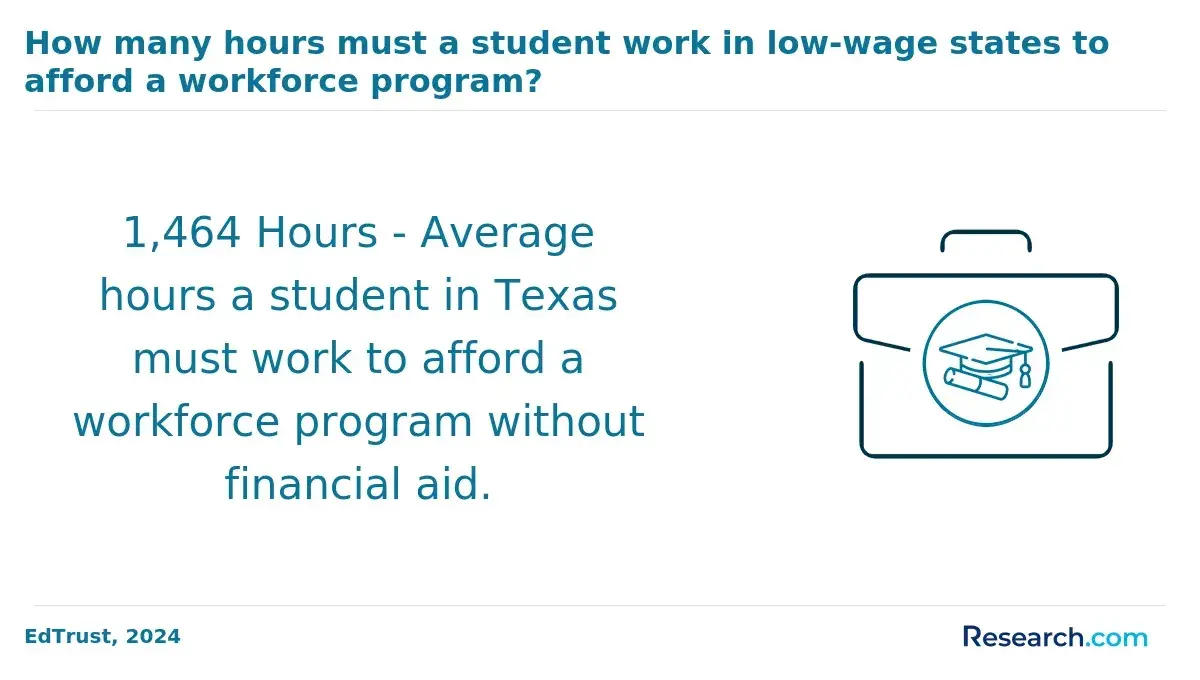
Fieldwork affects cost in two ways: direct expenses and opportunity costs. Tuition is only part of the price if the program requires unpaid hours, travel, site onboarding, background checks, professional documentation, or reduced work hours.
NCES data published in 2024 shows that average graduate tuition and required fees for the 2022-2023 academic year were $12,596 at public institutions and $29,931 at private nonprofit institutions. Those figures do not include many placement-related expenses, so students comparing programs should calculate total attendance cost rather than tuition alone.
The table below highlights cost and timeline factors that are easy to overlook. Use it to build a more realistic budget before accepting an offer.
| Cost or timeline factor | Why it matters | How it can affect students | What to verify |
| Unpaid placement hours | Some agencies cannot pay doctoral trainees or project students | May require reduced work hours or use of vacation time | Whether paid employment can count toward approved activities |
| Travel and commuting | Local sites may still require regular in-person attendance | Adds transportation, parking, childcare, or lodging expenses | How often students must be on site and whether hybrid hours are allowed |
| Residencies | Some online doctorates require short campus or destination intensives | Can add airfare, lodging, meals, and time away from work | Number, length, location, and timing of all required residencies |
| Site approval delays | Affiliation agreements and supervisor reviews can take time | May postpone registration, delay graduation, or extend tuition billing | Placement application deadlines and backup site policies |
| Compliance requirements | Sites may require screenings beyond university admissions | May add costs for background checks, drug screening, immunization records, or liability insurance | Which expenses are student-paid and whether requirements vary by site |
| Dissertation or doctoral project access | Applied projects often require organizational permission and data access | Can slow proposal approval if the agency changes priorities | Whether the school helps students revise projects when sites change |
Timeline also depends on whether the fieldwork sequence is flexible or lockstep. A missed placement deadline can delay a student by a full term if the required course is offered only once or twice per year.
Students still completing earlier credentials should also think about speed versus readiness. An accelerated human services degree online can shorten the path into the field, but doctoral-level placements require advanced preparation, professional maturity, and enough schedule control to complete supervised work consistently.
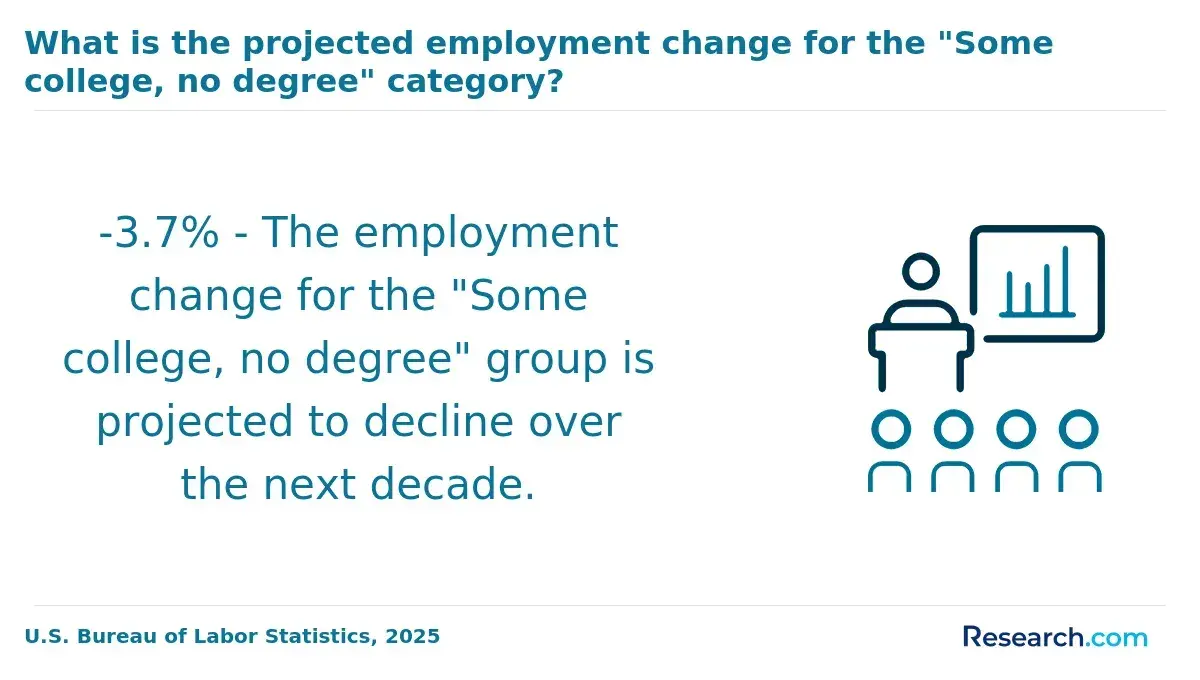
Online coursework is often flexible, but practicum and internship requirements are usually less flexible because they depend on agency schedules, supervisor availability, client service hours, and university approval rules. The practical question is not whether lectures are asynchronous; it is whether your life can accommodate supervised experience when the program requires it.
Flexibility tends to be highest in leadership, policy, evaluation, and organizational-change doctorates. It tends to be lower in clinical, counseling, and supervision-focused programs where professional standards require direct observation, documented hours, and qualified supervision.
When comparing programs, look for the specific forms of flexibility that matter to working adults:
- Asynchronous coursework during placement terms so field hours do not conflict with live classes.
- Part-time enrollment options that allow students to spread supervised hours across more than one term.
- Employer-based project approval for students already working in human services agencies.
- Evening, weekend, or block placement options when agencies can support those schedules.
- Remote or hybrid project meetings for nonclinical fieldwork, evaluation, or administrative doctoral projects.
- Clear leave-of-absence and placement deferral policies if work, caregiving, health, or relocation issues arise.
Common mistakes include assuming that part-time enrollment automatically makes fieldwork manageable, ignoring whether required courses are offered every term, and overlooking the weekly rhythm of site work. A program requiring 10 to 15 hours per week on site may be more difficult for a full-time employee than a short but intensive residency planned months in advance.
Students should also ask whether fieldwork must be completed in a specific sequence. If a practicum is a prerequisite for dissertation proposal approval or advanced internship registration, a placement delay can affect the entire doctoral timeline.
Employer Confidence in Online vs. In-Person Degree Skills, Global 2024

Experiential requirements can strengthen a program's professional value, but they do not automatically satisfy licensure rules. Human services is broad, and licensure usually belongs to specific professions such as social work, counseling, psychology, marriage and family therapy, or behavior analysis.
The table below explains how accreditation and licensure issues differ across common doctoral pathways. It can help you decide whether fieldwork is professionally necessary or mainly beneficial for leadership and career development.
| Program area | Relevant accreditation or approval issue | Licensure connection | What students should verify |
| Human services doctorate | Institutional accreditation is essential; program-specific accreditation may be limited or not applicable | Usually not a direct path to a regulated clinical license | Whether the degree meets employer expectations for leadership, teaching, or administration roles |
| Doctor of Social Work | Institutional accreditation matters; social work licensure is often based on the MSW and state rules rather than the DSW alone | May support advanced practice, teaching, supervision, or leadership but may not create new licensure eligibility | Whether the student already holds or needs an accredited MSW for licensing goals |
| Counselor education doctorate | CACREP alignment can be important for faculty, supervision, and counseling education careers | Licensure usually depends on master's-level counseling education and state requirements, but doctoral supervised experience may matter for educator or supervisor roles | Whether doctoral practicum and internship hours meet CACREP, employer, or board expectations |
| Behavioral health doctorate | Requirements vary by discipline, institution, and professional focus | May support leadership in integrated care but may not independently qualify graduates for clinical licensure | Whether the degree aligns with the student's current license, credential, or desired nonlicensed role |
| Public health or community health doctorate | Institutional and, where applicable, public health accreditation can affect recognition | Usually not clinical licensure-oriented | Whether fieldwork supports research, evaluation, policy, or population health career goals |
The safest approach is to check requirements in three places: the university catalog, the relevant accreditor or professional association, and your state licensing board if your goal involves regulated practice. Do not rely only on an admissions statement that the program is "aligned with professional standards."
Students should be especially cautious if they plan to relocate. A placement approved in one state may not meet another state's supervision rules, and a doctorate that strengthens leadership credentials may still be insufficient for a license that legally requires a specific master's degree, exam, or supervised post-degree experience.
Strong support can be the difference between finishing on time and losing a term to placement confusion. Support should begin before the placement starts and continue through evaluation, problem-solving, documentation, and completion.
Look for support that is specific, documented, and delivered by staff who understand online students. Helpful programs usually provide several layers of guidance:
- A field education or placement coordinator who explains timelines, forms, and approval rules.
- Faculty advisors who connect fieldwork to dissertation, capstone, or doctoral project goals.
- Site supervisor orientation so agency mentors understand expectations and evaluation criteria.
- Written handbooks with hour requirements, competency rubrics, ethical expectations, and documentation procedures.
- Technology systems for logging hours, submitting evaluations, and communicating with faculty.
- Backup procedures for site closures, supervisor turnover, agency reorganization, or student relocation.
- Accessibility and disability support for students who need reasonable accommodations during field experiences.
A good question to ask is, "Who helps me if my site stops participating?" The answer should identify a real process, not simply tell students to find another placement on their own.
Students should also ask to speak with current students or recent graduates about placement support. Their experience can reveal whether the program's support is proactive or whether online students are expected to navigate agency approvals, supervisor questions, and site disruptions independently.
Practicum and clinical experiences can improve career readiness when they produce evidence of advanced skills: program evaluation, supervision, grant implementation, policy analysis, clinical administration, teaching, data-informed decision-making, and ethical leadership. They are most valuable when they align with the student's target role rather than existing only as a degree requirement.
BLS May 2024 data places the median annual wage for social and community service managers at $78,240. That figure is not a promised doctorate-level salary, but it helps frame the market for leadership roles that many human services doctoral students pursue in nonprofits, public agencies, healthcare organizations, and community programs.
Practice-based doctoral training may support several career directions:
- Human services executive or senior program director roles requiring agency leadership and outcome evaluation.
- Clinical administration or supervision roles for professionals who already hold the appropriate practice license.
- College teaching or adjunct faculty roles in human services, social work, counseling, or community services programs.
- Policy, advocacy, and systems-change roles focused on service access, equity, and community outcomes.
- Applied research, evaluation, and quality improvement roles in nonprofits, government agencies, or healthcare-affiliated organizations.
The return on a doctorate depends heavily on the student's starting point. A licensed professional with years of leadership experience may use a field-based doctorate to move into administration, supervision, or teaching, while a student without related experience may need additional supervised practice, licensure, or a master's pathway first.
For students whose goals are clinical social work practice or advanced social work administration, comparing doctorate options with the best online MSW programs can be useful because the MSW is often the required credential for social work licensure. A doctorate may add leadership or teaching value, but it does not replace foundational licensure requirements when those apply.
How Should Students Choose an Online Human Services Doctorate With Experiential Requirements?
The right program is the one that fits your career goal and your real-world ability to complete the required experience. A prestigious curriculum or low tuition rate may not help if you cannot secure an approved site, attend required residencies, or meet supervisor rules in your state.
Use the following decision process to compare programs before applying. It focuses on the factors most likely to affect completion, cost, and career value.
- Define the career outcome first: leadership, teaching, research, clinical supervision, program evaluation, policy, or nonprofit executive work.
- Choose the degree type that matches that goal, such as human services, DSW, counselor education, behavioral health, or public health.
- Request the full experiential learning policy, not just the admissions brochure.
- Confirm required hours, residency expectations, weekly schedule, site type, supervisor credentials, and documentation rules.
- Ask whether the school has approved placements in your state and whether any geographic restrictions apply.
- Calculate total cost, including tuition, fees, travel, unpaid hours, technology, compliance checks, and possible delayed graduation.
- Verify accreditation, licensure relevance, and employer recognition for your intended profession.
- Compare student support, especially placement coordination, advisor access, backup site procedures, and disability accommodations.
- Speak with current students or alumni about whether the program's flexibility matches its marketing.
- Choose the program only if the placement model is feasible in your location, schedule, and professional context.
Some students should avoid programs with substantial in-person requirements. This includes students who cannot reduce work hours, live far from eligible agencies, need a fully remote doctorate, lack access to qualified supervisors, or are pursuing a role where a research-focused dissertation would be more useful than supervised practice.
Earlier educational planning matters as well. Students still building a foundation in social systems, inequality, community behavior, and public institutions may want to compare the best online bachelors in sociology programs before moving toward graduate study.
A strong undergraduate or master's foundation can make doctoral-level fieldwork more meaningful and easier to connect to long-term goals.
The most important red flag is vague placement language. If a school cannot clearly explain who finds the site, how hours are approved, what happens when a placement fails, and whether your state is eligible, keep asking questions or consider a different program.
Other Things You Should Know About Human Services Programs
Most doctoral programs require a master's degree in human services, social work, counseling, psychology, public administration, education, public health, or a related field. Some may also expect professional experience, writing samples, recommendations, a statement of purpose, and a proposed research or practice interest.
Many programs require either a traditional dissertation, applied dissertation, doctoral capstone, or practice-based project. Research-focused PhD programs usually emphasize original scholarship, while applied doctorates may focus on solving a real organizational or community problem.
Some universities allow limited transfer of prior graduate or doctoral credits, but policies vary. Students should ask about maximum transferable credits, age limits on coursework, grade requirements, and whether transferred credits can reduce practicum, residency, or dissertation requirements.
It can be worthwhile for experienced professionals seeking executive leadership, teaching, consulting, program evaluation, or policy roles. The degree is less likely to pay off if the student has not confirmed employer demand, total cost, placement feasibility, and whether a shorter credential would meet the same career goal.
- Online Ph.D. in Human Services | AcademicEarth.org https://academicearth.org/ph-d-in-human-services/
- Health & Human Services Internships https://www.wake.gov/departments-government/health-human-services/programs-assistance/employment-assistance/health-human-services-internships
- Health and Human Services: Campus & Online Degrees and Careers https://www.publichealthonline.org/human-services/online-degree-programs/
- Online Human Services Degrees: Finding the Right Program https://www.edumed.org/online-schools/human-services-degrees/
- Ph.D. in Social Work Online https://www.onlinemswprograms.com/online-social-work-degrees/phd/