2027 Improving Coordination Between Public Health and Emergency Management: A DrPH Applied Project Planning Guide

Co-Founder and Chief Data Scientist
Public health agencies and emergency managers may share a response goal while using different plans, data systems, and decision chains. For an experienced practitioner, a DrPH applied project offers a way to address one consequential coordination gap - but only if the partner agencies can authorize, test, and use the work.
This guide shows how to scope that project, choose meaningful measures, secure appropriate oversight, and assess whether a DrPH program can support it. It also distinguishes doctoral study from less costly training when the goal is a specific operational improvement.
Key Things You Should Know
- Start with one documented handoff problem - such as delayed health input into shelter decisions - not a proposal to redesign the entire emergency response system.
- Use a baseline, an agreed process change, and measures that partners can collect; an exercise can test coordination without claiming improved disaster outcomes.
- CDC identifies 15 public health preparedness capabilities, but a feasible DrPH project should select only the capabilities tied to its decision, partners, and available evidence.
What is a DrPH applied project in public health and emergency management?
A DrPH applied project is supervised doctoral work intended to improve public health practice. In this setting, it might examine how a health department, emergency management office, and community partners exchange information and make decisions during sheltering, evacuation, or recovery. The output could be a tested coordination protocol, an exercise evaluation, or an implementation plan. The school determines its required project format, milestones, and assessment standards.
A useful starting problem is specific: for example, the process for communicating shelter residents' health needs to the officials responsible for supplies and staffing. That framing identifies a decision and a handoff without presuming that an agency has performed poorly.
A DrPH is generally better suited to leading and evaluating such organizational change than a research-focused PhD. Staff seeking foundational public health preparation rather than doctoral leadership training may first explore an online bachelor's public health education guide; a degree at any level does not replace agency authority or field experience.
How can a DrPH applied project improve public health and emergency management coordination?
The project should make one recurring decision easier to execute across organizational boundaries. Before proposing a fix, the student needs to learn who currently receives information, who can act on it, and where the process changes during an incident.
Partners should include the relevant health and emergency management leads and, when affected, shelter operators, healthcare organizations, and community representatives. Tribal governments must participate as governing partners under their own authorities, not merely as stakeholders in another agency's plan.
A manageable project follows this sequence. Each step creates evidence for the next without assuming that a simulated response predicts a real one.
- Define the handoff: Agree on the trigger, sender, recipient, decision owner, and boundaries of the process being studied.
- Establish a baseline: Review approved plans, training records, or existing after-action findings; document what evidence is unavailable.
- Co-design a change: Develop a shared notification rule, decision aid, or briefing process with the people expected to use it.
- Test and revise: Observe a tabletop exercise or limited pilot, record process measures and disagreements, and return a revised product to the partners.
Measures might include whether the designated contact received a message, whether responsibility for a decision was clear, and whether accessibility needs reached the appropriate team. These are process measures, not proof that the change prevents illness or deaths.
If the improvement can be achieved through staff training and a small exercise, a DrPH may be unnecessary; an agency might instead support targeted instruction, including low-tuition online public health degree options for staff who need broader foundational education.
What competencies should a public health emergency management project address?
Select competencies from the actual coordination problem rather than attaching every preparedness topic to the project. CDC's public health preparedness capabilities and FEMA's National Incident Management System provide useful reference points, but neither establishes a student's competency simply because it appears in a plan.
For a shelter-health handoff, the essential skills are incident coordination; interpreting population-health information without overstating its precision; communicating access and functional needs; engaging affected communities; and evaluating whether the revised process is used.
A project involving environmental exposures would require different technical partners and evidence. The student should show what they personally led, what specialists reviewed, and which decisions remained with authorized officials.
An MPH can be a more proportionate route for someone still developing core public health methods. Compare the actual curriculum and field opportunities of CEPH-accredited graduate public health programs with the leadership demands of the proposed project; accreditation alone does not establish preparedness specialization.
DrPH curricula commonly emphasize leadership, policy, management, evidence use, and applied inquiry. A program relevant to this project should also allow the student to study preparedness systems, incident coordination, risk communication, implementation, and evaluation - through required courses, electives, supervised work, or an approved partner project. An emergency management course is not necessarily a formal concentration.
Ask how coursework leads into project approval: Can a methods course support an exercise evaluation? Who advises on interagency governance? When must the partner commit, and what happens if agency leadership or data access changes? These questions matter more than a long elective list. For a practitioner whose principal gap is public health coursework rather than doctoral-level change leadership, an online MPH tuition comparison guide can help assess a narrower educational investment.
Requirements vary by school. Applicants should verify acceptable prior degrees, professional-experience definitions, transcripts, recommendations, essays, any testing policy, and whether an interview or preliminary project proposal is required. Neither an MPH nor a fixed number of years in a director-level position is a universal requirement.
For this topic, competitiveness is more than eligibility. Document decisions you have influenced, teams or budgets you have coordinated, improvements you have implemented, and what you learned when partners disagreed.
Identify a plausible host agency and supervisor, but do not represent informal interest as project approval. If academic history is a concern, guidance on explaining a low GPA in public health graduate admissions may help you present later evidence of readiness; check the DrPH program's own policy before assuming that master's-level advice applies.
Online delivery can let a practitioner remain near a partner agency, while campus-based study may make in-person advising and local partnerships easier. Neither format guarantees access to emergency operations, responsive supervisors, or a usable project site. Hybrid residencies, live sessions, group work, and exercise schedules can also make an advertised online program difficult to combine with agency duties.
Compare required attendance, meeting times, project-site rules, advisor availability, and procedures for changing partners. An out-of-state student should confirm whether remote project supervision is permitted. If doctoral scheduling is the obstacle and a master's degree would meet the immediate goal, online MPH admissions flexibility comparisons can help identify alternatives - but admission flexibility says nothing by itself about project fit or academic rigor.
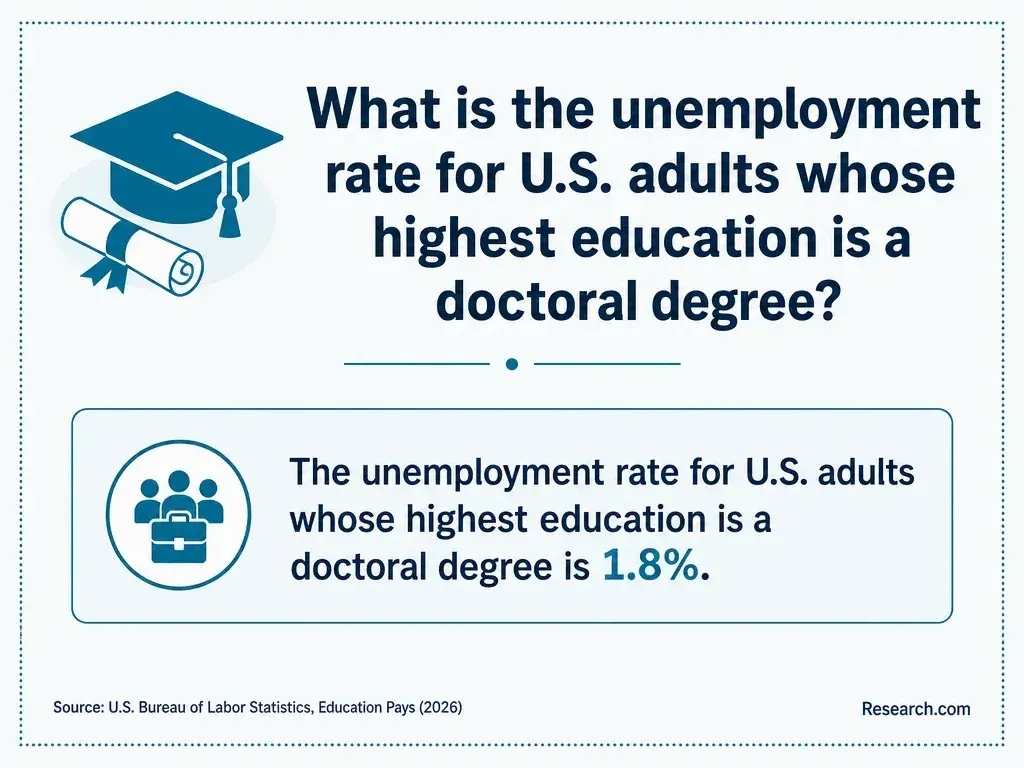
Time and total cost depend on the school's credit requirements, pace, residency rules, and the time needed to secure and complete an approved project. Published tuition may exclude fees, travel, continuation enrollment, software, and time away from paid work. Public-sector applicants should also check whether employer education assistance covers doctoral study and whether accepting it creates a service obligation.
Request a written estimate for the full expected enrollment period, including a slower-project scenario, rather than comparing advertised tuition alone. The same comparison should include the cost of an agency-supported exercise, certificate, or methods course if that would solve the operational problem. A guide to cost-conscious public health doctoral advancement can frame the financial questions, but no general earnings claim can establish the return on one applicant's DrPH.
Check the Council on Education for Public Health's current accreditation listing for the exact school or program and confirm with the institution that the DrPH degree falls within its accredited scope. Institutional accreditation and CEPH accreditation answer different questions. Then examine the project handbook, faculty expertise, partner-agreement requirements, and examples of permitted deliverables - not just a preparedness course title.
Ask a prospective advisor how the program handles agency-controlled data, a partner's withdrawal, and a project that yields process findings rather than measurable health outcomes. Also confirm whether publication is required and what approvals govern disclosure.
A student mainly seeking independent research training should compare the DrPH with a PhD, including funding and supervision; affordability of online public health PhD study is a separate question from whether a practice-improvement project fits that degree.
A DrPH may support advancement into public health preparedness leadership, health department management, emergency-planning partnerships, or health-system readiness roles when the practitioner also has relevant operational experience. Responsibilities can include coordinating agencies, setting priorities, managing staff and budgets, evaluating exercises, and explaining health implications to incident leaders.
The degree does not confer incident command authority, guarantee promotion, or substitute for an employer's required experience.
Use the intended job description to judge the investment: if advancement depends chiefly on leading incidents, managing grants, or building relationships with local agencies, seek those responsibilities alongside - or before - doctoral study. A professional earlier in the transition may be better served by an MPH and supervised preparedness work.
If recommendations are an immediate application barrier, information on public health graduate applications without references addresses a possible master's-level route, not a presumed DrPH admissions exception.
What salaries, certifications, and job outlook apply to emergency management leaders?
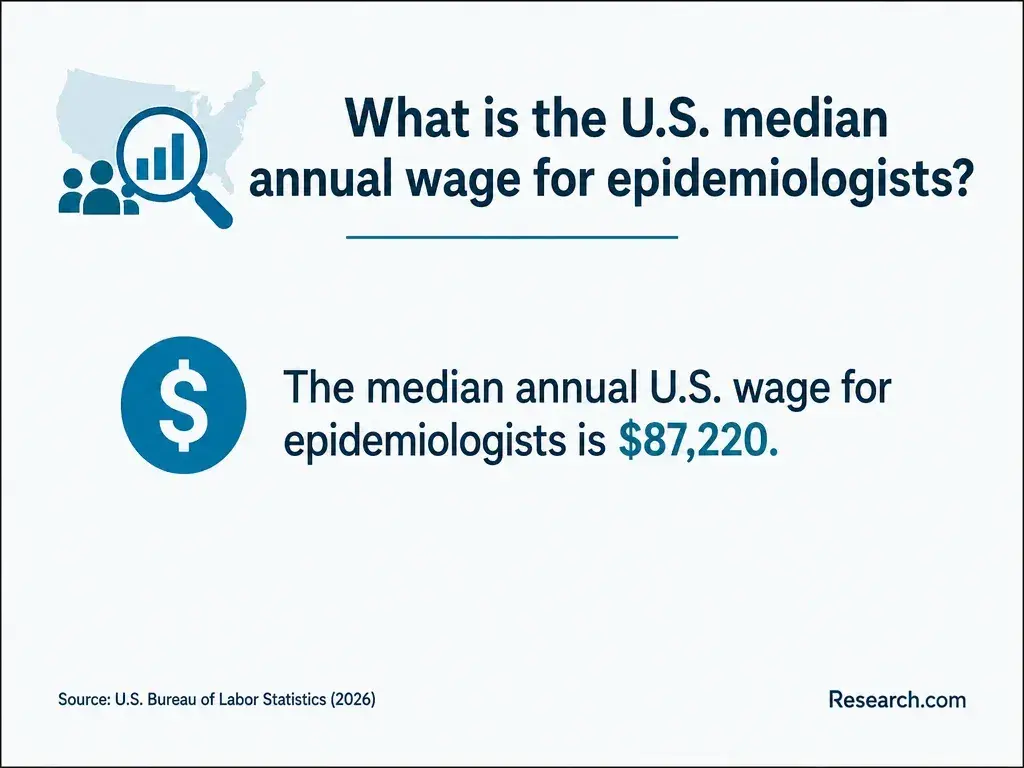
The US Bureau of Labor Statistics' emergency management directors occupation is a useful labor-market reference for roles that prepare response plans and coordinate disaster activities. Its published median wage and employment projections describe that occupation across employers and industries, however - not public health preparedness leaders specifically or DrPH graduates.
Check the latest occupational profile and the pay range of the actual government position before estimating a personal return; public-sector pay grades and promotion rules may be more decisive than a national median.
FEMA incident-management training and professional emergency management certifications may strengthen role-specific preparation, but eligibility and employer preferences vary.
A DrPH does not award those credentials or a clinical license. If a target posting calls for public health preparation but not doctoral leadership, compare experience-building options and the requirements of any master's program, including entry flexibility in public health master's programs, before committing to a doctorate.
Other Things You Should Know About Public Health
No. An approved tabletop exercise or limited pilot can provide observable evidence about a process. Describe what it tested and avoid claiming it predicts performance in a real emergency.
Yes, if the government chooses to participate and its authorities, approval processes, data governance, and priorities shape the work. Another agency's permission does not substitute for tribal authorization.
Not necessarily. A jointly agreed handoff or decision protocol may be more feasible while each organization retains its own legal responsibilities and operating plans.
Only with the required school and partner permissions. Remove confidential contacts, restricted procedures, and sensitive incident details; a permission-cleared template or summary may be safer than the operational document.
- Care Coordination Measures Atlas Update | Agency for Healthcare Research and Quality https://www.ahrq.gov/ncepcr/care/coordination/atlas/chapter4.html
- Process mapping in healthcare: a systematic review - PMC https://pmc.ncbi.nlm.nih.gov/articles/PMC8048073/
- Emergency Operations Centers and Incident Management Structure | Field Epi Manual | CDC https://www.cdc.gov/field-epi-manual/php/chapters/eoc-incident-management.html
- GUIDANCE FOR AFTER ACTION REVIEW (AAR) | who.int https://iris.who.int/bitstreams/79acf9d2-c963-4d25-8c75-9160e8859c7f/download
- Guiding Principles for Successful Data Sharing Agreements | ed.gov https://ies.ed.gov/learn/blog/guiding-principles-successful-data-sharing-agreements
- 45 CFR Part 46 -- Protection of Human Subjects | ecfr.gov https://www.ecfr.gov/current/title-45/subtitle-A/subchapter-A/part-46
- National Response Framework | fema.gov https://www.fema.gov/emergency-managers/national-preparedness/frameworks/response
- Institutional Review Board (IRB) Written Procedures | hhs.gov https://www.hhs.gov/ohrp/regulations-and-policy/requests-for-comments/guidance-for-institutions-and-irbs/index.html
- Non-IRB Activities | Human Research Protection Office (HRPO) | University of Pittsburgh https://www.hrpo.pitt.edu/non-irb-activities
- The DrPH adapts to the changing environment of public health | tulane.edu https://sph.tulane.edu/drph-adapts-changing-environment-public-health