2027 How Much Does a Financial Technology Degree Program Cost? Tuition, Fees & Total Expense Breakdown

Co-Founder and Chief Data Scientist
Estimating the true cost of a financial technology degree program can be challenging as tuition and fees have risen by over 7% annually in recent years, outpacing many other fields. Students often underestimate expenses like technology fees, course materials, and program-specific certifications, which significantly add to the total cost beyond base tuition.
This article breaks down tuition, mandatory fees, and typical additional expenses for financial technology programs. Understanding these components helps prospective students budget effectively, compare schools accurately, and avoid unexpected financial burdens throughout their academic journey.
Key Benefits of Knowing the Financial Technology Degree Program Cost in 2026
- Knowing the total cost helps students plan finances effectively, reducing debt risks linked to the average $45,000 tuition and fees in financial technology programs.
- Understanding expense details clarifies hidden costs like software licenses and certification fees, essential for budgeting beyond tuition alone.
- Insight into cost breakdowns supports informed decisions on program value versus investment, improving long-term career and earning potential assessments.
What Expenses Are Included in the Full Cost of a Financial Technology Degree?
Knowing the full cost breakdown of fintech degree in 2026 is essential for accurate financial planning, as expenses extend beyond tuition to include several mandatory and indirect costs. These various components impact the overall investment required for completing a financial technology degree program.
- Tuition fees: This is the largest expense, typically ranging from $10,000 to $50,000 per year depending on whether the institution is public or private and the student's residency status.
- Mandatory fees (technology, activities, library): Additional charges covering essential services like technology access, student activities, and library use often add $1,000 to $2,500 annually.
- Books and supplies: As fintech studies require current software and specialized materials, students usually spend between $1,000 and $2,000 each year on textbooks and resources.
- Technology requirements and software: Reliable laptops, licensed software, and cloud platform access are critical and may cost approximately $800 to $1,200 initially or on an annual basis.
- Clinical or lab fees (if applicable): Some programs might include practical labs or simulation workshops with separate fees ranging from $200 to $600 per semester.
- Living expenses (housing, food, transport): Essential costs for housing, food, transportation, and personal needs can range from $12,000 to $20,000 annually for on-campus or urban students.
For prospective students evaluating the full financial technology degree program expenses for 2026, considering all these factors offers a clearer picture of the commitment. Those exploring alternative paths might also benefit from reviewing online certificate programs that pay well as cost-effective options. This comprehensive approach facilitates smarter decisions regarding education investments in fintech fields.
What Is the Average Total Cost of a Financial Technology Degree Program in 2026?
The average total cost of a financial technology degree program in 2026 ranges typically between $40,000 and $150,000, depending on several factors. This total cost includes tuition, fees, textbooks, supplies, and living expenses, all of which are crucial for prospective students when planning their academic and financial future.
Tuition and fees at public four-year universities for in-state students generally fall between $10,000 and $25,000 annually, while private institutions often charge from $30,000 to $50,000 per year. Most programs require 120 to 130 credit hours, contributing to the overall tuition expense over the entire course of study.
Other important costs are textbooks, technology fees, and housing, which can add $5,000 to $15,000 annually, depending on living arrangements. Program format also affects expenses; online programs may lower costs by reducing housing fees. Regional location plays a role too, with lower tuition rates common in the Midwest and South compared to the East and West coasts.
Understanding the financial technology degree tuition and fees for 2026 is essential for prospective students comparing options. For those exploring additional academic routes, reviewing easy masters programs may also provide alternative pathways.

What Mandatory Fees Do Schools Charge for a Financial Technology Program in 2026?
Mandatory fees are additional charges required by institutions beyond tuition to support essential academic, technological, and campus resources. These fees are separate from tuition and vary across schools. For students considering mandatory fees for financial technology programs 2026, understanding these charges is key to accurate budgeting.
The typical school charges for a financial technology degree in 2026 generally include several categories:
- Technology fee: Covers access to specialized software, online platforms, and network infrastructure needed for fintech coursework, usually ranging from $150 to $400 per semester.
- Lab or clinical fee: Supports hands-on environments such as trading simulators, coding labs, or blockchain testing spaces, commonly costing between $100 and $300 per term.
- Student services fee: Funds career counseling, tutoring, and mental health resources, typically falling between $100 and $250 per semester.
- Assessment or testing fees: Applied for program-specific certifications or proficiency exams, often around $50 to $150.
- Campus facilities fee: Contributes to maintenance of libraries, study areas, and general campus upkeep, usually amounting to $100-$200 each semester.
According to data from the National Center for Education Statistics and institutional disclosures, these mandatory fees combined can increase base tuition costs by 15% to 25%. Prospective students exploring options such as an accelerated master's program online should carefully consider these additional expenses when planning their education.
Students pursuing a financial technology degree in 2026 should anticipate additional program-specific fees on top of standard tuition and university charges. These extra costs reflect the specialized nature of fintech studies and the industry tools involved.
Common additional expenses generally include the following:
- Lab fees: Access to dedicated computer labs or specialized software often incurs a semester-based fee ranging between $100 and $300, depending on the institution.
- Software licensing: Many fintech courses require subscriptions to professional software, such as data analytics or blockchain platforms, with annual costs typically from $200 to $600.
- Certification preparation fees: Fees for preparatory courses or examinations related to certifications like CFA or CFP can add several hundred dollars, reflecting fintech's overlap with regulated finance sectors.
- Required equipment: Programs may mandate laptops or other hardware meeting certain specifications, potentially costing $800 or more.
- Fieldwork or practicum expenses: Participation in internships or project-based experiences might involve variable travel, materials, or other related costs.
Accurately estimating the cost of supplies and equipment is essential for budgeting the total expense of a financial technology program. These costs can significantly affect a student's overall financial planning.
Below is a list of common items required for a financial technology major, along with their typical purposes and price ranges.
- Laptop or desktop computer: Required to run specialized software and complete coursework, typically priced between $800 and $1,500.
- Software licenses and subscriptions: Access to programming environments, analytics platforms, or blockchain simulators often costs between $50 and $300 annually if not covered by campus licenses.
- External storage or cloud services: Used for secure data backup and management, prices vary depending on capacity and provider.
- Financial calculators: Tools for quantitative analysis in coursework, generally costing around $100.
- Books and course materials: Resources focused on fintech applications usually range from $200 to $400 over the program duration.
Living, food, and travel expenses form a significant portion of the overall cost for students pursuing a financial technology degree, varying widely based on geographic location and personal lifestyle choices. Urban areas with higher living costs naturally lead to increased expenditures, making it essential for students to budget carefully.
Below are the main categories that most students should consider when planning their finances.
Key expenses include:
- Housing and utilities: On-campus dormitories often have fixed costs, while off-campus rents fluctuate with location; major cities can see rents exceed $1,500 monthly for a modest apartment.
- Groceries and dining: Monthly food expenses for off-campus students usually range from $300 to $450, encompassing groceries and occasional eating out; meal plan fees on campus typically cost between $2,000 and $5,000 per academic year.
- Local transportation: Students rely on public transit, biking, or personal vehicles, with average annual costs around $1,100 nationally; factors such as city infrastructure and commuting distance affect this budget.
- Travel for internships or conferences: Costs vary depending on frequency and distance, especially in fintech hubs where networking and professional growth opportunities may require additional travel funds.
When I spoke with a financial technology student about managing these expenses, she emphasized the balancing act involved. "Finding affordable housing was the biggest challenge," she said, noting the stress of searching for safe yet reasonably priced apartments while juggling coursework.
Cooking at home helped to control food costs, but unexpected travel to fintech events sometimes forced her to dip into savings. Her experience highlights how budgeting can become a dynamic process, requiring constant adjustments to stay financially afloat throughout the program.
Many financial technology programs incorporate internships or residencies as essential experiential components, though requirements vary by school. Some programs mandate these practical experiences to enhance learning and career readiness, while others offer them as optional but beneficial opportunities.
Typical placements include fintech startups, banks, or financial service firms, lasting three to six months. Residencies may involve collaborative projects with industry partners. These experiences can increase overall program costs, especially if unpaid, but paid internships may help offset living expenses during the term.
Additional expenses tied to internships or residencies often go beyond tuition and may include travel, housing, professional attire, specialized equipment such as laptops or software, and insurance coverage. According to the National Association of Colleges and Employers, students should budget between $2,000 and $5,000 for these costs, depending on the location and duration.
Prospective students should investigate program requirements early, explore financial aid options, and consider local opportunities to reduce out-of-pocket costs.
Most institutions offering financial technology programs permit students to switch between part-time and full-time enrollment, though specific policies govern these changes. Typically, students need to consult academic advisors and obtain approval from the registrar's office to ensure eligibility and proper planning.
Before making a switch, students should evaluate financial aid effects, course availability, and how the change might influence their overall academic progress. The decision also depends on personal circumstances, including work and family commitments.
Common requirements often include maintaining good academic standing and meeting institutional criteria for switching enrollment status. Financial aid packages may change drastically based on enrollment type, potentially affecting affordability. Some courses are only available to full-time students or offered during specific terms, limiting flexibility.
Additionally, shifting from part-time to full-time or vice versa can alter expected graduation dates, requiring careful scheduling and approval through academic advising.
A graduate I spoke with who transitioned from part-time to full-time study shared that the process was both challenging and rewarding. He recalled feeling uncertain about balancing full-time coursework with work but appreciated having advisor support throughout the transition.
"Switching to full-time allowed me to immerse myself more deeply in the program," he explained, though he admitted it required reprioritizing his time. His experience underscores that while enrollment changes are feasible, they demand thoughtful planning and commitment.
Comparing the costs of part-time and full-time enrollment in financial technology programs is essential for effective financial planning and making informed decisions about your education. These two paths differ significantly in tuition structure, duration, and associated fees. Below is a detailed comparison to help clarify these differences.
Program duration and credit load play a major role in shaping overall costs, influencing how expenses accumulate over time.
Full-time Financial Technology Degree Cost 2026
- Tuition per credit: Full-time students typically pay between $1,000 and $1,300 per credit, enrolling in 12 to 15 credits each semester.
- Total program cost: Annual tuition at public institutions ranges from $15,000 to $30,000, with total program expenses reaching $30,000 to $60,000 including fees and supplies over two years.
- Mandatory fees: Fees for technology access, student services, and supplies are usually bundled annually, resulting in a concentrated upfront cost.
- Supply and equipment costs: Both full-time and part-time students encounter similar expenses for laptops and software licenses, typically ranging from $1,000 to $1,500 for the full program.
- Living and travel expenses: Full-time enrollment often involves more frequent on-campus presence, which can increase housing and commuting costs compared to part-time students.
Part-time Financial Technology Program Tuition Comparison
- Tuition per credit: Part-time students usually pay a slightly higher tuition rate, averaging $1,200 to $1,500 per credit, due to fewer enrolled credits per semester.
- Total program cost: Extended program duration of three or more years often leads to higher cumulative costs, as fees and tuition accumulate over time despite a lighter credit load.
- Mandatory fees: Fees charged each semester for technology and student services may add up more for part-time learners, increasing total expenditure.
- Supply and equipment costs: Similar to full-time students, part-time enrollees incur about $1,000 to $1,500 in equipment costs for the entire program.
- Living and travel expenses: Part-time students may experience lower living expenses due to less frequent campus visits and more flexible scheduling.
When considering cost effective pathways, many prospective students also explore inexpensive online schools that accept financial aid, which can further influence total program expenses and make financial technology education more accessible.
What Graduates Say About the Cost of Their Financial Technology Degree
- Raul: "Pursuing a financial technology degree was a significant investment, averaging around $35,000 per year, but balancing part-time work helped me manage living expenses without overwhelming debt. The hands-on projects and industry connections made the cost worthwhile I secured a role within six months of graduation that quickly boosted my earning potential. The ROI, for me, has been incredibly positive given the career acceleration I experienced."
- Elisha: "Although the cost of attending a financial technology program felt steep initially, I carefully budgeted to cover rent and essentials through scholarships and internships, which eased financial pressure. The depth of knowledge and real-world skills I gained gave me confidence in the field and underscored how much this degree could pay off over time by opening doors in fintech innovation. Reflecting back, the investment was a smart move for my career growth."
- Michael: "From a practical standpoint, the expense of pursuing a financial technology degree, often totaling $100,000 or more, challenged me to find ways to optimize costs and live frugally. The rigorous curriculum and networking opportunities ultimately enhanced my career prospects, delivering a tangible return on investment that justifies the initial outlay, especially as the fintech sector continues to expand. This degree remains a solid foundation for my professional development."
Other Things You Should Know About Financial Technology Degrees
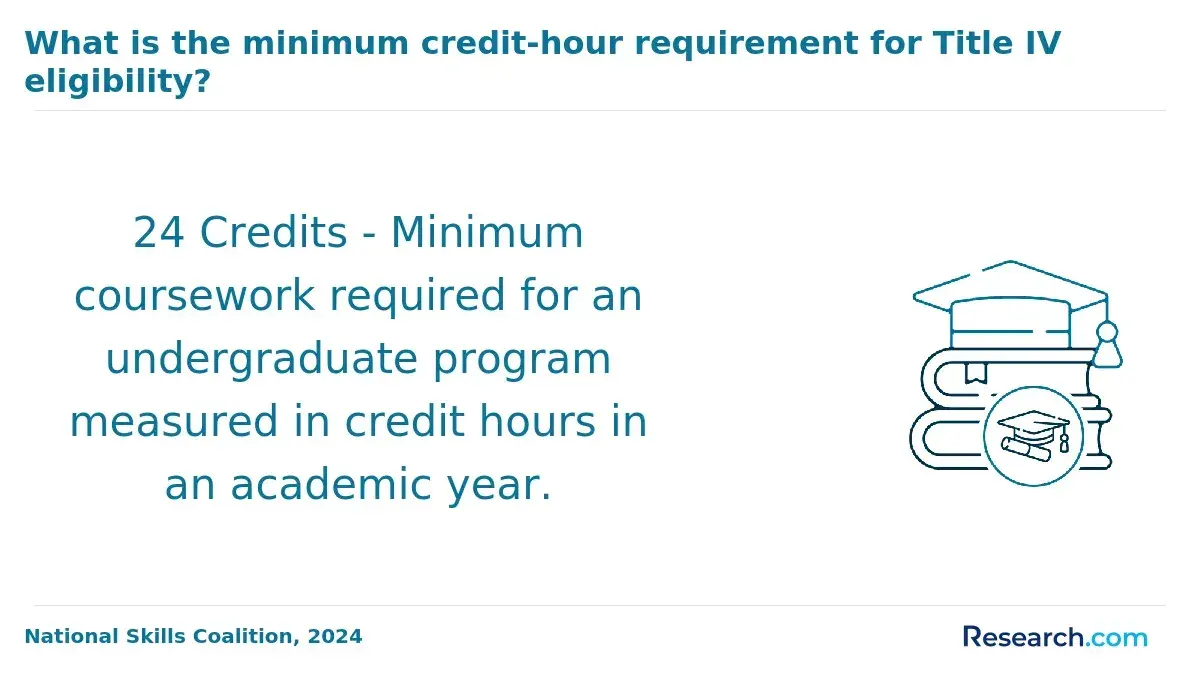
Yes. Financial technology programs at schools with Title IV eligibility can use federal aid, including the FAFSA, Pell Grants, Direct Subsidized and Unsubsidized Loans, and Direct PLUS Loans for graduate study. The school’s financial aid office must confirm program eligibility and enrollment status before funds are disbursed.
Online programs often offer lower tuition rates and eliminate certain campus fees, which can reduce overall expenses. However, some online courses may charge technology or platform fees. It's important to compare total costs rather than just tuition to understand the financial impact fully.
Out-of-state students usually pay higher tuition than in-state residents for public universities offering financial technology degrees. This difference can be several thousand dollars per year, impacting the total cost significantly unless students qualify for residency or scholarships that offset these charges.
- How Much Does University Cost in the UK? Fees, Living Costs and Funding Explained https://www.immerse.education/resources-for-parents/finance-and-loans/how-much-does-university-cost-in-the-uk/
- Financial Technology at Ulster University. BSc (Hons) Part-time, in Belfast - 2025/26 entry year. https://www.ulster.ac.uk/courses/202526/financial-technology-37044
- University of Glasgow - Postgraduate study - Taught degree programmes A‑Z https://www.gla.ac.uk/postgraduate/taught/financialtechnology/
- Fees and Funding | MSc Financial Technology | Fintech Master's Degree | Warwick Business School https://www.wbs.ac.uk/courses/masters/financial-technology/fees/
- Study Abroad Costs: Tuition, Living & Hidden Expenses https://zylentrix.net/study-abroad-cost-breakdown/
- Hidden Cost of Studying Abroad | What Universities Don’t Tell You https://isbss-edu.org/hidden-cost-of-studying-abroad/
- MSc Financial Technology https://www.imperial.ac.uk/business-school/masters/financial-technology/
- Fintech Degree: Find the Best Fintech Schools https://techguide.org/fintech/bachelors-in-fintech/
- Fintech vs Traditional Banks: Why Digital Transformation Is the Future of Financial Services | by Hazel Watson | Medium https://medium.com/@.hazelwatson/fintech-vs-traditional-banks-why-digital-transformation-is-the-future-of-financial-services-eb6c57abe742
- MSc in Financial Technology https://seng.hkust.edu.hk/academics/taught-postgraduate/msc-fintech