2027 Are There Any One-Year Online Financial Technology Degree Programs Worth Considering?

Co-Founder and Chief Data Scientist
The main question with “one-year online fintech degrees” is whether the credential is truly a degree, truly online, and realistically finishable in one year. In practice, the fastest options in Financial Technology are usually graduate certificates, short professional programs, or accelerated online degrees that take longer than 12 months. Full bachelor’s and master’s degrees in FinTech generally require more credits than most students can complete in one year.
This guide explains what is feasible, which online fintech options come closest to a one-year timeline, what these programs typically cover, and how to compare cost, accreditation, workload, career value, and financial aid. It is written for working professionals, finance or technology graduates, and career changers who want fintech skills quickly without choosing a weak or misleading program.
Key Points About One-Year Online Financial Technology Degree Programs
- One-year online Financial Technology degrees emphasize practical skills like blockchain and AI, contrasting with traditional degrees that often focus more on theory and extended research projects.
- These accelerated programs typically attract working professionals seeking rapid career advancement amid a fintech industry projected to grow 25% by 2028.
- Students should expect condensed curricula, fewer electives, and strong industry partnerships offering real-world projects and networking opportunities within the fintech sector.
Is It Feasible to Finish a Financial Technology Degree in One Year?
Finishing a Financial Technology credential online in one year is feasible, but finishing a full accredited degree in that time is uncommon. The most realistic one-year options are graduate certificates or short professional programs that focus on specific fintech skills rather than the full breadth of a degree.
Graduate certificate programs, including part-time options at institutions like UConn and UW-La Crosse, often require around 12 credits and focus on applied areas such as blockchain, analytics, digital finance, and emerging financial technologies. Because these programs do not usually require a broad general education core, a thesis, or extensive research requirements, they are more compatible with a one-year timeline.
Master's degrees in FinTech are more difficult to complete in one year because they typically require 30-36 credits. Full-time programs often take about 18 months, as seen with programs at Kennesaw State. Some programs, such as NYU Stern's modular, part-time format, may be designed around a one-year completion path, but students should expect a demanding schedule, independent study, and limited room for delays.
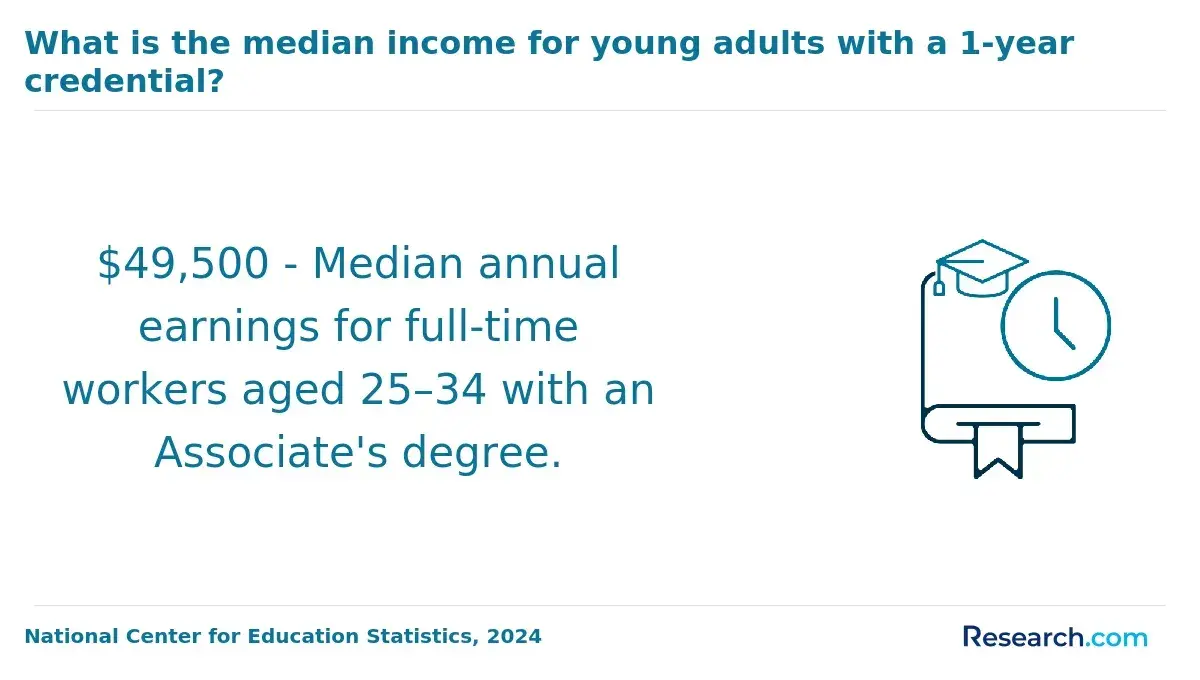
Bachelor's and associate degrees are generally not realistic one-year options for most students. Associate degrees usually require 60 credits, while bachelor's degrees usually require 120 credits, along with foundational coursework outside the fintech major. Students with substantial transfer credits in finance, computer science, business, mathematics, or information systems may shorten their timeline, but they should confirm transfer policies before enrolling.
What “one year” usually means in fintech education
- Most realistic: Graduate certificates or professional certificates that can be completed in about one year.
- Possible but demanding: Select accelerated master's programs or modular master's formats with a heavy course load.
- Usually not feasible: Full associate or bachelor's degrees unless the student enters with significant transferable credit.
Are There Available One-year Online Financial Technology Degree Programs?
There are currently no accredited one-year online Financial Technology (FinTech) degree programs that lead to a full bachelor's or master's degree in the United States. Students who want a strict one-year timeline will usually find certificates, associate-level pathways, or accelerated graduate programs that take more than one year rather than a complete degree finished in 12 months.
This distinction matters. A certificate can be valuable for upskilling, but it is not the same as a degree. A full degree usually carries broader academic requirements and may have stronger long-term value for roles that require a bachelor's or master's credential. A certificate, however, may be faster, less expensive, and more targeted for professionals who already have a degree.
- UConn Accelerated Master's in Financial Technology: This online master's degree can be completed in as little as 18 months, not one year. The program includes analytics, technology, and business coursework and is designed for careers in finance, banking, InsurTech, and related sectors. Students complete 36 credits and can use electives to align the program with their career goals.
- Middle Georgia State University: Online Associate of Science in Financial Technology: This fully online associate degree provides foundational training in financial transaction technology. Developed with input from Georgia's FinTech industry, it is a practical option for students seeking entry-level preparation through an accelerated financial technology associate degree online US pathway.
- UW-La Crosse Financial Technology Graduate Certificates: These online certificates can typically be completed within one year and focus on emerging technologies and leadership in FinTech. They are not full degrees, but they can help professionals with prior college education build focused fintech credentials quickly.
For students who mainly want faster employment-oriented training, certificates and associate degree options may be more practical than searching for a full one-year fintech degree. Those comparing shorter credentials can also review the best 6 month online programs that pay well, especially if they want technology-focused training that complements fintech career goals.
Why Consider Taking Up One-year Online Financial Technology Programs?
One-year online Financial Technology programs can be a practical choice for people who need targeted fintech skills quickly. They are especially useful for working professionals in finance, banking, insurance, data analytics, compliance, cybersecurity, or software development who want to move into fintech roles without committing to a longer degree program.
The strongest one-year options are focused rather than broad. Instead of covering every part of finance or computer science, they usually concentrate on areas such as blockchain, digital payments, AI, financial data analytics, cloud computing, cybersecurity, and regulatory technology. This makes them useful for career pivots, internal promotions, or project-based responsibilities at work.
- Fast skill acquisition: A compressed program can help students build practical knowledge in fintech domains within a year, which is useful when job responsibilities are changing quickly.
- Flexibility for working professionals: Online delivery can make it easier to continue working while studying, especially when courses are asynchronous or offered in short modules.
- Industry-relevant curriculum: Strong programs connect finance and technology rather than treating them as separate subjects. Look for coursework in financial data analytics, cloud computing, cybersecurity, digital banking, and regulatory technology.
- Career advancement and pivots: Early- and mid-career professionals can use a focused credential to support moves into fintech product roles, financial analytics, risk technology, digital banking, or innovation teams.
- Entrepreneurial preparation: Students interested in fintech startups can gain a clearer understanding of payments, compliance, security, customer data, and technology infrastructure.
A shorter program is not automatically the best option. Students who need a foundational degree may still be better served by an associate or bachelor's program. Comparing fintech programs with other short and accessible credentials, such as resources explaining what is the easiest 2 year degree to get, can help clarify whether speed, depth, cost, or credential level should matter most.
The main drawback of a one-year online fintech program is intensity. FinTech combines finance, technology, data, regulation, and security, so a compressed format can be difficult for students who are new to either finance or computing. The faster timeline may help motivated professionals, but it can also reduce time for internships, networking, portfolio development, and deeper technical practice.
- Heavy workload: Accelerated courses require students to absorb complex material quickly. Learners who are working full time should be realistic about weekly study time and deadline pressure.
- Limited hands-on depth: Short programs may introduce blockchain, analytics, cybersecurity, or digital payments without giving students enough time to master advanced tools or build substantial projects.
- Less networking than campus programs: Online students may have fewer informal opportunities to meet classmates, faculty, alumni, and employers unless the program intentionally offers live sessions, group projects, career events, or industry speakers.
- Harder work-study balance: A one-year schedule can make it difficult to add internships, part-time work, or job searching while completing coursework.
- Financial planning pressure: Even if the total program cost is lower than a longer degree, tuition may be due over a shorter period. Students should check payment schedules, aid eligibility, and employer reimbursement rules before enrolling.
- Limited full-degree availability: Very few fully online one-year Financial Technology degrees are available, so students may need to choose between a faster certificate and a longer degree.
Students should be cautious of programs that market themselves as fast without clearly explaining credit requirements, accreditation, faculty qualifications, outcomes, and expected weekly workload.
Eligibility requirements depend on whether the program is a graduate certificate, associate degree, professional certificate, or master's program. In general, one-year online fintech programs are designed for students who already have some academic or professional background in finance, business, computer science, data analytics, economics, information systems, or a related field.
Applicants should read the admissions page carefully because “one-year fintech program” can refer to very different credentials. A graduate certificate may require a bachelor's degree, while an associate degree may admit students with a high school diploma or equivalent. A master's program may have stricter academic and professional requirements.
- Educational background: Many graduate-level programs require a bachelor's degree from an accredited institution. Preferred backgrounds often include finance, computer science, economics, business, mathematics, information systems, or related fields.
- Work experience: Some one-year online fintech programs may prefer or require experience in finance, banking, technology, data analysis, cybersecurity, or business operations, especially when the curriculum is applied and accelerated.
- Technical skills: Applicants may need basic familiarity with programming, spreadsheets, databases, data analysis, financial software, or quantitative reasoning. Students without this background should ask whether bridge courses or prerequisites are available.
- Language proficiency: Non-native English speakers may need to submit TOEFL or IELTS scores to show they can complete graduate-level or technical coursework in English.
- Standardized tests: Many online programs waive GRE/GMAT requirements, but some competitive fintech programs may still request scores as part of the admissions process.
Questions to ask before applying
- Will my previous credits transfer into the program?
- Are there prerequisites in finance, statistics, programming, or data analytics?
- Can I complete the program while working full time?
- Is the credential a degree, graduate certificate, professional certificate, or noncredit program?
- Does the program qualify for federal financial aid or employer tuition reimbursement?
Because fintech career outcomes depend heavily on the student’s prior education, technical skills, and target role, applicants may also want to compare fintech with other high-return academic paths. Researching the most profitable majors can help students think more clearly about salary potential and long-term credential value.
Because fully dedicated one-year fintech degree options are limited, students should evaluate programs carefully before enrolling. The best choice is not simply the fastest program; it is the program that matches your current education, target job, budget, schedule, and need for a recognized credential.
- Credential type: Confirm whether the program awards a degree, graduate certificate, professional certificate, or noncredit certificate. This affects financial aid eligibility, employer recognition, transfer value, and how you present the credential on a resume.
- Accreditation and institutional reputation: Choose a program offered by an accredited institution. Accreditation is especially important if you want federal financial aid, future transfer credit, graduate admission, or employer tuition support.
- Curriculum depth and specialization: Look for coursework in blockchain, digital payments, cybersecurity, financial analytics, AI, cloud systems, regulatory technology, and fintech strategy. A strong program should connect technical tools to real financial services problems.
- Hands-on learning: Prioritize programs with projects, case studies, simulations, capstones, or portfolio assignments. Fintech employers often value evidence that students can apply tools, interpret data, and understand risk.
- Faculty and industry connections: Review instructor backgrounds, advisory boards, guest speakers, alumni networks, and employer partnerships. These can be especially valuable in online programs where networking must be intentionally built into the experience.
- Online format and flexibility: Check whether courses are asynchronous, synchronous, cohort-based, self-paced, or offered in short terms. A one-year timeline is only useful if the delivery model fits your work schedule.
- Total cost and aid options: Compare tuition, fees, books, software, technology charges, and payment timing. Also ask about scholarships, employer tuition assistance, and whether the program is eligible for federal aid.
- Career support: Look for resume help, interview preparation, job boards, alumni access, employer events, and support for portfolio building. A short program should still help students translate coursework into career outcomes.
Students considering fast fintech pathways may also compare broader accelerated options through resources such as the best accelerated financial technology programs in the US, especially if they want a program that balances speed with recognized academic value.
One-year online degrees in Financial Technology in the U.S. generally cost between $14,000 and $28,000 in total tuition. For example, the University of South Florida charges around $14,020 for in-state students and up to $28,730 for non-residents for its master's program. Some accelerated options may charge approximately $1,500 per credit, which can raise the total cost depending on the number of credits required.
Students should compare total program cost, not just per-credit tuition. Online fintech programs may also include technology fees, course materials, software access, proctoring fees, or specialized online resources. Public universities may charge different rates for in-state and out-of-state students, while private institutions may use one tuition rate regardless of residency.
Cost also depends on the credential type. A graduate certificate is usually shorter than a master's degree, so it may cost less in total even if the per-credit rate is similar. A full master's degree may cost more but can provide a broader credential for roles that require or prefer graduate education.
Compared with traditional four-year finance degrees, which can cost between $40,000 and $80,000 or more, one-year online Financial Technology programs can be a more affordable and time-efficient alternative for professionals who already have a degree and want specialized fintech training. Students who still need a first college degree should compare the long-term value of a complete degree against the shorter timeline of a certificate.
Students in one-year online Financial Technology programs should expect a focused, career-oriented curriculum that combines finance, technology, data, and regulation. These programs are usually intensive and practical, with less time for broad electives than longer degrees. Truly one-year accredited online fintech degrees are rare, so many students will be choosing between a certificate that fits the one-year timeline and a degree that takes longer.
Common topics include blockchain applications, data analytics, digital payment systems, cybersecurity, cloud-based financial infrastructure, risk management, AI in financial services, and regulatory technology. Strong programs show students how these topics connect to real financial products, compliance requirements, fraud prevention, customer experience, and operational risk.
Students can also expect a high level of independent learning. Online courses may include recorded lectures, live sessions, discussion boards, group projects, analytics exercises, case studies, and capstone-style assignments. Because the format is compressed, time management and comfort with online learning are essential.
Career outcomes for one-year online fintech degrees and related certificates may include roles in financial analysis, risk management, digital banking, compliance technology, product operations, business analysis, or technology development within financial services. Outcomes vary based on the student’s prior degree, work experience, technical ability, employer network, and the strength of the program’s career support.
Students comparing online institutions and practical training options can also review resources such as best online trade schools to understand how streamlined online education models differ across fields.
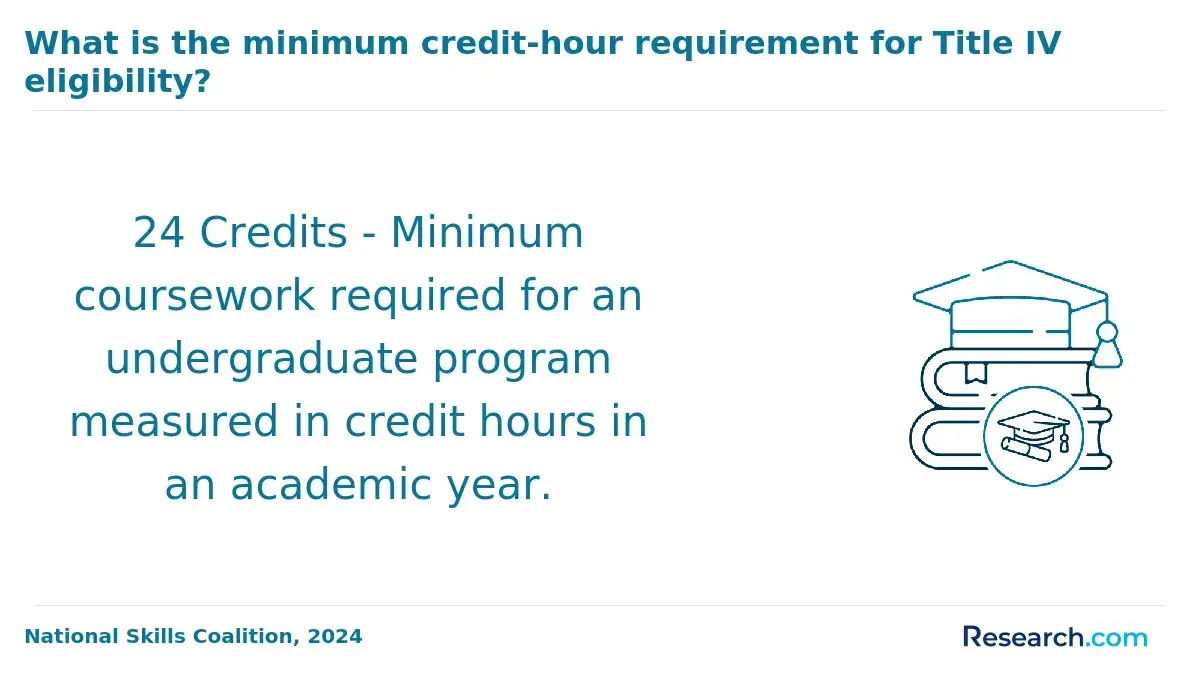
Financial aid may be available for one-year online Financial Technology programs, but eligibility depends heavily on the credential type and the institution. Degree programs at accredited institutions are more likely to qualify for federal aid than short noncredit certificates. Students should verify aid eligibility with the school’s financial aid office before applying.
Because accelerated programs compress tuition into a shorter timeline, planning is important. Students should ask when payments are due, whether aid is disbursed by term, and whether employer reimbursement is paid upfront or only after successful course completion.
- Federal student loans: Students generally need to complete the FAFSA to determine eligibility. Direct Subsidized and Unsubsidized Loans may help cover tuition, and graduate students may be able to use PLUS loans for additional financing. Some tuition costs may start around $1,500 per credit hour at public institutions and increase at private schools.
- State aid and grants: Some states offer grants or aid programs for technology-focused education, including programs related to FinTech fields. Eligibility may depend on residency, enrollment status, and attendance at an accredited institution.
- Scholarships: Universities, professional associations, and industry groups may offer merit-based or need-based scholarships for students in finance, technology, data, or related fields. Deadlines may come earlier than program admission deadlines, so students should search early.
- Employer tuition assistance: Employers in finance, banking, insurance, technology, and consulting may help pay for fintech education if it relates to the employee’s role. These benefits often require manager approval, minimum grades, continued employment, or proof of completion.
- Payment plans: Some schools allow students to spread tuition over a term or academic year. This can help with cash flow, but students should check for fees and missed-payment penalties.
Before borrowing, students should compare the program’s total cost with their realistic career goals. A short fintech credential can be worthwhile when it fills a clear skills gap, supports an internal promotion, or complements an existing degree. It may be less valuable if the student still needs a foundational credential for the jobs they want.
What Financial Technology Graduates Say About Their Online Degree
- Carmela: "Completing the one-year online Financial Technology degree was a game-changer for my career. The accelerated pace fit perfectly into my busy schedule, allowing me to dive into new job opportunities faster than I expected. Plus, the program's focus on practical skills gave me the confidence to lead blockchain projects at work."
- Sean: "The competency-based structure of the Financial Technology degree let me customize my learning path, focusing deeply on areas like digital payments and cybersecurity. This flexible approach not only saved me time but also helped me build a strong portfolio, which was crucial when negotiating a salary increase. The average cost was reasonable compared to traditional programs, making it a worthwhile investment."
- Ciara: "I appreciated how the Financial Technology program combined rigorous coursework with real-world case studies, all accessible online. Completing it in just one year gave me a focused yet comprehensive understanding of fintech trends, preparing me for leadership roles in financial services. The streamlined format and quality instructors made the learning process engaging and effective."
Other Things You Should Know About Pursuing One-Yeas Financial Technology Degrees
Most programs require prior college work in mathematics, statistics, accounting, economics, or computer programming. Some ask for 30 to 60 transferable semester credits before admission, plus a minimum GPA, often 2.5 or 3.0. Applicants may also need proof of Python or SQL familiarity.
Yes, one-year online Financial Technology degrees from accredited institutions are generally recognized by employers, especially when the curriculum aligns with industry standards. However, the reputation of the granting institution and the program's depth can influence employer perception. It is important for candidates to verify accreditation and seek programs that emphasize practical skills and current fintech technologies.
- Financial Technology https://www.conestogac.on.ca/fulltime/financial-technology
- Fintech Courses: Why They are Valuable for Your Career Prospects https://emeritus.org/blog/finance-fintech-courses/
- FinTech Accelerated and Online Programs: Meeting Working Adults’ Needs | Duke Engineering Master's Programs https://masters.pratt.duke.edu/news/fintech-accelerated-online-working-adults/
- Pros And Cons Of Getting An Online Finance Degree https://www.workitdaily.com/online-finance-degree-pros-cons
- PGDM - Top reasons why you should opt for Fintech courses https://www.itm.edu/blog/pgdm-top-reasons-why-you-should-opt-for-fintech-courses/
- Why Learn FinTech? https://www.nobledesktop.com/learn/fintech/why-learn-fintech
- Financial Technology | VIZJA University https://vizja.pl/en/specjalizacja/financial-technology-fintech/
- Financial Aid For Online Colleges https://www.affordablecollegesonline.org/financial-aid/financial-aid-for-online-colleges/
- Fees and Funding | MSc Financial Technology | Fintech Master's Degree | Warwick Business School https://www.wbs.ac.uk/courses/masters/financial-technology/fees/
- Upskill with a Graduate Certificate in Financial Technology at UNSW Online https://studyonline.unsw.edu.au/online-programs/graduate-certificate-financial-technology