2027 Best Accredited Online Nurse Education Degree Programs: Compare Tuition, Admissions, and Career Outcomes

Co-Founder and Chief Data Scientist
Choosing an online nurse education degree is a high-stakes decision because the program you select can affect licensure alignment, teaching eligibility, debt, and long-term career mobility. The need is timely: the U. S. Bureau of Labor Statistics projects postsecondary teacher employment to grow 8% from 2023 to 2033, faster than average. This guide is for RNs comparing accredited online MSN, certificate, and doctoral nurse educator pathways. You will learn how to compare tuition, admissions, accreditation, formats, support services, and outcomes so you can choose a program that fits your schedule, budget, and teaching goals.
Key Things You Should Know
- The best-value online nurse education programs usually combine CCNE or ACEN nursing accreditation, transparent total tuition, local practicum placement options, and flexible pacing for licensed RNs.
- Published online MSN nurse educator costs often range from roughly the low five figures at lower-cost public or competency-based programs to more than $40,000 at private universities before aid, fees, and books.
- A master's degree may support clinical instructor and staff development roles, while tenure-track faculty jobs often prefer or require doctoral preparation.
Which Accredited Online Nurse Education Degree Programs Offer the Best Overall Value?
The best overall value is not always the cheapest program. For online nurse education degrees, value comes from the relationship between total cost, accreditation, schedule fit, practicum support, faculty expertise, completion time, and whether the credential matches your intended teaching role.
Most students comparing online nurse educator programs should start with accredited MSN nurse educator tracks, post-master's certificates, and doctoral options. MSN programs are often the most direct route for RNs who want to become clinical instructors, academic nurse educators, simulation educators, or professional development specialists.
If your long-term goal is advanced practice leadership, executive leadership, or a terminal nursing credential, compare nurse educator programs with best DNP programs before committing to a master's-only pathway.
The table below shows how common accredited online nurse education options compare by value profile. Tuition changes frequently, so use these examples as decision benchmarks and verify current tuition, fees, and state authorization directly with each school.
| Program type or example | Best fit | Value strengths | Trade-offs to check |
| Lower-cost public online MSN nurse educator programs | RNs seeking the lowest realistic total cost | Often strong regional reputation, CCNE or ACEN accreditation, and predictable credit-based pricing | May have state residency pricing differences, fixed start dates, or limited elective options |
| Competency-based MSN nursing education programs | Experienced RNs who can move quickly through coursework | Can reduce cost if you complete terms efficiently; usually highly flexible for working nurses | Requires strong self-direction; not ideal for students who need frequent live instruction |
| Private nonprofit online MSN nurse educator programs | Students prioritizing brand recognition, faculty access, or specialized teaching tracks | May offer strong advising, simulation education exposure, and broad alumni networks | Total cost can be much higher, so scholarship and employer aid matter more |
| Post-master's nurse educator certificates | MSN-prepared nurses who need pedagogy and practicum preparation | Shorter and usually less expensive than a second graduate degree | May not be enough for roles requiring a specific degree level or doctoral preparation |
| DNP or PhD programs with education focus | Nurses targeting leadership, scholarship, or full-time faculty advancement | Can improve eligibility for senior academic and leadership roles | Longer, more expensive, and often unnecessary for entry-level educator roles |
For many working RNs, the strongest value comes from a CCNE- or ACEN-accredited online MSN nurse educator program with total tuition below the private-school average, asynchronous coursework, and a practicum that can be completed near home. Paying more can make sense if the program offers a doctoral bridge, strong faculty mentoring, simulation education resources, or a network aligned with your local academic job market.
Avoid choosing based on ranking alone. A nationally recognized program may be worth the premium for students seeking competitive academic positions, but a lower-cost accredited program may produce a better return if your goal is staff education, adjunct teaching, or community college instruction in your region.
What Accreditation Should Students Look for in an Online Nurse Education Degree Program?
Accreditation is one of the most important quality checks for an online nurse education degree. It affects transferability, employer recognition, eligibility for federal financial aid, and whether the nursing curriculum has been reviewed against accepted professional standards.
Students should confirm two layers of accreditation before applying. Institutional accreditation applies to the college or university as a whole, while programmatic nursing accreditation applies specifically to the nursing program.
| Accreditation item | What it means | Why it matters |
| Institutional accreditation | The college or university is reviewed by a recognized accrediting agency | Typically required for federal financial aid, credit transfer, and graduate school recognition |
| CCNE accreditation | The Commission on Collegiate Nursing Education reviews baccalaureate and graduate nursing programs | Commonly expected by employers and doctoral programs for graduate nursing education |
| ACEN accreditation | The Accreditation Commission for Education in Nursing accredits nursing programs across degree levels | Widely recognized for nursing program quality and useful for employer review |
| State authorization | The school is approved to deliver online education to students in your state | Online programs may not enroll students from every state, especially when practicums are involved |
| Practicum approval | The program allows supervised educator experiences in an approved local setting | Critical for students who must complete teaching, curriculum, or clinical education hours |
Before submitting an application, use a short verification process rather than relying only on marketing language. This helps prevent the common mistake of assuming that "online" and "accredited" automatically mean the program will work in your state or for your target employer.
- Confirm the university's institutional accreditation on the school's accreditation page and through recognized accreditor directories.
- Check whether the specific nursing degree, not just the school, holds CCNE or ACEN accreditation.
- Ask whether the nurse educator concentration is included within the accredited nursing program scope.
- Verify that your state is approved for online enrollment and practicum placement.
- Ask employers or doctoral programs you may apply to whether they prefer CCNE, ACEN, or either form of nursing accreditation.
A red flag is a school that uses vague phrases such as "accreditation eligible" or "following accreditation standards" without clearly identifying its current institutional and nursing program accreditation status. Another warning sign is a program that cannot explain how students in your state complete required field or teaching experiences.
How Do Tuition Costs Compare Across Accredited Online Nurse Education Degree Programs?
Tuition for accredited online nurse education programs varies widely because schools price credits, terms, fees, and practicums differently. NCES data released in 2024 show that average annual graduate tuition and required fees at public institutions were far lower than at private nonprofit institutions, which is why public online MSN programs often deserve close attention from cost-conscious RNs.
The most useful comparison is total program cost, not per-credit tuition. A program with lower tuition but more credits, high technology fees, or required campus visits may cost more than it first appears.
| Cost category | Typical pattern | What to compare |
| Public university online MSN | Often among the lower-cost accredited options, especially when online students receive a flat rate | Total credits, online tuition rate, residency rules, and mandatory fees |
| Private nonprofit online MSN | Often higher sticker price but may offer institutional scholarships or employer partnerships | Net price after aid, faculty access, reputation, and career services |
| Competency-based program | Charged by term rather than by credit in some cases | How many terms you realistically need, not the fastest advertised completion time |
| Post-master's certificate | Usually lower total cost than a full MSN because it requires fewer credits | Whether your current graduate degree satisfies prerequisites |
| Doctoral nurse education pathway | Higher total investment due to longer duration and dissertation, project, or residency requirements | Whether the degree is necessary for your target faculty or leadership role |
When estimating affordability, include the expenses that are easy to overlook. These are the costs most likely to distort comparisons between otherwise similar online programs.
- Mandatory online learning, technology, clinical compliance, graduation, and course fees
- Books, software, simulation tools, background checks, immunization tracking, and liability insurance
- Travel for any required campus intensives, orientations, residencies, or presentations
- Lost income if practicum hours require schedule changes or reduced work shifts
- Interest costs if you borrow more than you can repay comfortably after graduation
Lower tuition is especially important for students planning adjunct teaching or staff development roles, where salary increases may be gradual. A higher-cost program may still be reasonable if it reduces time to completion, offers strong practicum placement support, or improves access to full-time academic roles in your region.
How Competitive Is Admission to Accredited Online Nurse Education Degree Programs?
Admission to online nurse education programs is usually less about broad undergraduate selectivity and more about whether you are a licensed RN with the academic preparation, clinical experience, and professional readiness needed for graduate-level nursing education. Selectivity varies by school, but most accredited MSN nurse educator tracks are designed for working nurses rather than first-time college students.
The table below summarizes the requirements students commonly encounter. Use it to identify programs that match your current credentials before spending time and money on applications.
| Requirement | Common expectation | How it affects your choice |
| RN license | Active, unencumbered U.S. RN license | Usually nonnegotiable for MSN nurse education programs |
| Prior degree | BSN for traditional MSN entry; MSN for post-master's certificates | RN-to-MSN options may help ADN-prepared nurses, but they can take longer |
| Minimum GPA | Often around 3.0, with conditional admission possible at some schools | Flexible GPA policies can help experienced nurses with older transcripts |
| Clinical experience | One or more years of RN experience is commonly preferred or required | More experience can strengthen your application and teaching credibility |
| Application materials | Transcripts, resume, statement of goals, references, and sometimes an interview | Programs with holistic review may value leadership and preceptor experience |
| Statistics or research prerequisite | Some programs require prior coursework in statistics, research, or health assessment | Missing prerequisites can delay admission or add cost |
Admissions flexibility does not automatically mean weak academic quality. Some reputable online programs use rolling admissions, multiple start dates, or conditional admission because their students are adult learners with varied academic histories.
To avoid applying to programs that are a poor fit, take these steps before submitting applications.
- Ask whether your RN license state is accepted for online enrollment and practicum placement.
- Request an unofficial transcript review if you have transfer graduate credits or an older BSN.
- Confirm whether the program requires recent bedside experience, preceptor experience, or a specific specialty background.
- Ask how conditional admission works if your GPA is below the standard threshold.
- Compare application deadlines, start dates, and time to decision if you need to begin quickly.
A common mistake is prioritizing the easiest admission path without checking completion requirements. A program may be easy to enter but difficult to finish if practicum placement, synchronous classes, or capstone expectations do not fit your work schedule.
Which Learning Formats Offer the Greatest Flexibility in Online Nurse Education Degree Programs?
Flexibility matters because most nurse education students are licensed RNs balancing shifts, family responsibilities, and practicum requirements. Online formats differ more than many applicants expect, so a program advertised as "online" may still include scheduled live classes, campus visits, or fixed weekly deadlines.
If you need maximum schedule control, compare nurse educator programs with broader models used by accredited self-paced online colleges. Self-paced or competency-based learning can be useful for experienced nurses, but it requires discipline and may offer less real-time peer interaction than cohort-based programs.
The table below explains the major online learning formats and who benefits most from each one.
| Format | How it works | Best for | Watch for |
| Asynchronous online | Students complete weekly modules without required live class meetings | RNs with rotating shifts or family obligations | Weekly deadlines still apply, so it is not always self-paced |
| Synchronous online | Live virtual classes meet at set times | Students who want real-time faculty interaction and structured discussion | Evening classes may conflict with clinical shifts |
| Competency-based | Progress depends on demonstrated mastery, often within subscription terms | Experienced, self-directed nurses who can accelerate | Cost savings depend on finishing quickly |
| Cohort-based | Students move through courses with the same group | Learners who value peer support and predictable sequencing | Less freedom to slow down or speed up |
| Hybrid or low-residency | Most coursework is online with occasional campus or intensive requirements | Students who want online convenience plus in-person simulation or networking | Travel costs and time away from work |
The best format depends on how you learn and how predictable your work schedule is. Before enrolling, ask practical questions that reveal the real weekly workload.
- Are any live sessions required, and are they recorded?
- How many hours per week do students typically spend per course?
- Can practicum hours be completed at a workplace, academic site, or local partner organization?
- Are there required campus visits, and how far in advance are dates announced?
- Can students pause, reduce course load, or switch between full-time and part-time enrollment?
A fully online program is not automatically the most flexible option if it has rigid practicum rules. For working nurses, the strongest format is usually one that combines asynchronous coursework with clear practicum approval processes and part-time enrollment options.
What Student Support Services Improve Success in Online Nurse Education Degree Programs?
Support services can determine whether an online nurse education program is merely convenient or genuinely finishable. Because nurse educator students often manage employment and clinical obligations, strong advising and practicum coordination are especially important.
Look beyond general online tutoring and ask about support specific to nursing education. The most useful services reduce administrative friction, improve academic confidence, and help students translate coursework into teaching practice.
- Dedicated nursing academic advising that helps students plan course sequence, part-time options, and graduation timelines
- Practicum or field experience guidance, including site approval instructions and preceptor expectations
- Faculty mentoring from experienced nurse educators, especially for curriculum design, assessment, simulation, and clinical teaching
- Writing, research, and evidence-based practice support for graduate papers, capstones, and scholarly projects
- Online library access with nursing databases, citation help, and remote librarian support
- Career services that understand academic nursing, staff development, simulation education, and clinical instructor roles
- Technology support available outside standard business hours for students completing coursework after shifts
Program completion is also affected by course design. A well-supported program should provide clear rubrics, accessible faculty, predictable feedback timelines, and orientation to the learning platform before graded work begins.
One red flag is a program that makes students find practicum sites entirely on their own without clear criteria or backup support. Many online programs expect students to identify local sites, but they should still provide approval standards, affiliation agreement guidance, and realistic timelines.
Which Financial Aid Options Are Available for Accredited Online Nurse Education Degree Students?
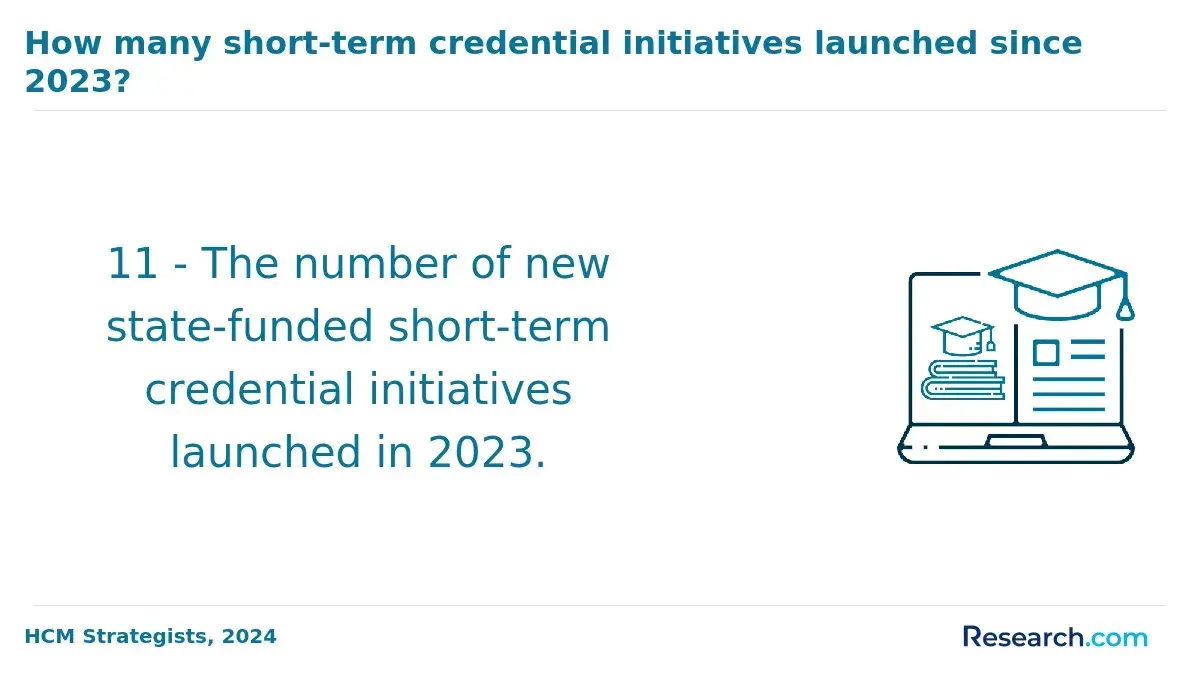
Accredited online nurse education students may qualify for several forms of aid, but eligibility depends on the school, program level, enrollment status, employer, and FAFSA results. Federal Direct Unsubsidized Loans for graduate students currently have an annual borrowing limit of $20,500, which can cover many MSN programs but may not be enough for higher-cost private or doctoral pathways.
Students comparing nursing education with other advanced healthcare pathways, such as PharmD programs, should pay close attention to debt-to-income fit because graduate borrowing can rise quickly when tuition, fees, and time away from work are included.
The table below outlines financial aid sources commonly available to online nurse education students and the key limitations to check before enrolling.
| Aid option | Who may qualify | Important limitation |
| Federal Direct Unsubsidized Loan | Eligible graduate students enrolled at least half time in an accredited institution | Interest accrues, and annual limits may not cover all costs |
| Graduate PLUS Loan | Graduate students who pass credit requirements | Can cover remaining cost but may increase repayment burden substantially |
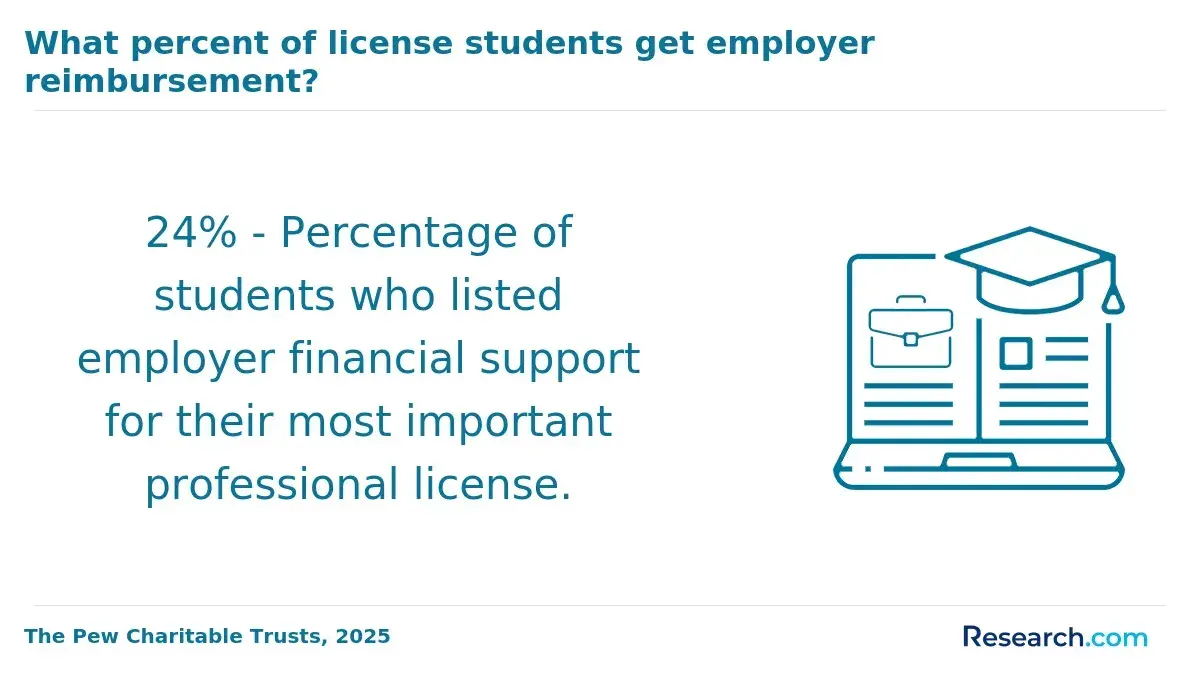
| Employer tuition assistance | RNs working for hospitals, health systems, universities, or government employers | May require continued employment or reimbursement after course completion |
| Nursing scholarships | Students meeting academic, demographic, service, or specialty criteria | Competitive and often deadline-driven |
| Faculty loan repayment or service programs | Nurses who commit to eligible teaching or shortage-area service roles | Rules vary and may require specific employment after graduation |
| Military and veterans benefits | Eligible service members, veterans, and dependents | Benefit levels and school participation vary |
| Payment plans | Students who can pay tuition in installments | Does not reduce price and may include enrollment fees |
To compare aid offers fairly, focus on net cost and repayment risk. A larger scholarship at a high-cost school may still leave you paying more than a lower-cost public program.
- Complete the FAFSA early and list every school you are seriously considering.
- Ask each program for a full cost-of-attendance estimate, including fees and required expenses.
- Request written details on scholarships, employer partnerships, and payment plans.
- Calculate total borrowing for the full program, not just the first semester.
- Compare monthly repayment estimates against realistic nurse educator salary ranges in your region.
A common mistake is using the maximum available loan amount as a budget. Borrow only what you need, especially if your goal is adjunct teaching or a role where the degree may improve opportunity more than immediate salary.
Which Career Outcomes Are Associated With Accredited Online Nurse Education Degree Programs?
Accredited online nurse education degrees can lead to academic, clinical, and organizational teaching roles. The most common outcomes include clinical nursing instructor, academic faculty member, simulation educator, nurse residency coordinator, professional development specialist, patient education leader, and curriculum or continuing education roles.
The salary picture varies by employer, degree level, region, and whether the role is full time, adjunct, academic-year, or year-round. The BLS reported a 2024 median annual wage of $83,980 for postsecondary teachers overall, which provides useful context but is not a guarantee for nursing faculty because pay differs by institution type, specialty, and local labor market.
The table below connects common nurse education career goals with the credentials employers often expect. Use it to decide whether an MSN, certificate, DNP, or PhD is the right level of investment.
| Career goal | Common education expectation | Value of an online nurse education degree |
| Clinical nursing instructor | Often MSN with nursing education preparation; requirements vary by school and state | Provides teaching methods, evaluation skills, and supervised educator practice |
| Staff development or professional development specialist | BSN or MSN depending on employer; MSN often preferred for leadership roles | Builds curriculum, assessment, onboarding, and adult learning skills |
| Simulation educator | MSN commonly preferred; simulation training may be valued | Supports scenario design, debriefing, and competency evaluation |
| Full-time nursing faculty | MSN may qualify for some roles; doctoral degree often preferred or required for advancement | Can be the entry point into academic teaching and later doctoral study |
| Tenure-track professor or research faculty | PhD or other doctoral preparation is commonly expected | MSN nurse educator coursework may help, but doctoral preparation is usually more important |
| Patient or community health educator | Varies by employer; nursing license and education experience can be valuable | Strengthens communication, curriculum, and outcomes assessment skills |
Students interested in health education outside nursing may also compare nurse education with fields such as an online masters degree in nutrition, especially if their long-term focus is community wellness, patient counseling, or interdisciplinary education rather than nursing faculty work.
The strongest career outcomes usually come from matching the credential to the role. If you want to teach undergraduate nursing students, ask local schools what degree level and accreditation they require. If you want hospital-based education, ask employers whether they value nursing professional development certification, simulation experience, or leadership experience in addition to the degree.
How Do Online and Campus-Based Nurse Education Degree Programs Compare?
Online and campus-based nurse education programs can lead to similar credentials when they share the same accreditation, curriculum standards, and faculty oversight. The real differences are usually schedule structure, networking style, practicum logistics, and access to campus facilities.
Online health degrees vary widely by discipline, so students comparing nurse education with a kinesiology degree online or another healthcare-adjacent program should remember that nursing programs often have stricter licensure, practicum, and state authorization considerations.
The table below compares online and campus-based nurse education formats across the factors that most affect working RNs.
| Factor | Online nurse education program | Campus-based nurse education program |
| Schedule | Often better for working nurses, especially with asynchronous courses | More structured and predictable but less flexible for shift work |
| Practicum | Often completed locally with approved preceptors or teaching sites | May use established campus or local partner sites |
| Faculty access | Virtual office hours, email, discussion boards, and video meetings | In-person meetings and informal campus interaction |
| Peer networking | Broader geographic peer group, but relationships require intentional effort | Stronger local cohort feel and easier face-to-face collaboration |
| Simulation resources | May use virtual simulation, local arrangements, or limited intensives | More direct access to campus simulation labs |
| Cost | May reduce relocation and commuting costs; tuition varies widely | May involve commuting, parking, or relocation costs |
| Best fit | Licensed RNs who need flexibility and can manage independent learning | Students who prefer live instruction, campus resources, and local academic networking |
Online programs make the most sense when you are already licensed, employed, and able to complete field experiences near home. Campus programs may be stronger if you want intensive face-to-face mentoring, direct access to simulation labs, or networking with nearby nursing schools.
Do not assume online means easier. A rigorous online nurse education program still requires graduate writing, evidence-based practice, teaching projects, assessment design, and practicum performance. The best choice is the format that you can complete consistently while maintaining academic quality and professional responsibilities.
How Should Students Choose the Best Accredited Online Nurse Education Degree Program?
The best accredited online nurse education program is the one that fits your target role, state, budget, schedule, and preferred learning style. A high ranking or low tuition number is useful only when the program also meets accreditation, practicum, and career requirements.
Use the following decision process to compare programs systematically. It is designed to prevent the most common mistakes: comparing tuition without fees, ignoring accreditation, overlooking practicum rules, and choosing a format that does not fit your schedule.
- Define your target role first: clinical instructor, staff educator, simulation educator, full-time faculty, or doctoral-bound academic leader.
- Match the credential to the role by checking whether employers in your area require an MSN, certificate, DNP, or PhD.
- Verify institutional accreditation, CCNE or ACEN nursing accreditation, state authorization, and practicum eligibility.
- Calculate total cost, including fees, books, compliance requirements, travel, and interest if borrowing.
- Compare format fit by reviewing live class requirements, pacing options, practicum expectations, and part-time availability.
- Review admissions requirements before applying, including RN license rules, GPA, prerequisites, and clinical experience expectations.
- Ask about faculty credentials, student support, practicum placement guidance, and career services for nurse educators.
- Compare net cost after scholarships, employer aid, and federal loans rather than relying on sticker price.
- Speak with admissions counselors, current students, alumni, or local employers before making a final decision.
- Choose the lowest-cost accredited program that still meets your career requirements, unless a higher-cost option offers a clear advantage you will actually use.
Students should consider a different path if they do not want to teach, mentor, design curriculum, evaluate learners, or work in academic and staff development settings. If your primary goal is advanced clinical practice, leadership, or research, a DNP, PhD, NP program, or another graduate healthcare degree may provide a better fit.
The strongest return on investment usually comes from alignment. A moderately priced accredited program that helps you complete on time, qualify for your target role, and avoid unnecessary debt is often a better choice than a prestigious program that stretches your budget without improving your actual career options.
Other Things You Should Know About Nurse Education
A BSN may qualify you for some informal teaching, preceptor, patient education, or staff training responsibilities, but most academic nursing instructor roles prefer or require a graduate nursing degree. Requirements vary by employer, state, and course level.
Many require practicum or field experience hours focused on teaching, curriculum, assessment, or clinical education rather than direct patient care. Ask each program where hours can be completed and who approves the site.
Certification is not always required, but credentials such as Certified Nurse Educator may strengthen professional credibility after you meet eligibility rules. Employers decide whether certification is required, preferred, or optional.
Yes, an accredited MSN in nursing education can support later admission to DNP or PhD programs, but requirements vary. If doctoral study is likely, choose a program with strong accreditation, graduate research preparation, and transferable coursework.
References
- What’s the Deal with Accreditation? https://nursingcas.org/resources-for-current-schools/whats-the-deal-with-accreditation
- How to Compare Nursing Programs in California: What You Should Look For https://blog.stanbridge.edu/how-to-compare-nursing-programs-in-california-what-you-should-look-for/
- Eligibility and Requirements Bachelor of Science in Nursing Program https://www.kumc.edu/school-of-nursing/academics/degree-programs/bachelor-of-science-in-nursing/admissions/eligibility-and-requirements.html
- 7 Things to Consider When Getting a Nursing Degree Online https://onlinedegrees.elmhurst.edu/blog/seven-things-consider-when-picking-online-nursing-program
- Technology in Nursing Education: Perks of Online Degree and Certification Programs | Vivian Community Hub https://www.vivian.com/community/healthcare-education/technology-in-nursing-education-perks-of-online-degree-and-certification-programs/
- Guide to Online Nursing Programs | OEDb.org https://www.oedb.org/rankings/online-nursing-programs/
- CCNE Accreditation https://www.aacnnursing.org/ccne-accreditation
- Nursing Degree You Need to Become an RN https://www.allnursingschools.com/registered-nursing/degrees/
- Placement and Education of Graduates https://www.iona.edu/about-iona-university/consumer-information/placement-and-education-graduates
- Accreditation Commission for Education in Nursing | Council for Higher Education Accreditation https://www.chea.org/accreditation-commission-education-nursing