2027 Financial Technology Degrees Explained: Are They Classified as Professional Degrees?

Co-Founder and Chief Data Scientist
Many prospective students mistakenly believe that financial technology degrees automatically qualify as professional degrees necessary for licensure or direct entry into regulated finance roles. However, less than 30% of programs lead to credentials recognized by industry licensing bodies. This misunderstanding can lead to costly education choices with limited career returns.
Recent data shows that advanced degree holders in fintech-related fields see a 15% higher employment rate in emerging finance sectors compared to those without such credentials. This article, prepared by career planning experts, clarifies the true classification of financial technology degrees, examining accreditation, career impact, costs, and outcomes to guide informed decisions.
Key Benefits of Professional Financial Technology Degrees
- Financial technology degrees classified as professional enhance leadership opportunities by equipping graduates with specialized skills sought in fintech management roles, supporting upward career mobility.
- Graduates often see a significant return on investment, with median salaries rising 20-30% compared to non-specialized degrees, reflecting increased market demand for fintech expertise.
- Such degrees may qualify holders for regulated or advanced professional roles, meeting certification requirements essential in compliance, risk management, and financial innovation sectors.
What Is Considered a Professional Financial Technology Degree?
Choosing the right program requires clarity on what qualifies as a professional financial technology degree. This understanding helps students aiming for career-focused outcomes or licensure-oriented education pathways avoid programs that are purely theoretical or lack practical emphasis.
The fintech sector is expanding rapidly, with job postings increasing over 20% annually in the U.S., reflecting strong workforce demand for graduates with applied skills.
The following myth-versus-fact format clarifies common misconceptions about professional financial technology degree programs.
Degree Definition
- Myth: Any degree labeled "financial technology" automatically qualifies as a professional degree.
- Fact: A professional financial technology degree emphasizes applied training by combining coding, data analysis, and regulatory knowledge to prepare students for fintech workforce entry and relevant licensure.
Licensure Guarantee
- Myth: Professional financial technology degrees guarantee licensure and higher earning potential.
- Fact: These degrees often align with licensing requirements but students must still pass exams and meet other criteria for licensure and advanced career opportunities.
Students considering professional financial technology degree programs should evaluate whether the curriculum supports industry credentials and practical skills.
For those comparing options, programs emphasizing applied learning and certification preparation differ greatly from more theoretical degrees. Alternatives for graduate education, such as an MSW degree, may offer different professional pathways but are not substitutes for fintech-focused qualifications.
Who Should Pursue a Professional Financial Technology Degree?
Identifying the right candidates for professional financial technology degrees is crucial for students seeking career-focused, practice-oriented education in a competitive job market. Enrollment in fintech graduate programs in the U.S. has grown by over 30% in recent years, reflecting increasing demand for specialized skills in this rapidly evolving sector.
Below are common myths and facts to clarify who benefits most from earning a professional financial technology degree.
Early-Career Focus
- Myth: Only senior executives or established finance professionals benefit from a professional financial technology degree.
- Fact: Early-career professionals seeking to specialize in areas like blockchain, digital payments, or regulatory compliance gain the most from such practice-oriented education. These programs equip students with hands-on skills and industry-relevant knowledge essential for emerging fintech roles.
Licensure value
- Myth: Financial technology degrees are unnecessary for licensure or regulated positions.
- Fact: Individuals aiming for roles that require certification or compliance expertise, including certain financial analysts and compliance officers, find these degrees valuable as they often align with licensure requirements and industry standards.
Career Changers
- Myth: Career changers without a finance background cannot succeed in fintech programs.
- Fact: Career changers with a strong interest in technology and finance can leverage these degrees to transition effectively, gaining specialized knowledge to enter the sector.
Students interested in expanding their expertise while balancing other commitments may also explore alternatives like an accelerated social work degree online, which showcase the growing variety of professional programs designed for busy learners. Overall, careers with a professional fintech degree increasingly require a blend of technical skills and financial acumen, making specialized education a strategic investment.

What Are the Most Common Professional Financial Technology Degree Programs?
Recognizing the variety of professional financial technology programs enables students to select degrees aligned with their career goals and technical skills. Enrollment in these programs is rising, with the financial technology workforce expected to grow by 25% within five years.
The following list outlines common degree options available.
- Bachelor of Science in financial technology: This undergraduate degree offers foundational knowledge in finance and technology integration. It emphasizes core concepts such as software development for financial applications and basic data analytics, preparing students for entry-level roles.
- Master of Science in financial technology: A popular graduate program combining advanced finance theories with programming and data science. It focuses on practical skills like algorithmic trading, cybersecurity, and regulatory technology, meeting evolving industry demands.
- Specialized certificates in digital finance and blockchain technologies: These shorter programs target specific areas like digital currencies and decentralized finance. They are designed for professionals seeking to deepen expertise quickly in niche financial technology sectors.
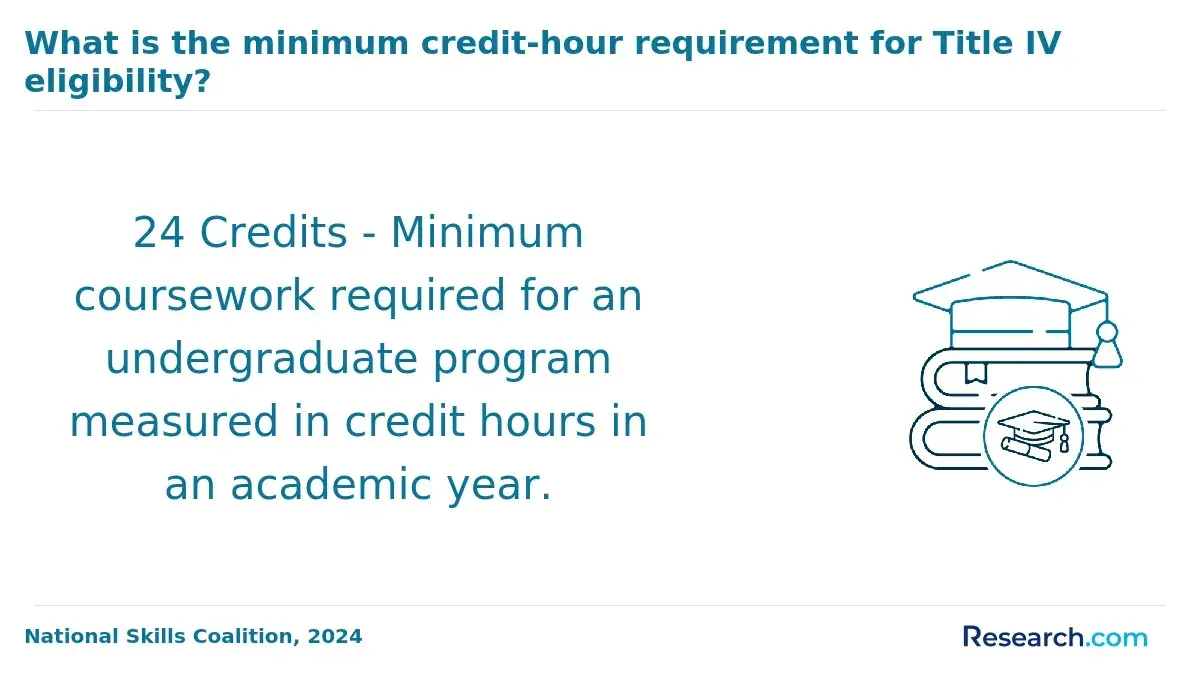
Breakdown of Public Fully Online Title IV Institutions

Accreditation is a primary concern for students evaluating professional financial technology programs because it assures the quality and credibility of their education. It also influences eligibility for licensure, federal financial aid, and employer acceptance. Recent enrollment data shows that over 85% of students in fintech degree programs attend institutions with recognized accreditation, underscoring its importance in career outcomes.
Below are common misconceptions about accreditation and the corresponding facts to clarify their significance.
Program Accreditation
- Myth: All financial technology degrees are automatically accredited as professional degrees.
- Fact: Accreditation is granted by recognized bodies that oversee institutions and specific programs, so not all fintech degrees carry professional accreditation.
Institutional vs Programmatic
- Myth: Only institutional accreditation matters in financial technology education.
- Fact: Institutional accreditation reviews entire colleges, while programmatic accreditation targets specific fields of study, which can be more relevant for professional recognition in fintech.
Impact on Licensure
- Myth: Accreditation has no impact on licensure or employer acceptance.
- Fact: Accreditation often affects eligibility for professional licensing, federal financial aid, and acceptance by employers, making it critical for career advancement.
Key accrediting bodies in professional fintech program accreditation standards are typically regional accreditors recognized by the U.S. Department of Education, with some agencies specializing in business or technology fields.
When considering program costs and outcomes, students should also review financial aid eligibility, which ties directly to accreditation status. For those exploring related opportunities, information about an online masters degree psychology might provide useful context for financial technology degree comparisons.
Prospective students need to recognize that admission criteria for professional financial technology degrees are designed to identify applicants equipped to handle the program's interdisciplinary and demanding nature. Competition has intensified, with applications rising by 20% over recent years, highlighting the importance of meeting these standards.
Below are key factors typically considered during admissions.
- Academic Background: A bachelor's degree in finance, computer science, economics, or related fields is generally required. This foundation ensures familiarity with core concepts essential for advanced fintech study.
- GPA and Test Scores: Many programs expect a minimum GPA around 3.0 to demonstrate academic consistency. Graduate applicants may also need GRE or GMAT scores, which help assess analytical and critical thinking skills relevant to fintech challenges.
- Professional Experience: Relevant work or internships in tech-driven finance environments strengthen applications by showing practical knowledge and industry exposure, which complement theoretical learning.
- Letters of Recommendation and Personal Statements: These materials provide insight into candidates' motivations, goals, and alignment with the profession's expectations, helping admissions committees gauge commitment and fit.
Knowing the curriculum and practical components is essential for prospective students evaluating professional financial technology programs. This helps determine if a program equips learners with relevant skills to meet industry demands and supports career advancement.
Below are key coursework and practical training elements commonly required in such degrees.
- Core technical courses: These include programming languages like Python and SQL, blockchain fundamentals, and cybersecurity principles. They develop the essential coding and security skills needed to innovate in the fintech landscape.
- Financial principles and markets: Courses cover topics such as financial modeling, regulatory compliance, and market operations. This knowledge ensures graduates understand the financial context behind technological solutions.
- Data analytics and modeling: Students learn techniques to analyze complex datasets and build predictive models, key for developing automated trading algorithms and fraud detection systems.
- Practical training and internships: Hands-on projects, cooperative education, or internships with banks, startups, or tech firms provide real-world experience. These opportunities cultivate problem-solving abilities and technical adaptability critical for career success.
- Interdisciplinary integration: Programs emphasize combining finance, computer science, and data analysis to prepare students for diverse fintech roles. This approach supports higher earning potential and licensure advancement by developing versatile competencies.
Students seeking accelerated paths to skill acquisition may explore a variety of accelerated online degrees in related fields. Comparing the professional financial technology degree requirements and practical training options helps ensure a program meets both academic standards and industry expectations.
Knowing the full cost of professional financial technology degrees is vital for prospective students weighing the investment against licensure requirements and career advancement opportunities. On average, tuition for these programs ranges from $20,000 to over $60,000, with total costs rising about 5% annually due to expanding curriculum and technological demands.
Several major expenses contribute to the overall financial technology degree tuition and fees. The following points highlight key cost factors students should consider.
- Tuition Fees: This is the primary expense and varies significantly depending on the institution's prestige, program length, and whether courses are delivered online or in-person. Longer, more specialized programs generally cost more.
- Technology and Software Licenses: Fintech programs often require access to proprietary trading platforms, analytical tools, or blockchain software, which incur additional fees. These costs can add substantially to the overall expense of the degree.
- Materials and Textbooks: While many programs now offer digital content to reduce costs, some still require expensive textbooks or supplementary materials. These fees vary widely but are an important consideration in affordability.
- Certification Exam Fees: Professional fintech degrees may prepare students for third-party exams necessary for licensure or accreditation. These certification tests can require significant additional outlays beyond tuition.
For students seeking cost-effective options, researching the cheapest online colleges that accept FAFSA can provide valuable financial relief while pursuing a financial technology degree.
Financial aid eligibility is a key concern for many considering professional financial technology programs due to the significant investment required. Recent studies show approximately 60% of graduate and professional students in fintech fields receive some form of financial assistance, reflecting growing support despite varied program recognition.
Here are common misconceptions and truths about financial aid for these programs.
Federal Aid Access
- Myth: Professional financial technology degrees aren't eligible for federal financial aid because they aren't traditional degrees like law or medicine.
- Fact: Many accredited financial technology programs qualify for federal aid, including Direct Unsubsidized Loans, Grad PLUS Loans, and work-study. Eligibility depends on institutional accreditation and approval by the U.S. Department of Education.
Scholarships & Employer Support
- Myth: Scholarships and tuition assistance from employers are scarce for financial technology students.
- Fact: Numerous scholarships exist through industry organizations and universities for fintech students, and employer tuition reimbursement is increasingly common as fintech skills grow in demand.
When choosing professional financial technology programs, students must know which careers require specific degrees to avoid unnecessary time and expense. Nearly 35% of fintech job postings favor candidates with professionally accredited degrees for advanced or specialized positions.
Below are common myths and facts clarifying degree requirements in this field.
Licensure Needs
- Myth: A professional financial technology degree is always required for licensure.
- Fact: Only certain regulated professions, like financial advisory or compliance roles, mandate degrees accredited by relevant authorities to meet licensure standards.
Career Entry
- Myth: All fintech careers demand a specialized degree.
- Fact: Many roles such as software development or data analysis prioritize skills and experience over formal financial technology degrees.
Degree Importance
- Myth: Professional financial technology degrees do not affect job eligibility.
- Fact: Some positions require certifications linked to accredited degrees, influencing eligibility and advancing opportunities.
Weighing the financial benefits of a professional financial technology degree is vital for students assessing the value of advanced career-focused education. Understanding how these programs affect salary potential and professional growth helps guide investment decisions.
Below are common myths contrasted with facts to clarify the real impact of such degrees.
Salary Guarantee
- Myth: A professional financial technology degree guarantees significantly higher pay.
- Fact: While these degrees can boost earning potential, actual salary gains depend on industry needs, location, and work experience. The degree develops specialized skills valued by employers but doesn't ensure top-tier salaries alone.
Career Necessity
- Myth: Professional financial technology degrees aren't required for advancement or high-paying jobs.
- Fact: Holding this degree often unlocks access to specialized roles, such as fintech project management or advanced analytics, which typically offer better compensation than general finance or IT positions.
Long-Term Earnings
- Myth: Long-term financial benefits of these degrees are minimal compared to undergraduate qualifications.
- Fact: Over time, professionals with focused training usually enjoy higher cumulative earnings due to faster promotions and leadership roles, positively affecting lifetime income.
Key advantages that influence salary through professional financial technology degrees include enhanced technical skills specific to fintech, improved eligibility for leadership roles, higher starting salaries in niche markets, and expanded opportunities for career progression within competitive industries.
What Graduates Say About Their Professional Financial Technology Degree
- Ralph: "Choosing a professional financial technology degree was a game changer for me. The program's flexibility allowed me to balance work and studies seamlessly, and the average cost of attendance made it accessible without overwhelming debt. Now, I'm confidently advancing in fintech, leveraging both practical skills and academic insights."
- Eliza: "Pursuing a professional financial technology degree was a reflective decision fueled by my desire to transition into a tech-driven finance career. The flexible course structure meant I could tailor my learning pace while managing family commitments. Graduating opened doors to roles I never considered before, proving the investment was well worth it."
- Michael: "My experience with a professional financial technology degree was marked by its practical orientation and flexible delivery, which suited my professional schedule perfectly. Considering the average cost of attendance, it was a strategic investment that enhanced my expertise and marketability in the financial services industry. The degree ultimately accelerated my career progression in fintech innovation. "
Other Things You Should Know About Financial Technology Degrees
In the United States, no single agency labels Financial Technology as a professional degree. Program quality is usually reviewed through regional accreditors such as the Higher Learning Commission or the Middle States Commission on Higher Education, while business-specific review may come from AACSB for related finance programs.
Internships or work experience are often not mandatory but are highly recommended in professional Financial Technology degrees. These practical experiences provide students with essential real-world skills, making them more competitive in the job market, particularly in a rapidly evolving field like Financial Technology.
- Online Degree Programs: Myths vs Facts | Amity Online https://amityonline.com/blog/online-degree-programmes-myths-and-facts
- Financial Technology (FinTech) https://www.keele.ac.uk/study/postgraduatestudy/postgraduatecourses/financialtechnologyfintech/
- Why Everyone Wants to Work in FinTech (And How You Can Too!) https://www.esilv.fr/en/why-everyone-wants-to-work-in-fintech-and-how-you-can-too/
- ED Releases Myth vs. Fact on Professional Degrees to Address Widespread Misconceptions | College Aid Services https://www.collegeaidservices.net/2025/11/25/ed-releases-myth-vs-fact-on-professional-degrees-to-address-widespread-misconceptions/
- Financial Technology | VIZJA University https://vizja.pl/en/specjalizacja/financial-technology-fintech/
- Associate of Science in Financial Technology https://www.ega.edu/academics/programs/financial-technology.html
- 20 Pros and Cons of a Career in Fintech [2025] https://digitaldefynd.com/IQ/career-in-fintech-pros-cons/
- What is fintech? A guide to graduate careers in financial technology https://targetjobs.co.uk/careers-advice/accountancy-banking-and-finance/what-fintech-guide-graduate-careers-financial-technology
- Debunking 5 Myths of Working in Finance – 365 Financial Analyst https://365financialanalyst.com/career-advice/working-in-finance/
- Tech Career Myths 2025: Debunking the Hype https://talentsprint.com/blog/tech-career-myths-2025