2027 Accelerated Online Financial Technology Degree Programs VS Weekly Start Online Degrees: Which Is Faster

Co-Founder and Chief Data Scientist
Many prospective students face uncertainty when choosing between accelerated online financial technology degree programs and weekly start online degrees. With 57% of online financial technology learners citing speed to workforce entry as a top priority, understanding which path offers faster completion is crucial. Accelerated programs promise intense, condensed schedules, while weekly start degrees offer flexibility with continuous enrollment.
This article evaluates the time efficiency of both formats, considering curriculum structure and student commitment. It aims to guide readers in selecting the fastest route to a financial technology career, balancing program intensity and scheduling to meet individual goals.
Key Benefits of Accelerated Online Financial Technology Degree Programs vs Weekly Start Online Degrees
- Accelerated online financial technology degrees often allow completion in 12-18 months, significantly shorter than typical weekly-start programs that may extend beyond two years.
- They minimize idle periods between courses, eliminating waiting times common in weekly-start programs that delay continuous progress through term scheduling.
- Graduation timelines in accelerated formats are more predictable, offering fixed intensive sessions, unlike variable weekly-start programs where scheduling fluctuations can prolong degree completion.
How Long Does It Take to Finish an Accelerated Online Financial Technology Degree vs Weekly Start Online Degree?
Program structure and enrollment formats significantly influence how long it takes to earn a degree online. These factors directly impact the pacing and intensity of study, which can either shorten or extend the typical time to graduation.
Accelerated Online Financial Technology Degrees
- Course length: Typically 5 to 8 weeks per class, condensed to expedite learning.
- Enrollment pacing: Encourages continuous and heavy course loads to finish faster.
- Number of simultaneous classes: Students often take multiple classes concurrently to accelerate completion.
- Breaks between terms: Minimized or eliminated to reduce downtime.
- Overall completion timeline: Commonly 12 to 18 months, reducing time to complete accelerated online Financial Technology degrees by about 25% compared to traditional formats.
Weekly Start Online Financial Technology Degrees
- Course length: Standard pacing with courses lasting 10 to 15 weeks.
- Enrollment pacing: Flexible but usually lighter course loads allowing steady progress.
- Number of simultaneous classes: Fewer classes taken at once to accommodate flexibility.
- Breaks between terms: More frequent breaks can extend program length.
- Overall completion timeline: Typically 2 to 4 years, emphasizing flexibility over speed in the duration of weekly start online Financial Technology programs.
Choosing between these formats depends on personal scheduling needs and how quickly a student wants to complete their degree. Students exploring options in related fields may also be interested in slp online programs, which share some structural similarities with online financial technology degrees.
How Are Accelerated Online Financial Technology Degree vs Weekly Start Online Degrees Structured?
Program structure plays a crucial role when choosing between faster-paced and more flexible online degree options, affecting time to completion and workload balance. Below is a comparison of key features in each format to help prospective students decide.
Accelerated Online Financial Technology Degree Structure
- Academic Terms: Typically divided into short terms lasting 5 to 8 weeks, allowing for faster progression.
- Course Length: Condensed coursework designed to be completed quickly, often enabling degree completion within 12 to 18 months.
- Enrollment Start Dates: Fixed start dates aligned with traditional academic sessions such as fall, spring, or summer.
- Pacing: Intensive weekly workload expecting significant student commitment to maintain speed.
- Workload Expectations: Heavier weekly assignments and study hours to accelerate degree completion.
Weekly Start Online Financial Technology Degree Structure
- Academic Terms: Courses typically run 10 to 15 weeks, offering a more standard semester length.
- Course Length: Spread out to promote manageable weekly commitments suitable for part-time learners.
- Enrollment Start Dates: Rolling admissions with new courses starting weekly or biweekly for increased flexibility.
- Pacing: Allows students to pace their studies according to personal schedules and priorities.
- Workload Expectations: Lighter weekly demands to accommodate work and family balance.
Students interested in an accelerated path focusing on speed may explore options similar to accelerated psychology programs online for a reference of how such formats work in practice. The choice between accelerated online financial technology degree structure and weekly start online financial technology program format hinges on personal goals and life circumstances.
Is the Workload Heavier in Accelerated vs Weekly Start Online Financial Technology Degrees?
Balancing work, personal life, and education requires careful consideration of course workload intensity. This factor profoundly affects one's ability to manage time effectively while pursuing a financial technology degree online. Comparing accelerated programs with weekly start degrees helps reveal which option fits different lifestyle needs.
- Weekly Time Commitment: Accelerated programs demand around 15 to 20 hours weekly since they condense coursework into shorter spans, typically six to eight weeks, intensifying study schedules.
- Assignment Frequency: Weekly start degrees include frequent but smaller tasks that encourage steady progress, while accelerated courses often feature fewer, larger assignments clustered closely together.
- Pacing: Steadier in weekly start formats, allowing students to manage steady workloads over several months; accelerated courses push for rapid completion within condensed cycles.
- Expectations: Accelerated courses expect students to absorb and apply concepts quickly, often involving intensive projects or exams, whereas weekly start programs facilitate gradual learning and ongoing engagement.
One professional who completed an accelerated online financial technology degree reflected on the experience, stating it was "demanding but rewarding." He described facing "intense weeks packed with assignments and exams back-to-back," which required "constant focus and disciplined time management." He recalled feeling pressure to keep pace, noting that "there was little room for downtime or procrastination." Despite the challenges, he appreciated the accelerated timeline's ability to help him "finish the program faster while maintaining quality understanding," though he advised prospective students, "be prepared for a rigorous commitment that's unlike the slower rhythm of weekly start classes."
Accelerated online financial technology degree programs compress coursework into shorter periods, often lasting 5 to 8 weeks instead of the typical 15-week semester. This format demands a significant weekly time investment, with a fast-paced curriculum requiring steady, uninterrupted study. Start dates for accelerated programs are limited and fixed, meaning students must adhere to set terms without much flexibility. The workload is concentrated, which can challenge students balancing work or personal commitments. As a result, time management needs to be highly disciplined to keep up with rigorous deadlines and maintain progress toward graduation.
In contrast, weekly start online financial technology programs offer a more adaptable schedule by allowing students to begin nearly any week throughout the year. This model distributes coursework more evenly over a longer duration and typically supports part-time enrollment, enabling students to tailor their study pace. The frequent start dates provide ongoing entry points, which is beneficial for those with fluctuating work hours or life demands. This continuous enrollment approach accommodates a wide range of schedules and often reduces the pressure of intense weekly workloads. Overall, weekly start programs tend to provide greater flexibility for learners who need to balance education with other responsibilities.
Starting classes without delay is crucial for students eager to enter the financial technology workforce or continue their education smoothly. Programs that allow rapid enrollment help minimize downtime, which can be essential for career progression. The choice between accelerated and weekly start formats largely influences how soon students can begin their studies. Consider these key differences:
- Start Dates: Accelerated programs usually offer fixed start dates aligned with traditional academic calendars, such as semesters or quarters. This setup means students might wait several months before classes begin, despite the faster pace of completing coursework.
- Enrollment Flexibility: Weekly start programs provide rolling admissions with new start options every week or few weeks, allowing students to enroll and start quickly. This flexibility helps avoid extended gaps between application and the first day of classes.
- Time to Begin Coursework: Students in weekly start programs often begin classes within one week of enrollment. In contrast, accelerated programs generally require a longer waiting period, averaging 10 to 12 weeks before coursework can begin.
- Completion Pace vs. Access: While accelerated courses condense timelines by shortening term lengths, their limited start windows can delay entry. Weekly start programs may take longer to finish but prioritize immediate access to education.
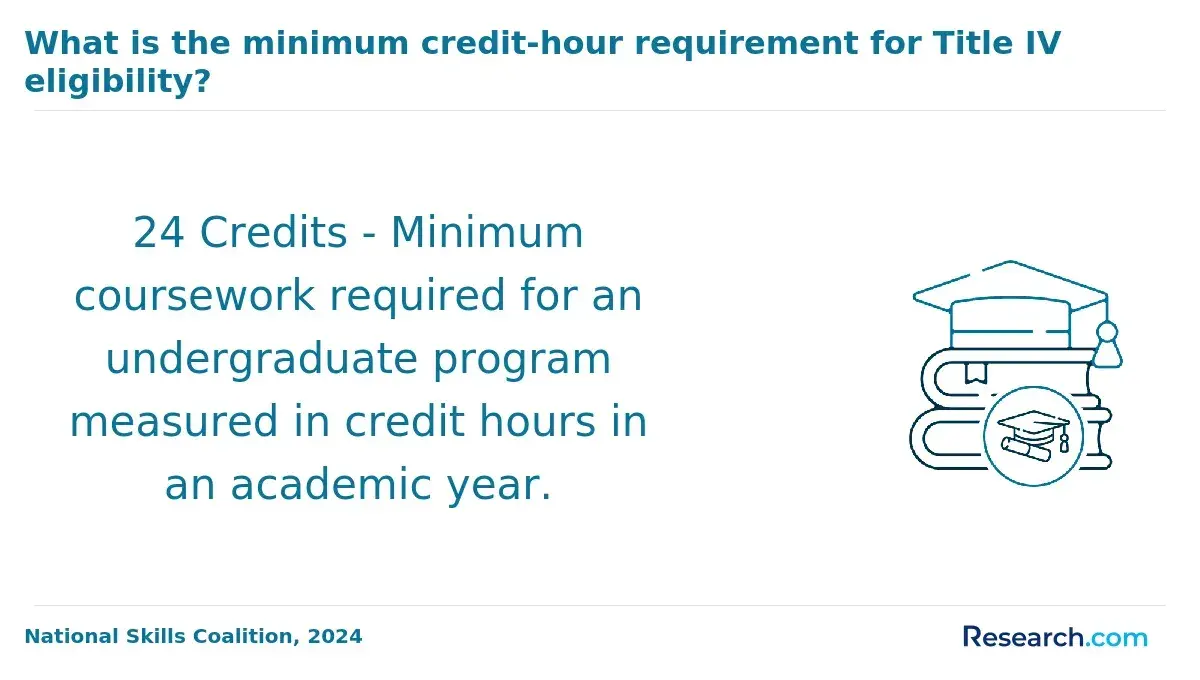
Accelerated online financial technology degrees are not inherently more costly than weekly start online degrees. In fact, tuition for most online undergraduate programs in related fields usually falls between $300 and $600 per credit hour, according to the National Center for Education Statistics. Several factors influence the overall expenses, as outlined below.
- Program length: Accelerated degrees typically shorten completion time, potentially lowering total tuition since students take fewer terms. This faster pace can reduce other indirect costs associated with prolonged enrollment.
- Per-credit tuition: Tuition rates per credit remain fairly steady regardless of program format, but variations exist depending on the institution and its reputation.
- Fees and materials: Weekly start programs might involve recurring administrative fees or repeated purchase of course materials if students span multiple start dates, which can add to costs over time.
- Opportunity cost: Graduating sooner through accelerated options may reduce time away from full-time employment, making these programs financially efficient despite similar tuition rates.
When I spoke with a graduate from a weekly start online financial technology degree program, she shared insight into how her approach helped manage expenses effectively. Balancing work and studies was challenging, but the flexible schedule allowed her to enroll only in courses she could afford per term, avoiding large upfront payments and minimizing debt. She also took advantage of available financial aid aligned with each enrollment period rather than a lump sum, smoothing out costs.
While the longer timeline required patience, she emphasized that this pacing reduced financial pressure, enabling her to graduate without overwhelming loans. Her experience suggests that while accelerated programs offer speed, weekly start formats can be a smart choice for students prioritizing budget control over rapid completion.
Access to financial aid is a crucial factor for students deciding between accelerated online financial technology degrees and weekly start online financial technology degree programs. Nearly 58% of online students utilize some form of financial aid, highlighting how integral funding is to online education success. The following points outline essential differences in how financial aid operates across these two program formats.
- Disbursement timing varies: Accelerated programs demand quick completion of coursework, which typically results in more frequent but smaller financial aid payments to cover shorter academic terms.
- Eligibility flexibility: Weekly start online degrees often allow students to access financial aid eligibility multiple times a year, aligning with modular course structures and offering greater funding adaptability.
- Upfront cost pressures: Due to the compressed nature of accelerated programs, students may experience increased financial strain as they must cover some costs before aid is fully disbursed.
- Staggered aid benefits: Students in weekly start programs often benefit from staggered aid eligibility, which corresponds with continuous enrollment models and can ease financial management.
When comparing financial aid for accelerated online FinTech degrees versus weekly start programs, understanding these funding dynamics can help prospective students plan better. For those seeking cost-effective options, exploring the cheapest online psychology degree programs may provide insights into how financial aid is managed in different online education settings.
Transfer credits are essential for students aiming to shorten their financial technology degree timeline and reduce tuition costs. Accepting previously earned credits allows students to bypass some courses and accelerate overall completion. Here are key points to consider regarding transfer credit acceptance in different program formats:
- Evaluation criteria: Transfer credit acceptance depends on the institution's review of course relevance, accreditation, and the grade earned. Each program assesses how closely prior coursework aligns with degree requirements, impacting how many credits can be applied.
- Accelerated online financial technology degree transfer credit policies: These programs often demand high transfer credit acceptability to meet their condensed schedules. However, the rigid course sequences of accelerated formats may limit flexibility if transferred credits do not precisely match core requirements.
- Weekly start financial technology programs transfer credit acceptance: Weekly start programs provide greater scheduling flexibility and allow students to begin courses more frequently. This can facilitate better integration of transferred credits by filling gaps or replacing courses, though the variability of weekly starts might affect how institutions evaluate the currency of older credits.
- Maximizing transfer credit: Students increase acceptance rates by seeking advising early, submitting detailed syllabi, and choosing accredited prior institutions. According to the National Center for Education Statistics, about 40% of online students transfer credits, underscoring its role in faster degree completion.
Ultimately, the decision between accelerated and weekly start programs depends on individual needs and transfer credit scenarios. For those considering educational leadership paths, evaluating transfer policies can also be useful when researching the cheapest online doctorate in educational leadership.
Career placement support plays a significant role for students deciding between accelerated online financial technology degrees and weekly start online programs. Research from 2023 by the Online Learning Consortium shows that 68% of graduates from accelerated programs express satisfaction with career placement assistance, compared to 54% from weekly start formats, highlighting important differences in career services usage. Key distinctions in career placement support include the following:
- Career services intensity: Accelerated online financial technology degree career options often include concentrated career resources such as fast-tracked internships, focused coaching, and employer workshops tailored to short program timelines. Weekly start programs generally provide ongoing but less intensive career guidance aligned with their flexible enrollment schedules.
- Networking opportunities: Accelerated programs foster immersive, cohort-based networking that strengthens peer and industry connections. Weekly start online financial technology degree employment outcomes benefit from rolling access to virtual career fairs and online job boards, appealing to those balancing other commitments.
- Employer connections: Partnerships with employers in accelerated programs are typically aligned with cohort schedules, enabling expedited job placement efforts. Weekly start students experience steadier yet less coordinated employer engagement due to continuous intake and pacing variations.
- Job placement rates: Due to structured employer engagement and intensive career milestones, accelerated degree graduates tend to have moderately higher job placement rates. Weekly start formats deliver consistent but gradual employment support that suits flexible student timelines.
Students interested in enhancing their credentials alongside degree programs might also explore certificate programs online, which can complement either educational path and improve employment prospects.
Accelerated online financial technology degrees suit students aiming to finish their studies quickly, often with a heavier course load and fewer breaks between terms. These programs demand strong time-management skills and consistent commitment, making them ideal for self-motivated learners ready to progress rapidly. In contrast, weekly start online degree programs offer greater flexibility by allowing students to begin at multiple points throughout the year, spreading coursework over a longer period. This option accommodates those balancing work, family, or other responsibilities, as it eases scheduling pressure and provides more chances to adjust pacing.
When choosing between these paths, consider your learning style and availability. Accelerated programs fit well for goal-driven students comfortable with intensive study, while weekly start programs benefit those who need scalable workloads and more frequent enrollment options. Always verify a program's accreditation to ensure quality and recognition. Review the curriculum to align with your career objectives, and investigate support services like academic advising and technical assistance. Additionally, examine start dates carefully to pick a timeline that fits your personal and professional commitments.
What Graduates Say About Their Accelerated Online Financial Technology Degree Programs vs Weekly Start Online Degree
- Raul: "I chose the accelerated online financial technology degree because it fit perfectly with my busy schedule and offered a start date every week, making it incredibly convenient. The cost was reasonable too-much lower than traditional programs, which helped me avoid large student loans. Since graduating, I've quickly advanced at my job, applying what I learned to real-world fintech challenges."
- Elisha: "Reflecting on my decision to enroll in a weekly start online financial technology program, the affordability was a major factor; the entire degree was cost-effective compared to on-campus options. The accelerated pace kept me motivated and focused, and now, thanks to the skills I gained, I confidently contribute to innovative projects at my firm. It truly changed the trajectory of my career."
- Michael: "As a professional seeking to upskill rapidly, the accelerated online financial technology degree made the most sense due to its flexible schedule and competitive pricing. By completing the program faster than traditional routes, I saved both time and money. This leap enabled me to transition into a fintech role with greater responsibilities and increased earning potential."
Other Things You Should Know About Financial Technology Degrees
Weekly start online financial technology degrees offer flexible starting points throughout the year, while accelerated programs are designed to compress the curriculum into a shorter time frame. Typically, accelerated degrees enable students to complete their studies faster compared to weekly start programs, which provide more scheduling flexibility but can extend the degree duration.
Yes. Many accelerated online financial technology programs require 24 to 60 transferable semester credits or an associate degree for advanced standing. Weekly-start online degrees more often admit first-time students with a standard high school diploma and may not require prior college coursework.
- Best Finance Degrees Online | Accounting.com https://www.accounting.com/degrees/finance/bachelors/best-online-programs/
- Online Accelerated College Degrees https://www.affordablecollegesonline.org/college-resource-center/accelerated-degrees/
- MSc Financial Technology https://www.imperial.ac.uk/business-school/masters/financial-technology/
- How Much is Tuition? Online Tuition Costs | SNHU https://www.snhu.edu/tuition-and-financial-aid/online
- Accelerated Online Programs for Busy Professionals: Success Stories https://www.indwes.edu/articles/2025/09/accelerated%20online%20programs%20for%20busy%20professionals%20success%20stories
- Full-Time vs. Part-Time Online College Degrees: Pros and Cons https://global.nmsu.edu/blog/general/ft-vs-pt-online-college/
- Explore Today's Best 1-Year Master's Degree Programs Online https://www.onlinemastersdegrees.org/features/1-year-masters/
- Can You Get Financial Aid For Online College? | AccreditedSchoolsOnline https://www.accreditedschoolsonline.org/financial-aid/
- Fast Online Degrees: How to Find the Perfect Program · PrepScholar https://blog.prepscholar.com/fast-online-degrees-accelerated-bachelors
- Guide to Online Accelerated Degree Programs https://www.onlineu.com/resources/accelerated-degrees