2027 How Long Does It Take to Earn an Online Financial Technology Degree?

Co-Founder and Chief Data Scientist
Online education offers unmatched flexibility, making it an ideal path for those seeking a career in financial technology. According to the National Center for Education Statistics, enrollment in fully online degree programs increased by over 5% in recent years, reflecting growing demand in this field. Understanding how long does it take to earn an online Financial Technology degree is crucial for planning.
This article explores the average time to complete these programs, factors influencing duration, and guidance on selecting the right program length tailored to individual goals and schedules. It aims to empower readers with clear, expert insights for confident academic decisions.
Key Benefits of Online Financial Technology Degree
- Online financial technology degrees typically take between 18 to 36 months to complete depending on full- or part-time enrollment options offered by most accredited programs.
- Flexible class schedules and asynchronous learning allow students to balance work and study, enabling many to accelerate their degree completion faster than traditional on-campus programs.
- Many programs include practical projects and internships that can extend timelines slightly but provide valuable hands-on experience, enhancing career readiness upon graduation.
What is the Average Completion Time for Online Financial Technology Programs?
The average time to complete online fintech degree programs varies widely depending on the level of study, but most students can expect to finish in anywhere from a few weeks to several years.
Below is a breakdown of the typical completion times by degree level to help you understand how long does it take to finish an online financial technology program and choose the best path for your goals.
- Certificate Programs: These programs can often be completed in a single semester or less, typically ranging from a few weeks to several months. They are ideal for professionals seeking targeted skills quickly without the commitment of a full degree.
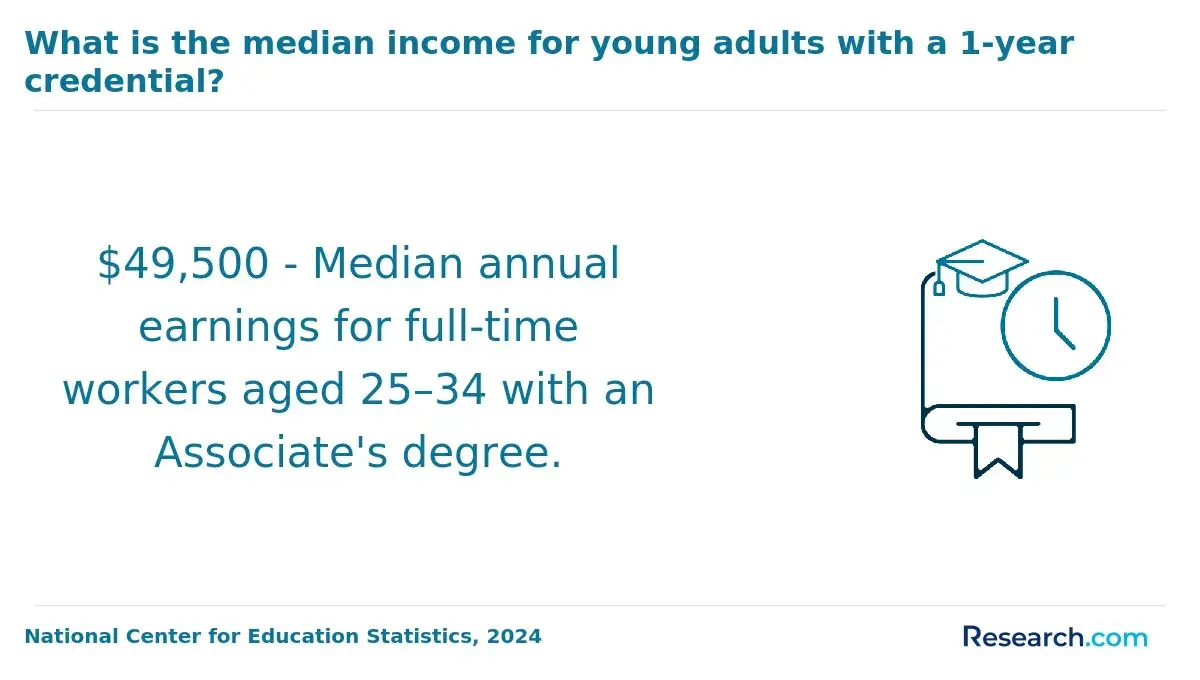
- Associate Degree: An online fintech associate degree usually takes about two years for most students. It provides foundational knowledge in finance, accounting, and technology, offering flexibility for those balancing work and studies.
- Bachelor's Degree: Although specific data on online financial technology bachelor's degrees is limited, most online bachelor's programs in related business fields take around four years. This option suits those looking for a thorough education to prepare for entry-level roles in fintech.
- Master's Degree: The average time to complete a master's degree in financial technology online ranges from 18 to 24 months, with some accelerated programs available. Part-time students working full-time may take up to two years or longer depending on their course load.
When deciding which program to pursue, consider both your personal schedule and career goals, as many programs offer flexible pacing and accelerated options. For those exploring educational options broadly related to this growing field, reviewing best college majors can provide additional guidance on how to align your studies with future opportunities.
What Factors Can Affect How Long It Takes to Earn an Online Financial Technology Degree?
Several key factors influence how long it takes to earn an online financial technology degree, making the duration highly variable depending on individual circumstances and program design. Understanding these factors can help prospective students plan their academic journey more effectively.
Below are some of the primary considerations that affect online fintech degree completion time influences:
- Enrollment status (full-time vs. part-time): Full-time students often complete their degrees more quickly, sometimes within 12 to 18 months, while part-time students may take upwards of 24 to 29 months or longer. The ability to adjust course loads in online programs allows flexibility but may also extend the overall timeline.
- Program structure and pacing: Some programs offer self-paced learning, enabling students to accelerate or delay progress based on their availability, whereas others follow a cohort model with fixed schedules. Self-paced options can benefit those balancing work or family but may lead to longer completion times if not managed steadily.
- Prior academic or professional experience: Transfer credits or relevant work experience can reduce time to degree completion. For example, students with professional experience might qualify for accelerated tracks that shorten the typical duration.
- Course load per term: Taking more courses each term can speed up graduation, but a lighter course load will naturally lengthen the program. Many online financial technology degrees allow customization of schedules, impacting how quickly students finish.
- Academic progress and breaks: Interruptions such as repeating courses or taking leaves of absence can delay completion. Maintaining consistent progress without extended breaks is important to stay on track.
- Internship or capstone requirements: Some programs include internships or capstone projects that add time, especially if these components must be finished sequentially rather than simultaneously with coursework.
When considering enrollment, researching institutions, such as the top online colleges with open admissions policies, can provide additional options for those exploring flexible entry points. Overall, these factors shape the various pathways and timelines for students pursuing an online financial technology degree.
What Are the Different Types of Online Financial Technology Programs Available?
Online financial technology programs offer a variety of degree types and specializations to match diverse career goals within this evolving field. To help you find the best fit, here is an overview of the primary types of online financial technology programs available and the focus areas they cover.
- General Financial Technology Degree: This program provides foundational knowledge in finance and accounting alongside studies of emerging technologies such as blockchain and data analytics. It's designed for students wanting a broad understanding of how fintech reshapes traditional financial services.
- Digital Payments and Banking: Concentrating on the latest innovations in online and mobile banking, payment systems, and transaction security, this specialization is ideal for those pursuing careers with payment processors or digital banks. Coursework often involves payment processing techniques and fraud detection.
- Blockchain and Cryptocurrency: Focused on both the technical and business aspects of blockchain technology and digital currencies, this program prepares graduates for roles like blockchain developers or crypto asset managers. Topics include distributed ledgers and regulatory considerations.
- Artificial Intelligence and Data Analytics in Finance: Emphasizing AI, machine learning, and big data, these programs prepare students for quantitative finance roles, including financial modeling and predictive analytics. The curriculum typically includes data mining and algorithmic trading.
- Investment Strategies and Wealth Management: Covering digital tools for portfolio management and automated investing, this track suits those interested in becoming investment analysts or robo-advisor developers, focusing on asset allocation and client engagement.
- Insurance Technology (InsurTech): This area explores technological innovations in insurance product development, claims processing, and risk assessment, targeting students aiming to work in insurance technology or regulatory compliance.
- Financial Regulation and Compliance (RegTech): Concentrating on technology-driven compliance and anti-money laundering solutions, this specialization prepares students for careers in regulatory technology and financial law, with courses on risk controls and regulatory frameworks.
The number of credit hours required to complete an online financial technology degree typically varies by degree level and program but generally aligns with established academic standards across the United States.
To give you a clearer picture, here is a breakdown of the typical credit hour requirements for online financial technology programs by degree level.
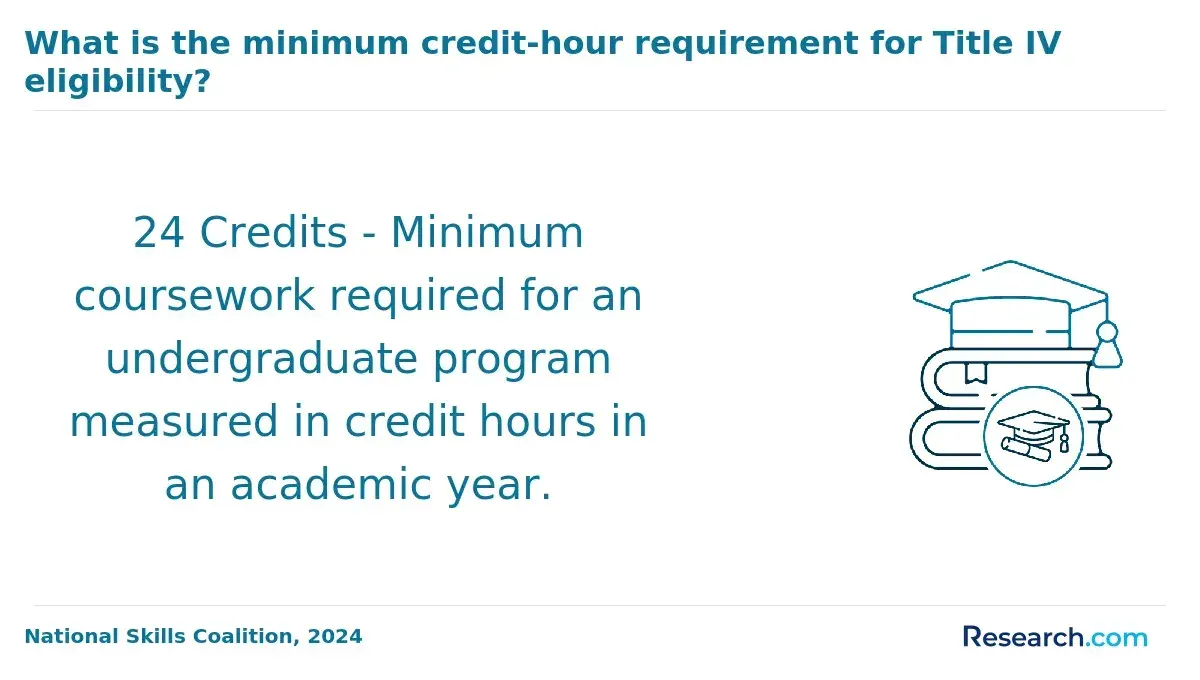
- Associate degree: Most online associate degrees require 60-70 credit hours. Full-time students usually complete these programs in about two years, while part-time students may need more time. Credit transfers and prior learning assessments can sometimes reduce the total required credits.
- Bachelor's degree: Usually requires around 120 credit hours for graduation. Full-time enrollment typically spans four years, although an associate degree or relevant experience might shorten the timeline. Part-time study extends the length accordingly.
- Master's degree: Generally requires 30-36 credit hours depending on the institution. Full-time students often finish in one to two years, while part-time students take longer. Some programs offer accelerated options for select students.
- Doctoral degree: Availability is limited, and credit requirements vary widely depending on coursework and research components. Completion times and credit hours differ significantly between programs.
One graduate of an online financial technology degree shared that managing the required credit hours felt like balancing a complex puzzle. They described late-night study sessions after work and weekends dedicated to group projects, which were challenging but rewarding.
The flexibility of online scheduling helped when unexpected work demands arose, yet staying disciplined was key. They found that mapping out each semester's credits in advance eased anxiety and fostered a steady progression toward completion, transforming what seemed like an overwhelming task into a series of achievable milestones.
A standard online financial technology curriculum typically includes a blend of foundational courses in finance, programming, and analytics alongside specialized subjects that address emerging trends and industry applications. These programs equip students with the skills needed to navigate and innovate in the rapidly evolving fintech landscape.
Below is a selection of core and advanced courses commonly found in such programs, highlighting the essential knowledge and career preparation they provide.
- Introduction to financial technology: Covers the fundamentals of how technology is transforming traditional financial services, including digital payments, online lending, and wealth management platforms. This course provides essential context for understanding the fintech ecosystem and its disruptive potential.
- Financial modeling: Teaches students to build quantitative models used for pricing assets, managing portfolios, and evaluating risk. Skills developed here are crucial for roles in investment analysis, risk management, and quantitative finance.
- Programming with Python (or similar languages): Introduces programming concepts and data analysis techniques, often using Python or R. Mastery of programming is vital for automating processes, analyzing large data sets, and implementing fintech solutions.
- Data analytics and business statistics: Focuses on statistical methods, predictive modeling, and business analytics relevant to financial data. These courses equip students to interpret complex data and support data-driven decision-making in finance.
- Blockchain technologies and decentralized finance: Explores blockchain architecture, smart contracts, cryptocurrencies, and decentralized applications. Understanding blockchain is increasingly important for careers in digital assets, payment systems, and decentralized finance (DeFi).
- Machine learning and artificial intelligence in finance: Covers machine learning models and their applications in portfolio management, trading algorithms, risk assessment, and fraud detection. This prepares students for roles at the intersection of finance and advanced analytics.
- Cybersecurity for financial technology: Examines strategies and technologies for securing financial data and protecting digital transactions. With rising cyber threats, this knowledge is essential for compliance and risk management roles.
- Fintech economics and business models: Analyzes the economic principles and business models driving innovation in payments, lending, crowdfunding, and wealth management. Students learn how fintech firms create value and compete with traditional institutions.
- Capstone project or internship: Provides practical experience by allowing students to apply their learning to real-world challenges through group projects or internships. These opportunities enhance job readiness and professional skills valued by employers.
Online financial technology programs frequently offer multiple start dates throughout the year, providing students with the flexibility to begin their studies when it best suits their personal and professional lives. This adaptability is especially valuable for working professionals and those balancing other commitments, allowing for tailored academic planning and reduced waiting times to start coursework.
Below is a summary of the most common enrollment schedules for online financial technology programs:
- Traditional Academic Calendar: Many online financial technology degrees follow a semester-based schedule, typically admitting students in the fall and spring, and sometimes in the summer. This structured approach benefits students who prefer a predictable academic timeline and who may be coordinating with financial aid or other obligations.
- Rolling Admissions: Some institutions use a rolling admissions process, reviewing applications and accepting qualified candidates throughout the year. This model enables students to start in the next available term without long delays, making it ideal for adults seeking to begin or continue their education promptly.
- Monthly or Quarterly Starts: Certain programs offer accelerated or flexible schedules with start dates every month or quarter. For instance, some provide up to six start opportunities per year, distributed across spring, summer, and fall terms, catering to motivated students and those with varying work schedules who want to progress quickly.
- Certificate and Short Program Schedules: Graduate certificates and micro-credentials often align with the university's main academic calendar but may also have summer or shorter session starts. These options suit professionals aiming for targeted skill development without committing to a full degree timeline.
Accelerated online financial technology programs significantly reduce the time needed to earn a degree compared to traditional course formats by using flexible and compressed structures designed for faster completion. These programs leverage various methods to help students graduate sooner while maintaining the quality of education.
Below are common features that enable quicker degree completion in accelerated online financial technology programs:
- Shorter Course Terms: Courses are offered in compressed timeframes, often 6-8 weeks instead of the usual 15 weeks. This allows students to take more courses annually, speeding up their path to graduation.
- Year-Round Enrollment: Multiple start dates throughout fall, spring, and summer enable continuous study without long breaks. This uninterrupted progression reduces overall degree time by months.
- Transfer Credits: Programs may accept transfer credits from previous undergraduate or graduate work, or credit double-counting in combined degree tracks. This lessens the total coursework left to complete.
- Competency-Based Learning: Students can move forward by demonstrating mastery rather than completing set time periods in class, benefiting those with prior knowledge or experience to finish faster.
- No Additional Undergraduate Coursework: Designed often for recent bachelor's graduates, some accelerated master's programs skip extra prerequisites, allowing immediate entry into graduate-level studies and shortening the journey.
A graduate of an online accelerated financial technology degree shared their experience, recalling the intense pacing as both challenging and rewarding. They emphasized how adapting quickly to the six-week course cycles demanded strong time management and self-discipline but kept their momentum high.
Navigating group projects remotely at such a fast pace tested both their communication skills and resilience. Despite the pressure, the continuous engagement with current fintech topics and technologies sustained their motivation. Reflecting on the journey, they felt the accelerated format prepared them well for the fast-evolving industry landscape, confirming the decision was worth the demanding schedule.
Completing an online Financial Technology program in less time can significantly reduce overall education costs for students. Accelerated completion not only shortens the duration of study but also enhances financial outcomes by minimizing expenses and increasing earning potential.
The following points highlight key ways cost savings by finishing online FinTech degree early can be achieved:
- Lower Tuition Costs: Many institutions calculate tuition per credit for accelerated FinTech programs, allowing students to pay only for courses they complete in fewer terms. Finishing early means avoiding extra terms' tuition fees, which can substantially lower the total out-of-pocket expenses, especially since average costs range widely depending on credit requirements.
- Reduced Living Expenses: Completing the program faster reduces the number of semesters students must cover living expenses like rent and utilities. Even with the savings from studying online, less time in the program translates to fewer months of ongoing costs, helping budget-conscious students save money over time.
- Earlier Entry Into the Workforce: Graduating sooner enables students to start their careers earlier, increasing their cumulative earnings. With average starting salaries in finance reaching $72,230 in 2023, even a semester's head start can result in thousands of dollars more income, improving the overall return on investment for their degree.
- Less Time Off Work: The flexibility of online studies permits students to maintain employment during their coursework. Accelerating degree completion decreases the period students might reduce work hours or take unpaid leave, allowing for sustained income and reduced reliance on student loans.
For those curious about detailed costs, this how much does it cost to get associates degree resource offers valuable insight into tuition structures and affordability.
Graduates can often start working in financial technology shortly after earning their online degree, with many securing jobs within a few months. The time to find a fintech job after graduation varies, typically influenced by factors such as the specific fintech focus, current job demand, and prior work experience.
About a quarter of entry-level professionals begin working within five months, though some take longer depending on market conditions. Candidates with relevant certifications or backgrounds in IT or business analytics tend to find positions more quickly. Overall, the fintech industry's rapid growth helps reduce wait times for skilled graduates.
Many online financial technology programs support students in gaining work experience and building networks while studying, which helps graduates transition smoothly into the workforce. Internships, applied learning projects, and industry partnerships embedded in the curriculum allow students to develop both technical skills and business understanding before finishing their degree.
Career coaching and workshops are commonly offered to prepare students better for job searching, enhancing how quickly can you get a fintech job with an online degree. For those seeking affordable options, exploring affordable online universities that accept financial aid can be a smart step towards entering this field.
Online Financial Technology graduates typically earn between $83,000 and over $200,000 annually, depending on their job role, experience, and specialization. Understanding the average fintech salary in the United States involves examining how earnings vary across different career stages and sectors within the industry, as outlined below.
Here is a breakdown of average earnings by common fintech career paths and levels of experience:
- Entry-Level Roles: Graduates often begin as analysts or junior developers with salaries ranging from $83,000 to $95,000 per year. Factors such as geographic location, employer size, and technical skills, particularly in programming and data analysis, heavily influence starting pay and advancement possibilities.
- Specialized Technical Positions: Jobs like blockchain engineer, fintech software developer, or information security analyst offer higher starting salaries, typically from $100,000 to $150,000 annually. These roles require advanced competencies, and rapid upskilling can lead to earlier entry, enhancing overall online financial technology degree salary potential.
- Mid-Career Professionals: With several years of experience, professionals often become managers or senior developers earning between $125,000 and $156,000. Leadership responsibilities, project management skills, and measurable business impact play significant roles in compensation at this level.
- Leadership Roles: Senior executives such as CFOs can earn $200,000 or more, with some specialized positions exceeding $217,000 annually. These roles demand a blend of fintech expertise and business acumen, typically requiring extensive industry experience.
- Industry and Regional Variations: Salaries are generally higher in major fintech hubs compared to smaller markets or traditional financial institutions. The industry's rapid growth, projected at 11% to 12% annually, continues to increase demand and earning potential for skilled professionals.
Graduates interested in exploring related career options may find additional insights by reviewing good trade school jobs, which can complement fintech skills and open alternative pathways to strong earnings.
Here's What Graduates of Online Financial Technology Programs Have to Say About Their Degree
- Arjun: "Completing my online financial technology degree was a game-changer in both my professional and personal life. The flexibility of the program allowed me to balance work and family commitments while gaining in-depth knowledge of blockchain and digital payments. The hands-on projects prepared me thoroughly for the evolving job market, and I secured a role at a leading fintech startup shortly after graduation. This degree truly empowered me to break into an innovative field with confidence and excitement."
- Tanya: "Reflecting on my journey through the online financial technology program, I realize it was much more than just earning a degree. The experience pushed me to think critically about financial inclusion and how technology can bridge gaps in underserved communities. Engaging with diverse classmates and faculty fostered a deep sense of purpose, inspiring me to develop solutions that have a real-world impact. It's fulfilling to contribute to societal well-being through the skills I gained online."
- Cady: "Pursuing an online financial technology degree required immense discipline, but it has opened tremendous doors for career advancement. The curriculum was rigorous and industry-focused, equipping me with strong data analytics and risk management competencies sought after by employers. Since graduating, I have been promoted twice and now lead a team designing fintech products for a major bank. I am proud to represent professionals who built their expertise through flexible, quality online education."
Other Things You Should Know About Online Financial Technology Degree Programs
Yes, many online Financial Technology degree programs include internships or practical projects as part of their curriculum to give students real-world experience. These opportunities can enhance learning and improve employability by applying theoretical knowledge in practical settings.
In 2027, earning an online Financial Technology degree typically takes about 18 months to 3 years, depending on whether the student is enrolled part-time or full-time. Some programs offer accelerated options, which may allow completion in as little as 12 months.
Many programs require college algebra or statistics before admission, plus basic programming knowledge in Python, SQL, or Java. Some schools let you complete a short bridge module instead of a formal prerequisite. Transfer credits may also count if they come from regionally accredited colleges.
- Degree Details | FinTech | Duke Engineering Master's Programs https://masters.pratt.duke.edu/fintech/degree/
- All Bachelor's in Fintech Degree Programs - FintechDegrees.org https://www.fintechdegrees.org/programs/bachelors/
- Fintech Career Path: Roles, Salaries & Progression https://300hours.com/fintech-career-path/
- MS in FinTech (Online + In-Person) | Graduate Programs in Financial Technology (FinTech) https://fintech.business.uconn.edu/programs/ms-in-fintech/
- Financial Technology Certificate https://www.gsw.edu/college-of-business-and-computing/fintech
- Master's in FinTech https://business.ucdenver.edu/ms/fintech
- Accelerated BSBA/Finance and MS in Fintech https://www.umsl.edu/business/departments/finance-and-legal-studies/finance-undergrad-programs/acceleratedfintech.html