2027 Best Accredited Online Clinical Research Management Degree Programs: Compare Tuition, Admissions, and Career Outcomes

Co-Founder and Chief Data Scientist
Choosing an online clinical research management degree means weighing cost, accreditation, flexibility, and career payoff before you enroll. The decision matters because the U. S. Bureau of Labor Statistics projects medical and health services manager employment to grow 29% from 2023 to 2033, much faster than average. This guide is for working adults, healthcare professionals, science graduates, and career changers comparing accredited online options. You'll learn how programs differ, what to verify, and how to choose a degree that fits your budget, schedule, and career goals.
Key Things You Should Know
- Best-value programs usually combine institutional accreditation, transparent tuition, flexible online delivery, applied clinical trial coursework, and career support rather than relying on name recognition alone.
- Clinical research management roles often connect to high-growth healthcare administration and research operations fields; BLS projects 29% growth for medical and health services managers from 2023 to 2033.
- Students should compare total cost, transfer credit, practicum expectations, employer tuition benefits, and career outcomes because the cheapest listed tuition is not always the lowest net cost.
Which Accredited Online Clinical Research Management Degree Programs Offer the Best Overall Value?
The best overall value is not always the lowest sticker price. For clinical research management, value usually means an accredited program that teaches trial operations, regulatory compliance, ethics, data quality, project management, and sponsor-site communication in a format that lets students keep working.
Clinical research management degree programs are commonly offered as bachelor's degrees, bachelor-completion programs, graduate certificates, and master's degrees. A bachelor's option may fit students entering the field, while a master's degree often fits professionals moving from coordinator, nursing, regulatory, laboratory, or healthcare administration roles into leadership.
The table below summarizes well-known accredited online or online-friendly U.S. programs and the type of student each may serve best. Program names and formats can change, so use this as a decision framework and verify current catalog details before applying.
| Program | Credential Level | Best-Fit Student | Value Signal | Main Trade-Off to Check |
| Arizona State University Online, Clinical Research Management | Bachelor's | Students seeking an entry-level or bachelor-completion route into clinical research operations | Large public university infrastructure, fully online delivery, and broad student support | Confirm transfer-credit fit and total credits still required |
| University of North Carolina Wilmington, Clinical Research and Product Development | Master's | Working professionals seeking public-university pricing and applied clinical research training | Public institution, industry-oriented curriculum, and online access | Check residency status, course sequencing, and practicum expectations |
| Rutgers School of Health Professions, Clinical Research Management | Master's | Students interested in pharmaceutical, regulatory, or academic medical research environments | Health professions setting and strong regional employer relevance | Compare tuition, fees, and whether synchronous participation is required |
| Drexel University, Clinical Research Organization and Management | Master's | Professionals seeking private-university brand recognition and industry-focused coursework | Curriculum aligned with clinical research organizations, compliance, and trial management | Private tuition may require stronger aid, employer support, or ROI justification |
| George Washington University, Clinical Research Administration or related health sciences pathways | Graduate certificate or master's | Students interested in research administration, federal regulation, and healthcare systems | Health sciences focus and relevance to policy, compliance, and research administration | Verify exact credential, credit load, and whether the curriculum matches management goals |
For many students, the strongest value comes from a public university master's or an online bachelor-completion pathway that accepts substantial transfer credit. A private nonprofit program can still be worth the higher cost when it offers a stronger professional network, better employer alignment, or specialized coursework that directly supports your target role.
A common mistake is treating "online" as a single category. Some online programs are highly structured and cohort-based, while others are mostly asynchronous. If you want a shorter route into hands-on patient-care imaging rather than research operations, online associate radiology tech programs may be a better comparison point than clinical research management degrees.
What Accreditation Should Students Look for in an Online Clinical Research Management Degree Program?
Students should first verify institutional accreditation. In the U.S., institutional accreditation means the college or university has been reviewed by a recognized accreditor for academic quality, governance, faculty qualifications, student services, and financial stability. This matters because federal financial aid, transfer credit, graduate school eligibility, and employer recognition often depend on attending an institutionally accredited school.
Clinical research management is different from fields such as nursing, counseling, or physical therapy because there is not one universally required programmatic accreditor that every employer demands. Instead, students should look for a curriculum aligned with recognized professional expectations in clinical trials, research ethics, human subjects protection, Good Clinical Practice, regulatory affairs, biostatistics, pharmacovigilance, and quality management.
Use this checklist before applying so you do not confuse marketing claims with recognized accreditation.
- Confirm the institution appears in the U.S. Department of Education or Council for Higher Education Accreditation database under a recognized accreditor.
- Ask whether the degree is offered by the institution itself or by an outside online program manager, and clarify who issues the transcript and diploma.
- Review the curriculum for clinical trial operations, regulatory compliance, IRB processes, data management, ethics, and project management rather than only general healthcare administration courses.
- Check whether coursework supports preparation for professional credentials from organizations such as ACRP or SOCRA, while remembering that certification eligibility often depends on work experience.
- Verify that online students have access to the same library databases, advising, disability services, career services, and faculty support as campus students.
The biggest red flag is a school that advertises "accredited" without naming a recognized institutional accreditor. Another warning sign is a program that promises certification or employment automatically. Accreditation can support quality and recognition, but it does not guarantee a job, salary, or professional certification.
How Do Tuition Costs Compare Across Accredited Online Clinical Research Management Degree Programs?
Tuition varies widely because online clinical research management programs can be housed in public universities, private nonprofit universities, schools of health professions, continuing education divisions, or graduate health sciences colleges. Students should compare total cost of attendance, not just tuition per credit.
NCES data published in 2024 shows that average graduate tuition and required fees were substantially lower at public institutions than at private nonprofit institutions. For clinical research management students, that difference can matter most when choosing a 30- to 40-credit master's program.
The table below shows the cost factors that typically create the biggest differences between programs. It is designed to help you ask the right questions when comparing tuition pages and financial aid offers.
| Cost Factor | Why It Matters | What to Ask the School |
| Per-credit tuition | Most online programs charge by credit, so small differences multiply across the full degree. | Is tuition the same for online, in-state, and out-of-state students? |
| Required fees | Technology, distance learning, health sciences, graduation, and student service fees can raise total cost. | Which fees are mandatory for online students every term? |
| Transfer credits | Accepted credits can reduce both cost and time to completion, especially for bachelor-completion students. | How many credits can I transfer, and will they apply to major requirements or only electives? |
| Course materials and software | Clinical research programs may require statistical software, regulatory manuals, database access, or proctoring tools. | Are materials included in tuition, or should I budget separately? |
| Residency or practicum expenses | Some online programs include campus visits, fieldwork, or supervised projects that create travel or scheduling costs. | Are there any in-person requirements, and can they be completed near my home? |
| Employer tuition assistance | Hospitals, CROs, pharmaceutical companies, and universities may reimburse eligible employees. | Does the program's calendar and billing structure work with employer reimbursement deadlines? |
Public programs often provide the best sticker-price advantage, especially when online students qualify for resident or reduced distance-learning tuition. Private nonprofit programs may still make financial sense if scholarships, employer reimbursement, or a strong professional network lowers the net cost or improves career mobility.
The mistake to avoid is comparing only one semester of tuition. Build a full-program estimate that includes credits remaining, mandatory fees, books, software, travel, certification preparation, and the income impact of reducing work hours.
How Competitive Is Admission to Accredited Online Clinical Research Management Degree Programs?
Admission competitiveness depends on the credential level. Bachelor's programs usually evaluate high school records, transfer credits, prior college GPA, and readiness for science or healthcare coursework. Master's programs typically expect a bachelor's degree and may prefer applicants with healthcare, life sciences, public health, pharmacy, nursing, laboratory, regulatory, or research experience.
Many online clinical research management programs are designed for working adults, so admissions may be more holistic than highly selective campus programs. That does not mean the curriculum is easy. It often means the school is evaluating whether you can succeed in applied graduate-level or upper-division coursework while managing professional responsibilities.
The table below compares common admission requirements by degree level so applicants can identify gaps before spending money on applications.
| Requirement | Bachelor's Program | Master's Program | How to Strengthen Your Application |
| Prior education | High school diploma, GED, or transferable college credits | Accredited bachelor's degree | Submit all transcripts early and request a preliminary transfer review if available. |
| GPA | Minimums vary by school and transfer status | Often a minimum undergraduate GPA, with possible conditional admission | Explain upward grade trends and highlight strong grades in science, statistics, or healthcare courses. |
| Work experience | Helpful but not always required | Often valued, especially in healthcare or research settings | Describe responsibilities related to compliance, documentation, patient interaction, data, or project coordination. |
| Prerequisites | May include general education, biology, statistics, or writing | May expect statistics, research methods, or healthcare background | Complete missing prerequisites before enrollment if they affect your first-term course load. |
| Statement or resume | May be optional depending on program | Common for graduate admission | Connect your goals to clinical trial operations, regulatory quality, or research leadership. |
Students should prioritize programs that clearly state admission requirements and conditional-admission policies. If a program is flexible but transparent, that can be a strength. If it has vague requirements, aggressive enrollment pressure, or no clear academic standards, treat that as a red flag.
Before applying, take these practical steps to reduce wasted time and fees.
- Request a transcript evaluation before committing, especially if you have credits from multiple colleges.
- Ask whether prerequisite courses can be completed after admission or must be finished before starting.
- Clarify whether professional experience can strengthen an application with a lower GPA.
- Confirm whether GRE scores are required, optional, or not accepted.
- Ask how often courses start and whether missing one admission deadline delays graduation by a full year.
Which Learning Formats Offer the Greatest Flexibility in Online Clinical Research Management Degree Programs?
The most flexible online clinical research management programs use asynchronous courses, multiple start dates, part-time enrollment, and predictable course rotations. Flexibility matters because many students in this field already work in hospitals, academic medical centers, laboratories, pharmaceutical companies, contract research organizations, or healthcare administration.
However, maximum flexibility is not always the best academic fit. Some students learn better in live online seminars, cohort models, or programs with structured deadlines. The right format depends on your schedule, learning style, and need for faculty interaction.
The table below compares common online formats and what they mean in practical terms.
| Format | Flexibility Level | Best For | Potential Drawback |
| Asynchronous online | High | Working adults with changing shifts or family responsibilities | Requires strong self-management and comfort learning independently |
| Synchronous online | Moderate | Students who want live discussion, faculty access, and peer accountability | Live class times may conflict with work schedules across time zones |
| Cohort-based online | Moderate | Students who want networking and a structured path through the curriculum | Less ability to accelerate, pause, or change course order |
| Self-paced or competency-based | Very high when available | Experienced professionals who can move quickly through familiar material | Less common in clinical research management and may offer fewer live interactions |
| Hybrid online | Variable | Students who value some in-person labs, intensives, or local networking | Travel, time off work, and location requirements can increase total cost |
A major trend in online healthcare education is the growing use of virtual collaboration tools, simulation exercises, electronic regulatory binders, remote monitoring scenarios, and data-quality platforms. These tools can make online learning more realistic, but students should ask whether they will practice with current research workflows or only read about them.
Students who work rotating clinical shifts should be especially cautious about programs with frequent mandatory live sessions. A flexible program should publish course schedules early enough for you to plan work, childcare, and practicum responsibilities.
What Student Support Services Improve Success in Online Clinical Research Management Degree Programs?
Strong student support can be the difference between completing an online degree and stopping out after a difficult term. Clinical research management students often need help with statistics, academic writing, regulatory interpretation, project planning, and career transitions into research operations.
Support services are especially important because clinical research courses can combine science, ethics, data, law, healthcare workflow, and business operations. A program with lower tuition but weak support may become more expensive if it delays graduation.
Look for support that directly matches the academic and career demands of clinical research management.
- Dedicated academic advising that helps students sequence prerequisites, core courses, electives, and capstone or practicum requirements.
- Career services with experience in clinical research coordinator, regulatory affairs, data management, project management, and clinical operations roles.
- Faculty access through virtual office hours, timely feedback, and clear expectations for online discussion, group projects, and research assignments.
- Writing, statistics, and research-methods tutoring for students who have been away from school or are new to quantitative analysis.
- Library access to biomedical databases, regulatory resources, journal articles, citation tools, and evidence-based practice materials.
- Technical support during evenings or weekends, especially for students completing coursework after work hours.
- Practicum or capstone guidance that helps students connect projects to their current workplace or career goals when allowed.
One practical test is to ask admissions staff to connect you with an academic advisor before you apply. If the school cannot clearly explain who supports online students after enrollment, that may signal a gap between recruitment and student success.
Another red flag is a program that offers career services only at the university level but has no healthcare or research-specific employer knowledge. Clinical research hiring is often role-specific, so generic resume support may not be enough.
Which Financial Aid Options Are Available for Accredited Online Clinical Research Management Degree Students?
Students in accredited online clinical research management programs may qualify for federal financial aid if the institution and program meet eligibility rules. Common options include federal loans, grants for eligible undergraduates, institutional scholarships, employer tuition assistance, veterans benefits, payment plans, and external scholarships from professional or healthcare organizations.
The most important step is to compare net price rather than published tuition. A higher-priced private program may become competitive after scholarships, while a public program may remain the most affordable if it offers lower tuition and accepts more transfer credits.
Use the following steps to compare aid packages realistically.
- File the FAFSA as early as possible and list every school you are seriously considering.
- Ask each program for a full cost estimate that includes tuition, fees, materials, and any required travel.
- Request scholarship information from the academic department, not only the central financial aid office.
- Check whether your employer reimburses tuition for clinical research, regulatory affairs, healthcare administration, or data roles.
- Compare loan amounts by total program cost, not by semester, so you understand the full borrowing commitment.
- Ask whether dropping below half-time enrollment changes aid eligibility, repayment timing, or employer reimbursement.
Healthcare students comparing multiple career paths should also compare the financial aid and tuition structures of adjacent programs. For example, nurses seeking advanced practice roles may want to review most affordable online FNP programs before deciding whether clinical research management or patient-care advancement offers the better return for their goals.
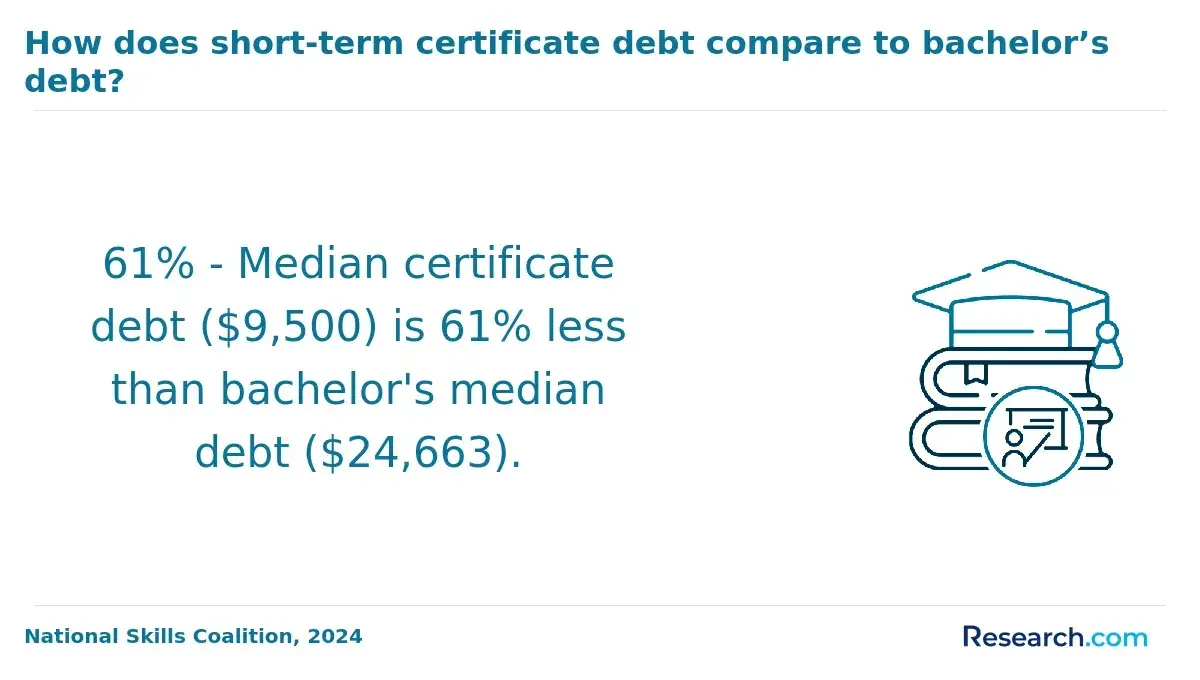
A common mistake is assuming graduate students receive the same grant aid as undergraduates. Graduate aid often relies more heavily on loans, employer benefits, assistantships, or scholarships, so the total debt-to-income picture deserves careful review before enrollment.
Which Career Outcomes Are Associated With Accredited Online Clinical Research Management Degree Programs?
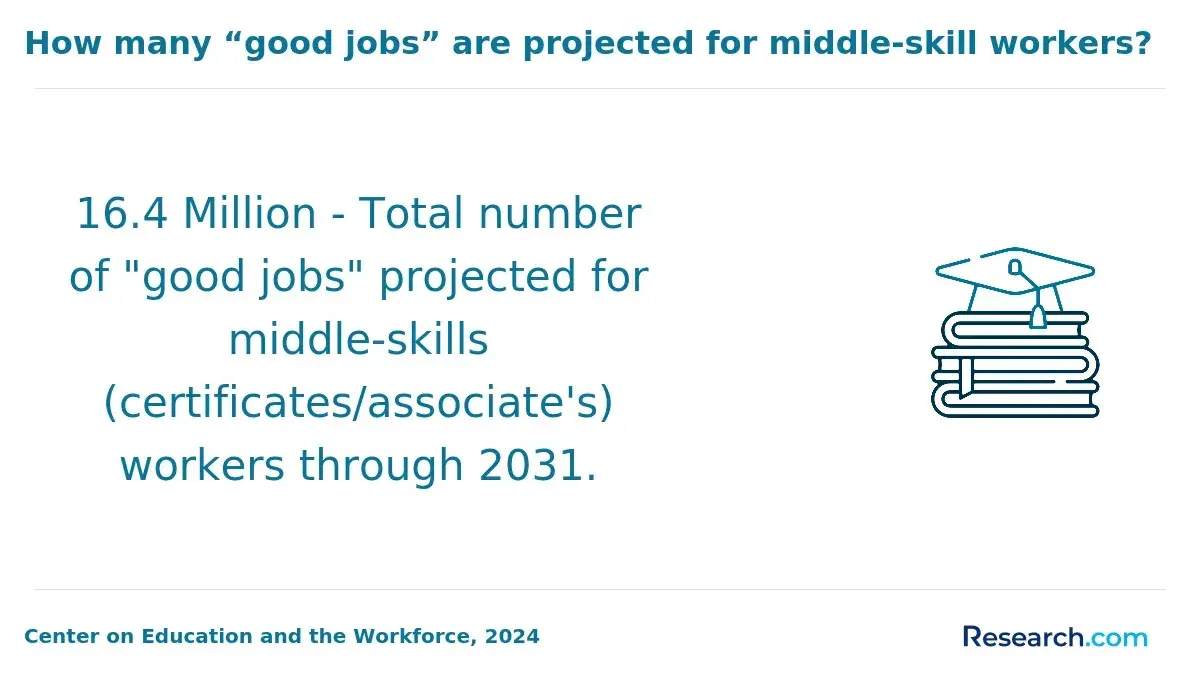
Clinical research management degrees can support careers in clinical trial coordination, site management, regulatory affairs, clinical operations, data management, quality assurance, pharmacovigilance, research administration, and project management. Outcomes depend heavily on prior experience, credential level, location, employer type, and whether the student already works in healthcare or research.
The degree is often most valuable for students who want to move from task-based research work into coordination, compliance, or leadership. It may be less useful for students who want direct patient diagnosis and treatment, because those roles usually require a licensed clinical degree.
The table below connects common roles to broader U.S. labor market categories. Salary figures are occupational benchmarks, not promises for any specific graduate or job title.
| Career Direction | Common Job Titles | Relevant U.S. Labor Market Context | What Employers Commonly Value |
| Clinical operations and research management | Clinical research manager, clinical operations manager, trial manager, site manager | BLS reported a May 2024 median annual wage of $117,960 for medical and health services managers. | Trial oversight, budgeting, staff coordination, compliance, communication, and healthcare operations experience |
| Research science and study design | Clinical research scientist, research associate, translational research specialist | BLS reported a May 2024 median annual wage of $100,590 for medical scientists. | Research methods, protocol development, scientific writing, ethics, and advanced biomedical knowledge |
| Clinical data and analytics | Clinical data manager, data quality specialist, research informatics analyst | BLS reported a May 2024 median annual wage of $112,590 for data scientists. | Data quality, database systems, statistics, documentation, privacy, and cross-functional communication |
| Regulatory and compliance | Regulatory affairs specialist, compliance analyst, IRB coordinator, quality assurance specialist | Compensation varies by employer, product area, and experience because these roles span healthcare, life sciences, and compliance categories. | Regulatory documentation, audit readiness, SOPs, FDA-related processes, and attention to detail |
Students should use salary data as a market signal, not a guarantee. Entry-level coordinators may earn less than manager-level benchmarks, while experienced professionals in pharmaceutical, biotech, or contract research organizations may compete for higher-responsibility positions.
Career outcomes also depend on complementary credentials and experience. Professional certifications, therapeutic-area knowledge, electronic data capture experience, monitoring exposure, and project management skills can improve competitiveness. Students interested in academic research leadership rather than trial operations may also compare a nursing PhD online or another doctoral research pathway if they already hold the appropriate clinical background.
How Do Online and Campus-Based Clinical Research Management Degree Programs Compare?
Online and campus-based clinical research management programs can lead to similar academic credentials when they are offered by accredited institutions. The bigger differences usually involve schedule control, networking style, access to local research sites, and how much structure the student wants.
Online programs are often better for working adults who need to keep their job while studying. Campus programs may fit students who want in-person faculty relationships, local internships, lab-adjacent research exposure, or a more traditional graduate school experience.
The table below compares the practical trade-offs students should consider before choosing a format.
| Factor | Online Program | Campus-Based Program | Best Choice Depends On |
| Schedule | Often more flexible, especially with asynchronous courses | More fixed class times and location-based expectations | Work schedule, family responsibilities, and time zone |
| Networking | Virtual classmates may come from diverse employers and regions | Local relationships may be stronger with faculty and nearby research sites | Whether you want national flexibility or local employer access |
| Hands-on exposure | May rely on current workplace projects, simulations, or arranged practicum sites | May offer easier access to campus research centers or affiliated hospitals | Your existing research experience and local site availability |
| Cost | May reduce commuting, relocation, and lost income costs | May provide campus assistantships or local research employment | Net price after aid, travel, housing, and work impact |
| Learning style | Requires self-direction and comfort with digital platforms | Provides more face-to-face structure and immediate classroom interaction | How you learn best and how much accountability you need |
Online learning has become increasingly normalized in healthcare education, including advanced clinical and leadership programs. Students comparing healthcare leadership routes may also look at a fastest DNP program online if they are licensed nurses seeking practice leadership rather than clinical trial management.
The key is not whether online or campus is universally better. The better option is the one that gives you enough structure, support, applied experience, and affordability to complete the degree and use it professionally.
How Should Students Choose the Best Accredited Online Clinical Research Management Degree Program?
Students should choose an accredited online clinical research management degree by matching the program to their career target, prior education, budget, schedule, and experience level. A strong program for a first-time bachelor's student may not be the best program for an experienced research coordinator seeking management advancement.
The most reliable decision process compares multiple factors at once. Rankings can be useful starting points, but they should not replace a careful review of accreditation, curriculum, cost, faculty expertise, support services, and outcomes.
Follow this step-by-step process before enrolling.
- Define your target role, such as clinical research coordinator, trial manager, regulatory affairs specialist, data manager, or clinical operations leader.
- Choose the right credential level based on your current education: bachelor's for entry or completion, graduate certificate for focused upskilling, and master's for broader leadership preparation.
- Verify institutional accreditation through a recognized accreditor before discussing tuition or enrollment.
- Map the curriculum to your target skills, including Good Clinical Practice, IRB processes, regulatory documentation, data quality, trial budgeting, and project management.
- Calculate total cost using credits remaining, tuition, fees, materials, travel, transfer credit, scholarships, and employer reimbursement.
- Ask how online courses are delivered, how often required courses run, and whether live attendance is mandatory.
- Review student support, including advising, faculty access, career services, statistics help, writing support, and practicum guidance.
- Compare career outcomes cautiously and ask what types of employers hire graduates, but avoid programs that promise jobs or salaries.
- Speak with admissions, an academic advisor, and ideally a current student or graduate before committing.
Students should also know when not to choose this degree. If your goal is prescribing, diagnosing, providing therapy, or practicing as an advanced clinician, a clinical licensure pathway may be more appropriate. For example, nurses focused on psychiatric advanced practice may be better served by online PMHNP programs than by clinical research management.
The strongest choice is usually the program that you can afford, complete on schedule, and connect directly to the work you want to do. A well-known school with weak fit may be less valuable than a less expensive accredited program with the right curriculum, transfer policy, and employer relevance.
Other Things You Should Know About Clinical Research Management
Yes, but you may need to build missing knowledge in biology, healthcare systems, research ethics, statistics, and medical terminology. Applicants with business, public health, psychology, data, or administration backgrounds can be competitive when they show clear interest in clinical research operations.
Certification is not always required, but it can help after you gain eligible work experience. Common credentials in the field are offered through professional clinical research organizations, and eligibility rules vary by role, education, and documented experience.
Many are fully online for coursework, but some include practicums, capstones, internships, live sessions, or occasional campus requirements. Always confirm whether any in-person component is required and whether it can be completed near your home or workplace.
Helpful preparation includes academic writing, spreadsheet skills, basic statistics, medical terminology, documentation habits, time management, and comfort reading policies or protocols. If you are new to the field, introductory training in human subjects protection can also make early coursework easier.
References
- Exploring Career Opportunities After BSc & MSc: A Comprehensive Guide to Clinical Research & Regular Paths https://www.clinicalresearchexcellencefoundation.com/exploring-career-opportunities-after-bsc-msc-a-comprehensive-guide-to-clinical-research-regular-paths-qualifications-skills-salaries-and-promotions-by-medical-experts-top-1/
- CBTS Masters of Science Clinical Research Management Online Yr 1 https://www.unthealth.edu/tuition-and-fees/cbts-tuition-and-fees/cbts-masters-of-science-clinical-research-management-online-year-1.html
- Careers Overview - Clinical Research Management (MS) https://school.wakehealth.edu/education-and-training/graduate-programs/clinical-research-management-ms/careers-overview
- Clinical Trial Operations: Foundations and Practice - Online https://www.kozminski.edu.pl/en/programs/postgraduate-programs/clinical-trial-operations-foundations-and-practice-online
- 2025 Most Affordable Online Master's Programs https://www.onlineu.com/most-affordable-colleges/masters-degrees
- Top 25 Clinical Research and Clinical Research Management Master's Degree Programs - Healthcare Management Degree Guide https://www.healthcare-management-degree.net/best/clinical-research-clinical-research-management-masters-programs/
- ACRP Certification https://acrpnet.org/certification
- CCRPS Intensive Clinical Research Training & Certification Programs https://app.ccrps.org/
- Knowledge Guides: Clinical Research Management Program: Program Overview https://libguides.wakehealth.edu/c.php
- Starting a Career in Clinical Research | The Institute of Clinical Research https://icr-global.org/starting-a-career-in-clinical-research/